Summer can be both a blessing and a challenge for gardeners. Warm sunshine fuels growth, but intense heat and dry air can quickly turn your thriving plants into wilted casualties if watering isn’t done right. While it may seem simple—just add water—many gardeners unintentionally make watering mistakes that do more harm than good.
If you’ve ever found your plants drooping, yellowing, or dying despite your best efforts, the issue might not be how much water you give, but how you give it. Here are five common summer watering mistakes and how to avoid them to keep your garden healthy and vibrant all season long.
1. Watering at the Wrong Time of Day
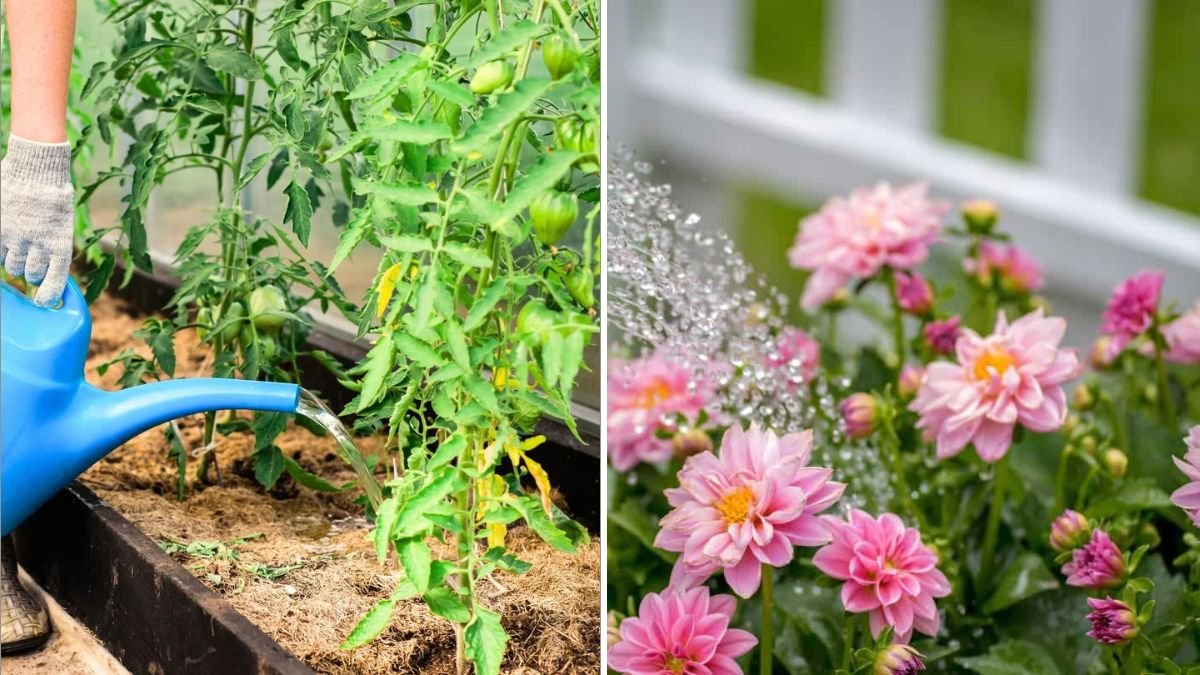
Timing is everything when it comes to watering. One of the biggest and most common mistakes gardeners make is watering during the heat of the day, often between 10 a.m. and 4 p.m. During this period, the sun is at its peak, and much of the water evaporates before it ever reaches the plant’s roots. This wastes water and leaves your plants thirsty.
Why It’s a Problem:
- High temperatures cause rapid evaporation.
- Wet leaves can scorch when exposed to intense sunlight.
- Plants receive less hydration when they need it most.
The Right Way:
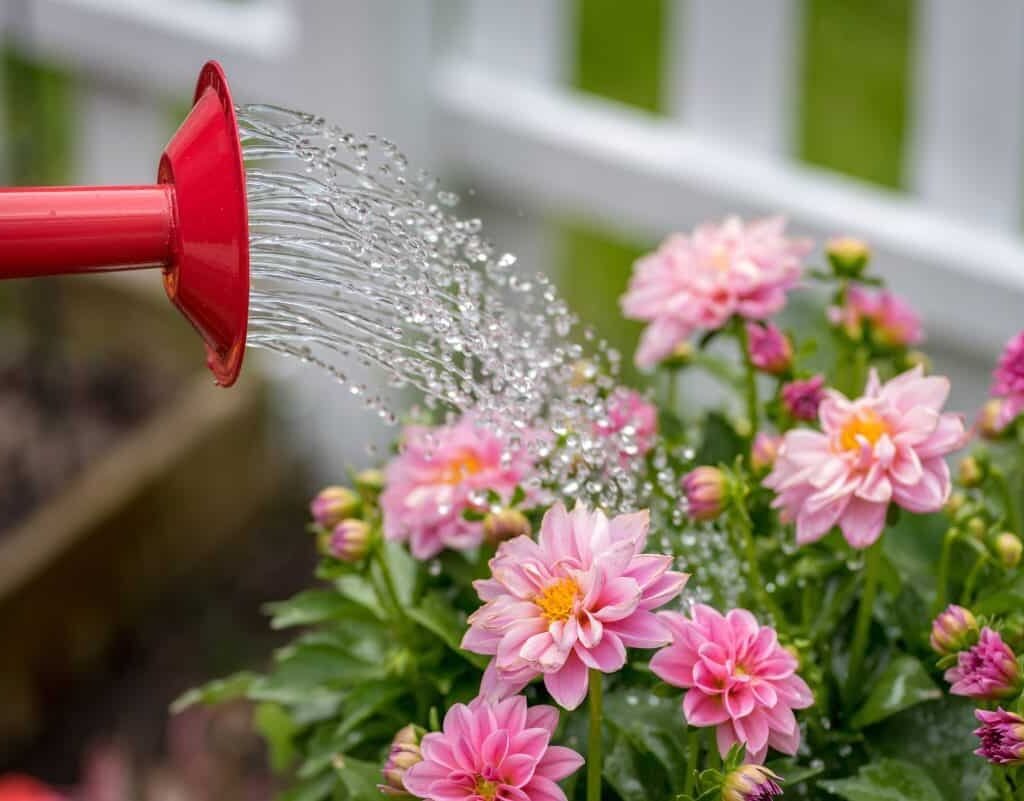
- Water early in the morning—ideally between 5 a.m. and 9 a.m. The cooler air reduces evaporation, and plants have time to absorb moisture before the day’s heat.
- If morning watering isn’t possible, the next best option is late evening, around 6 p.m. to 8 p.m. Just ensure leaves dry before nightfall to prevent fungal growth.
Pro Tip: Install a simple timer on your irrigation system or hose to ensure consistent early-morning watering, even if you’re not around.
2. Watering Too Often (or Too Little)
It’s easy to assume plants need daily watering in summer, but that’s rarely the case. Overwatering is just as harmful—sometimes even more so—than underwatering. Too much water fills air spaces in the soil, suffocating roots and promoting rot. On the other hand, underwatering stresses plants, causing drooping, stunted growth, and leaf drop.
Why It’s a Problem:
- Overwatering: Roots become deprived of oxygen, leading to root rot and fungal infections.
- Underwatering: Plants can’t transport nutrients effectively, resulting in dry, crispy leaves and reduced flowering.
The Right Way:
- Water deeply but infrequently. Instead of shallow, daily sprinkles, soak the soil thoroughly so water penetrates at least 6 inches deep.
- Allow the top 1–2 inches of soil to dry out before watering again. This encourages roots to grow deeper, making plants more resilient to drought.
How to Test Soil Moisture:
Insert your finger about two inches into the soil near the base of the plant:

- If it feels moist, wait another day before watering.
- If it feels dry, it’s time to water.
Pro Tip: Use a moisture meter for more accurate readings, especially if you’re unsure how your soil retains water.
3. Using the Wrong Watering Technique
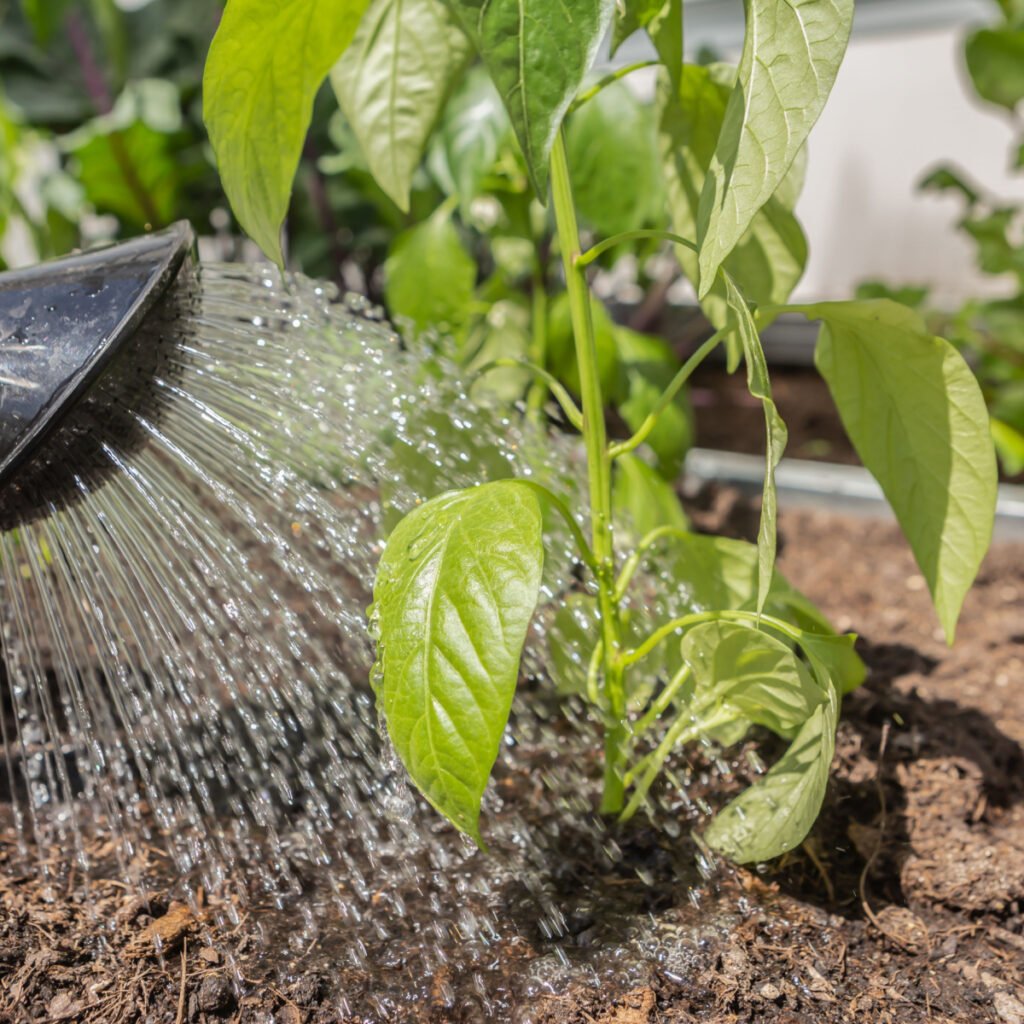
Even if you water at the right time and frequency, how you water makes a huge difference. Spraying water overhead may seem quick and easy, but it often leads to waste, disease, and weak plant growth.
Why It’s a Problem:
- Overhead watering leaves foliage wet, inviting fungal diseases like powdery mildew and blight.
- A strong jet of water can compact soil and damage tender plants.
- Shallow watering only wets the surface, encouraging shallow root growth.
The Right Way:
- Water at the base of the plant, aiming directly at the root zone where moisture is needed most.
- Use a soaker hose or drip irrigation system to deliver water slowly and evenly. This minimizes waste and ensures deeper penetration.
- For potted plants, water until it drains from the bottom, ensuring roots get evenly hydrated.
Pro Tip: Mulch around your plants after watering. A 2–3 inch layer of organic mulch (like straw, compost, or bark chips) retains moisture, reduces evaporation, and prevents soil from drying out too quickly.

4. Ignoring Soil Type and Drainage

Not all soils are created equal. The same watering routine that works in one garden can be disastrous in another depending on soil type. For instance, sandy soil drains quickly and may need more frequent watering, while clay soil holds moisture longer and can easily become waterlogged.
Why It’s a Problem:
- Poorly drained soil leads to standing water and root rot.
- Fast-draining soil causes water to run off before plants can absorb it.
- Compacted or neglected soil reduces water infiltration, starving roots even if you water regularly.
The Right Way:
- Know your soil type:
- Sandy soil: Water more often but for shorter durations.
- Clay soil: Water slowly to allow moisture to soak in without pooling.
- Loamy soil: The ideal mix—it retains moisture but drains well.
- Improve drainage by adding organic matter such as compost or aged manure. This not only enhances water retention but also boosts soil aeration.
- Avoid walking on wet garden beds, which compacts the soil and makes it harder for water to reach roots.
Pro Tip: Create a simple watering basin or depression around each plant’s base to direct water where it’s needed most, especially for fruit trees or shrubs.
5. Forgetting to Adjust for Weather and Plant Needs
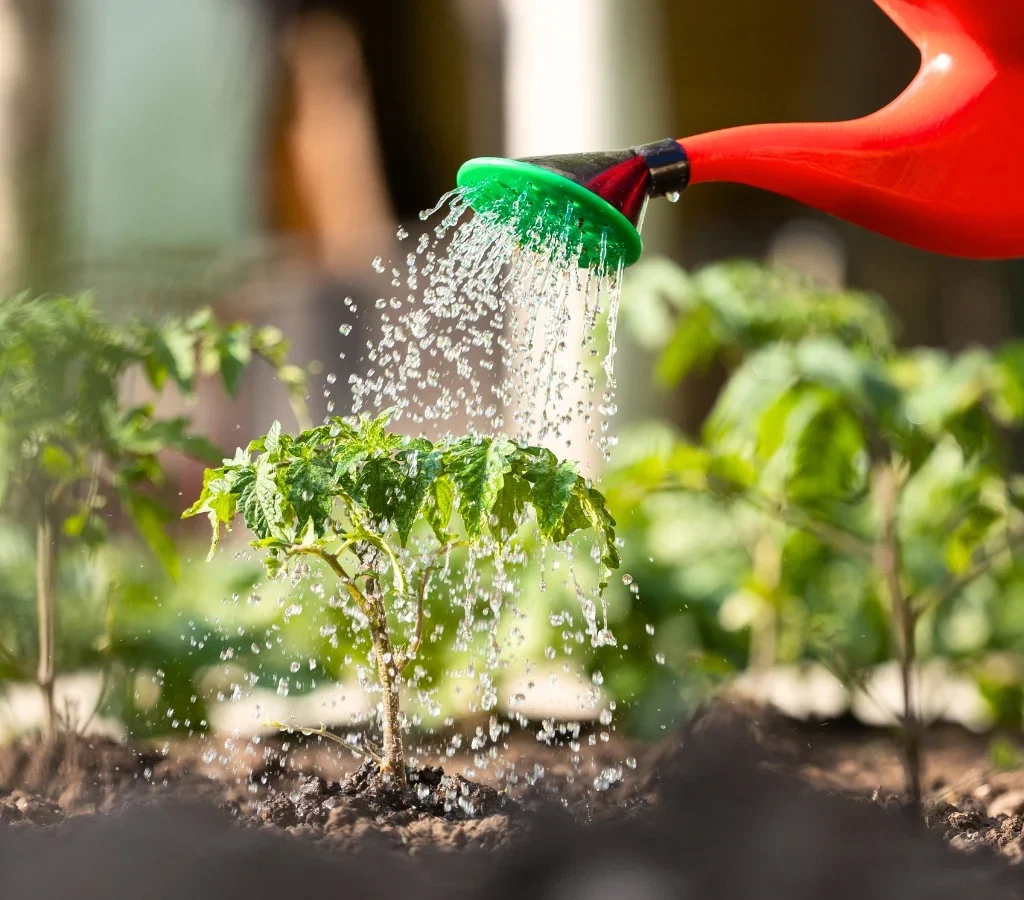
Watering should never be a “set it and forget it” task. Conditions change daily, and so should your watering routine. Rainfall, humidity, temperature, and plant maturity all influence how much water your garden needs. Overwatering after a rainstorm or underwatering during a heatwave are both easy mistakes to make.

Why It’s a Problem:
- Overwatering after rain keeps soil too wet, suffocating roots.
- Ignoring prolonged heat or wind causes plants to lose water faster through transpiration.
- Using the same schedule for all plants fails to account for their unique needs.
The Right Way:
- Monitor the weather. Skip watering after rainfall or when humidity is high, and increase it during extended dry spells.
- Group plants by water needs. Place drought-tolerant species (like succulents or lavender) separately from water-loving ones (like hydrangeas or ferns) to avoid confusion.
- Watch for stress signs: Wilted, curling, or yellowing leaves often signal improper watering—adjust accordingly.
- Use mulch and shade covers during extreme heat to keep soil cooler and reduce evaporation.
Pro Tip: Invest in a smart irrigation controller or rain sensor. These devices automatically adjust watering schedules based on real-time weather data, helping conserve water and prevent overwatering.
Bonus: Special Considerations for Containers and Lawns
- Container plants: Pots dry out faster than garden beds. Check daily, and water until excess runs out the drainage holes. Use larger containers to reduce water loss and group pots together to create a humid microclimate.
- Lawns: Many homeowners water lawns too frequently. Instead, water deeply—about 1 inch per week, including rainfall. This encourages grass roots to grow deeper and stay green even during dry spells.
Final Thoughts
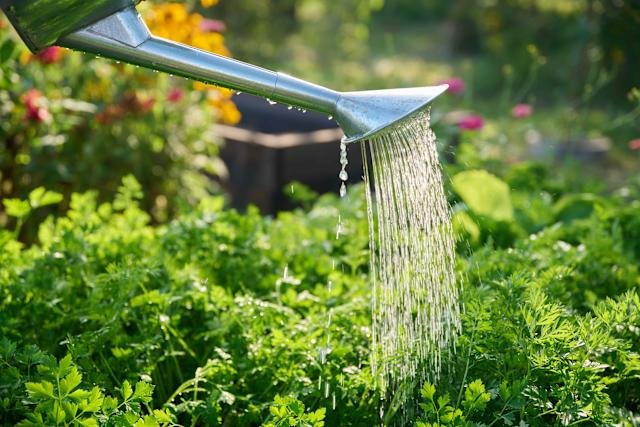
Water is life for your garden—but only when used wisely. The difference between thriving, lush plants and wilted, diseased ones often comes down to watering habits. By avoiding these five summer watering mistakes—watering at the wrong time, watering too often or too little, using poor techniques, neglecting soil type, and failing to adjust for weather—you can keep your plants hydrated, healthy, and stress-free all season long.
Remember, good watering is about consistency and observation, not routine alone. Take time to feel the soil, notice your plants’ responses, and adapt as the weather shifts. With mindful watering, your garden will not just survive summer—it will flourish.