After a long winter, few things are as satisfying as digging your hands into the soil again and planting fresh vegetables. Early spring — when the days start to warm but nights are still cool — is one of the best times to start your garden.
Many vegetables thrive in these mild, moist conditions and even prefer the chill of early spring over the intense heat of summer. If you plan your planting right, you can enjoy the first homegrown harvests long before your neighbors’ gardens even wake up.
In this article, we’ll look at five of the best vegetables to plant in early spring, with detailed growing tips to help you get a strong, healthy start.
Why Early Spring Planting Matters
Early spring planting sets the foundation for a productive garden year. Cool-season vegetables grow best when temperatures hover between 10°C and 20°C (50°F to 68°F).
Planting early has several benefits:
- Beat the heat: These crops mature before summer heat stunts growth or causes bolting.
- Maximize your season: Early crops give you space for a second summer harvest later.
- Save water: Spring’s natural rains keep soil moist with less watering.
- Fewer pests: Many harmful insects haven’t emerged yet.
The trick is choosing the right vegetables — those that don’t mind a little frost and grow well in cool, moist soil.
Let’s look at the five best candidates.
1. Lettuce — The Fastest Early Green

Lettuce is one of the easiest and most rewarding vegetables to plant in early spring. It grows quickly, tolerates light frost, and gives you tender, fresh greens within weeks.
When To Plant
Sow lettuce seeds as soon as the soil can be worked, usually 2–3 weeks before your last expected frost.
How To Plant
- Soil: Loose, rich, and well-drained with plenty of compost.
- Sowing: Scatter seeds thinly or plant ¼ inch deep in rows about 12 inches apart.
- Water: Keep the soil consistently moist but not soggy.
Light & Temperature
Lettuce prefers cool temperatures (10–18°C) and partial sun. Too much heat makes it bitter or causes it to bolt (flower prematurely).
Harvest Tips
Cut outer leaves when they reach 4–5 inches long for a “cut-and-come-again” harvest, or pull the entire head once it matures.
Pro tip: Grow several varieties (like butterhead, romaine, and leaf lettuce) for continuous harvests and diverse flavors.
2. Carrots — Sweet Roots That Love Cool Soil

Carrots are another classic early spring crop. Their seeds germinate in cool soil, and the roots grow sweetest when matured in mild weatherWhen To Plant
Direct sow carrots 2–4 weeks before the last frost date, once the soil temperature reaches about 7°C (45°F).
How To Plant
- Soil: Loose, sandy, and stone-free soil about 10–12 inches deep.
- Sowing: Plant seeds ¼ inch deep, spaced 1 inch apart. Thin seedlings to 2 inches once they sprout.
- Water: Keep soil evenly moist — dry spells cause tough, split roots.
Light & Temperature
Carrots grow best in full sun but tolerate light shade.
Harvest Tips
Pull carrots once the tops are about ¾ inch in diameter. Gently loosen the soil before harvesting to avoid breaking them.
Pro tip: Mix carrot seeds with radish seeds when sowing. The radishes sprout quickly, marking your rows and breaking the soil for slower-growing carrots.
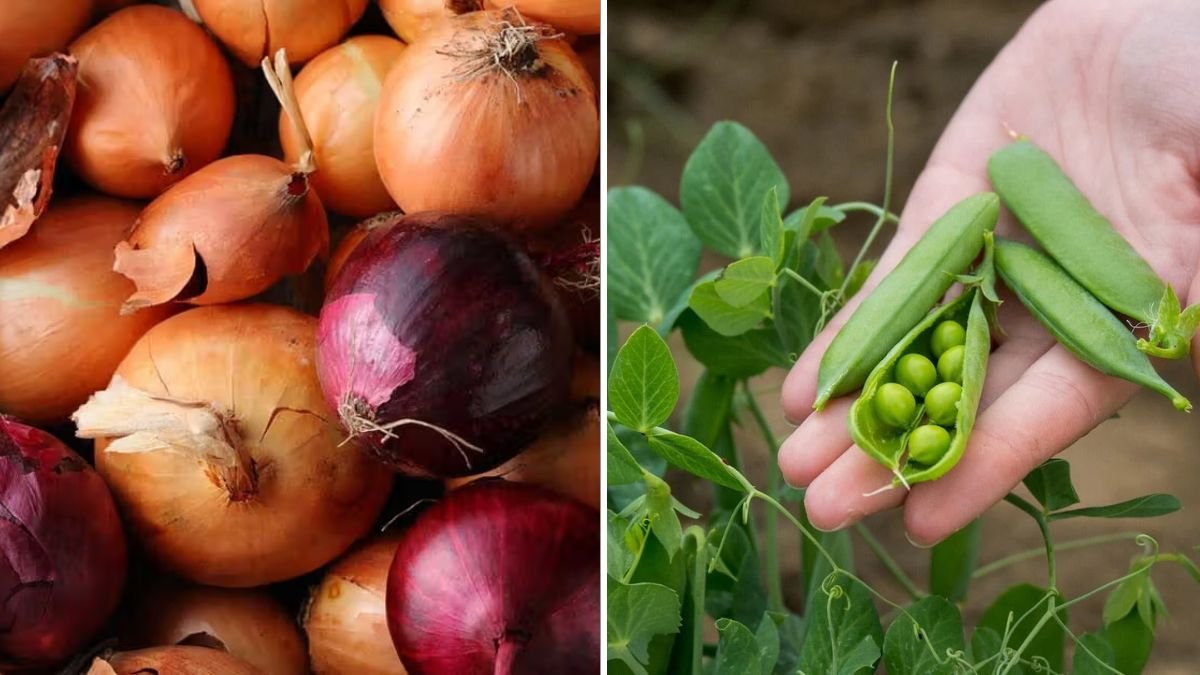
3. Onions — The Cool-Weather Staple

Onions are a garden essential — versatile, easy to grow, and ideal for early planting. They love cool conditions to establish strong roots before summer.
When To Plant
Start onions from sets (small bulbs) or transplants 4–6 weeks before the last frost date.
How To Plant
- Soil: Loose, fertile soil enriched with compost.
- Sowing depth: Plant onion sets 1 inch deep, spaced 4 inches apart, with rows 12 inches apart.
- Water: Keep the soil moist during early growth.
Light & Temperature
Onions need full sunlight (6+ hours daily) to develop large bulbs.
Harvest Tips
You’ll know onions are ready when the tops yellow and fall over. Gently pull them and let them cure in a warm, dry spot for a few days before storing.
Pro tip: If you prefer fresh green onions, start harvesting when stalks reach pencil thickness — you don’t have to wait for full bulbs!
4. Broccoli — A Cold-Loving Powerhouse

Broccoli is a superstar of the early garden — packed with nutrients, easy to grow, and happiest in cool weather. It’s one of the few crops that thrives in temperatures most plants dislike.
When To Plant
Start seeds indoors 6–8 weeks before the last frost, or transplant seedlings into the garden 2–3 weeks before the last frost.
How To Plant
- Soil: Rich, well-draining, and slightly acidic (pH 6–6.8). Add compost before planting.
- Spacing: 18 inches apart with 24 inches between rows.
- Water: Deeply once a week, keeping soil evenly moist.
Light & Temperature
Broccoli grows best in cool weather (12–20°C) and full sun. Too much heat can cause small or bitter heads.
Harvest Tips
Harvest when the central head is fully formed but before flower buds open. After cutting, side shoots will continue to produce smaller heads for weeks.
Pro tip: Protect young plants with row covers to shield them from cabbage worms and flea beetles.
5. Peas — The Perfect Early Spring Climber

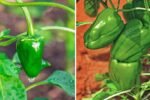
Peas are practically made for spring gardening. They love cool temperatures, enrich the soil with nitrogen, and reward you with sweet, tender pods.
When To Plant
Sow peas directly into the ground as soon as the soil can be worked — even if there’s still a chance of light frost. Peas prefer soil temperatures around 7–13°C (45–55°F).
How To Plant
- Soil: Well-draining, enriched with compost but not heavy in nitrogen.
- Sowing depth: 1 inch deep, spaced 2 inches apart.
- Support: Use a trellis or fence early — pea vines love to climb.
Light & Temperature
Peas need full sun but grow fine in partial shade during early spring.
Harvest Tips
Pick peas regularly when pods are plump but still tender. Continuous harvesting encourages new growth and more pods.
Pro tip: Try growing both snap peas (edible pods) and shelling peas (for sweet green peas) for variety.
Bonus: Early Spring Planting Tips for Success
Planting early can be rewarding — but spring weather can be unpredictable. Here’s how to protect your plants and get the best yields:
1. Warm Up the Soil
Cover garden beds with black plastic or fabric a week before planting to trap warmth and speed up germination.
2. Watch for Frost
Keep lightweight row covers or old bedsheets handy to protect seedlings on cold nights.
3. Improve Drainage
Spring rains can leave soil soggy. Raised beds or adding compost improves drainage and prevents root rot.
4. Stagger Plantings
Plant small batches every two weeks to enjoy a steady harvest instead of one big crop.
5. Keep an Eye on Pests
Even in early spring, slugs, aphids, and cutworms can appear. Use crushed eggshells, neem oil, or companion plants like marigolds to keep them away.
The Beauty of an Early Spring Garden
Planting early doesn’t just give you a head start — it brings your garden to life when everything else is still waking up. The bright greens of lettuce, the promise of carrots pushing through the soil, and the first pea tendrils reaching for sunlight — it’s the pure joy of gardening at its best.
By starting with these five resilient vegetables — lettuce, carrots, onions, broccoli, and peas — you’ll set yourself up for a rewarding, healthy harvest long before summer begins.
So, sharpen your tools, grab your seeds, and head outside. The soil is waiting — and so is your first taste of spring.