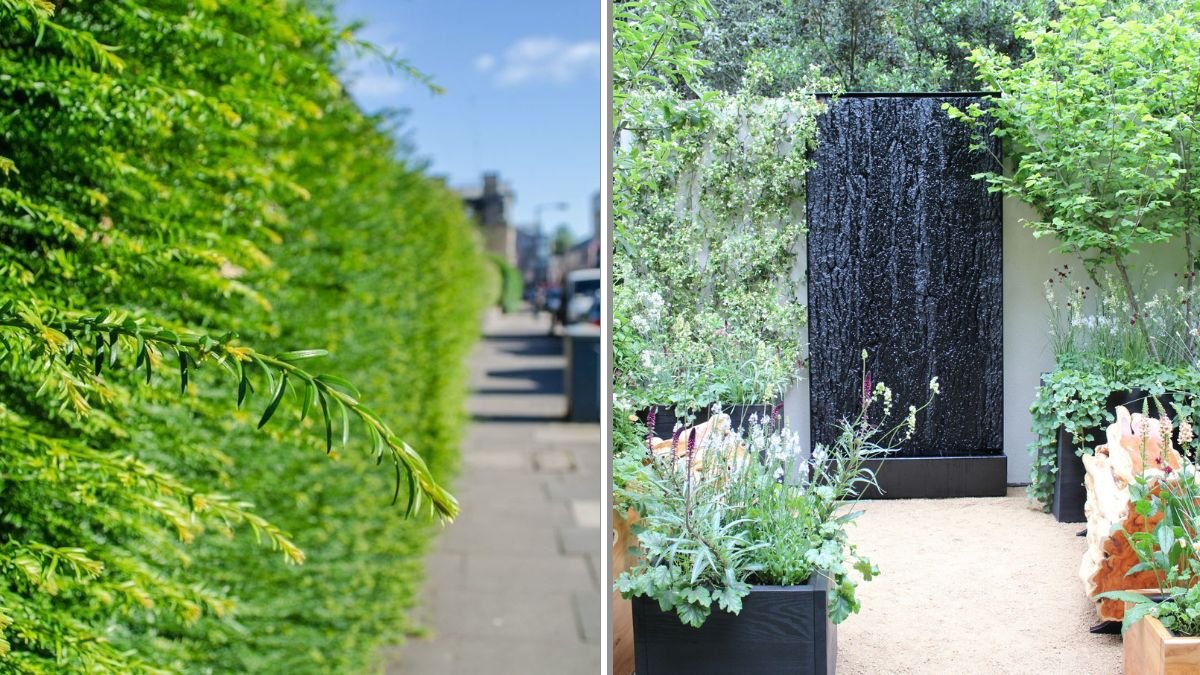
If you’ve ever dreamed of turning your backyard into a peaceful oasis, you know how disruptive outside noise can be. The hum of traffic, the drone of lawnmowers, or the chatter of neighbors can shatter the serenity you crave. While building massive fences or installing artificial soundproofing panels are options, they often feel industrial, expensive, and out of sync with the beauty of an outdoor space. Fortunately, there are natural, eco-friendly, and visually appealing ways to block noise and create a calming retreat in your own backyard.
Below are five natural methods that don’t just help reduce noise, but also enhance your landscape, attract wildlife, and boost your home’s curb appeal.
1. Plant Dense Hedges and Shrubs
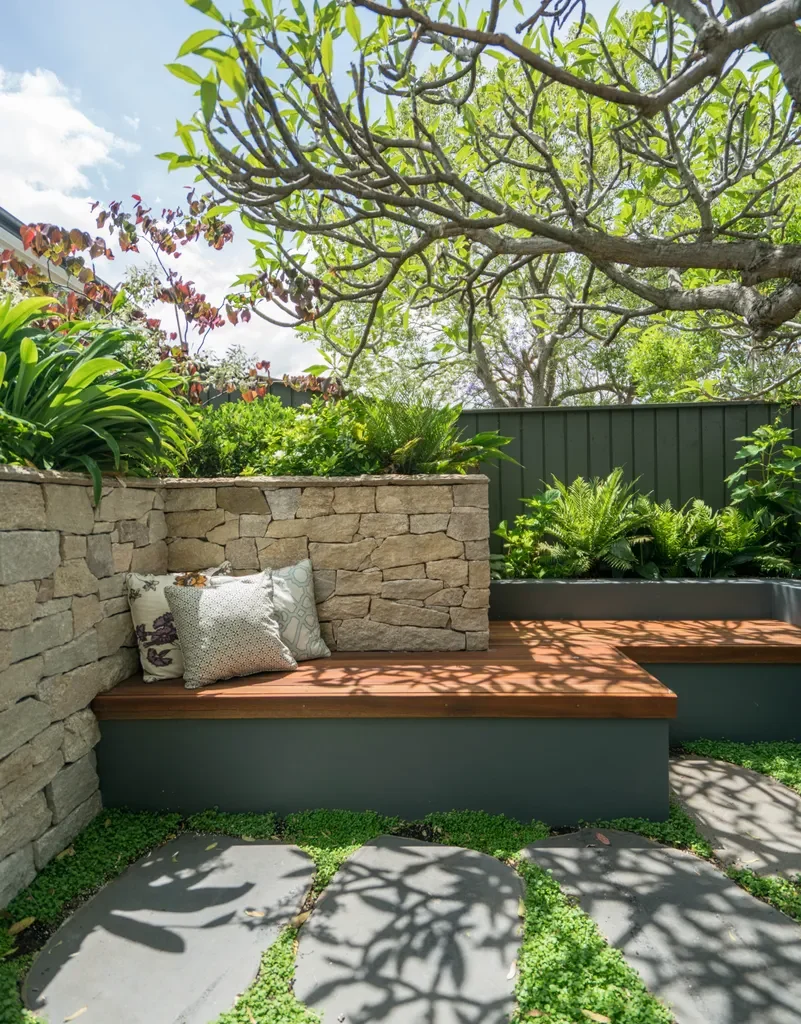
One of the most effective and natural noise barriers is planting dense greenery along the perimeter of your backyard. Plants absorb sound waves, reducing noise while giving your space a lush, private look.
Best options for hedges and shrubs:

- Arborvitae – Tall, evergreen, and fast-growing, arborvitae can form a natural wall that looks elegant and requires little maintenance.
- Boxwood – A classic choice for neat, formal hedges. While slower growing, boxwoods provide dense foliage that’s excellent at muffling sound.
- Bamboo – When planted in containers or controlled beds, clumping bamboo varieties grow quickly, creating both a visual and sound barrier.
Tips for success:
- Choose evergreen species to maintain noise-blocking benefits year-round.
- Plant shrubs close together to avoid gaps in coverage.
- Combine different plant types and heights for a layered, more effective sound barrier.
Beyond reducing noise, hedges also enhance privacy and bring in birds and pollinators, turning your backyard into a lively and relaxing environment.
2. Use Trees Strategically
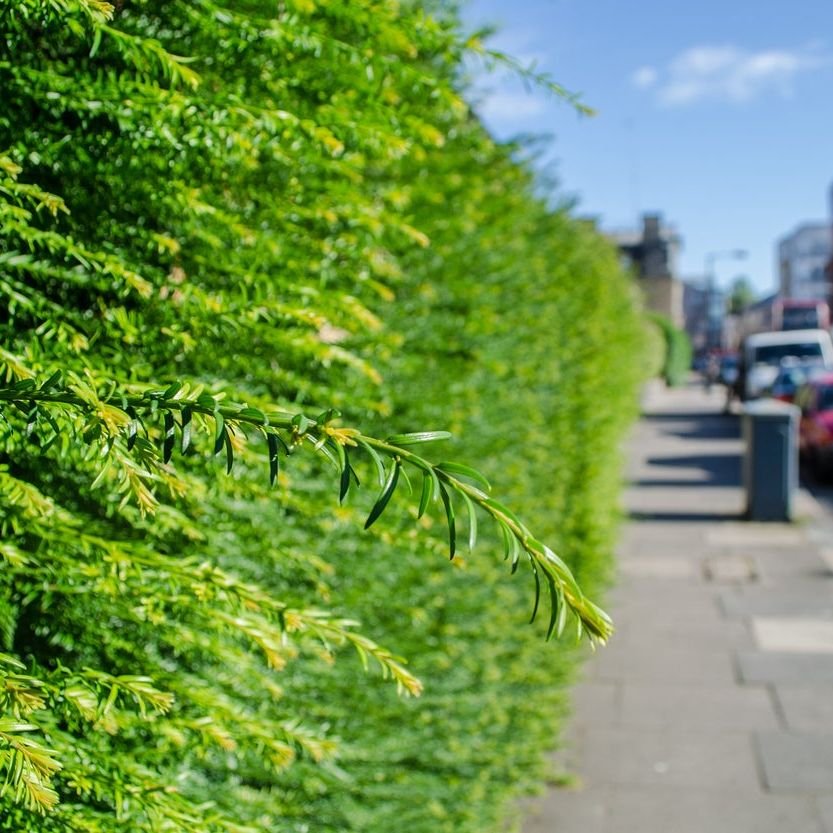
While shrubs work well at ground level, trees can help filter noise from above, particularly if your home is near a busy road or tall buildings. Trees absorb and deflect sound waves through their trunks, branches, and leaves, especially when planted in layers.
Best trees for noise reduction:

- Evergreen trees such as spruce, pine, or fir provide year-round noise control. Their dense needles create a thick acoustic barrier.
- Deciduous trees like oak or maple offer summer sound absorption with full foliage while adding seasonal beauty.
- Fast-growers like hybrid poplar or Leyland cypress quickly provide coverage for new landscapes.
Design tip:
For maximum noise reduction, create a “green belt” by planting multiple rows of trees. A mix of tall trees in the back and shorter species in front helps block sound at different levels.
Besides reducing noise, trees improve air quality, offer shade, and make your backyard feel like a private woodland retreat.
3. Build Natural Sound Barriers with Earth and Stone
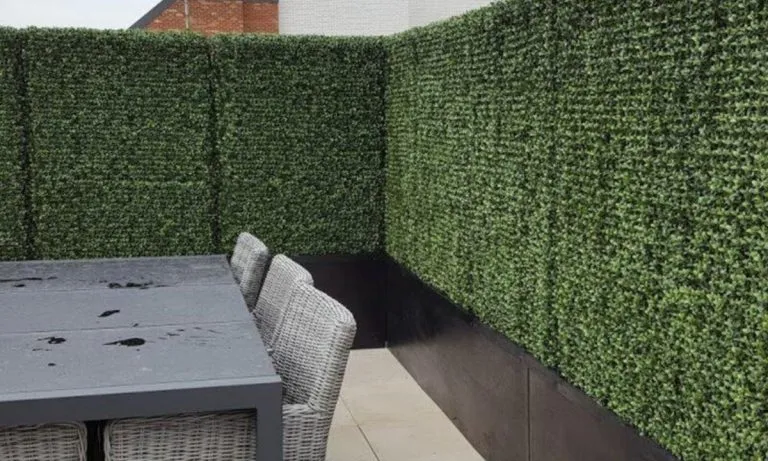
Sometimes greenery alone isn’t enough. In that case, you can blend natural elements like earth and stone into your backyard design. These features can block or redirect noise while adding character to your outdoor space.
Options to consider:

- Berms (raised earth mounds): By sculpting the land with soil, you can create natural sound barriers. Planting grass, shrubs, or flowers on the berm makes it both functional and beautiful.
- Rock walls: A stone or brick wall, softened with vines and climbing plants, provides excellent noise reduction. Unlike stark fences, natural stone blends into the landscape and can last for decades.
- Living walls: Vertical garden structures filled with lush greenery absorb sound and add a stunning focal point to patios or seating areas.
When combined with plants, these barriers break up and absorb sound waves rather than letting them bounce directly into your yard.
4. Incorporate Water Features
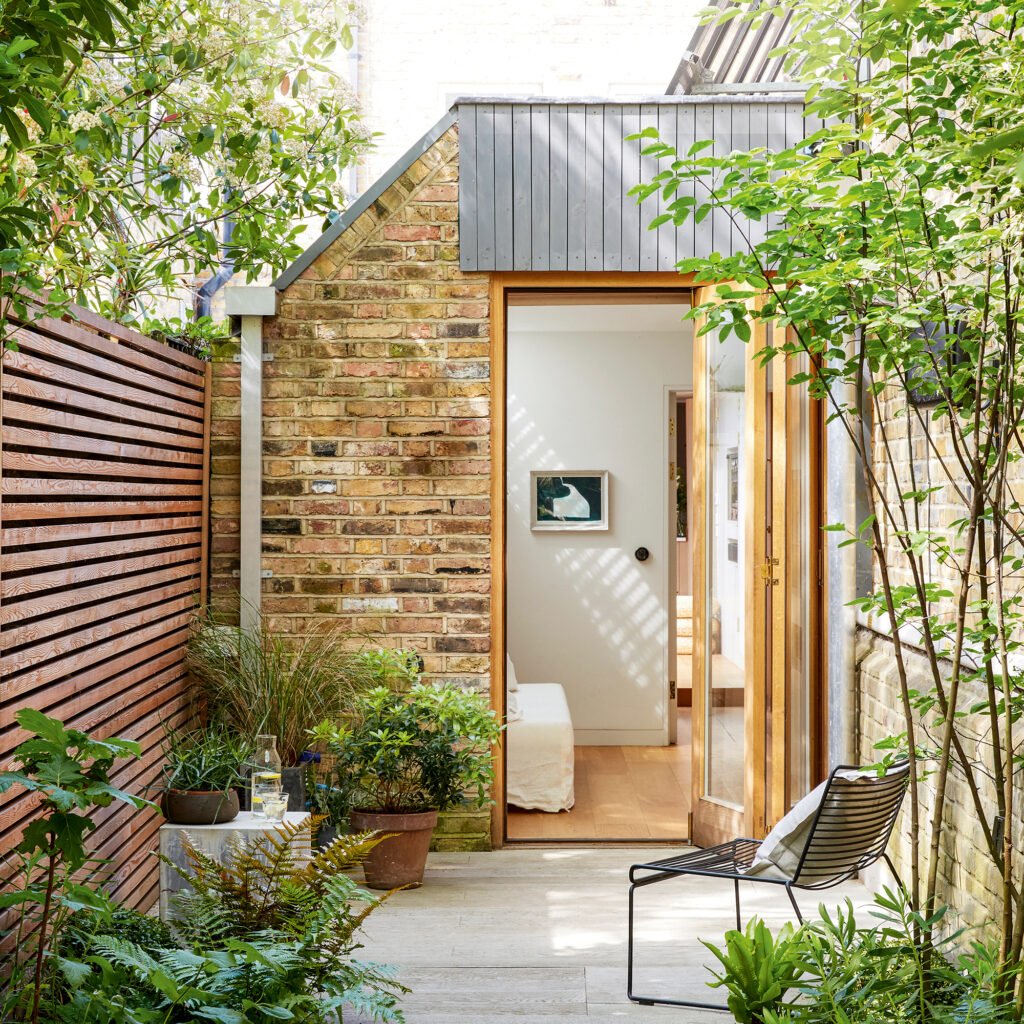
While water doesn’t block noise in the traditional sense, it masks unwanted sounds with soothing natural ones. A trickling fountain, bubbling stream, or cascading waterfall can make the background hum of traffic fade away, replacing it with calming white noise.
Great water feature ideas:
- Fountains: Small freestanding fountains are affordable, easy to install, and can instantly transform the mood of a backyard.
- Pond with waterfall: If you have space, a pond with a waterfall feature provides a strong, consistent masking effect against louder noises.
- Wall-mounted water features: Perfect for smaller yards or patio areas, these can be paired with plants for a striking design.
The movement of water not only masks noise but also attracts birds, adds humidity to dry climates, and brings a sense of tranquility to any outdoor space.

Pro tip: Place your water feature near the area where you spend the most time, such as a patio or outdoor dining area, for maximum impact.
5. Create Multi-Layered Landscaping
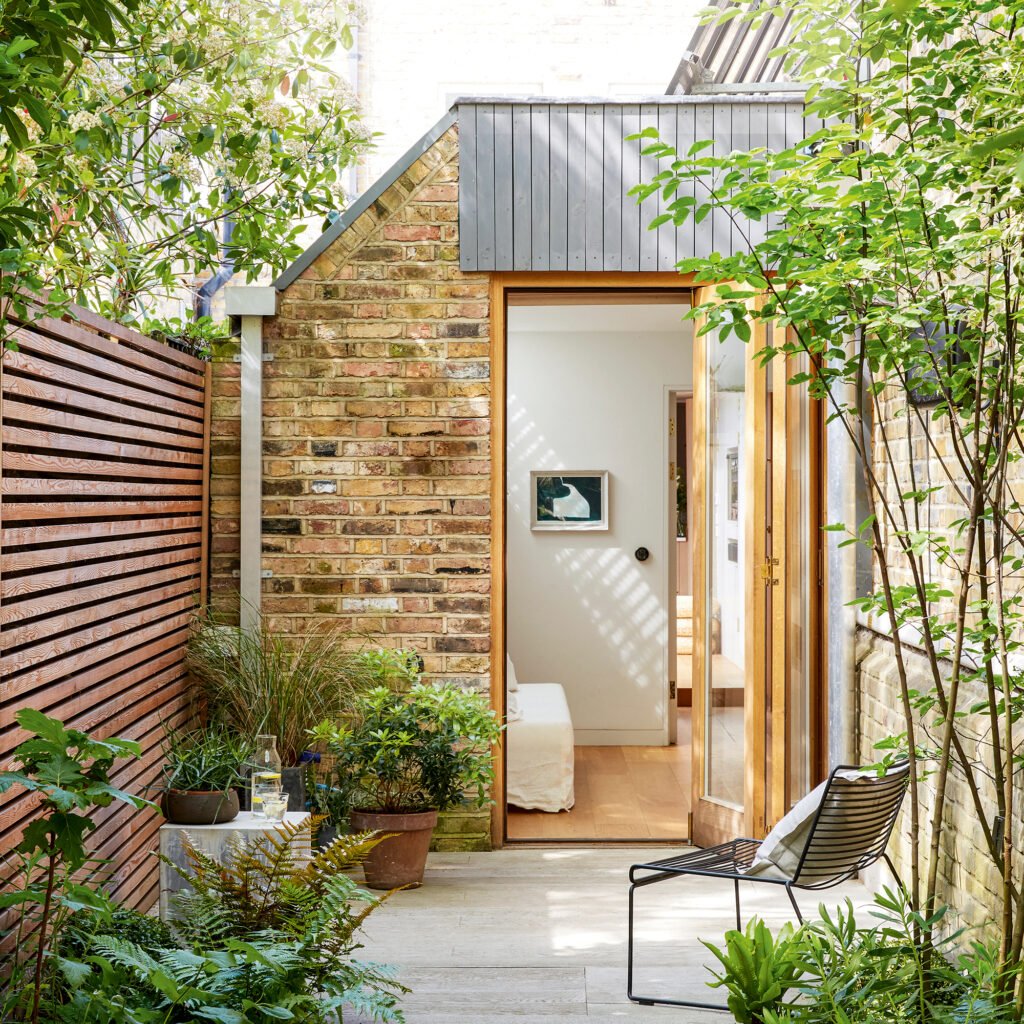
Perhaps the most effective long-term solution is combining several natural noise-reduction methods into a cohesive landscape design. By layering plants, hardscaping, and water features, you create multiple barriers that intercept sound waves before they reach your ears.
How to design a layered approach:
- Start with a hedge or tree line at the perimeter for primary noise reduction.
- Add mid-level shrubs and ornamental grasses to thicken the barrier.
- Introduce climbing plants on trellises or pergolas for vertical coverage and visual appeal.
- Place a water feature near your seating area for a soothing masking effect.
This layered approach doesn’t just reduce noise—it transforms your backyard into a multi-sensory escape that looks beautiful, feels private, and sounds serene.

Final Thoughts
Creating a quieter backyard doesn’t always require expensive construction or artificial barriers. With the right combination of greenery, natural structures, and thoughtful design, you can reduce noise pollution while enhancing the beauty and function of your outdoor space.
Whether you choose dense hedges, tall trees, stone walls, or the soothing sound of water, these natural methods offer sustainable solutions that blend seamlessly into your landscape. Over time, your backyard can become a peaceful sanctuary where you can truly relax, unwind, and reconnect with nature.
If outside noise has been disrupting your outdoor enjoyment, try one—or better yet, a combination—of these five natural noise-blocking strategies. You’ll not only reduce unwanted sound but also create the tranquil retreat you’ve always wanted, right outside your door.