When your garden soil is sandy, rocky, or stubbornly infertile, it can feel like nothing will grow no matter how much compost or fertilizer you add. But don’t give up just yet — there are plenty of shrubs that don’t just tolerate poor soil, they thrive in it.
These tough, low-maintenance plants have evolved to survive in less-than-ideal conditions, making them perfect for gardeners who want beauty without constant fuss. Whether you’re working with dry slopes, compacted clay, or a patch of gritty sand, these six shrubs can transform your landscape into a lush, thriving haven.
Let’s take a closer look at the 6 best shrubs that thrive in poor soil, along with care tips to help them reach their full potential.
1. Butterfly Bush (Buddleja davidii)

Best for: Pollinator gardens, sunny borders, dry soil
If you want color, fragrance, and pollinator activity — even in poor soil — the Butterfly Bush is your go-to shrub. Native to Asia, this hardy plant flourishes in dry, nutrient-poor soil where many other flowering shrubs fail.
Why It Thrives in Poor Soil:
Butterfly bush has deep roots that seek out moisture and nutrients from lower soil layers. It’s drought-tolerant and even prefers slightly neglected conditions — overfertilizing can actually reduce flowering.
Key Features:
- Produces long, fragrant flower spikes in purple, pink, or white.
- Blooms from summer into fall.
- Attracts butterflies, bees, and hummingbirds.
Growing Tips:
- Plant in full sun (at least 6 hours of direct light).
- Prune back hard in late winter to encourage vigorous new growth.
- Avoid overly rich soil; well-drained and slightly sandy soil is ideal.
Pro Tip: Choose newer, non-invasive varieties like ‘Miss Molly’ or ‘Blue Chip’ that don’t spread uncontrollably.
2. Russian Sage (Perovskia atriplicifolia)

Best for: Hot, dry, poor, or sandy soil
Few shrubs embody resilience like Russian Sage. With silvery stems, lacy foliage, and airy spikes of lavender-blue flowers, this plant adds elegance and texture to any garden — even when the soil is far from perfect.
Why It Thrives in Poor Soil:
Russian Sage actually performs best in lean, well-drained soils. In rich or moist conditions, it can become floppy or overgrown. Its woody stems and drought-tolerant nature make it ideal for challenging locations.
Key Features:
- Long blooming season (mid-summer to early fall).
- Silver-gray foliage provides year-round interest.
- Deer-resistant and drought-hardy.
Growing Tips:
- Requires full sun and excellent drainage.
- Cut back to about 6–8 inches in early spring to maintain shape.
- Avoid heavy clay or overly wet soil.
Pro Tip: Plant Russian Sage alongside ornamental grasses or coneflowers for a stunning, low-maintenance combination.
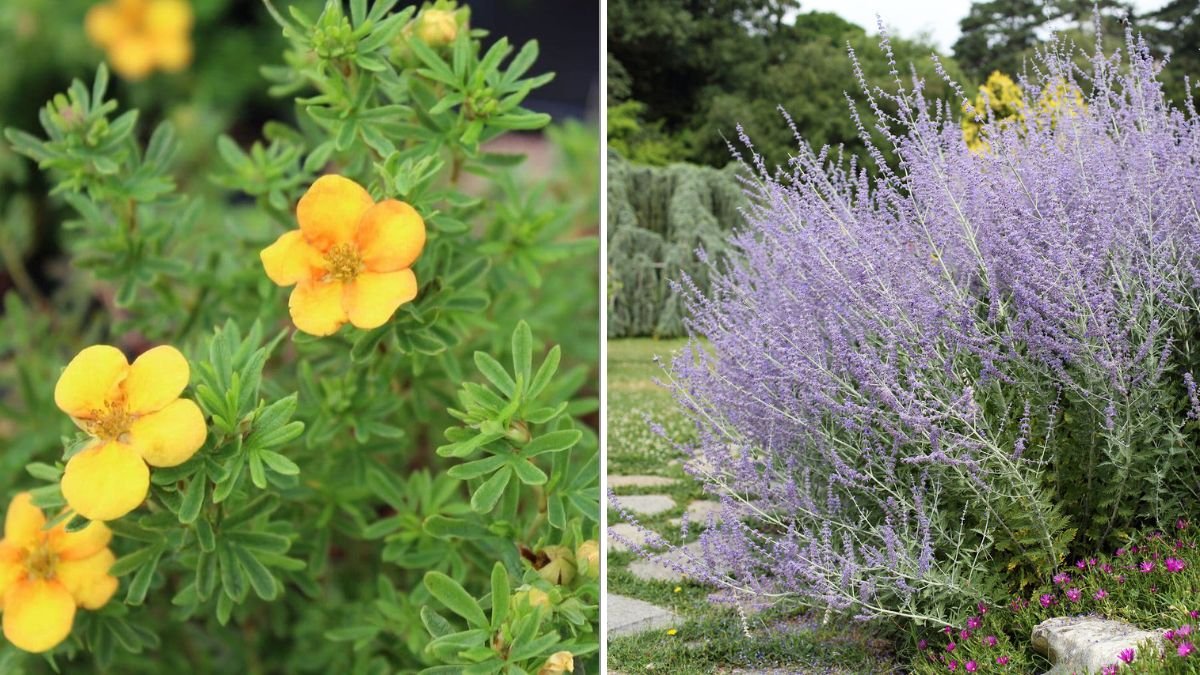
3. Potentilla (Potentilla fruticosa)

Best for: Poor, rocky, or sandy soils; cold climates
Also known as Cinquefoil, this cheerful shrub is a favorite among gardeners who want consistent blooms without rich soil or heavy feeding. Native to northern regions, it’s extremely cold-hardy and thrives in lean conditions.
Why It Thrives in Poor Soil:
Potentilla’s fibrous root system is designed to grow in rocky or low-fertility soils. It tolerates drought once established and resists most common pests and diseases.
Key Features:
- Compact size (2–4 feet tall).
- Covered in bright yellow, white, or pink flowers from late spring through fall.
- Attracts pollinators but resists deer.
Growing Tips:
- Prefers full sun but tolerates light shade.
- Prune lightly in early spring to encourage fresh growth.
- Excellent for borders, slopes, or mixed shrub beds.
Pro Tip: For continuous blooms, choose long-flowering varieties like ‘Goldfinger’ or ‘Abbotswood’.
4. Spirea (Spiraea japonica and Spiraea x bumalda)

Best for: Clay or compacted soil, foundation plantings
When your soil feels dense and lifeless, Spirea steps in to save the day. This versatile shrub not only tolerates poor soil but also thrives in urban and roadside conditions where other plants struggle.
Why It Thrives in Poor Soil:
Spirea is remarkably adaptable, with strong, fibrous roots that can penetrate heavy clay or compacted earth. It’s also drought-tolerant once established, needing minimal care.
Key Features:
- Produces clusters of pink, white, or red blooms in summer.
- Fine-textured foliage turns vibrant orange or gold in fall.
- Attracts bees and butterflies.
Growing Tips:
- Best in full sun to partial shade.
- Prune after flowering to maintain a compact shape.
- Mulch lightly to retain moisture, but avoid soggy soil.
Pro Tip: Try low-growing varieties like ‘Goldmound’ for colorful foliage or ‘Anthony Waterer’ for striking pink blooms.

5. Rose of Sharon (Hibiscus syriacus)

Best for: Poor, sandy, or alkaline soils; hot climates
This showy shrub adds tropical flair to even the toughest soils. The Rose of Sharon (also called Hardy Hibiscus) is a late-summer bloomer that brightens the garden when most other plants are fading.
Why It Thrives in Poor Soil:
Native to parts of Asia, it’s adapted to dry, low-nutrient soils and can handle both heat and mild drought. Unlike many ornamental plants, it tolerates poor or even slightly alkaline soil with ease.
Key Features:
- Blooms with large, colorful flowers from July through September.
- Available in shades of pink, white, purple, and blue.
- Attracts hummingbirds and butterflies.
Growing Tips:
- Full sun is essential for best blooms.
- Prune in early spring before new growth emerges.
- Avoid excessive fertilizer; too much nitrogen reduces flowering.
Pro Tip: Use ‘Blue Chiffon’ or ‘Lavender Chiffon’ cultivars for elegant, ruffled blooms that hold up beautifully in the heat.
6. Japanese Barberry (Berberis thunbergii)

Best for: Poor, dry, or rocky soil; deer-prone areas
If you’re after a hardy, colorful shrub that truly doesn’t mind neglect, look no further than Japanese Barberry. With its bright foliage and thorny stems, this plant provides year-round interest and natural protection against deer.
Why It Thrives in Poor Soil:
Barberry is incredibly tolerant of poor, sandy, or rocky soils. It also withstands drought, air pollution, and compacted urban conditions.

Key Features:
- Small, rounded shrub (2–5 feet tall).
- Foliage in vibrant shades of green, gold, orange, or deep red.
- Small yellow flowers in spring, followed by red berries in fall.
Growing Tips:
- Full sun enhances leaf color, but partial shade is fine.
- Prune after flowering to shape.
- Water sparingly; overwatering can cause root rot.
Pro Tip: Choose sterile or non-invasive varieties like ‘Crimson Pygmy’ or ‘Sunjoy Tangelo’ to avoid unwanted spreading.
Bonus Tips for Growing Shrubs in Poor Soil
Even though these shrubs are tough, a little extra care can help them thrive and look their best.
1. Improve Drainage (If Needed):
Add sand, gravel, or compost to improve airflow around the roots — especially in clay-heavy areas.
2. Mulch Wisely:
Apply a 2–3 inch layer of organic mulch to retain moisture and moderate soil temperature. Keep mulch a few inches away from the trunk to prevent rot.
3. Water Smartly:
Deep, infrequent watering helps roots grow downwards. Avoid shallow, frequent watering that encourages weak surface roots.
4. Don’t Over-Fertilize:
Resist the urge to feed poor soil shrubs heavily. Many of these species bloom and thrive best with minimal nutrients.
5. Prune for Health:
Light pruning encourages bushier growth and removes dead or damaged branches that could stress the plant.
Final Thoughts: Beauty Can Grow Anywhere
Poor soil doesn’t have to mean a poor garden. The secret lies in choosing plants that naturally adapt to tough conditions rather than fighting against your environment.
From the airy elegance of Russian Sage to the vibrant blooms of Rose of Sharon, these six shrubs prove that even the most challenging soil can host a stunning, low-maintenance landscape. With a little planning and minimal care, you’ll enjoy a garden full of color, texture, and life — no rich soil required.
Because sometimes, the most beautiful gardens are born from the hardest ground.