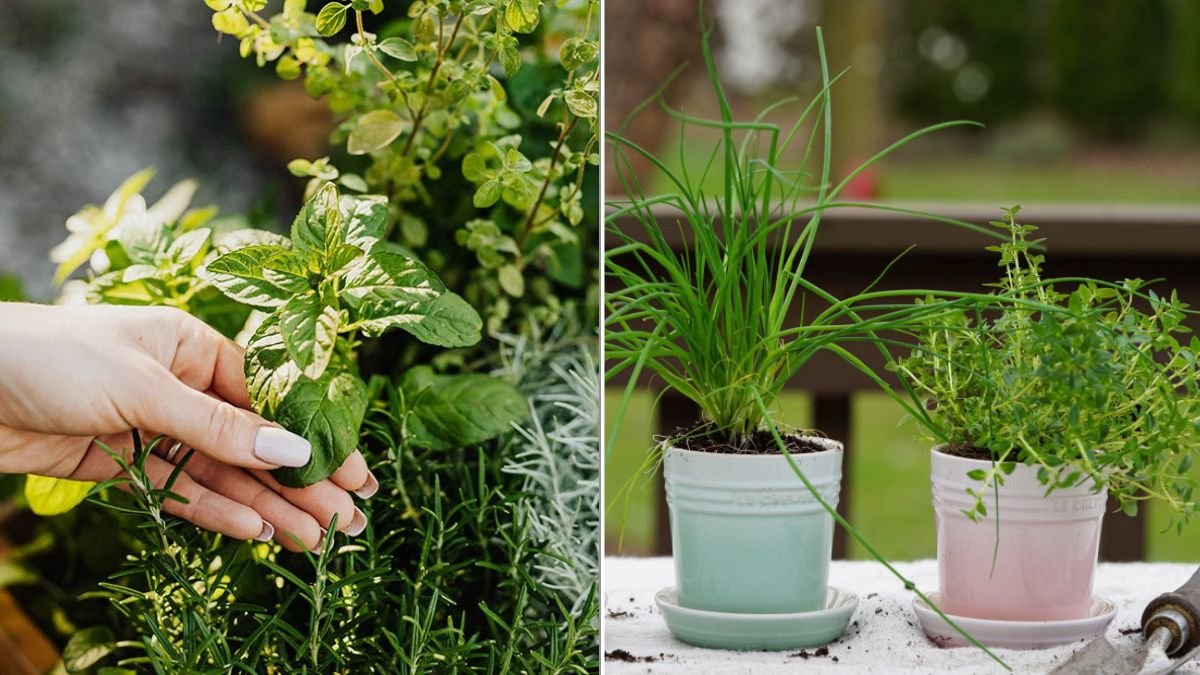
There’s something magical about stepping out to your balcony or kitchen windowsill and snipping fresh herbs straight from your own little garden. But what if you don’t have space for multiple pots or a large backyard? The good news is—you don’t need it. Many herbs thrive beautifully when planted together in a single pot, creating not only a lush mini-garden but also an endless source of fresh flavor right at your fingertips.
Growing compatible herbs side by side saves space, conserves water, and even enhances each plant’s growth when chosen wisely. The trick lies in pairing herbs that share similar sunlight, watering, and soil preferences.
Here’s your complete guide to the seven best herbs you can grow together in one pot—and how to make sure they flourish all year long.
Why Grow Herbs Together
Before we dive into the list, let’s look at why companion planting works so well for herbs:
- Space-saving: Perfect for small apartments, balconies, or kitchen windows.
- Moisture management: Herbs with similar needs can be watered at once without over- or under-watering.
- Pest control: Certain combinations naturally deter insects and pests.
- Enhanced flavor: Some herbs release compounds that can subtly boost the aroma and vigor of nearby plants.
- Aesthetic appeal: A mix of green textures, heights, and even blossoms can make one pot look like a mini herb forest.
The secret? Group herbs that thrive under the same growing conditions.
General Rules for Mixing Herbs
To successfully grow multiple herbs in one pot, remember these key points:
- Light: Most culinary herbs love full sun—around 6 to 8 hours of sunlight daily.
- Soil: Use well-draining, nutrient-rich potting mix (not garden soil).
- Water: Mediterranean herbs like rosemary, oregano, and thyme prefer drier soil; soft herbs like basil and parsley like it slightly moist.
- Pot size: Choose a wide container (12–18 inches in diameter) with drainage holes so each herb has room to spread.
Now, let’s explore the best herb combinations that play well together.

1. Basil, Parsley, and Cilantro — The Classic Trio
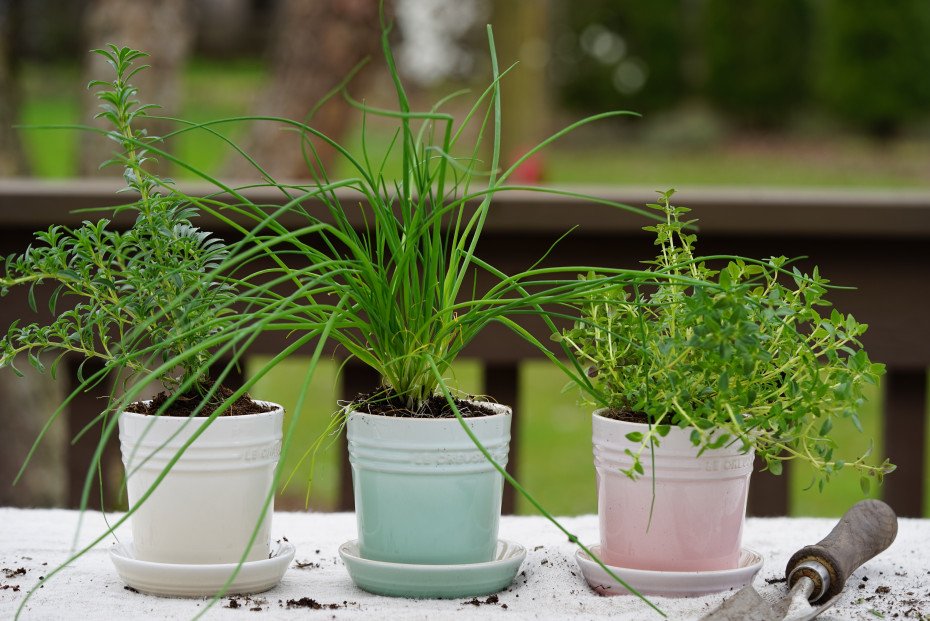
If you cook often, this trio will cover most of your recipes—from Italian to Indian to Mediterranean.
Why They Work Together:
Basil, parsley, and cilantro all enjoy rich, moist soil and regular watering. They thrive in partial to full sunlight and prefer moderate temperatures—not too dry, not too hot.
Tips for Growing:
- Place basil near the center—it grows bushier.
- Keep parsley at the edge; it grows lower and spreads beautifully.
- Plant cilantro where it gets a bit more shade since it can bolt (flower too soon) in strong sunlight.
- Keep soil evenly moist but never soggy.
Bonus tip: Pinch off basil flowers as soon as they appear to keep leaves flavorful longer.
2. Rosemary, Thyme, and Oregano — The Mediterranean Mix
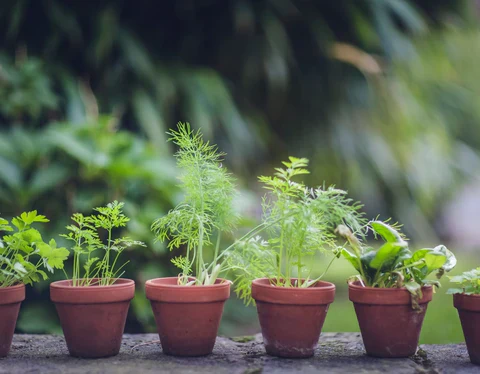
These sun-loving herbs thrive in dry, rocky Mediterranean soil and are ideal partners. They practically take care of themselves once established.
Why They Work Together:
They all prefer well-draining soil, lots of sunlight, and less frequent watering. Grouping them prevents the overwatering that kills these drought-tolerant herbs.
Tips for Growing:

- Use a terracotta pot—it absorbs excess moisture.
- Mix sand or perlite into the soil to improve drainage.
- Water only when the top inch of soil feels dry.
- Prune regularly to prevent woody growth.
Flavor Bonus:
These three herbs form the base of many Mediterranean dishes—from roasted vegetables and grilled meats to soups and stews. Having them together makes cooking seamless and flavorful.
3. Mint and Lemon Balm — The Fragrant Duo
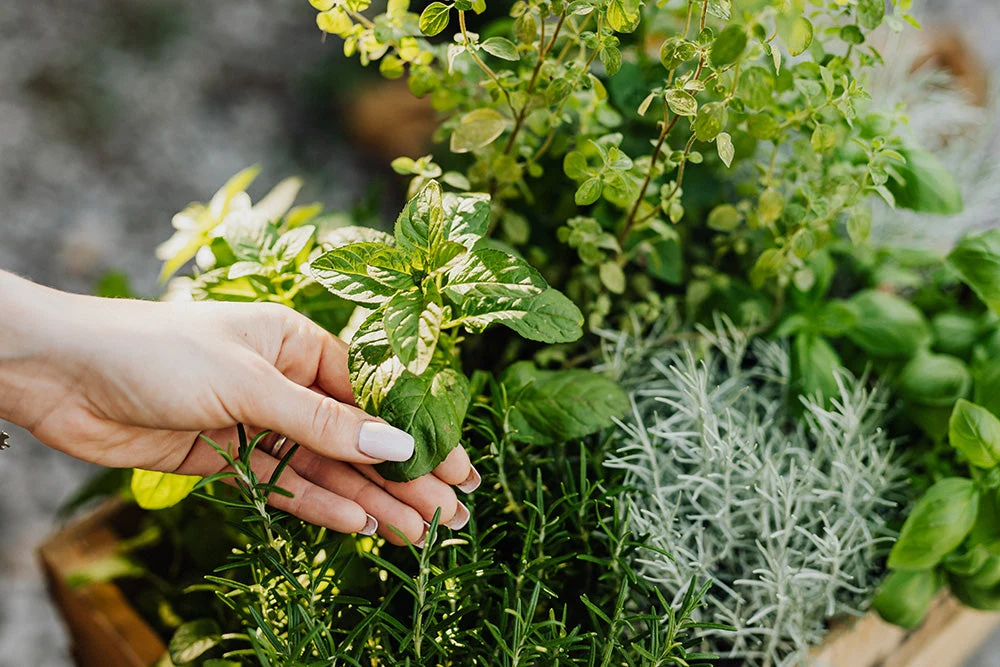
For a refreshing pot that smells as good as it looks, pair mint with lemon balm. Both belong to the mint family (Lamiaceae) and love similar conditions.
Why They Work Together:
They both thrive in moist soil and partial sunlight. Lemon balm adds a sweet citrus fragrance, while mint adds a cooling freshness—perfect for teas, salads, and desserts.
Tips for Growing:
- Use a deep pot—both plants spread quickly via underground runners.
- Keep them well-watered but not soggy.
- Trim regularly to control growth and encourage new leaves.
- Place in a spot that gets morning sun and afternoon shade.
Pro Tip:
If you’re growing different mint varieties (like peppermint and spearmint), keep them in separate sections or containers to prevent cross-flavoring.
4. Chives, Dill, and Parsley — The Delicate Herb Mix
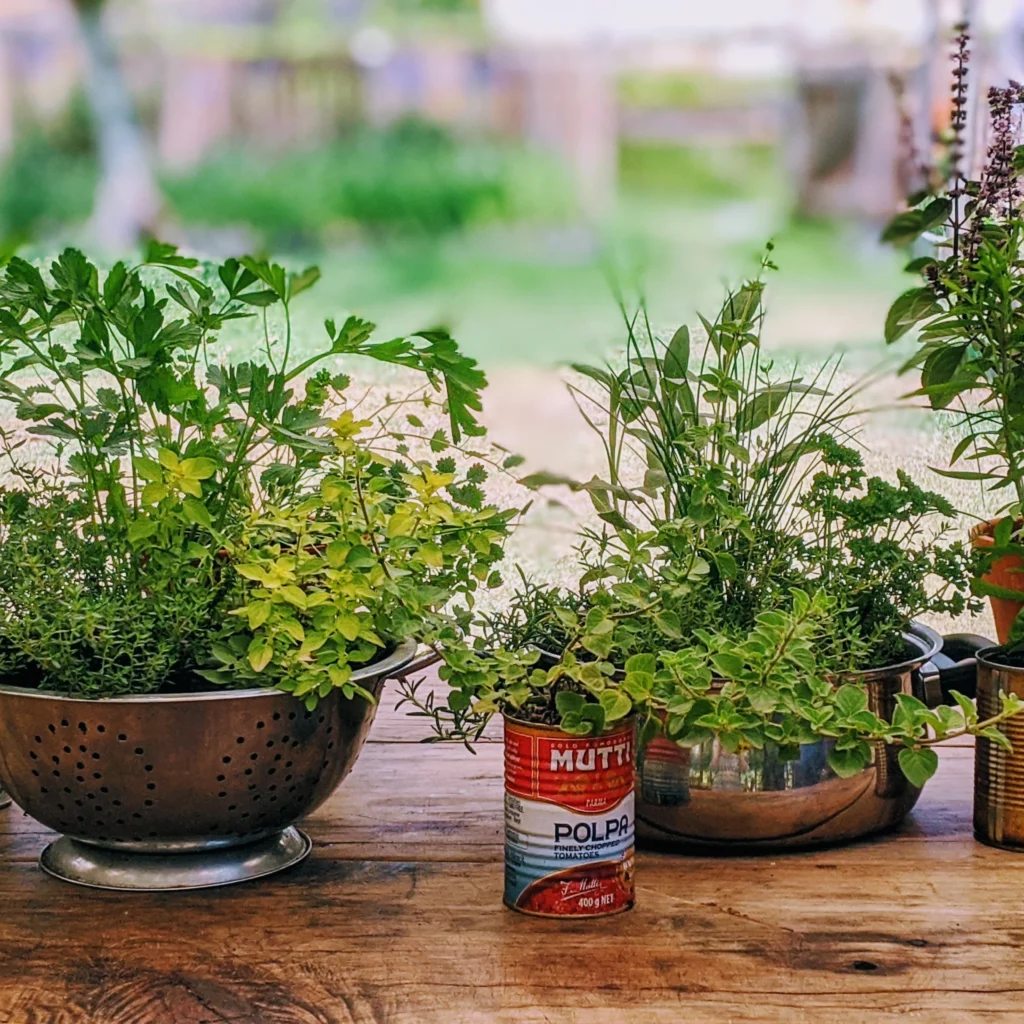
If you prefer softer herbs that complement soups, dips, and salads, this gentle trio is perfect.
Why They Work Together:
They all appreciate rich, moist soil, regular watering, and partial to full sunlight. They’re also fast growers, so you’ll have constant harvests through the season.

Tips for Growing:
- Keep chives at the back—they grow taller.
- Dill should be at the center, supported if it gets leggy.
- Parsley works beautifully around the edges as a ground cover.
- Snip regularly to prevent flowering, which reduces flavor.
Flavor Bonus:
This combination provides a light, refreshing balance of oniony, grassy, and citrusy flavors—great for potato salads, yogurt dips, or scrambled eggs.
5. Sage, Oregano, and Thyme — The Savory Herb Trio
This combination is a powerhouse for cooks who love savory, earthy flavors.
Why They Work Together:
All three herbs are Mediterranean natives, preferring full sun, sandy soil, and minimal watering. They tolerate dry conditions beautifully and even enhance each other’s growth by deterring pests naturally.
Tips for Growing:
- Choose a wide, shallow pot for airflow.
- Use a mix of potting soil and coarse sand.
- Water sparingly—only when soil is dry.
- Remove old woody stems to encourage new growth.
Best For:
This trio pairs beautifully with roasted potatoes, grilled vegetables, poultry, and bread seasoning blends.
6. Basil and Chives — The Flavor Boost Pair
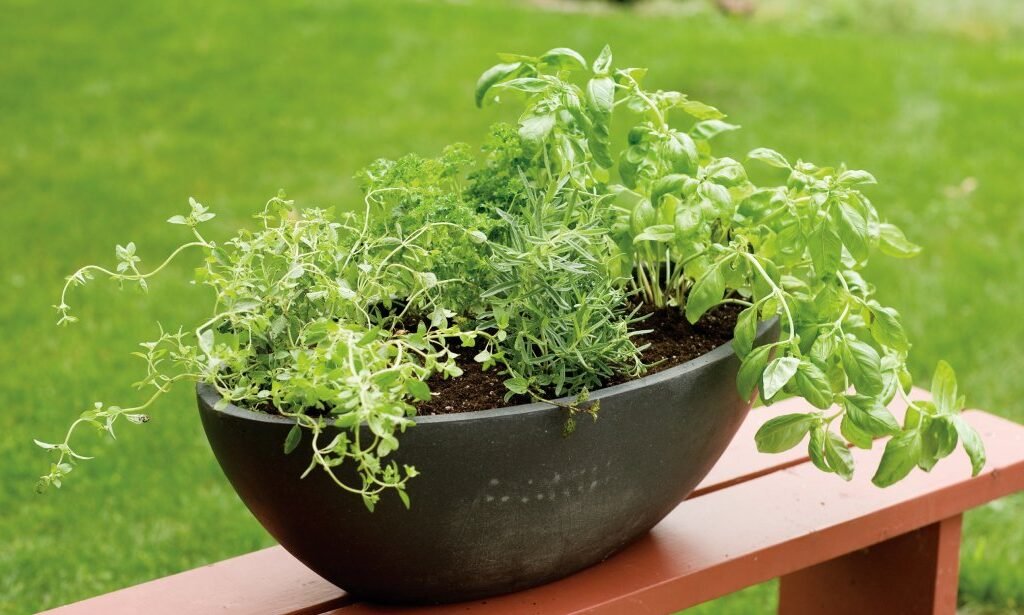
If you love Italian or Asian dishes, this dynamic duo is all you need.

Why They Work Together:
Both enjoy moist, fertile soil and consistent watering. Basil’s broad leaves provide partial shade for chives, which can dry out in intense sun.
Tips for Growing:
- Keep soil slightly damp; never let it fully dry.
- Pinch off basil flowers early to keep leaves tender.
- Harvest frequently to promote bushy growth.
Pro Tip:
Basil’s aromatic oils can even help repel aphids and spider mites, protecting nearby herbs naturally.
7. Lavender, Rosemary, and Sage — The Aromatic Sun Lovers
If you want a pot that’s as ornamental as it is useful, this trio creates a stunning and fragrant display.
Why They Work Together:
These herbs all thrive in sunny, dry environments with excellent drainage. They share a love for less frequent watering and poor-to-moderate soil fertility, which prevents fungal issues.
Tips for Growing:
- Place in a sun-drenched location (6–8 hours of sunlight).
- Water sparingly—these herbs prefer to stay dry.
- Trim lavender after flowering to keep it neat.
- Avoid over-fertilizing—it reduces fragrance and essential oils.
Bonus:
This trio attracts pollinators like bees and butterflies while filling your space with calming scents.

Potting and Layout Tips
When planting multiple herbs in one pot:
- Start with quality potting soil—add compost for nutrients and perlite for drainage.
- Group herbs with similar water needs. (Never mix mint with rosemary—it’s a recipe for one dying!)
- Space plants adequately. Leave 4–6 inches between each to prevent overcrowding.
- Water deeply but infrequently. Let soil dry slightly before watering again.
- Harvest often. Regular trimming encourages new shoots and prevents legginess.
For an extra touch of beauty, add decorative stones or pebbles on top to retain moisture and give your pot a polished look.
Bonus Tip: Rotate Your Pot
If your herbs are indoors or on a balcony, rotate the pot every few days to ensure even sunlight exposure. Herbs that lean toward the sun can become lopsided or weak.
Final Thoughts
A single pot of mixed herbs is more than just a gardening project—it’s a fragrant, flavorful work of art. By pairing herbs that naturally complement each other, you can create a thriving mini-garden that’s both practical and beautiful.
Whether you love the sweet scent of basil and parsley, the rustic charm of rosemary and thyme, or the refreshing burst of mint and lemon balm, there’s a perfect combination waiting for your windowsill or patio.
So grab a wide pot, some rich soil, and your favorite seedlings—and watch as your one-pot herb garden becomes the freshest, most rewarding part of your home.