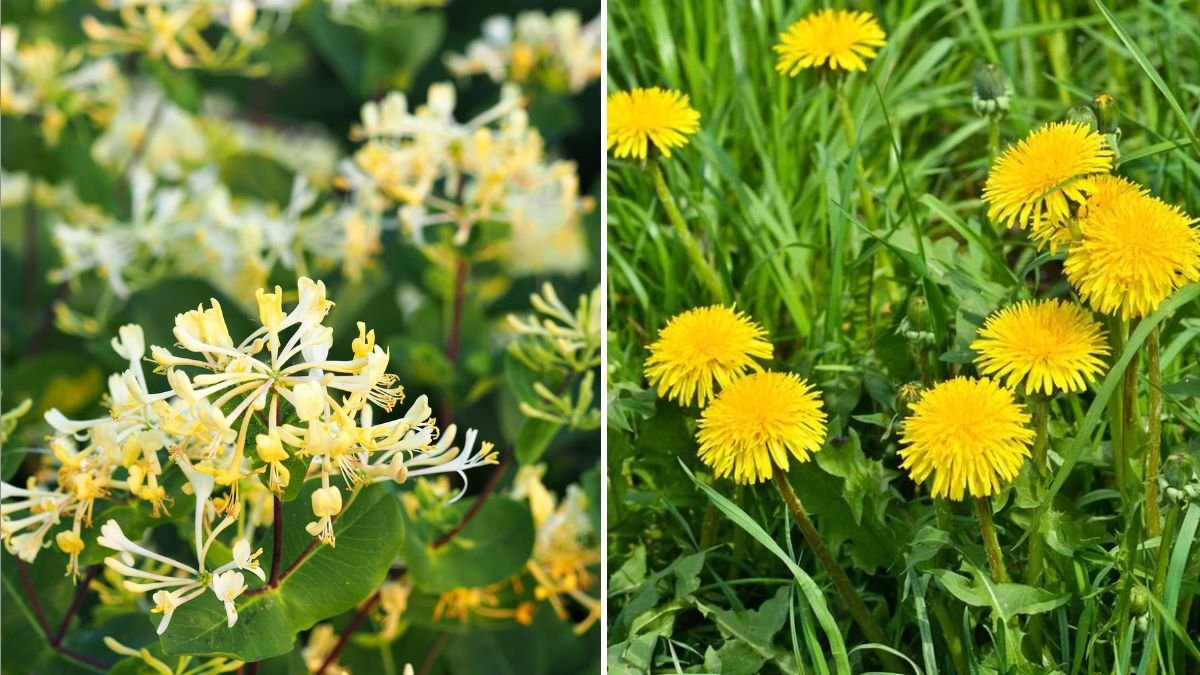
A well-kept yard should be a sanctuary—lush, green, and filled with thriving plants that support your local ecosystem. But lurking among the foliage in many gardens are invasive plants—species that may seem harmless or even attractive but silently wreak havoc on native plants, soil health, and biodiversity.
These botanical invaders spread aggressively, often outcompeting native flora, consuming resources, and even damaging property. While they might offer fast growth or decorative appeal, the long-term costs are substantial.
In this article, we’ll uncover seven of the most problematic invasive plants found in yards across North America (and many parts of the world). We’ll explain why they’re harmful, how to identify them, and most importantly—how to remove them effectively.
What Makes a Plant “Invasive”?
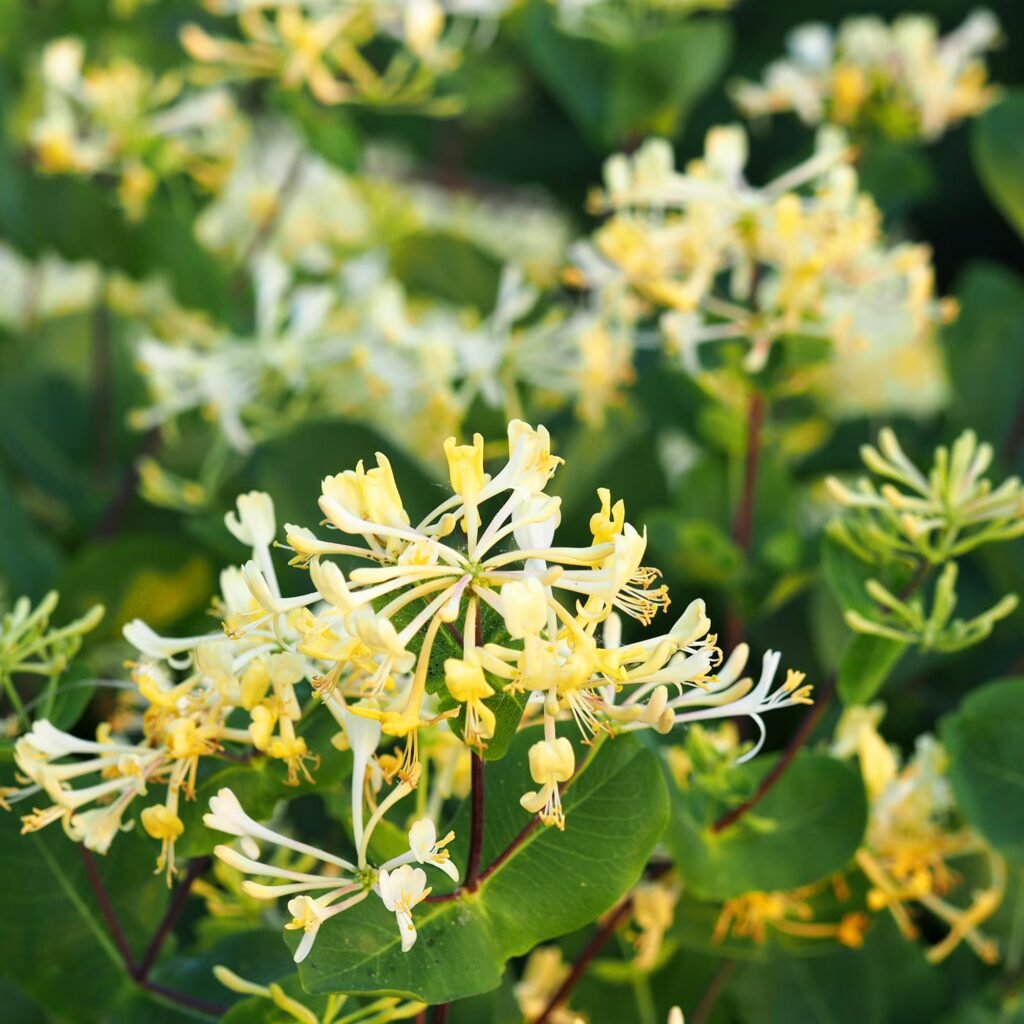
A plant is considered invasive when:
- It is non-native to the area
- It spreads rapidly and aggressively
- It displaces native species
- It disrupts ecosystems, soil, or wildlife habitat
Unlike weeds, which are simply unwanted plants, invasive species have ecological consequences. Removing them is crucial for protecting native biodiversity and maintaining a healthy garden.
1. English Ivy (Hedera helix)
Why It’s Invasive:
English Ivy is often used as a decorative groundcover or climber on walls and fences. But beneath its lush, glossy appearance lies a destructive tendency. It smothers trees, shrubs, and native plants by blocking sunlight and adding weight that weakens structures.
Harmful Effects:
- Chokes out understory plants
- Harbors pests and diseases
- Can cause tree instability and death
- Damages brick and wood structures when allowed to climb
How to Remove:
- Manually pull vines from the ground and structures, including roots
- Cut and treat thick vines climbing trees at the base with horticultural vinegar or an eco-safe herbicide
- Monitor regrowth consistently, as it often returns if roots are left
Pro Tip: Never let English Ivy climb trees. It accelerates tree decay and makes them susceptible to wind damage.
2. Japanese Knotweed (Fallopia japonica)
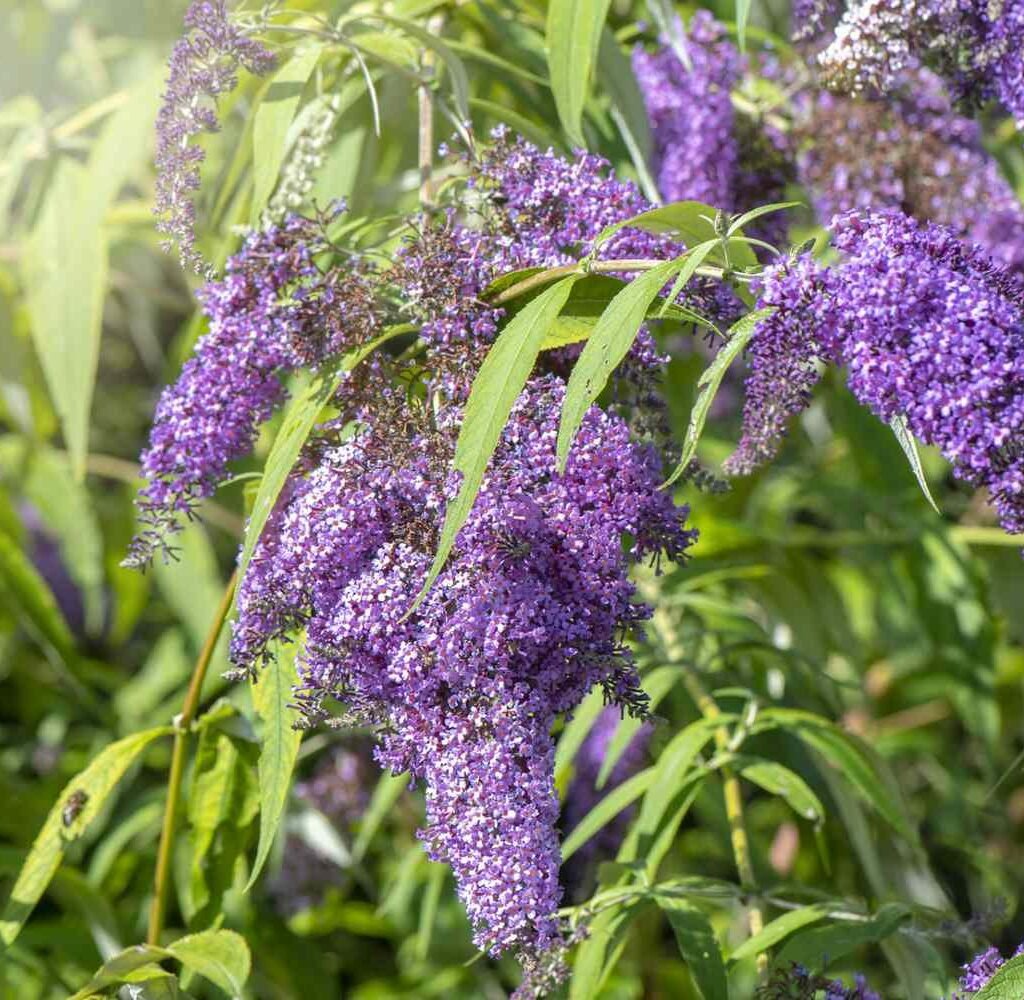
Why It’s Invasive:
Japanese Knotweed is one of the most notoriously invasive plants in the world. Its bamboo-like stems and broad leaves grow aggressively in dense thickets. It’s capable of pushing through concrete, foundations, and asphalt.
Harmful Effects:
- Destroys native plant communities
- Disrupts drainage and structural integrity
- Nearly impossible to eradicate without persistence
How to Remove:
- Cut stems to ground level repeatedly (every 2–3 weeks during growing season)
- Dig out as much of the rhizome system as possible
- Cover with heavy-duty landscape fabric or tarps to suppress regrowth
- Avoid composting—dispose of in sealed bags
Warning: This plant can regenerate from even small fragments. Extreme care is needed during removal.
3. Purple Loosestrife (Lythrum salicaria)
Why It’s Invasive:
Though visually stunning with its purple flower spikes, Purple Loosestrife is a wetland invader. It rapidly colonizes streams, ponds, and ditches, forming dense stands that choke out native aquatic plants.
Harmful Effects:
- Destroys wetland biodiversity
- Reduces habitat for birds, frogs, and insects
- Alters water flow and nutrient cycles
How to Remove:
- Hand-pull small patches before flowering
- Cut flowering spikes before seed production (each plant produces 2 million seeds!)
- For large infestations, consult with local authorities for removal guidelines
Did You Know? Some areas release beetles (Galerucella spp.) as a biological control for Purple Loosestrife.
4. Bamboo (Running Types – e.g., Phyllostachys spp.)
Why It’s Invasive:
Bamboo is often planted for privacy, windbreaks, or aesthetic appeal. But running varieties spread rapidly through underground rhizomes, taking over entire yards and creeping into neighboring properties.
Harmful Effects:
- Infiltrates gardens, driveways, and foundations
- Displaces native species
- Extremely difficult to control once established
How to Remove:
- Dig up rhizomes completely (a massive job)
- Install root barriers at least 3 feet deep if retaining bamboo
- Repeated mowing or cutting may weaken over time
- Never plant running bamboo without proper containment
Best Alternative: Use clumping bamboo if you want a similar look without the invasive risk.

5. Chinese Privet (Ligustrum sinense)
Why It’s Invasive:
Introduced as a hedge plant, Chinese Privet is now a widespread problem in forests and suburban areas alike. It forms dense thickets that shade out native plants and reduce wildlife diversity.
Harmful Effects:
- Competes with native shrubs and seedlings
- Provides minimal wildlife value
- Alters soil chemistry and forest dynamics
How to Remove:
- Pull seedlings by hand
- Cut larger shrubs at the base and apply natural herbicide to stumps
- Monitor for re-sprouting and remove root suckers
- Replace with native shrubs like spicebush, viburnum, or serviceberry
Bonus: Removing privet boosts bird and pollinator habitat.
6. Creeping Charlie (Glechoma hederacea)
Why It’s Invasive:
Also known as ground ivy, this low-growing vine creeps across lawns and flower beds, often mistaken for a harmless weed. It’s incredibly resilient and can spread by stems, seeds, and roots.
Harmful Effects:
- Smothers turfgrass and ornamental beds
- Thrives in shady, moist areas where native groundcovers struggle
- Hard to eliminate without consistent control
How to Remove:
- Hand-pull or rake out runners (easier after rain when soil is soft)
- Keep mowed areas healthy and thick to prevent spread
- Apply a vinegar-based spray to persistent patches (avoid overspray on wanted plants)
Prevention Tip: Maintain a healthy, dense lawn to naturally crowd out Creeping Charlie.
7. Tree-of-Heaven (Ailanthus altissima)
Why It’s Invasive:
This fast-growing tree is anything but heavenly. Originally introduced for shade and ornamental use, it now dominates disturbed areas and backyards. Tree-of-Heaven grows aggressively and emits chemicals that inhibit nearby plant growth.
Harmful Effects:
- Displaces native trees and plants
- Weakens soil biodiversity
- Damages infrastructure with its strong roots
- Produces thousands of windborne seeds each year
How to Remove:
- Cut down tree and treat the stump immediately to prevent sprouting
- Dig out saplings and seedlings as soon as spotted
- Monitor surrounding areas for new growth
Note: Tree-of-Heaven is a host for the Spotted Lanternfly, a major agricultural pest.
Eco-Friendly Removal Tips
- Never compost invasive plants: Seeds and roots can survive and spread
- Dispose of plant waste properly: Bag and trash or check with your local extension office for guidelines
- Replace with native plants: Use native grasses, shrubs, and perennials to fill the space and support pollinators
- Mulch generously: Suppresses weed regrowth and improves soil health
- Stay consistent: Most invasives require multiple efforts to fully remove
The Bigger Picture: Why You Should Care
Invasive plants don’t just make your yard harder to manage—they contribute to the global biodiversity crisis. By removing them from your yard:
- You protect native ecosystems
- You promote healthier soil and water systems
- You support local birds, bees, and butterflies
- You become part of a growing movement toward sustainable landscaping
Even if a plant was once sold at your local nursery, it could be invasive. Knowledge and action are your best tools in creating a healthier environment for future generations.
Conclusion
Your backyard is more than just a patch of green—it’s a living, breathing part of your local ecosystem. By identifying and removing invasive plants like English Ivy, Bamboo, Japanese Knotweed, and others, you help restore balance, prevent long-term damage, and open up space for beautiful, beneficial native species.
Act now. Walk your yard, identify these invaders, and begin the process of reclaiming your landscape. It’s not just about protecting your property—it’s about being a steward of the land.