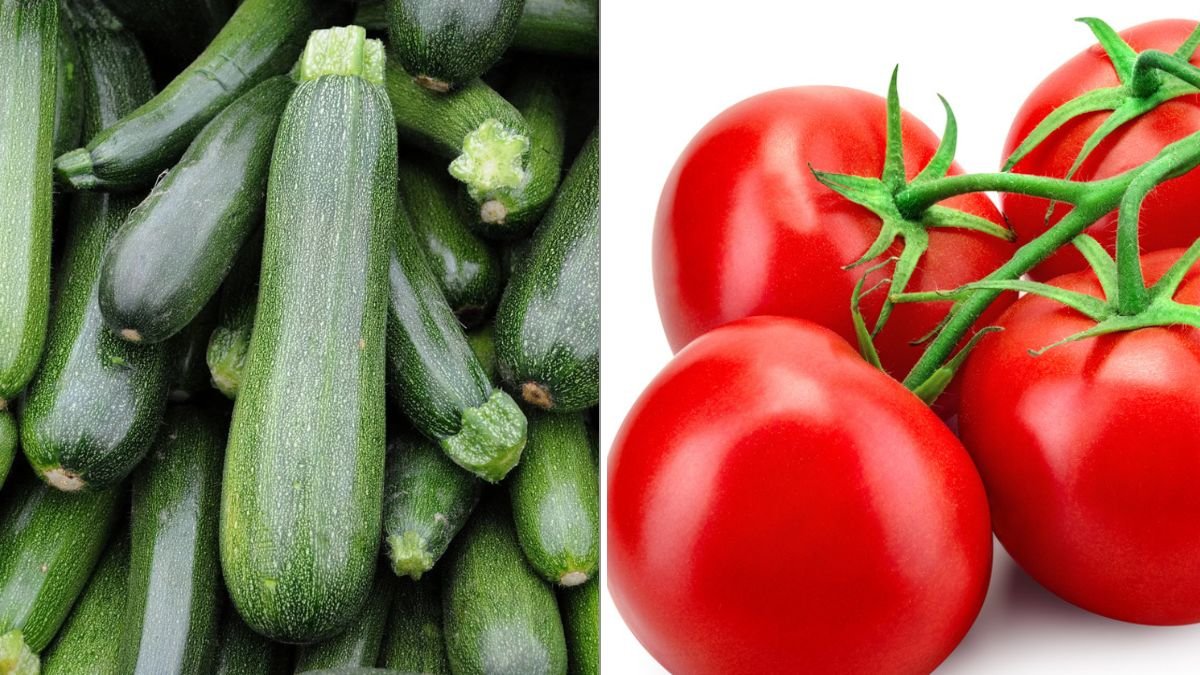
Raised bed gardening has taken root across backyards, patios, and even urban balconies—and it’s easy to see why. With their neat borders, nutrient-rich soil, and improved drainage, raised beds make growing vegetables simpler and more productive than traditional in-ground plots. They warm up faster in the spring, drain better after rain, and allow for precise soil control, meaning your plants get exactly what they need to thrive.
But not all vegetables perform equally well in raised beds. Some varieties simply love the structure, aeration, and warmth of this setup, producing lush greens and abundant harvests with very little fuss. Whether you’re a beginner gardener or an experienced grower looking to maximize your yield, here are eight vegetables that truly thrive in raised beds, plus tips to help you get the best from each one.
1. Lettuce
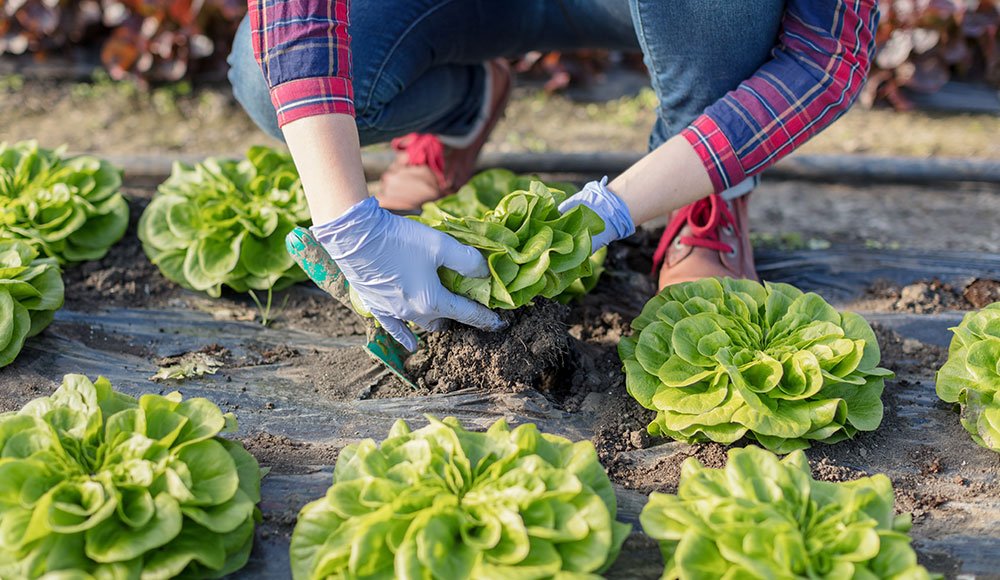
Lettuce is one of the most satisfying crops to grow in raised beds—it’s fast, forgiving, and can provide multiple harvests per season. The loose, rich soil of a raised bed allows lettuce roots to develop easily, resulting in tender, flavorful leaves.
Why It Thrives:
Raised beds offer excellent drainage and temperature control, which lettuce needs to prevent wilting or rot. Since the soil warms quickly in spring and stays cool with mulch, you can extend your growing season for both early and late crops.
Planting Tips:
- Sow seeds directly into the bed about ¼ inch deep and 6 inches apart.
- Keep the soil consistently moist—lettuce roots are shallow.
- For a steady supply, plant new seeds every two weeks.
Pro Tip:
Try mixing varieties like Butterhead, Romaine, and Loose-leaf for colorful, flavorful salads straight from the garden.
2. Carrots
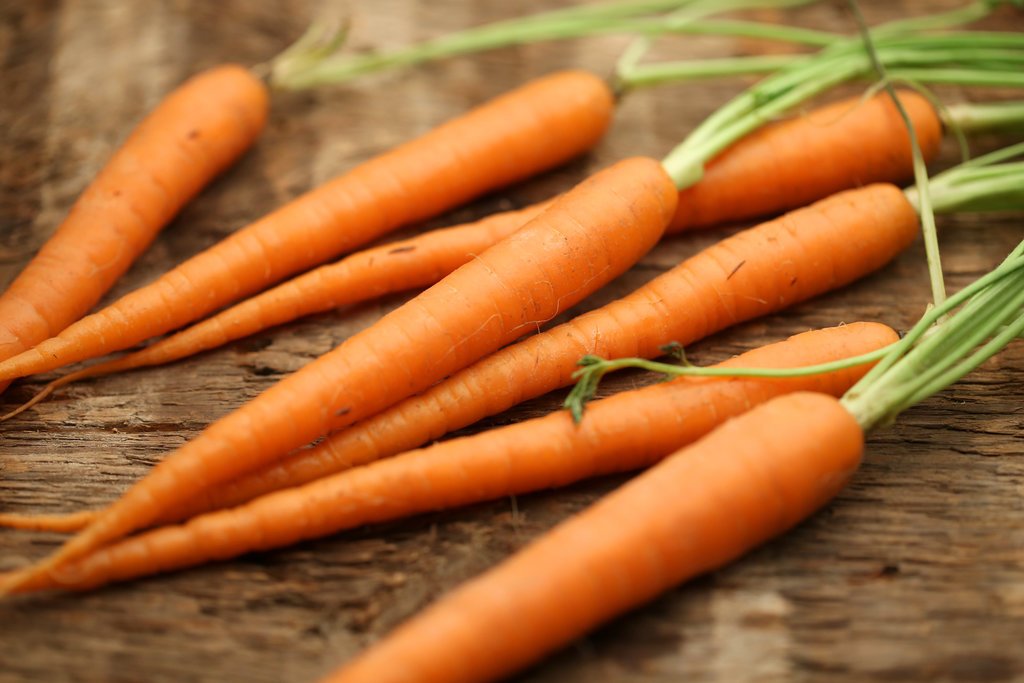
Carrots are a raised bed favorite because they need soft, loose soil to grow long and straight. In traditional gardens, compacted soil often leads to stunted or twisted carrots, but raised beds solve that problem beautifully.

Why It Thrives:
The deep, crumbly soil in raised beds lets carrot roots stretch without resistance. Plus, good drainage helps prevent root rot and splitting.
Planting Tips:
- Sow seeds ½ inch deep in fine soil free from rocks or clumps.
- Thin seedlings to 2 inches apart once they sprout.
- Keep the bed evenly moist, as dry spells can cause bitter roots.
Pro Tip:
Blend sand or compost into your soil mix to encourage smoother, more uniform carrots.
3. Spinach
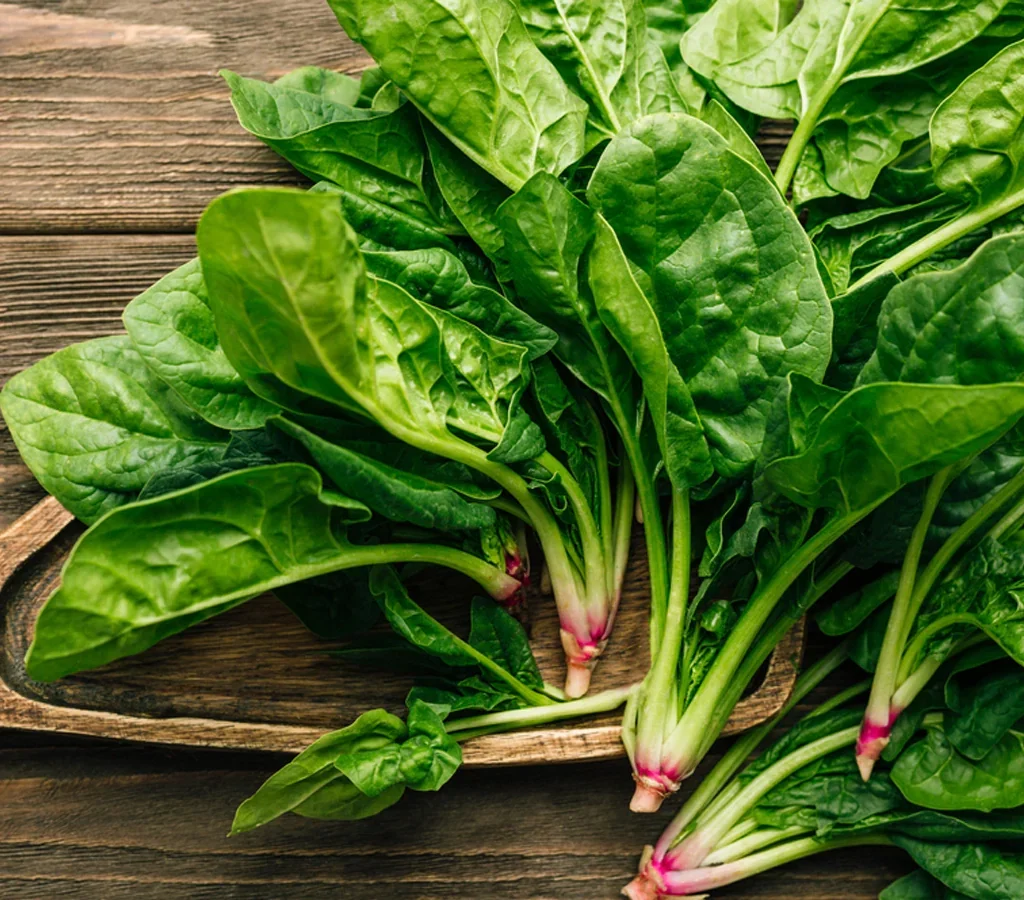
Spinach grows best in cool, fertile soil, and raised beds make it easy to maintain those ideal conditions. It’s also a quick grower, often ready to harvest in just 5–6 weeks.
Why It Thrives:
Because raised beds warm faster in early spring, spinach can get a jump-start on the growing season. The ability to amend soil easily ensures that the plants get plenty of organic matter and nitrogen for healthy leaf production.
Planting Tips:
- Sow seeds ½ inch deep and 3 inches apart.
- Water regularly; spinach prefers consistent moisture.
- Provide light afternoon shade in hot weather to prevent bolting.
Pro Tip:
Harvest outer leaves first and let the inner ones keep growing—this method can extend your harvest for weeks.

4. Tomatoes
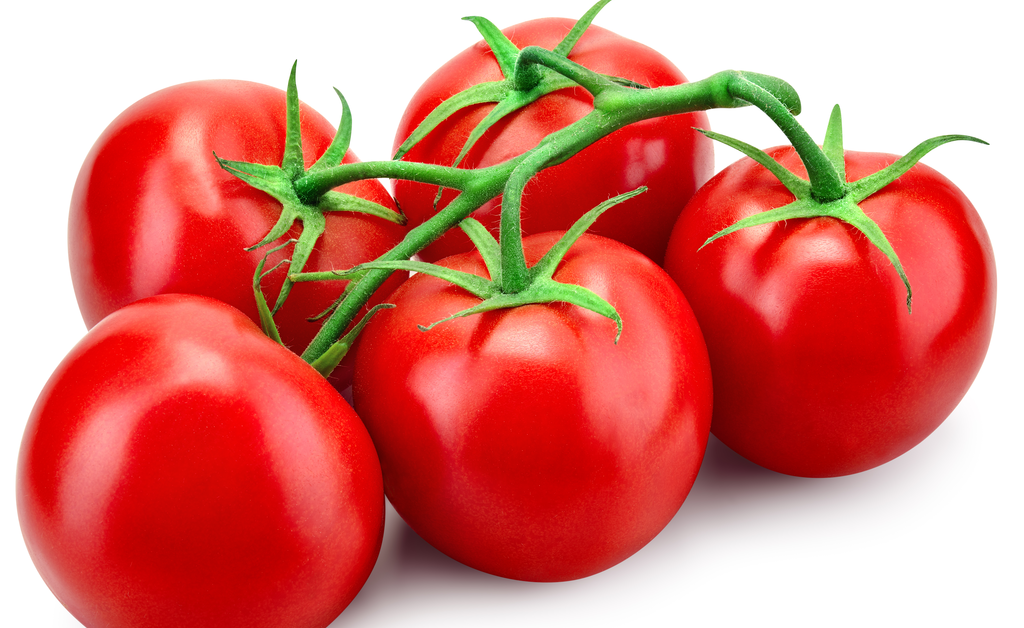
Tomatoes are one of the most popular raised bed crops, and with good reason. They thrive in the warm, well-draining soil raised beds provide, producing vigorous growth and abundant fruit.
Why It Thrives:
The extra warmth from raised beds helps tomatoes grow earlier and stronger. The controlled environment makes it easy to add compost, organic fertilizer, or calcium (which prevents blossom-end rot).
Planting Tips:
- Plant seedlings deeply—bury them up to the first set of leaves to encourage more root growth.
- Space plants 18–24 inches apart.
- Water deeply once or twice a week, rather than shallow daily watering.
Pro Tip:
Add a thick layer of mulch to retain moisture and use stakes or cages to support heavy vines.
5. Radishes
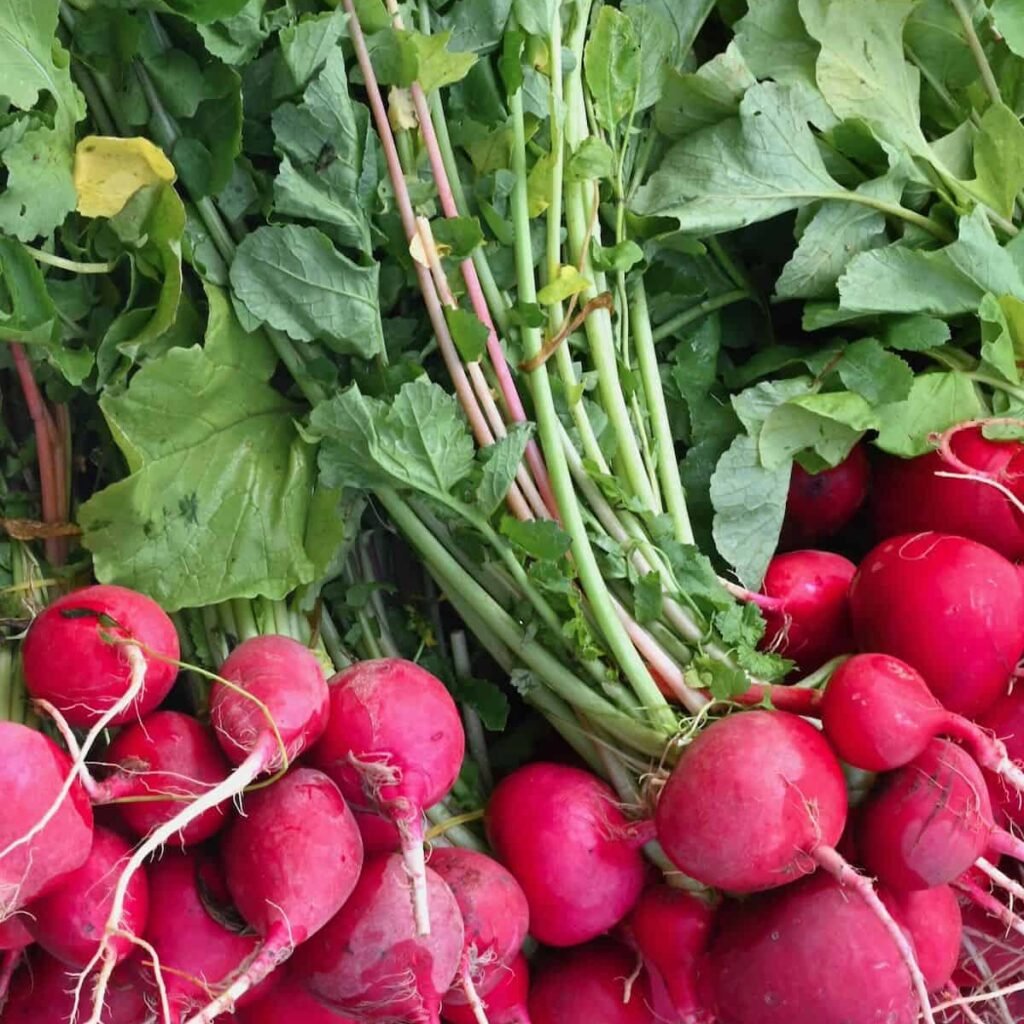
If you want a fast-growing crop that delivers almost instant gratification, radishes are the answer. They’re one of the easiest vegetables to grow in raised beds and can mature in as little as 25 days.
Why It Thrives:
Raised beds allow for loose, airy soil that’s perfect for quick root development. The uniform moisture and drainage help produce crisp, mild radishes.
Planting Tips:

- Sow seeds ½ inch deep and 1 inch apart.
- Thin seedlings to about 2 inches once they sprout.
- Keep soil moist—dry soil can make radishes woody or too spicy.
Pro Tip:
Plant radishes between slower-growing crops like carrots or beets; they’ll be ready to harvest long before the others need more space.
6. Peppers
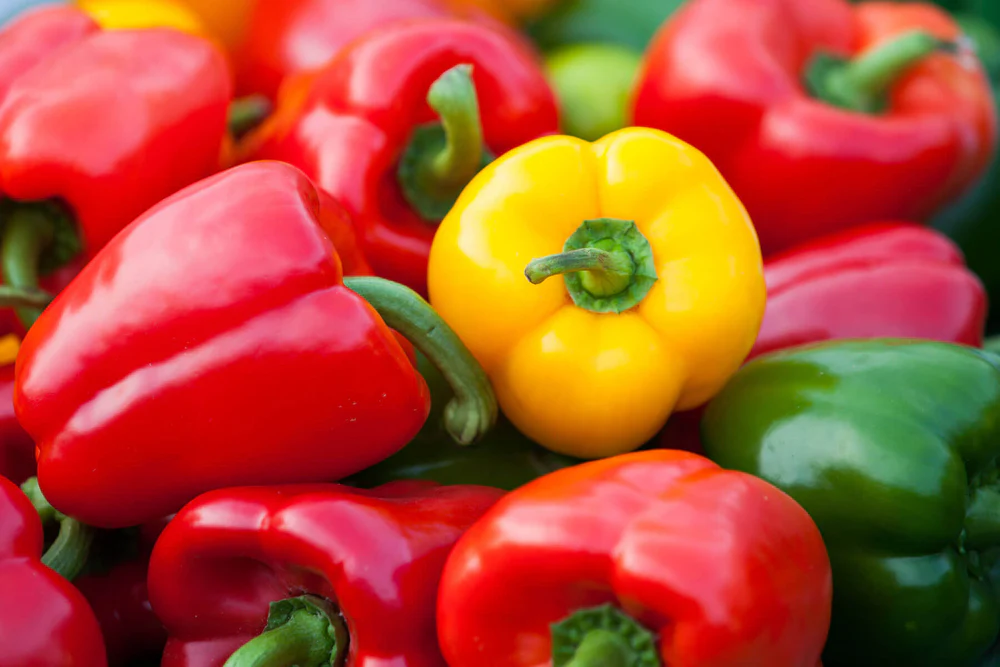
Peppers—both sweet and hot—love the warm soil and good air circulation of raised beds. They grow compactly, making them ideal for small spaces while rewarding you with a colorful, flavorful harvest.
Why It Thrives:
Peppers prefer consistent warmth and even moisture. Raised beds heat up quickly and provide excellent drainage, reducing the risk of fungal diseases.
Planting Tips:
- Transplant seedlings 12–18 inches apart once all danger of frost has passed.
- Water deeply but avoid letting the soil stay soggy.
- Fertilize with compost or a balanced organic mix every few weeks.
Pro Tip:
Peppers love companions like basil or marigolds—both help repel pests naturally.
7. Beets
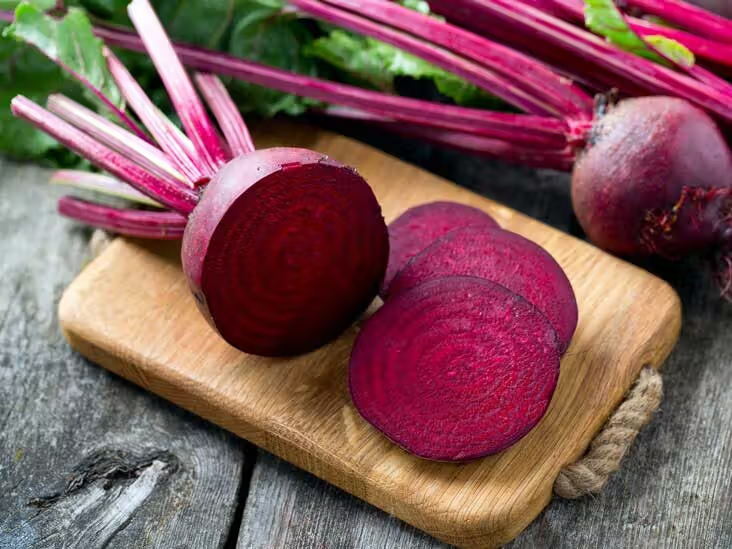
Beets are a two-for-one crop: you can enjoy both the earthy roots and the nutrient-rich greens. Raised beds provide the perfect growing conditions for these dual-purpose vegetables.
Why It Thrives:
Beets prefer rich, well-drained soil and moderate moisture. Raised beds prevent waterlogging and allow for easy root expansion.

Planting Tips:
- Sow seeds ½ inch deep and 2 inches apart.
- Thin seedlings early, as each “seed” often contains several embryos.
- Water evenly and harvest when roots reach about 2 inches in diameter.
Pro Tip:
Use the thinned beet greens in salads or sautés—they’re packed with vitamins and minerals.
8. Zucchini
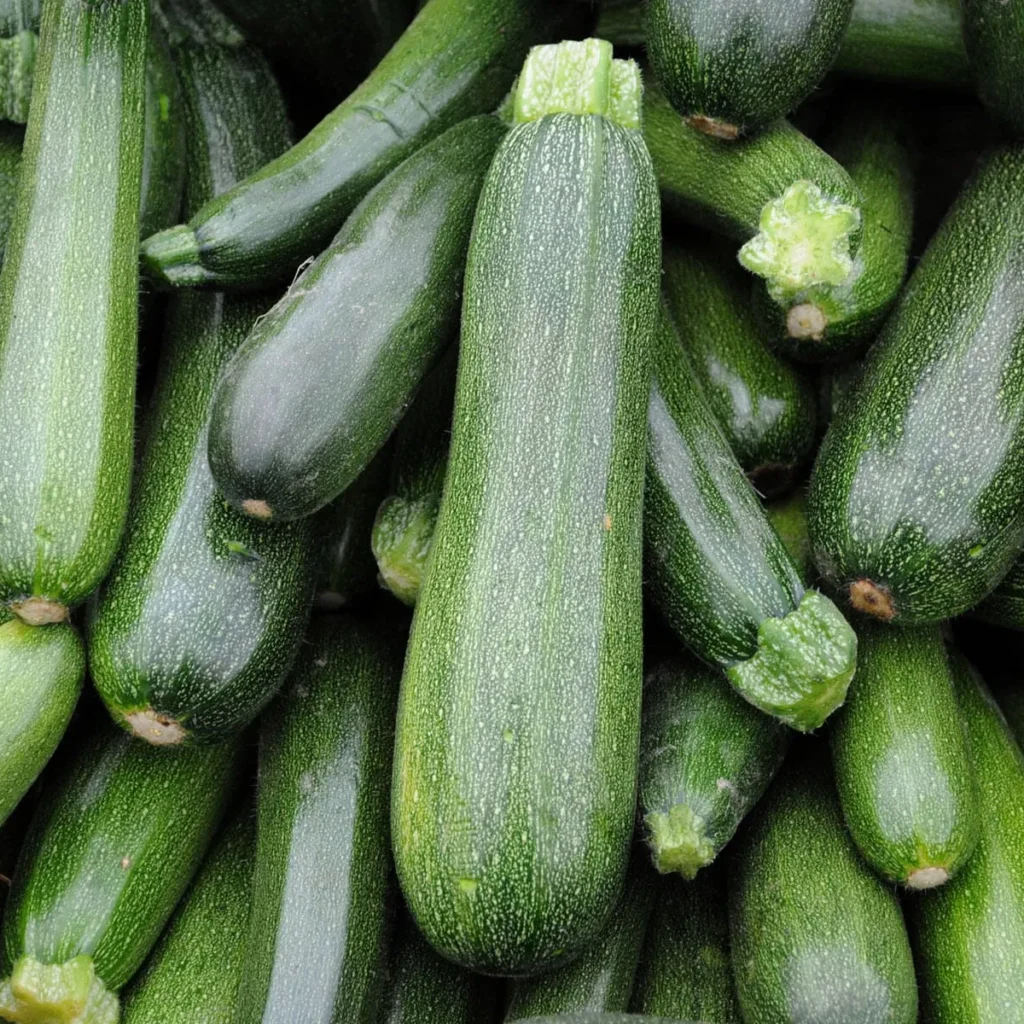
Zucchini is a summer garden staple, and raised beds help it reach its full potential. The plants grow vigorously and produce heavily when given plenty of nutrients and sunlight.
Why It Thrives:
The nutrient-dense soil of raised beds supports large plants and heavy fruiting. The raised structure also promotes air circulation, reducing mildew and rot.
Planting Tips:
- Sow seeds 1 inch deep, 2–3 feet apart.
- Water consistently—zucchini plants need lots of moisture to produce tender fruits.
- Harvest young zucchini (6–8 inches long) for the best flavor and texture.
Pro Tip:
Encourage pollination by planting flowers nearby or gently shaking blooms early in the morning when pollinators are most active.
The Secret to Raised Bed Success
Raised beds offer many benefits beyond just aesthetics. Here’s why they’re a game-changer for vegetable gardeners:

- Better Drainage: Prevents soggy roots and diseases.
- Custom Soil Mix: You can fill the bed with ideal soil—rich, loose, and full of organic matter.
- Extended Season: Soil warms faster in spring and stays productive into fall.
- Easy Maintenance: Less bending, fewer weeds, and simple watering.
- Pest Control: The elevated height can deter some common garden pests.
To maximize productivity, rotate your crops annually, refresh your soil with compost, and mulch heavily to conserve moisture and reduce weeds.
Final Thoughts
Raised bed gardening is more than just a space-saving trend—it’s a proven way to grow healthier, more abundant vegetables with less effort. The eight vegetables listed above—lettuce, carrots, spinach, tomatoes, radishes, peppers, beets, and zucchini—are ideal for raised bed conditions, offering reliable yields and rewarding flavor throughout the growing season.
With a bit of planning, quality soil, and consistent care, your raised bed can become a mini produce paradise right in your backyard. Whether you’re after crisp greens, juicy tomatoes, or crunchy roots, these vegetables will make every square inch of your garden thrive.