Introduction
Traditional lawns are often seen as a symbol of order and pride in landscaping. However, they require significant water, fertilizers, mowing, and ongoing maintenance. As water scarcity becomes more pressing and utility costs rise, many homeowners are reconsidering their lawns. Luckily, there are numerous attractive, low-maintenance lawn alternatives that can reduce water use, cut costs, and even enhance your yard’s ecological value.
This article presents 9 easy lawn alternatives that save both water and money while maintaining beauty and usability.
Why Replace Conventional Turf?
Here are some of the main problems with traditional lawns:
- High Water Use: Most turfgrass lawns require frequent watering—sometimes several inches per week—especially in warmer climates. Much of this water is lost through evaporation or runoff.
- Costly Maintenance: Lawns demand regular mowing, fertilizing, weeding, and sometimes pesticide treatments, all of which can add up.
- Environmental Stress: Excessive irrigation strains local water resources and can contribute to runoff pollution.
- Limited Utility: Lawns are often underused but still require substantial care and cost.
Replacing or reducing lawn areas with more sustainable alternatives can lower your bills, reduce your workload, and benefit the environment.
What Makes a Good Lawn Alternative?
When selecting a replacement for a grass lawn, consider:
- Low Water Requirements
- Minimal Maintenance
- Aesthetic Appeal
- Suitability for Your Climate and Soil
- Foot Traffic Tolerance (if needed)
- Cost-Effectiveness Over Time
Let’s explore some top choices that meet most or all of these criteria.
1. Drought-Tolerant Ground Covers
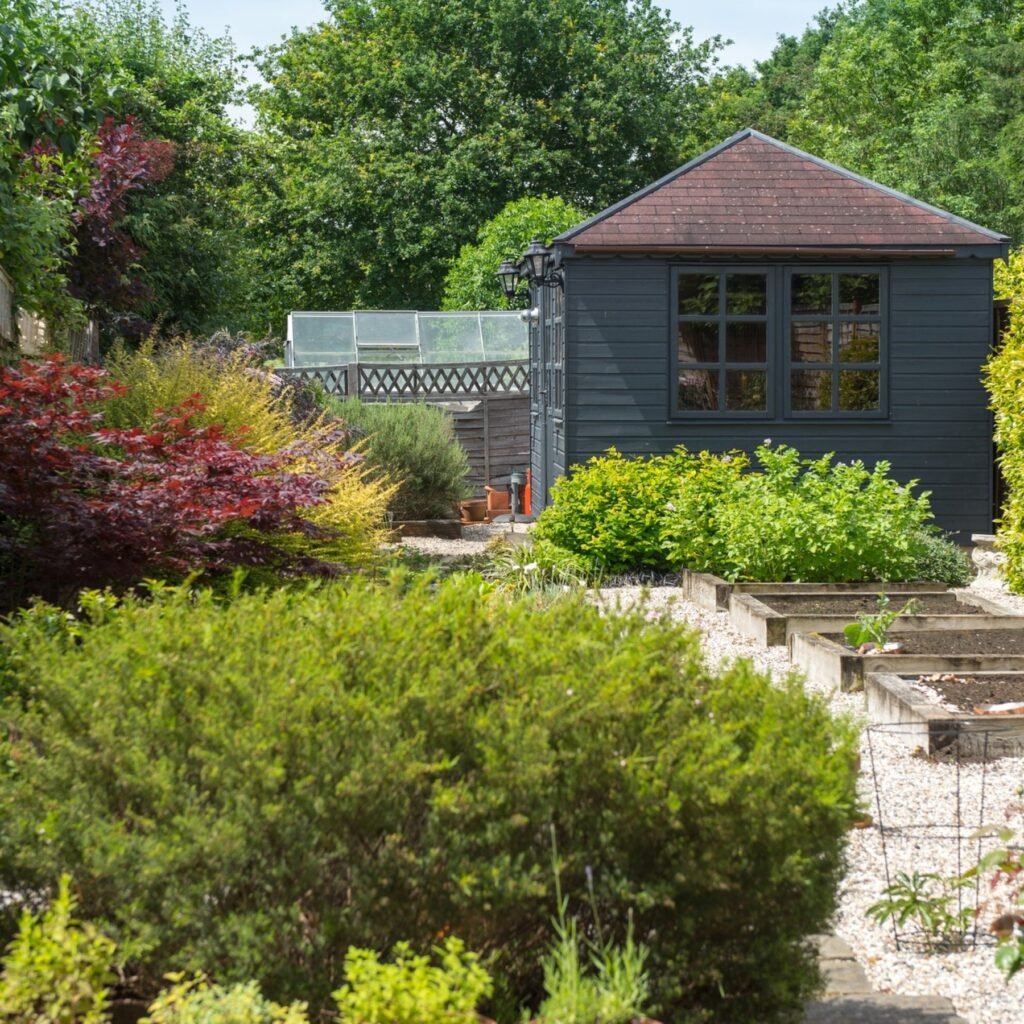
Ground covers are low-growing plants that spread to form a dense mat. Many are excellent lawn substitutes:
- Creeping Thyme: Drought-tolerant, fragrant, and blooms with small flowers.
- Sedum (Stonecrop): A succulent that thrives in dry, rocky soils.
- Creeping Phlox, Ajuga, or Bugleweed: Ideal for shadier or slightly moister areas.
- Native Groundcovers: Best adapted to your climate and soil.
Pros

- Low water needs
- No mowing
- Attractive year-round
- Suppresses weeds
Cons
- Not suitable for heavy foot traffic
- May require time to establish
Tip: Prepare soil well before planting and group similar plants together by water needs (a technique called hydrozoning).
2. Clover or Microclover Lawn
Clover is making a comeback for good reason. It’s soft, green, and needs much less water than grass.
Advantages
- Fixes nitrogen in the soil, reducing fertilizer needs
- Tolerates moderate foot traffic
- Inexpensive and easy to plant
- Supports pollinators like bees
Drawbacks
- Not suitable for very dry or hot climates
- Can appear patchy if not mixed properly
- Some people don’t like the look of its small white blooms
Tip: You can overseed microclover into existing turf or plant it as a standalone lawn.
3. Moss Lawn (for Shady or Moist Areas)
If you have a shaded or consistently moist area, moss can be an elegant and low-maintenance option.
Benefits

- Requires almost no water once established
- No mowing or fertilizing
- Soft and visually calming
Limitations
- Not suitable for sunny or dry areas
- Doesn’t tolerate much foot traffic
Tip: Remove weeds and debris, level the ground, and mist lightly until moss is established.
4. Artificial Turf
For those wanting a consistently green lawn without watering, synthetic grass can be a viable choice.
Pros
- No irrigation required
- Low maintenance
- Looks tidy year-round
- Durable and ideal for high-traffic zones
Cons
- High initial installation cost
- Can become hot under the sun
- Made of plastic, which may not be environmentally ideal
Tip: Choose high-quality turf designed for your climate, and ensure proper drainage beneath it.
5. Rock or Gravel Landscaping (Xeriscaping)
Replacing grass with gravel, decorative rocks, and drought-tolerant plants is both beautiful and eco-friendly.
Advantages

- Zero watering for hardscape areas
- Minimal upkeep
- Clean, modern look
Disadvantages
- May appear barren without proper planting
- Can retain heat in hot climates
- No cushion for play or pets
Tip: Combine rocks with native grasses or succulents to balance aesthetics and environmental benefits.
6. Wildflower Meadow or Native Prairie
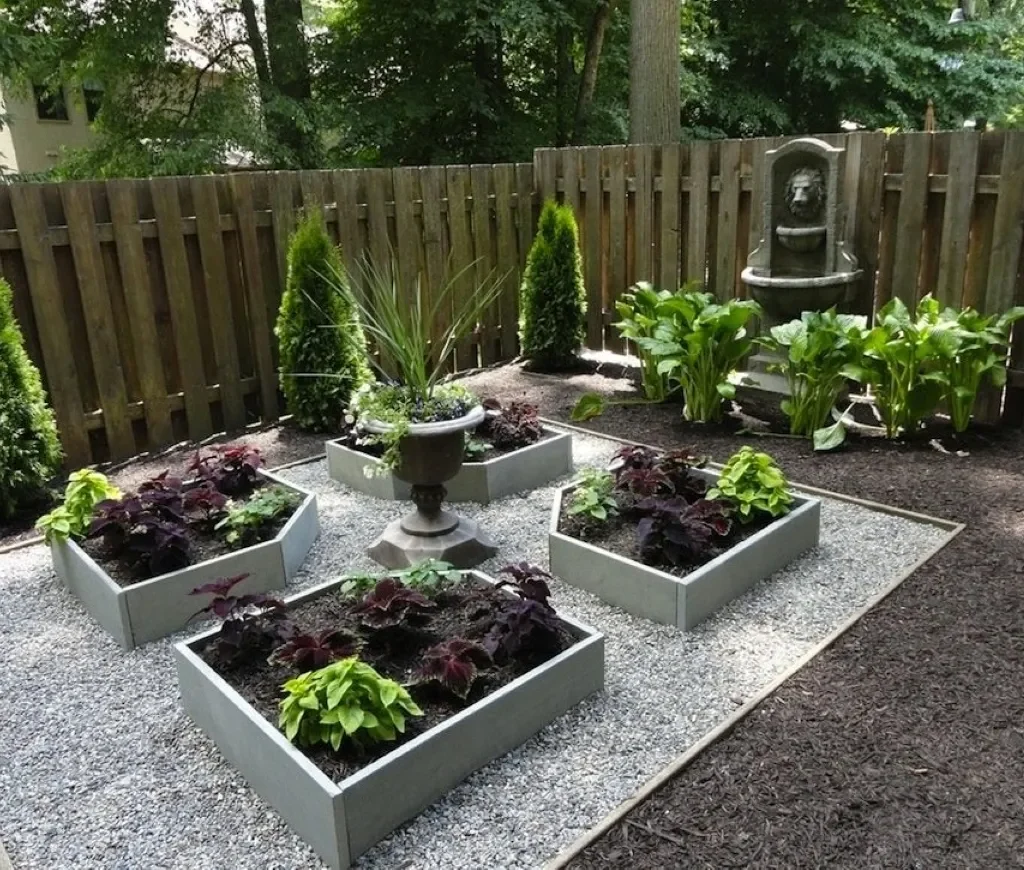
Turn your lawn into a pollinator-friendly meadow using native grasses and flowering plants.
Pros
- Greatly reduces water use
- Attracts butterflies, bees, and birds
- Seasonal color and beauty
- Low maintenance after establishment
Cons
- Takes time (up to 2 years) to fully establish
- May appear untidy in formal neighborhoods
- Limited suitability for frequent walking
Tip: Choose a mix of native wildflower seeds adapted to your local region. Mow once or twice a year to keep woody growth down.
7. Edible Landscaping
Why not grow something useful? Herbs, vegetables, and fruiting shrubs can form an attractive and productive yard.
Popular Choices

- Herbs: Oregano, thyme, rosemary, lavender
- Vegetables: Kale, chard, bush beans, peppers
- Dwarf fruit trees or berry bushes
Benefits
- Produces food
- Supports beneficial insects
- Reduces lawn size
Challenges
- Slightly more maintenance (weeding, harvesting)
- Some crops may require seasonal irrigation
Tip: Group edibles with similar water needs and use drip irrigation to minimize water use.
8. Tapestry Lawn (Mixed Groundcover Mosaic)
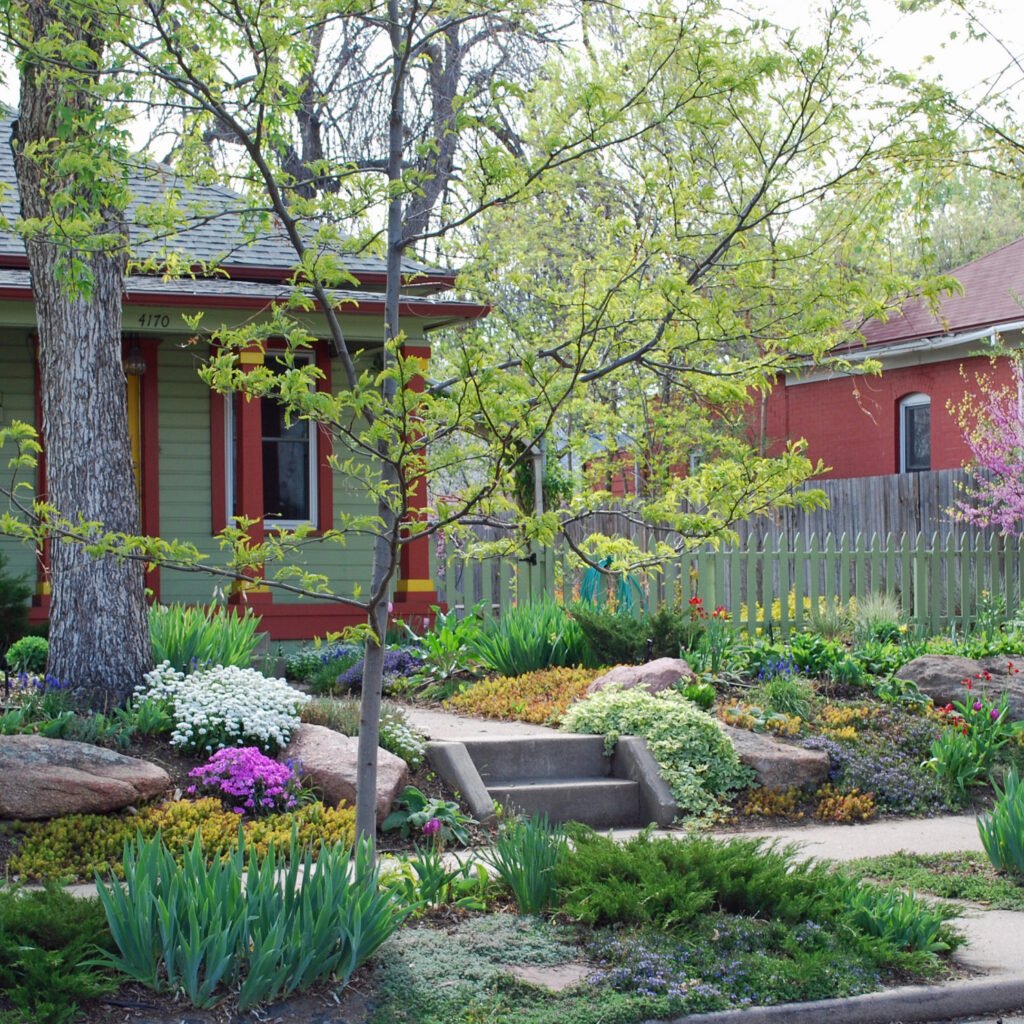
A tapestry lawn is a mix of various low-growing plants, forming a living patchwork with different colors and textures.
Advantages
- Low water usage
- Occasional mowing only
- Rich biodiversity
- Visually dynamic
Drawbacks
- Requires careful plant selection
- Initial setup is more involved
- May need occasional weeding
Tip: Combine small groundcovers like thyme, chamomile, and clover for maximum effect. Choose plants with similar needs.
9. Drought-Tolerant Native or Ornamental Grasses
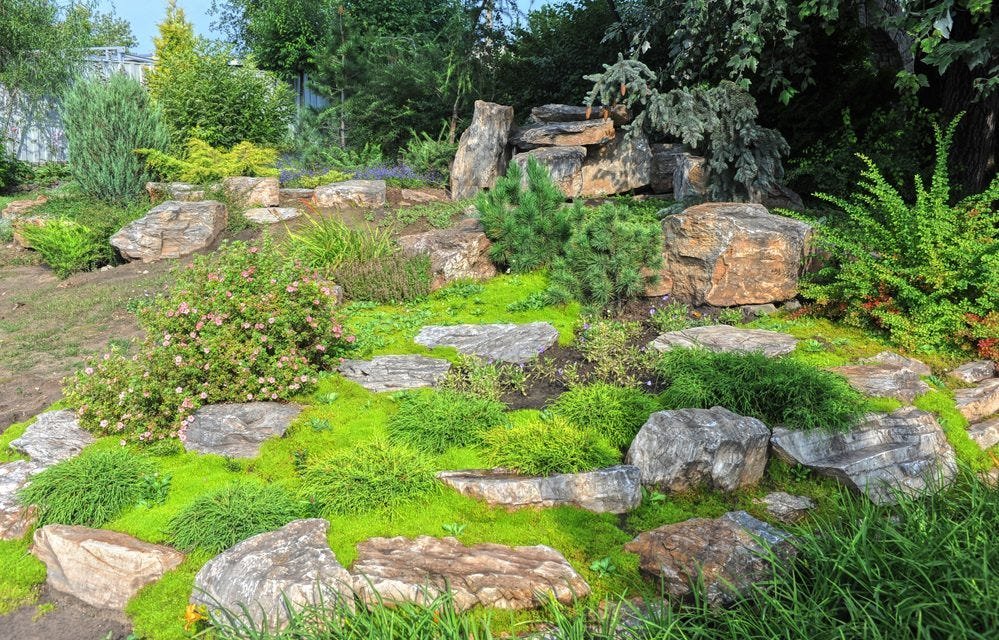
Replace traditional turf with clump-forming or spreading native grasses adapted to your local conditions.

Options Include
- Buffalo grass
- Blue grama
- Red fescue
- Various ornamental grasses
Benefits
- Low water needs
- Requires little mowing
- A natural “grassy” look
Challenges
- May go dormant (brown) in very dry conditions
- Less soft than traditional turf
Tip: Use these grasses in combination with wildflowers or groundcovers for added texture and beauty.
Summary Table
| Lawn Alternative | Water Use | Maintenance | Foot Traffic | Aesthetic Appeal |
|---|---|---|---|---|
| Drought-Tolerant Ground Covers | Very Low | Low | Light | Lush and flowering |
| Clover/Microclover Lawn | Low | Low | Moderate | Soft, green, pollinator-friendly |
| Moss Lawn | Very Low | Very Low | Low | Elegant, shaded areas |
| Artificial Turf | None | Very Low | High | Consistently green |
| Rock/Gravel Landscaping | None | Very Low | Low | Modern, minimalist |
| Wildflower Meadow | Low | Low | Low | Natural, colorful |
| Edible Landscaping | Moderate | Moderate | Moderate | Functional and varied |
| Tapestry Lawn | Low | Moderate | Moderate | Diverse and vibrant |
| Native Ornamental Grasses | Low | Low | Moderate | Natural and soft |
Tips for Transitioning
- Start Small: Begin with a section of your yard to test a new alternative before replacing the whole lawn.
- Prepare the Soil: Healthy soil is key to long-term success. Remove weeds and amend the soil before planting.
- Use Mulch: Mulch conserves moisture, suppresses weeds, and regulates temperature.
- Water Wisely: Water only during establishment, then reduce or eliminate irrigation as needed.
- Group Plants by Water Needs: This reduces overwatering and helps optimize irrigation.
- Be Patient: Some alternatives take time to establish fully, especially meadows or native species.
- Plan for Aesthetics: Mix textures, colors, and plant heights to create an attractive and balanced design.
Conclusion
Replacing your lawn doesn’t mean sacrificing beauty or functionality. With the right alternatives, you can save thousands of gallons of water, reduce your utility bills, lower your maintenance workload, and even help restore ecological balance in your yard. Whether you go with drought-tolerant ground covers, edible plants, artificial turf, or native grasses, each option offers unique benefits.