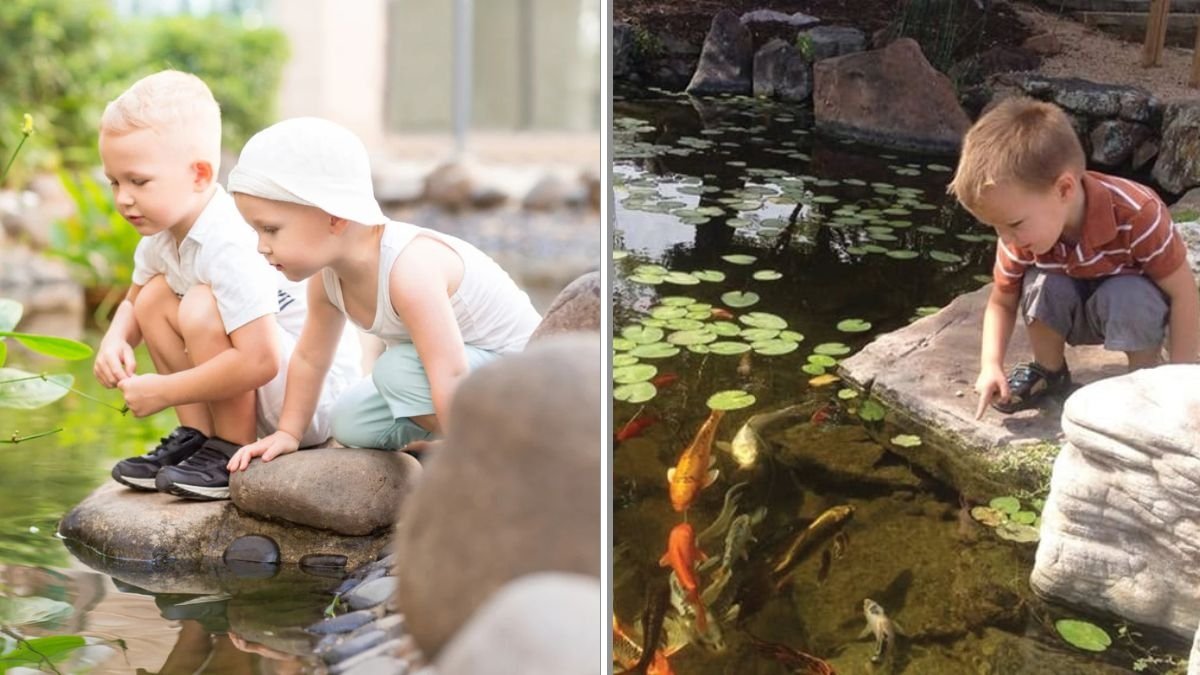
Garden ponds add beauty, tranquility, and biodiversity to outdoor spaces. The gentle ripple of water, the shimmer of koi fish, and the buzz of dragonflies create an atmosphere that’s hard to beat. But for families with young children, ponds can also be a source of concern. Kids are naturally curious, and water has an irresistible pull. While ponds may seem harmless, even shallow ones pose risks if not properly managed.
The good news? With thoughtful planning and the right safety measures, you can enjoy the charm of a garden pond while ensuring your children remain safe. Below, we’ll explore practical, natural, and parent-approved ways to keep kids safe around garden ponds.
Why Safety Around Garden Ponds Matters
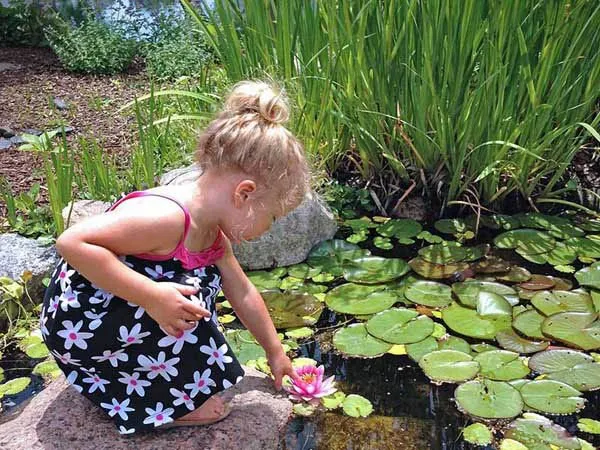
Drowning is one of the leading causes of accidental death in children under five. Even a few inches of water can be dangerous if a child falls in and is unable to get out. Beyond drowning risks, ponds may also present slipping hazards, sharp rocks, or exposure to bacteria and insects.
For parents and caregivers, balancing the joy of having a pond with the responsibility of keeping kids safe is crucial. The goal isn’t to eliminate the pond—it’s to make sure children can enjoy the outdoors without unnecessary risks.
1. Supervision Is the First Line of Defense
No safety measure can replace active adult supervision. Children should never be left unattended near a pond, no matter how shallow it may seem.
Tips for supervision:
- Establish clear rules that kids cannot go near the pond without an adult.
- Place comfortable seating or a bench near the pond so adults can watch while relaxing.
- Teach children early about the dangers of water, making them aware but not fearful.
Supervision may sound obvious, but in practice, it requires vigilance. Kids can move quickly, and accidents happen in moments. Think of supervision as the safety net that supports all other protective strategies.

2. Install Physical Barriers
A well-placed barrier can prevent accidents while still allowing the pond to enhance your garden’s beauty. Depending on your design preferences and budget, there are several options:
a. Fencing:
- Low decorative fencing can keep toddlers at bay while blending into the landscape.
- For stronger protection, choose a fence at least 4 feet high with self-closing, childproof gates.
b. Safety Grilles or Mesh Covers:
- These sturdy, child-safe covers sit just below the water’s surface.
- They allow plants, fish, and wildlife to thrive while preventing a child from falling into the water.
- Mesh covers also protect pets from accidental slips.
c. Railings or Raised Edges:
- Building raised pond edges at least 18–24 inches tall can deter small children from leaning over.
- Adding railings or low walls around the perimeter increases security and gives the pond a polished look.
Barriers are particularly effective because they create a physical separation between children and the water, buying you peace of mind.
3. Design the Pond with Safety in Mind
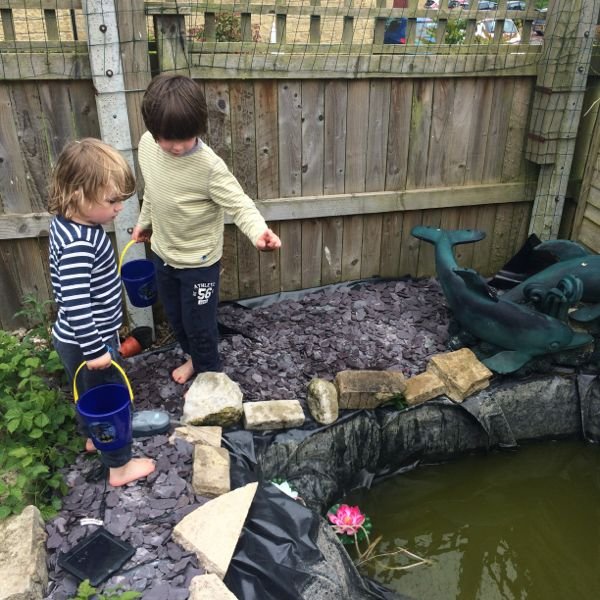
If you’re in the planning stages of building a pond—or considering modifications—thoughtful design choices can make a big difference in safety.
Key safety-focused design ideas:

- Shallow edges: Create gradual slopes rather than steep drop-offs. This allows kids (and wildlife) to climb out if they fall in.
- Depth control: Avoid ponds deeper than 18–24 inches in family spaces. Deeper ponds can be added to adult-only zones of larger gardens.
- Non-slip surfaces: Use textured stone, pavers, or decking materials around the pond to reduce the risk of slips.
- Location: Place ponds away from play areas, swing sets, or high-traffic paths.
A pond designed with safety in mind doesn’t need to sacrifice aesthetics. Many modern pond designs seamlessly combine child-friendly features with stunning landscapes.
4. Teach Kids About Pond Safety
Children are more cooperative when they understand the “why” behind rules. By teaching kids about water safety from an early age, you empower them to respect the pond rather than fear it.
Ways to teach kids about safety:
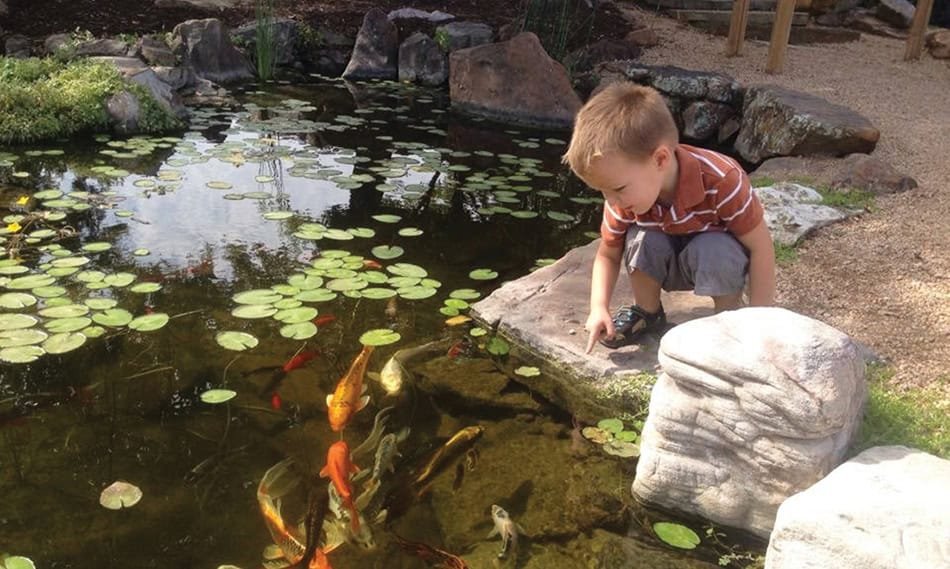
- Explain that ponds are for looking, not for playing in.
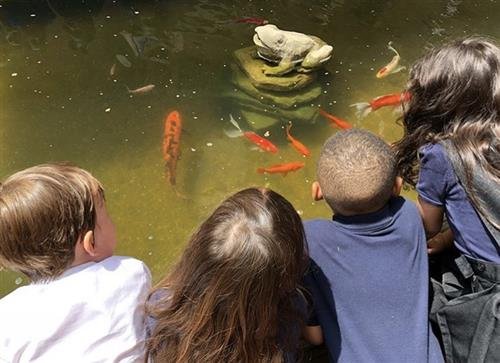
- Encourage them to enjoy wildlife—frogs, fish, or plants—while staying a safe distance away.
- Create a designated “safe zone” for watching the pond, such as a seating area or observation spot.
- Role-play safe and unsafe pond behavior to reinforce learning.
By involving kids in the conversation, you also turn safety into an opportunity for education about nature and responsibility.
5. Add Safety Features and Accessories
Several practical products can enhance pond safety without drastically altering your design.
Recommended features:
- Motion-sensor lights: Illuminate the pond at night, reducing tripping hazards and discouraging unsupervised nighttime exploration.
- Cameras: Outdoor security cameras can alert parents if children wander into the pond area unexpectedly.
- Water alarms: These devices sound an alarm if movement or a splash is detected in the pond, adding an extra layer of protection.
While these features don’t replace supervision or barriers, they offer peace of mind and extra safeguards—especially for families with adventurous kids.

6. Create a Child-Friendly Water Alternative
Sometimes, children’s curiosity about ponds stems from their natural love of water play. Providing safe alternatives can redirect their attention away from risky spots.
Kid-friendly alternatives include:
- Water tables: Perfect for toddlers to splash and play safely under supervision.
- Mini splash pads: Great for summer fun, with zero standing water.
- Small container ponds: These miniature versions allow kids to observe water plants and insects without the risks of a large pond.
By giving children their own designated water space, you satisfy their curiosity while protecting them from hazards.
7. Seasonal Safety Considerations
Pond safety isn’t static—it changes with the seasons.
In summer:
- Increased playtime outdoors means extra vigilance is needed.
- Algae blooms can make surfaces slippery—clean regularly.
In fall:
- Leaves can accumulate, hiding pond edges or making paths slick.
- Netting over the pond can prevent debris buildup.
In winter:

- Ice can be deceptive. Children may try to step on frozen ponds, not realizing the danger.
- Always teach kids to stay away from ice-covered water features.
In spring:
- Heavy rains may raise water levels, so check barriers and covers.
By adapting your safety strategy to seasonal changes, you maintain consistent protection year-round.
8. Balance Safety with Aesthetic Appeal
Many homeowners hesitate to add fences or covers, worried that safety features will ruin the look of their garden. However, modern landscaping solutions allow for both safety and beauty.
Design tips:
- Incorporate safety fencing into natural plant screens with hedges or trellises.
- Choose covers designed to be discreet and blend with the water surface.
- Use natural stone walls or raised planters around pond edges to create barriers that double as design features.
With a little creativity, your pond can remain the centerpiece of your garden while staying family-friendly.
Final Thoughts
Garden ponds are magical spaces where families can connect with nature, observe wildlife, and enjoy peaceful moments outdoors. But for households with children, safety must always come first. By combining active supervision, physical barriers, thoughtful design, and child education, you can significantly reduce risks while preserving the beauty of your pond.
Remember: kids don’t need to be shielded entirely from ponds—they can learn to respect and appreciate them safely. With the right measures, your backyard pond can become not just a beautiful feature, but a safe and enriching part of your family’s outdoor life.

In the end, keeping kids safe around garden ponds isn’t about limiting enjoyment—it’s about creating an environment where both beauty and security flow together, allowing you to relax and let your children explore with confidence.

Leave A Comment