
A beautiful yard should be a source of pride and relaxation—but when neighbors are involved, it can sometimes become a battleground. From overhanging branches to noisy lawn equipment, yard-related disagreements are among the most common neighbor disputes. Left unchecked, they can escalate into hostility, legal issues, or long-term resentment.
The good news? Most yard disputes can be resolved peacefully with a mix of clear communication, empathy, and practical solutions. In this article, we’ll explore six of the most common yard disputes and share strategies to handle them diplomatically—so you can maintain harmony while protecting your property rights.
1. Overhanging Trees and Branches
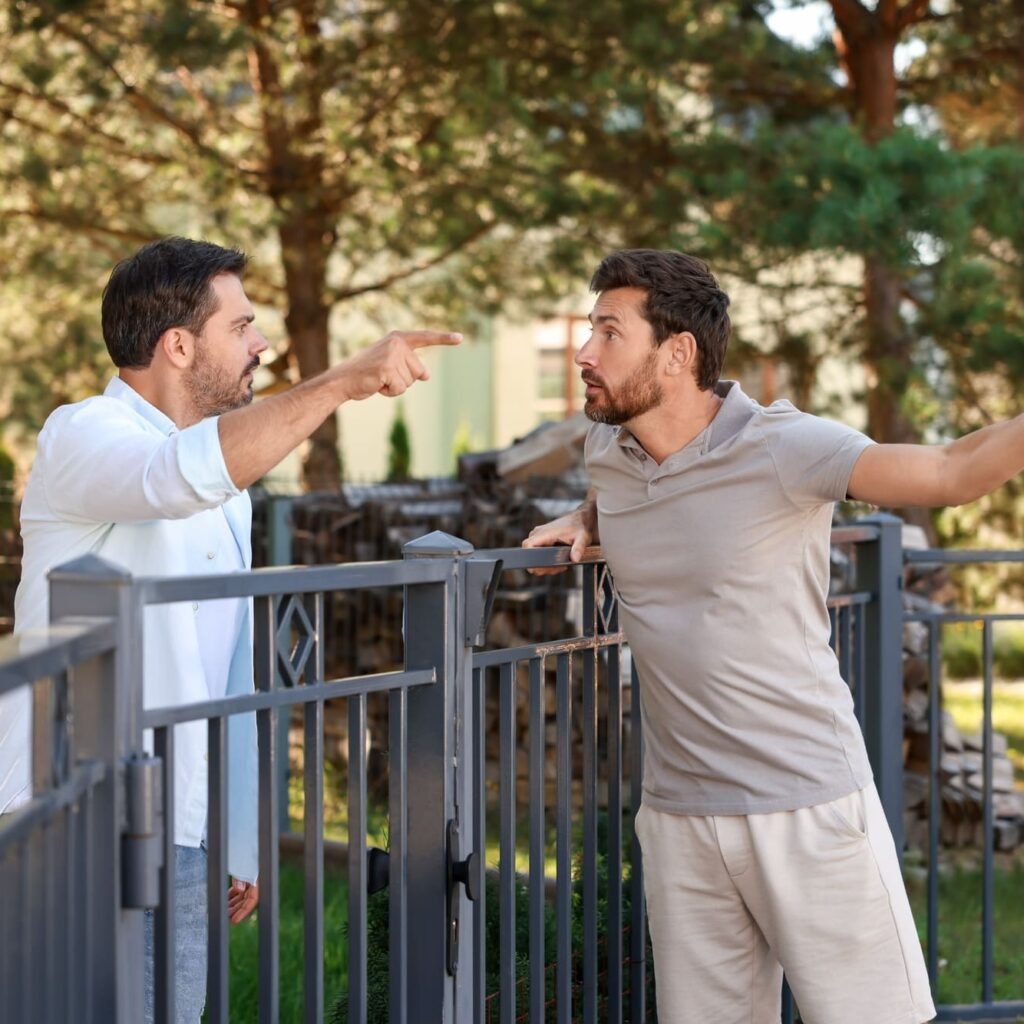
The problem: Your neighbor’s tree is growing into your yard, dropping leaves, fruit, or sap—or worse, threatening your fence, roof, or safety.
Why it happens: Trees don’t recognize property lines, and neighbors may not realize their tree is causing inconvenience or danger.
How to solve it peacefully:

- Start with a conversation. Politely let your neighbor know how the tree is affecting your yard. Sometimes, they may not even be aware.
- Offer solutions. Suggest trimming back branches or sharing the cost of professional tree service.
- Know your rights. In many areas, you’re allowed to trim branches and roots that cross into your property line—as long as you don’t harm the tree.
- Stay cooperative. Frame the discussion around shared safety and property care, not blame.
When handled respectfully, tree issues can often be solved without conflict—and sometimes even with cost-sharing that benefits both parties.
2. Fence and Boundary Disagreements

The problem: Disputes over property lines, fence placement, or shared maintenance are among the most common neighbor conflicts.
Why it happens: Ambiguous property lines or mismatched expectations about who’s responsible for upkeep can fuel disagreements.
How to solve it peacefully:
- Check the facts first. Review your property survey or title documents to clarify exact boundaries. If needed, hire a surveyor to confirm.
- Communicate openly. If you’re building or repairing a fence, talk to your neighbor before work begins.
- Discuss costs. In some states, neighbors are legally required to share fence repair costs, but it’s best to agree ahead of time.
- Consider alternatives. If your neighbor doesn’t want to share expenses, you might install the fence entirely on your property line and cover the cost yourself.
Respect and clarity are essential—resolving fence issues diplomatically avoids long-term feuds over a few feet of land.

3. Noise from Yard Work or Gatherings
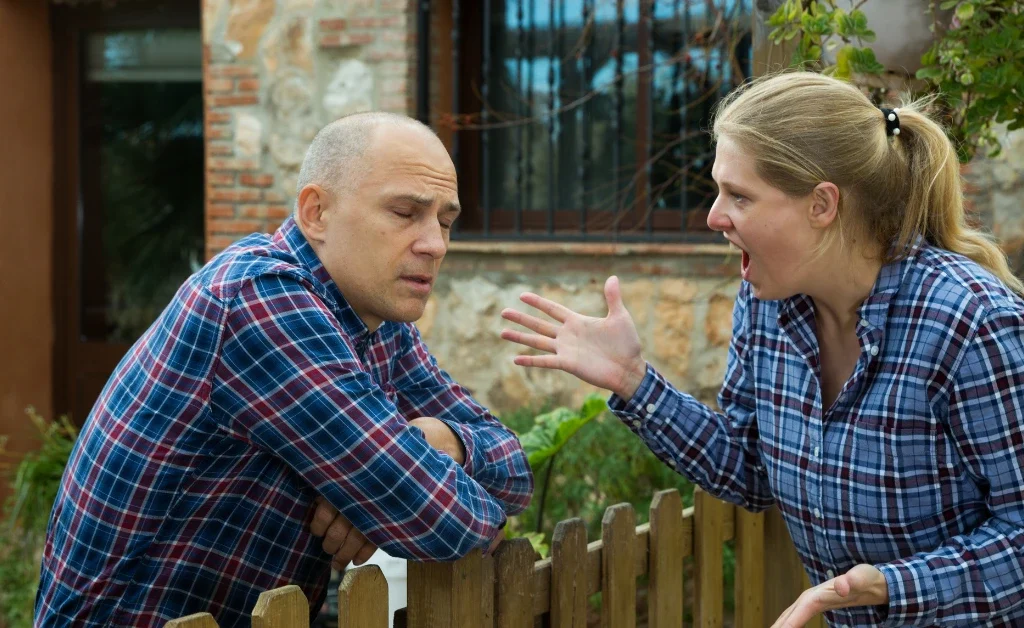
The problem: Early-morning mowing, loud leaf blowers, or late-night backyard parties disturb your peace.
Why it happens: People often underestimate how far sound travels, especially outdoors.
How to solve it peacefully:
- Pick the right time. Approach your neighbor calmly, not in the heat of frustration.
- Be specific. Point out when the noise is most disruptive (e.g., “The leaf blower at 6 a.m. wakes the kids”).
- Suggest compromises. Ask if they can adjust the timing, switch to quieter equipment, or limit late-night noise.
- Know local rules. Many communities have noise ordinances; mention them gently if needed.
A friendly reminder often solves the problem. Most neighbors don’t want to cause stress—they just need to know how their activities are affecting you.
4. Pets in the Yard
The problem: A neighbor’s dog barks constantly, digs under fences, or leaves “surprises” on your lawn.

Why it happens: Pets naturally roam, bark, and explore—but unmanaged behavior can strain neighborly relations.
How to solve it peacefully:
- Start with empathy. Many pet owners don’t realize how disruptive their animal is to others.
- Communicate clearly. Politely explain the problem and how it affects your yard and family.
- Suggest fixes. Propose practical solutions such as reinforcing fences, using bark-control training, or keeping dogs indoors during quiet hours.
- Protect your space. If issues persist, consider deterrents like pet-safe repellents or barriers on your property.
Approach pet issues with kindness—after all, people often see pets as family. Solutions are easier when handled with understanding.
5. Yard Maintenance and Appearance

The problem: Your neighbor’s yard is overgrown with weeds, clutter, or unkempt structures that reduce curb appeal or spread pests.
Why it happens: Yard neglect may stem from busy schedules, financial hardship, or health issues.

How to solve it peacefully:
- Lead with kindness. Rather than criticizing, ask if they need help or resources.
- Offer assistance. Suggest a shared cleanup day, lend equipment, or recommend affordable services.
- Frame it positively. Instead of “your yard is messy,” try “we’re hoping to tidy up our shared property line—would you like to work together?”
- Check HOA or city codes. If serious neglect becomes a hazard, local ordinances may enforce cleanup—but this should be a last resort after attempts at diplomacy.
Many neighbors appreciate a helping hand and respond better to encouragement than confrontation.
6. Water Runoff and Drainage Issues
The problem: Water from your neighbor’s yard drains into yours, causing flooding, erosion, or damage to landscaping.
Why it happens: Improper grading, new construction, or heavy landscaping changes can redirect water flow.
How to solve it peacefully:

- Document the issue. Take photos or videos of flooding after rain.
- Discuss calmly. Let your neighbor know how the runoff is impacting your yard. They may not be aware.
- Propose solutions. Options include French drains, rain gardens, or redirecting downspouts—sometimes sharing costs makes sense.
- Seek mediation if needed. If drainage issues continue, professional mediation or local code enforcement may help without escalating to court.
Solving drainage disputes early prevents bigger (and more expensive) problems later.
General Tips for Solving Yard Disputes Peacefully

- Choose your battles. Ask yourself: Is this issue worth a conflict? Sometimes small annoyances can be overlooked.
- Communicate face-to-face. Avoid angry notes or texts—personal conversations are less likely to be misinterpreted.
- Stay respectful. Even if your neighbor isn’t cooperative, keep calm and polite. Escalation rarely helps.
- Seek mediation. Many communities offer free or low-cost mediation services to resolve neighbor disputes before they turn legal.
- Know your legal rights—but use them wisely. Understanding local laws protects you, but lawsuits should be a last resort after diplomacy fails.
Final Thoughts
Yard disputes are common, but they don’t have to ruin relationships—or your enjoyment of your home. By approaching problems with empathy, honesty, and a willingness to compromise, most conflicts can be resolved peacefully.
Remember: your neighbor isn’t just someone who lives next door—they’re part of your daily environment. Solving yard disputes respectfully not only protects your property but also builds stronger, friendlier communities.
With patience and diplomacy, your yard can remain the peaceful retreat you intended it to be—without unnecessary drama.

Leave A Comment