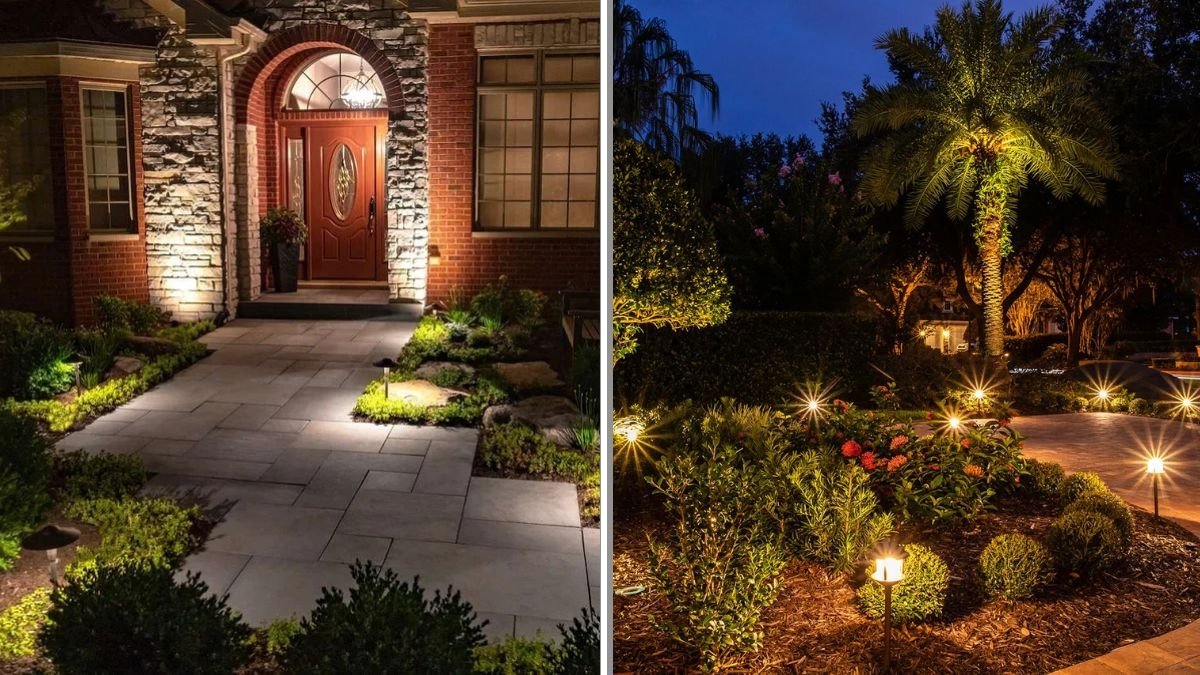
Outdoor lighting can transform your yard into a safe, welcoming, and beautiful space. From illuminating walkways to highlighting landscaping or creating ambiance for evening gatherings, good lighting extends the enjoyment of your outdoor areas well into the night.
But there’s a catch: if outdoor lighting isn’t installed thoughtfully, it can quickly become a source of frustration for neighbors. Glare, excessive brightness, or poorly placed fixtures may spill light into bedrooms, disrupt sleep, and even contribute to neighborhood tension.
Fortunately, with a bit of planning, you can enjoy the benefits of outdoor lighting while keeping your neighbors—and the environment—comfortable. Here’s how to strike that balance.
Why Consider Your Neighbors?

Light pollution is a growing issue in communities worldwide. Unshielded outdoor lights don’t just brighten your backyard—they can affect the entire block.

Impacts of poor outdoor lighting include:
- Sleep disruption: Bright light shining into a neighbor’s window can interfere with circadian rhythms.
- Glare hazards: Misplaced lights can create harsh glares that make it harder to see, not easier.
- Environmental impact: Artificial lighting disrupts wildlife, including birds, bats, and insects.
- Neighborhood disputes: Excessive lighting can strain otherwise good relationships with those living nearby.
Being mindful of your lighting design ensures you enjoy your space while maintaining a peaceful neighborhood.
1. Choose the Right Fixtures
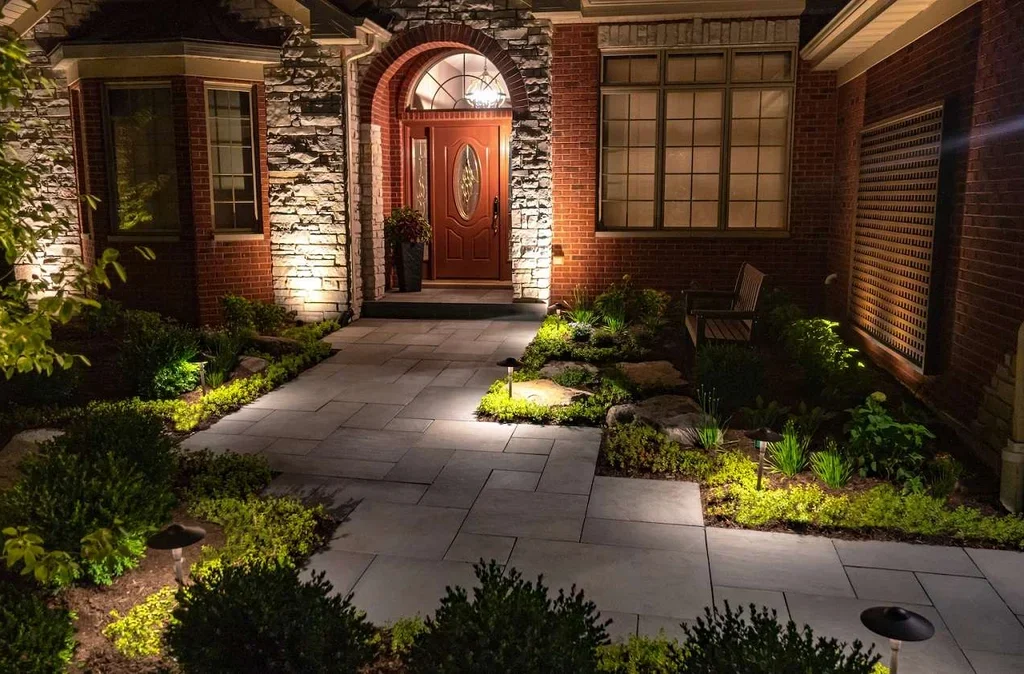
The type of fixture you choose makes a huge difference in how light spreads.
- Full cut-off fixtures: These direct light downward, preventing upward or sideways glare. They’re ideal for pathways, driveways, and patios.
- Bollard lights: Low-profile and stylish, these softly light walkways without spilling into windows.
- Wall sconces with shields: Perfect for entryways, they provide focused illumination instead of broadcasting in all directions.
- Smart fixtures: Many modern designs include adjustable brightness, timers, and motion sensors for better control.
Investing in high-quality, well-shielded fixtures ensures you light only what you intend to.

2. Use Warm, Low-Intensity Bulbs
Brightness and color temperature can determine whether your lighting feels inviting—or intrusive.
- Warm white (2700K–3000K): Creates a cozy, natural glow that blends with nighttime surroundings.
- Cool white (4000K+): Better for task lighting but often harsh for outdoor settings.
- Lumens, not watts: Look for lumens (brightness) instead of wattage. For pathways, 100–200 lumens is often enough.
Opting for softer, warmer lights not only reduces glare but also contributes to a calming outdoor atmosphere.
3. Position Lights Thoughtfully
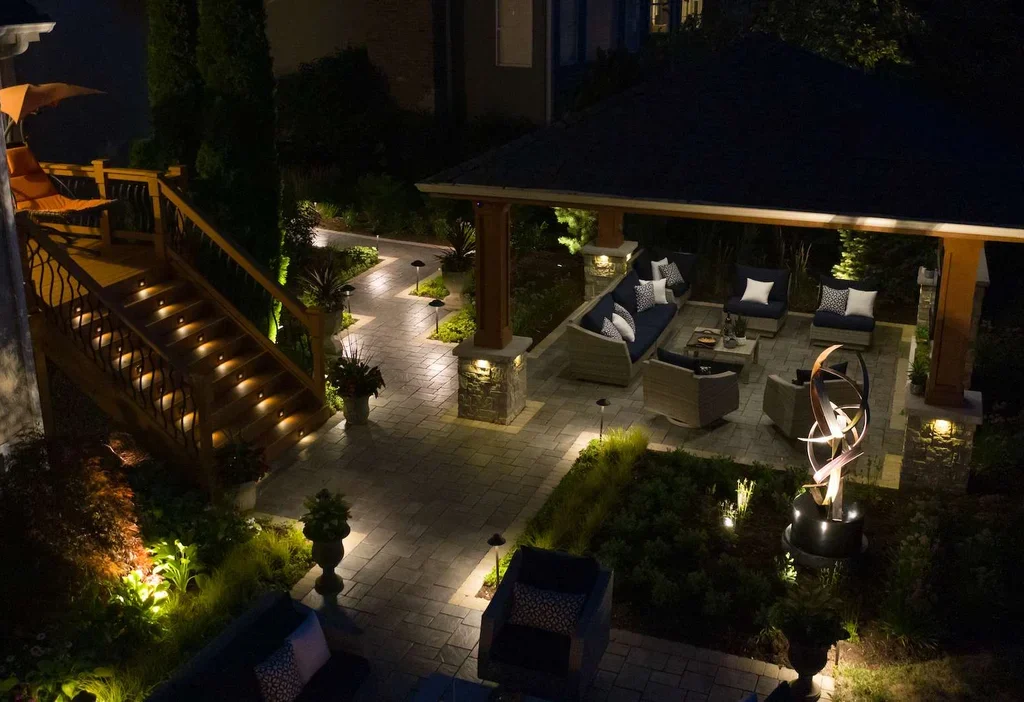
Placement matters as much as the fixture itself.
- Aim lights downward: Avoid angling lights upward, which creates skyglow and glare.
- Focus on functional areas: Light walkways, steps, and entry points, not entire lawns.
- Avoid window spill: Check from your neighbor’s perspective—does your light shine directly into their home? Adjust as needed.
- Layer lighting: Instead of one bright floodlight, use multiple smaller lights to softly illuminate specific areas.
Thoughtful placement ensures your yard is well-lit without over-lighting the neighborhood.

4. Add Motion Sensors and Timers
One of the most common complaints about outdoor lighting is that it’s left on all night. Motion sensors and timers solve that problem.
- Motion sensors: Lights turn on only when movement is detected, saving energy and reducing unnecessary brightness.
- Timers: Set lights to turn off automatically at a certain time, such as midnight.
- Smart systems: Connect to apps for remote control, dimming, and scheduling flexibility.
These features provide security and convenience while keeping light use efficient and considerate.
5. Highlight, Don’t Overwhelm, Your Landscape
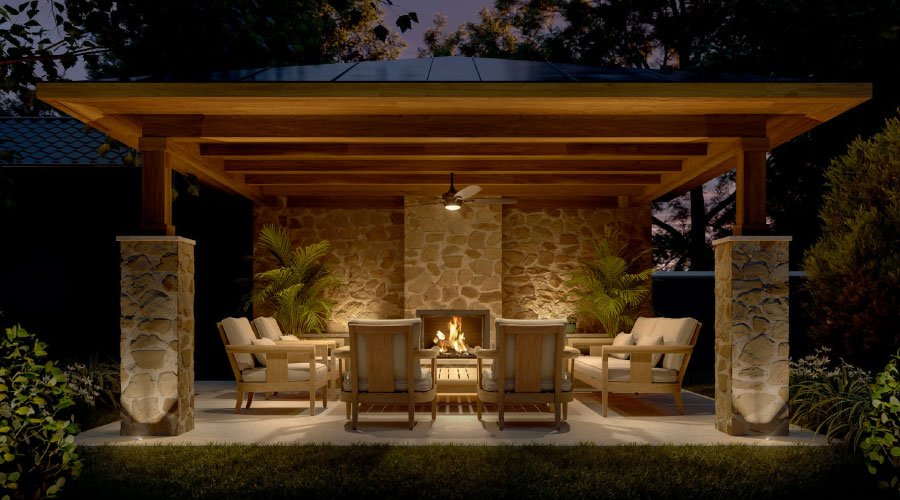
Outdoor lighting is most effective when it enhances, not dominates.
- Accent trees or plants: Use spotlights sparingly to highlight key features.
- Pathway lighting: Guides movement safely without overwhelming brightness.
- Subtle string lights: Add ambiance for seating areas without bothering neighbors.
- Avoid “stadium effect”: Overly bright floodlights make yards harsh and unwelcoming.
Less is often more—strategic lighting creates beauty and safety without excess.

6. Respect Dark Sky Principles
The International Dark-Sky Association (IDA) promotes responsible outdoor lighting that balances safety, energy use, and environmental impact.
Dark-sky friendly practices include:
- Using shielded fixtures that direct light downward.
- Limiting brightness to what’s truly necessary.
- Choosing warmer color temperatures.
- Turning lights off when not in use.
Following these principles protects not only your neighbor’s peace but also local ecosystems.
7. Communicate With Your Neighbors
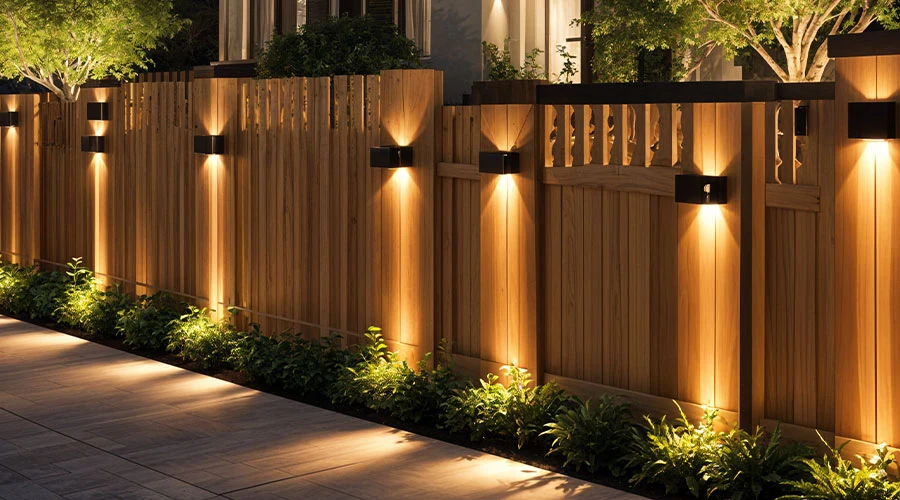
Sometimes the simplest solution is the most effective—talk to your neighbors.

- Before installing new lights: Ask if they have preferences or concerns.
- If issues arise: Be open to feedback and willing to adjust.
- Collaborate: In shared spaces like driveways or fences, coordinate lighting so it works for both properties.
Proactive communication builds goodwill and helps avoid conflicts down the road.
Final Thoughts
Outdoor lighting should add safety, beauty, and enjoyment to your yard—not stress for your neighbors. By choosing the right fixtures, using warmer and lower-intensity bulbs, positioning lights thoughtfully, and embracing smart controls, you can create a well-lit outdoor space that’s both functional and neighbor-friendly.
When in doubt, remember: the best outdoor lighting is the kind that serves its purpose without drawing attention to itself. With the right approach, you can illuminate your nights while keeping the peace in your neighborhood.

Leave A Comment