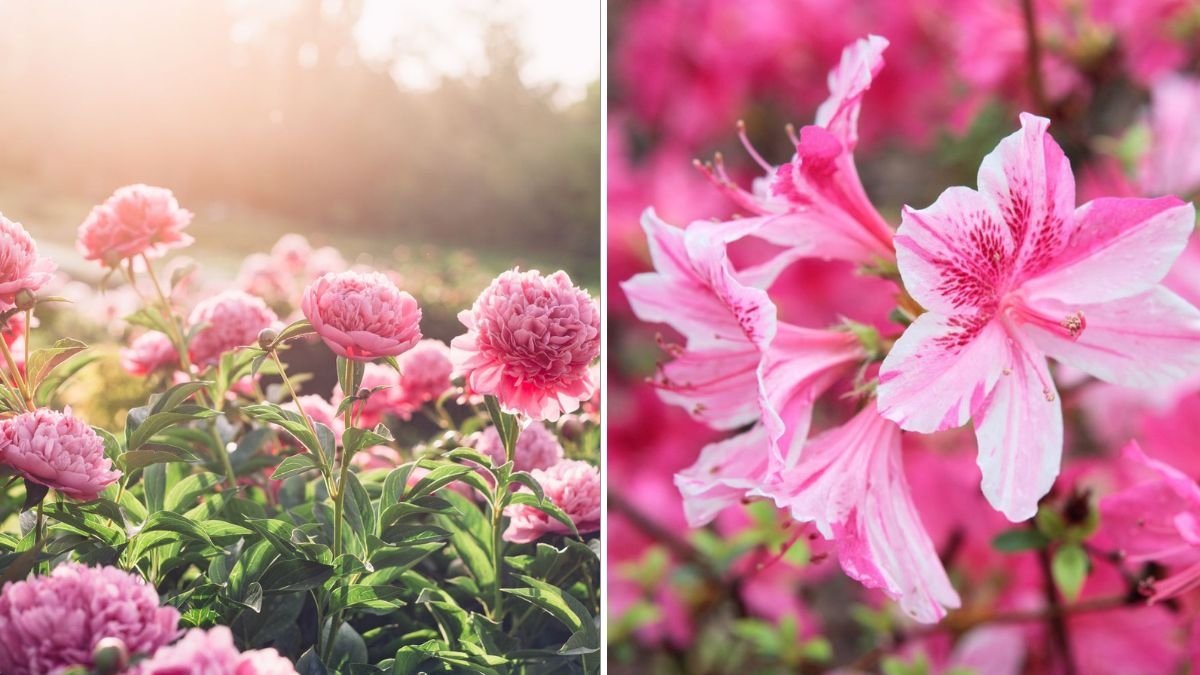
If you want a garden that bursts with color and life as soon as spring arrives, the smartest time to start planning is in fall. While most people think of fall as a season of winding down, it’s actually one of the best times to plant perennials. The cooler temperatures, softer sunlight, and moist soil create ideal conditions for root establishment. By planting in fall, you’re essentially giving your perennials a head start, ensuring they’ll wake up in spring stronger, healthier, and ready to bloom.
Here are 10 perennials you should plant this fall for a show-stopping spring display:
1. Peonies
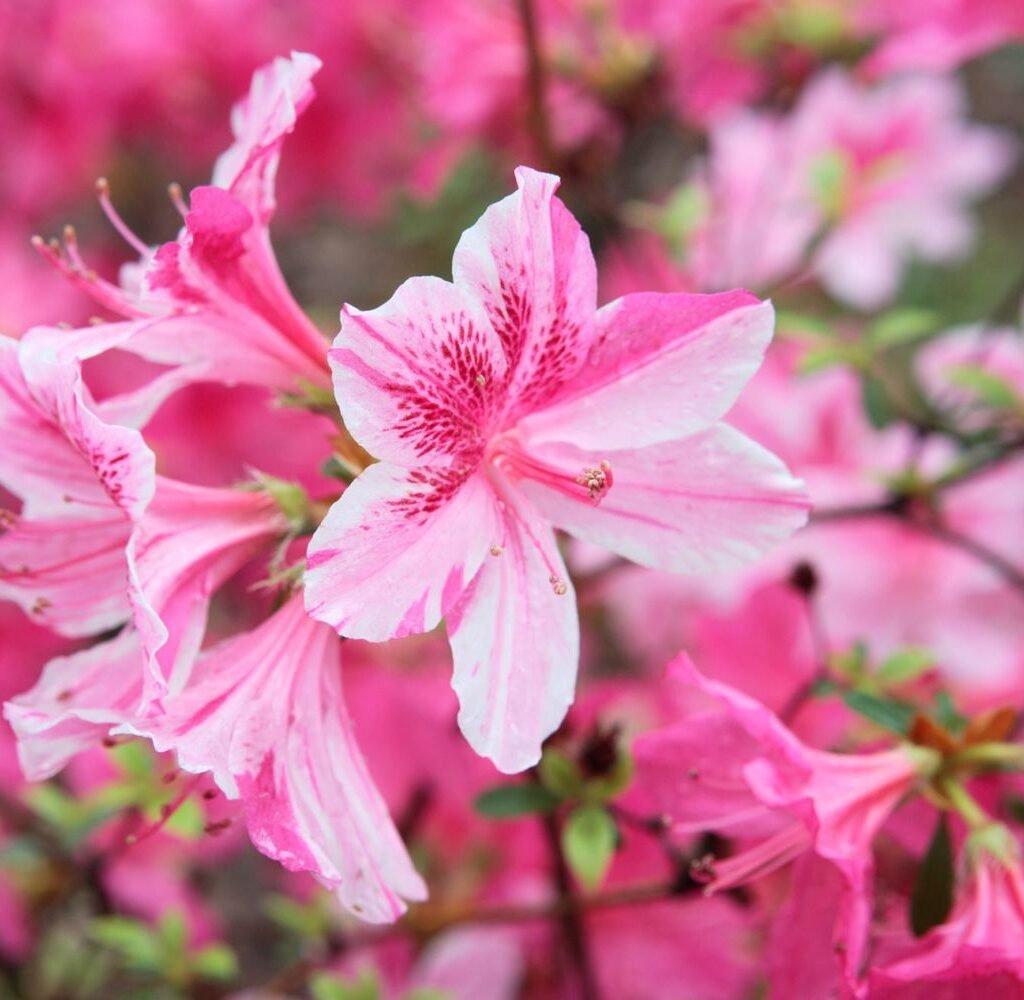
Peonies are garden classics, loved for their enormous, fragrant blooms and long lifespan. They can thrive for decades when planted in the right conditions. Fall planting allows their roots to settle in before winter dormancy, ensuring vigorous spring growth.
- Planting tip: Choose a sunny spot with well-draining soil. Plant peony roots just 2 inches below the soil surface—too deep and they won’t bloom well.
- Bloom time: Late spring to early summer.
- Why plant in fall: Peonies need a period of winter chill to set buds, and fall planting gives them time to acclimate.
2. Daylilies (Hemerocallis)
Daylilies are hardy, low-maintenance perennials that reward gardeners with cheerful, trumpet-shaped flowers. They’re extremely adaptable and can survive in a wide range of soil and light conditions.
- Planting tip: Loosen soil and enrich it with compost before planting. Space them about 18 inches apart for proper air circulation.
- Bloom time: Late spring through summer.
- Why plant in fall: The roots have time to establish before the heat of summer, producing healthier clumps and more blooms the following season.
3. Irises
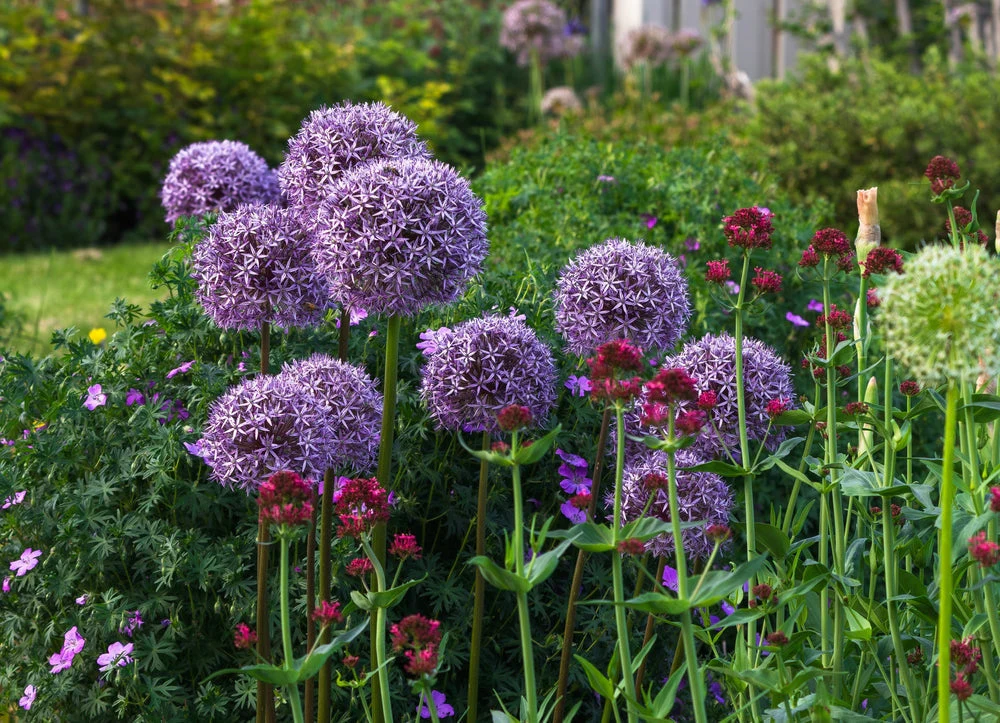
Irises, especially bearded varieties, are prized for their intricate petals and dazzling colors. They thrive in full sun and reward gardeners with bold displays.
- Planting tip: Plant rhizomes just beneath the soil surface with the top slightly exposed. Avoid mulching heavily over them, as this can lead to rot.
- Bloom time: Early to mid-spring.
- Why plant in fall: Planting in cooler months reduces stress on the rhizomes and ensures they are well-rooted before spring growth.
4. Hostas
If your garden has shady spots, hostas are a must. Their lush, leafy foliage comes in a variety of shapes and colors, adding depth and texture to the garden.
- Planting tip: Choose partial to full shade with moist, well-drained soil. Water deeply after planting.
- Bloom time: Late spring to summer, with bell-shaped flowers on tall stalks.
- Why plant in fall: Cooler soil allows hostas to settle in without the stress of summer heat, ensuring fuller growth in spring.
5. Bleeding Heart (Dicentra spectabilis)
Known for their delicate, heart-shaped flowers that dangle gracefully along arching stems, bleeding hearts bring romance and charm to spring gardens.
- Planting tip: Plant in rich, well-draining soil in a shaded or partially shaded area.
- Bloom time: Early to late spring.
- Why plant in fall: Gives the root system time to develop so the plant can emerge strong and ready to bloom when temperatures rise.
6. Lungwort (Pulmonaria)
Lungwort is a shade-loving perennial with spotted foliage and clusters of blue, pink, or purple flowers. It’s one of the earliest perennials to bloom, often while spring air is still cool.
- Planting tip: Prefers partial to full shade with humus-rich soil. Keep soil consistently moist.
- Bloom time: Early spring.
- Why plant in fall: Allows time for roots to develop in cool, moist soil, so plants can flower robustly as soon as the frost clears.
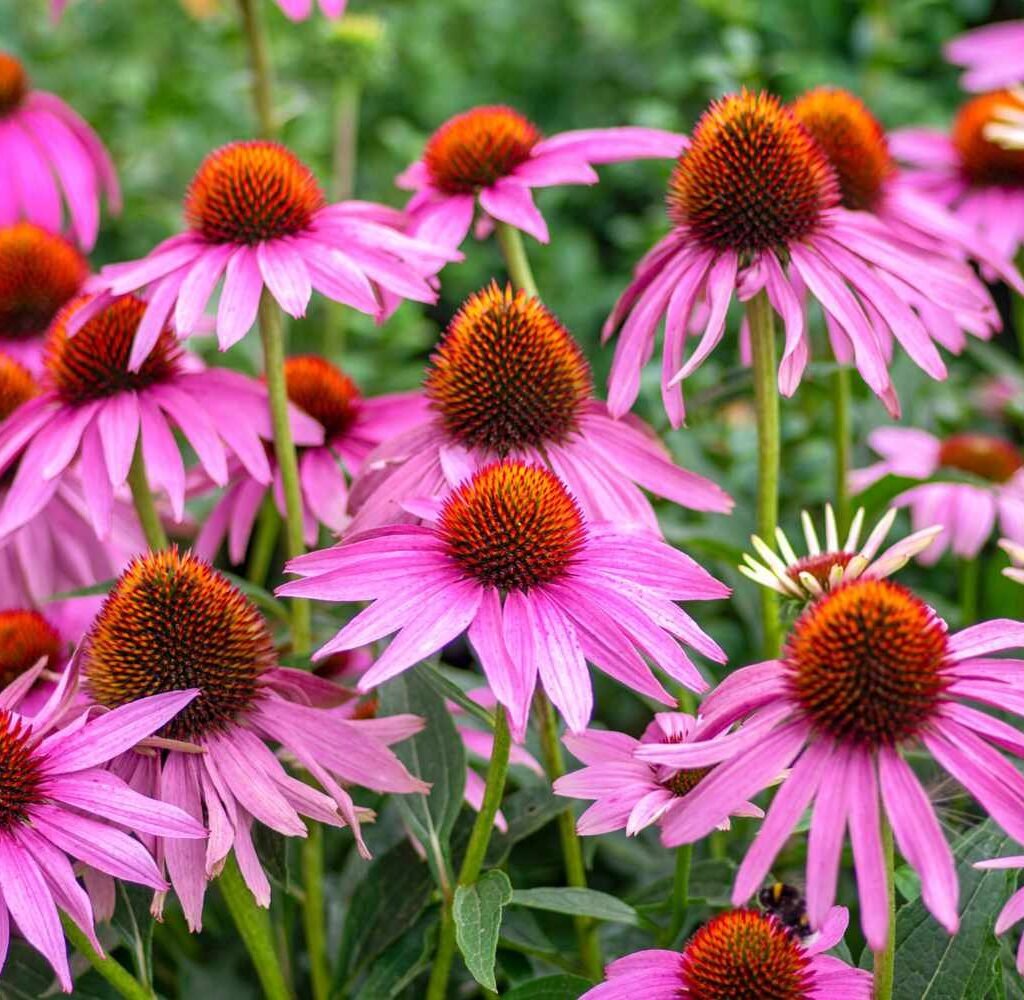
7. Coneflowers (Echinacea)
Coneflowers are hardy, drought-tolerant perennials that attract pollinators like butterflies and bees. They produce daisy-like blooms with raised centers and are perfect for sunny borders.

- Planting tip: Place in full sun with well-draining soil. Space plants 1 to 2 feet apart.
- Bloom time: Late spring to fall.
- Why plant in fall: Gives the root system a strong start, ensuring robust plants that bloom longer the following year.
8. Columbine (Aquilegia)
Columbines are delicate, airy flowers with unique spurred petals that hummingbirds adore. Their whimsical appearance makes them a favorite for cottage gardens.
- Planting tip: Columbines thrive in well-draining soil and partial shade. Scatter seeds or plant young plants in fall for best results.
- Bloom time: Mid-spring to early summer.
- Why plant in fall: Seeds sown in fall benefit from natural cold stratification, and transplants root deeply in cool soil.
9. Creeping Phlox (Phlox subulata)
This low-growing ground cover creates a carpet of vibrant blooms in spring, spilling over walls and borders in waves of color.
- Planting tip: Plant in full sun and well-drained soil. Ideal for slopes, rock gardens, and as an edging plant.
- Bloom time: Early to mid-spring.
- Why plant in fall: Fall planting ensures dense rooting, which results in fuller coverage and more abundant flowers.
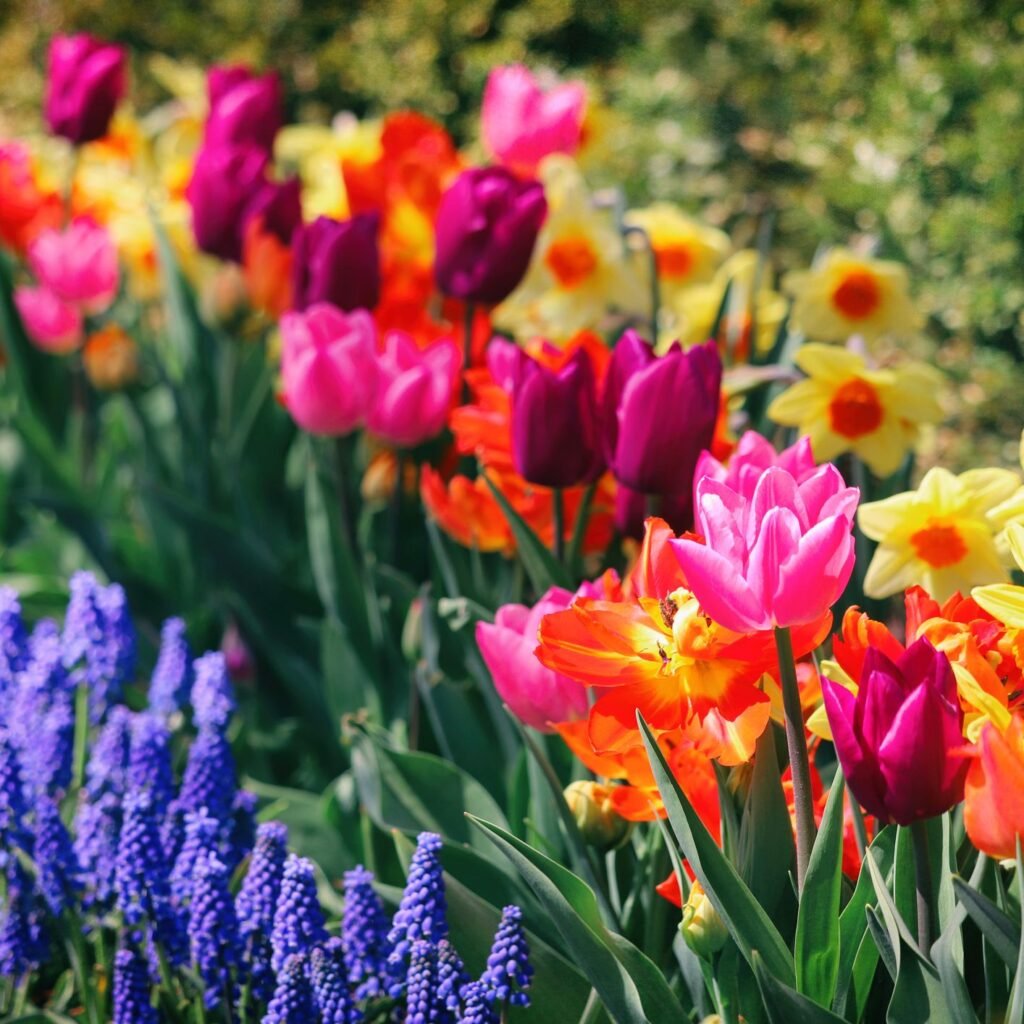
10. Tulip-Style Perennials (such as Tulipa ‘Perennial Mix’)
While technically bulbs, many tulip varieties are bred to behave like perennials, coming back year after year with vibrant spring displays.

- Planting tip: Plant bulbs 6–8 inches deep in well-draining soil with the pointed end facing upward. Choose a sunny site.
- Bloom time: Early to mid-spring.
- Why plant in fall: Tulips require a cold dormant period to trigger blooming, and fall planting ensures they experience the necessary winter chill.
Tips for Successful Fall Planting
Planting perennials in fall is straightforward, but a few best practices will maximize your success:
- Plant Early in Fall: Aim to plant at least 6 weeks before the ground freezes so roots can establish.
- Amend Soil: Mix compost or organic matter into the soil to improve drainage and fertility.
- Water Well: Keep soil consistently moist after planting to encourage root growth.
- Mulch Lightly: A thin layer of mulch helps insulate roots, but avoid smothering plants.
- Mark Locations: Use markers to remember where you’ve planted—many perennials go dormant in winter and can be forgotten.
Final Thoughts
Fall isn’t just a time for raking leaves and putting your garden to bed. It’s a golden opportunity to prepare for next year’s blooms. By planting perennials now, you’re setting the stage for a breathtaking spring garden that will reward you year after year. Whether you love bold peonies, delicate columbines, or cheerful creeping phlox, these perennials ensure your garden wakes up in spring with a vibrant, colorful display.
So grab your gardening gloves this fall—your spring self will thank you.

Leave A Comment