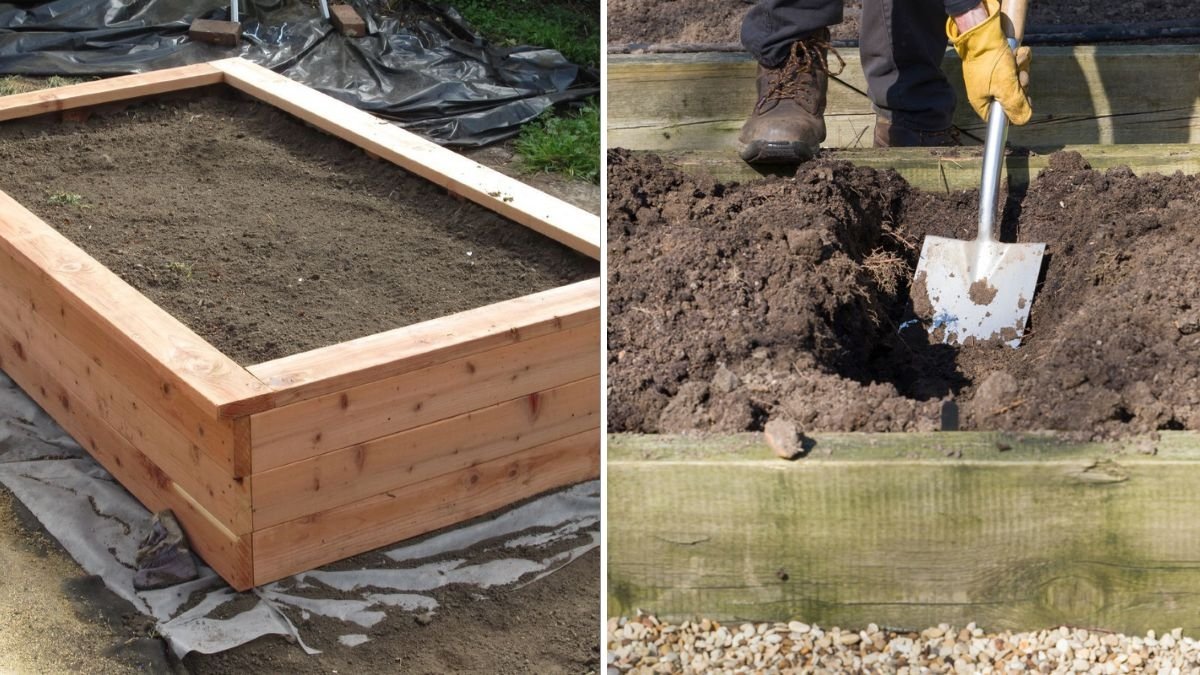
As the gardening season comes to a close and winter approaches, many gardeners turn their attention to putting their raised beds “to sleep.” Preparing raised beds properly in fall not only protects soil and plants through the cold months but also sets the stage for a thriving, productive garden come spring. Instead of letting your beds sit neglected, taking a few steps now can improve soil health, prevent erosion, reduce pests and diseases, and make planting in spring much easier.
Here’s a detailed guide to the best way to prepare raised beds for winter:
1. Clear Out Spent Plants
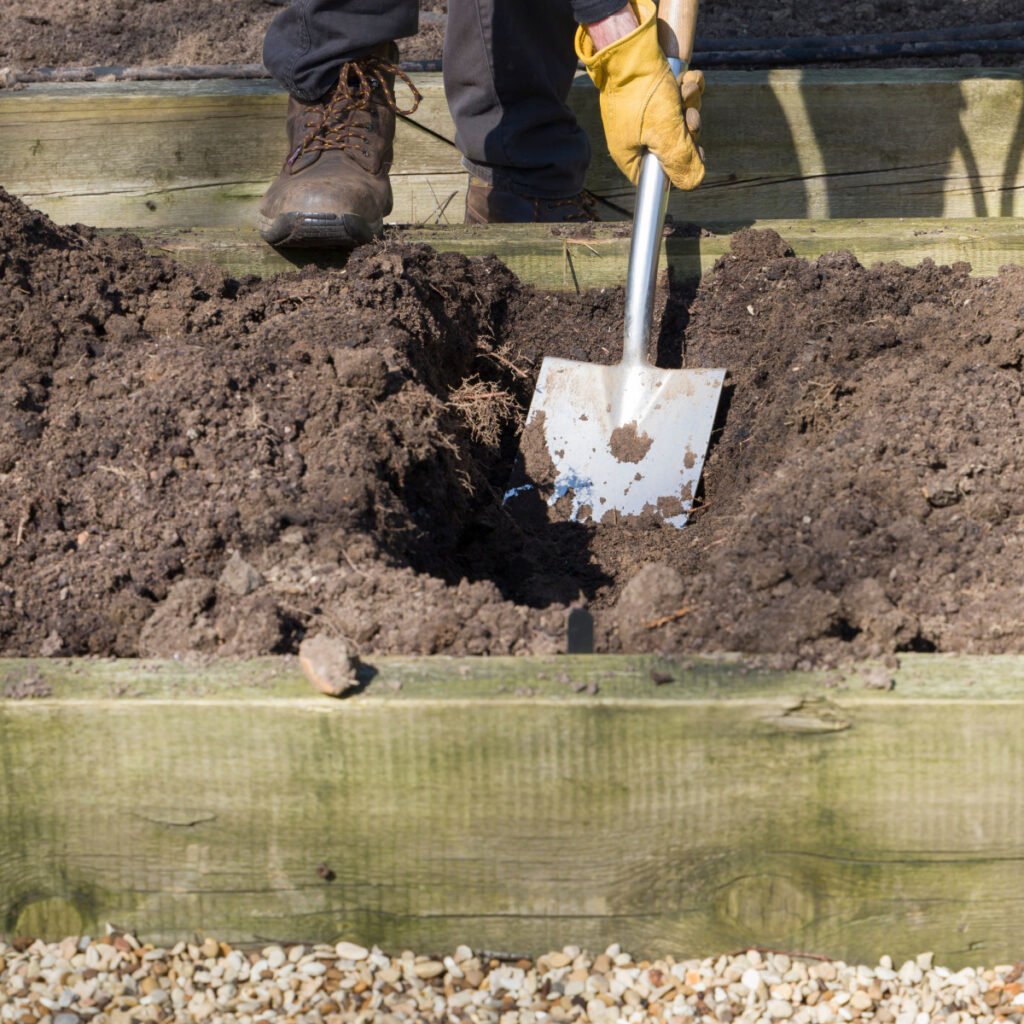
At the end of the growing season, it’s important to remove dead or dying plants. Leaving them in the soil can invite pests, harbor diseases, or create unnecessary clutter.

- Remove Diseased Material: If plants show signs of blight, mildew, or pests, dispose of them away from your compost pile to avoid spreading pathogens.
- Chop and Drop Healthy Plants: If plants are healthy, chop them into smaller pieces and leave them on the soil surface as green mulch. This adds organic matter back to the bed as it decomposes.
- Pull Weeds: Removing weeds in fall prevents them from setting seeds that could become a headache in spring.
2. Test and Amend the Soil
Healthy soil is the foundation of a productive raised bed. Fall is an excellent time to test your soil and add amendments.
- Soil Testing: Check pH and nutrient levels with a simple soil test kit. This helps you understand what your soil needs before the next planting season.
- Add Compost: Spread a 2–3 inch layer of compost over your beds. Over winter, it will break down further, enriching the soil with nutrients.
- Amend for Structure: Mix in organic matter like aged manure, leaf mold, or shredded straw to improve drainage and aeration.
3. Plant Cover Crops (Green Manure)
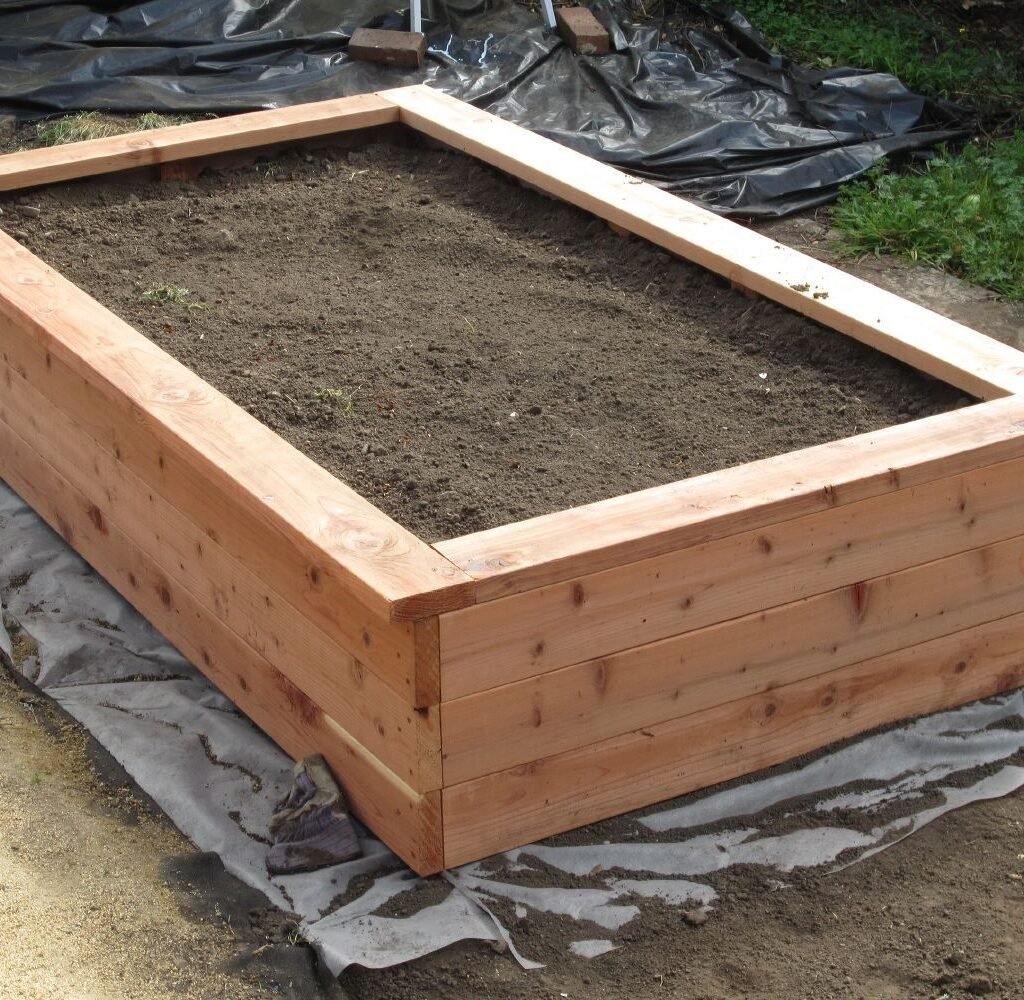
Cover crops are one of the most effective ways to keep raised beds fertile and protected during winter.
- Benefits: Cover crops prevent erosion, suppress weeds, fix nitrogen, and improve soil structure.
- Best Choices: Rye, winter wheat, crimson clover, or hairy vetch are hardy and excellent for raised beds.
- How to Plant: Sow seeds after clearing beds. In spring, chop them down before they set seed and mix them into the soil.
4. Mulch Generously
Mulching is one of the simplest ways to protect your raised beds during the cold months.

- Why Mulch: Mulch insulates soil, prevents erosion, and keeps beneficial soil organisms active longer into winter.
- Best Mulches for Winter: Straw, shredded leaves, pine needles, or untreated wood chips.
- Application: Apply 3–4 inches of mulch across the entire bed, leaving a little space around any perennials or overwintering crops.
5. Protect Perennials and Overwintering Crops
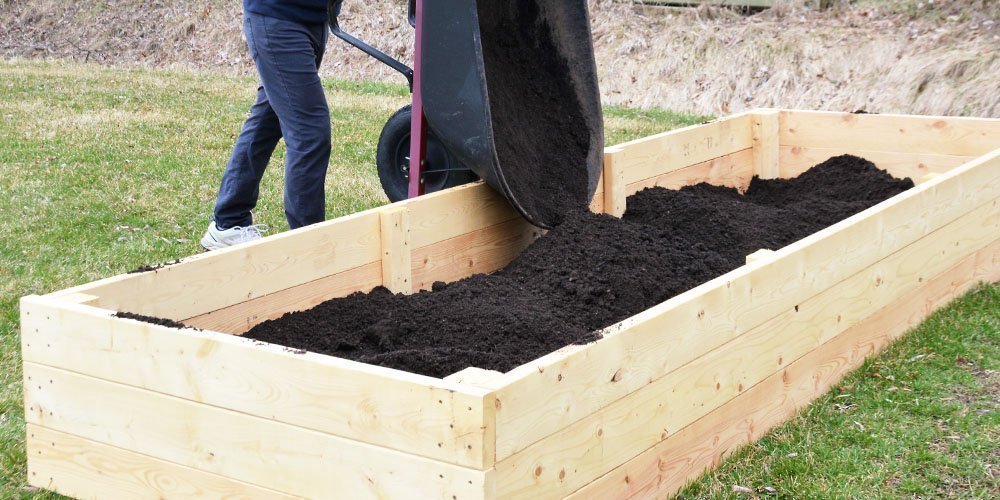
If you grow perennial herbs or overwintering vegetables, they need extra care to survive the cold.
- Herbs Like Thyme, Oregano, and Chives: Apply mulch around their roots to insulate them.
- Garlic and Onions: Plant cloves in fall, then cover with mulch to protect against frost heaving.
- Cold-Hardy Greens: Crops like kale, spinach, and mâche can survive under row covers or cold frames.
6. Use Row Covers or Cold Frames
Extending your season is possible even in winter if you provide some extra protection.
- Row Covers: Lightweight fabric keeps frost off plants while allowing light and water through.
- Cold Frames: Simple wooden frames with glass or clear plastic tops act like mini-greenhouses, allowing you to grow greens well into winter.
- Low Tunnels: Made from hoops covered with plastic sheeting, they’re affordable and effective for winter gardening.
7. Prevent Soil Compaction and Erosion
Winter rains and snow can compact soil or wash it away if left unprotected.

- Raised Bed Advantages: Because they’re elevated, raised beds drain better than in-ground gardens, but they still need protection.
- Avoid Bare Soil: Either plant cover crops or cover with mulch—bare soil is most vulnerable to erosion.
- Don’t Walk on Beds: Stepping into raised beds in wet weather compacts soil, reducing oxygen and root health.
8. Add a Protective Cover
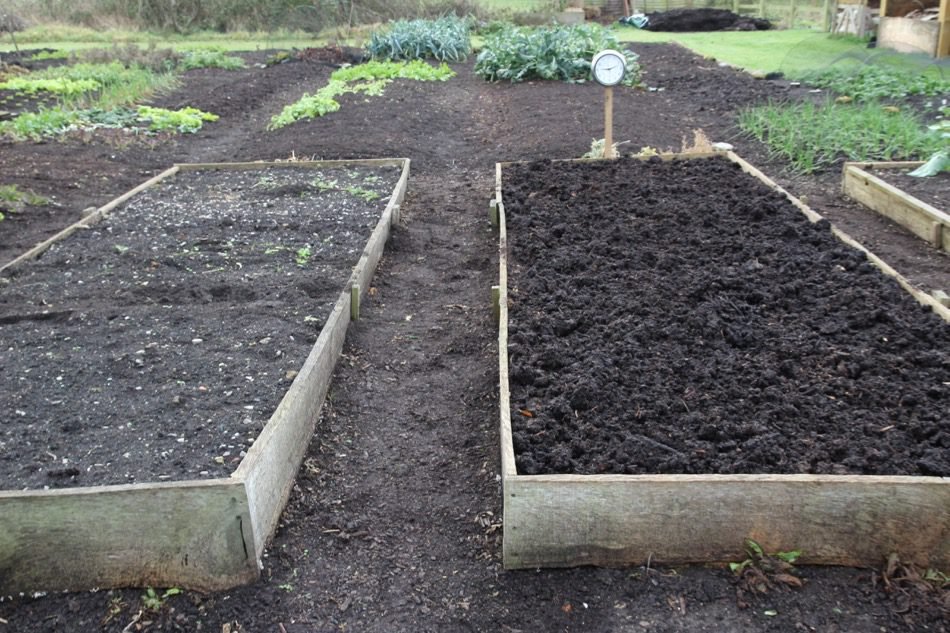
For beds you don’t plan to use in winter, adding a protective cover can help.
- Tarping: A dark tarp prevents weed growth and protects soil from heavy rains.
- Plastic Sheeting: Clear plastic warms the soil slightly but should be removed periodically to prevent excess moisture buildup.
- Wood or Frame Lids: Some gardeners build lightweight lids to cover raised beds, especially in snowy climates.
9. Care for the Bed Structure
Winter can be tough on the wooden or metal sides of raised beds. Take time in fall to inspect and repair them.
- Check for Rot or Rust: Wooden beds may need resealing, while metal beds may need rust protection.
- Tighten Screws and Bolts: Freezing and thawing cycles can loosen fasteners.
- Re-level Beds: Make sure the soil inside hasn’t shifted unevenly.
10. Plan Ahead for Spring
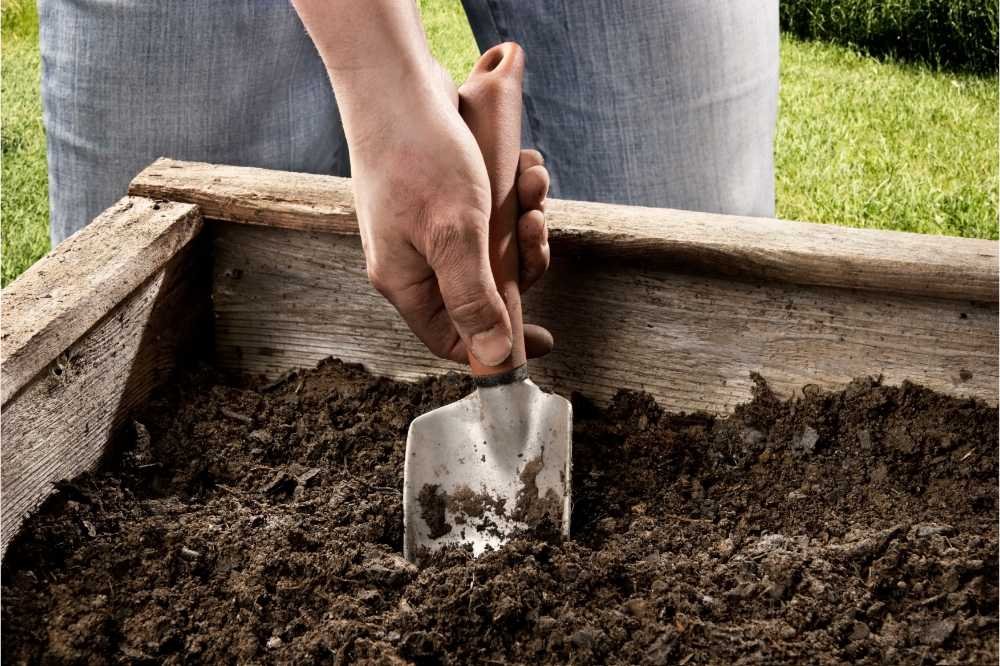
Winter preparation is not just about protecting your current soil—it’s also about setting yourself up for success next season.

- Draw Garden Maps: Note what crops grew where to help with crop rotation next year.
- Order Seeds Early: Many popular varieties sell out fast, so winter is a great time to order.
- Start Indoors: Some crops, like onions or brassicas, can be started indoors in late winter, ready to transplant into your prepared beds.
Final Thoughts
Winter doesn’t mean gardening has to stop—it’s simply a season of rest and renewal for your raised beds. By removing spent plants, enriching the soil, mulching, and protecting crops, you ensure your garden is well cared for through the cold months. Cover crops, protective structures, and smart soil management keep your raised beds fertile and ready to spring back to life once the weather warms.
Think of winter preparation as an investment: a little effort now pays off with healthier soil, fewer weeds, and a head start on planting when spring arrives. With these steps, your raised beds won’t just survive the winter—they’ll thrive in it.


Leave A Comment