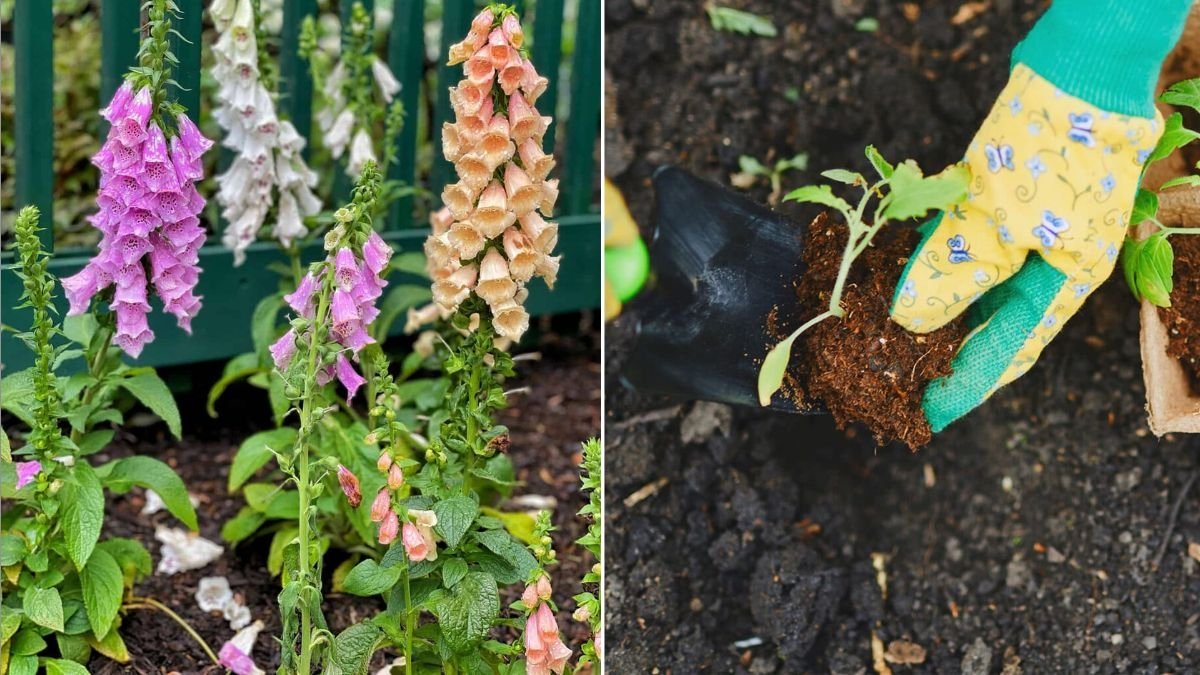
Gardening is a labor of love, but let’s be honest—between the cost of supplies, hours of upkeep, and endless to-do lists, it can sometimes feel overwhelming. The good news? With a little creativity, you can cut expenses and reclaim your time without sacrificing the beauty or productivity of your garden. Whether you’re a beginner or a seasoned green thumb, these ten garden hacks will help you save both money and time while keeping your outdoor space thriving.
1. Repurpose Household Items as Garden Tools
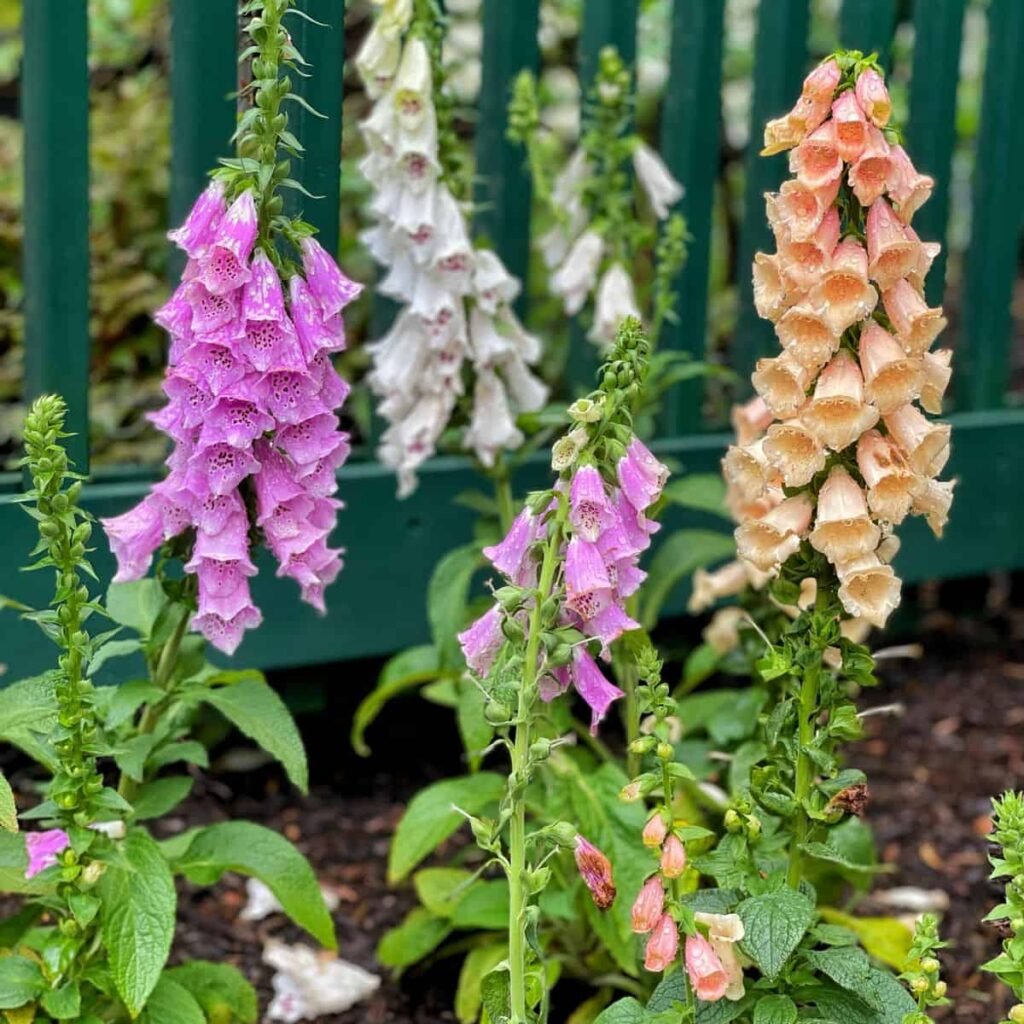
Why spend extra money on fancy containers or tools when you already have hidden treasures at home? Empty milk jugs, plastic bottles, and yogurt cups make excellent seed starters. An old spoon can double as a soil scoop, while broken kitchen utensils can work as small weeders. Even coffee cans or large jars can become plant pots with a few drainage holes. This simple hack not only cuts costs but also reduces waste, making your garden more sustainable.
Tip: Cut a two-liter bottle in half, use the bottom as a mini greenhouse, and place it over delicate seedlings to protect them from pests and frost.
2. Make Your Own Compost Instead of Buying Fertilizer
One of the biggest gardening expenses is store-bought fertilizer. But you can create nutrient-rich compost for free using kitchen scraps and yard waste. Vegetable peelings, coffee grounds, eggshells, and grass clippings all break down into powerful soil food that enriches your plants naturally.
Composting doesn’t require a fancy bin—you can start with a simple pile in a corner of your yard. Just remember to balance green (nitrogen-rich) materials like food scraps with brown (carbon-rich) ones like leaves and cardboard.
Money Saver: Compost reduces your need for expensive soil amendments and chemical fertilizers while helping your plants grow stronger and healthier.

3. Collect Rainwater for Free Irrigation
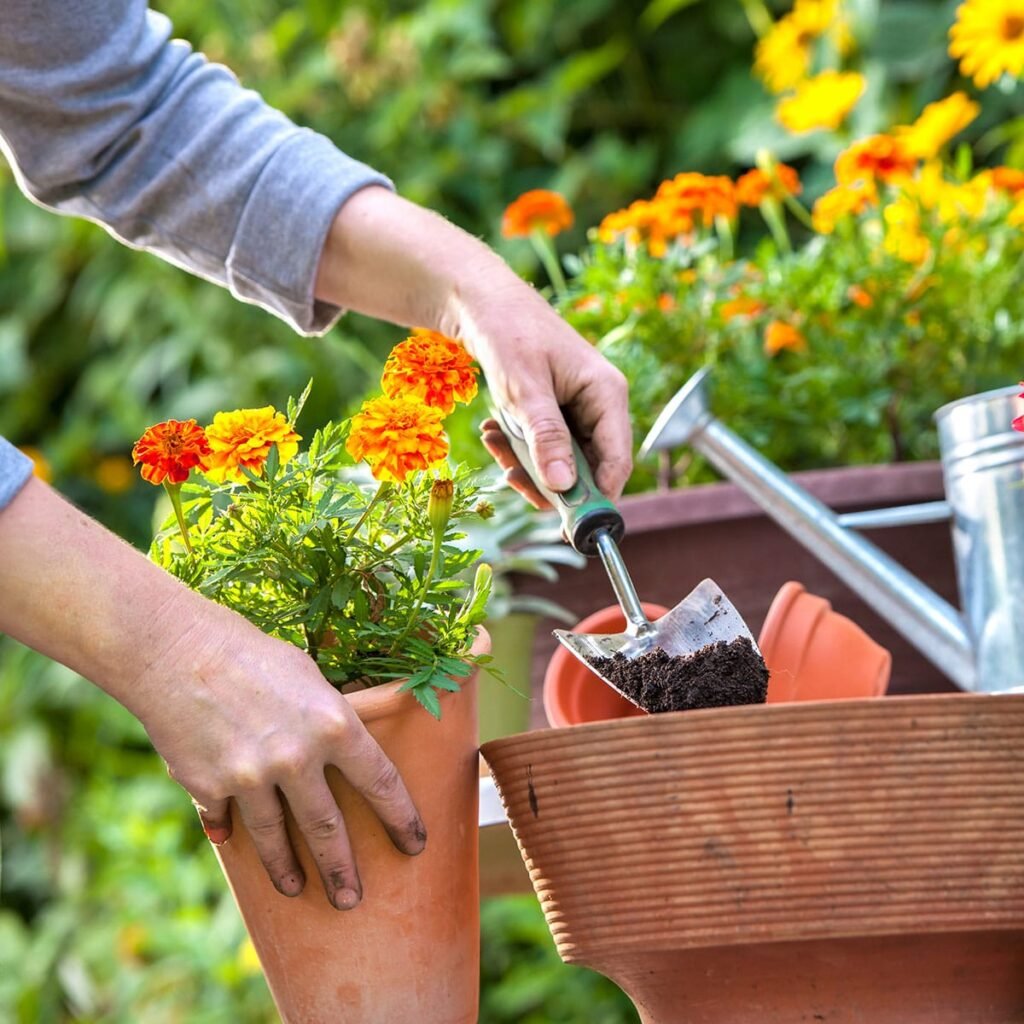
Water bills can skyrocket during the summer, especially if you have a large garden. Instead of relying solely on tap water, install a rain barrel to collect runoff from your roof. You’ll have a free, natural water source for your plants.
Rainwater is actually better for your garden since it’s free of chlorine and chemicals found in treated tap water. This hack is a win-win: eco-friendly and cost-effective.
Time Saver: Attach a drip irrigation hose to your rain barrel for automatic, low-effort watering.
4. Mulch with Everyday Materials
Mulching keeps soil moist, reduces weeds, and adds nutrients—but buying bags of mulch can be pricey. Instead, try free or cheap alternatives. Shredded leaves, grass clippings, pine needles, straw, or even shredded newspaper work wonderfully as mulch.
Not only will this save you money, but it also reduces how often you need to water and weed.
Hack: Spread a thick layer of mulch around your plants to trap moisture, meaning fewer watering sessions for you.

5. Save Seeds from This Year’s Harvest
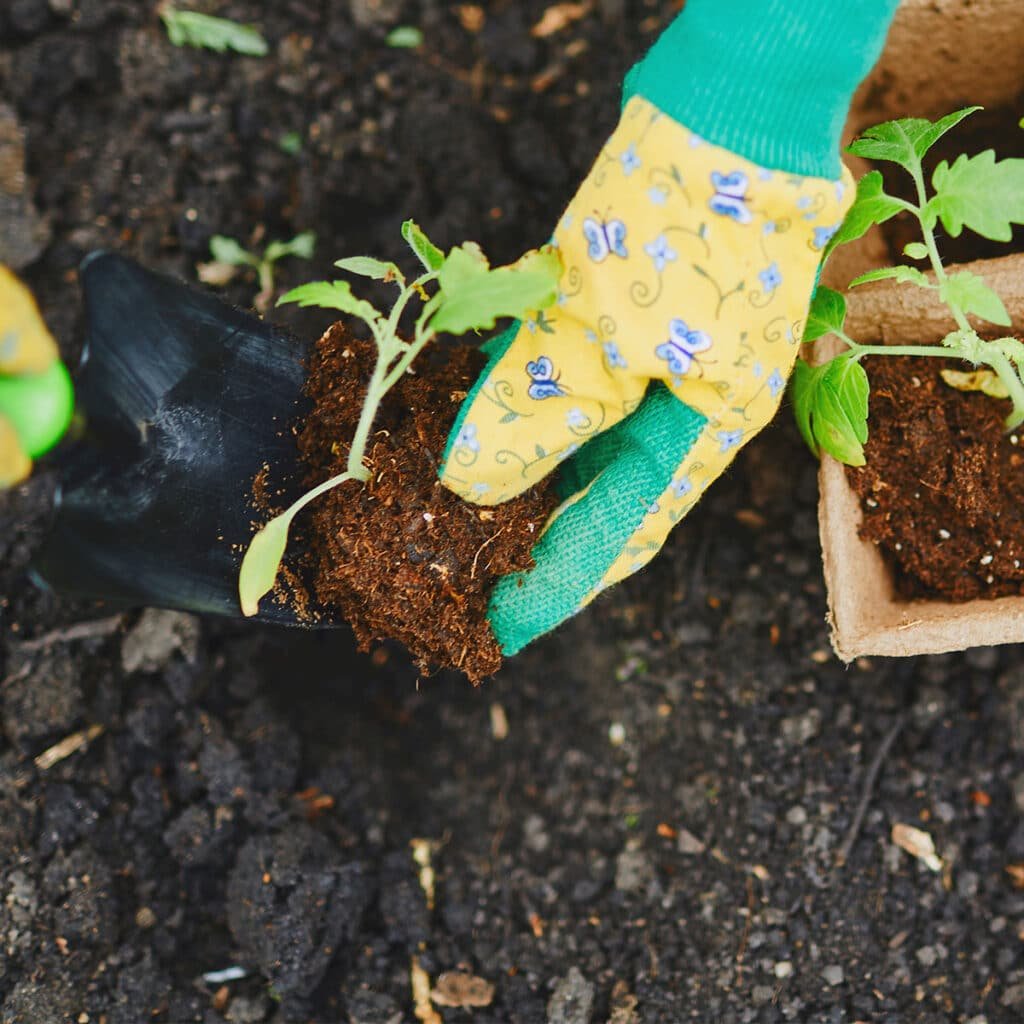
Instead of buying new seed packets every spring, save seeds from the plants you already have. Tomatoes, peppers, beans, and herbs like basil are particularly easy to harvest seeds from.
Simply dry the seeds thoroughly and store them in labeled envelopes in a cool, dry place. This hack ensures you’ll have free planting material year after year.
Bonus: By saving seeds from your healthiest plants, you’re naturally creating stronger, more resilient crops for your garden.
6. Plant Perennials for Long-Term Savings
Annuals may be pretty, but they need to be replanted each year, which costs both money and time. Instead, invest in perennials—plants that return year after year with minimal upkeep.
Herbs like chives, thyme, and oregano, as well as flowers like lavender, coneflowers, and daylilies, are great perennial options. You’ll spend less time replanting and more time enjoying a lush, thriving garden.
Tip: Mix perennials with a few high-impact annuals for both beauty and long-term savings.

7. Use Coffee Grounds and Eggshells as Natural Fertilizers
Don’t toss those morning leftovers! Coffee grounds add nitrogen to the soil, making them a great fertilizer for leafy greens like spinach and lettuce. Crushed eggshells provide calcium, which helps prevent blossom end rot in tomatoes and peppers.
Scatter them directly into your soil or add them to your compost pile for an extra nutrient boost.
Hack: Coffee grounds can also deter slugs and snails, saving you time spent battling pests.
8. DIY Trellises and Supports from Recycled Materials
Climbing plants like cucumbers, peas, and beans need support—but store-bought trellises can be expensive. Instead, make your own using old ladders, tree branches, or even wooden pallets.
Tomatoes also benefit from DIY cages made from wire fencing or rebar. With a little creativity, you can build sturdy plant supports at little to no cost.
Time Saver: Strong trellises keep plants off the ground, making them easier to harvest and reducing disease risk.

9. Plant in Raised Beds or Containers for Efficiency
While building raised beds may require some upfront effort, they pay off quickly. Raised beds improve drainage, reduce weeds, and keep soil warmer, extending your growing season. They also make weeding and harvesting easier, saving you time in the long run.
If you’re short on space, containers are an equally effective option. Repurpose old buckets, barrels, or even broken wheelbarrows as planters.
Money Saver: Better soil control in raised beds and containers means healthier plants, which leads to bigger harvests and fewer plant losses.
10. Plan and Rotate Your Crops to Maximize Yields
A little planning goes a long way in gardening. By rotating crops each season, you reduce soil-borne diseases and pests while ensuring nutrients are replenished naturally. For example, after growing nitrogen-hungry plants like tomatoes, follow with beans or peas that add nitrogen back to the soil.
Crop planning also prevents overcrowding, which wastes time and resources.
Hack: Sketch a simple garden layout before planting to avoid mistakes and optimize your space.
Final Thoughts
Gardening doesn’t have to drain your wallet or your free time. By incorporating these clever hacks—like composting, rainwater collection, DIY trellises, and seed-saving—you’ll not only reduce costs but also simplify your gardening routine. The result? A healthier, more productive garden that practically takes care of itself.
With a little creativity and planning, you can enjoy all the beauty and bounty of gardening while saving both money and precious hours. Start with just one or two of these hacks, and soon you’ll wonder how you ever managed without them.

Leave A Comment