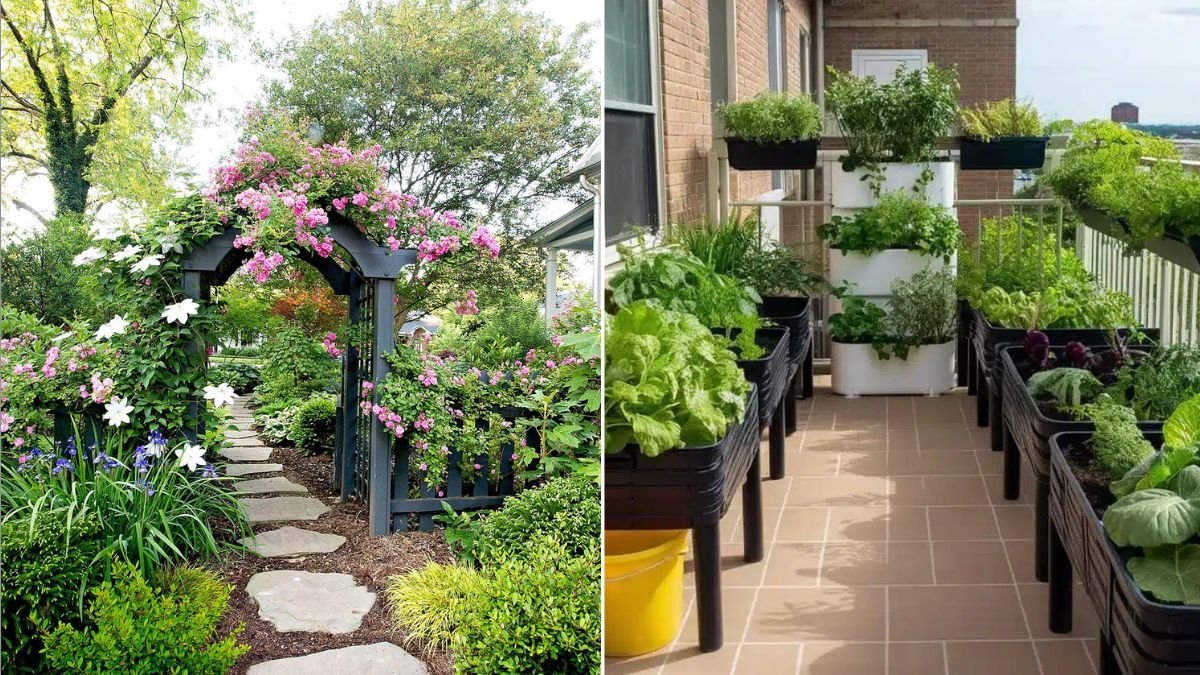
Imagine stepping into your backyard and harvesting fresh herbs for tonight’s dinner, picking crisp greens for a salad, or pulling carrots right from the soil for a quick snack. With the right planning, your garden can become more than a beautiful space—it can function as an outdoor pantry, providing fresh, nutritious food for your household year-round.
Creating a pantry-style garden isn’t about planting everything you can think of. It’s about designing a productive, diverse, and efficient space that yields staples you’ll actually use. Here’s how to build a garden that doubles as a living pantry.
Step 1: Plan Around Your Family’s Needs

The first step in creating a food-producing garden is deciding what you and your family actually eat. While exotic vegetables may be fun, your outdoor pantry will be most useful if it grows staples you use weekly.

Ask yourself:
- Which vegetables, fruits, and herbs do we buy most often?
- Do we want quick-harvest crops (like lettuce) or storage crops (like potatoes and onions)?
- How much space do we realistically have?
Pro tip: Start with 5–7 core crops you know you’ll use, then expand gradually.
Step 2: Choose Pantry-Friendly Crops
Not all garden crops are ideal for an outdoor pantry. Some grow quickly but don’t store well, while others are perfect for long-term use. Here’s a mix to consider:

Vegetables
- Tomatoes: A pantry essential. Use fresh, can into sauces, or dry.
- Potatoes: Long shelf life when stored in a cool, dark space.
- Onions & Garlic: Easy to grow and store for months.
- Carrots & Beets: Root crops keep well in soil or storage boxes filled with sand.
- Lettuce & Greens: Fast-growing, ensuring a steady supply of fresh salads.
Herbs
- Basil, Oregano, Thyme, and Parsley: Can be used fresh or dried for year-round cooking.
- Mint & Lemon Balm: Perfect for teas and refreshing drinks.
Fruits
- Berries (Strawberries, Blueberries, Raspberries): Provide sweet treats and can be frozen or made into jams.
- Apple or Pear Trees: A long-term investment in fresh produce and pantry storage.
Step 3: Design Your Pantry Garden Layout

Think of your garden as a functional kitchen space—organization is key.
- Raised Beds: Perfect for intensive planting of herbs, salad greens, and root crops.
- Perennial Corners: Dedicate areas for fruit bushes and trees, which require little annual effort once established.
- Vertical Space: Use trellises for cucumbers, beans, and peas to save ground room.
- Succession Planting: After harvesting one crop (like radishes), immediately replant with another (like spinach).
Hack: Place frequently used herbs (like basil or parsley) closest to your kitchen door for easy access.
Step 4: Extend Your Harvest Season
To keep your outdoor pantry stocked as long as possible, use season-extension techniques:

- Cold Frames or Row Covers: Protect crops from frost and allow early spring or late fall planting.
- Succession Planting: Sow greens every 2–3 weeks for a continuous supply.
- Fall Planting: Grow storage crops like garlic, onions, and kale for harvest into winter.
Step 5: Learn to Store Your Harvest

Growing food is only half the equation—storing it well is what makes your garden a true pantry.
Short-Term Storage
- Leafy greens: Refrigerate in damp cloth or perforated bags.
- Herbs: Store fresh in water jars on the counter or dry them in bunches.
Long-Term Storage
- Root Cellaring: Potatoes, carrots, and beets last months in cool, dark conditions.
- Drying: Herbs, tomatoes, and peppers can be air-dried or dehydrated.
- Canning & Pickling: Tomatoes, cucumbers, and beans preserve beautifully in jars.
- Freezing: Berries, peas, and greens freeze well with minimal prep.
Step 6: Companion Plant for Productivity
To maximize your pantry’s output, plant crops that support one another:
- Tomatoes + Basil: Basil repels pests and enhances growth.
- Carrots + Onions: Onions deter carrot flies.
- Corn + Beans + Squash: The classic “Three Sisters” system provides balance and high yields.
Companion planting not only saves space but also reduces pests naturally, minimizing your reliance on chemicals.

Step 7: Make It Low Maintenance

A pantry garden doesn’t have to be high-effort. With a few smart hacks, you can keep it manageable:
- Mulching: Retains moisture and reduces weeds.
- Drip Irrigation: Saves water and time compared to hand watering.
- Perennials: Invest in long-term crops like asparagus, rhubarb, and berry bushes.
- Composting: Turn kitchen scraps into free fertilizer to keep soil fertile year after year.
Step 8: Add Some Extras for Variety
Beyond staples, you can grow fun “luxury” crops that enhance your pantry:
- Chili Peppers: For homemade hot sauce.
- Cucumbers: Perfect for pickles.
- Zucchini: A versatile summer crop that produces abundantly.
- Specialty Herbs (like Cilantro or Dill): Adds flavor diversity to your cooking.
Common Mistakes to Avoid

- Planting Too Much of One Crop: Unless you love zucchini, don’t overplant! Balance variety with practicality.
- Ignoring Storage Needs: Some crops won’t keep long. Plan storage before planting.
- Skipping Soil Prep: Pantry gardens need rich, healthy soil for sustained productivity.
- Neglecting Succession Planting: Without replanting, your pantry garden may run out of food mid-season.
Final Thoughts
A garden that doubles as an outdoor pantry is more than a way to save money—it’s a lifestyle shift toward healthier eating and greater self-sufficiency. With the right crops, layout, and storage methods, your backyard can supply fresh salads, herbs, root vegetables, and fruits throughout the year.
Start small with essentials like tomatoes, greens, and herbs, and gradually expand to storage crops and perennials. Over time, you’ll find yourself making fewer trips to the grocery store and enjoying fresher, more flavorful meals straight from your own yard.
An outdoor pantry garden not only nourishes your family but also deepens your connection to nature and the seasons. With thoughtful planning, your backyard can truly become an extension of your kitchen—a living pantry that feeds both body and soul.

Leave A Comment