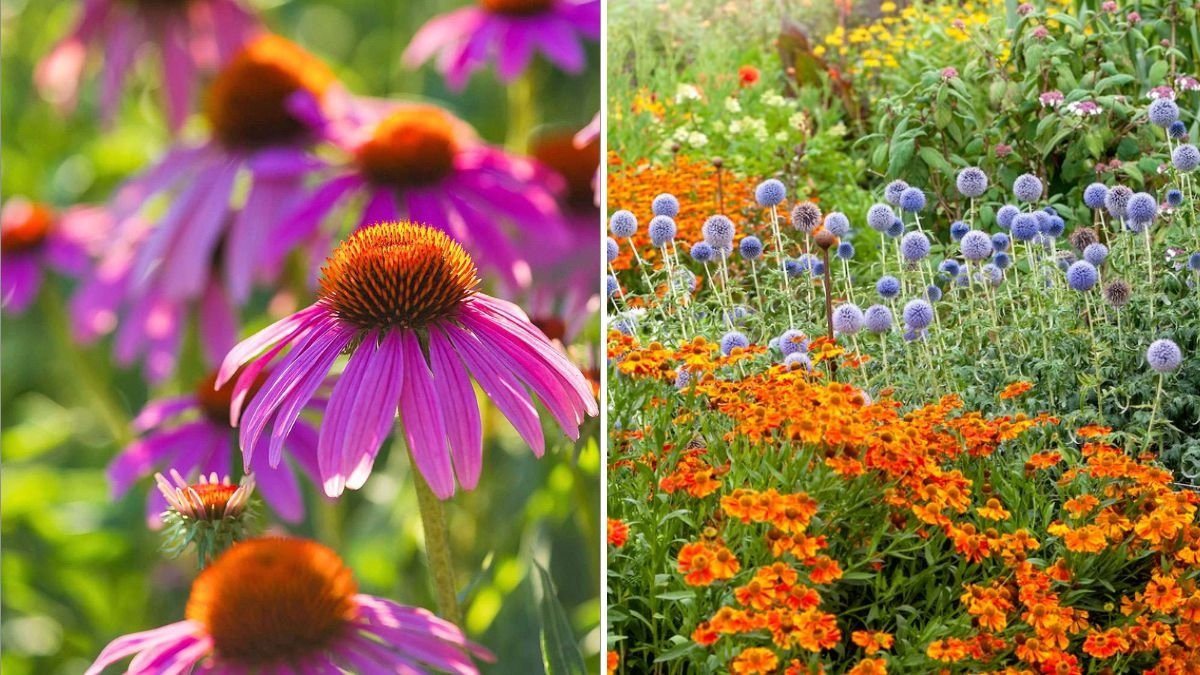
After months of cold, gray skies, the first signs of spring sunshine are a gardener’s dream come true. Those golden rays don’t just warm the soil—they also awaken the first wave of plants eager to stretch toward the light. Early spring sunlight may be softer and gentler than summer’s intensity, but it’s still powerful enough to spark new life.
If you’re eager to fill your garden with color and vitality right from the start of the season, you’ll want plants that can make the most of early sunlight while tolerating lingering chills. Below are seven outstanding plants that love early spring sunshine and bring beauty and resilience to your landscape.
1. Crocus (Crocus vernus)
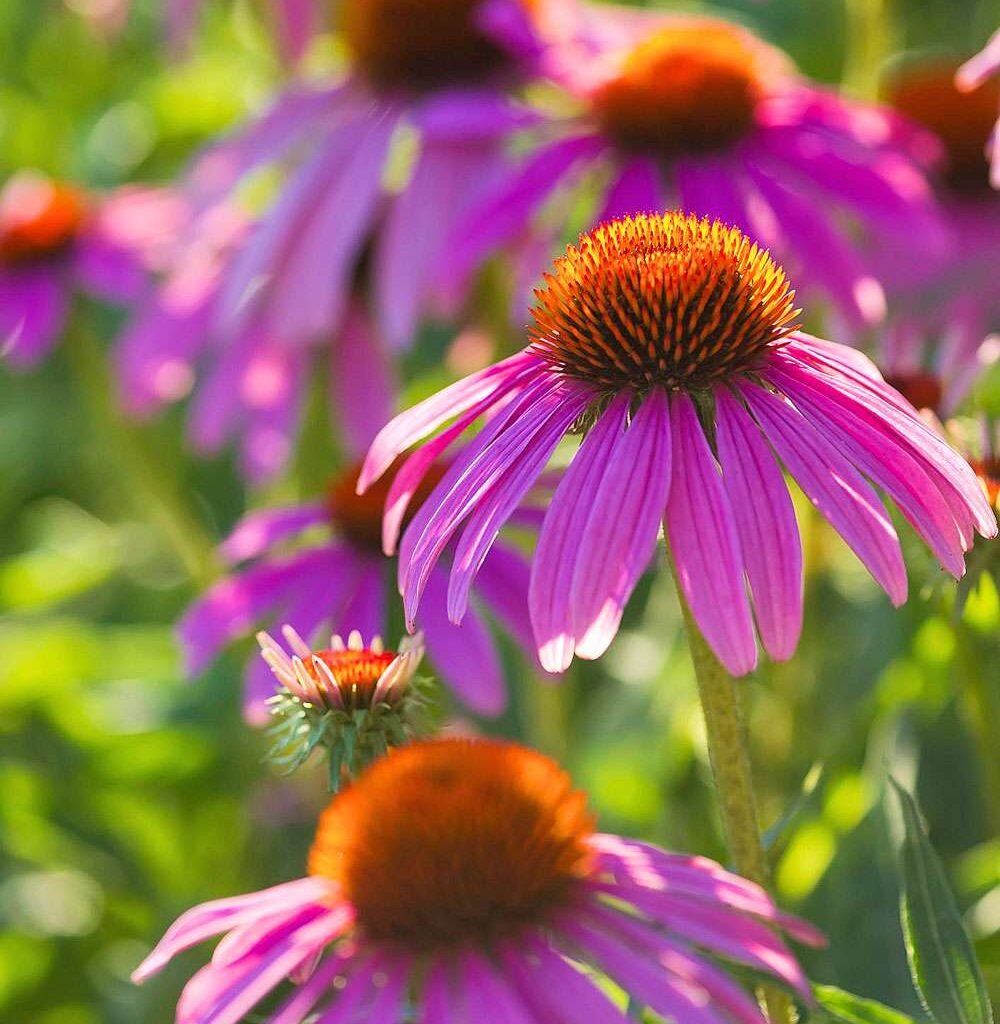
Few flowers announce the arrival of spring as joyfully as crocuses. These cheerful blooms often push through the last patches of snow, painting the garden in shades of purple, yellow, and white long before most plants wake up.
Why They Love Early Sunlight:
Crocuses thrive in the cool, bright conditions of late winter and early spring. Their flowers open wide on sunny days to attract early pollinators and close again at night or on cloudy days to conserve energy.
Growing Tips:
- Sunlight: Full to partial sun.
- Soil: Well-drained soil enriched with organic matter.
- Planting: Plant corms in fall about 3–4 inches deep and 3 inches apart.
- Watering: Minimal; crocuses prefer slightly dry conditions once established.
Bonus: Plant them in clusters or drifts for the most striking effect, and let them naturalize in lawns or rock gardens where they’ll return year after year.
2. Daffodils (Narcissus spp.)
Daffodils are the quintessential spring bloomers—bright, trumpet-shaped flowers that bring sunshine to your garden even before the trees leaf out. They’re hardy, deer-resistant, and eager to soak up the gentle spring sun.

Why They Love Early Sunlight:
Daffodils sprout just as sunlight begins to warm the soil. The light helps their leaves photosynthesize efficiently before taller plants cast shade later in the season.
Growing Tips:
- Sunlight: Full sun to light shade.
- Soil: Well-drained, moderately fertile soil.
- Planting: Plant bulbs 6 inches deep in fall, pointy end up.
- Care: Deadhead faded blooms but allow foliage to remain until it yellows—this helps bulbs store energy for next year.
Pro Tip: Combine early-, mid-, and late-blooming daffodil varieties for a continuous display of color from February through May.
3. Hellebores (Helleborus orientalis)
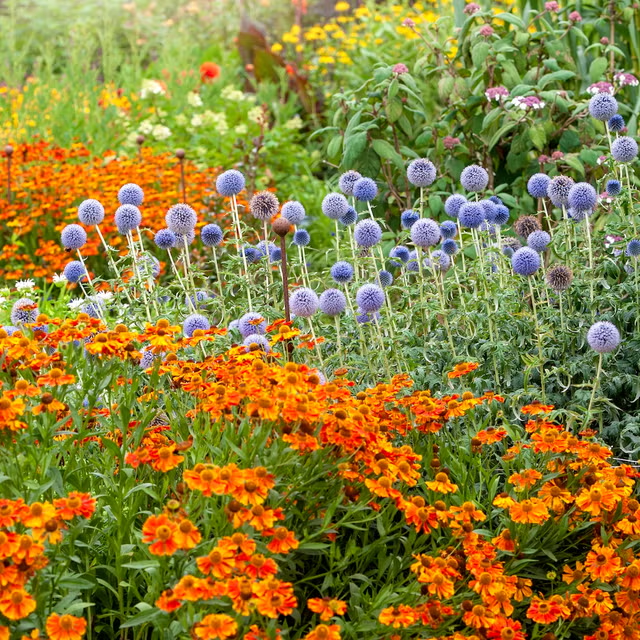
Also known as Lenten roses, hellebores are among the first perennials to bloom each spring—sometimes even when snow is still on the ground. Their nodding, cup-shaped flowers come in an elegant palette of pink, cream, plum, and green.
Why They Love Early Sunlight:
Hellebores prefer the mild brightness of early spring when sunlight is gentle and soil moisture is high. They thrive before the tree canopy fills in, enjoying several weeks of filtered sunshine.
Growing Tips:
- Sunlight: Partial to full sun in early spring; dappled shade later in the year.
- Soil: Rich, well-draining soil with consistent moisture.
- Planting: Plant in fall or early spring; keep crowns just above the soil surface.
- Care: Remove old, damaged leaves in late winter to make room for new growth.
Fun Fact: Hellebores are long-lived perennials—some clumps can bloom reliably for 20 years or more!

4. Tulips (Tulipa spp.)
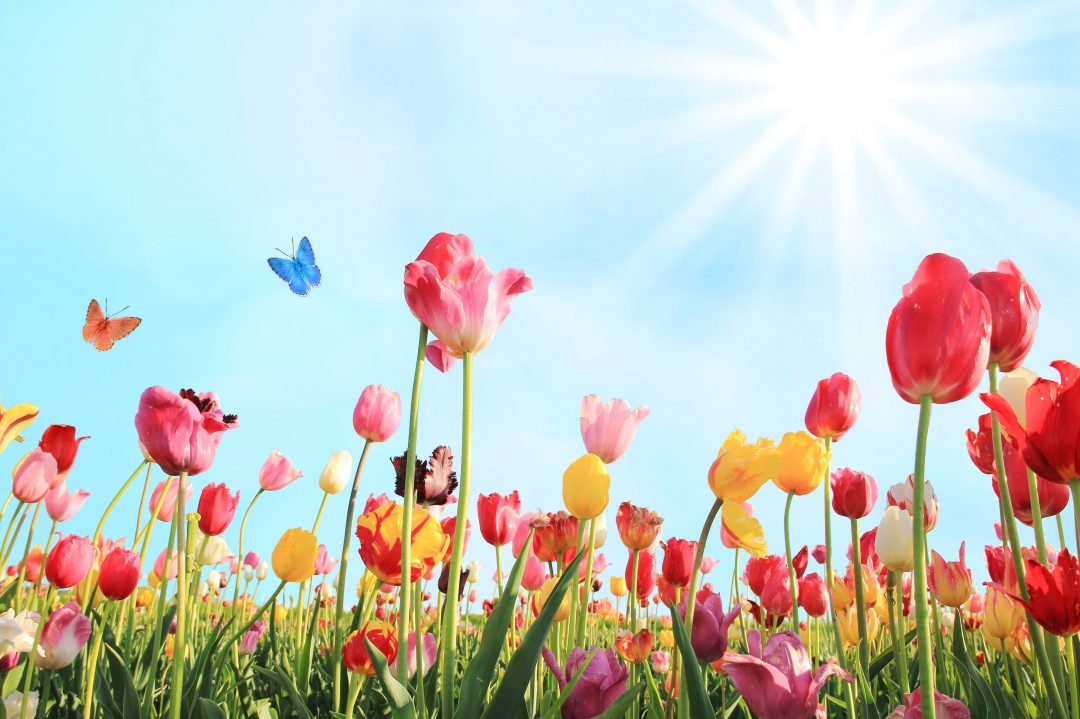
Nothing says “spring” quite like a bed of tulips glowing in the morning light. These bulbs thrive in cool conditions and love the full sun that early spring provides before the heat of summer arrives.
Why They Love Early Sunlight:
Tulips store energy all winter long and burst to life when the soil begins to warm under the strengthening spring sun. The light helps them grow sturdy stems and develop vibrant flower colors.
Growing Tips:
- Sunlight: Full sun is best for strong stems and bold blooms.
- Soil: Loose, sandy, well-drained soil.
- Planting: Set bulbs 6–8 inches deep in fall, pointed side up.
- Care: Water after planting, then sparingly until growth appears. Remove spent flowers to prevent energy waste on seed production.
Pro Tip: Plant tulips in layers with other bulbs like crocuses and daffodils for a multi-tiered spring display.
5. Pansies (Viola × wittrockiana)

These bright, happy-faced flowers thrive in cool weather and are among the first annuals you can plant outdoors in spring. Available in countless color combinations—from deep purples to sunshine yellows—pansies love basking in the mild sunlight of early spring days.
Why They Love Early Sunlight:
Pansies prefer cooler temperatures and gentle sun. Too much summer heat can cause them to fade, but early spring sunshine is their ideal growing condition.
Growing Tips:

- Sunlight: Full to partial sun.
- Soil: Moist, fertile, well-drained soil.
- Planting: Set transplants outdoors 2–4 weeks before your last frost date.
- Care: Water regularly; deadhead to encourage more blooms.
Bonus: Pair pansies with spring bulbs—they complement each other perfectly and keep garden beds colorful even after bulbs finish blooming.
6. Bleeding Heart (Dicentra spectabilis)
With its delicate arching stems and heart-shaped pink or white flowers, the bleeding heart is one of spring’s most romantic perennials. It bursts into bloom just as the early sun begins to warm shaded corners of the garden.
Why They Love Early Sunlight:
Bleeding hearts enjoy the soft morning light of early spring before trees leaf out. Too much intense summer sun can cause them to go dormant early, so the timing of spring sunlight is perfect for their short but spectacular blooming season.
Growing Tips:
- Sunlight: Partial sun to light shade.
- Soil: Moist, rich, well-drained soil.
- Planting: Plant bare roots or transplants in early spring.
- Care: Keep soil consistently moist; mulch to retain water. Cut back foliage once it yellows after blooming.
Pro Tip: Pair bleeding hearts with hostas or ferns, which fill in the space once bleeding hearts die back in midsummer.
7. Hyacinths (Hyacinthus orientalis)
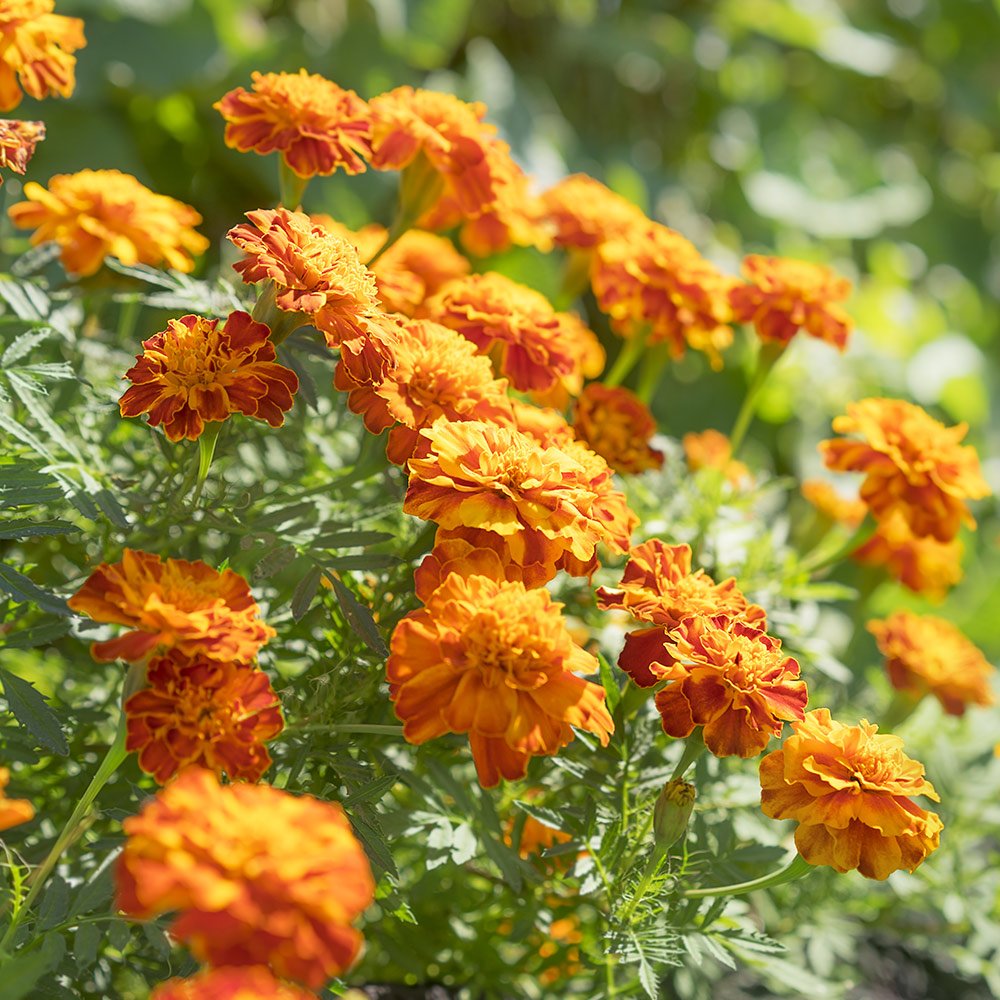
Hyacinths are prized for their vibrant colors and heavenly fragrance. Their tightly packed flower spikes appear in early spring, thriving in cool temperatures and bright sunshine.
Why They Love Early Sunlight:
Hyacinths absorb nutrients from the soil and sunlight early in the season before warmer weather sets in. The gentle spring rays help produce their signature rich hues and strong stems.

Growing Tips:
- Sunlight: Full sun to light shade.
- Soil: Fertile, well-draining soil enriched with compost.
- Planting: Plant bulbs 6 inches deep in fall.
- Care: Water when soil feels dry and remove spent blooms to keep bulbs healthy.
Bonus: Hyacinths make excellent container plants—place them near windows or entryways to enjoy their scent up close.
How to Make the Most of Early Spring Sunlight
While choosing the right plants is essential, how you prepare your garden for early sunlight can enhance their growth even more.
1. Clean Up Winter Debris:
Clear away leaves and dead plant material so sunlight can reach emerging shoots.
2. Loosen the Soil:
A quick tilling or hand-turning of soil helps improve drainage and oxygen flow for new roots.
3. Add Organic Matter:
A thin layer of compost replenishes nutrients lost over winter and boosts early growth.
4. Use Mulch Wisely:
Apply mulch after the soil warms up a bit to conserve moisture without blocking sunlight from the ground.

5. Water Moderately:
Spring rain often provides enough moisture, but keep an eye on young plants—they dry out quickly in sunny, breezy weather.
Final Thoughts
Early spring sunlight is a gardener’s best ally—it’s gentle enough for delicate new growth but strong enough to spark a surge of energy below and above the soil. The plants that thrive during this transitional season—like crocuses, daffodils, and hellebores—are built to make the most of it, turning those first golden rays into lush, colorful displays.
By planting these seven sun-loving species and preparing your garden with a bit of foresight, you’ll enjoy a spectacular burst of life just when you need it most—after a long, quiet winter. When the early light hits their blooms, your garden won’t just wake up; it will sing with the promise of a new growing season.

Leave A Comment