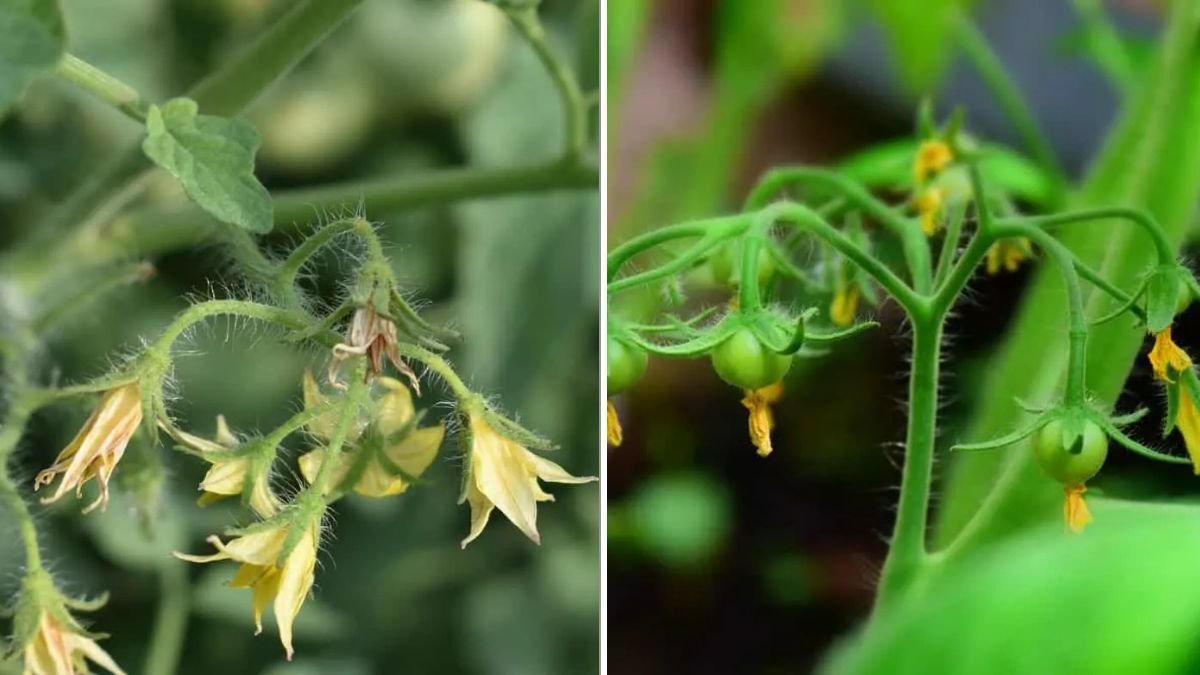
Few sights are more exciting for a gardener than the first yellow blooms appearing on tomato plants. Those delicate flowers signal that your long-awaited harvest is on the way. But when those blossoms start falling off before producing fruit, frustration quickly sets in. This phenomenon, known as tomato blossom drop, can devastate your harvest if not corrected in time.
Don’t worry—it’s a common issue, and with the right knowledge, it can be fixed. In this guide, we’ll explore exactly why tomato flowers fall off, how to recognize the warning signs, and what you can do to stop it and encourage fruit set.
Understanding Tomato Flower Drop
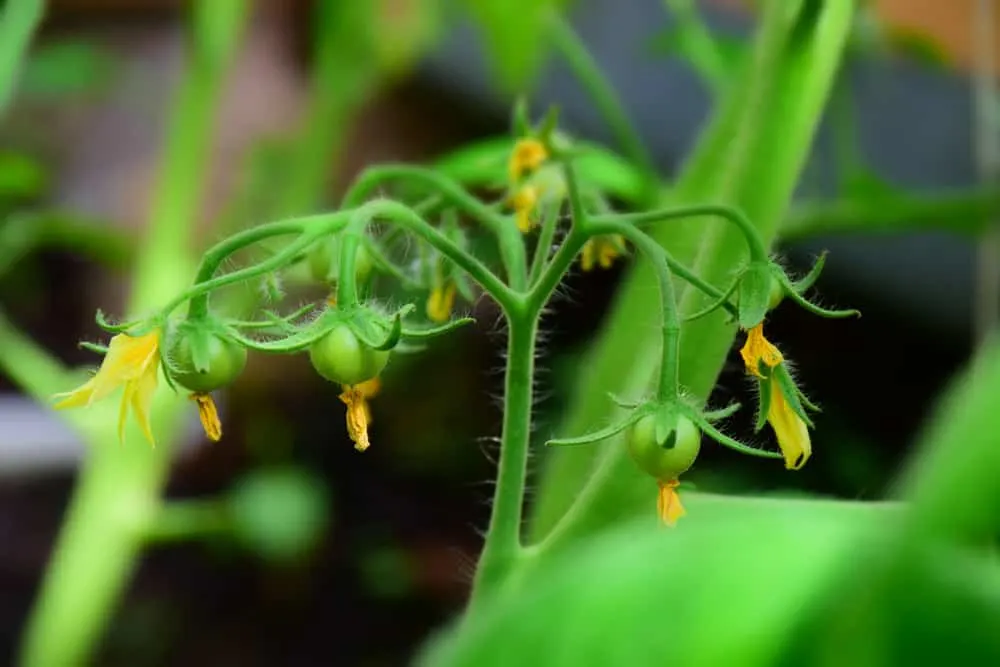
Tomatoes are self-pollinating plants, meaning each flower contains both male and female parts. Under ideal conditions, pollen transfers within the flower—either by wind, insects, or vibration—allowing the fruit to form. But when a tomato plant experiences stress, it may abort those flowers to conserve energy.
This defense mechanism is called “blossom drop.” The plant’s internal hormones sense environmental stress and essentially decide that producing fruit is too risky. As a result, the flowers wither and fall off before pollination or fruit set occurs.
1. Temperature Stress: The #1 Cause of Flower Drop
Tomatoes love warmth, but they have a narrow comfort zone when it comes to temperature. Extreme heat or cold can both disrupt pollination and trigger blossom drop.
Too Hot
- Daytime temperatures above 90°F (32°C) or nighttime temperatures above 70°F (21°C) cause pollen to become sterile.
- Sterile pollen means no pollination, no fruit—and eventually, falling flowers.
Too Cold
- Nighttime temperatures below 55°F (13°C) interfere with flower development.
- The plant senses poor reproductive conditions and drops the blooms to conserve energy.
How to Fix It:
- Provide shade: Use shade cloth during scorching afternoons to cool the plants.
- Mulch the soil: Keeps roots cooler during heatwaves.
- Use row covers: Protect plants during chilly nights in early spring.
- Plant at the right time: Wait until nighttime temperatures stay consistently above 55°F before transplanting outdoors.
Pro tip: Choose heat-tolerant tomato varieties such as Heatmaster, Solar Fire, or Phoenix if you live in a hot region.
2. Inadequate Pollination
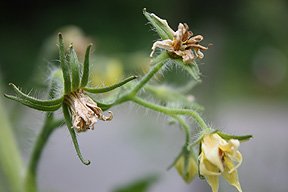
Even when conditions are right, tomato flowers still need pollen movement for fruit to form. In still air or enclosed spaces, pollination may not occur naturally.
Why It Happens
- Lack of pollinating insects such as bees and bumblebees.
- Indoor or greenhouse conditions without enough air circulation.
- Extremely high or low humidity affecting pollen’s ability to transfer.
How to Fix It:
- Encourage pollinators: Plant marigolds, lavender, or basil nearby to attract bees.
- Hand-pollinate: Gently shake flowers or use a small electric toothbrush to mimic the buzz of a bee.
- Improve airflow: Use fans in greenhouses or space plants 18–24 inches apart for better circulation.
You can tell pollination has succeeded when a small green swelling appears behind the dried flower—it’s your next tomato in the making!
3. Watering Problems: Too Much or Too Little
Tomatoes require consistent soil moisture. Irregular watering causes stress, which leads to falling blooms.
Overwatering
- Roots become waterlogged and oxygen-deprived.
- Plant growth slows, and flower buds fall prematurely.
Underwatering
- Dehydrated plants wilt, and flowers dry up and drop.
- Irregular watering also leads to blossom-end rot and fruit cracking later.
How to Fix It:

- Water deeply but infrequently—about 1 to 1.5 inches per week.
- Check moisture 2 inches deep; if the soil feels dry, it’s time to water.
- Apply 2–3 inches of organic mulch (straw, leaves, or compost) to stabilize moisture and reduce evaporation.
- Avoid overhead watering—use drip irrigation or soaker hoses to keep foliage dry and reduce disease risk.
4. Nutrient Imbalances
Tomatoes are heavy feeders, but the wrong fertilizer balance can lead to leafy plants with few flowers—or stressed plants that shed blossoms.
Too Much Nitrogen
- Encourages lush, green foliage but discourages flowering and fruiting.
Too Little Phosphorus or Potassium
- Weakens flower and fruit development.
- Leads to poor pollination and flower drop.
How to Fix It:
- Use a low-nitrogen, high-phosphorus fertilizer such as 5-10-10 or 4-6-8.
- Incorporate organic compost or bone meal before planting.
- Fertilize lightly every 3–4 weeks once flowers appear.
Balanced nutrition helps your tomatoes focus their energy where it counts—on setting fruit instead of excessive foliage.
5. Humidity Extremes
Humidity plays a surprisingly big role in tomato pollination.
Low Humidity (<40%)
- Pollen dries out too quickly and won’t stick to the stigma.
- Result: Poor pollination and falling flowers.
High Humidity (>80%)
- Pollen becomes sticky and clumps together, preventing transfer.
How to Fix It:
- Maintain moderate humidity (50–70%) if growing indoors.
- Use fans or vents to circulate air and prevent stagnant, moist conditions.
- Water early in the morning to let humidity dissipate by midday.
6. Wind, Rain, and Weather Stress
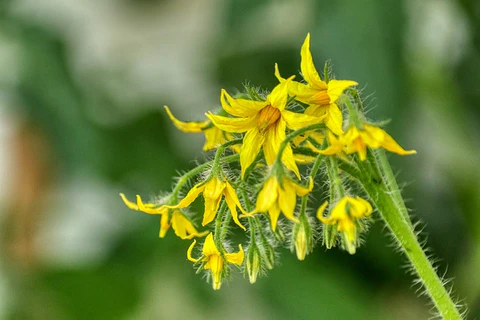
Strong winds can physically knock flowers off the plant, while heavy rain can wash pollen away. Even long periods of cloudy weather can reduce pollinator activity and flower set.

How to Fix It:
- Use stakes or tomato cages to stabilize plants.
- Create windbreaks with tall herbs, garden fabric, or fences.
- Cover delicate blooms during storms with lightweight row covers or plastic tunnels.
7. Pests and Diseases
Sometimes blossom drop isn’t just environmental—it’s biological. Pests and diseases weaken the plant and interfere with flowering.
Common Culprits
- Aphids and thrips: Suck sap from stems and buds, causing flowers to fall.
- Spider mites: Damage foliage and stress the plant.
- Fungal infections: Such as early blight or powdery mildew, can reduce overall vigor.
How to Fix It:
- Inspect plants regularly, especially under leaves.
- Treat with neem oil or insecticidal soap as soon as pests appear.
- Keep foliage dry and avoid overcrowding to prevent fungal diseases.
- Rotate crops yearly to keep soil-borne pathogens at bay.
8. Pruning and Stress Mistakes
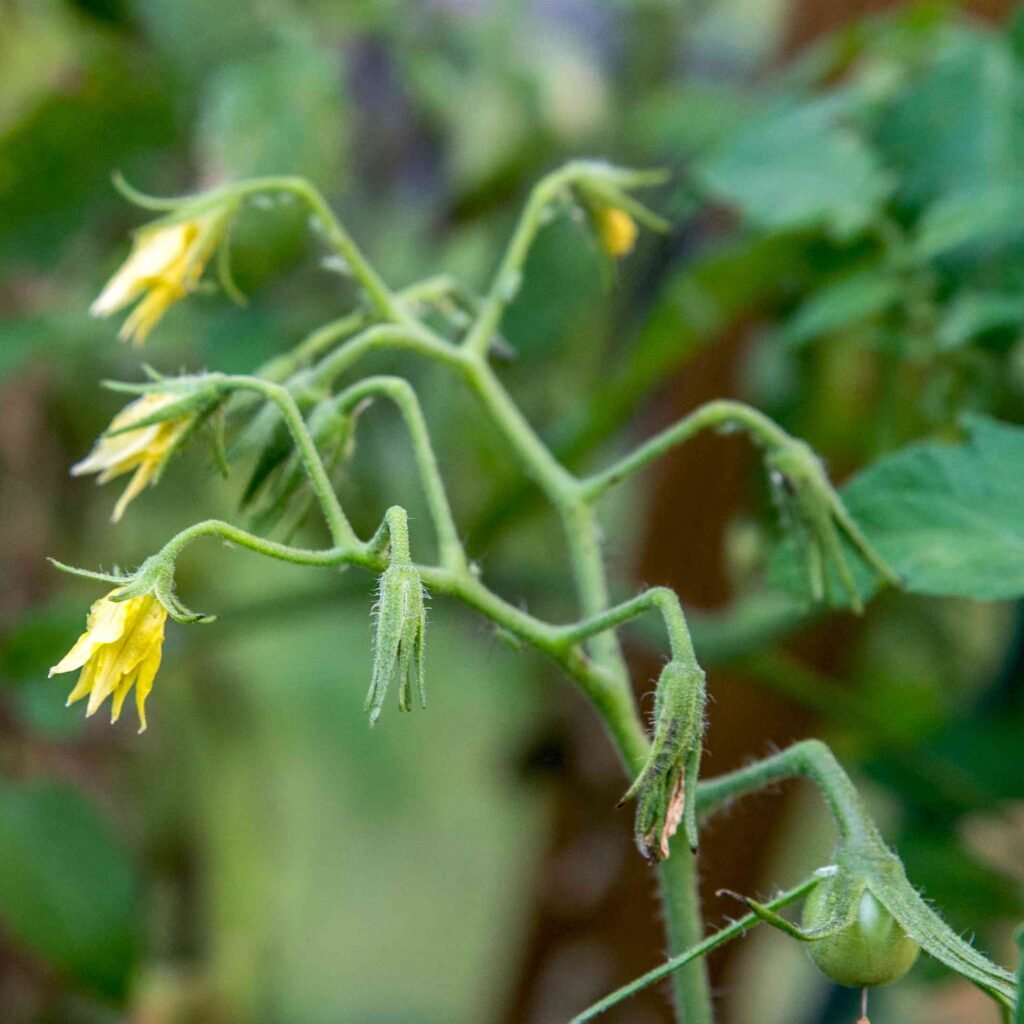
Too much pruning or sudden changes in care can stress tomatoes. Removing too much foliage reduces photosynthesis, while inconsistent feeding or transplant shock can interrupt blooming.
How to Fix It:
- Prune only lower leaves touching the soil and occasional suckers.
- Avoid trimming more than one-third of the plant at a time.
- Harden off seedlings properly before transplanting outdoors to reduce shock.
9. The Role of Plant Hormones in Flower Drop
When tomato plants experience stress—heat, drought, or nutrient imbalance—they produce ethylene gas, a hormone that signals the plant to abort flowers and redirect energy to survival.

On the other hand, healthy plants produce auxins and gibberellins, which promote flowering and fruit set. Your job as a gardener is to maintain the balance by keeping conditions steady.
Tip: If conditions are unpredictable, you can use a tomato blossom set spray, available at garden centers. These sprays contain natural plant hormones that encourage fruit set even in stressful conditions.
10. How to Prevent Flower Drop Altogether
Once flowers fall, they won’t regrow—but you can encourage new blossoms to stay put. Here’s a quick checklist for prevention:
- Plant at the right time – Avoid temperature extremes during planting season.
- Water consistently – Keep soil evenly moist but not soggy.
- Feed properly – Stick to balanced or bloom-boosting fertilizers.
- Encourage pollinators – Avoid pesticides that harm bees.
- Control humidity and airflow – Especially in greenhouses.
- Protect from wind and storms – Stake or cage your plants.
- Monitor for pests – Weekly inspections prevent bigger problems.
- Mulch and maintain soil health – A strong root system equals steady blooms.
Quick Reference Table: Diagnosing Flower Drop
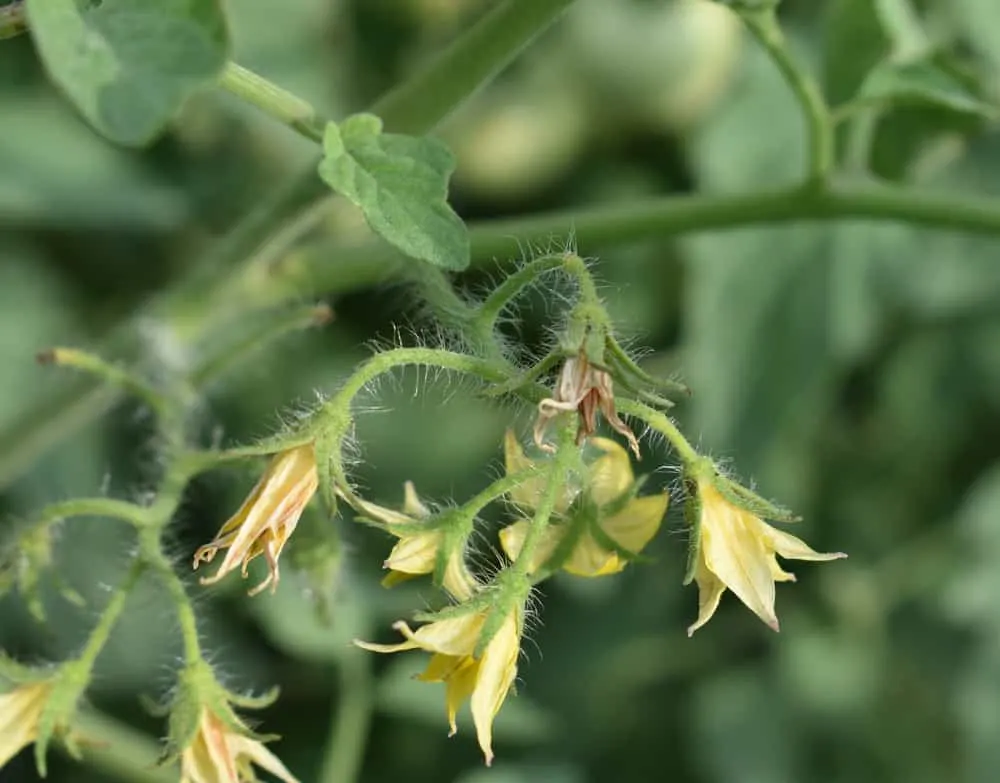
| Problem | Common Sign | Solution |
|---|---|---|
| Heat or cold stress | Flowers dry up | Use covers or shade |
| Poor pollination | Flowers fall, no fruit | Encourage bees, hand-pollinate |
| Watering issues | Wilting or curling leaves | Keep soil evenly moist |
| Nutrient imbalance | Lush leaves, few flowers | Use low-nitrogen fertilizer |
| Humidity extremes | Pollen not transferring | Improve ventilation |
| Pests/disease | Damaged buds | Treat with neem oil or soap |
Final Thoughts
When tomato flowers fall off, your plants are sending a clear message: something in their environment is off balance. The key is to stay observant and make gradual adjustments rather than drastic changes.
Once conditions stabilize—temperatures moderate, watering becomes consistent, and pollinators return—your plants will start producing new blossoms that actually set fruit.
Remember, tomato growing is equal parts science and patience. With the right balance of sun, soil, water, and care, your garden will reward you with an abundance of juicy, flavorful tomatoes—and no more fallen flowers.
ChatGPT can make mistakes. Check important info. Se

Leave A Comment