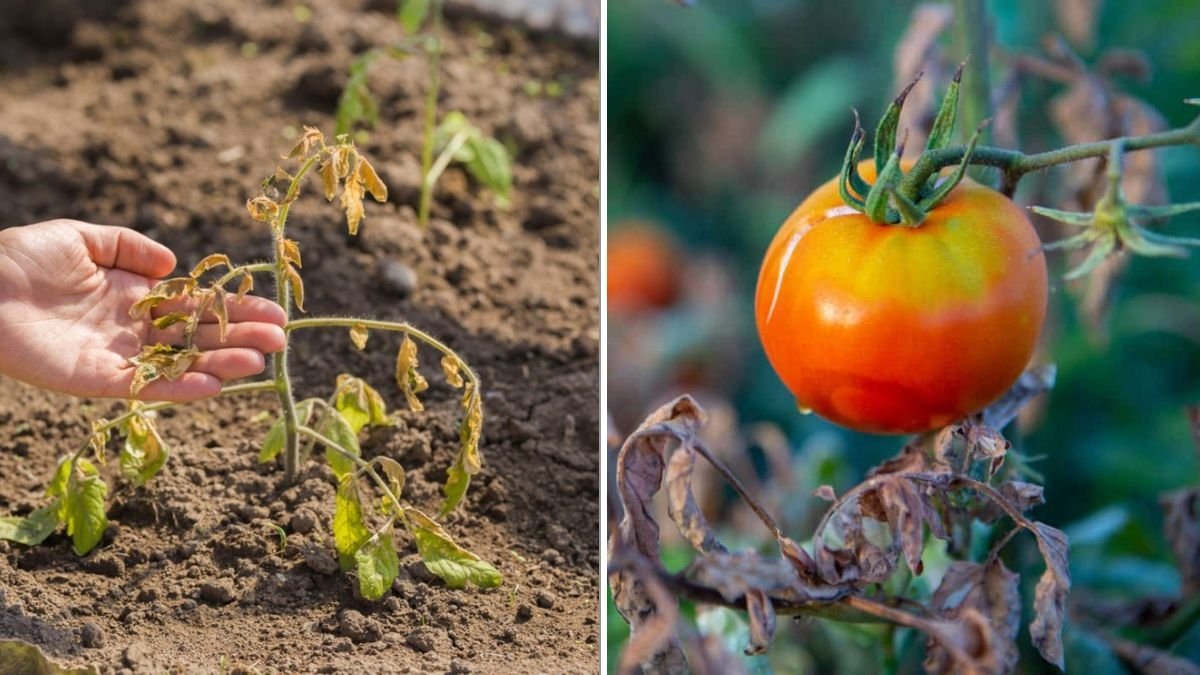
Tomatoes love the sun—but there’s a fine line between thriving in warmth and suffering from extreme heat. While these summer favorites grow best in temperatures between 70°F and 85°F (21°C–29°C), once the mercury climbs above 90°F (32°C) during the day or 75°F (24°C) at night, your plants can quickly experience heat stress.
If you’ve noticed drooping leaves, stalled growth, or flowers that suddenly fall off, your tomatoes are telling you they’re overheated. Fortunately, with the right strategies, you can protect your plants and keep them producing even through scorching summer days.
Here’s a detailed guide on how to protect tomato plants from heat stress, including why it happens, how to recognize the signs, and the best ways to keep your garden thriving all season long.
What Is Heat Stress in Tomato Plants?
Heat stress occurs when high temperatures cause your tomato plants to lose water faster than they can absorb it. This imbalance leads to dehydration, slowed photosynthesis, and eventually reduced fruit production.
Even if your plants look green and healthy, sustained heat can silently impact flower development and fruit set, leading to fewer and smaller tomatoes.
Critical temperature thresholds:
- Above 90°F (32°C): Pollen becomes sterile, reducing fruit set.
- Above 100°F (38°C): Growth halts, and flowers may drop.
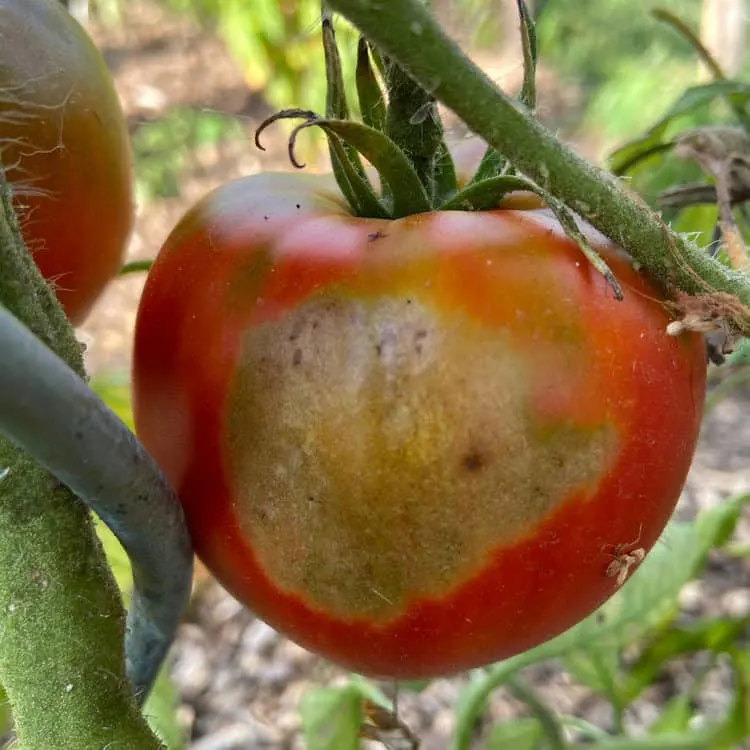
- Above 104°F (40°C): Leaves and fruit can scorch or sunburn.
In short, tomatoes can handle short bursts of heat—but prolonged exposure can do serious damage.

Common Signs of Heat Stress
Recognizing heat stress early is key to saving your tomato plants. Look for these telltale symptoms:
- Wilting or drooping leaves, especially during the hottest part of the day.
- Leaf curling (upward or inward) as the plant tries to conserve moisture.
- Blossom drop, where flowers dry up and fall off without forming fruit.
- Pale or yellowing leaves, especially around the edges.
- Sunscald on fruit—white or yellow patches that later turn leathery.
- Reduced or misshapen fruit, as heat disrupts pollination and development.
While some midday wilting is normal, if your plants don’t recover by evening, they’re under serious heat stress.
1. Provide Shade During Extreme Heat
One of the most effective ways to prevent heat stress is to shield your tomato plants from direct sunlight during the hottest hours.
How to Do It:
- Use Shade Cloth:
Install 30–50% shade cloth over your tomato plants to filter sunlight without blocking it completely.- Light-colored (white or silver) shade cloth reflects heat best.
- Drape it over hoops, stakes, or a simple frame to allow airflow underneath.
- Temporary Covers:
Use old bedsheets, lightweight tarps, or row covers on hot afternoons. Remove them in the evening to allow cooling. - Natural Shade:
Plant taller crops (like corn or sunflowers) nearby or use garden trellises to create partial shade.
Pro Tip: Avoid using dark-colored fabrics—they absorb heat and can worsen the problem.
2. Water Deeply and Consistently
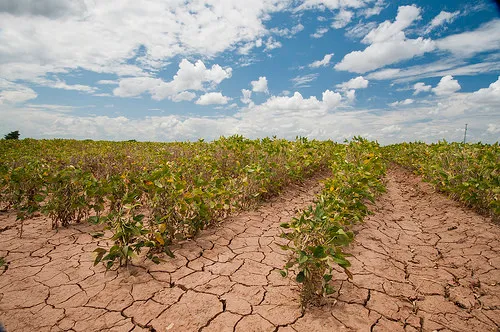
Heat increases evaporation, which means your tomatoes need more water—but not too frequently or shallowly. Shallow watering encourages roots to stay near the surface, where soil dries out faster.
How to Do It Right:
- Water early in the morning (before 9 a.m.) so plants can absorb moisture before the day heats up.
- Water deeply: Aim for at least 6–8 inches of soil penetration each time.
- Check soil moisture: Stick your finger 2 inches deep—if it feels dry, it’s time to water.
- Avoid evening watering during humid weather—it can encourage fungal diseases.
Pro Tip: Use soaker hoses or drip irrigation for slow, even watering. Avoid overhead sprinklers, which waste water and increase leaf disease.
3. Mulch to Lock In Moisture and Cool the Soil
Mulch acts like a protective blanket for your soil—it keeps roots cool, reduces evaporation, and prevents sudden temperature swings.

Best Mulches for Hot Weather:
- Straw or hay: Reflects sunlight and stays airy.
- Compost: Adds nutrients and retains moisture.
- Shredded leaves or grass clippings: Cheap and effective.
Apply 2–3 inches of mulch around the base of your tomato plants, keeping it 2 inches away from the stem to prevent rot.
Bonus Tip: Dark mulches like wood chips can trap heat—use light-colored organic materials during extreme heat.
4. Improve Soil Health for Better Heat Resistance
Healthy soil acts like a buffer—it retains water better and helps plants handle temperature extremes.
How to Build Heat-Resilient Soil:
- Add organic matter: Compost and aged manure improve structure and water-holding capacity.
- Avoid over-tilling: It breaks up soil structure and exposes roots to heat.
- Use cover crops: Plant legumes or clover in the off-season to enrich soil naturally.
Healthy soil = strong roots = heat-tolerant tomatoes.
5. Choose Heat-Tolerant Tomato Varieties
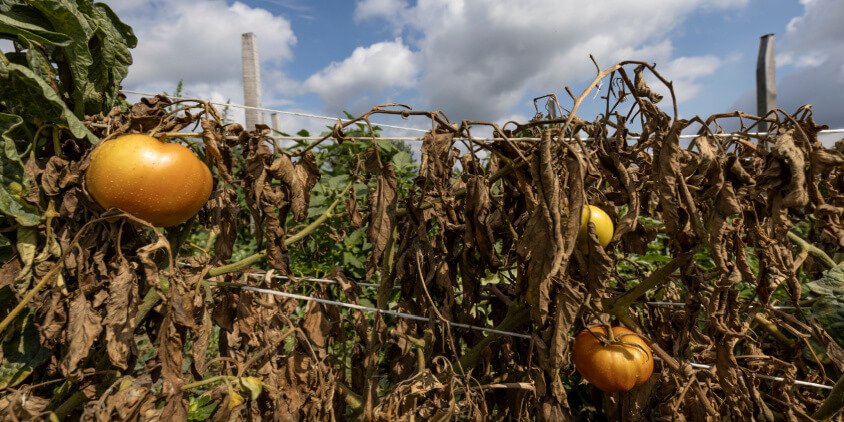
Some tomato varieties are bred to handle higher temperatures better than others. If you live in a consistently hot region, choose heat-tolerant types.
Top Heat-Resistant Varieties:
- Heatmaster
- Solar Fire
- Phoenix
- Florida 91
- Sun Leaper
- Summer Set
- Arkansas Traveler
These cultivars can set fruit even when daytime temperatures exceed 90°F and nighttime temperatures stay above 75°F.
Pro Tip: Check the label for phrases like “heat set” or “heat tolerant” when buying seeds or seedlings.

6. Time Your Planting Strategically
If your summers are extremely hot, timing your planting is critical. Plant tomatoes so that flowering and fruiting occur before or after peak heat.
How to Time It:
- Early planting: Start seedlings indoors and transplant outdoors as soon as the danger of frost has passed. This allows plants to mature before the worst heat.
- Succession planting: Start a second batch of tomatoes in midsummer for a late-season harvest when temperatures cool.
Pro Tip: If your region experiences extreme summer heat, consider container gardening. You can move pots to shaded spots during hot spells.
7. Fertilize Lightly During Heat Waves
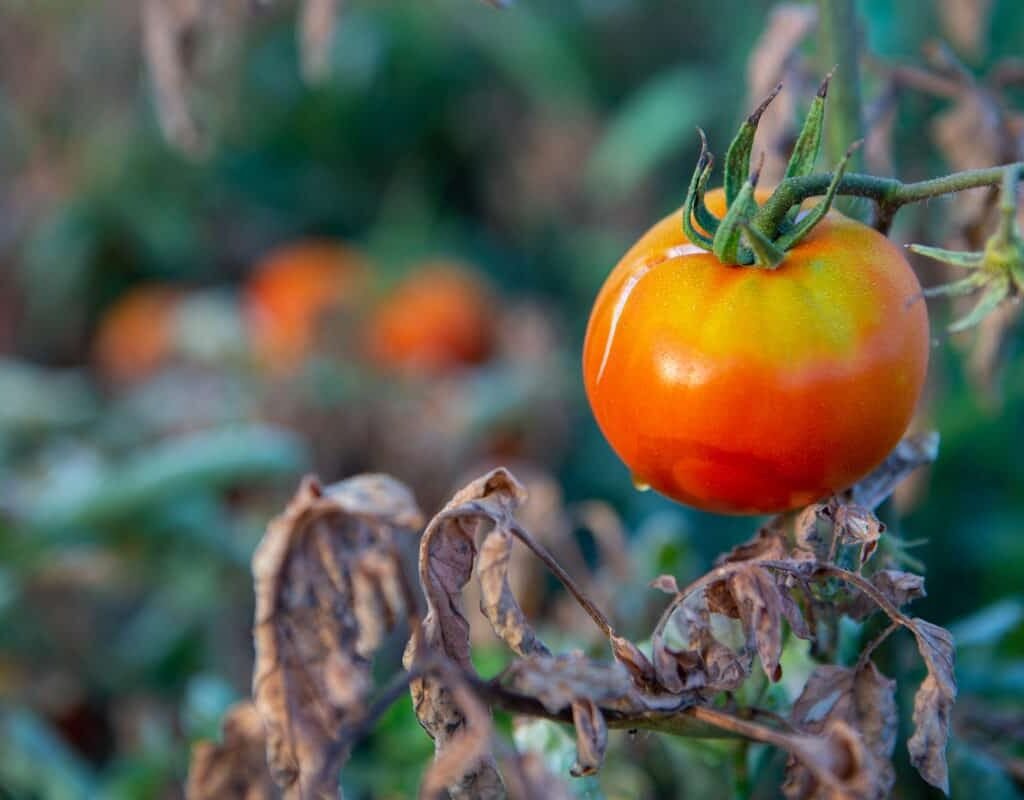
When temperatures soar, tomato plants slow down or stop growing. Feeding them during this time can do more harm than good, as excess fertilizer forces growth the plant can’t sustain under stress.
What To Do:
- Pause heavy feeding during extreme heat.
- Use a diluted liquid fertilizer (like fish emulsion or compost tea) once temperatures normalize.
- Focus on soil health and watering, not fertilization, during heat waves.
Pro Tip: Avoid high-nitrogen fertilizers—they encourage leafy growth that loses water quickly.
8. Protect Fruit from Sunscald
Just like humans, tomatoes can get sunburned. Direct exposure to hot sun causes sunscald, leaving white, blistered patches on the fruit’s skin.
Prevention Tips:
- Maintain healthy leaf cover—don’t over-prune! Leaves shade developing fruit.
- Add temporary shading with garden fabric or screens.
- Harvest fruit slightly early and let them ripen indoors if extreme heat continues.
Pro Tip: Leave 2–3 leaves per fruit cluster for natural shading and protection.
9. Boost Airflow Without Overexposing Plants
Good air circulation prevents fungal diseases—but too much exposure can dry out soil and increase heat stress.

Balance Airflow by:
- Spacing plants 18–24 inches apart.
- Pruning lower leaves touching the ground to prevent soil splash and improve air movement.
- Using stakes or cages to keep vines upright and reduce overcrowding.
Avoid excessive pruning during heat waves—leaves protect fruit and roots from the sun.
10. Recovering Tomato Plants After Heat Stress
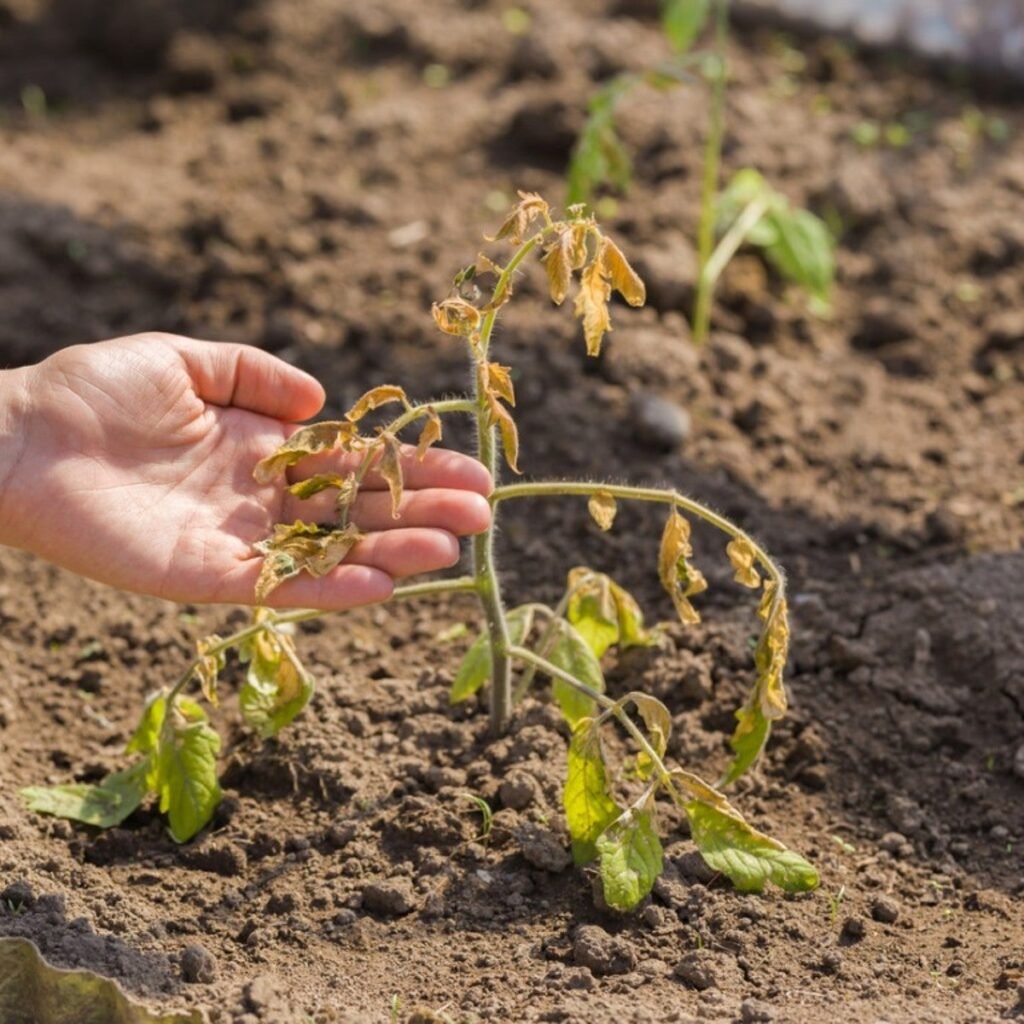
Even with the best care, sometimes heat damage happens. Don’t give up—tomatoes are resilient.
How to Help Plants Bounce Back:
- Prune dead or scorched leaves, but leave as much green growth as possible.
- Water deeply and slowly to rehydrate the soil.
- Apply compost tea or seaweed extract to stimulate recovery.
- Provide shade until plants perk up again.
- Once cooler weather returns, resume normal feeding to encourage new growth.
Most tomato plants will recover within a week or two if conditions improve.
Bonus Tip: Consider Companion Planting
Planting heat-tolerant companions can create natural shade and improve resilience.
Best Companions:
- Basil: Provides partial shade and repels pests.
- Marigolds: Deter insects and add color.
- Carrots or onions: Grow low and don’t compete heavily for nutrients.
These plants create a microclimate that helps tomatoes handle heat better.
Final Thoughts
Heat stress is one of the biggest challenges tomato gardeners face, but it’s also one of the easiest to manage with proactive care.
By combining shade, deep watering, mulching, and smart timing, you can protect your plants even during sweltering summers. Remember—tomatoes are tough survivors; with your help, they can power through heat waves and keep producing those juicy, sun-ripened fruits we all love.
So next time the thermometer spikes, don’t panic—just give your tomatoes a little shade, a deep drink, and some mulch, and they’ll reward you with a bumper harvest once the weather cools again.

Leave A Comment