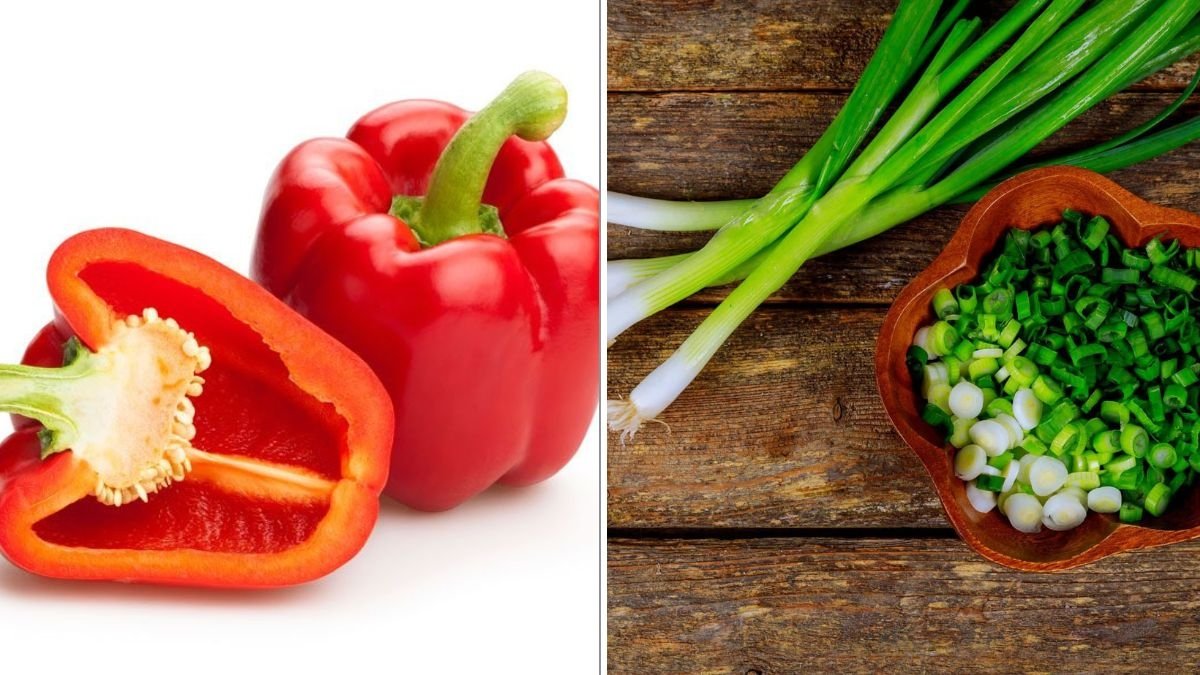
Fresh, homegrown vegetables don’t have to be a summer luxury. Even if the weather outside is cold or your outdoor space is limited, you can still enjoy the satisfaction of harvesting crisp greens, crunchy peppers, or sweet tomatoes—all from the comfort of your kitchen or balcony. Growing vegetables indoors year-round is easier than you might think, and with the right setup, you can keep your pantry stocked with fresh produce no matter the season.
Here’s your guide to seven vegetables that thrive indoors year-round, along with tips to help you grow a lush indoor garden full of flavor and color.
1. Lettuce
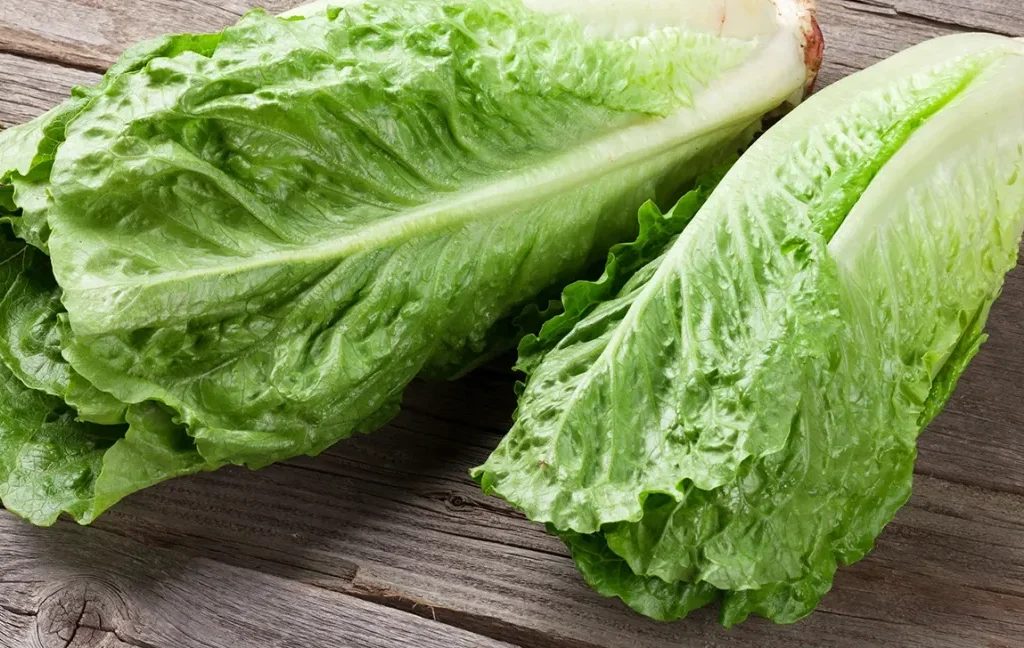
Why it’s perfect for indoors:
Lettuce grows quickly, doesn’t need deep soil, and loves cooler conditions—making it ideal for windowsills or grow lights. You can harvest baby greens just a few weeks after planting and enjoy continuous yields by snipping leaves as they mature.
How to grow:
- Container: Use a shallow pot or tray with drainage holes, about 4–6 inches deep.
- Soil: Choose a loose, well-draining potting mix rich in compost.
- Light: Lettuce needs about 10–12 hours of light per day. A bright south-facing window or LED grow light works perfectly.
- Watering: Keep the soil evenly moist but never soggy. Mist lightly if the air is dry.
- Harvesting: Cut outer leaves when they’re 3–4 inches long. The inner leaves will continue to grow for several harvests.
Best varieties:
- ‘Buttercrunch’
- ‘Black-Seeded Simpson’
- ‘Romaine Little Gem’
2. Tomatoes
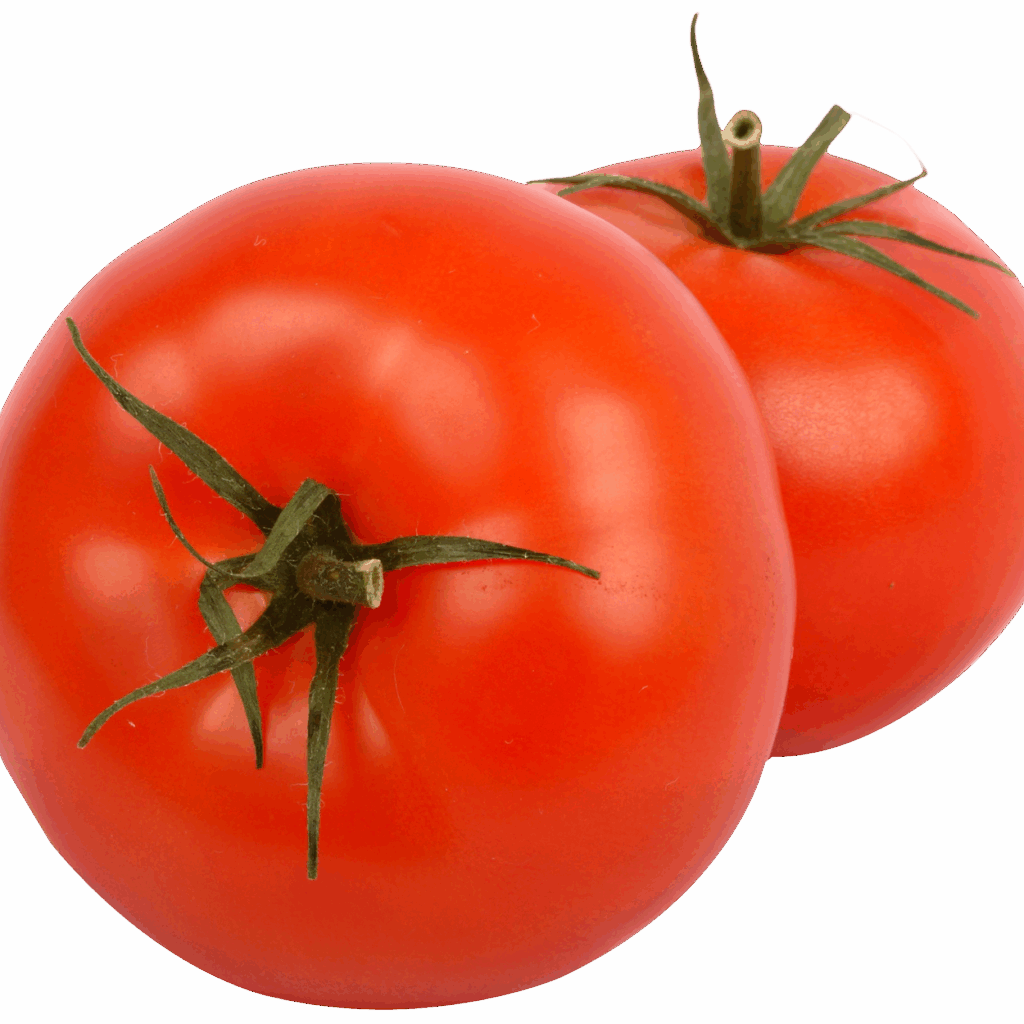
Why it’s perfect for indoors:
Tomatoes bring vibrant color and rich flavor to your indoor garden. Cherry and dwarf varieties adapt well to containers and can produce fruit year-round under proper light.
How to grow:
- Container: At least 12 inches deep with sturdy support for the vine.
- Soil: Use a high-quality potting mix with added compost or organic fertilizer.
- Light: Needs 14–16 hours of strong light daily. Position near a sunny window or under full-spectrum grow lights.
- Watering: Keep soil moist but not waterlogged. Consistency is key—uneven watering can cause cracking or blossom-end rot.
- Pollination: Gently shake the flowers or use a small paintbrush to transfer pollen between blooms.
Best varieties:
- ‘Tiny Tim’
- ‘Red Robin’
- ‘Patio Princess’
Pro tip: Add a small oscillating fan nearby to mimic outdoor breezes and strengthen the stems.
3. Spinach
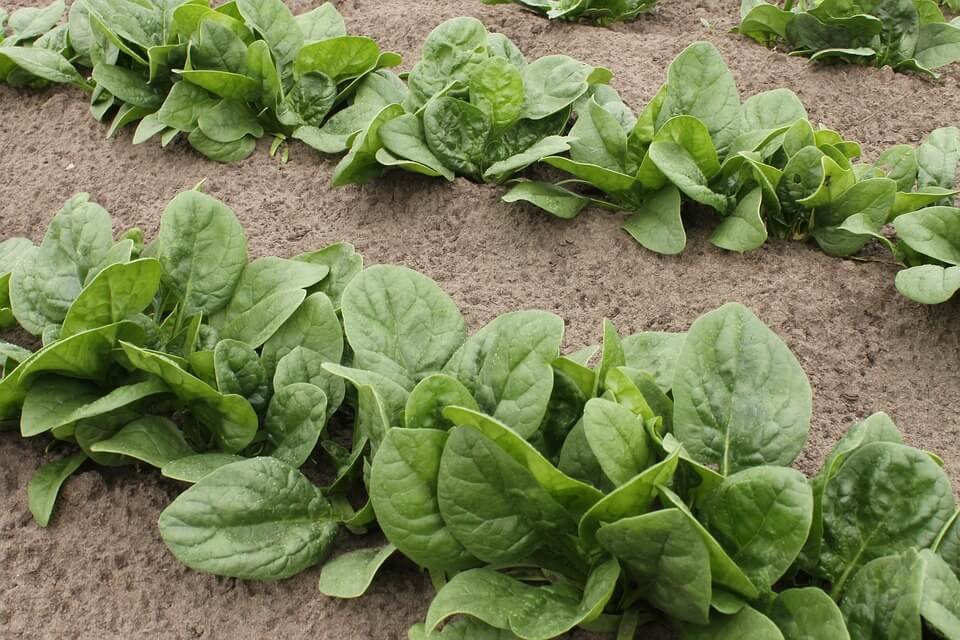
Why it’s perfect for indoors:
Spinach loves cool temperatures (around 60–70°F), making it an easy crop to grow indoors year-round. It grows fast, is highly nutritious, and regrows after cutting.
How to grow:
- Container: 6–8 inches deep, with loose, fertile soil.
- Light: At least 10–12 hours per day. LED lights are excellent for maintaining consistent growth.
- Watering: Keep the soil evenly moist; spinach wilts quickly if it dries out.
- Harvesting: Pick outer leaves when they’re 3–5 inches long. Leave the center intact for regrowth.
Best varieties:

- ‘Bloomsdale Long Standing’
- ‘Baby’s Leaf’
- ‘Tyee Hybrid’
Bonus tip: Spinach does best in slightly cooler rooms, so it’s perfect for a kitchen windowsill or shaded balcony.
4. Green Onions (Scallions)
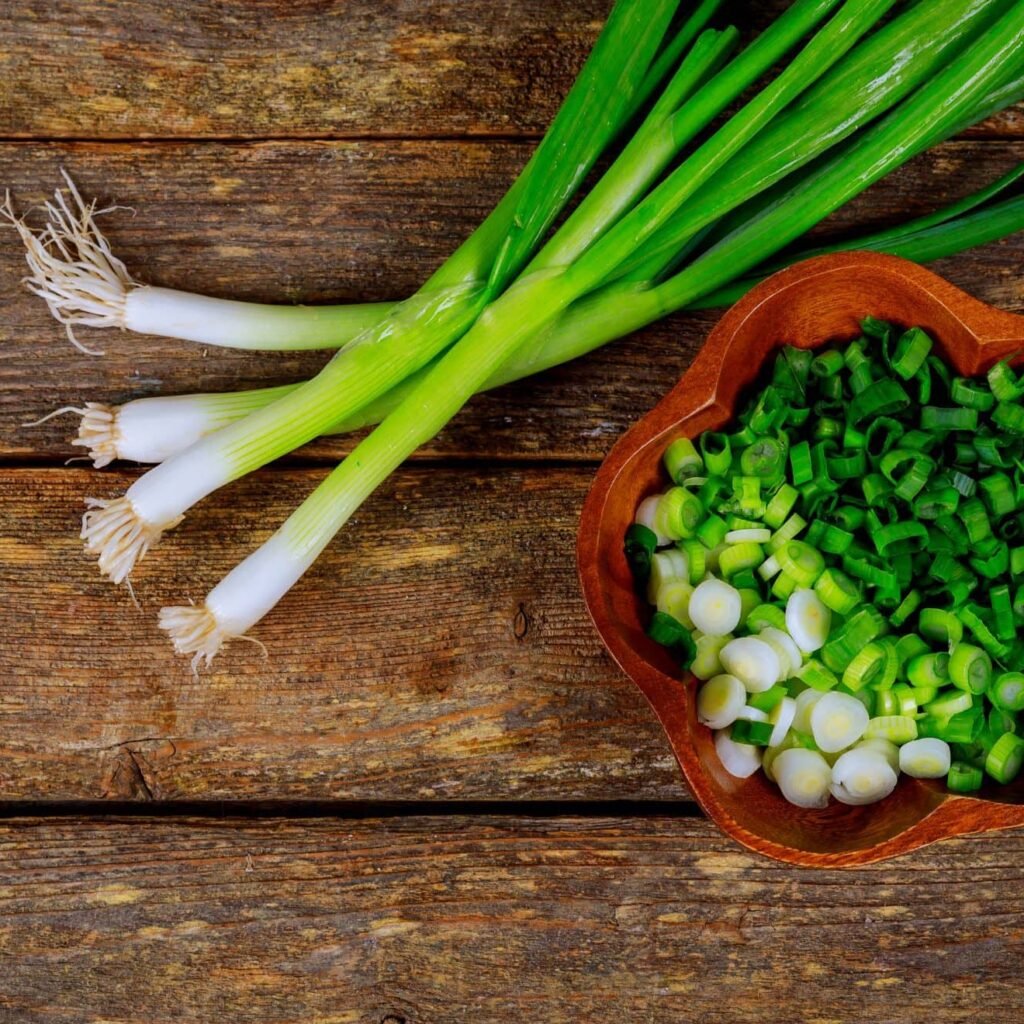
Why it’s perfect for indoors:
Green onions are one of the easiest and most rewarding vegetables to grow inside. They grow quickly and can be regrown endlessly from store-bought roots.
How to grow:
- From scraps: Save the white roots from store-bought green onions. Place them in a glass of water with the roots submerged and tops above water.
- After 5–7 days: When new green shoots appear, transplant them into a small pot of soil.
- Light: Moderate sunlight or grow light exposure for 6–8 hours per day.
- Watering: Keep the soil moist and snip greens as needed.
Best varieties:
- ‘White Lisbon’
- ‘Evergreen Hardy White’
Fun fact: You can regrow scallions indefinitely by cutting what you need and letting them regrow again—making them the ultimate zero-waste crop.
5. Peppers
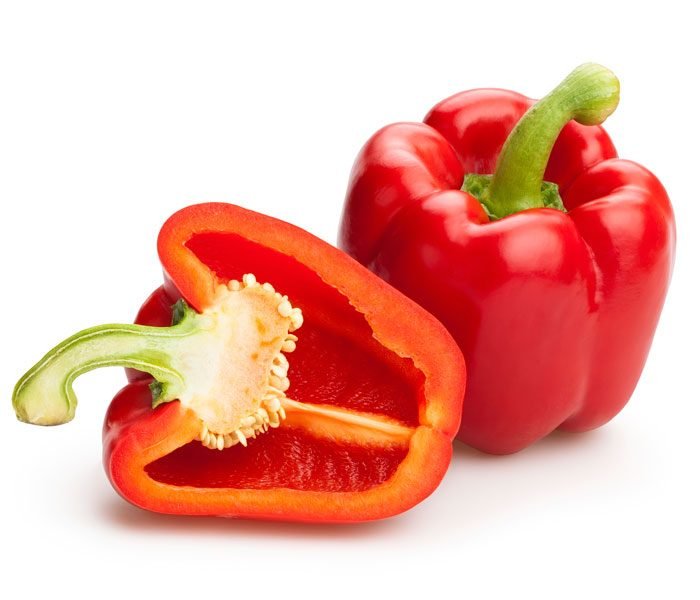
Why it’s perfect for indoors:
Peppers—especially small chili or bell varieties—love warmth and light. Indoors, they can thrive as perennials, producing fruit year-round if kept in the right conditions.

How to grow:
- Container: A pot at least 10–12 inches deep with good drainage.
- Soil: Use nutrient-rich potting soil and feed with an organic fertilizer every few weeks.
- Light: Peppers need 14–16 hours of light daily. Place near a south-facing window or use full-spectrum grow lights.
- Temperature: Keep between 70–80°F for best fruiting.
- Pollination: Tap flowers lightly or use a brush to move pollen.
Best varieties:
- ‘Cayenne’
- ‘Mini Bell’
- ‘Jalapeño Early’
Pro tip: Peppers appreciate humidity—mist leaves regularly or place a small tray of water nearby.
6. Carrots
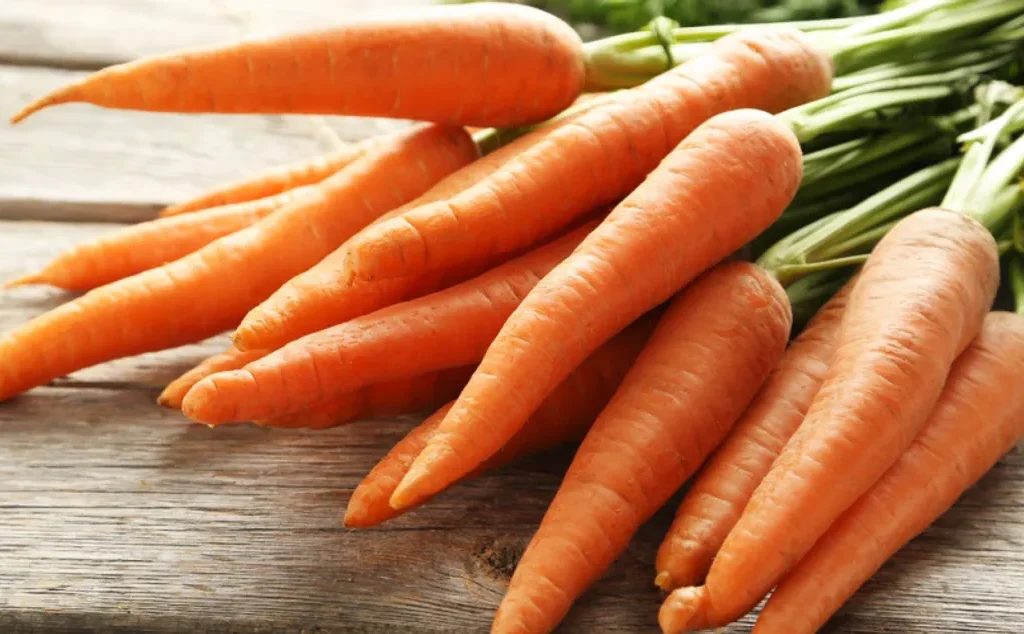
Why it’s perfect for indoors:
Carrots can grow beautifully indoors when planted in deep containers. Smaller varieties are ideal for limited space, and they’re fun to harvest right from your kitchen.
How to grow:
- Container: At least 10–12 inches deep to allow roots to develop fully.
- Soil: Loose, sandy soil with no rocks or clumps. Avoid heavy clay soils.
- Light: 12 hours of bright light each day.
- Watering: Keep the soil evenly moist; drying out can cause roots to crack.
- Harvesting: Pull carrots gently when the tops are about ½–¾ inch wide.
Best varieties:

- ‘Thumbelina’ (small and round)
- ‘Parisian Market’
- ‘Little Finger’
Pro tip: Carrots don’t like to be transplanted—sow seeds directly in their container.
7. Herbs and Microgreens
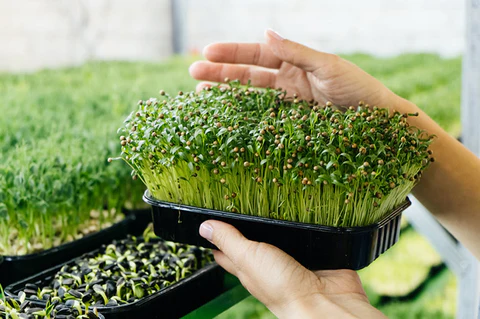
Why they’re perfect for indoors:
Technically not vegetables, but herbs and microgreens are too valuable to leave off the list. They’re compact, fast-growing, and full of flavor—perfect for adding freshness to your dishes year-round.
How to grow:
- Herbs: Basil, parsley, cilantro, and thyme all thrive indoors. Keep them near a sunny window and harvest regularly to encourage new growth.
- Microgreens: Sow seeds of kale, radish, mustard, or arugula densely in shallow trays. Mist daily, and harvest when they’re about 2–3 inches tall (usually within 10–14 days).
- Light: 12–14 hours of bright light for herbs; 8–10 hours is enough for microgreens.
- Watering: Keep soil consistently damp, but avoid standing water.
Bonus benefit: Microgreens are packed with up to 40 times more nutrients than mature plants, making them a healthy indoor gardening choice.
Tips for Successful Indoor Gardening
- Invest in good lighting.
Natural light is great, but most homes need supplemental grow lights for robust vegetable growth. Use LED grow lights with a timer to mimic daylight cycles. - Choose the right containers.
Drainage holes are essential to prevent root rot. Opt for lightweight plastic or fabric pots that breathe well. - Keep humidity in check.
Indoor air—especially during winter—can be dry. Use a humidifier or pebble trays to maintain healthy moisture levels. - Feed your plants regularly.
Container-grown vegetables rely on you for nutrients. Use a balanced liquid fertilizer every 2–3 weeks during active growth. - Rotate and prune.
Turn pots regularly for even light exposure, and trim leaves to promote airflow and prevent mold.
Final Thoughts
Growing vegetables indoors year-round is more than just a gardening hobby—it’s a lifestyle choice that connects you to nature, boosts your well-being, and ensures your kitchen is always stocked with fresh, chemical-free produce.
From leafy greens and crisp carrots to sweet tomatoes and spicy peppers, there’s a vegetable for every space and skill level. With a bit of light, love, and consistency, your indoor garden can thrive through every season.
So, whether you live in an apartment or a house, start small—plant a pot of lettuce or regrow some green onions—and watch your indoor oasis bloom into a thriving, edible paradise.

Leave A Comment