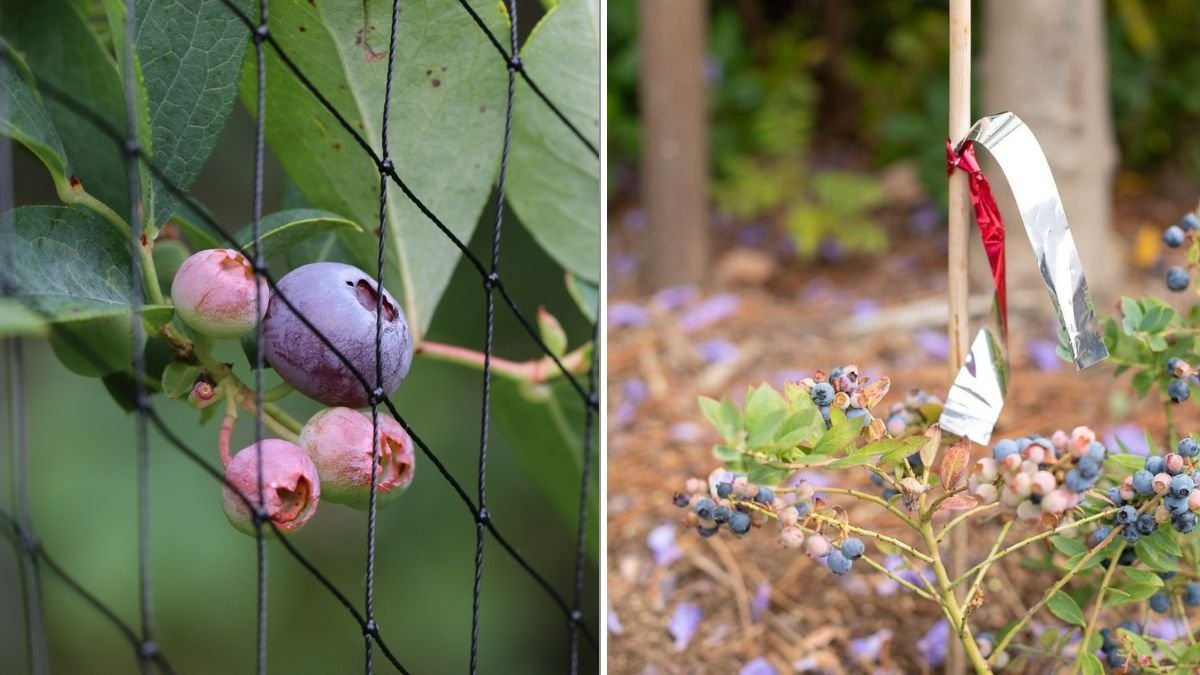
There’s nothing quite like the satisfaction of growing your own juicy strawberries, blueberries, raspberries, or blackberries—until you step into the garden one morning and realize the birds have beaten you to them. A few missing berries might seem harmless at first, but if you’ve ever watched a flock of starlings or robins descend on your berry patch, you know how quickly a full harvest can vanish.
Birds love berries just as much as humans do, and they’re smart, persistent, and quick to adapt. The good news? You don’t have to choose between feeding the wildlife and protecting your crop. With the right combination of physical barriers, deterrents, and smart garden design, you can enjoy your harvest without harming your feathered visitors.
Here’s your complete guide on how to protect berry plants from birds—safely, effectively, and beautifully.
Why Birds Love Berry Plants
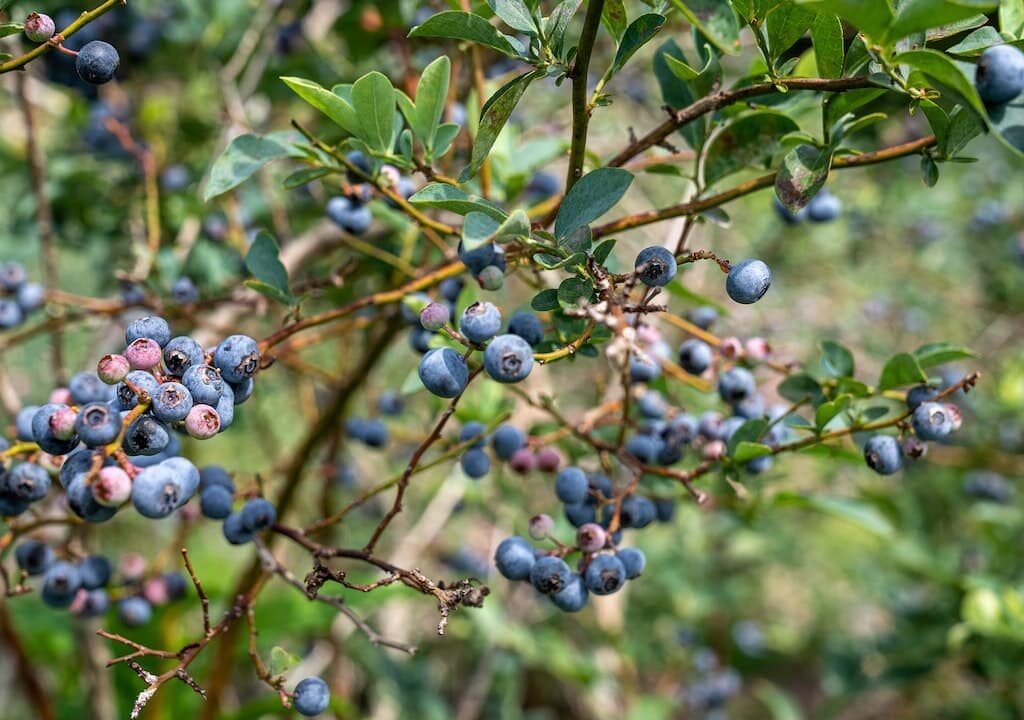
Before diving into solutions, it helps to understand why your garden is such an irresistible buffet.
- Bright Colors: Ripe berries are nature’s candy—vibrant, shiny, and easy to spot from above.
- High Sugar Content: During breeding season, birds crave high-energy foods like ripe fruit to fuel their activity.
- Accessibility: Open patches, low-growing plants, or uncovered shrubs make for easy snacking.
- Water Source: Many berry patches are near moist soil or birdbaths—bonus hydration for visitors.
Understanding their motivations helps you outsmart them with humane, clever defenses.
Step 1: Start with Physical Barriers
When it comes to protecting berries, physical barriers are the most reliable and long-lasting solution. Birds can’t eat what they can’t reach.
1. Bird Netting (Your First Line of Defense)
How it works:
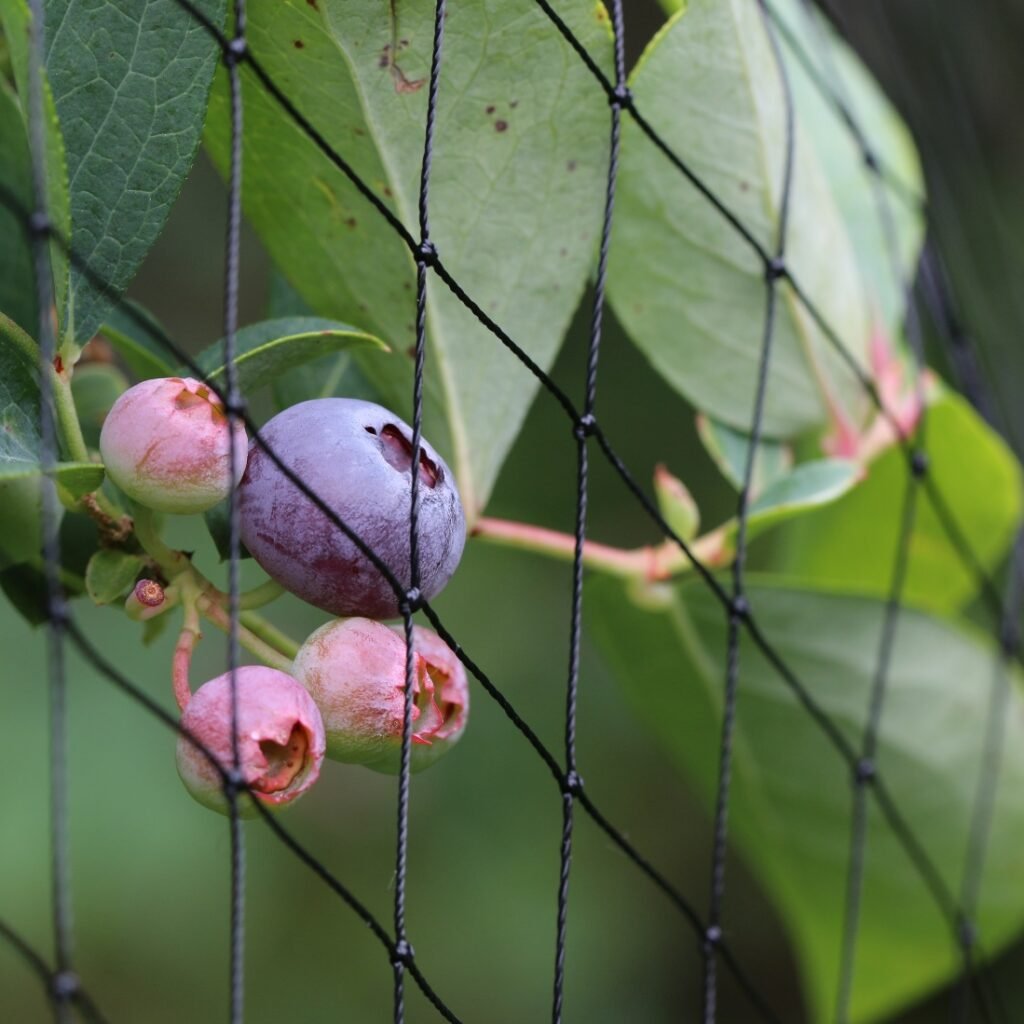
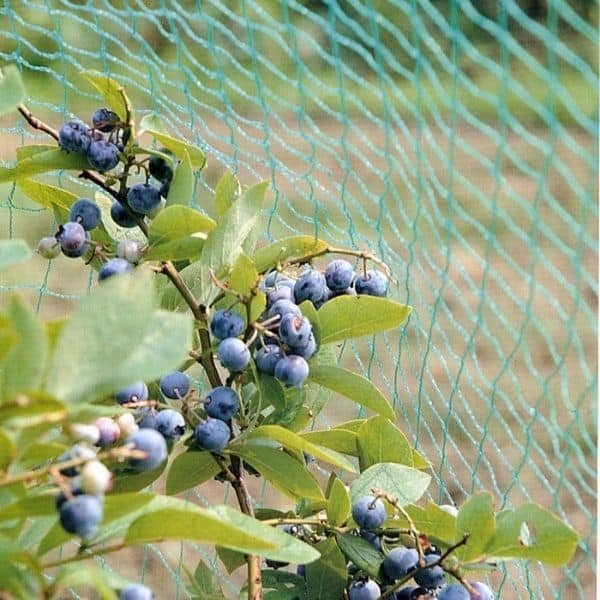
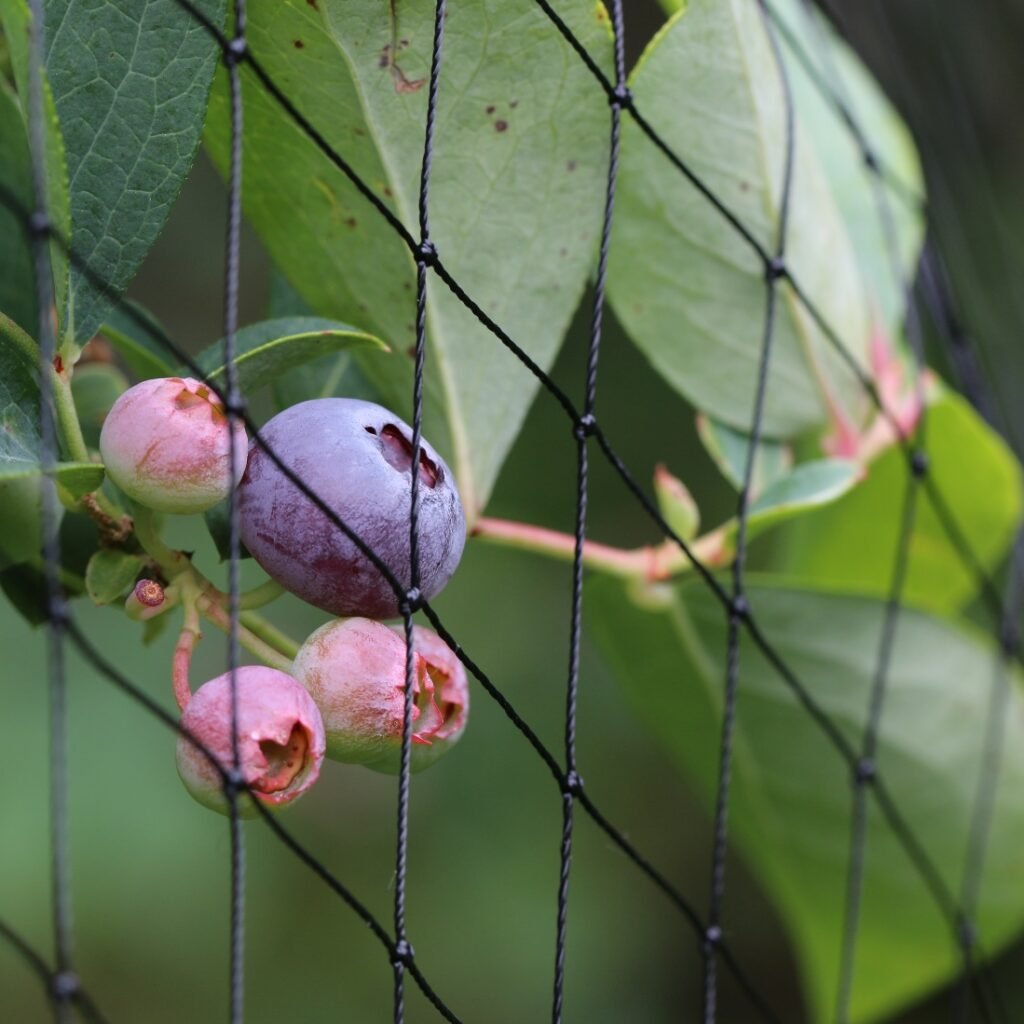
Bird netting creates a fine, flexible mesh barrier over your plants, preventing birds from pecking at your fruit while still allowing sunlight, air, and rain to pass through.
What to use:
- Choose UV-resistant polyethylene netting with small holes (¼-inch or smaller).
- For blueberries, a hoop frame or cage works best to keep netting elevated.
- For strawberries, you can drape netting directly over the plants and secure the edges with garden staples or rocks.
Tips for success:
- Keep netting taut and elevated—loose netting can trap birds.
- Leave enough room inside for pollinators before fruit sets, then cover once berries begin to color.
- Remove after harvest to allow plants to breathe freely.
2. Berry Cages or Enclosures
For larger plantings, a permanent cage or tunnel can save time and frustration.
What to build:
- Construct a simple frame using wood, PVC pipe, or metal poles.
- Cover with bird netting, chicken wire, or hardware cloth.
- Add a hinged door or flap for easy harvesting.
These structures are ideal for perennial berry bushes like blueberries or raspberries. They blend neatly into the garden and can last for years.
3. Floating Row Covers or Garden Fabric
If you’re growing low-lying berries (like strawberries), lightweight garden fabric or floating row covers can work wonders.
Advantages:
- Protects from birds, insects, and harsh weather.
- Lets in sunlight and moisture.
- Easy to remove for pollination.
Secure the fabric’s edges with stones or pins and lift it occasionally to check ripening progress.
Step 2: Use Visual Bird Deterrents
Birds are intelligent but cautious creatures. They avoid unfamiliar or “threatening” movements and reflections. Visual deterrents take advantage of this behavior.

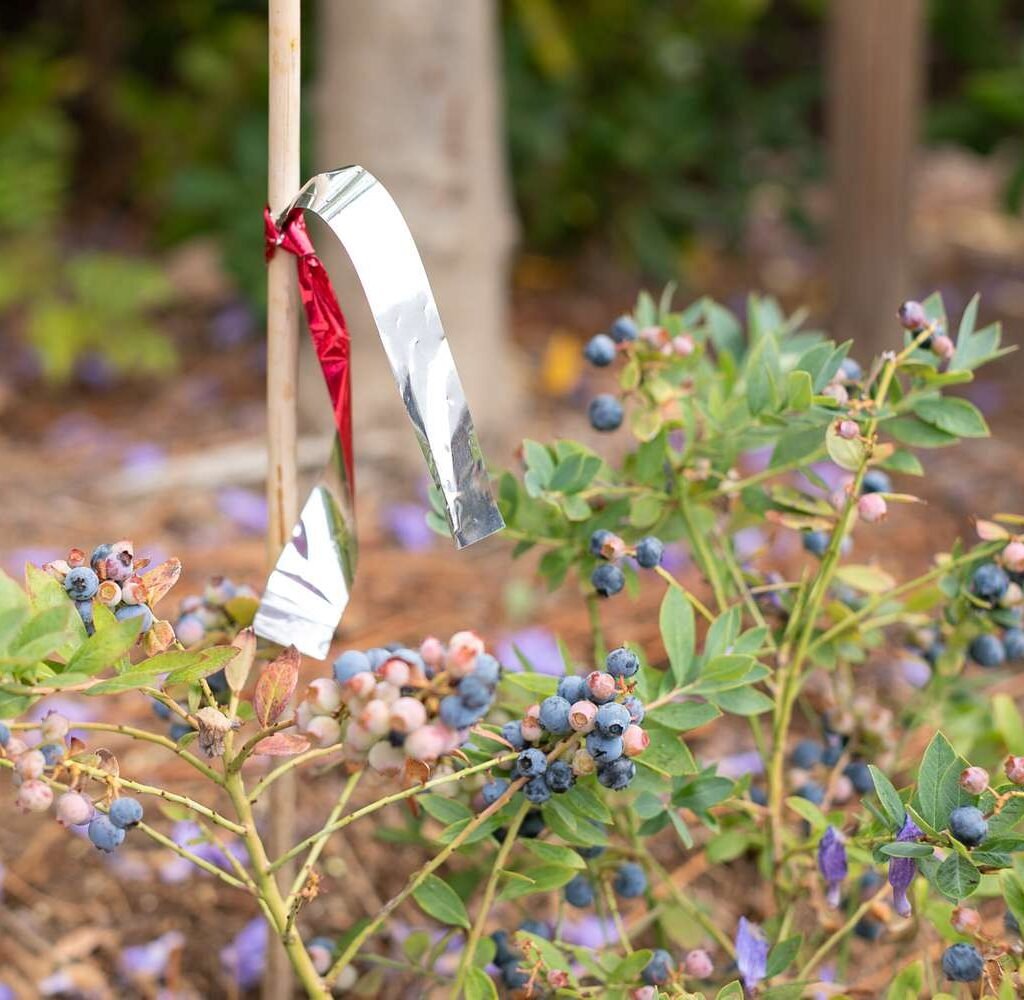
1. Reflective Tape and Streamers
Shiny, moving objects create light flashes that confuse and scare birds.
How to use:
- Hang reflective bird scare tape, old CDs, or aluminum foil strips around your garden.
- Place them near berry clusters where sunlight will hit them directly.
- Replace or reposition occasionally—birds can get used to them over time.
2. Fake Predators (Owls, Hawks, Snakes)
Plastic predator decoys can deter birds temporarily, especially when moved regularly.
Tips for effectiveness:
- Use owl or hawk decoys with moving heads or reflective eyes.
- Move them to new spots every few days to maintain the illusion of danger.
- Mix in rubber snakes among plants for extra realism.
3. Garden Spinners and Pinwheels
Wind-powered movement adds both beauty and function. Brightly colored or metallic spinners reflect light and move unpredictably, keeping birds on edge.
Step 3: Add Sound-Based Deterrents
While less visually appealing, sound deterrents can be very effective when used sparingly.
Options include:
- Wind chimes: Gentle, random noise keeps skittish birds away.
- Ultrasonic bird repellents: Emit high-frequency sounds unpleasant to birds but inaudible to humans.
- Motion-activated devices: Some play predator calls or emit bursts of air when birds approach.
Step 4: Make Your Garden Less Inviting
Sometimes the best protection is simple prevention. By modifying your garden environment, you can reduce its appeal to feathered visitors.

1. Remove Nearby Perches:
Cut back overhanging tree limbs or tall shrubs where birds rest before swooping in for berries.
2. Harvest Frequently:
Pick berries as soon as they ripen—birds are drawn to bright, fully colored fruit.
3. Avoid Leaving Fallen Fruit:
Rotting or leftover berries attract birds (and other pests). Keep your patch clean.
4. Plant Distraction Crops:
Grow sacrificial berry bushes (like mulberries or elderberries) away from your main patch. Birds will often feast there instead.
Step 5: Try Taste and Smell Repellents
If physical and visual barriers aren’t enough, natural repellents can add a protective layer.
1. Bird-Safe Repellent Sprays:
- Use non-toxic sprays made from garlic, peppermint oil, or chili pepper.
- They alter the flavor and scent of berries (harmlessly) to discourage feeding.
- Reapply after rain for best results.
2. Homemade Options:
Mix water with crushed chili peppers or vinegar and spray lightly over leaves—not directly on ripening fruit to avoid flavor changes.
Step 6: Create a Balanced Ecosystem
While it’s frustrating to lose berries to birds, remember they also play a valuable role in the garden. Many eat insects, slugs, and other pests. Instead of waging war, aim for balance.
- Plant decoy zones: Grow wild berry bushes like serviceberries or elderberries at the far end of your yard.
- Offer alternative food sources: A simple bird feeder filled with seeds can divert attention away from your fruit.
- Provide water elsewhere: A birdbath away from your patch reduces berry pecking for hydration.
This approach lets you coexist with wildlife while still enjoying a full harvest.
Step 7: Combine Methods for Best Results
The most effective bird protection strategy uses layers of defense.
Try combining:
- Netting or cages (physical barrier)
- Reflective tape and motion decoys (visual deterrents)
- Wind chimes or ultrasonic devices (sound deterrents)
- Frequent harvesting and garden hygiene
This multi-sensory approach confuses birds and prevents them from adapting.
Step 8: When to Install Bird Protection
Timing matters just as much as technique.
- For strawberries: Install netting when flowers begin forming fruit.
- For blueberries and raspberries: Protect bushes when berries first show color.
- For blackberries: Cover before the first fruits turn deep red or purple.
Keeping deterrents in place for the few critical weeks of ripening can save nearly your entire crop.
Final Thoughts
Birds are part of the natural rhythm of a thriving garden—but that doesn’t mean you have to share every berry. With smart planning, humane deterrents, and consistent maintenance, you can protect your plants without harming wildlife or compromising aesthetics.
Start by covering your berry patch with netting or a cage, then add reflective, motion, or sound-based deterrents for extra protection. Harvest regularly, keep your garden tidy, and consider planting distraction crops if you have space.
By combining these techniques, you’ll enjoy baskets of fresh, unpecked berries while still welcoming the cheerful songs of your feathered friends.
Your garden can be both bird-friendly and berry-full—and with these tips, you’ll never lose another harvest to a hungry flock again.

Leave A Comment