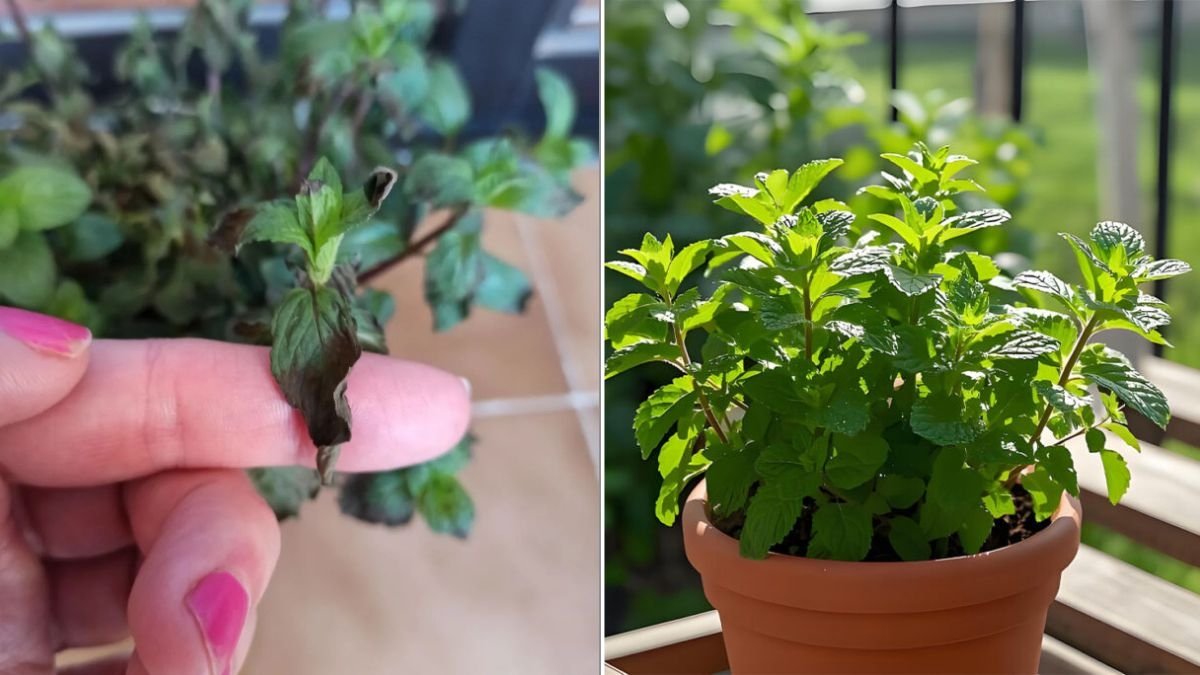
There’s nothing quite as frustrating as watching your once-lush mint plant go from vibrant green to droopy, lifeless stems. Mint is supposed to be one of the easiest herbs to grow—so why does it keep wilting on you? Whether it’s in a garden bed, on your kitchen windowsill, or in a small pot on your balcony, mint can be surprisingly sensitive to its environment. Luckily, reviving a wilted mint plant isn’t just possible—it’s often quite simple once you understand what’s going wrong.
Here’s a complete guide to why your mint keeps wilting and the steps you can take to bring it back to life (and keep it thriving year-round).
Understanding Mint: A Hardy Herb With a Few Demands
Mint belongs to the Mentha family, which includes popular varieties like spearmint, peppermint, and chocolate mint. It’s known for being a vigorous grower—so much so that it can easily take over a garden bed if not contained. But while it’s hardy, mint has one non-negotiable requirement: the right balance of moisture, light, and air circulation.
When these needs aren’t met, your mint plant starts sending distress signals in the form of wilting, yellowing leaves, or stunted growth.
1. The Most Common Cause: Inconsistent Watering
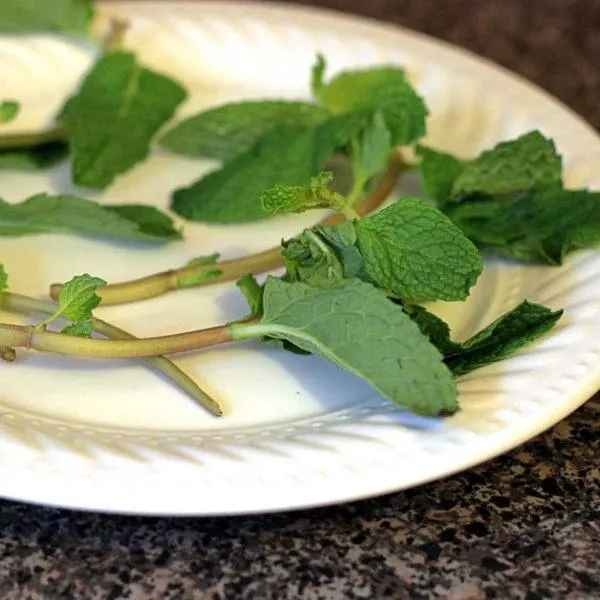
If your mint looks droopy, the first thing to check is water. Both underwatering and overwatering can cause wilting.
- Underwatering:
Mint thrives in evenly moist soil. If the top inch of the soil feels dry, your plant is thirsty. Drought stress causes the stems to droop and the leaves to lose their firmness. - Overwatering:
Surprisingly, too much water can do just as much damage. Constantly soggy soil suffocates the roots and invites fungal diseases like root rot, making it impossible for the plant to absorb nutrients.
Fix it:

- Stick your finger into the soil—if it’s dry more than 1 inch down, water deeply.
- If the soil feels soggy, stop watering and allow it to dry out.
- Ensure your pot or garden bed has proper drainage holes. Mint hates sitting in waterlogged soil.
- For potted plants, use a light, well-draining potting mix rather than heavy garden soil.
Revival Tip:
If you suspect root rot, gently remove the plant from its pot, trim off black or mushy roots, and replant in fresh, dry soil.
2. Too Much (or Too Little) Sunlight
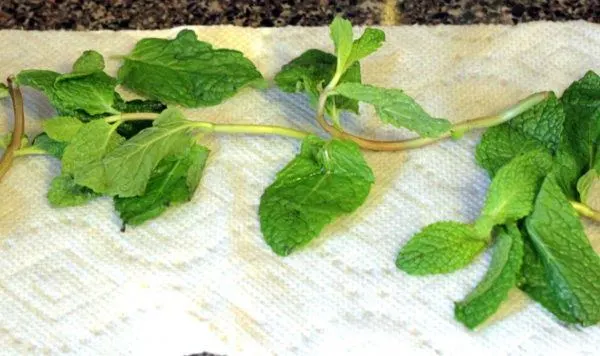
Mint loves sunlight, but too much direct heat can cause wilting—especially during hot afternoons. On the other hand, not enough light can lead to thin, weak stems.
Ideal conditions:
- Mint prefers 4–6 hours of bright, indirect sunlight each day.
- Morning sun with afternoon shade is perfect, especially in warmer climates.
Signs of light issues:
- Scorched leaves: Too much sun exposure.
- Leggy growth: Not enough light.
- Drooping or curling: Heat stress or dehydration.
Fix it:
Move your plant to a spot with filtered light—like a windowsill that gets morning light or a shaded patio. If indoors, rotate the pot every few days to ensure even light exposure.
3. Poor Air Circulation or Crowding
Mint grows fast—and that can lead to overcrowding. When plants are too close together, air circulation decreases, creating a humid environment where fungal issues thrive.

Fix it:
- Thin out crowded stems every few weeks.
- Trim back the top growth regularly to encourage bushier growth.
- If you’re growing multiple herbs, give each one space to breathe—about 8–12 inches apart.
Pro Tip:
Frequent pruning not only prevents disease but also helps the plant channel energy into new growth. Plus, you get a steady supply of fresh leaves!
4. Nutrient Imbalance or Old Soil
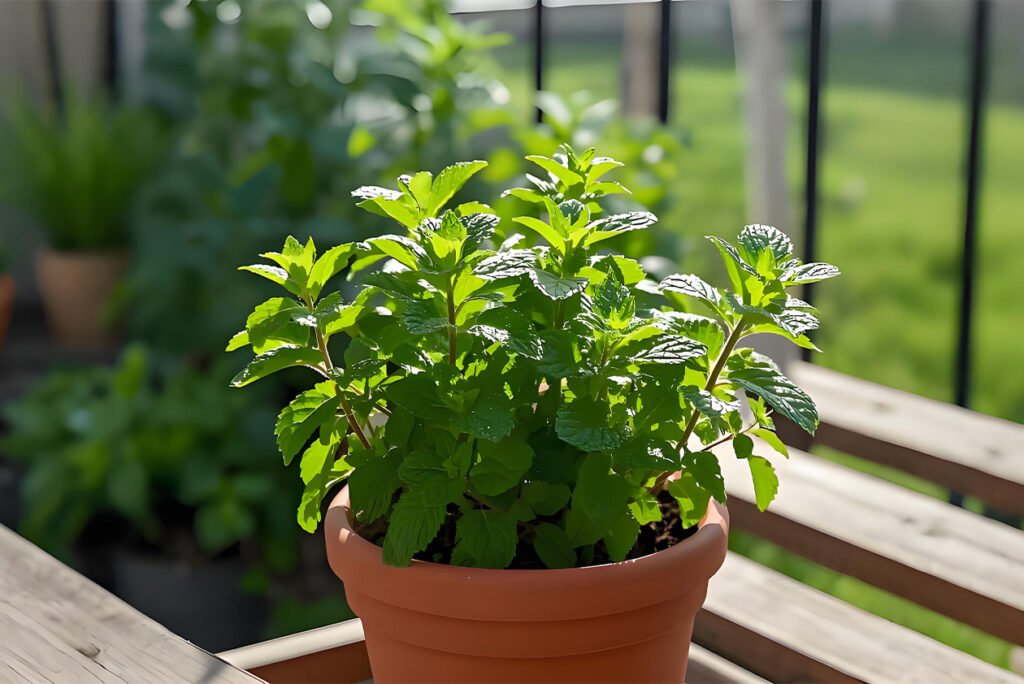
Even hardy herbs need nutrients. Over time, the soil’s nutrient levels deplete, leaving your mint starved. On the other hand, too much fertilizer can burn roots and cause wilting.
Signs of nutrient problems:
- Pale or yellowing leaves (nitrogen deficiency)
- Weak stems or small leaves
- Wilting despite proper watering
Fix it:
- Feed your mint with a balanced, water-soluble fertilizer (like 10-10-10) every 4–6 weeks during the growing season.
- Avoid heavy fertilization—it can lead to excessive, floppy growth with weak flavor.
- Repot container mint every spring with fresh potting soil to restore nutrients and improve drainage.
5. Container Issues: Root Bound or Poor Drainage
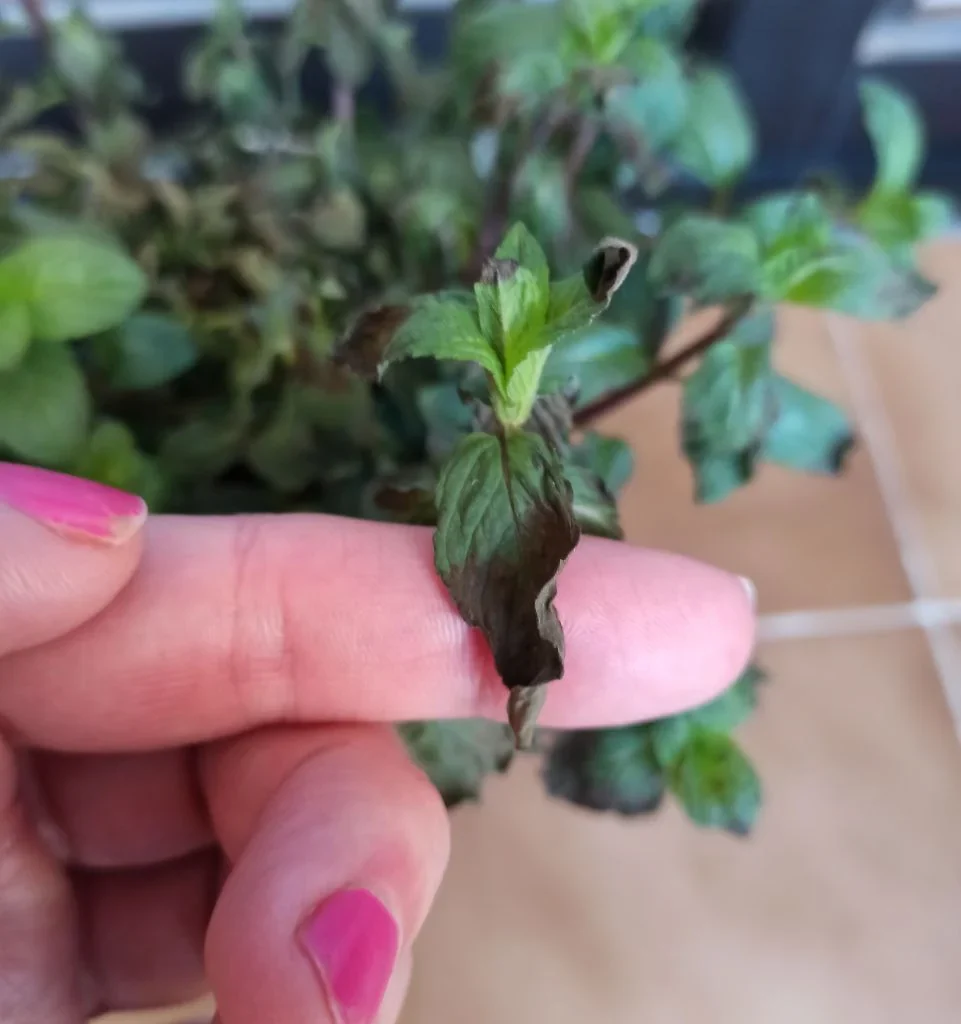
If your mint lives in a pot, the container itself might be the culprit. Mint’s roots expand rapidly, and when they outgrow their space, they become root-bound—tightly circling the pot and competing for water.

How to tell:
- Water drains straight through without moistening the soil.
- Roots are visible through the drainage holes.
- The plant wilts quickly after watering.
Fix it:
- Remove the mint from the pot and inspect the roots.
- If they’re tangled or spiraled, gently tease them apart.
- Replant into a larger pot (at least 2 inches wider than the old one).
- Use fresh potting mix and water well.
Mint responds quickly to repotting—within a week or two, you’ll see new, vibrant growth.
6. Pests and Fungal Diseases
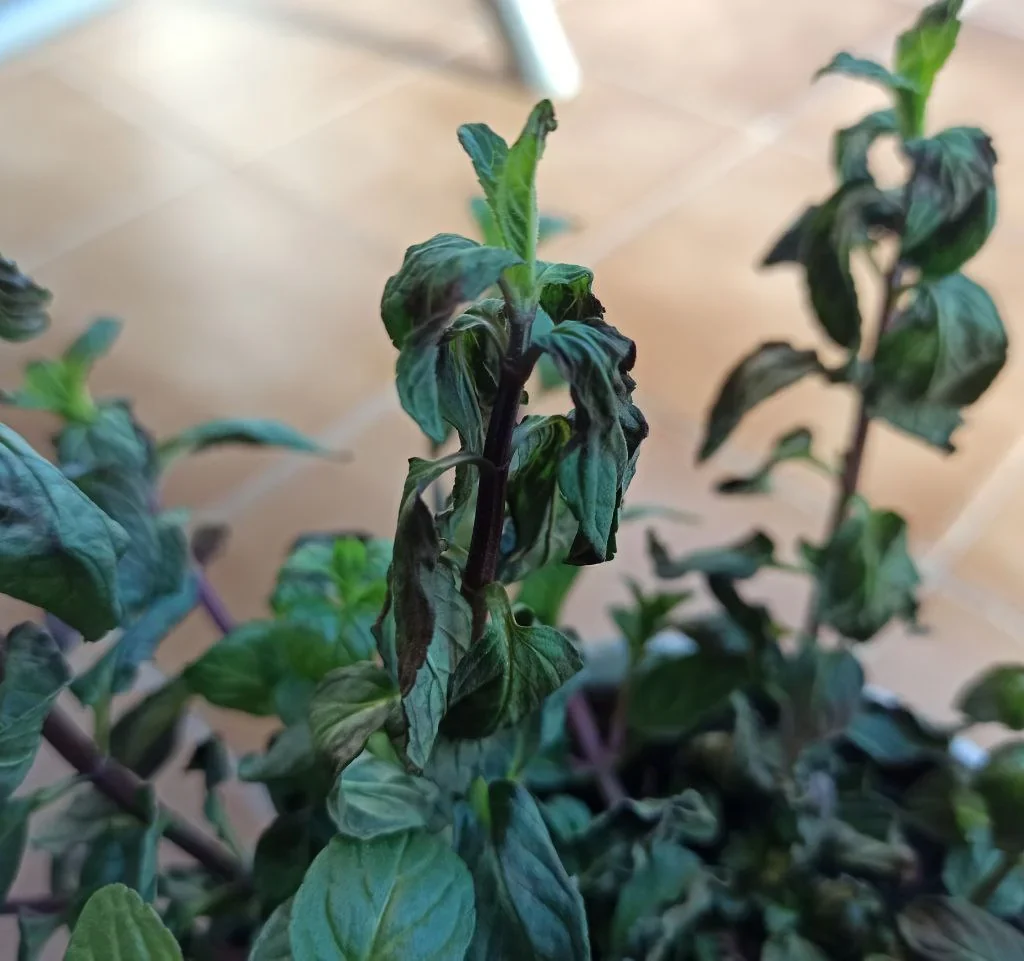
Even healthy mint can fall victim to pests like aphids, spider mites, or whiteflies, all of which suck the sap from leaves and cause wilting. Fungal issues such as powdery mildew or rust can also weaken the plant.
What to look for:
- Sticky residue or small insects on leaves
- White powdery coating (powdery mildew)
- Orange or brown spots on the underside of leaves (rust)
Fix it naturally:

- Rinse the leaves gently with water to dislodge pests.
- Spray the plant with a mix of neem oil and water once a week.
- Trim away heavily infested or diseased leaves.
- Improve air circulation and avoid overhead watering.
For organic gardeners, neem oil is a safe and effective solution that won’t harm your edible leaves.
7. Environmental Stress: Sudden Changes in Temperature or Humidity
Mint plants dislike abrupt changes. Moving them from indoors to outdoors (or vice versa) without acclimating them can lead to wilting due to shock.
Fix it:
- Gradually transition plants by placing them outdoors for a few hours each day over a week.
- Keep indoor mint away from air conditioners or heat vents.
- Mist the leaves occasionally in dry indoor environments.
Maintaining stable conditions helps your mint adjust without stress.
How To Revive a Wilting Mint Plant (Step-by-Step Guide)
If your mint is already drooping, don’t panic. Here’s a simple rescue plan:
- Trim the damage:
Cut away any yellow, brown, or wilted leaves. Pruning encourages the plant to focus on new growth. - Check the soil:
Adjust watering—hydrate dry soil or let soggy soil dry out. - Repot if necessary:
Move the mint to a larger pot with fresh, well-draining soil if roots are cramped or diseased. - Adjust light and temperature:
Place the plant where it gets bright but gentle light and stays between 60–75°F (15–24°C). - Feed lightly:
After recovery, apply a mild fertilizer or compost tea to restore nutrients. - Stay patient:
Within 1–2 weeks, new shoots should begin to emerge. Mint is resilient—once the roots recover, it bounces back quickly.
Keeping Your Mint Thriving Long-Term
Once your mint is revived, focus on preventive care:
- Water regularly, but don’t drown it. Keep soil moist, not soggy.
- Prune weekly to encourage new shoots and prevent legginess.
- Harvest often—frequent picking promotes healthy regrowth.
- Divide your plants every spring to prevent root crowding.
- Refresh the soil annually with compost or organic fertilizer.
A happy mint plant rewards you with lush, fragrant leaves perfect for tea, desserts, and summer cocktails.
Final Thoughts
A wilting mint plant doesn’t mean failure—it’s simply your plant’s way of communicating. Most often, a quick adjustment to watering, sunlight, or soil can make all the difference. Think of mint as a gentle teacher in the garden: once you learn its rhythms, it becomes nearly unstoppable.
With the right care, your once-droopy mint can return to its lively, aromatic glory—ready to perfume your garden and brighten your kitchen once again.

Leave A Comment