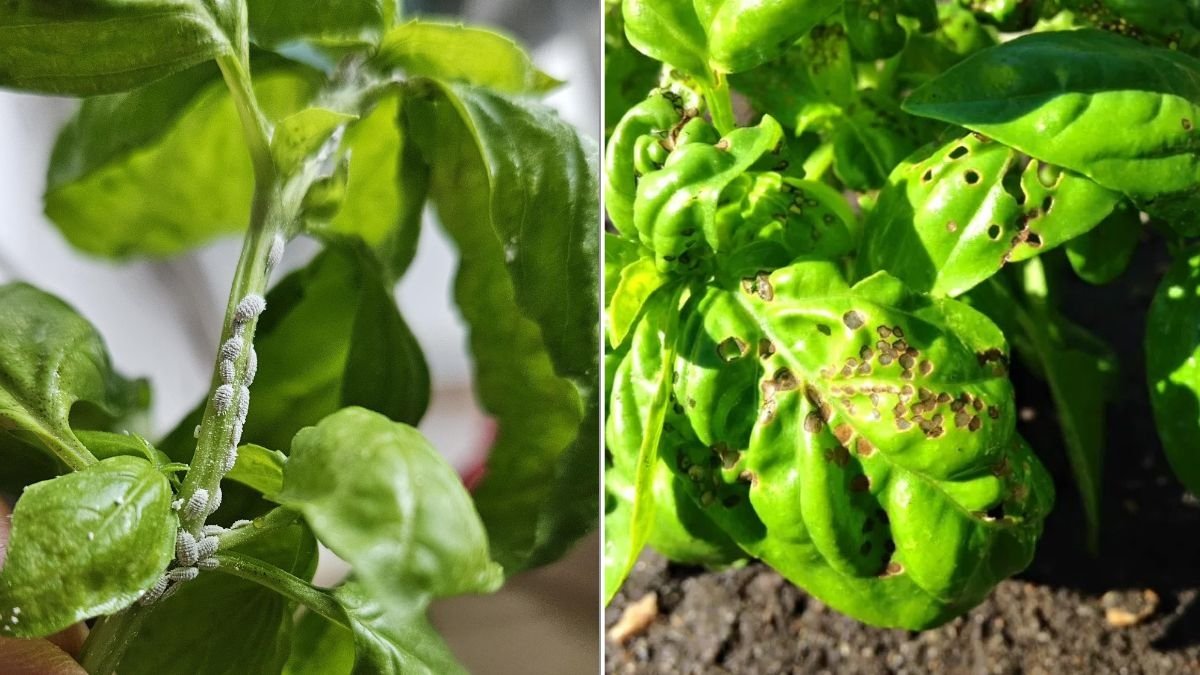
Few things compare to the joy of snipping fresh basil from your garden to top a pasta dish or craft the perfect pesto. But if you’ve ever walked outside to find your basil leaves chewed, hole-ridden, or mysteriously discolored, you’re not alone. Basil—despite its strong aroma and essential oils—is a magnet for pests.
Aphids, whiteflies, slugs, spider mites, and Japanese beetles are just a few of the unwelcome guests that love basil as much as we do. The good news? You don’t need chemical sprays to keep them away. Nature provides plenty of safe, effective, and eco-friendly ways to protect your basil from pests naturally—and ensure your plants stay lush, green, and flavorful all season long.
Here’s your complete, detailed guide on how to do it.
Why Basil Attracts Pests
Basil’s rich aroma and tender leaves make it irresistible not just to humans but to insects as well. The plant’s essential oils contain compounds that, while fragrant to us, actually act as feeding stimulants for certain pests.
Common culprits include:
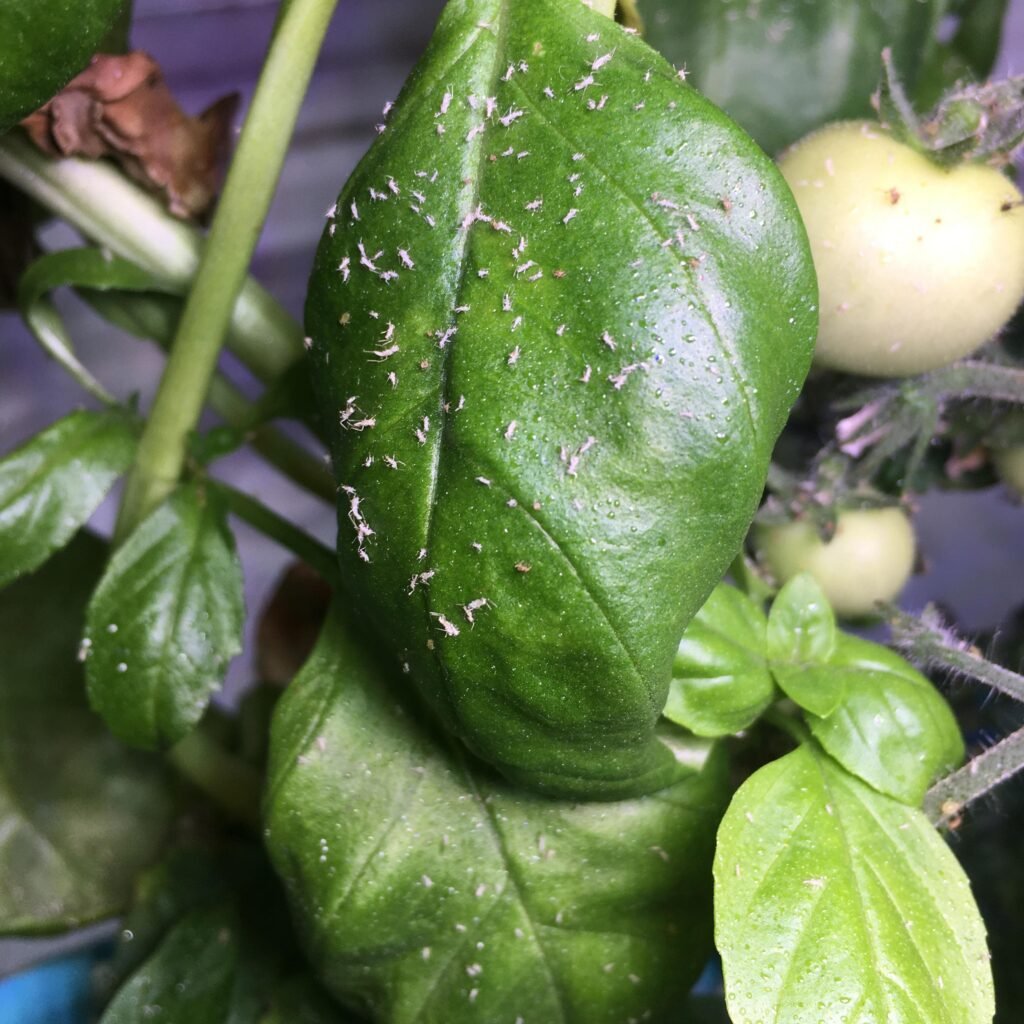
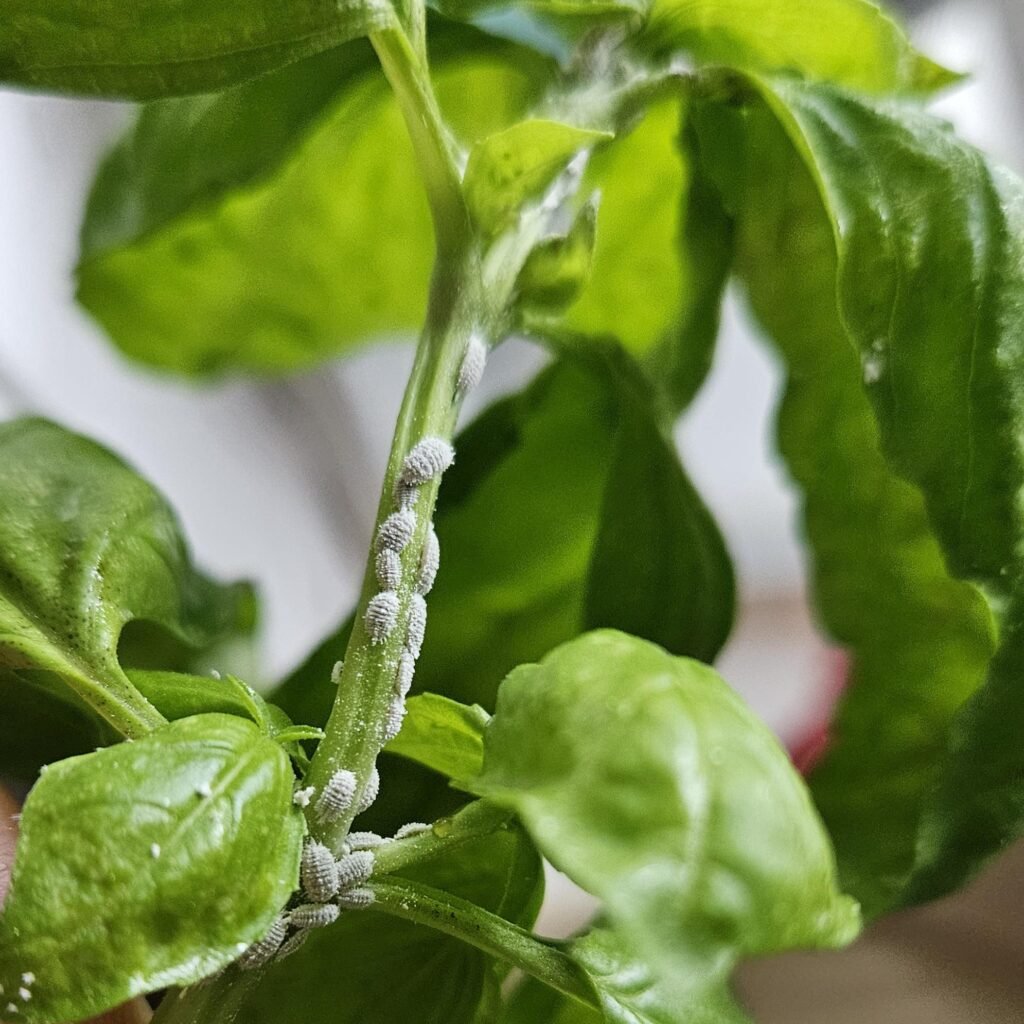
- Aphids: Tiny green, black, or white bugs that suck sap and leave behind sticky residue.
- Whiteflies: Small, moth-like insects that gather on the undersides of leaves.
- Spider mites: Almost invisible red or brown dots that create fine webbing.
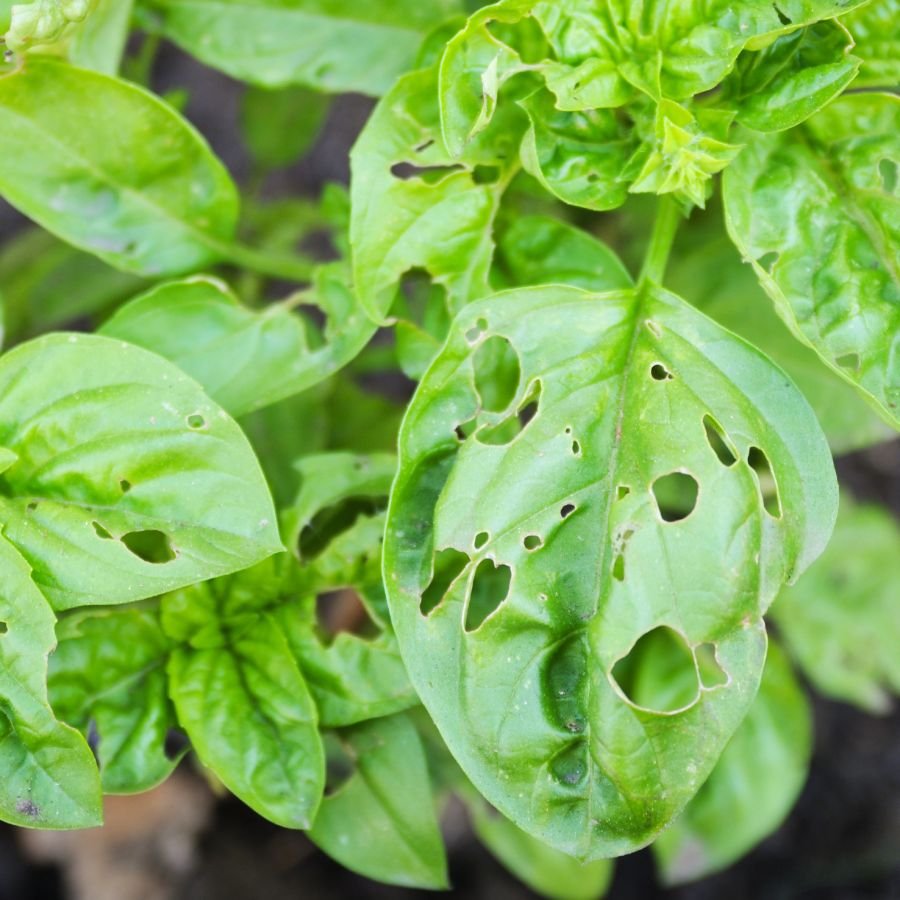
- Slugs and snails: Chew irregular holes in leaves, especially in damp conditions.
- Japanese beetles: Metallic beetles that skeletonize leaves quickly.
- Thrips: Tiny insects that leave silvery streaks on basil leaves.
Knowing which pest you’re dealing with helps you choose the right natural control method.
Step 1: Start With Healthy Soil
Healthy plants are naturally more resistant to pests. The first line of defense starts underground—with strong roots and balanced soil.
How to do it:
- Use rich, well-draining potting soil mixed with compost or worm castings.
- Maintain soil moisture but avoid overwatering—wet soil attracts fungus gnats and slugs.
- Add organic matter (like compost tea or fish emulsion) every few weeks to strengthen plant immunity.
- Ensure good air circulation between plants; overcrowding encourages pest buildup.
Healthy soil supports robust growth, making it harder for insects to damage your basil significantly.

Step 2: Practice Smart Planting and Spacing
Certain plants naturally repel pests that target basil. Planting them nearby is an age-old, chemical-free trick called companion planting.
Best basil companions:
- Marigolds: Their scent repels aphids and whiteflies.
- Chives and garlic: Naturally deter spider mites and beetles.
- Oregano and thyme: Their strong aroma confuses pests.
- Mint: Keeps away aphids—but keep it in a separate pot (mint spreads aggressively).
Avoid planting basil near:
- Rue or sage, which can stunt basil’s growth.
Spacing tip:
Plant basil at least 12 inches apart to allow airflow. Stagnant, humid air invites spider mites and fungal pests.
Step 3: Inspect Regularly
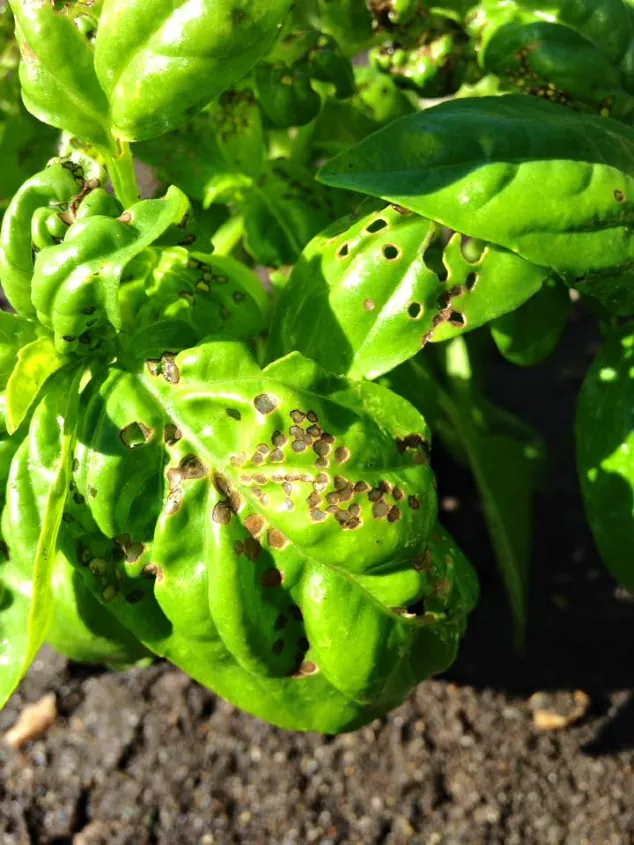
A daily or every-other-day glance at your basil can save the plant before an infestation gets out of control.
What to look for:
- Discolored, curled, or sticky leaves (signs of aphids or whiteflies).
- Tiny webs or specks under leaves (spider mites).
- Holes or slime trails (slugs or snails).
What to do immediately:
- Remove affected leaves and discard them.
- Rinse the plant gently with water to knock off visible insects.
- For severe cases, prune heavily infested stems to prevent spread.
Early action is your best natural pest control.
Step 4: Use Natural Sprays
You can make effective pest repellents right in your kitchen using safe, non-toxic ingredients. These homemade sprays protect basil without harming beneficial insects like bees or ladybugs.

1. Garlic Spray
Ingredients:
- 2 whole garlic bulbs
- 1 tablespoon mild liquid soap
- 1 quart (1 liter) of water
Instructions:
- Blend garlic and water.
- Let it sit overnight, then strain.
- Add soap and pour into a spray bottle.
- Spray both sides of the leaves every few days.
Effect: Repels aphids, beetles, and spider mites.
2. Chili Pepper Spray
Ingredients:
- 1 tablespoon red pepper flakes or fresh chili
- 1 quart water
- A few drops of dish soap
Instructions:
Boil pepper in water for 10 minutes, cool, strain, add soap, and spray on basil.
Effect: Keeps away chewing insects like beetles and caterpillars.
3. Neem Oil Spray
Ingredients:
- 1 teaspoon cold-pressed neem oil
- 1 teaspoon mild soap
- 1 quart water
Instructions:
Mix all ingredients and spray directly onto leaves once a week.
Effect: Works as a natural insecticide and antifungal treatment. Safe for organic gardening.

4. Lemon Spray
Ingredients:
- Peels from 2 lemons
- 1 pint boiling water
Instructions:
Steep peels overnight, strain, pour into a spray bottle, and mist over basil.
Effect: Repels aphids and whiteflies while leaving a fresh scent.
Step 5: Attract Beneficial Insects
Not all insects are enemies. Ladybugs, lacewings, and parasitic wasps feed on the very pests that attack basil. Encouraging them naturally keeps the balance in your garden.
How to attract beneficial insects:
- Plant dill, fennel, or yarrow nearby—they produce nectar that attracts ladybugs.
- Avoid broad-spectrum pesticides (even organic ones) that kill helpful insects.
- Keep a small water source or shallow dish nearby for insects to drink from.
A single ladybug can eat up to 50 aphids a day, making it one of nature’s best pest control agents.
Step 6: Control Slugs and Snails Naturally
Slugs and snails are nocturnal leaf-chewers that love basil’s tender growth.
Natural ways to control them:
- Copper tape: Place around pots—slugs avoid crossing it due to a mild electric reaction.
- Beer traps: Bury shallow dishes filled with beer near plants. The yeast attracts slugs, and they drown in it.
- Diatomaceous earth: Sprinkle a ring around basil plants. The fine powder dehydrates soft-bodied pests.
- Hand-pick: Go slug-hunting at dusk or dawn with gloves and remove them manually.
Step 7: Maintain Proper Watering Habits
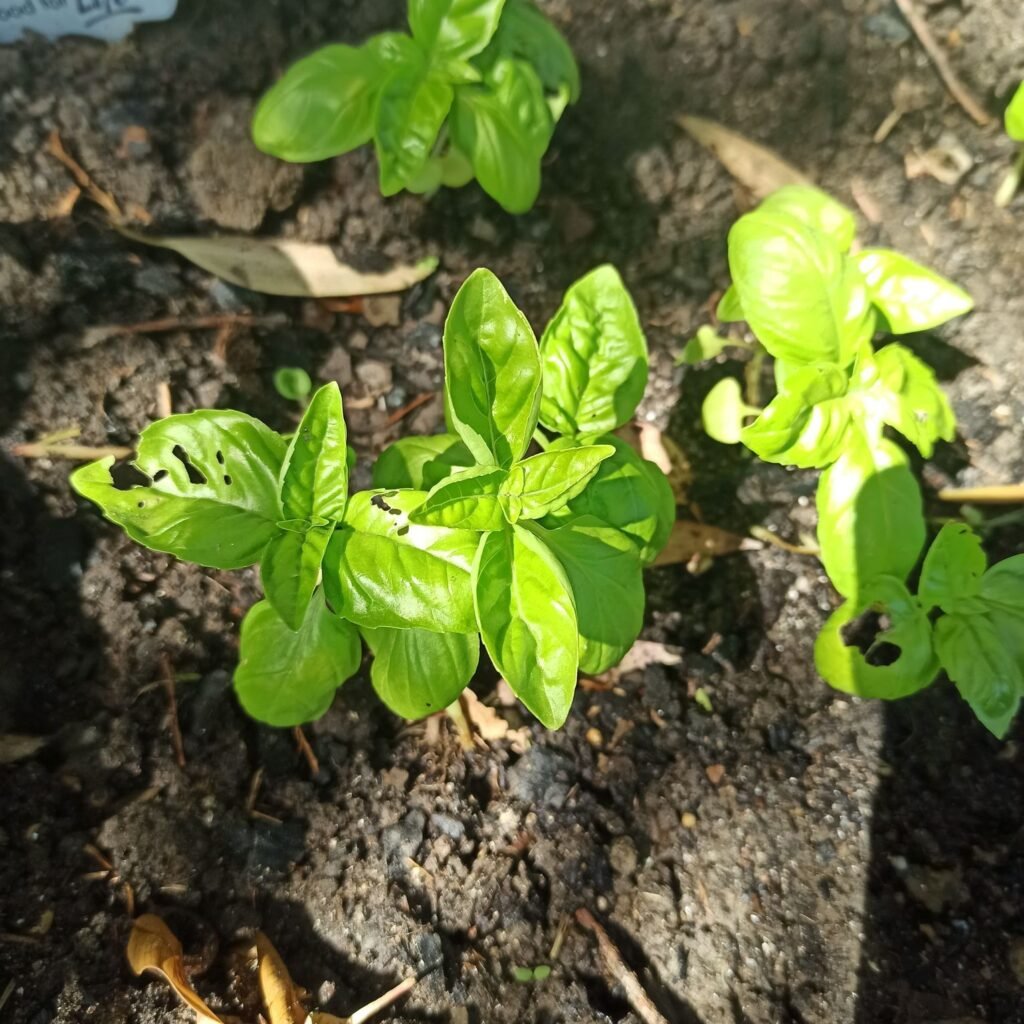
Basil thrives in moist but well-drained soil. Overwatering invites fungus and pests like fungus gnats, while underwatering stresses plants, making them more vulnerable.

Watering tips:
- Water early in the morning to allow leaves to dry during the day.
- Avoid wetting the foliage; aim for the soil base instead.
- Check the soil’s top inch—if it’s dry, it’s time to water.
Balanced moisture discourages pests and promotes stronger, pest-resistant growth.
Step 8: Prune and Harvest Frequently
Regular pruning not only keeps basil bushy and productive—it also prevents pest buildup. Pests tend to gather on old or overcrowded leaves.
How to prune correctly:
- Pinch off stems just above a leaf node (where two leaves meet the stem).
- Remove any flowers immediately—they divert energy from leaf production.
- Dispose of trimmings away from the garden if they show pest damage.
This keeps your basil healthy, encourages constant growth, and makes it less attractive to invaders.
Step 9: Rotate and Refresh
If you grow basil year after year in the same soil, pests and fungal spores can accumulate.
To prevent this:
- Rotate basil pots or plant in a different area each season.
- Refresh potting soil every few months with compost.
- Disinfect containers with mild vinegar or soapy water before replanting.
Rotation breaks the pest life cycle and reduces long-term infestations naturally.
Step 10: Use Physical Barriers
Sometimes the simplest methods are the most effective.
Protective measures:
- Fine mesh netting or floating row covers keep beetles and flies away without chemicals.
- Mulching with straw or bark helps deter crawling pests and maintains moisture.
- For potted basil, bring plants indoors during pest-heavy months or at night.
Barriers are especially useful for small, container-grown basil plants where prevention is easier than cure.
Bonus Tip: Choose Pest-Resistant Basil Varieties
Some basil cultivars naturally repel pests better than others thanks to higher concentrations of essential oils.
Try these varieties:
- Lemon basil: High in limonene, deterring aphids.
- Cinnamon basil: Naturally resists mites.
- Thai basil: Tougher leaves less appealing to chewing insects.
A little variety goes a long way in creating a pest-resistant basil garden.
Final Thoughts
Protecting your basil from pests doesn’t have to mean reaching for harsh chemicals. Nature offers everything you need to defend your plants—garlic, neem oil, helpful insects, smart planting techniques, and good old-fashioned vigilance.
When you build a thriving ecosystem rather than fight against it, your basil rewards you with lush growth, vibrant flavor, and an endless harvest all season long.
So next time you spot a hole in your basil leaf, don’t panic—reach for your homemade garlic spray, invite some ladybugs to the party, and let nature do what it does best: restore balance.

Leave A Comment