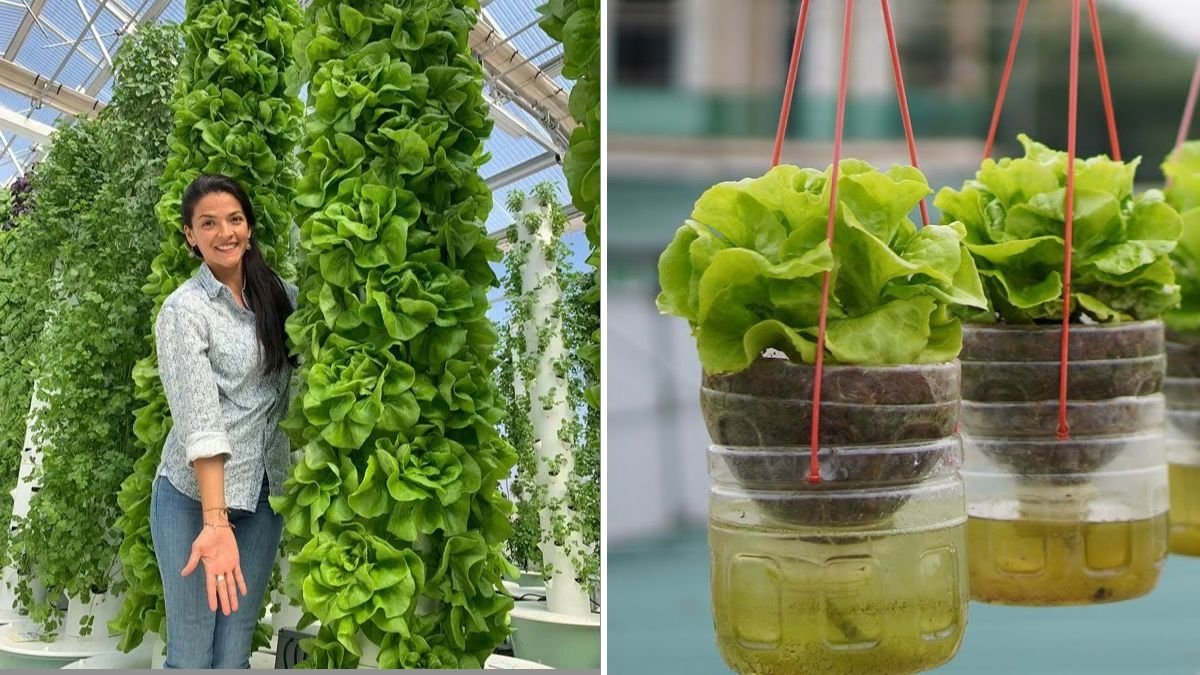
Imagine walking out to your balcony or backyard and picking fresh, crisp lettuce every single day — all without ever having to water the plants. Sounds impossible? That’s the magic behind the revolutionary “Hanging Garden Growing Lettuce Without Watering” method that’s taken YouTube and home gardening communities by storm.
This innovative approach not only saves time and water but also produces stunningly healthy and abundant lettuce crops. By combining clever design, soil science, and natural capillary action, gardeners are discovering how to grow lettuce in hanging systems that practically take care of themselves.
Whether you’re short on space, live in a dry region, or simply want to make your gardening routine more efficient, this no-water lettuce system can transform your gardening experience — and your salads.
Step 1: The Concept — How Can Lettuce Grow Without Watering?
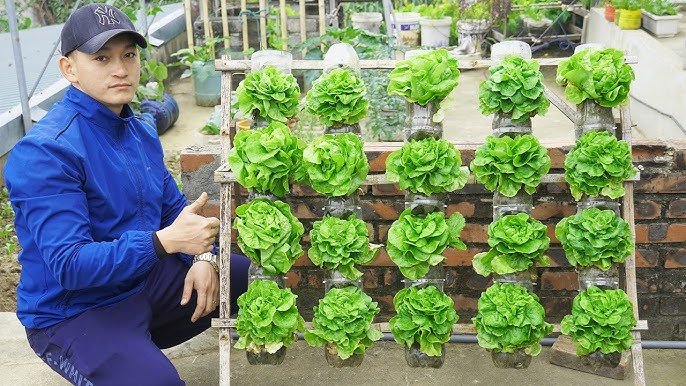
At first glance, “growing lettuce without watering” sounds like a gardening myth. But the secret lies in self-watering hanging systems that create a controlled, moisture-retaining environment.
Here’s how it works:
- The hanging garden uses a reservoir or moisture-retaining layer at the base.
- A wicking mechanism — often fabric strips, cotton ropes, or coconut fibers — draws water upward through capillary action.
- The plants take up only the moisture they need from below, eliminating both overwatering and drought stress.
This setup mimics the way nature hydrates plants after rain — from below the soil surface — leading to healthier roots and faster growth.
When combined with nutrient-rich, lightweight soil and the perfect hanging structure, the results are astonishing: lush, water-efficient, and continuous lettuce harvests.
Step 2: Choosing the Right Hanging Structure
The foundation of this system is the container or structure where your lettuce will grow. There are many designs you can try, depending on your available space and materials:
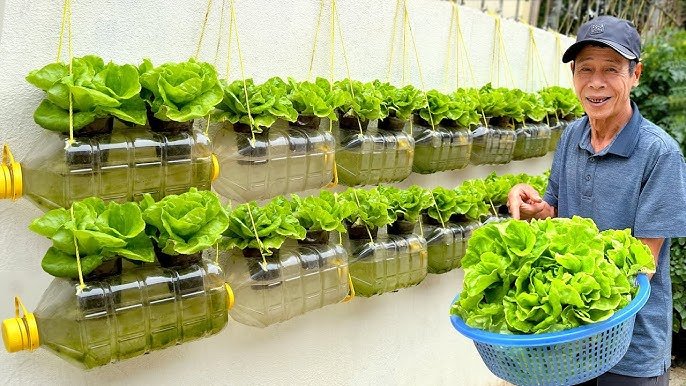
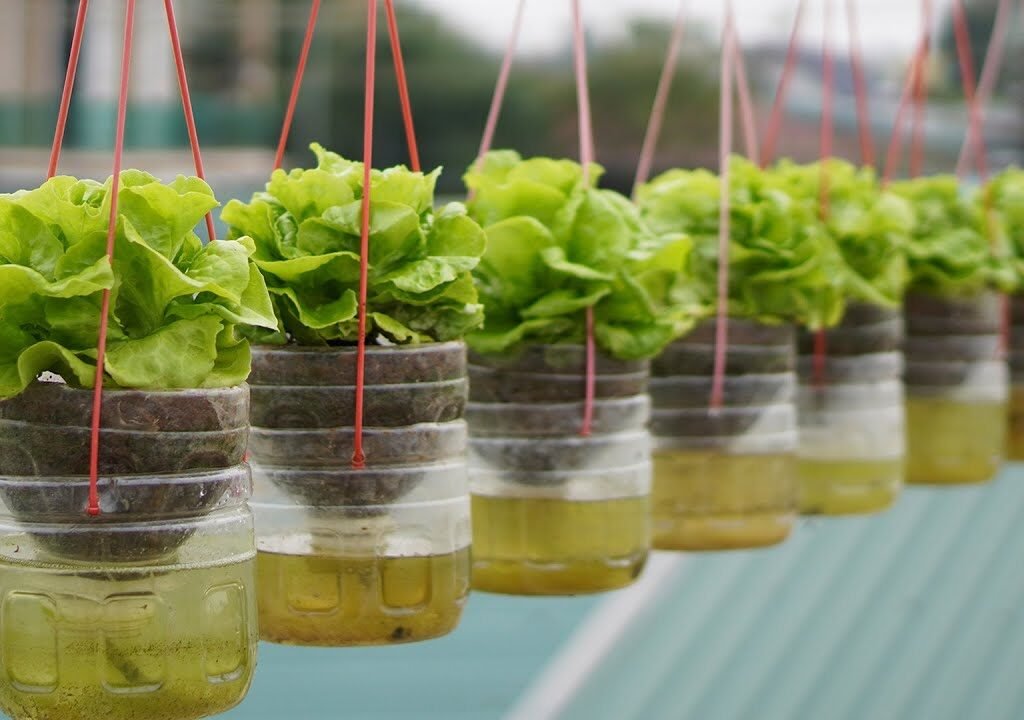
- Hanging Buckets or Plastic Bottles: Recycled containers with drainage holes work perfectly.
- Tiered Hanging Baskets: Great for balconies or patios, they maximize vertical space.
- PVC Pipe Planters: A creative option for a “wall garden” effect — lightweight and easy to maintain.
- Fabric Grow Bags or Vertical Garden Pockets: These naturally promote airflow and root health.
Ensure each container has:
- A water reservoir at the bottom.
- A wicking system (cotton rope or cloth strip) that connects the water base to the soil.
- Drainage holes or overflow points to prevent flooding.
The key is maintaining consistent moisture — not too dry, not too wet.
Step 3: Preparing the Perfect Soil Mix
Lettuce thrives in soft, airy, and nutrient-rich soil that holds moisture well. Since the goal is to grow without frequent watering, your soil mix should retain water without compacting.
Here’s an ideal self-hydrating mix:
- 40% Coco peat or peat moss (for water retention)
- 30% Compost or organic manure (for nutrients)
- 20% Perlite or sand (for drainage and aeration)
- 10% Vermicompost or leaf mold (for slow-release nutrition)
You can also add a handful of wood ash or bone meal to enhance calcium and potassium levels, both crucial for strong, crisp lettuce leaves.
Step 4: Selecting the Best Lettuce Varieties for Hanging Gardens
Not all lettuce types grow equally well in hanging setups. For the best results, choose loose-leaf or compact varieties that don’t need deep root systems.

Some excellent choices include:
- Butterhead (Boston or Bibb) – Tender and sweet, grows quickly.
- Loose Leaf (Oakleaf or Black Seeded Simpson) – Ideal for cut-and-come-again harvesting.
- Romaine (Little Gem) – Sturdy, vertical leaves that fit compact systems.
- Lollo Rosso or Red Leaf Lettuce – Adds vibrant color to your garden and salads.
Try mixing different varieties in the same container for a colorful, nutrient-rich mini salad garden.
Step 5: Setting Up the Self-Watering System
This step is where the “no watering” magic happens.
Follow these steps to build your hanging self-watering lettuce garden:
- Prepare the container:
- Drill small drainage holes near the bottom edge for overflow.
- Create a water reservoir below the soil (about 2–3 inches deep).
- Insert wicks:
- Use cotton ropes or strips of old cloth.
- Thread them through the bottom holes so that one end sits in the water reservoir and the other extends into the soil.
- Add the soil mix:
- Fill the container with your prepared soil, pressing gently around the wicks to ensure good contact.
- Plant lettuce seeds or seedlings:
- Sow seeds ½ inch deep and 2 inches apart.
- Lightly cover them with soil.
- Fill the reservoir with water:
- Once filled, your system will keep the soil evenly moist through wicking.
The beauty of this setup is that the plants take up moisture on demand, preventing both underwatering and rot.
Step 6: Light, Temperature, and Care
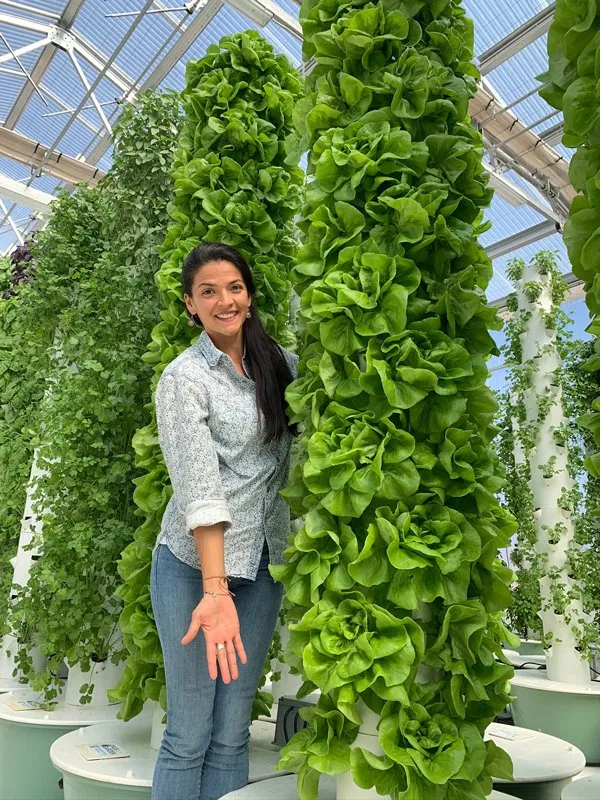
Lettuce is a cool-weather crop, but it grows well year-round in the right conditions — especially when hanging off the ground, where air circulation is better.
- Light: Ensure 4–6 hours of indirect sunlight daily. Too much heat can cause bitterness.
- Temperature: Ideal range is 10°C–25°C (50°F–77°F).
- Fertilizing: Once every two weeks, feed with a diluted liquid compost tea or organic fertilizer.
- Airflow: Hanging gardens naturally improve airflow, reducing mold and pest risk.
During hotter months, move the garden to partial shade or use a light mesh cover to protect delicate leaves.

Step 7: Maximizing Productivity — The High-Yield Secret
One reason this method is praised for “high productivity” is because of continuous harvesting and regrowth.
Here’s how to get endless lettuce:
- Cut-and-Come-Again Method: Instead of uprooting, trim outer leaves when they’re 4–6 inches long.
- Rotate Plants: Every few weeks, replant new seedlings to ensure a steady harvest.
- Add Nutrients Regularly: After each harvest, sprinkle a thin layer of compost on top of the soil.
The wicking system keeps the roots active, allowing lettuce to regrow quickly and produce multiple harvests from a single planting.
Step 8: Natural Pest and Disease Management
Even though hanging gardens have fewer pest issues, you might occasionally spot aphids or fungus gnats.
Here are eco-friendly remedies:
- Neem Oil Spray: 1 tablespoon neem oil + 1 liter water + a few drops of mild soap.
- Garlic and Chili Spray: Natural insect repellent that’s safe for leafy crops.
- Companion Herbs: Plant basil, mint, or marigold nearby to deter pests naturally.
Keep leaves dry and ensure air circulation between containers — this prevents fungal problems and keeps your lettuce fresh.
Step 9: Water Management — The Self-Regulating System
The beauty of this method is that it saves up to 90% of water compared to traditional soil gardening.

- You only need to refill the reservoir once every 7–10 days, depending on climate.
- Rainwater can be collected directly if your setup is outdoors.
- Evaporation is minimal since the soil surface stays shaded by the plants.
This self-sustaining design makes it perfect for urban gardeners, busy professionals, or regions with water scarcity.
Step 10: Harvesting and Enjoying Your Lettuce
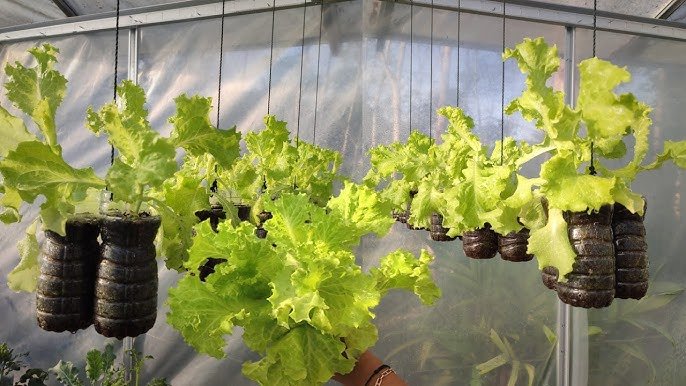
Within 25–40 days, your hanging garden will be ready for its first harvest.
- Use clean scissors to snip the outer leaves.
- Avoid cutting the central growing point if you want regrowth.
- Rinse leaves gently in cool water and store in the refrigerator for up to a week.
Freshly harvested lettuce has a crisp texture and natural sweetness that store-bought greens simply can’t match.
Step 11: Expanding the Concept — More Than Just Lettuce
Once you master lettuce, this hanging, self-watering technique can be applied to other crops too:
- Spinach and Kale: Similar moisture needs, thrive in hanging planters.
- Strawberries: Perfect for vertical gardens with wicking systems.
- Herbs: Basil, parsley, and coriander flourish in these self-watering containers.
You can create a full vertical “living kitchen wall” that provides fresh greens year-round.
Step 12: The Benefits — Why This Method Is a Game-Changer
Growing lettuce without watering might sound like a novelty, but it offers powerful practical advantages:
- Saves water — ideal for sustainable gardening.
- Low maintenance — perfect for busy lifestyles.
- Space-efficient — great for balconies and small apartments.
- Fewer pests and diseases — plants are elevated and better ventilated.
- Consistent yields — plants receive steady moisture and nutrients.
It’s an elegant blend of science, creativity, and sustainability — and proof that gardening doesn’t need to be complicated to be rewarding.
Conclusion: Redefining Smart Gardening
The “Hanging Garden Growing Lettuce Without Watering” technique represents the future of home gardening — sustainable, space-saving, and self-sufficient.
With a simple combination of wicking systems, smart soil mixes, and thoughtful design, anyone can grow fresh, nutritious lettuce right at home — no daily watering, no wasted effort, and no dependency on the weather.
So if you’ve ever thought gardening was too time-consuming or messy, this is your sign to start small. Hang up a few containers, prepare your soil, and let nature (and gravity) do the rest.
In just a few weeks, you’ll be harvesting beautiful, crunchy lettuce — and you’ll never look at store-bought greens the same way again.

Leave A Comment