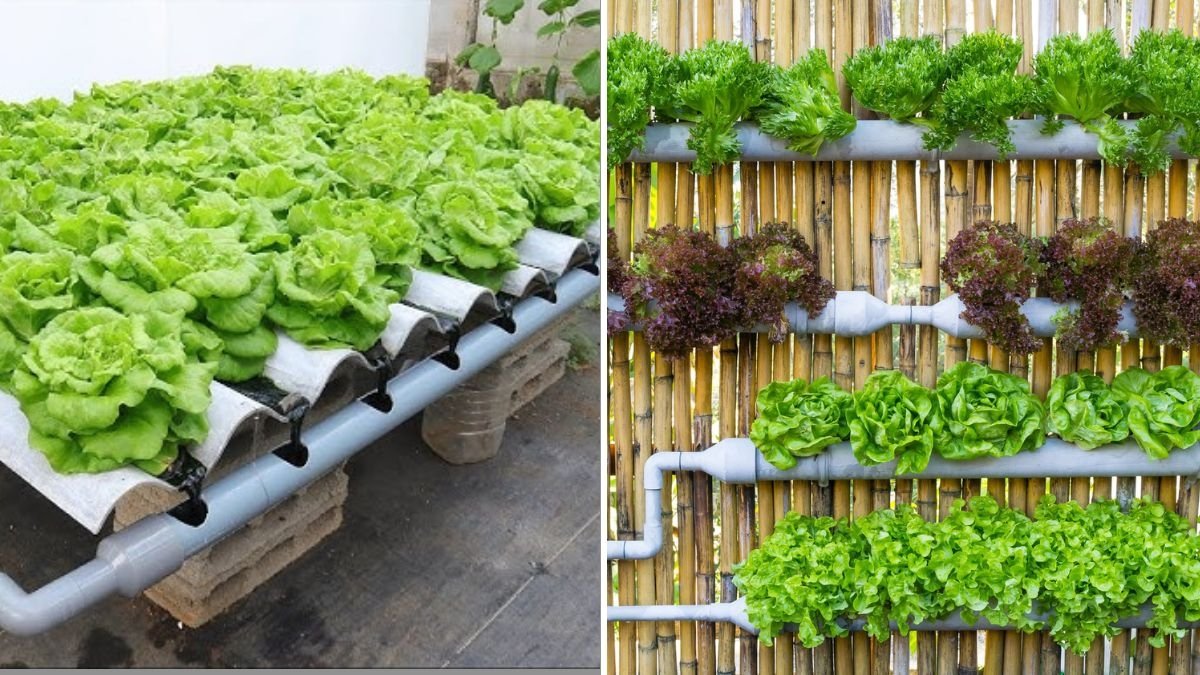
Imagine stepping into your kitchen and plucking fresh lettuce, spinach, or tomatoes — all grown without soil, without mess, and right inside your home. Sounds futuristic? It’s happening today, thanks to hydroponic gardening.
The YouTube video “Growing Hydroponic Vegetable Garden at Home – Easy for Beginners” has inspired thousands to embrace this efficient, space-saving, and eco-friendly way to grow food. Hydroponics is no longer just for commercial farmers or tech enthusiasts — anyone can start at home with just a few simple tools.
In this detailed guide, you’ll learn everything you need to know to grow a hydroponic vegetable garden from scratch — including setup, nutrients, lighting, and care tips — even if you’ve never gardened before.
What Is Hydroponic Gardening?
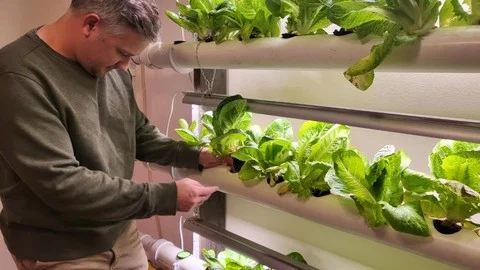
At its core, hydroponics means “working water.” It’s a technique of growing plants without soil, using a nutrient-rich water solution to deliver essential minerals directly to plant roots.
In traditional gardening, soil acts as a medium to hold nutrients and water, but in hydroponics, you bypass the soil altogether and feed plants exactly what they need. This leads to faster growth, higher yields, and healthier plants.
The six main types of hydroponic systems are:
- Deep Water Culture (DWC) – Roots are suspended in nutrient water.
- Nutrient Film Technique (NFT) – A thin film of nutrient water flows over the roots.
- Wick System – A passive system that uses wicks to draw nutrients to roots.
- Ebb and Flow (Flood and Drain) – Nutrients flood and drain cyclically.
- Drip System – Nutrients are dripped directly onto plant roots.
- Aeroponics – Roots hang in the air and are misted with nutrients.
For beginners, the Deep Water Culture and Wick System are easiest to set up at home.
Why Choose Hydroponics?
Hydroponic gardening isn’t just trendy — it’s practical, sustainable, and rewarding. Here are the top reasons to give it a try:
No Soil Needed: Perfect for apartment dwellers and city homes.
Saves Water: Uses up to 90% less water than traditional gardening.
No Weeds or Pests: Say goodbye to backbreaking weeding and harmful pesticides.
Faster Growth: Plants grow 30–50% faster with controlled nutrition.
Year-Round Growing: Grow your favorite veggies regardless of the season.
Compact & Clean: Ideal for kitchens, balconies, or rooftops.
Hydroponics gives you control — over nutrients, light, and temperature — making it possible to grow vegetables anywhere, anytime.
Step 1: Choose the Right Vegetables
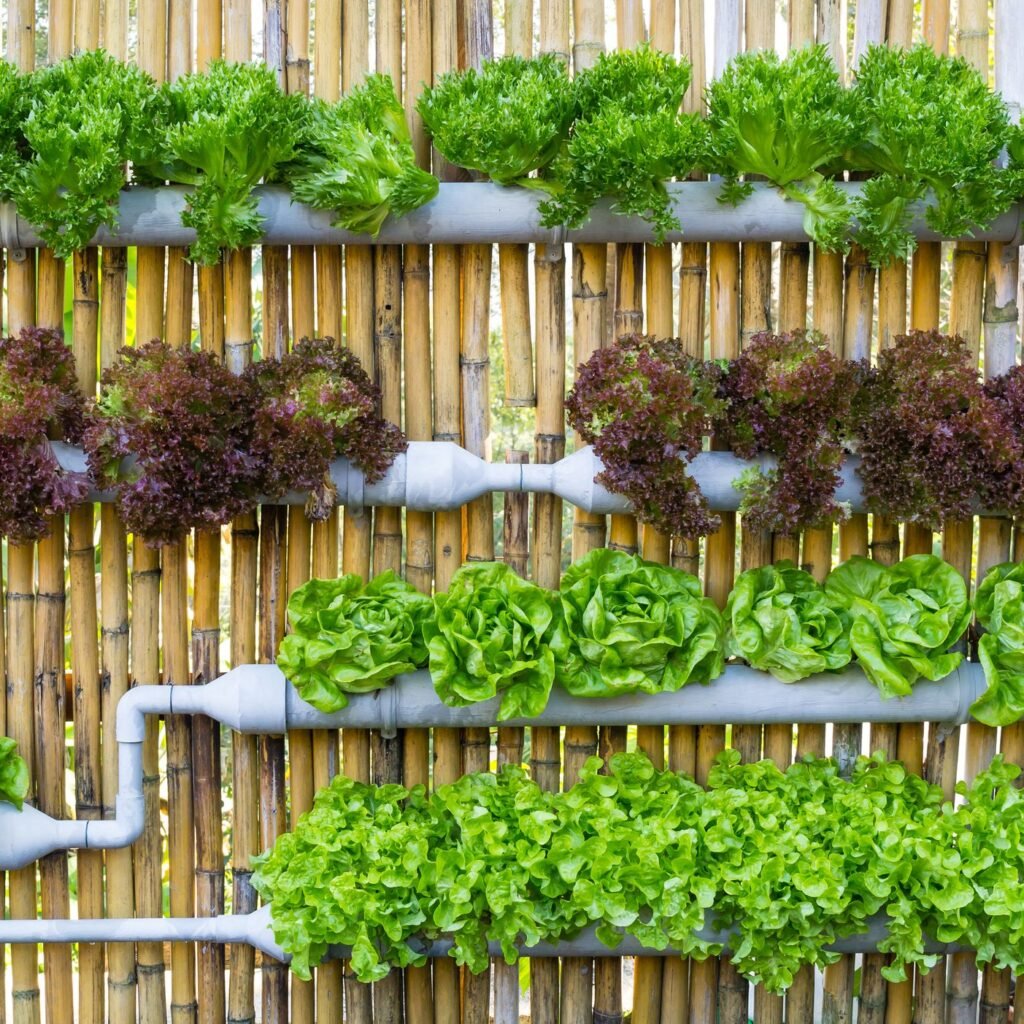
As a beginner, start with easy-to-grow vegetables that thrive in hydroponic systems.
Best beginner-friendly hydroponic vegetables include:
- Lettuce: Grows fast and needs little maintenance.
- Spinach: Loves cool, moist conditions.
- Kale: High in nutrients and ideal for beginners.
- Tomatoes: Popular hydroponic choice with great yields.
- Cucumbers: Fast-growing and highly productive.
- Basil, Mint, and Coriander: Great for small spaces and quick harvests.
Start small — maybe with two or three crops — and expand as you gain confidence.
Step 2: Setting Up Your Hydroponic System
You can buy ready-made hydroponic kits online, or build your own with common household items.
Here’s a simple DIY setup for Deep Water Culture (DWC):
You’ll need:
- A plastic tub or bucket (at least 6–8 inches deep).
- Net pots or small plastic cups with holes.
- A growing medium like coco peat, perlite, or clay pebbles.
- A hydroponic nutrient solution.
- Air pump and air stone (optional but recommended).
- LED grow lights (if growing indoors).
How to set it up:
- Fill your container with nutrient solution, leaving 2 inches from the top.
- Place net pots in the lid so the bottom touches the water.
- Add growing medium and plant your seeds or seedlings.
- If using an air pump, connect it to keep the solution oxygenated.
- Place the setup in a sunny area or under LED grow lights for 10–12 hours daily.
That’s it! You’ve just built your first hydroponic garden.

Step 3: Understanding Nutrients — The Food for Your Plants
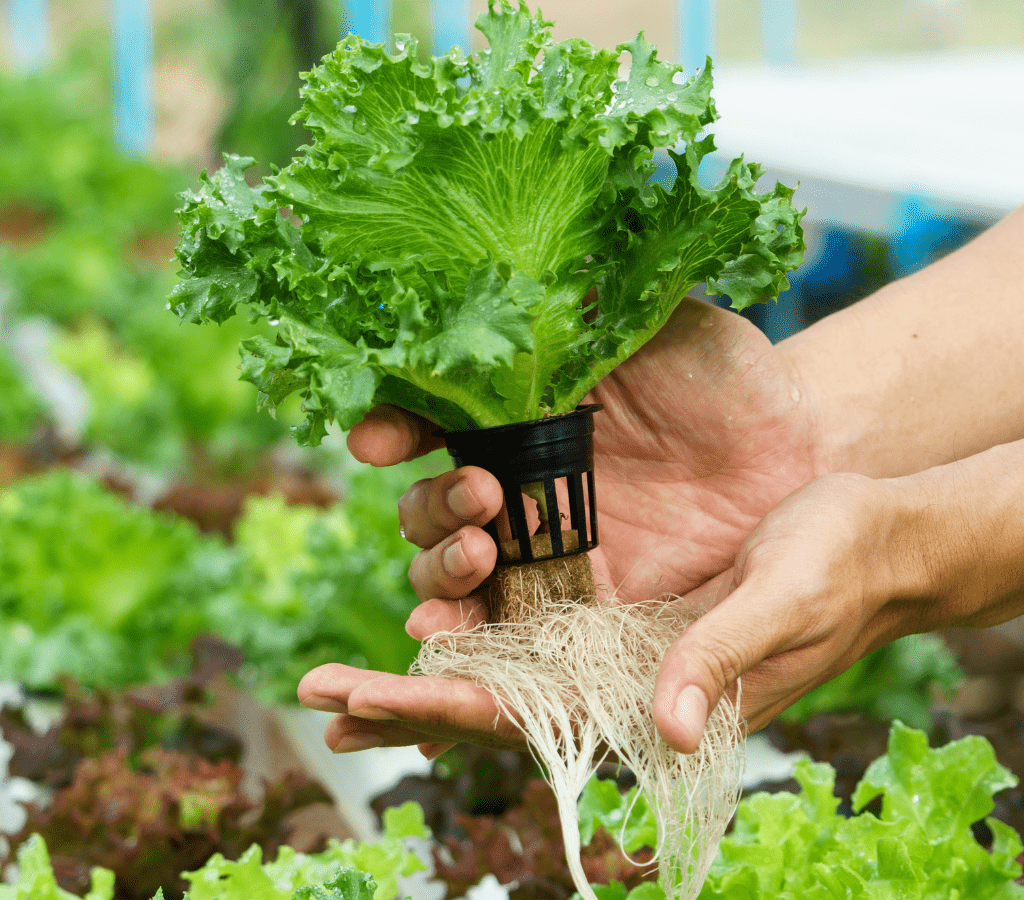
In hydroponics, since there’s no soil, plants rely entirely on the nutrient solution you provide.
A good hydroponic nutrient mix includes:
- Macronutrients: Nitrogen (N), Phosphorus (P), Potassium (K).
- Secondary Nutrients: Calcium, Magnesium, Sulfur.
- Micronutrients: Iron, Zinc, Copper, Manganese, Boron.
You can buy pre-mixed hydroponic nutrient solutions for leafy greens, fruits, or herbs.
Pro tip: Maintain the nutrient solution’s pH between 5.5 and 6.5 for best absorption. You can check this using inexpensive pH strips or a digital pH meter.
Step 4: Lighting, Temperature, and Environment
Hydroponic plants thrive in a controlled environment.
Light:
- Most vegetables need 10–12 hours of light daily.
- If you don’t get enough sunlight, use full-spectrum LED grow lights.
Temperature:
- Ideal range: 18°C–28°C (65°F–82°F).
- Avoid placing systems in hot kitchens or near air conditioners.
Humidity:
- Keep humidity between 40–60% for optimal growth.
Air Circulation:

- Use a small fan if growing indoors to prevent fungal growth and strengthen stems.
Step 5: Planting and Germination
You can either sow seeds directly in the growing medium or start seedlings in a separate tray.
For direct sowing:
- Moisten the growing medium before planting.
- Sow 3–4 seeds per pot and cover lightly.
- Mist with water to keep moist until germination.
- Once seedlings appear, thin to 1–2 strong plants per pot.
For seedlings:
Start seeds in coco peat or rock wool cubes. Once they develop roots, transfer them into your hydroponic setup.
Step 6: Maintaining Your Hydroponic Garden
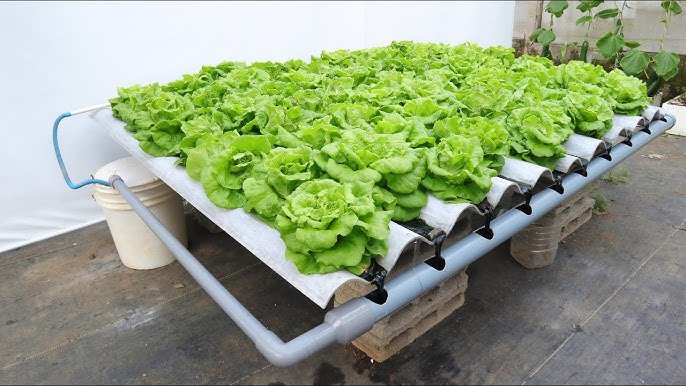
Hydroponic gardening is low-maintenance but requires consistency.
Daily:
- Check water level and refill if necessary.
- Observe plant leaves for any discoloration or curling (nutrient signs).
Weekly:
- Replace nutrient solution every 7–10 days.
- Clean your container to prevent algae or bacteria buildup.
Monthly:
- Flush the system with clean water to remove salt accumulation.
Keep an eye out for root health — healthy roots should be white and firm, not brown or slimy.
Step 7: Harvesting Your Hydroponic Vegetables
The best part of hydroponic gardening is how fast you can harvest.
Approximate harvesting timelines:
- Lettuce and spinach: 25–30 days.
- Kale and herbs: 30–40 days.
- Tomatoes and cucumbers: 50–70 days.
You can use the cut-and-come-again method for leafy greens — snip outer leaves and let inner ones continue growing. This way, you’ll have a continuous supply of fresh produce.
Step 8: Common Problems and Quick Fixes
Even with hydroponics, beginners may face a few challenges. Here’s how to troubleshoot:
| Problem | Likely Cause | Solution |
|---|---|---|
| Yellow Leaves | Nutrient deficiency or wrong pH | Adjust nutrient mix and pH |
| Algae in Tank | Too much light on water | Cover tank to block sunlight |
| Wilting Plants | Low oxygen or water level | Add air pump / check roots |
| Slow Growth | Low light or cold temperature | Increase light hours / warm environment |
Most issues can be solved by checking water, light, and nutrients regularly.
Step 9: Expanding Your Hydroponic Setup
Once you master the basics, you can expand your garden to include:
- Vertical Hydroponic Towers: Grow multiple crops in small spaces.
- NFT Systems: Ideal for lettuce and herbs with continuous water flow.
- Kratky Method: A passive, electricity-free hydroponic system perfect for beginners.
You can even automate nutrient delivery and lighting with smart controllers for a high-tech garden experience.
Step 10: Environmental and Health Benefits
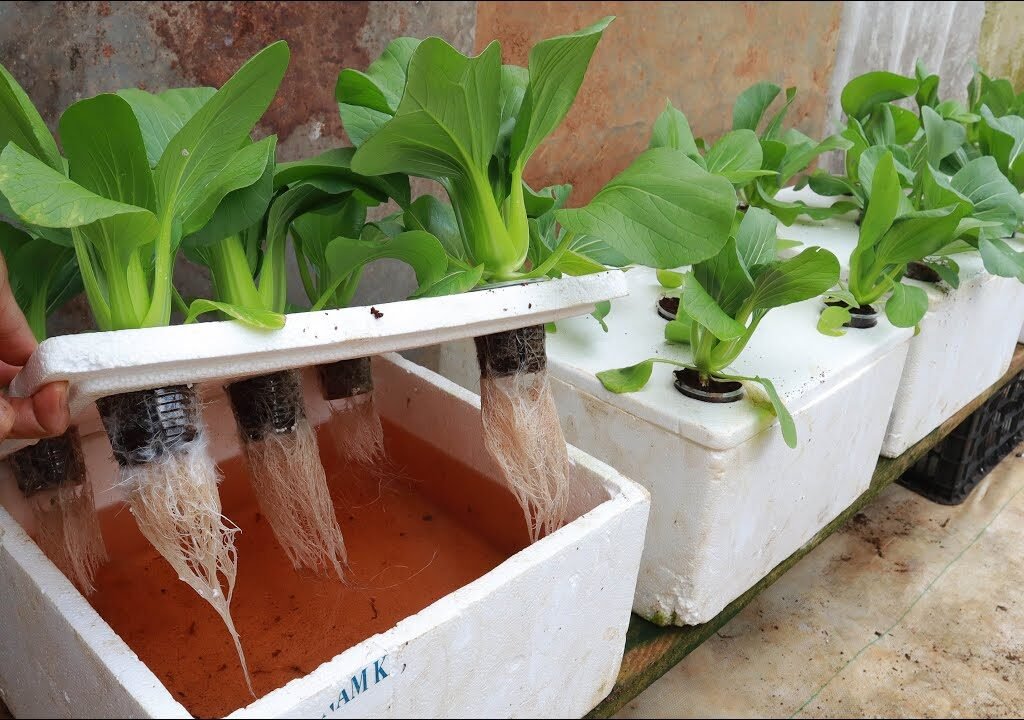
Hydroponics is not just about convenience — it’s a sustainable solution for the future.
- Water Conservation: Hydroponics uses 90% less water.
- No Soil Degradation: Perfect for areas with poor soil.
- Reduced Carbon Footprint: Grow food locally instead of importing.
- Healthier Produce: Pesticide-free, clean, and nutrient-rich.
For urban households, hydroponics offers food security, freshness, and the joy of growing your own meals — even in limited space.
Step 11: Tips for Beginners to Succeed
Start Small: Begin with 2–3 plants before scaling up.
Keep Records: Track nutrient changes, pH levels, and growth times.
Monitor Light: Invest in a timer for consistent light cycles.
Harvest Smart: Regular harvesting encourages new growth.
Stay Clean: Wash hands and tools to prevent contamination.
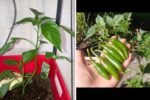
With time and practice, you’ll develop your rhythm — soon, growing hydroponic vegetables will feel second nature.
Conclusion: From Beginner to Home Hydroponic Gardener
Hydroponic gardening is the perfect blend of science, sustainability, and satisfaction. Whether you’re short on space, tired of unpredictable soil conditions, or simply love the idea of growing your own food, this method opens endless possibilities.
By following the steps in “Growing Hydroponic Vegetable Garden at Home – Easy for Beginners,” you can set up a thriving soil-free garden right in your kitchen or balcony. With a little care, patience, and curiosity, you’ll soon enjoy crisp lettuce, fresh herbs, and juicy tomatoes — all grown with your own hands.
Hydroponics proves that you don’t need land to grow — just a little water, light, and love for plants.

Leave A Comment