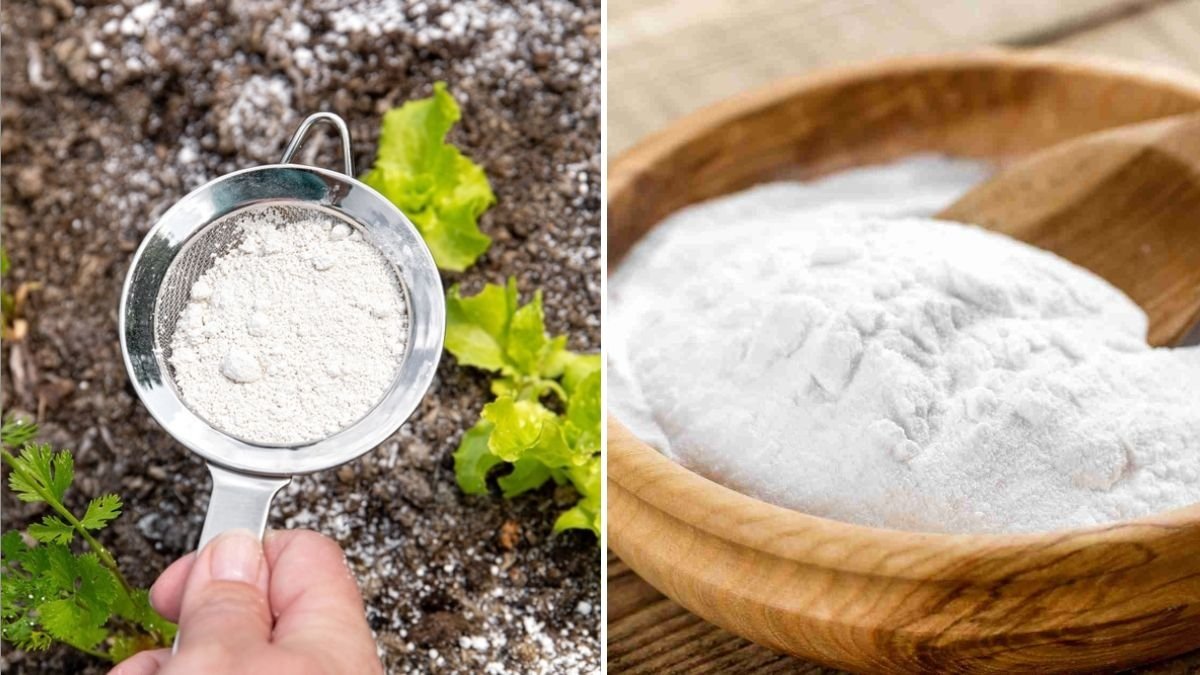
Baking soda, or sodium bicarbonate, is a versatile household staple often celebrated for its cleaning, deodorizing, and cooking uses. However, its benefits extend far beyond the kitchen—it can be an eco-friendly, cost-effective tool in your garden as well. When used correctly, baking soda can improve plant health, control pests, and enhance soil quality. But like any gardening tool, using it improperly can harm your plants. This guide will walk you through how to use baking soda in the garden the right way, including tips, applications, and precautions for optimal results.
Why Baking Soda Works in the Garden
Baking soda is mildly alkaline, with a pH of around 8.3. This alkalinity makes it effective for:
- Fighting Fungal Diseases: Baking soda can inhibit the growth of fungi such as powdery mildew, which commonly affects roses, squash, cucumbers, and other garden plants.
- Pest Deterrent: Its texture and chemical properties can deter some pests when applied to soil or plant surfaces.
- Soil Balancing: When used in moderation, baking soda can slightly raise soil pH, which may be beneficial for acid-loving plants if carefully monitored.
Key Note: While baking soda has many uses, over-application can damage plants, particularly due to its alkalinity. Always follow recommended concentrations and application methods.
1. Preventing and Treating Powdery Mildew
Powdery mildew is a common fungal disease that creates white, powdery spots on leaves, stems, and flowers. Baking soda can help prevent or reduce its spread.
How to Apply:
- Mix 1 tablespoon of baking soda with 1 gallon of water.
- Optional: Add a few drops of mild liquid soap to help the solution stick to leaves.
- Spray affected plants thoroughly, covering both the tops and undersides of leaves.
- Apply every 7–10 days, especially during warm, humid conditions that favor fungal growth.
Tips:
- Test on a small area first to ensure the solution doesn’t burn the leaves.
- Apply in the early morning or late afternoon to avoid direct sun, which may intensify leaf burn.
- Combine with good garden hygiene, such as removing infected leaves, to maximize effectiveness.
2. Controlling Garden Pests
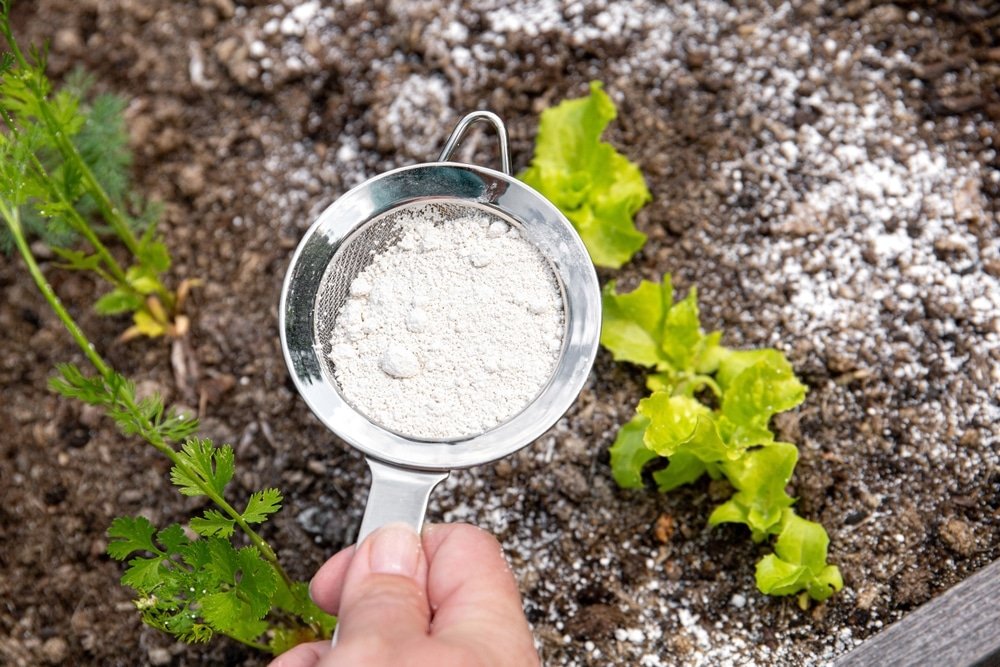
Baking soda isn’t a pesticide in the traditional sense, but it can help deter some pests.
Applications:
- Slugs and Snails: Sprinkle a light line of baking soda around plant bases to create a barrier. The texture and alkalinity can deter slugs and snails.
- Ants: Baking soda mixed with sugar can act as a natural bait. The sugar attracts ants, and the baking soda disrupts their digestive system.
Tips:
- Avoid direct application on tender leaves or seedlings, as baking soda can cause leaf burn.
- Use sparingly—overuse may alter soil pH and affect plant growth.
3. Boosting Soil Health
Baking soda can slightly increase soil pH, which may be useful for gardens with acidic soil. However, it’s not a replacement for proper soil amendments and should be used with caution.

How to Apply:
- Conduct a soil pH test before application.
- Sprinkle a small amount of baking soda (1 teaspoon per square foot) and lightly work it into the topsoil.
- Water thoroughly to help it integrate into the soil.
Tips:
- Avoid applying baking soda to already alkaline soils, as it may raise the pH too much, leading to nutrient deficiencies.
- Baking soda is best used as a temporary measure rather than a long-term soil amendment.
4. Cleaning Garden Tools and Pots
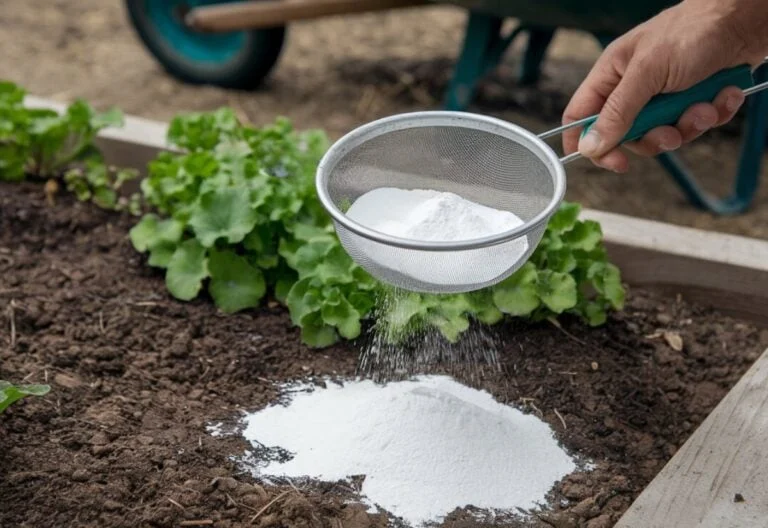
Baking soda is an excellent natural cleaner for garden tools, pots, and planters, helping to reduce disease spread.
How to Clean Tools:
- Mix 3 tablespoons of baking soda with 1 quart of warm water.
- Scrub pruning shears, trowels, and other tools to remove dirt, sap, and fungal spores.
- Rinse thoroughly and dry before storing.
How to Clean Pots:

- Sprinkle baking soda on plastic or clay pots and scrub with a damp brush to remove residue and algae.
- Rinse thoroughly and allow to dry before reusing for planting.
Tips:
- Regular cleaning prevents the transfer of pathogens between plants.
- Use this method instead of harsh chemical cleaners for an eco-friendly approach.
5. Composting Benefits
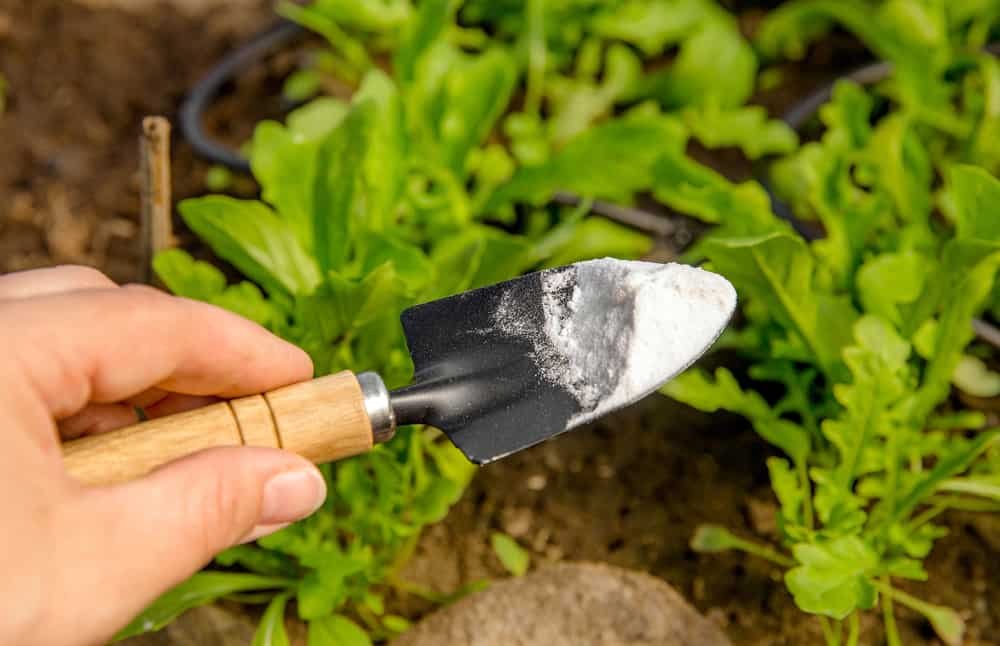
Adding baking soda in moderation to your compost pile can balance acidity and help control odor.
How to Use:
- Lightly sprinkle 1–2 tablespoons per cubic foot of compost.
- Mix thoroughly to ensure even distribution.
Tips:
- Do not overuse, as excess baking soda can make the compost too alkaline.
- Use in combination with carbon-rich materials (leaves, straw) to maintain a balanced compost environment.
Precautions When Using Baking Soda
While baking soda is safe when used correctly, over-application can harm plants. Follow these precautions:

- Always Dilute: Never apply baking soda directly to leaves or soil without mixing with water.
- Test First: Try on a small portion of the plant to check for leaf burn or discoloration.
- Avoid Overuse: Excessive application can alter soil pH, which may lead to nutrient deficiencies.
- Consider Plant Sensitivity: Some plants are more sensitive to alkaline conditions, such as blueberries, azaleas, and rhododendrons. Avoid using baking soda on acid-loving plants.
- Reapply Cautiously: Repeat treatments sparingly and only as needed, particularly for fungal prevention.
Tips for Maximum Effectiveness
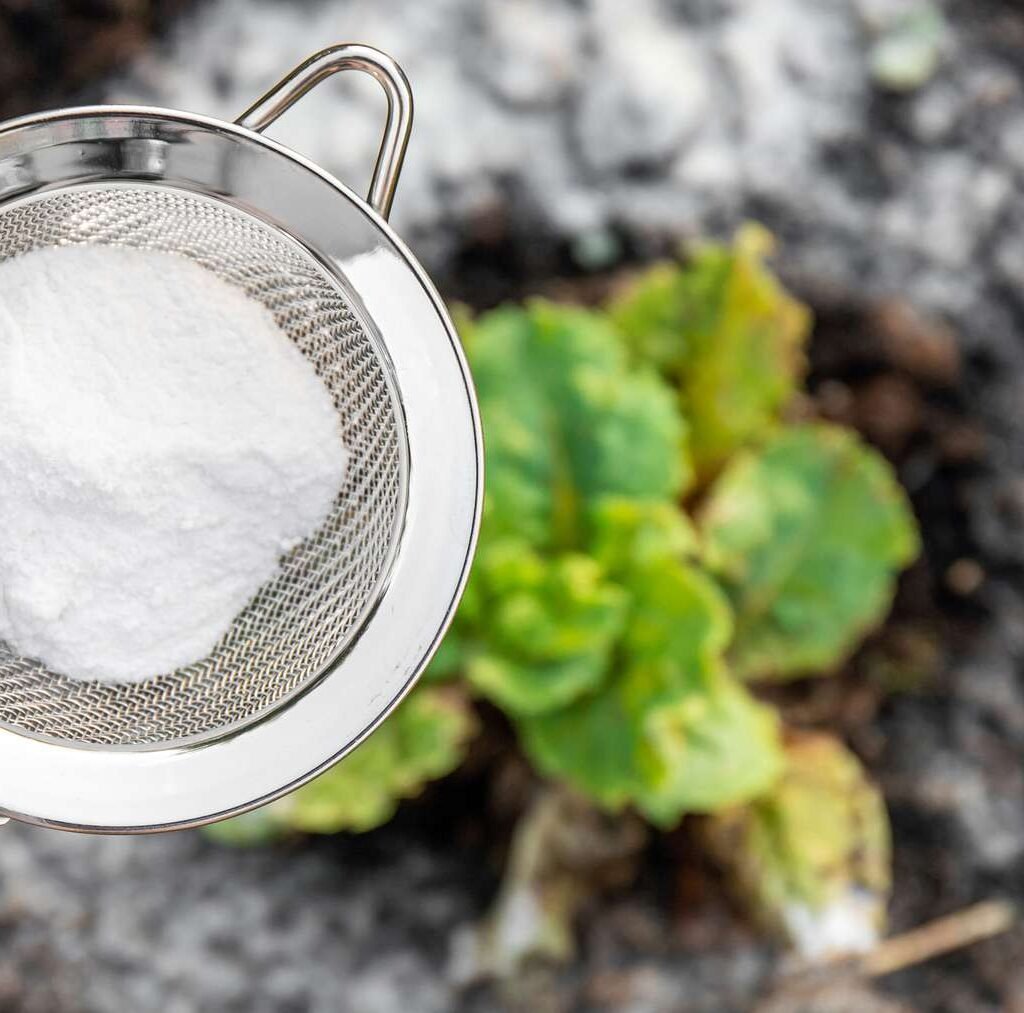
- Timing: Apply fungal sprays early in the morning or late afternoon to reduce leaf burn risk.
- Consistency: Regular, small treatments are better than large, infrequent applications.
- Complementary Practices: Baking soda works best alongside proper spacing, good air circulation, and regular pruning.
- Storage: Store baking soda in a dry, cool place to maintain effectiveness.
DIY Baking Soda Solutions for the Garden
Fungal Spray for Roses:
- 1 tablespoon baking soda
- 1 gallon water
- 1 teaspoon mild liquid soap
Spray weekly for prevention and treatment of powdery mildew.
Slug Deterrent:
- Light sprinkling around the base of plants
- Combine with crushed eggshells for added effectiveness
Soil pH Adjustment:
- 1 teaspoon baking soda per square foot
- Lightly mix into topsoil and water thoroughly
Environmental Benefits
Using baking soda in the garden is eco-friendly and safer than many chemical alternatives:
- Reduces the need for synthetic fungicides and pesticides.
- Minimizes harmful runoff that can affect waterways.
- Non-toxic for pets and wildlife when used properly.
Final Thoughts
Baking soda is a versatile, cost-effective tool that every gardener can incorporate safely into their routine. From preventing powdery mildew and deterring pests to gently balancing soil pH and cleaning tools, it has multiple benefits—but moderation and correct application are key.
By understanding how to use baking soda in the garden the right way, you can enhance plant health, support eco-friendly gardening, and maintain a thriving, beautiful garden without resorting to harsh chemicals. With proper care, this humble household staple can become an indispensable part of your gardening toolkit.

Leave A Comment