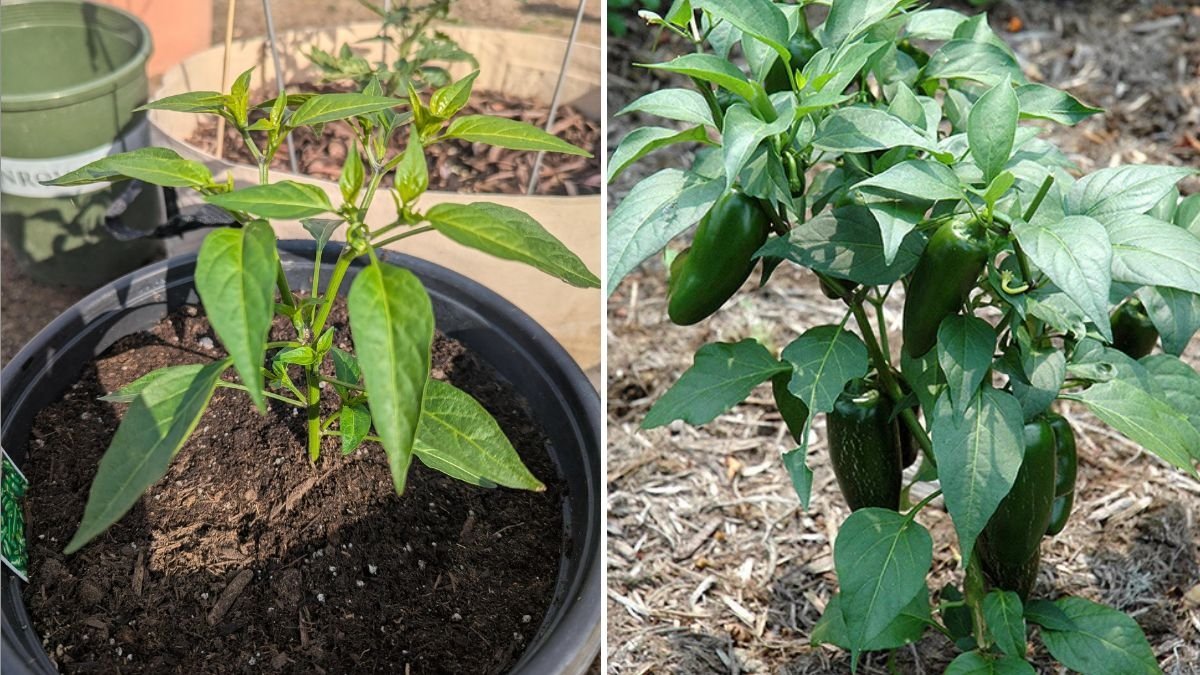
Few ingredients capture the heart of American cuisine quite like the jalapeño. This bright green chili pepper, with its perfect balance of heat and flavor, has become a star in everything from Tex-Mex tacos to gourmet burgers. Whether diced into fresh salsa, stuffed with cheese, or pickled on nachos, jalapeños deliver that irresistible kick that turns any meal from bland to bold.
But jalapeños aren’t just about taste — they’re packed with vitamins, antioxidants, and metabolism-boosting power. Plus, they’re one of the easiest peppers to grow at home, making them a favorite among backyard gardeners and spice enthusiasts across the U.S.
In this all-in-one guide, we’ll explore everything you need to know about jalapeños — their history, health benefits, culinary uses, and growing tips — to help you master this small but mighty pepper.
1. The Story Behind the Jalapeño: From Mexico to Mainstream America
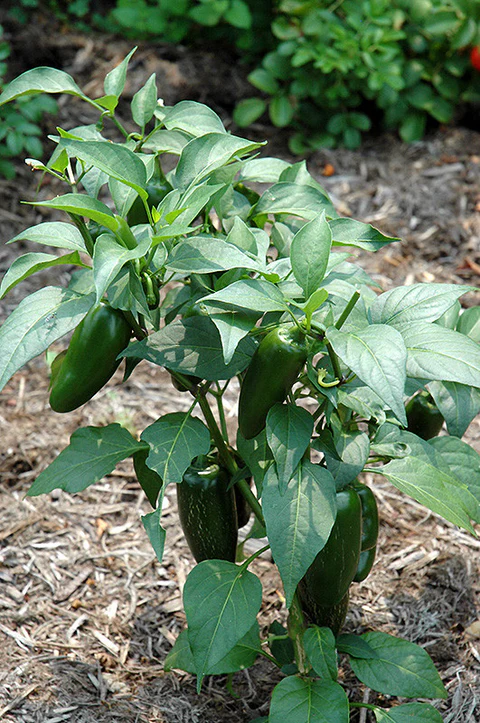
The jalapeño pepper (Capsicum annuum) takes its name from the Mexican city of Xalapa (Jalapa), where it was first cultivated centuries ago. Native to Central and South America, jalapeños were a key part of Aztec and Mayan cuisine, valued not only for their flavor but also for their medicinal properties.
When chili peppers made their way north, the jalapeño quickly became a staple in Southwestern and Tex-Mex cooking. Today, it’s one of the most widely used peppers in the U.S., appearing in everything from barbecue sauces and pizza toppings to artisan hot sauces and spicy cocktails.
2. Jalapeño Heat: Understanding the Spice Level
Jalapeños strike the perfect balance between mild and hot, making them ideal for spice lovers who don’t want to burn their taste buds off.

Their heat is measured on the Scoville Scale, which rates peppers based on capsaicin — the compound responsible for their fiery bite.
- Jalapeño Heat Range: 2,500 to 8,000 Scoville Heat Units (SHU)
- For Comparison:
- Bell Pepper: 0 SHU
- Serrano: 10,000–23,000 SHU
- Cayenne: 30,000–50,000 SHU
- Habanero: 100,000–350,000 SHU
The heat can vary depending on the pepper’s ripeness, growing conditions, and even the season. Typically, green jalapeños are milder and tangier, while red jalapeños (which are fully ripe) develop a sweeter and slightly smokier heat.
3. Health Benefits of Jalapeños: More Than Just Spice
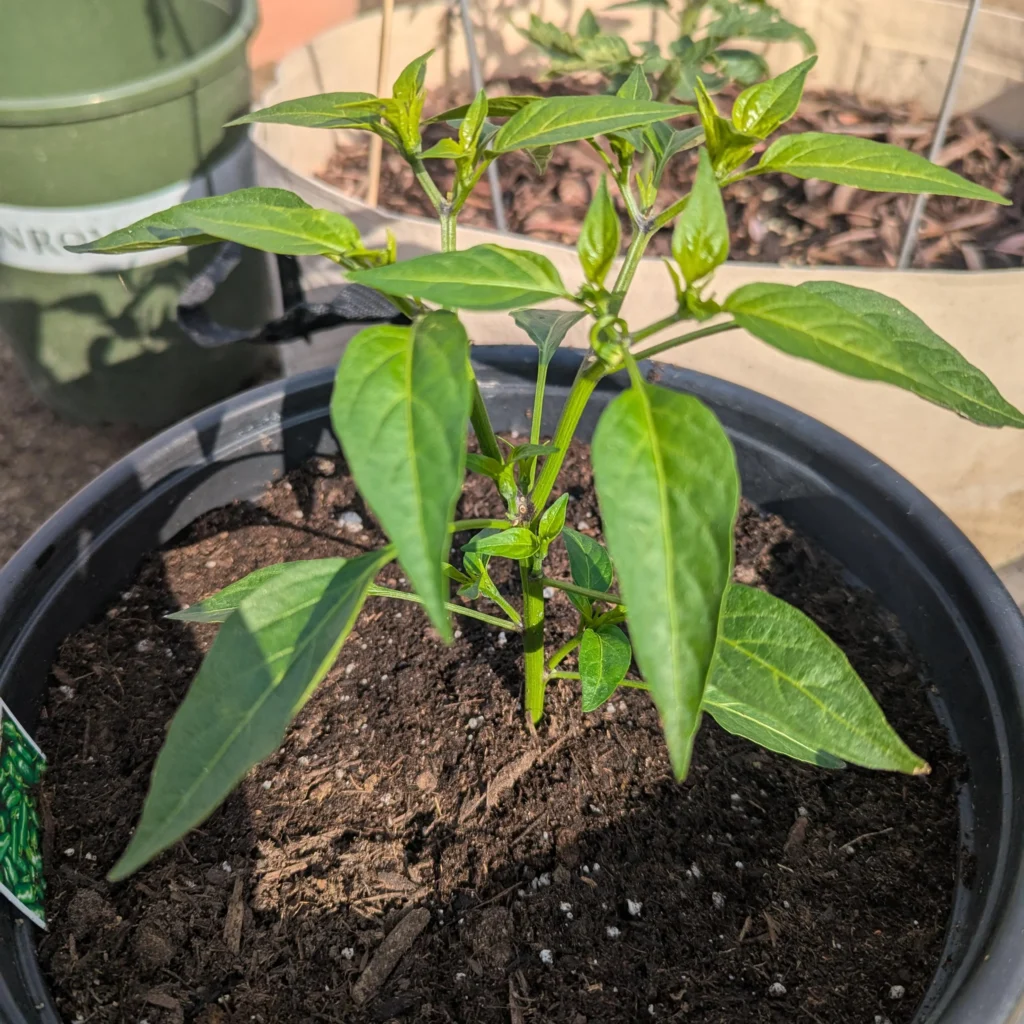
Jalapeños aren’t just delicious — they’re incredibly nutritious. Here’s why adding them to your meals can be a smart, healthy choice:
Boosts Metabolism and Burns Calories
Capsaicin increases your body’s heat production, promoting fat burning and improved metabolism — perfect for anyone watching their waistline.
Rich in Antioxidants
Jalapeños are loaded with vitamin C, vitamin A, and carotenoids, which help fight inflammation and protect against free radical damage.
Supports Heart Health
Regular consumption of chili peppers has been linked to lower cholesterol levels and better blood circulation.

Strengthens Immunity
The vitamin C and antibacterial properties of jalapeños help boost the immune system and keep infections at bay.
Elevates Mood
The mild “burn” of capsaicin triggers endorphin release, giving you a natural mood boost — a real “pepper high”!
4. Culinary Uses: How to Cook with Jalapeños Like a Pro
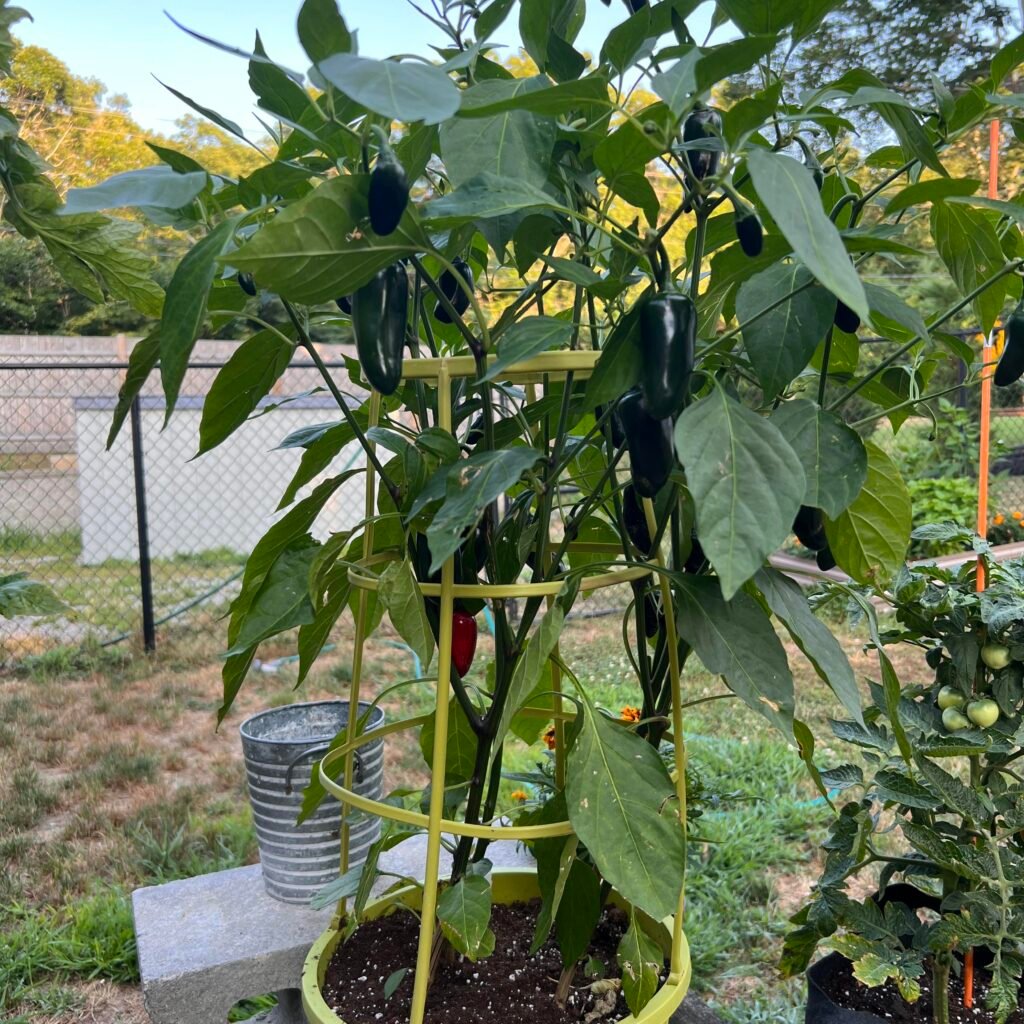
The beauty of the jalapeño lies in its versatility. It can be eaten fresh, roasted, pickled, or smoked — and each form adds a different layer of flavor.
Fresh Jalapeños
Use them raw in salsa, guacamole, tacos, and sandwiches. Slice thinly for a zesty topping or dice finely to add a touch of heat to salads.
Roasted or Grilled Jalapeños
Roasting mellows their heat and brings out a smoky sweetness. Great for stuffed jalapeños, fajitas, or grilled burgers.
Pickled Jalapeños
These tangy slices are perfect for nachos, hot dogs, burgers, and pizza. You can buy them ready-made or make your own (see below!).

Smoked Jalapeños (Chipotle)
When jalapeños are smoked and dried, they become chipotle peppers — the secret ingredient in BBQ sauces, marinades, and Tex-Mex recipes.
5. Quick Recipe: Classic Stuffed Jalapeño Poppers
Ingredients:
- 10 jalapeño peppers (halved and seeded)
- 8 oz cream cheese, softened
- ½ cup shredded cheddar cheese
- ½ tsp garlic powder
- ¼ tsp black pepper
- 10 slices bacon (optional)
Instructions:
- Preheat oven to 400°F.
- Mix cream cheese, cheddar, garlic powder, and black pepper in a bowl.
- Fill each jalapeño half with the mixture.
- Wrap with bacon (optional) and secure with a toothpick.
- Bake for 20–25 minutes, until golden and bubbly.
Serve with ranch or chipotle mayo — the perfect game-day or party appetizer!
6. How to Grow Jalapeños at Home: A Gardener’s Guide
Growing your own jalapeños is simple and satisfying. They thrive in warm climates, making them a great choice for American home gardens — especially in Southern, Western, and coastal states.
Planting Tips
- Start Indoors: Begin seeds 6–8 weeks before the last frost.
- Transplant Outdoors: Move to the garden when temperatures stay above 70°F.
- Soil: Use well-drained, nutrient-rich soil with compost.
- Sunlight: 6–8 hours of direct sunlight daily.
Watering & Care
- Keep the soil consistently moist but never soggy.
- Add organic fertilizer every few weeks.
- Mulch around the base to retain moisture and prevent weeds.
Harvesting
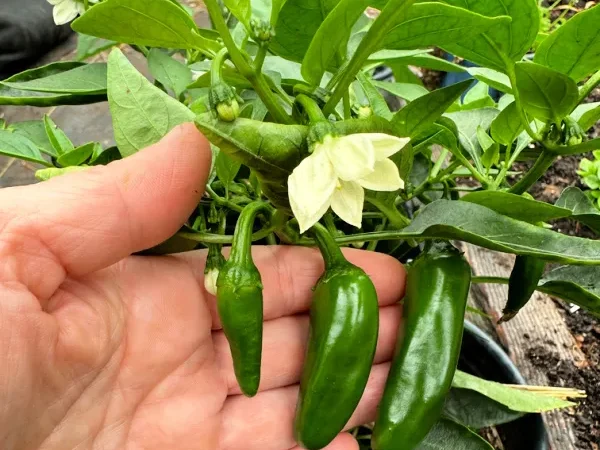
Jalapeños are ready to harvest when they reach 2–4 inches long and develop a deep green color. For a sweeter, hotter flavor, let them ripen to red before picking.

A single jalapeño plant can produce 25–35 peppers per season — enough to keep your kitchen stocked with spice all year long!
7. Pickling Jalapeños at Home: A Simple DIY Recipe
Ingredients:
- 10–12 fresh jalapeños (sliced)
- 1 cup white vinegar
- 1 cup water
- 1 tbsp sugar
- 1 tbsp salt
- 2 garlic cloves
Instructions:
- Combine vinegar, water, sugar, salt, and garlic in a saucepan.
- Bring to a boil, then add the sliced jalapeños.
- Remove from heat and let cool for 10 minutes.
- Transfer to a jar and refrigerate for at least 24 hours.
These pickled jalapeños stay fresh for up to 2 months in the fridge — a great addition to tacos, salads, or burgers!
8. Fun Facts About Jalapeños
- The average American eats 7 pounds of chili peppers per year, and jalapeños top the list!
- The Scoville scale, which measures spiciness, was invented by pharmacist Wilbur Scoville in 1912.
- Texas produces more jalapeños than any other U.S. state.
- Jalapeños are technically fruits, not vegetables.
- When smoked and dried, jalapeños become chipotle peppers, a flavor beloved in barbecue and Tex-Mex dishes.
9. Storing and Preserving Jalapeños
To keep your jalapeños fresh and flavorful, try these storage tips:
- Refrigerator: Store unwashed jalapeños in a paper bag or airtight container for up to 2 weeks.
- Freezing: Slice and freeze for up to 6 months — perfect for soups or chili.
- Drying: Dehydrate or oven-dry sliced jalapeños for long-term use.
- Pickling: As shown above, pickling extends their shelf life while enhancing their tangy kick.
10. Jalapeños in American Cuisine: A Flavor Icon
From food trucks to five-star restaurants, jalapeños are a symbol of American culinary creativity. They’ve become an essential ingredient in:

- Tex-Mex favorites: tacos, burritos, and enchiladas.
- Southern BBQ: smoked meats, sauces, and marinades.
- Fast food classics: burgers, pizzas, and loaded fries.
- Modern fusions: jalapeño margaritas, spicy aiolis, and even desserts like jalapeño cornbread or pepper-infused honey.
Conclusion: Embrace the Heat, Flavor, and Fun of Jalapeños
The humble jalapeño is proof that a little spice can transform any dish. Its crisp flavor, moderate heat, and versatility make it a must-have in every American kitchen and garden. Whether you’re grilling, pickling, or growing your own peppers, the jalapeño delivers a punch of flavor and a dose of wellness in every bite.
So go ahead — slice, stuff, or smoke it. Let the jalapeño bring joy, color, and a little fire to your table!

Leave A Comment