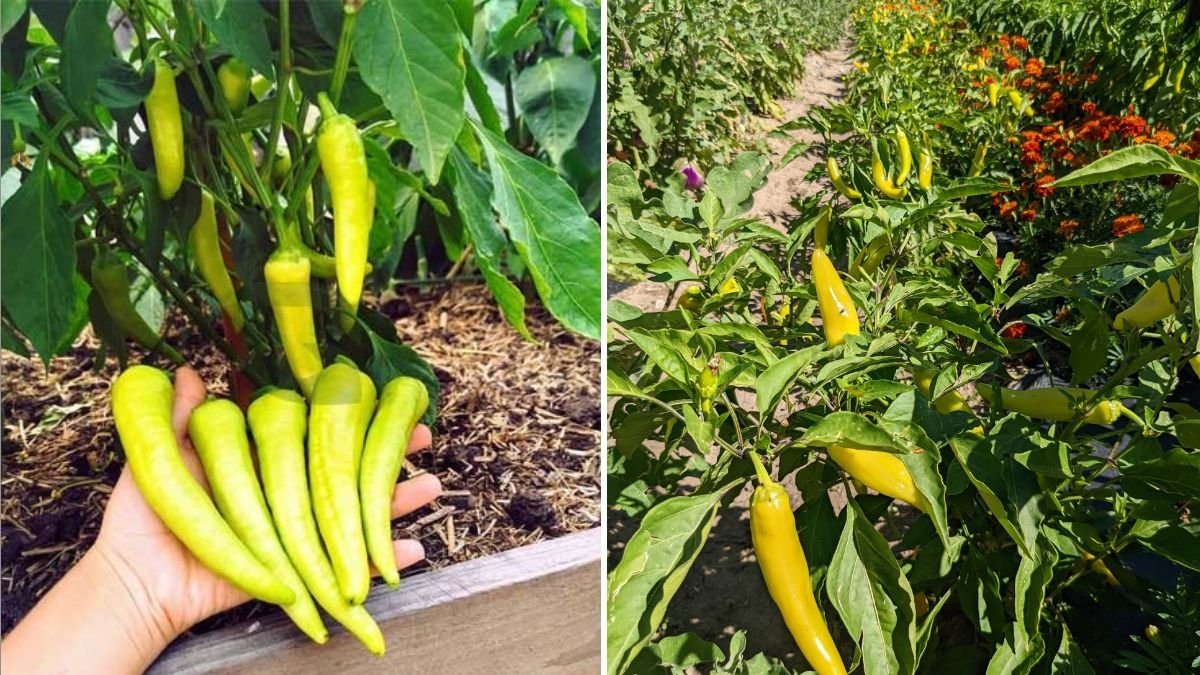
When it comes to adding a splash of color, crunch, and mild spice to your plate, banana peppers are the ultimate kitchen favorite across America. Their sunny yellow hue, crisp texture, and tangy-sweet flavor make them a go-to ingredient in salads, sandwiches, pizzas, and pickled jars.
Unlike their fiery cousins, banana peppers deliver flavor without the burn — making them perfect for families, mild-spice lovers, and creative home cooks alike. Beyond taste, they’re packed with vitamins, antioxidants, and heart-healthy benefits, and they’re among the easiest peppers to grow in your backyard garden.
In this detailed guide, we’ll explore everything about banana peppers — from their history and health benefits to culinary uses, recipes, and growing tips — so you can enjoy this mild chili to the fullest.
1. What Are Banana Peppers?
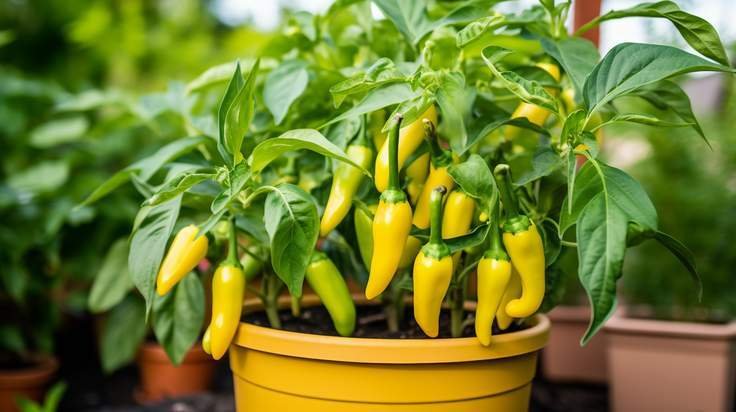
Banana peppers (also called yellow wax peppers) get their name from their banana-like shape and color. They belong to the Capsicum annuum family, the same group as bell peppers, jalapeños, and cayenne.
These peppers are typically 2–4 inches long, with thin skin and a firm, crunchy texture. Their flavor ranges from sweet to mildly tangy, depending on how ripe they are and whether they’re fresh or pickled.
Banana peppers are often confused with pepperoncini, but the two have subtle differences:
- Banana peppers: Sweeter, less wrinkled, and slightly tangier.
- Pepperoncini: More bitter and often wrinkly in appearance.
Both are popular in American sandwiches, pizzas, and Italian-style salads, but true banana peppers have that bright, sunny sweetness that stands out.

2. Heat Level: Mild and Perfectly Balanced
If you love the flavor of chili but not the intense heat, banana peppers are your best friend.
On the Scoville Heat Scale, they measure between 0–500 Scoville Heat Units (SHU) — making them one of the mildest peppers you can eat.
For comparison:
- Bell Pepper: 0 SHU
- Banana Pepper: 0–500 SHU
- Jalapeño: 2,500–8,000 SHU
- Cayenne: 30,000–50,000 SHU
This mildness makes banana peppers ideal for family-friendly meals or dishes that need a touch of tang without overwhelming heat.
3. Health Benefits of Banana Peppers: Sweet, Nutritious, and Powerful
Banana peppers are more than just a tasty topping — they’re loaded with nutrients that can enhance your health in many ways.
Packed with Vitamins
Banana peppers are rich in vitamin C, vitamin A, and vitamin B6, which support immunity, eye health, and metabolism.
Boosts Digestion
The fiber in banana peppers promotes healthy digestion and can help regulate blood sugar levels.

Supports Heart Health
Their natural antioxidants and low calorie count make them a heart-friendly food that can help reduce inflammation and improve circulation.
Natural Metabolism Enhancer
Even with mild heat, banana peppers contain capsaicin, which boosts metabolism and helps the body burn calories more efficiently.
Improves Mood
Like other chili peppers, banana peppers trigger endorphin release, lifting your mood and reducing stress.
4. Culinary Uses: Versatile and Flavorful in Every Form
One of the reasons banana peppers are beloved in American kitchens is their versatility. They can be eaten fresh, roasted, grilled, or pickled, and they complement a wide variety of dishes — from sandwiches to pasta.
Here are some of the best ways to enjoy them:
Fresh Banana Peppers
Slice them into salads, wraps, or tacos for a crunchy, tangy bite. Their mildness pairs perfectly with cheese, meats, and creamy dressings.
Grilled or Roasted
Roasting enhances their sweetness. Toss roasted banana peppers on pizzas, pasta, or grain bowls, or blend them into a smooth pepper sauce.

Pickled Banana Peppers
This is the most popular way to enjoy them! Pickled banana peppers add a zesty tang to burgers, subs, hot dogs, and nachos.
Stuffed Banana Peppers
For a hearty appetizer or side dish, stuff them with cream cheese, sausage, or rice, then bake or grill until tender.
On Pizza or Subs
Banana peppers are a staple topping for American pizzas, hoagies, and deli sandwiches — balancing savory meats and cheeses with mild acidity.
5. Simple Recipe: Homemade Pickled Banana Peppers
Ingredients:
- 10–12 banana peppers, sliced into rings
- 1 cup white vinegar
- 1 cup water
- 2 tbsp sugar
- 1 tbsp salt
- 2 cloves garlic, smashed
- 1 tsp mustard seeds (optional)
Instructions:
- Combine vinegar, water, sugar, salt, and garlic in a saucepan.
- Bring to a boil, then remove from heat.
- Add sliced banana peppers to a jar.
- Pour the hot liquid over the peppers.
- Let cool, seal the jar, and refrigerate overnight.
Your homemade pickled banana peppers will be ready to enjoy the next day — perfect for adding a crunchy, tangy kick to any meal!
6. How to Grow Banana Peppers at Home
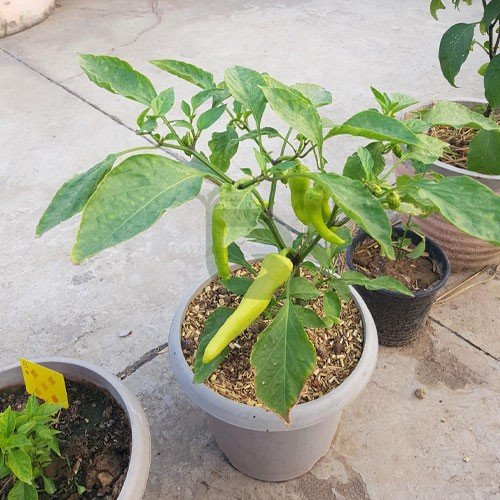
If you love fresh produce, growing banana peppers is one of the easiest and most rewarding gardening projects. They’re resilient, productive, and thrive in most American climates, especially during summer.
Planting Basics
- Start indoors: Begin seeds 6–8 weeks before the last frost.
- Transplant outdoors when temperatures stay above 70°F.
- Soil: Use nutrient-rich, well-drained soil.
- Sunlight: 6–8 hours of full sun daily.
Watering & Feeding
- Water deeply once or twice a week.
- Avoid soggy soil — banana peppers dislike waterlogging.
- Fertilize every few weeks with a balanced vegetable fertilizer.
Harvesting
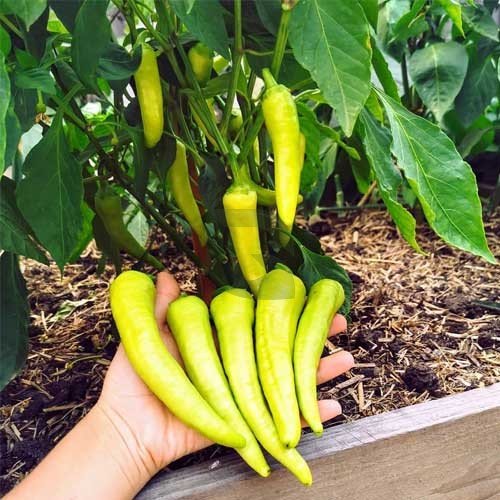
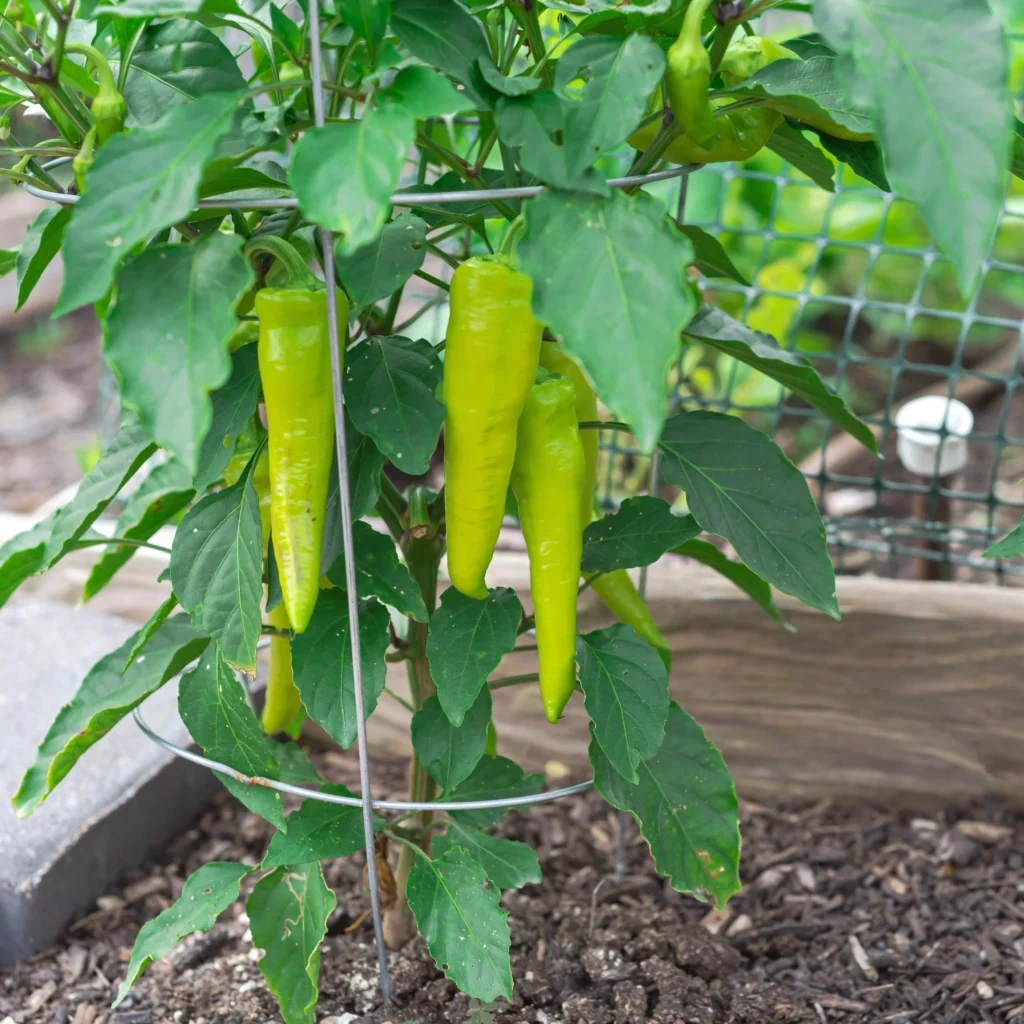
Banana peppers are ready to harvest when they’re 5–7 inches long and bright yellow. You can also let them ripen to orange or red for a sweeter flavor.
Each plant can produce 20–30 peppers per season, giving you plenty to eat fresh or pickle for later.
7. Banana Pepper Varieties: Choose Your Favorite
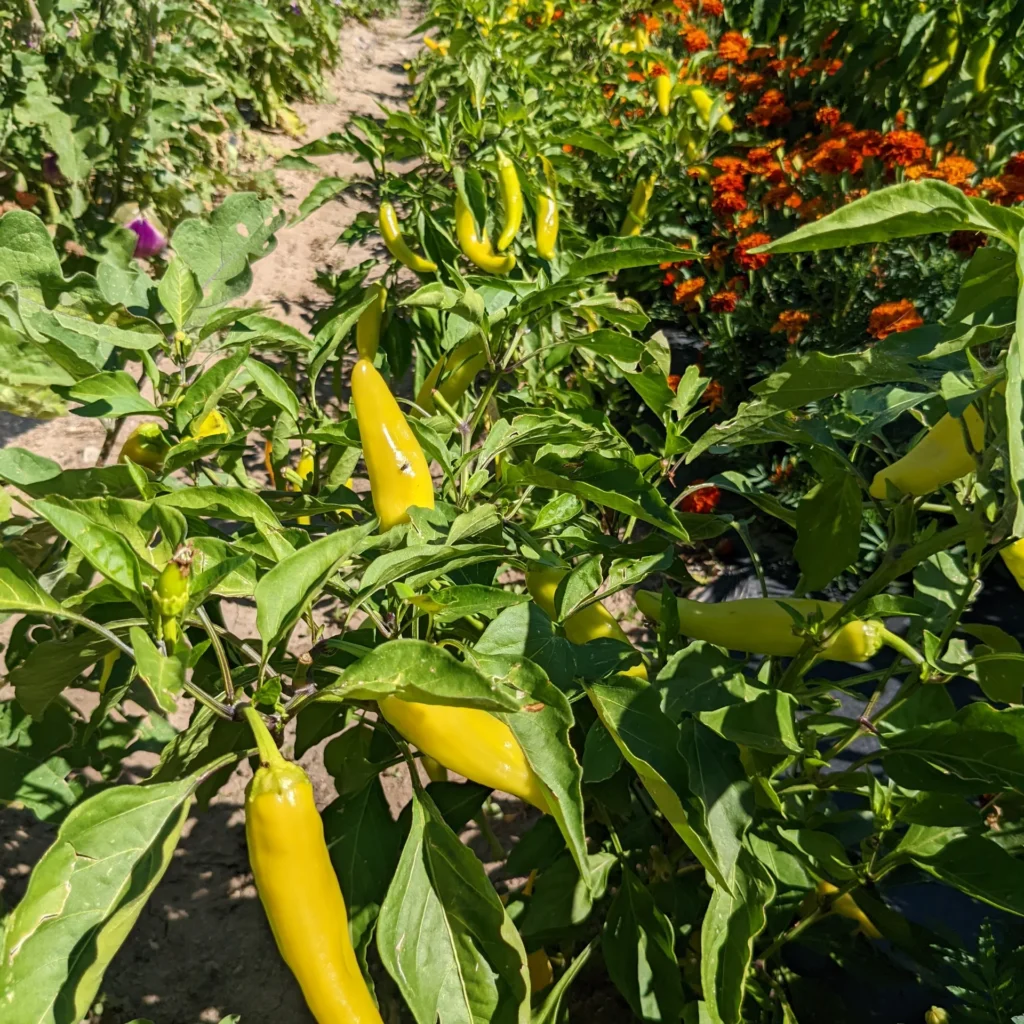
There are several delicious banana pepper types to explore, each with unique flavors and colors:
Sweet Banana Pepper
The most common type — mild, crisp, and perfect for pickling or fresh eating.
Hot Banana Pepper
A slightly spicier version (up to 500 SHU) that adds a gentle heat without overpowering flavor.
Hungarian Yellow Wax Pepper
Often mistaken for banana peppers but a bit hotter (1,000–15,000 SHU). Great for those who like a medium kick.
Mini Banana Peppers
Smaller and sweeter, perfect for salads, snacks, and decorative gardening.
8. Fun Facts About Banana Peppers
- Banana peppers are technically fruits, since they grow from a flower and contain seeds.
- They’re one of the most common peppers used in American pizza chains.
- When fully ripe, banana peppers turn red or orange and become sweeter.
- Pickled banana peppers can last up to 3 months in the fridge.
- They’re a top choice for home gardeners because of their high yield and low maintenance.
9. Storing and Preserving Banana Peppers
To make the most of your harvest or market buys, proper storage keeps banana peppers crisp and flavorful:
In the Refrigerator:
- Store fresh banana peppers in a plastic or paper bag for up to 10 days.
Freezing:
- Slice and freeze for up to 6 months. Ideal for cooking and stir-fries.
Pickling:
- The most popular preservation method — keeps peppers flavorful for weeks or even months.
Drying:
- Slice thinly and dry in the sun or oven. Use in spice blends or crushed pepper flakes.
10. Banana Peppers in American Cuisine
From diners to delis, banana peppers have become a staple in American cooking thanks to their mild flavor and bright color. You’ll find them in:
- Sub sandwiches like those from Subway or Jersey Mike’s.
- Pizza chains such as Domino’s and Papa John’s.
- Chicago-style hot dogs and Italian beef sandwiches.
- Homemade casseroles, pasta salads, and pickled vegetable mixes.
They add that perfect balance of sweet, tangy, and crisp — making every bite better.
Conclusion: The Bright Side of Spice
Banana peppers prove that spice doesn’t have to mean heat. Their sunny flavor, gentle kick, and endless versatility make them a beloved ingredient in American kitchens and gardens alike. Whether you’re tossing them on pizza, pickling a fresh batch, or growing them in your backyard, banana peppers bring color, nutrition, and joy to every meal.
So next time you want a pop of flavor — grab a banana pepper and let its sweet tang light up your table!

Leave A Comment