From Thanksgiving casseroles to backyard summer barbecues, green beans have been a staple on American tables for generations. Known for their crisp texture, bright flavor, and versatility, green beans—also called string beans or snap beans—are one of the easiest and most rewarding vegetables to grow and cook.
Whether you’re shopping at a farmers’ market in California, growing them in a Midwest backyard, or sautéing them in your New York apartment kitchen, green beans deliver freshness, nutrition, and nostalgia in every bite. Let’s dive into why this humble vegetable remains a beloved American favorite, and how you can grow, cook, and enjoy it to the fullest.
What Are Green Beans?
Green beans (Phaseolus vulgaris) are tender, edible-pod beans harvested before the seeds inside mature. They belong to the legume family, making them relatives of black beans, kidney beans, and pinto beans. Unlike other beans that are dried before use, green beans are eaten fresh or lightly cooked for their crisp, juicy pods.
You’ll often see two main types in U.S. gardens and grocery stores:
- Bush beans: Compact plants that don’t require support and produce all at once—ideal for small gardens.
- Pole beans: Climbing vines that yield beans over a longer period, perfect for trellises or fences.
Nutritional Value: Small Pod, Big Benefits
Don’t be fooled by their slender size—green beans pack a nutritious punch. A one-cup serving (about 125 grams) contains:
- Calories: Only about 30
- Fiber: 3 grams
- Protein: 2 grams
- Vitamins: A, C, K, B1, B2, B6, and folate
- Minerals: Iron, magnesium, calcium, and potassium
Green beans are low in fat, cholesterol-free, and loaded with antioxidants such as flavonoids and carotenoids, making them one of the healthiest side dishes you can serve.

Top Health Benefits of Green Beans
1. Promotes Heart Health
Green beans help keep your heart strong thanks to their fiber content, which can reduce “bad” LDL cholesterol. The potassium and magnesium help regulate blood pressure naturally.
2. Supports Weight Loss
Low in calories and high in fiber, green beans are a dieter’s dream. They fill you up without adding excess carbs or fat—making them perfect for salads, soups, or stir-fries.
3. Strengthens Bones
Packed with vitamin K and silicon, green beans support strong bones and help maintain bone density, reducing the risk of osteoporosis as you age.
4. Improves Digestive Health
The fiber in green beans promotes healthy digestion and prevents constipation. It also supports gut health by feeding beneficial bacteria.
5. Boosts Immunity
Rich in antioxidants like vitamin C and beta-carotene, green beans strengthen the immune system and protect your cells from damage caused by free radicals.
6. Supports Eye Health
Carotenoids like lutein and zeaxanthin in green beans help protect your eyes from age-related damage and maintain clear, healthy vision.

Cooking with Green Beans: From Farm to Fork
Green beans are incredibly versatile in the kitchen. Their mild, fresh flavor pairs beautifully with everything from garlic and butter to lemon and almonds. Here are some delicious ways to use them:
1. Classic American Green Bean Casserole
No Thanksgiving dinner is complete without this comfort classic. Mix steamed green beans with mushroom soup, top with crispy fried onions, and bake until golden brown.
2. Garlic Butter Sautéed Green Beans
Heat olive oil or butter in a skillet, toss in blanched green beans, and sauté with minced garlic and a sprinkle of salt. Add a squeeze of lemon for brightness.
3. Green Bean Almondine (French-Inspired Favorite)
A timeless side dish where green beans are tossed in brown butter and garnished with toasted almonds and a hint of lemon juice.
4. Grilled Green Beans
Toss fresh beans with olive oil, salt, and pepper, then grill them in a basket for smoky flavor and tender crunch—perfect for summer cookouts.
5. Green Bean Salad with Feta and Tomatoes
Mix cooked green beans with cherry tomatoes, red onion, feta cheese, and balsamic vinaigrette for a refreshing, protein-packed salad.

6. Pickled Green Beans
Crisp and tangy pickled green beans—also called “dilly beans”—make an excellent addition to charcuterie boards, Bloody Mary cocktails, or lunch sandwiches.
How to Grow Green Beans in Your American Garden
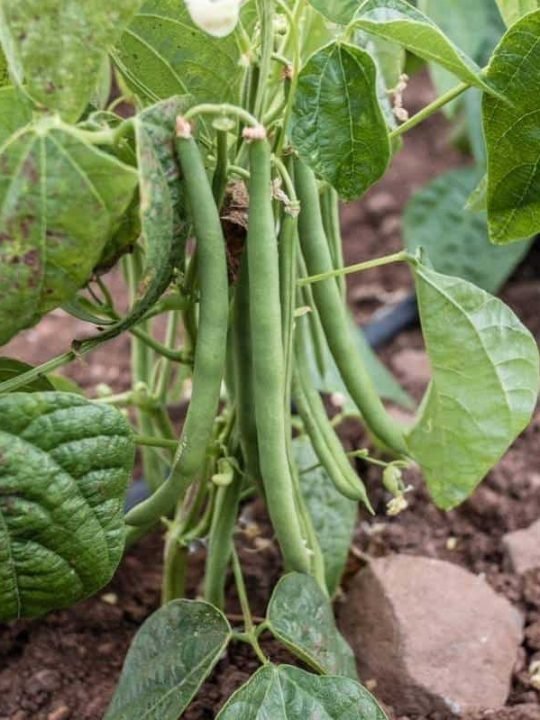
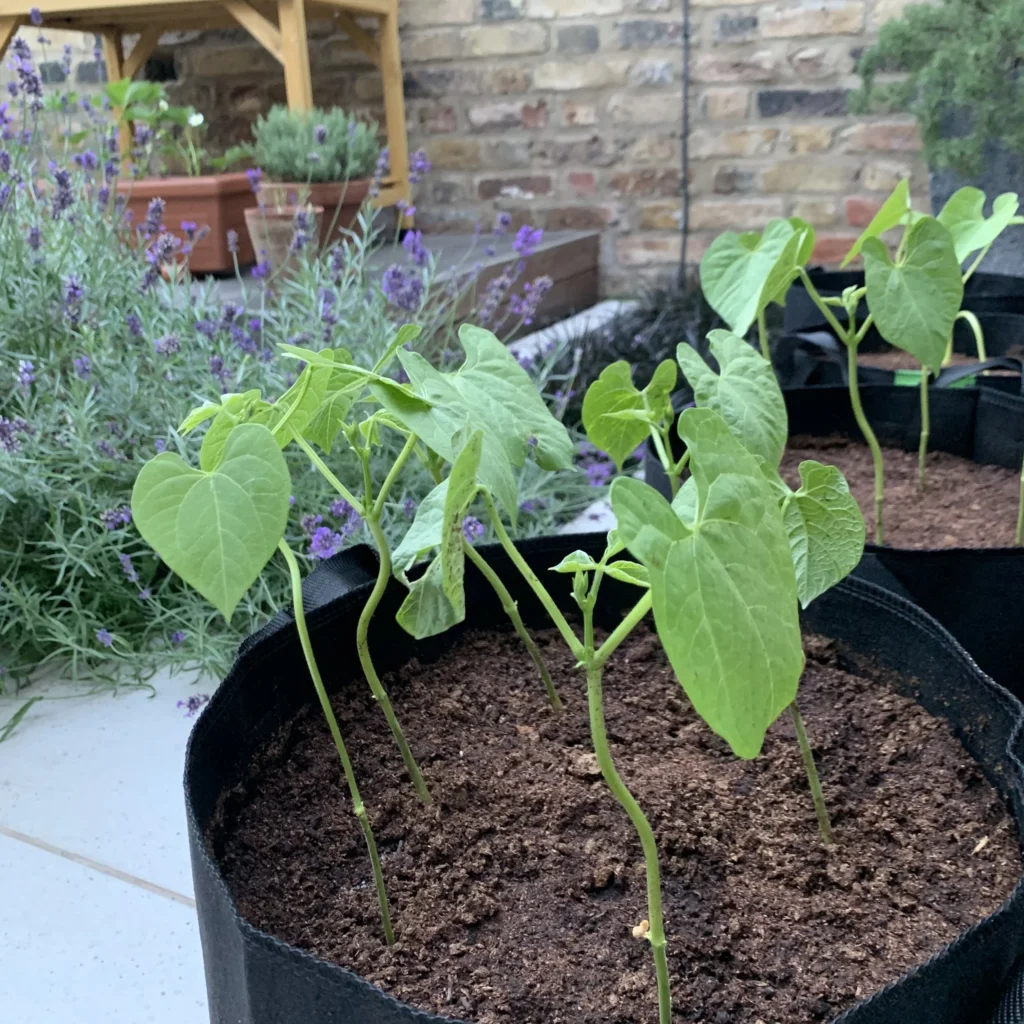
Green beans are among the easiest vegetables to grow, even for beginners. They thrive in warm weather and can be grown in containers, raised beds, or directly in the ground.
1. Choose the Right Variety
- For small spaces: Go with bush beans like ‘Provider,’ ‘Contender,’ or ‘Blue Lake 274.’
- For vertical gardens: Try pole beans such as ‘Kentucky Wonder’ or ‘Scarlet Runner.’
2. When to Plant
Green beans are warm-season crops. In most U.S. regions, plant them after the last frost when soil temperatures reach around 60°F (15°C).
3. Preparing the Soil
Use well-draining soil enriched with compost. Green beans don’t need heavy fertilization, as they fix nitrogen naturally in the soil.
4. Sowing the Seeds
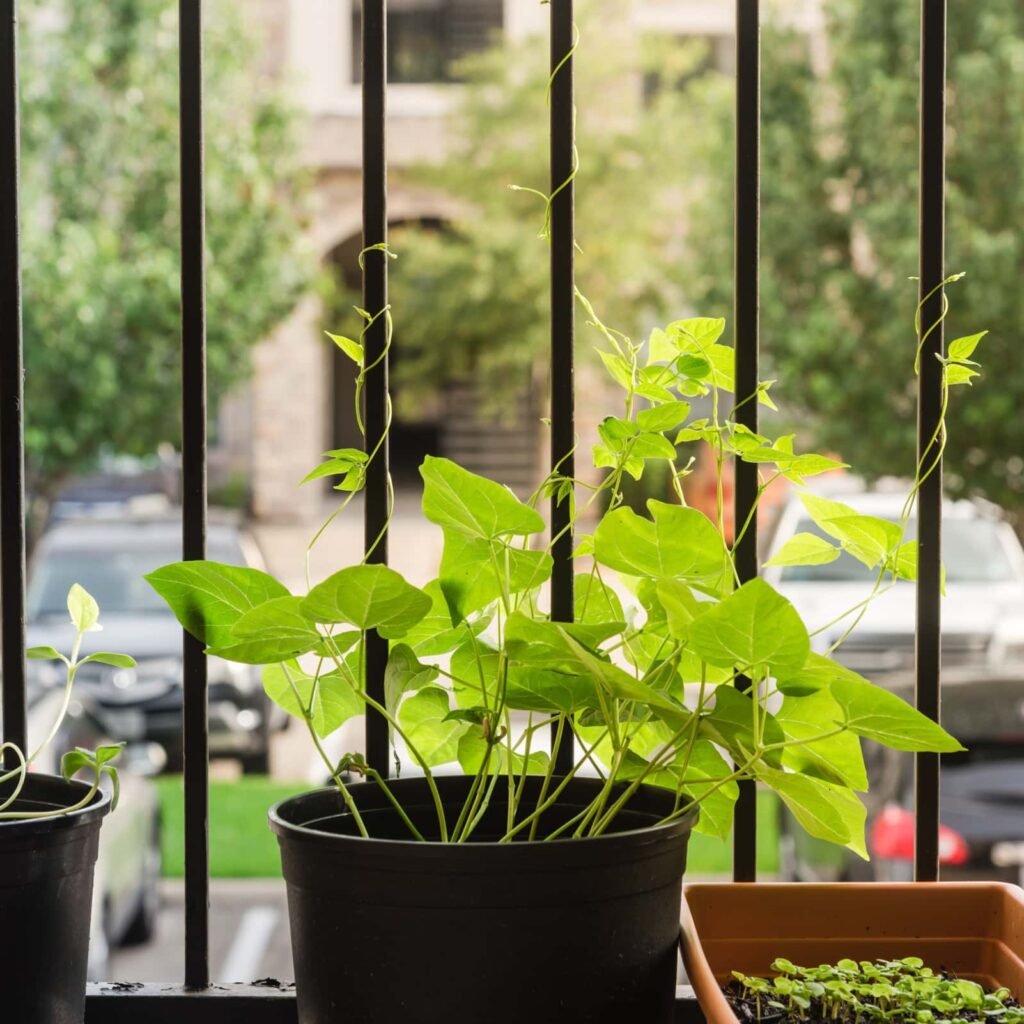
Plant seeds 1 inch deep and 2–3 inches apart. For pole beans, provide a trellis or support system early on.
5. Watering and Care
Water regularly—about 1 inch per week—and avoid overhead watering to reduce the risk of fungal diseases. Mulch helps retain soil moisture.

6. Harvesting
Pick green beans when they are young and crisp—typically 50 to 60 days after planting. Regular harvesting encourages more growth.
Common Problems and Their Fixes
Like any vegetable, green beans can face a few common garden challenges. Here’s how to tackle them:
- Aphids or Bean Beetles: Spray with neem oil or use insecticidal soap.
- Powdery Mildew: Ensure good air circulation and water only at the base of plants.
- Poor Germination: Plant in warm soil; cold soil can delay or prevent sprouting.
Crop rotation and keeping the garden clean help prevent most recurring pest and disease issues.
Fun Facts About Green Beans
- Green beans were first cultivated in Central and South America over 7,000 years ago.
- Thomas Jefferson famously grew over 30 varieties of beans in his Monticello garden.
- The average American eats nearly 7 pounds of green beans per year!
- Canned green beans became a pantry staple during World War II due to their long shelf life.
Buying and Storing Green Beans
When shopping for fresh green beans, look for pods that are:
- Firm, bright green, and free of brown spots
- Snapping cleanly when bent (a sign of freshness)
Store unwashed beans in a perforated plastic bag in the refrigerator for up to 5–7 days. To preserve them longer, blanch and freeze them for up to six months.
Sustainability and Home Gardening Appeal
Green beans are an eco-friendly crop. As legumes, they naturally enrich the soil with nitrogen, reducing the need for chemical fertilizers. Growing them in your home garden not only saves money but also helps you eat more locally and sustainably.

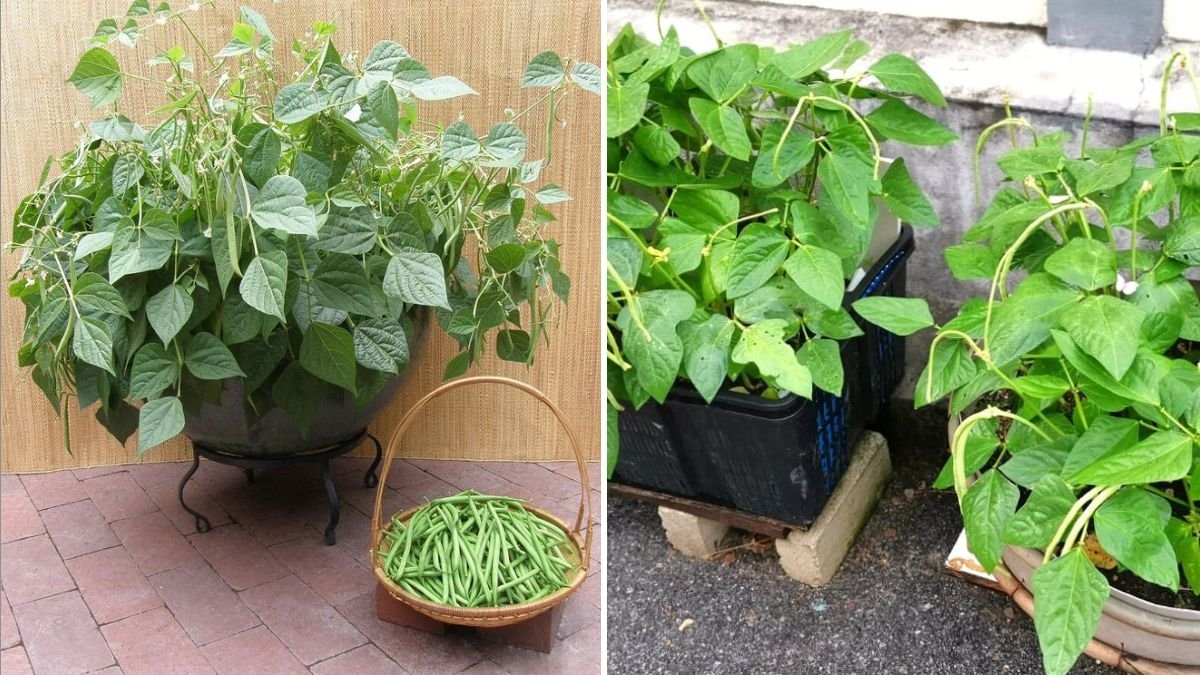
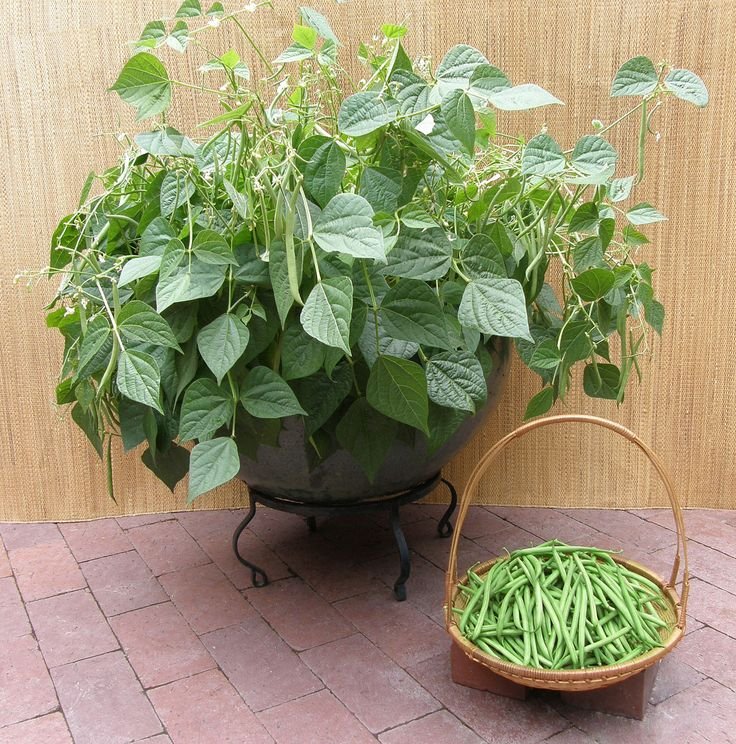
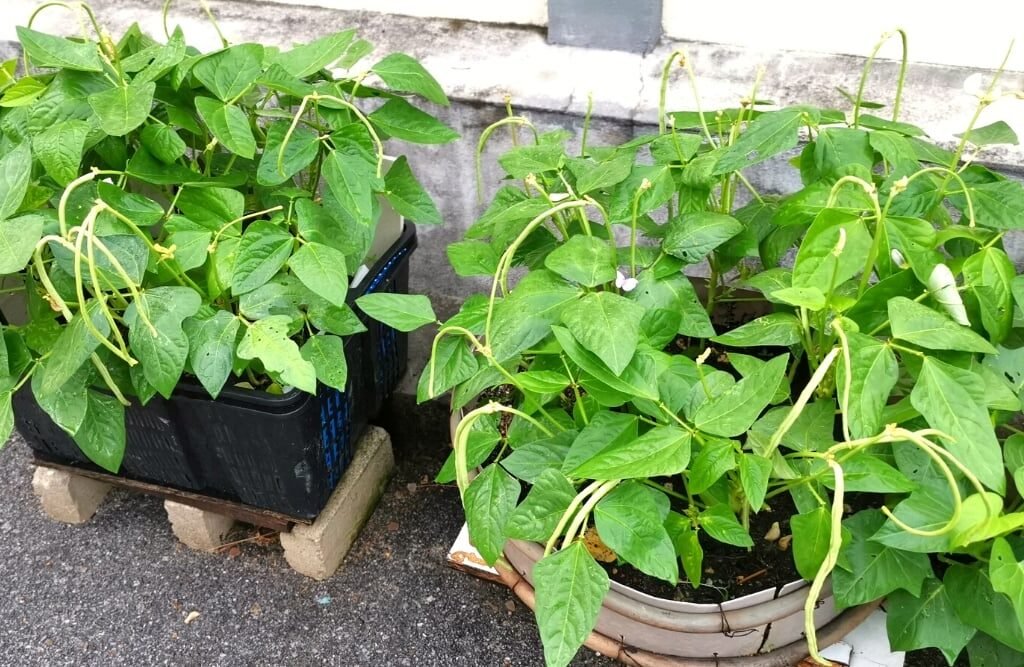
In container gardens, especially in urban settings, bush beans thrive easily. A single 5-gallon container can produce several pounds of beans throughout the summer. Plus, their small white flowers attract pollinators like bees, supporting your garden’s overall health.
Green Beans in Modern American Cuisine
Today’s American chefs and home cooks are giving green beans a modern makeover. You’ll find them:
- Charred and drizzled with sesame oil at trendy Los Angeles bistros
- Blended into creamy soups in New England kitchens
- Stir-fried with chili flakes and soy sauce in fusion-style New York restaurants
From rustic farm tables to gourmet dining rooms, green beans fit seamlessly into every meal.
Conclusion: Why Green Beans Deserve a Place in Every Garden and Kitchen
Crisp, nutritious, and easy to grow—green beans truly are America’s homegrown super veggie. They deliver big on flavor, health, and versatility while demanding little effort in return.
Whether you’re steaming them for a quick side dish, pickling them for snacks, or growing them in your backyard, green beans connect us to a simpler, healthier, and more sustainable way of eating. So, grab some seeds this season, plant a few rows, and enjoy the satisfying crunch of fresh, homegrown green beans right from your own garden.

Leave A Comment