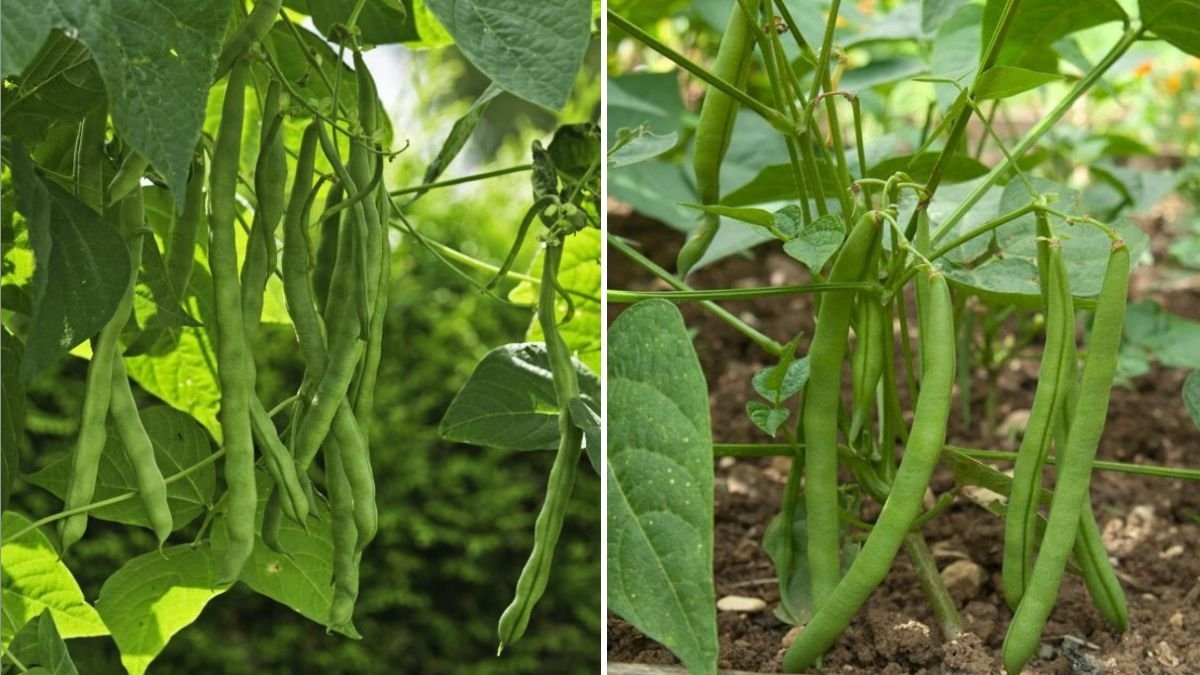
When you think of fresh, crunchy vegetables that brighten any plate, French beans—also known as haricots verts—are sure to top the list. Sleeker, thinner, and more tender than traditional green beans, French beans have found their way from elegant French kitchens to everyday American homes and gardens.
Known for their delicate flavor and rich nutrition, these beans are loved by chefs, home cooks, and gardeners alike. Whether you’re planning a sophisticated dinner or looking to grow your own vegetables, French beans offer the perfect blend of beauty, taste, and health.
Let’s explore why this European favorite has become a staple in American cuisine, how to grow it successfully, and the countless ways to enjoy it.
What Are French Beans?
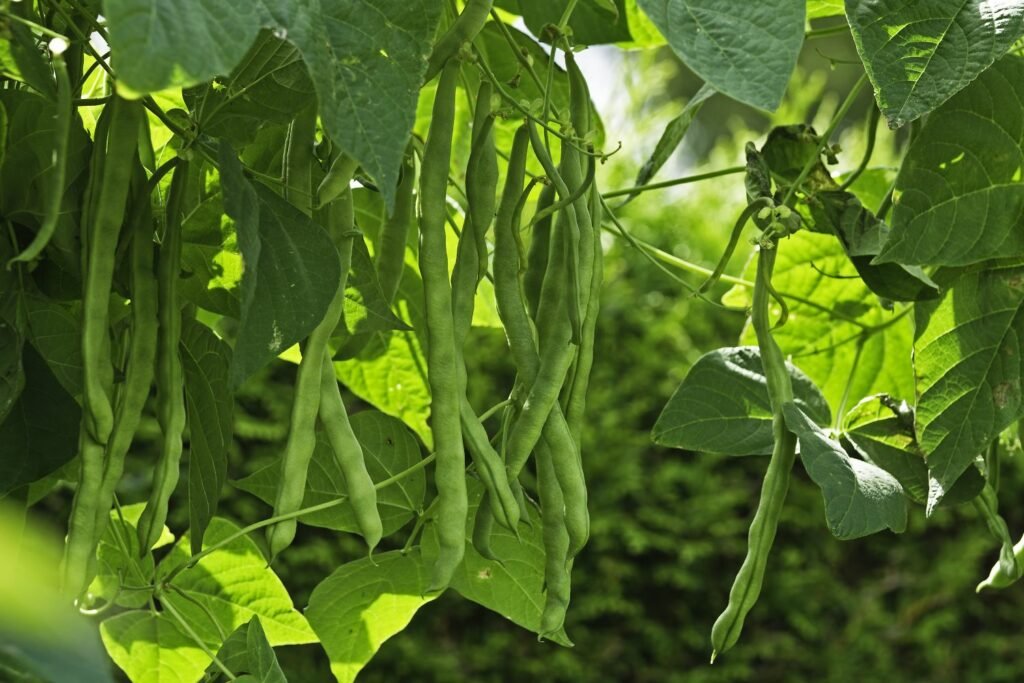
French beans (Phaseolus vulgaris) are a type of green bean that are typically thinner, longer, and more tender than the regular American snap bean. Known as haricots verts in French cuisine, they are harvested earlier, giving them a more refined texture and a slightly sweeter, more delicate flavor.
While both belong to the same species, French beans are often seen as the “gourmet” version of green beans—ideal for dishes that require elegance and finesse.
In the U.S., they are increasingly popular in upscale restaurants, farmers’ markets, and home gardens due to their versatility and rich nutritional profile.
Nutritional Value: Small Beans, Big Benefits
French beans may look slender, but they’re bursting with nutrients. A 100-gram serving of boiled French beans contains:
- Calories: 31
- Protein: 1.8 grams
- Fiber: 3.4 grams
- Carbohydrates: 7 grams
- Vitamins: A, C, K, and folate
- Minerals: Iron, calcium, magnesium, and potassium
They are also low in fat and cholesterol-free, making them an excellent choice for weight-conscious eaters and those looking for wholesome, plant-based nutrition.
Health Benefits of French Beans
1. Great for Heart Health
French beans help support cardiovascular wellness. Their fiber content helps lower LDL cholesterol levels, while potassium and magnesium maintain healthy blood pressure.
2. Excellent for Weight Management
Because they are low in calories and high in fiber, French beans help keep you feeling full for longer. They’re an excellent choice for people following a low-carb or low-fat diet.
3. Boosts Immunity
Rich in vitamin C and antioxidants, French beans strengthen your immune system and protect cells from oxidative stress.
4. Supports Healthy Bones
Vitamin K and calcium in French beans help improve bone density and reduce the risk of osteoporosis—especially beneficial for women over 40.
5. Improves Digestion
Their natural fiber promotes smooth digestion, prevents constipation, and supports gut health by feeding beneficial bacteria.
6. Enhances Skin and Hair Health
Loaded with antioxidants and silicon, French beans promote healthy skin and shiny hair while helping to delay signs of aging.
French Beans in American Kitchens: Elegant, Versatile, and Delicious
French beans have earned their reputation as a chef’s favorite ingredient. Their mild flavor and crisp texture allow them to complement a variety of dishes—from rustic American classics to fine dining creations.
Here are some delicious and easy ways to enjoy French beans in your home kitchen:

1. French Beans Almondine
A traditional French-inspired side dish that’s perfect for special occasions. Lightly sauté French beans in butter and garlic, then toss with toasted almonds and a squeeze of lemon juice. Elegant and flavorful!
2. Stir-Fried French Beans with Garlic
A simple weeknight dish—blanch beans until tender, then stir-fry with olive oil, garlic, and chili flakes. Serve as a side with grilled chicken or tofu.
3. French Bean Salad with Feta and Cherry Tomatoes
Combine blanched French beans with feta cheese, cherry tomatoes, red onions, and a lemon vinaigrette for a refreshing summer salad.
4. Roasted French Beans with Parmesan
Toss beans in olive oil, sprinkle with salt, pepper, and grated Parmesan cheese, then roast until crisp. A healthy alternative to fries!
5. French Bean Casserole (American Classic with a Twist)
Upgrade your holiday favorite by using fresh French beans instead of canned green beans. Mix with mushroom soup, crispy onions, and bake until golden.
6. French Bean Soup
Cook French beans with potatoes, carrots, and onions in vegetable broth. Puree until smooth for a hearty, comforting soup.
How to Grow French Beans in the U.S.
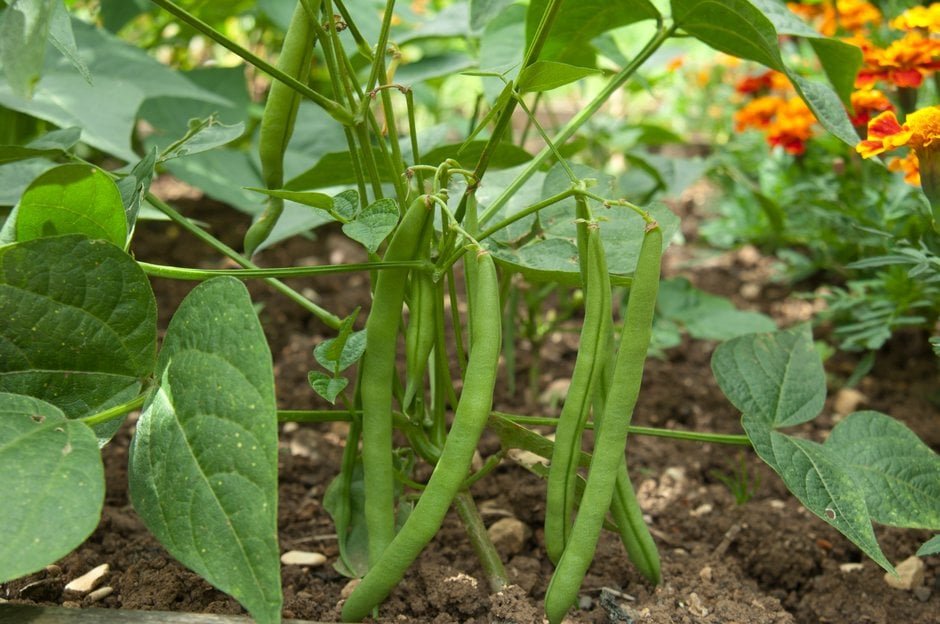
French beans are relatively easy to grow, making them an ideal addition to American home gardens. They thrive in warm weather and adapt well to different soil types.
Here’s a step-by-step guide to growing your own French beans:

1. Choose the Right Variety
Popular French bean varieties in the U.S. include ‘Haricot Vert,’ ‘Nickel,’ ‘Maxibel,’ and ‘Tavera.’ Choose bush varieties for compact gardens or pole varieties for vertical growth.
2. Planting Time
Sow seeds after the last frost, when the soil temperature is at least 60°F (16°C). French beans thrive in warm, sunny conditions.
3. Soil Preparation
Prepare loose, well-drained soil enriched with organic compost. A slightly acidic to neutral pH (6.0–7.0) works best.
4. Sowing the Seeds
Plant seeds 1 inch deep and 3 inches apart in rows. Space rows about 18 inches apart for easy access.
5. Watering and Fertilization
Water regularly to keep the soil moist but not soggy. Avoid overwatering, which can lead to root rot. Use compost tea or an organic fertilizer once every 3–4 weeks.
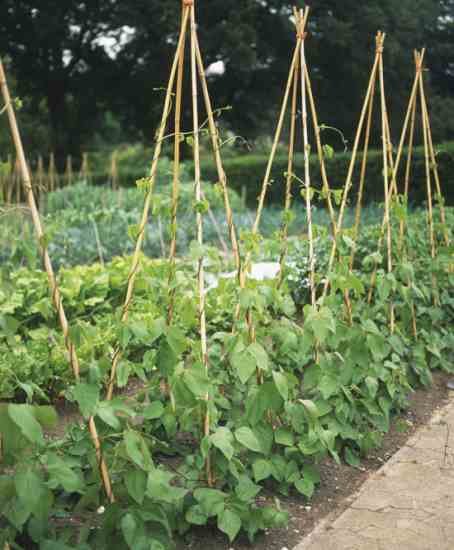
6. Support and Training (for Pole Varieties)
Provide a trellis or poles for climbing types to support vertical growth and increase yields.
7. Harvesting
French beans are ready for harvest in 50–60 days. Pick them when they’re slender, firm, and about 4–6 inches long. Regular picking encourages continuous production.
Common Problems and How to Fix Them
Even though French beans are easy to grow, they can face common garden challenges. Here’s how to manage them:

- Aphids and Spider Mites: Spray with neem oil or insecticidal soap.
- Powdery Mildew: Ensure proper spacing for airflow and avoid wetting the leaves.
- Rust: Rotate crops annually and remove affected leaves immediately.
- Poor Germination: Make sure soil is warm enough; cold soil delays sprouting.
Healthy, well-drained soil and consistent watering are key to thriving plants.
Fun Facts About French Beans
- French beans originated in South and Central America but became a staple in French cuisine by the 16th century.
- The term “haricots verts” translates literally to “green beans” in French—but refers to the more slender, gourmet variety.
- They were introduced to the U.S. through French immigrants and have been grown commercially since the 19th century.
- French beans are now one of the most popular export vegetables from Mexico and Central America to the U.S.
Buying and Storing French Beans
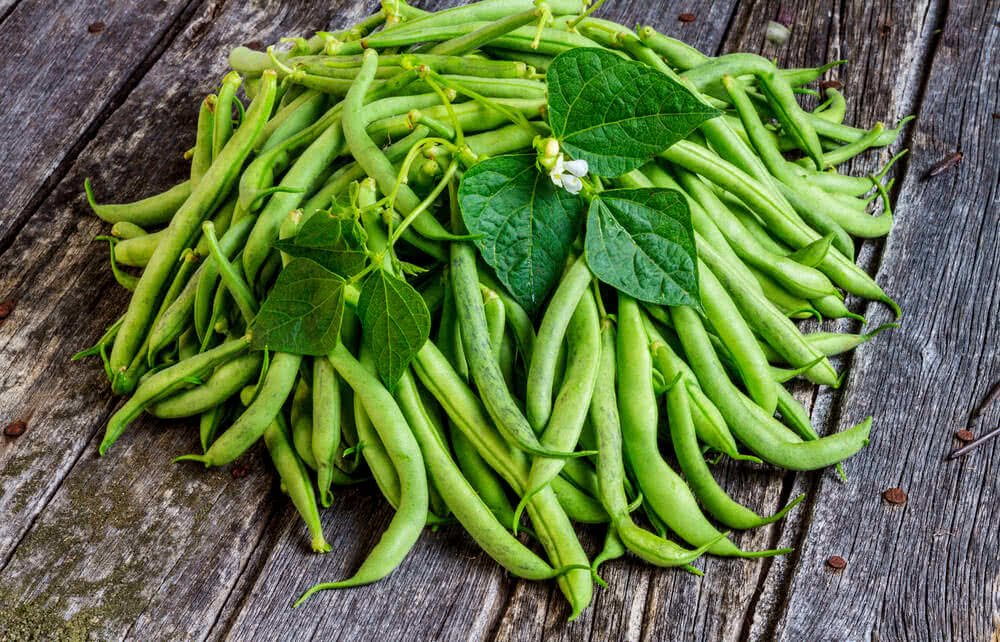
When buying French beans, look for:
- Bright green, slender pods that snap easily
- No brown spots, wrinkles, or soft areas
Store them unwashed in a perforated bag in the refrigerator for up to 5 days. To store longer, blanch for 2–3 minutes, cool in ice water, and freeze.
Sustainability and Home Gardening Appeal
French beans are a sustainable choice for American gardens. As legumes, they naturally enrich the soil by fixing nitrogen, reducing the need for chemical fertilizers. They grow quickly, produce abundantly, and fit perfectly into eco-friendly gardening practices.
Even city dwellers can grow French beans in containers on balconies or patios—just provide enough sunlight and vertical space. Their delicate white flowers also attract pollinators like bees, making your garden more biodiverse.
French Beans in Modern American Cuisine
Today’s American chefs are reinventing how French beans are used. You’ll see them in:
- Farm-to-table restaurants as roasted or charred sides
- Health cafés in fresh salads and grain bowls
- Gourmet kitchens with truffle butter or lemon zest glazes
- Home kitchens as air-fried, crispy snacks
French beans bridge the gap between classic comfort food and contemporary healthy eating—a perfect example of simple elegance on a plate.
Conclusion: The Refined Yet Simple Bean America Loves
French beans bring together the best of both worlds—the simplicity of homegrown vegetables and the sophistication of French cuisine. They’re nutrient-rich, visually appealing, and incredibly easy to grow, making them a must-have for every home gardener and health-conscious cook.

Whether you’re tossing them in a quick stir-fry, roasting them for a dinner party, or picking them fresh from your backyard, French beans offer freshness, flavor, and flexibility like few other vegetables can.
So this season, plant a few seeds, savor the taste of homegrown French beans, and enjoy the satisfying crunch of one of America’s most elegant green vegetables.

Leave A Comment