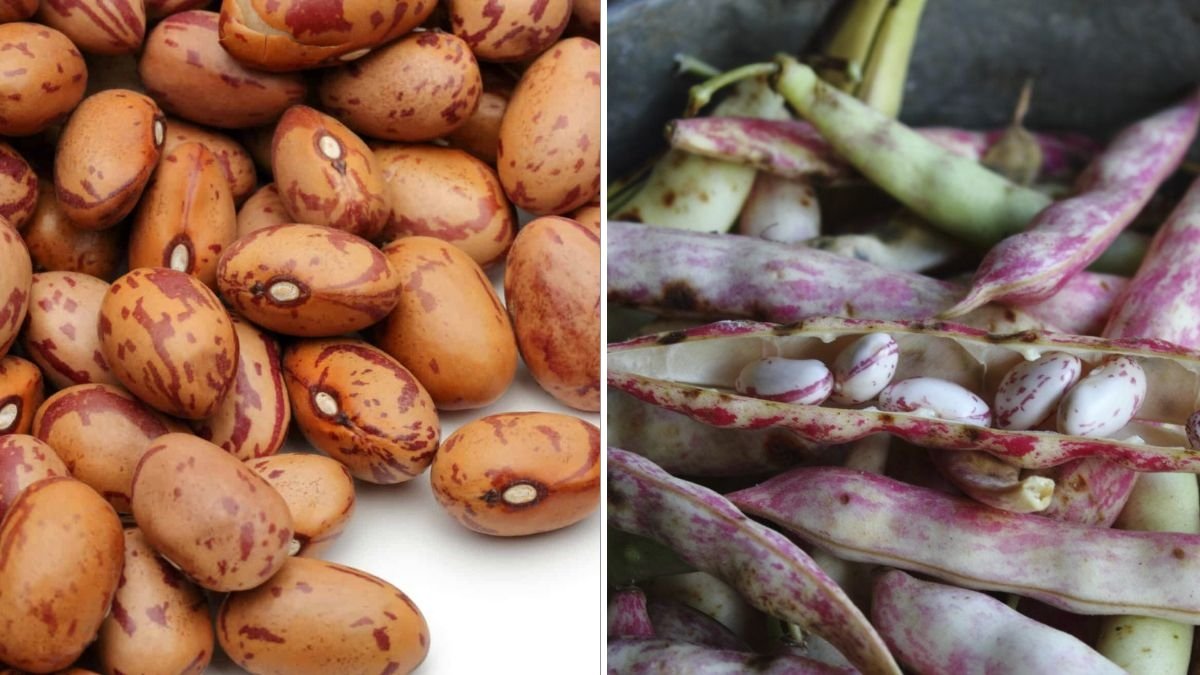
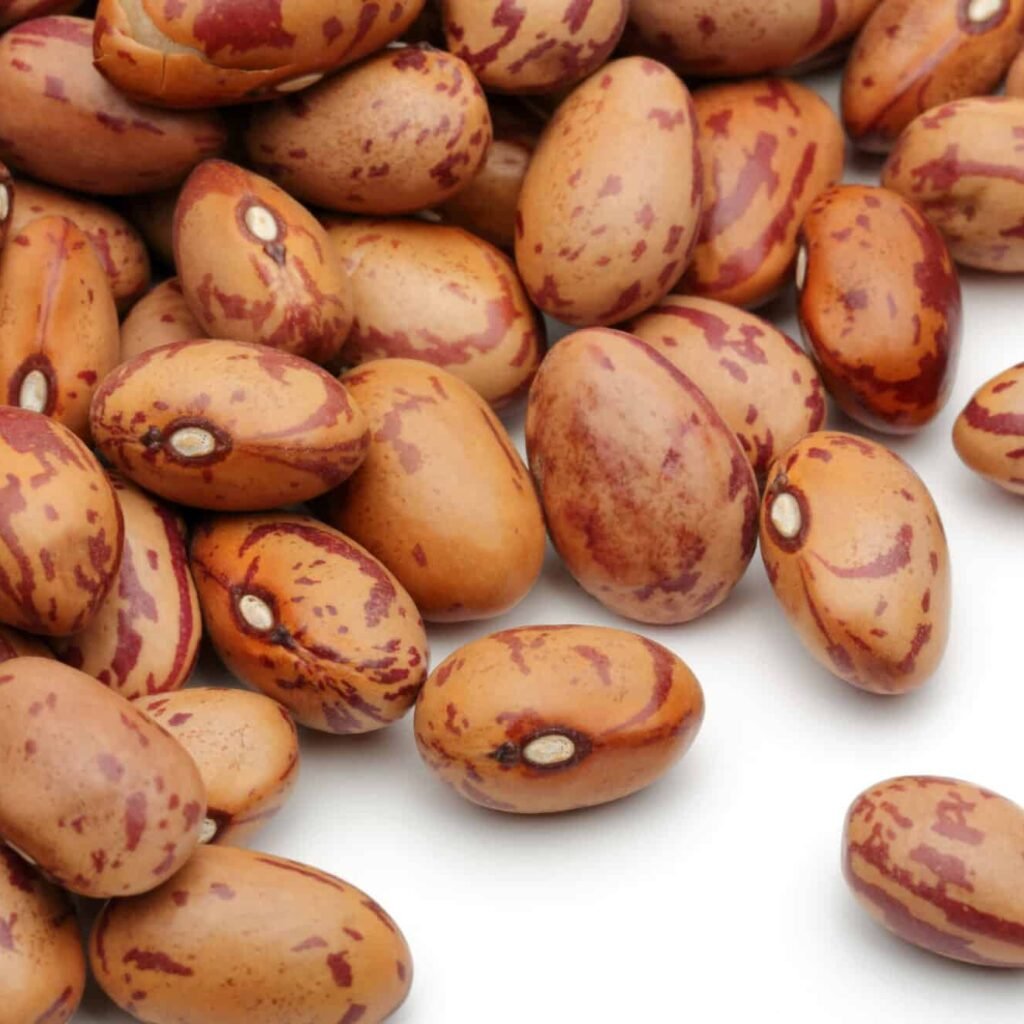
Few ingredients capture the essence of American Southwest cooking quite like pinto beans. Known for their earthy flavor, creamy texture, and speckled tan-and-brown skin, pinto beans are a staple across the United States—especially in Tex-Mex cuisine. Whether served in a hearty bowl of chili, refried for burritos, or simmered with ham hocks for Sunday supper, these humble legumes are a beloved comfort food that packs incredible nutrition.
Beyond their taste, pinto beans offer an affordable, protein-rich foundation for countless recipes. They’re easy to cook, store well, and can elevate both traditional and modern dishes with their versatility. Let’s explore the origins, nutritional benefits, cooking methods, and creative recipes that make pinto beans a must-have ingredient in every American kitchen.
The Story Behind Pinto Beans
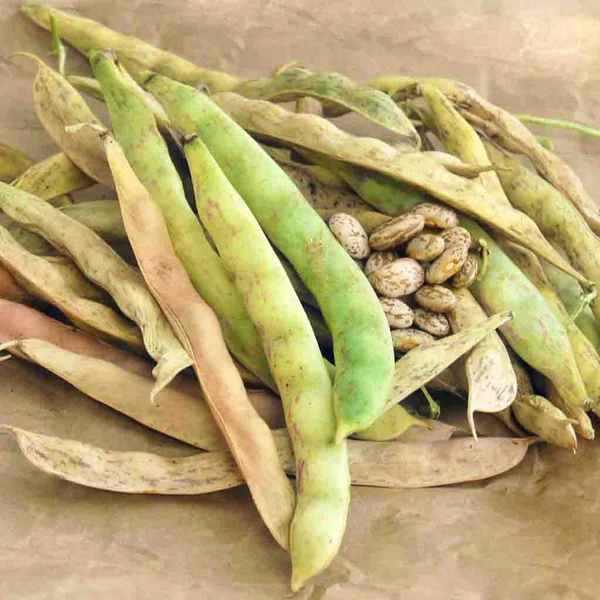
Pinto beans (Phaseolus vulgaris) are native to Central and South America, where they have been cultivated for thousands of years. Spanish explorers introduced them to North America, and over time, they became a vital part of Southwestern and Mexican cuisines. The word “pinto” means “painted” in Spanish—a fitting description for the bean’s mottled appearance before cooking.
In the United States, pinto beans are especially popular in states like Texas, New Mexico, Arizona, and Colorado, where they often take center stage in classic dishes like refried beans, chili con carne, and bean soups. In Southern kitchens, they’re frequently cooked with smoked meats, onions, and spices to create a rich, comforting side dish.
Nutritional Benefits of Pinto Beans
Pinto beans aren’t just delicious—they’re incredibly nutritious. They’re packed with plant-based protein, fiber, vitamins, and minerals, making them a smart choice for health-conscious Americans looking to eat better without breaking the bank.
Here’s what makes them a nutritional powerhouse:

- High in Protein: One cup of cooked pinto beans provides about 15 grams of protein, perfect for vegetarians and anyone looking to cut back on meat.
- Rich in Fiber: With 15 grams of fiber per cup, pinto beans promote healthy digestion and help regulate blood sugar levels.
- Heart-Healthy Nutrients: They’re rich in magnesium, potassium, and folate, which support heart health and reduce bad cholesterol (LDL).
- Low in Fat: Pinto beans contain minimal fat and no cholesterol, making them ideal for weight management.
- Packed with Antioxidants: Pinto beans contain polyphenols that fight oxidative stress and inflammation in the body.
According to the USDA, adding beans like pintos to your diet can lower your risk of heart disease, type 2 diabetes, and certain cancers.
Cooking Pinto Beans: From Dry to Delicious
Cooking pinto beans from scratch is simple and rewarding. While canned beans are convenient, starting with dried beans allows for better flavor and texture—and less sodium.
Step 1: Soak the Beans
Soaking helps soften the beans and reduce cooking time. You can use one of two methods:
- Overnight Soak: Place beans in a bowl, cover with water (about 3 inches above the beans), and soak overnight.
- Quick Soak: Boil beans for 2 minutes, remove from heat, cover, and let sit for 1 hour.
Step 2: Drain and Rinse
After soaking, drain and rinse the beans to remove excess starch and anti-nutrients.
Step 3: Simmer to Perfection
Place the beans in a large pot, cover with fresh water or broth, and bring to a boil. Reduce to a simmer and cook for 1½ to 2 hours or until tender. Add salt and acidic ingredients like tomatoes or vinegar after the beans are tender—adding them too early can toughen the skins.
Flavor Tip:
For extra flavor, add onions, garlic, bay leaves, or smoked meats like bacon or ham hock to the cooking pot.

Delicious Pinto Bean Recipes to Try
1. Classic Refried Pinto Beans
A staple in Tex-Mex cuisine, refried beans are creamy, flavorful, and perfect as a side or burrito filling.
Ingredients:
- 2 cups cooked pinto beans
- 2 tbsp olive oil or lard
- ½ onion, diced
- 2 cloves garlic, minced
- Salt and cumin to taste
Directions:
Mash the beans slightly with a fork. In a skillet, heat oil and sauté onions and garlic until golden. Add beans and a splash of cooking liquid, stirring until smooth and creamy. Season with salt and cumin.
2. Southwestern Pinto Bean Chili
Warm, hearty, and perfect for cool evenings.
Ingredients:
- 1 lb lean ground beef or turkey
- 2 cups cooked pinto beans
- 1 can diced tomatoes
- 1 small onion, chopped
- 2 cloves garlic, minced
- 1 tbsp chili powder
- 1 tsp cumin
- Salt and pepper to taste
Directions:
Brown the meat with onions and garlic. Add tomatoes, beans, and spices. Simmer for 30 minutes until flavors blend. Top with cheese or sour cream.
3. Pinto Bean Salad with Corn and Avocado
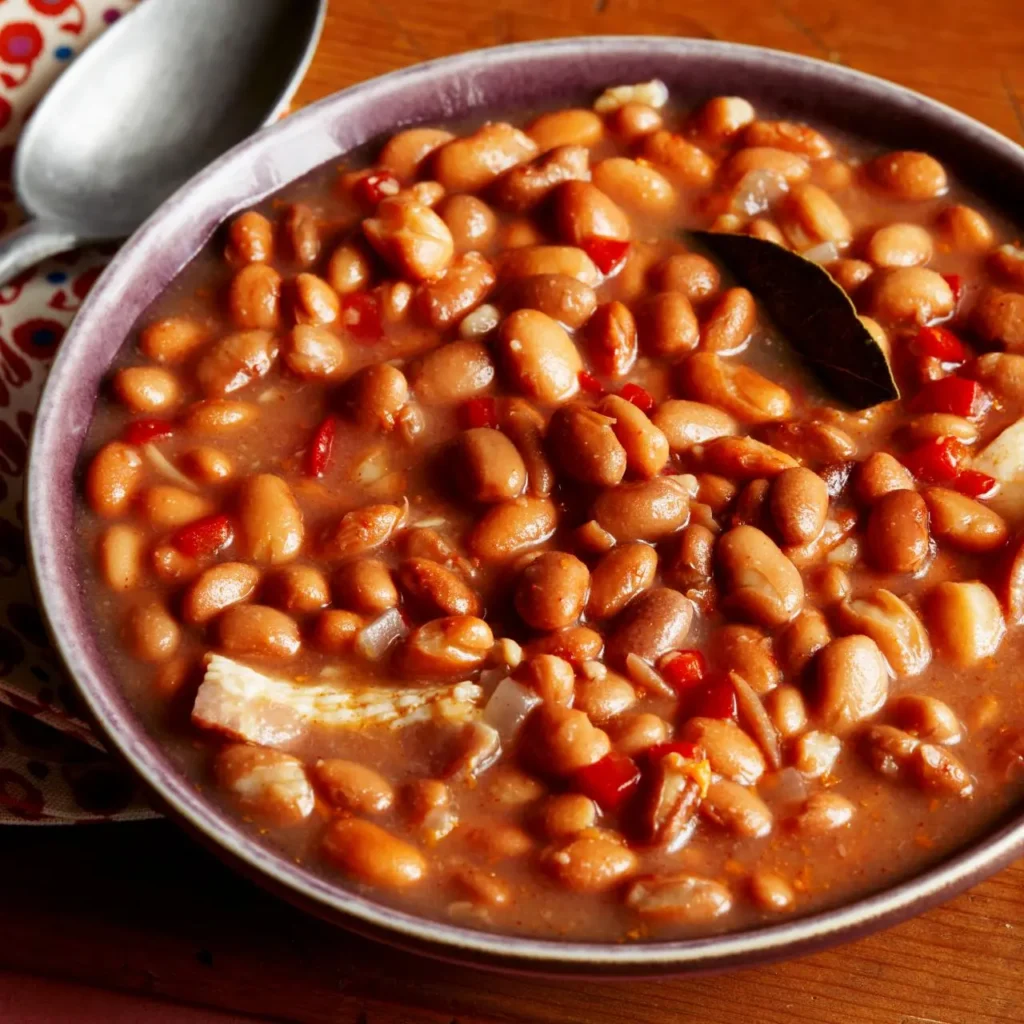
A refreshing, protein-packed salad ideal for summer BBQs or potlucks.
Ingredients:
- 2 cups cooked pinto beans
- 1 cup corn kernels
- 1 diced red bell pepper
- 1 avocado, cubed
- 2 tbsp olive oil
- Juice of 1 lime
- Fresh cilantro and salt to taste
Directions:
Toss all ingredients in a bowl and chill before serving. This vibrant salad pairs beautifully with grilled chicken or fish.
4. Pinto Bean Soup with Smoked Ham
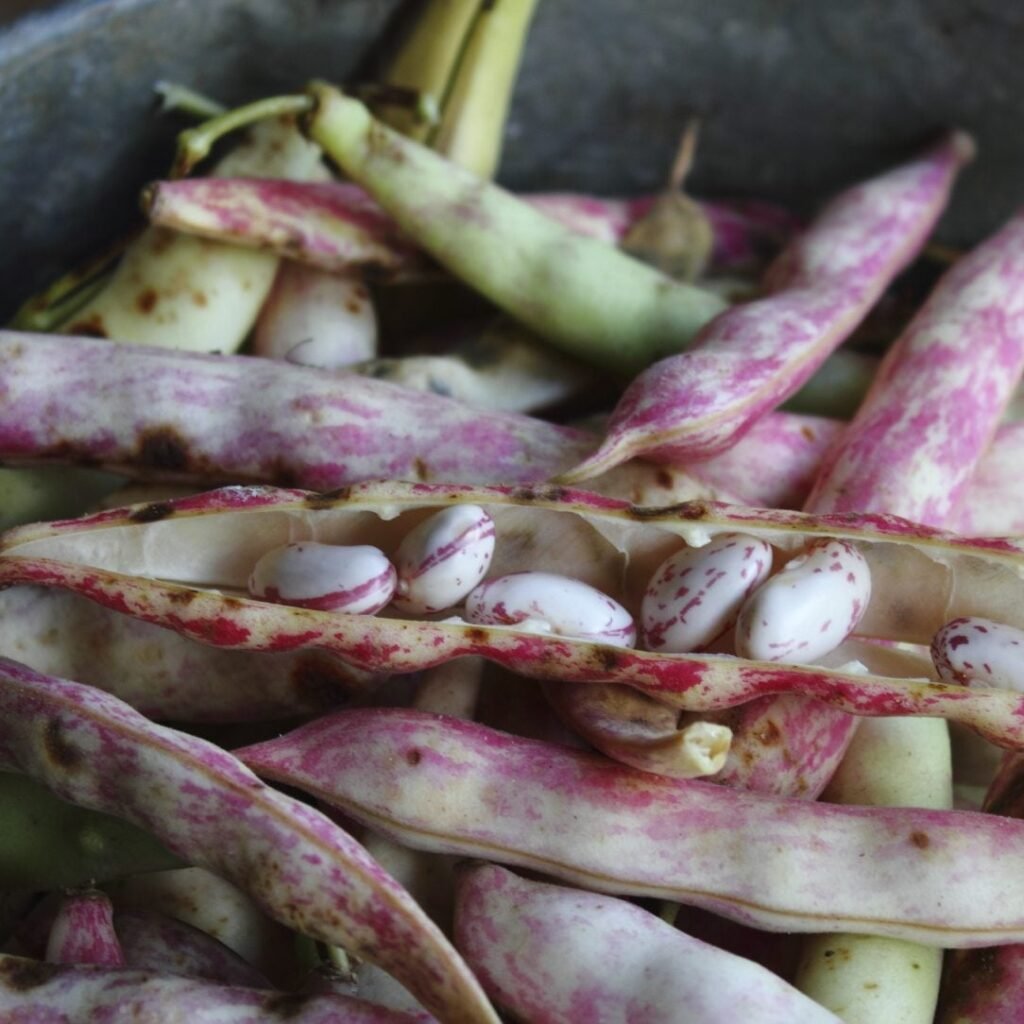
Comfort in a bowl—perfect for cold winter nights.
Ingredients:
- 2 cups dried pinto beans (soaked)
- 1 ham bone or smoked ham hock
- 1 onion, diced
- 2 carrots, chopped
- 2 celery stalks, chopped
- 1 bay leaf
- 6 cups chicken broth
Directions:
Combine all ingredients in a pot, bring to a boil, then simmer for 2 hours until beans are tender. Remove the ham bone, shred the meat, and return it to the pot.

Pinto Beans in American Cuisine
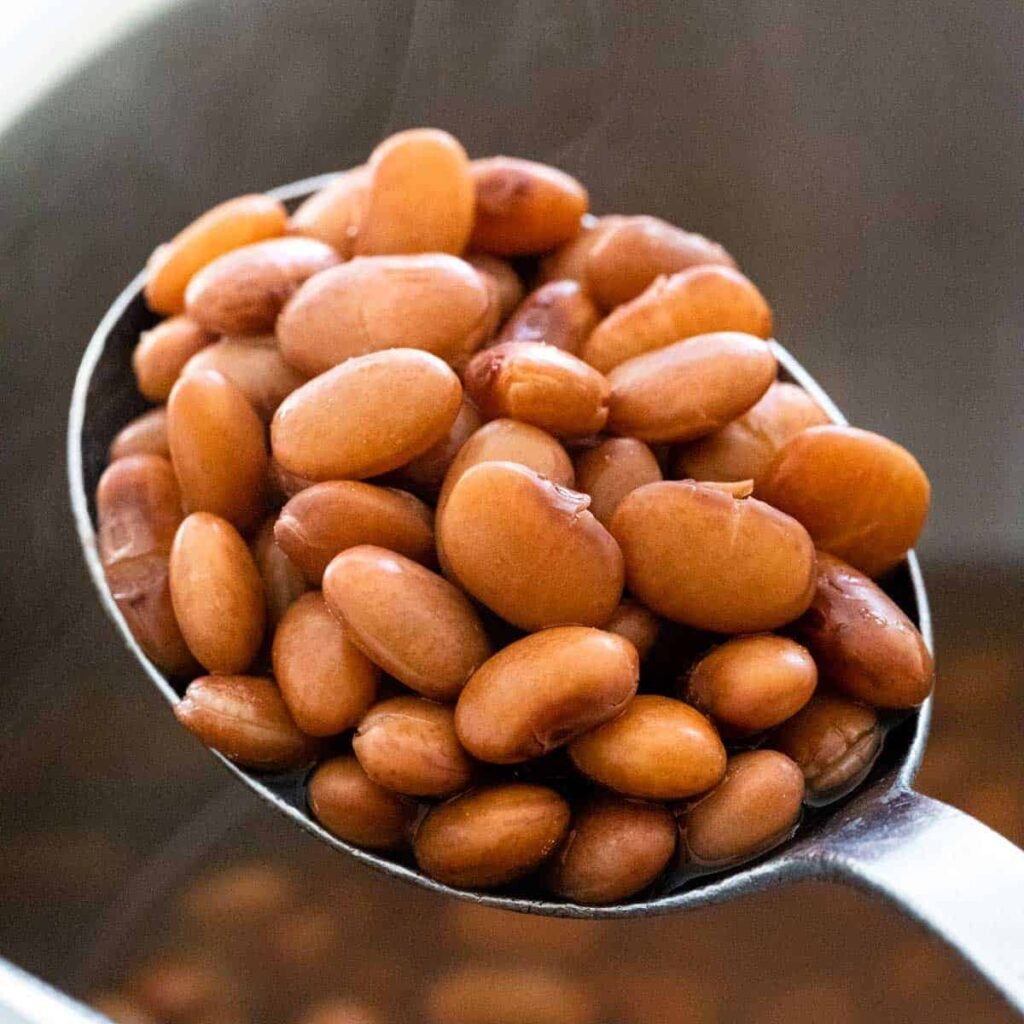
Pinto beans hold a special place in American food culture, particularly in the South and Southwest. They’re a symbol of home-cooked comfort food, celebrated in dishes like:
- Texas-style bean chili
- Cowboy beans, slow-cooked with bacon and molasses
- Southern-style pinto beans and cornbread, a traditional meal of simplicity and flavor
In the modern kitchen, pinto beans have evolved beyond tradition. They now appear in vegan tacos, protein bowls, soups, and even veggie burgers, proving their adaptability in both classic and contemporary recipes.
Storage and Meal Prep Tips
One of the best things about pinto beans is their long shelf life and meal prep potential.
- Dried Beans: Store in an airtight container in a cool, dark place for up to a year.
- Cooked Beans: Keep in the fridge for up to 5 days or freeze in portions for up to 3 months.
- Canned Beans: Convenient and quick—just rinse before using to reduce sodium.
Cooking a big batch of beans at once makes meal prep easier for busy weeks. Add them to salads, rice bowls, soups, or wraps for quick, healthy meals.
Why Americans Love Pinto Beans
Pinto beans check every box for the modern American kitchen—they’re affordable, nutritious, sustainable, and delicious. They can be the star of the dish or a hearty side that complements meats, grains, or veggies.
They also fit perfectly into today’s growing trend of plant-based eating. With their rich protein and fiber content, pinto beans offer a satisfying alternative to animal protein without sacrificing flavor.
Plus, they’re eco-friendly. Growing beans requires fewer resources than raising livestock, making them a sustainable food choice for environmentally conscious consumers.
Final Thoughts
From humble beginnings in the fields of the Americas to their spot on dinner tables across the U.S., pinto beans have earned their reputation as a beloved American classic. Whether you’re cooking a pot of old-fashioned beans and cornbread, blending them into a creamy dip, or tossing them into a colorful salad, pinto beans bring warmth, nutrition, and comfort to every meal.
So next time you’re at the grocery store, grab a bag of pinto beans—and discover why this “painted bean” continues to be a timeless favorite in American kitchens.

Leave A Comment