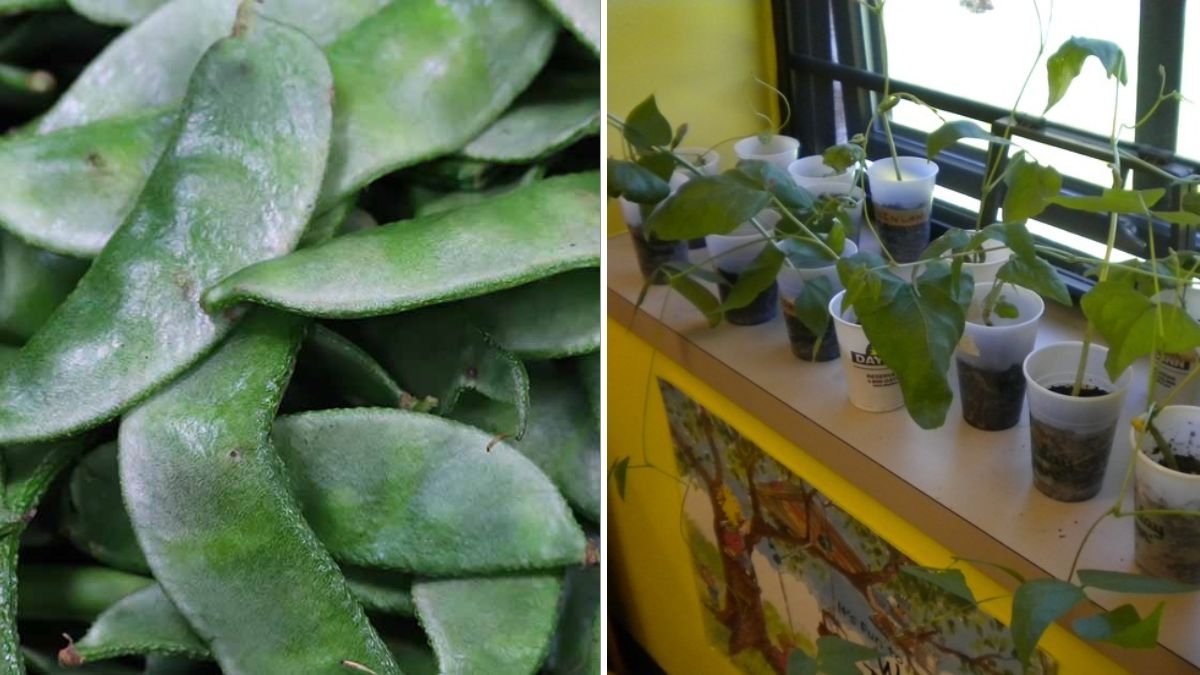
If there’s one humble ingredient that beautifully bridges the gap between classic Southern comfort food and modern healthy eating, it’s lima beans. Known for their buttery flavor and velvety texture, lima beans have graced American tables for generations. Whether you remember them from your grandmother’s succotash or enjoy them as a protein-packed addition to grain bowls, these legumes deserve a comeback in today’s kitchens.
Beyond their creamy taste, lima beans—also called butter beans in the South—are incredibly nutritious, versatile, and affordable. They’re rich in protein, fiber, and essential minerals that support heart and gut health. Let’s dive into the fascinating story of lima beans, their impressive nutritional profile, cooking techniques, and delicious ways to include them in your meals all year long.
The Origins of Lima Beans
Lima beans (Phaseolus lunatus) have ancient roots, dating back over 4,000 years in Central and South America. They’re named after the city of Lima, Peru, where they were first cultivated and traded before spreading across the globe. When Spanish explorers brought them to North America, lima beans became a staple crop in Southern and coastal regions.
In the American South, they earned the nickname “butter beans” because of their rich, creamy flavor. From hearty stews in Georgia to summer succotash in the Carolinas, lima beans are deeply woven into Southern food traditions. Today, they remain a beloved ingredient in home gardens and farmer’s markets across the United States.
Lima Beans vs. Butter Beans: What’s the Difference?
Many people wonder if lima beans and butter beans are the same. The answer depends on where you live and how they’re prepared.
- Lima Beans: Typically refers to the small, green, immature beans—tender and slightly sweet.
- Butter Beans: Refers to the larger, mature white or pale-yellow beans with a creamy, buttery taste once cooked.
In essence, they’re the same plant, just harvested at different stages. Both types are packed with nutrients and can be used interchangeably in recipes depending on your preferred flavor and texture.
Nutritional Powerhouse: Health Benefits of Lima Beans
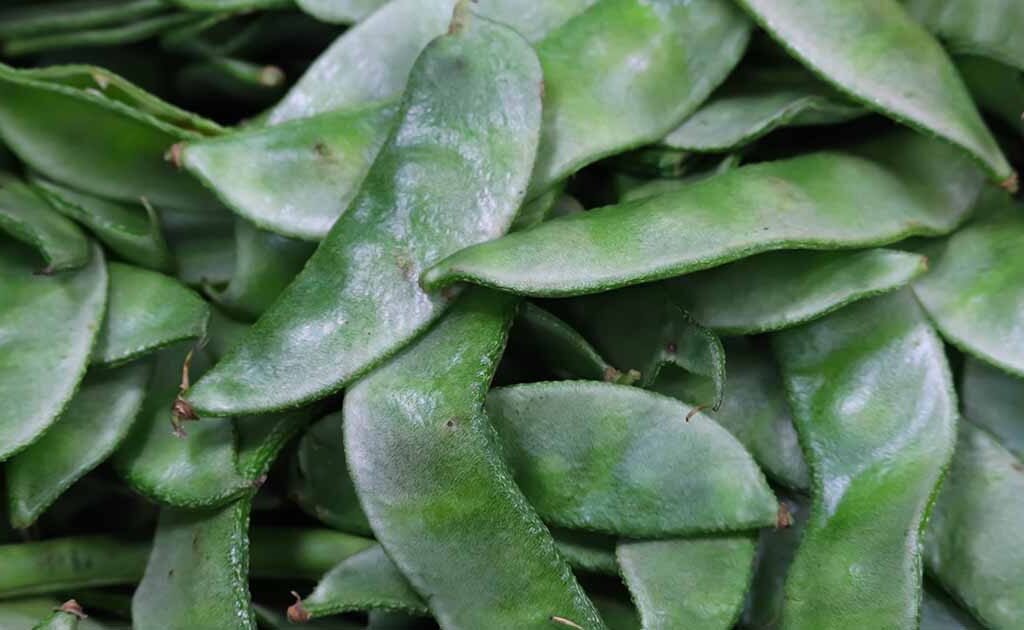
Lima beans are one of nature’s best sources of plant-based nutrition, making them a smart choice for anyone pursuing a balanced diet.

1. Rich in Plant Protein
One cup of cooked lima beans provides about 14 grams of protein, making them an excellent alternative to meat for vegetarians and vegans.
2. High in Dietary Fiber
With nearly 13 grams of fiber per cup, lima beans promote healthy digestion and help keep you full for longer, which supports weight management.
3. Good for the Heart
They’re low in fat and cholesterol-free, while rich in magnesium, potassium, and folate—key nutrients that help regulate blood pressure and reduce the risk of heart disease.
4. Blood Sugar Control
The high fiber and protein content in lima beans slows down sugar absorption, making them beneficial for people managing diabetes or insulin resistance.
5. Packed with Vitamins and Minerals
Lima beans contain essential nutrients such as iron, copper, manganese, and vitamin B6, which boost energy levels and support red blood cell production.
According to the U.S. Department of Agriculture (USDA), regularly eating legumes like lima beans can contribute to better cardiovascular health and longevity.
Cooking Lima Beans: From Dry Beans to Creamy Perfection
Cooking lima beans from scratch may sound old-fashioned, but it’s surprisingly easy—and the taste is far superior to canned versions.

Step 1: Soak the Beans
If you’re using dried beans, soak them first to reduce cooking time and improve digestibility.
- Overnight soak: Cover beans with water and let sit for 8–12 hours.
- Quick soak: Boil beans for 2 minutes, remove from heat, and let stand for 1 hour.
Step 2: Drain and Rinse
Discard the soaking water and rinse beans thoroughly to remove any excess starch or anti-nutrients.
Step 3: Simmer Slowly
Place the beans in a pot, cover with fresh water or broth, and bring to a boil. Reduce heat to low and simmer for 60–90 minutes until tender. Add salt toward the end of cooking to keep the skins from toughening.
Flavor Tip: For richer flavor, cook lima beans with onions, garlic, a bay leaf, or smoked meats like ham hocks or bacon.
Delicious Lima Bean Recipes to Try

1. Classic Southern Butter Beans
A traditional dish that embodies Southern comfort food.
Ingredients:
- 2 cups fresh or dried lima beans
- 1 smoked ham hock or 3 slices of bacon
- 1 small onion, chopped
- 1 tsp salt
- ½ tsp black pepper
Directions:
Combine all ingredients in a pot with enough water to cover the beans. Bring to a boil, then simmer for 1–2 hours until beans are tender and creamy. Serve with cornbread for an authentic Southern meal.
2. Lima Bean and Corn Succotash
A colorful, nutritious side dish perfect for summer cookouts.
Ingredients:
- 2 cups cooked lima beans
- 1½ cups corn kernels (fresh or frozen)
- ½ red bell pepper, diced
- 2 tbsp butter or olive oil
- 1 clove garlic, minced
- Salt and black pepper to taste
Directions:
In a skillet, melt butter and sauté garlic and bell pepper until soft. Add lima beans and corn, season with salt and pepper, and cook for 5–7 minutes. Garnish with fresh parsley or thyme.
3. Creamy Lima Bean Soup
Comforting and hearty, this soup is ideal for cool evenings.
Ingredients:
- 2 cups cooked lima beans
- 1 carrot, diced
- 1 celery stalk, chopped
- 1 onion, minced
- 4 cups vegetable broth
- ½ cup cream or coconut milk (optional for creaminess)
Directions:
Sauté onion, carrot, and celery in olive oil until tender. Add broth and beans, simmer for 20 minutes, then blend until smooth. Add cream, salt, and pepper. Serve warm with crusty bread.
4. Lima Bean Salad with Lemon Dressing
A bright, refreshing dish for healthy meal prep.

Ingredients:
- 2 cups cooked lima beans
- 1 cup cherry tomatoes, halved
- ½ cucumber, diced
- ¼ red onion, sliced
- 2 tbsp olive oil
- 1 tbsp lemon juice
- Salt, pepper, and dill to taste
Directions:
Combine all ingredients in a bowl and toss with olive oil and lemon juice. Chill for 30 minutes before serving.
Lima Beans in American Cuisine
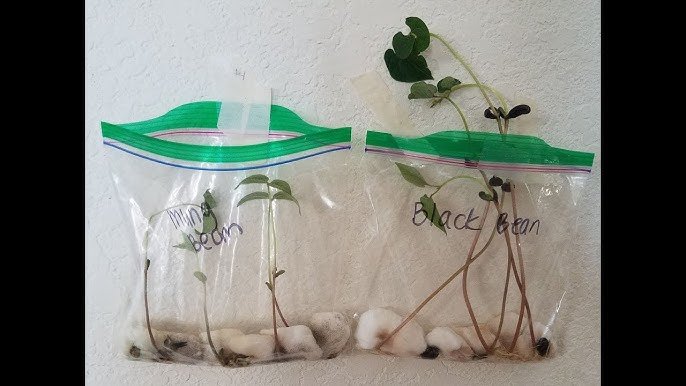
Lima beans hold a special place in American culinary history. They were a key survival food during the Great Depression and continue to be a symbol of simple, nourishing home cooking.
In Southern kitchens, butter beans are often slow-cooked with ham or bacon and served with rice or cornbread. In New England, lima beans appear in baked dishes, while in California, they’re featured in vegan stews and fresh salads.
Today’s chefs are reimagining lima beans in new, modern ways—from hummus-style dips to grain bowls and veggie burgers—highlighting their adaptability in both traditional and plant-based diets.
Storing and Freezing Lima Beans
Proper storage keeps lima beans fresh and flavorful for months.
- Dried Beans: Store in a sealed jar or airtight container in a cool, dry place for up to a year.
- Cooked Beans: Refrigerate for up to 5 days in an airtight container.
- Freezing Tip: Portion cooked lima beans into freezer bags or containers with a bit of their cooking liquid. Freeze for up to 3 months for quick meals later.
To reheat, thaw overnight in the refrigerator or warm gently on the stovetop.

Lima Beans and Sustainability
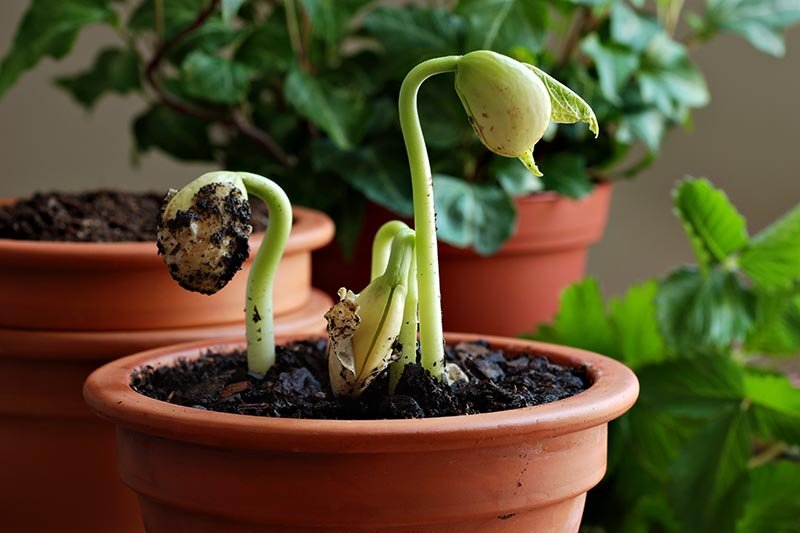
Beyond their health benefits, lima beans are also a sustainable food choice. As legumes, they enrich the soil by fixing nitrogen—reducing the need for chemical fertilizers. They also require less water and land compared to animal protein sources.
Choosing lima beans helps support eco-friendly farming practices and contributes to a lower carbon footprint. For Americans looking to eat sustainably, incorporating beans into the weekly meal rotation is an easy and impactful step.
Why Lima Beans Deserve a Comeback
Lima beans may have once had a reputation for being “boring,” but that couldn’t be further from the truth. Their versatility, creamy texture, and nutrient density make them perfect for today’s diverse food culture. Whether you’re cooking a pot of old-fashioned butter beans or blending them into a vegan soup, lima beans deliver comfort, flavor, and nourishment in every bite.
They’re a testament to simple ingredients that stand the test of time—a reminder that wholesome food doesn’t have to be complicated to be delicious.
Final Thoughts
From Southern Sunday suppers to modern plant-based meals, lima beans have earned their place as one of America’s most underrated superfoods. They’re rich in protein, fiber, and flavor—proof that the best foods often come from the earth, not the factory.
So next time you’re meal planning, pick up a bag of lima beans. Whether you call them lima or butter beans, one thing is certain: this creamy legume will bring warmth, health, and heritage to your table.

Leave A Comment