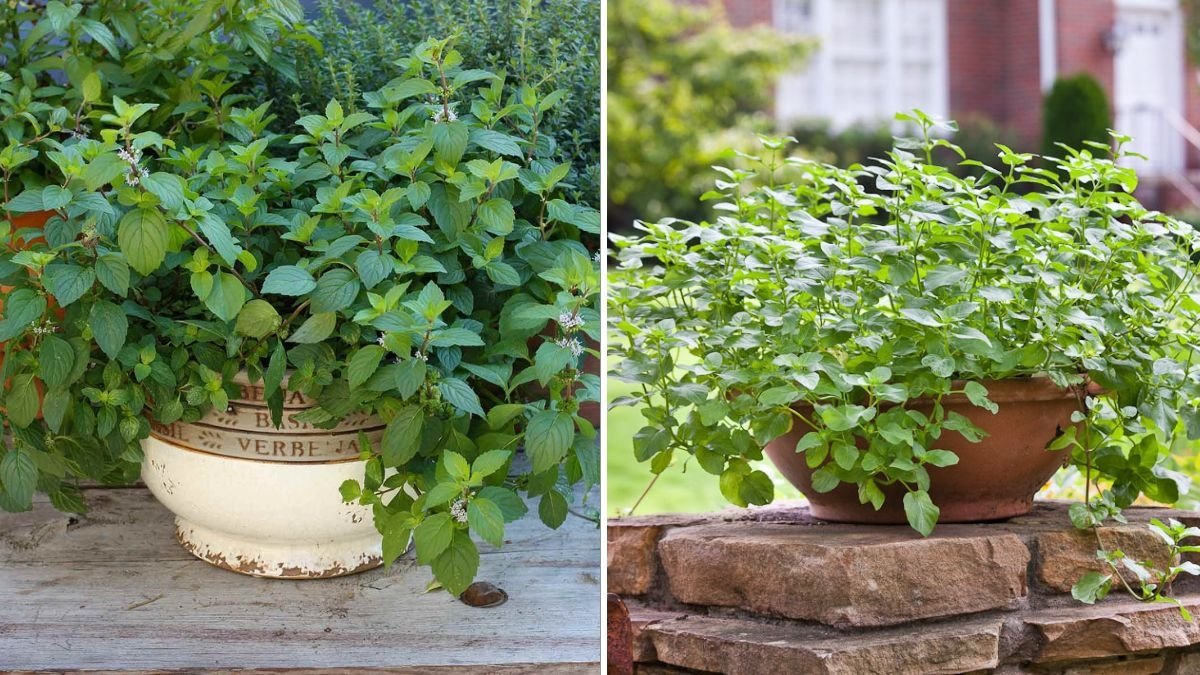
Few herbs are as instantly recognizable—or as refreshing—as mint. With its bright aroma and cool flavor, mint has been a favorite in American homes for generations. From iced teas and mojitos to salads, desserts, and even skincare, mint adds a touch of freshness to everything it touches.
This versatile herb isn’t just about flavor—it’s also celebrated for its health benefits, easy-growing nature, and endless uses around the home. Whether you’re brewing it into a cup of soothing tea, garnishing a summer cocktail, or growing it along your garden path, mint is one of the most useful and rewarding herbs to keep on hand.
In this article, we’ll explore everything you need to know about mint—its fascinating history, top varieties, how to grow it successfully, its nutritional benefits, and creative ways to use it in food, drinks, and daily life.
The Story of Mint
Mint (Mentha) is one of the oldest and most widely used herbs in the world, with roots tracing back to ancient Egypt, Greece, and Rome. The name “mint” is derived from Menthe, a character in Greek mythology who was transformed into a fragrant plant by the goddess Persephone.
Over time, mint spread across Europe and the Americas, becoming a beloved addition to gardens and kitchens alike. In American history, mint became especially popular during the 19th century for its use in teas, medicines, and candies. Today, it’s a key ingredient in American classics like mint juleps, mojitos, and mint chocolate desserts.
From backyard gardens to herbal teas and beauty products, mint continues to be cherished for its cooling flavor, soothing aroma, and natural healing properties.
Varieties of Mint
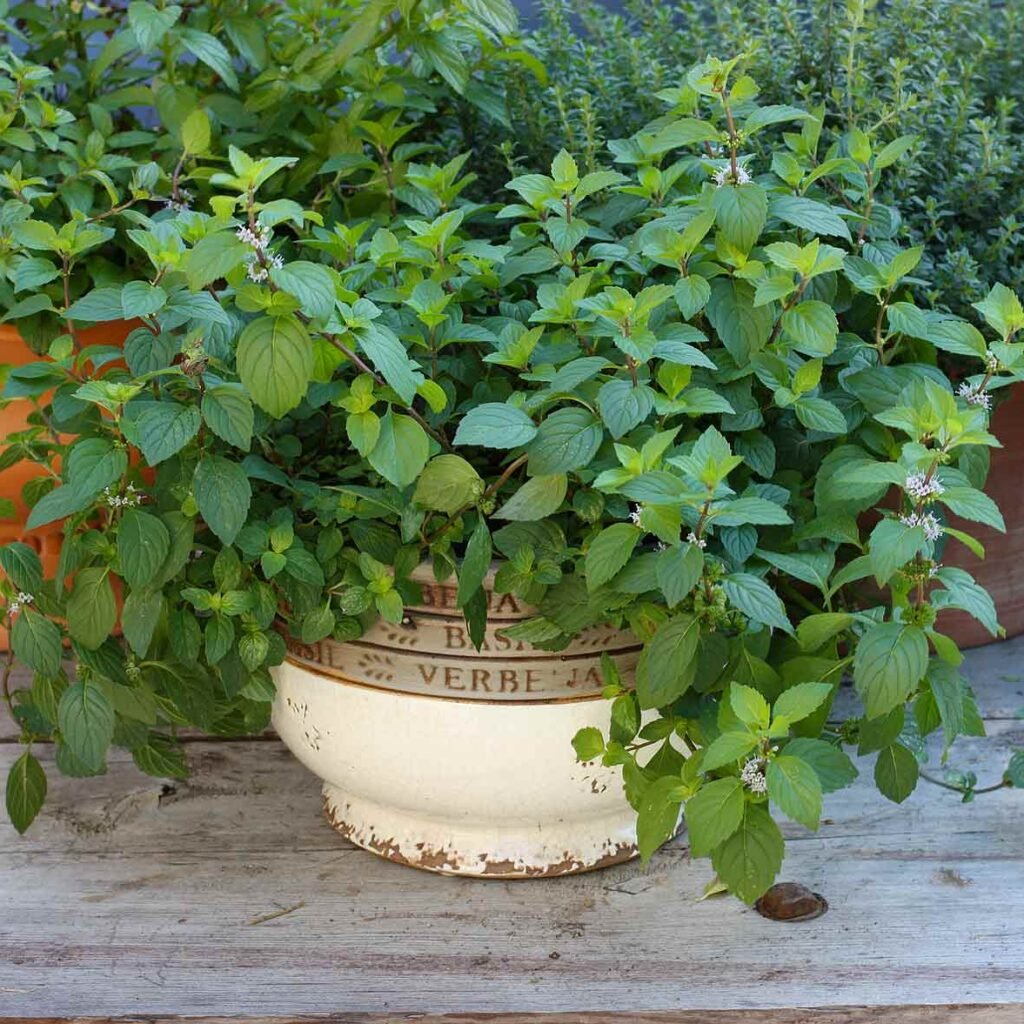
There are over 25 species and hundreds of hybrids of mint, each with its own distinctive flavor and aroma. Here are some of the most popular varieties grown in the United States:
- Spearmint (Mentha spicata)
The most common variety used in cooking and drinks. It has a mild, sweet flavor that’s perfect for mint tea, lemonade, and salads. - Peppermint (Mentha × piperita)
Stronger and spicier than spearmint, peppermint is commonly used in candies, desserts, and herbal teas. It’s also prized for its medicinal properties. - Apple Mint (Mentha suaveolens)
A softer, fruity mint with fuzzy leaves—great for iced drinks, fruit salads, or garden borders. - Chocolate Mint (Mentha × piperita ‘Chocolate’)
With a subtle cocoa aroma, this mint is ideal for desserts and sweet treats. - Pineapple Mint (Mentha suaveolens ‘Variegata’)
Variegated leaves with a tropical twist—both ornamental and flavorful. - Corsican Mint (Mentha requienii)
A low-growing variety often used as a fragrant ground cover or between stepping stones.
Each type of mint has its own culinary and decorative uses, making it easy to find one that fits your garden and taste preferences.

Nutritional and Health Benefits of Mint
Mint is far more than a flavor booster—it’s also a powerful natural remedy with many health benefits backed by science.
Here’s why adding mint to your diet is a smart move:
1. Aids Digestion
Mint is known for its ability to soothe the stomach and relieve indigestion. Peppermint tea, in particular, helps relax digestive muscles and reduce bloating.
2. Freshens Breath
Chewing fresh mint leaves or sipping mint tea naturally freshens breath and kills odor-causing bacteria.
3. Relieves Congestion and Colds
Mint’s menthol content acts as a natural decongestant, making it effective in soothing sore throats, coughs, and nasal congestion.
4. Supports Mental Clarity
The aroma of mint is shown to enhance alertness, focus, and memory—perfect for students or busy professionals.
5. Reduces Stress
Mint’s cooling scent helps lower stress and anxiety levels. Diffusing mint essential oil or sipping a warm mint tea can promote calmness and relaxation.
6. Promotes Skin Health
Thanks to its antibacterial and anti-inflammatory properties, mint is often used in skincare to help soothe acne and irritation.

7. Low in Calories, High in Antioxidants
Mint is a calorie-free herb rich in vitamin A, iron, and antioxidants, which protect cells and support overall wellness.
Growing Mint in Your Garden or Indoors
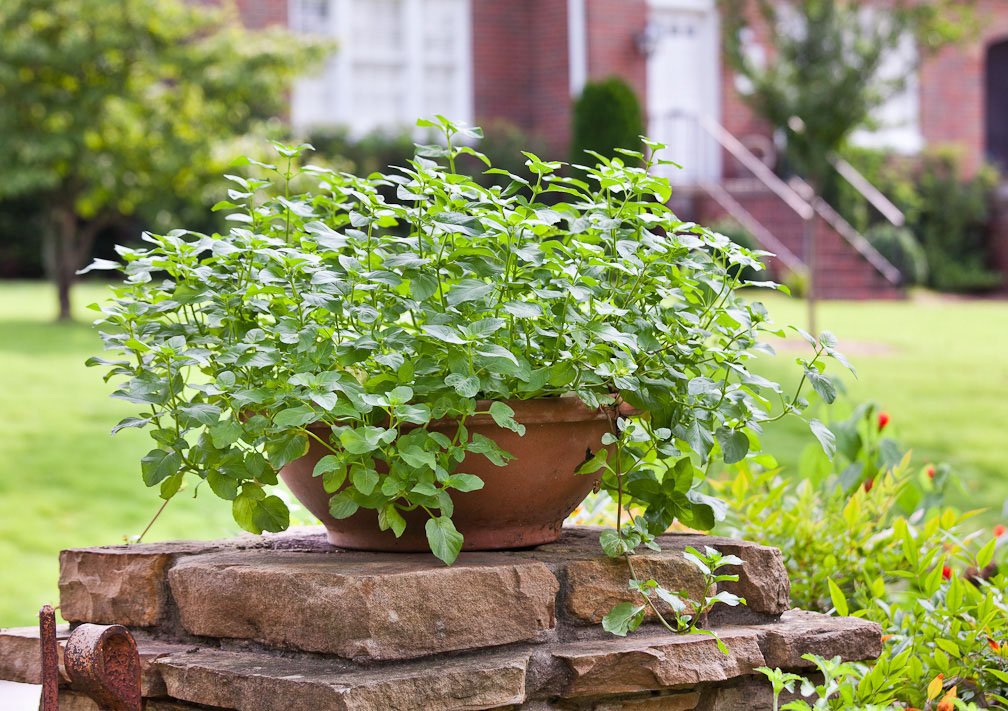
Mint is one of the easiest herbs to grow in America—it thrives in most climates and grows vigorously with minimal care. However, its aggressive spreading nature means it’s best to plant it strategically!
Here’s how to grow mint successfully:
1. Choose the Right Location
Mint prefers partial sunlight but can tolerate full sun in cooler regions. It grows well in both garden beds and containers.
2. Planting Mint
- In Soil: Choose a spot with moist, well-drained soil. Plant mint 18–24 inches apart to allow room for spreading.
- In Containers: Mint grows wonderfully in pots—perfect for keeping it contained and preventing overgrowth.
3. Watering and Maintenance
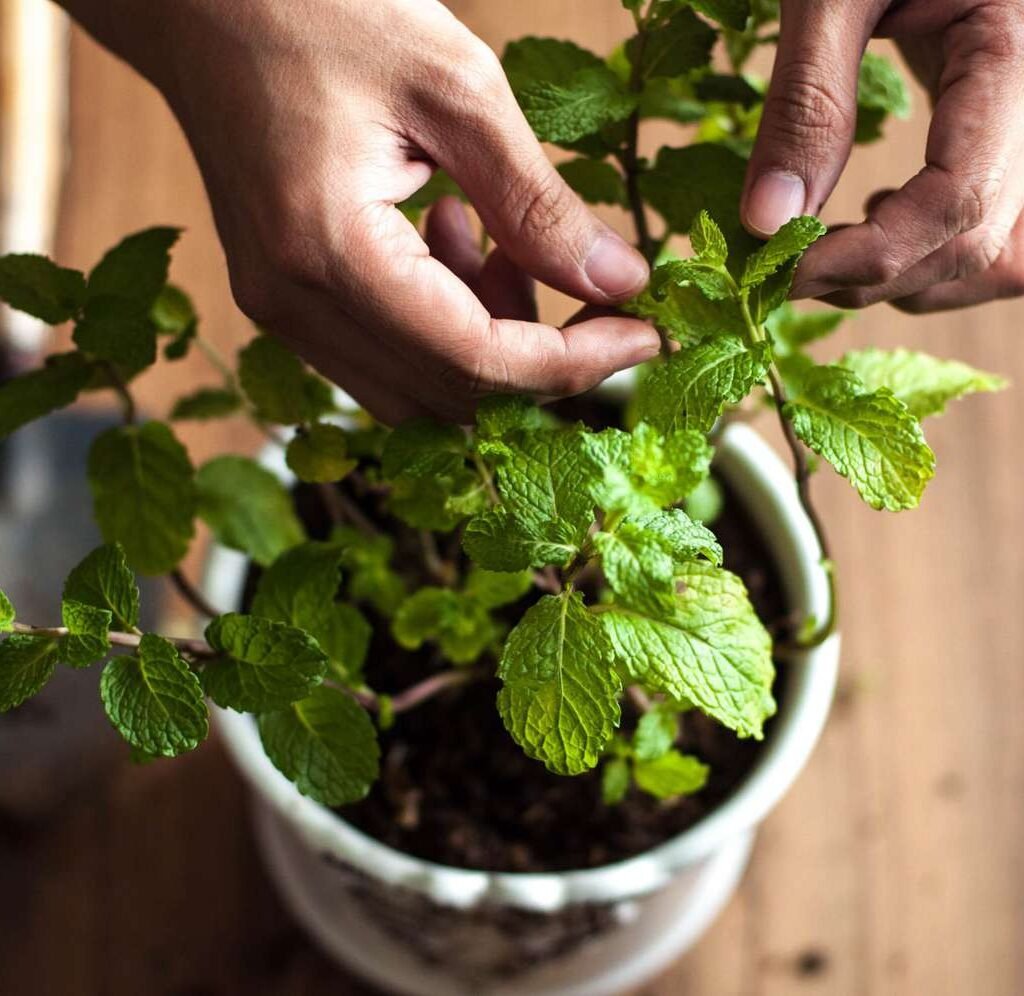
Keep the soil consistently moist but not waterlogged. Trim stems regularly to promote new growth and prevent flowering, which can reduce flavor intensity.
4. Harvesting Mint
Harvest mint leaves once the plant is about 6–8 inches tall. Pick leaves in the morning for the best flavor, before the sun evaporates essential oils.
5. Overwintering
Mint can survive mild American winters, especially in zones 4–10. In colder areas, trim it back and cover with mulch, or bring potted plants indoors.
Pro tip: To control mint’s spread, plant it in containers—even if those containers are placed in the ground!

Preserving Fresh Mint
One of the best parts about mint is that it’s easy to store and preserve for year-round use:
- Freezing: Place chopped mint in ice cube trays with water or olive oil. Use cubes in drinks or dishes later.
- Drying: Hang sprigs upside down in a dark, dry place for a week. Once dry, crumble and store in jars.
- Mint Syrup: Simmer mint leaves with sugar and water to make a sweet syrup for cocktails, teas, and desserts.
Culinary Uses: Bringing Mint into the Kitchen
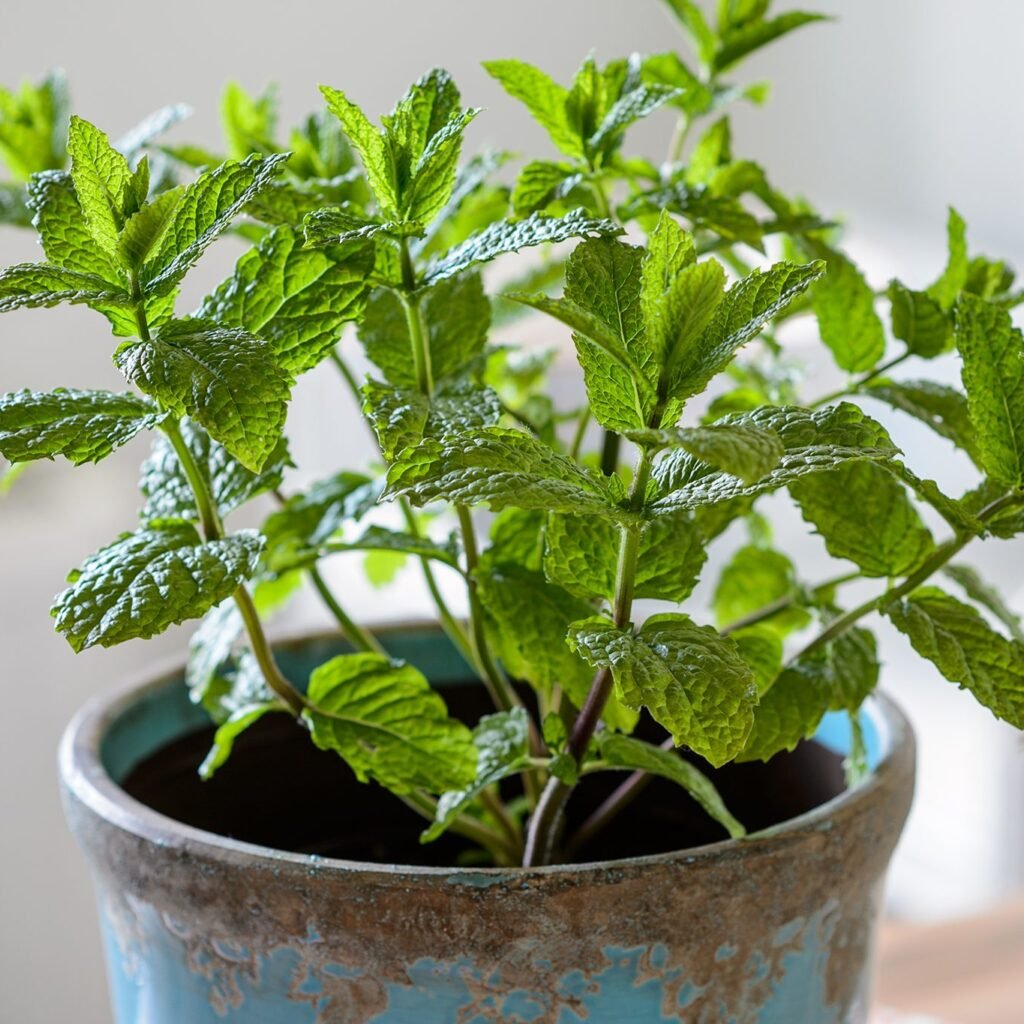
Mint’s refreshing flavor makes it an essential herb in both sweet and savory dishes. Here are some delicious ways to use it in American cooking:
1. Mint Lemonade
A summer favorite that combines zesty lemons and cool mint for a thirst-quenching drink.
Ingredients:
- Fresh mint leaves
- Juice of 4 lemons
- ¼ cup sugar (or honey)
- Cold water and ice
Directions:
Muddle mint leaves and sugar together, then add lemon juice and water. Stir, strain, and serve chilled.
2. Mint Julep
The classic Southern cocktail and official drink of the Kentucky Derby.
Ingredients:
- Fresh mint
- 2 oz bourbon
- 1 tsp sugar
- Crushed ice
Directions:
Muddle mint and sugar in a glass, add bourbon, fill with crushed ice, and garnish with mint sprigs.

3. Mint Yogurt Sauce (Tzatziki Style)
Perfect for grilled meats, kebabs, or roasted vegetables.
Ingredients:
- 1 cup Greek yogurt
- 2 tbsp chopped mint
- 1 tsp lemon juice
- 1 garlic clove, minced
- Salt to taste
Directions:
Mix all ingredients and chill before serving.
4. Mint Chocolate Brownies
Add chopped mint or peppermint extract to your favorite brownie recipe for a refreshing twist.
5. Fresh Mint Tea
Simply steep mint leaves in hot water for 5–10 minutes. Add honey and lemon for a soothing, caffeine-free drink.
Mint in Modern American Life
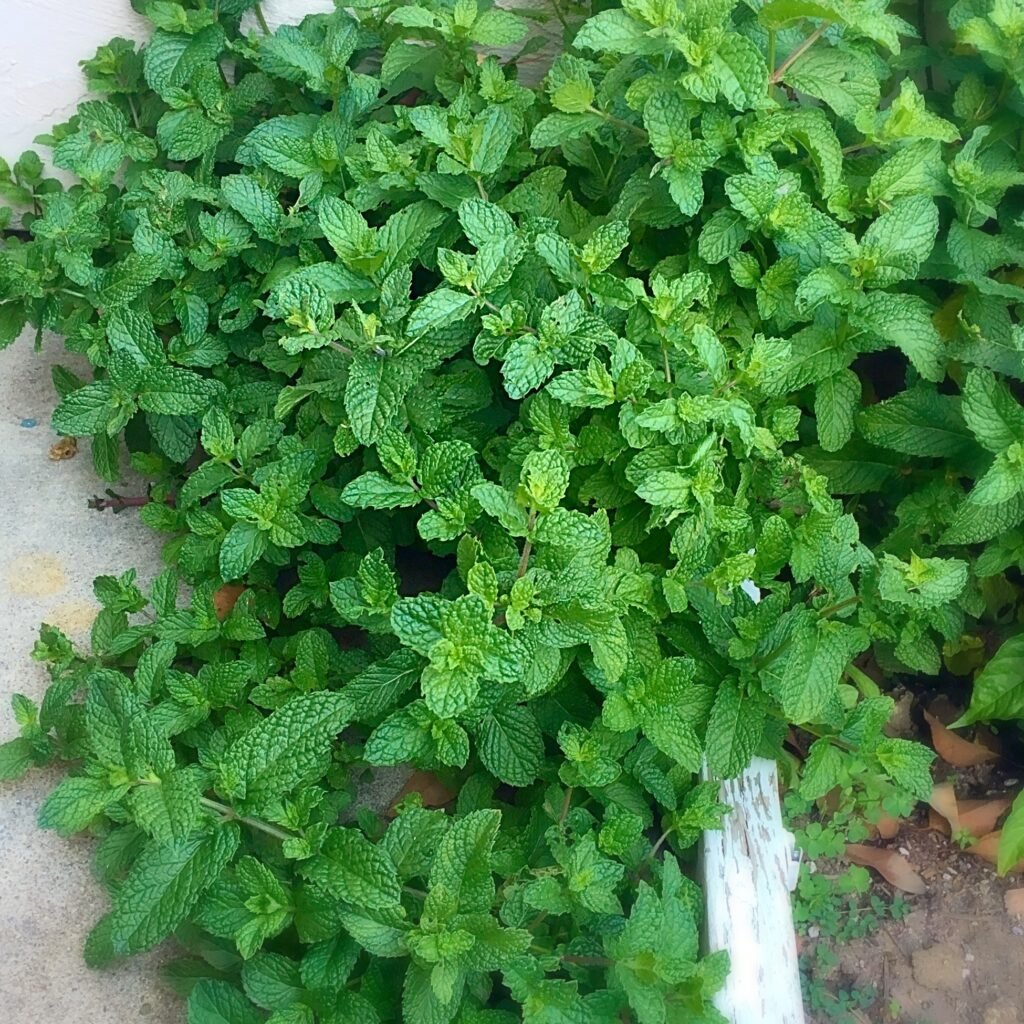
Beyond the kitchen, mint plays a starring role in home remedies, beauty products, and natural cleaning solutions. Americans increasingly use mint essential oil in:
- Aromatherapy: Diffused for energy and focus.
- Homemade beauty products: Added to lip balms, scrubs, and soaps for its cooling sensation.
- Natural pest control: Mint’s strong scent repels mosquitoes, ants, and flies.
- Home cleaning: Combined with vinegar or baking soda for a fresh, non-toxic cleaner.
Mint’s versatility makes it one of the most useful herbs to have around the home.
Fun Facts About Mint
- Mint is native to North America, Europe, and Asia, making it truly global.
- Ancient Egyptians used mint as currency and perfume.
- In America, mint oil production is a billion-dollar industry, especially in Indiana, Oregon, and Washington.
- A sprig of mint symbolizes hospitality and friendship—a tradition carried from ancient times.
Final Thoughts
Mint is far more than a simple garnish—it’s a symbol of freshness, health, and comfort. Whether you’re growing it in your garden, blending it into your morning smoothie, or infusing it into your skincare routine, mint adds vibrancy and vitality to everyday life.

For American gardeners, mint is one of the most rewarding herbs to cultivate—it’s hardy, fragrant, and endlessly useful. And for cooks, it’s a flavor that bridges the gap between savory and sweet, rustic and modern.
So this season, plant a little mint. Let it take root, thrive, and fill your home with its refreshing scent. Because when it comes to herbs, mint truly stands at the top of the freshness game.

Leave A Comment