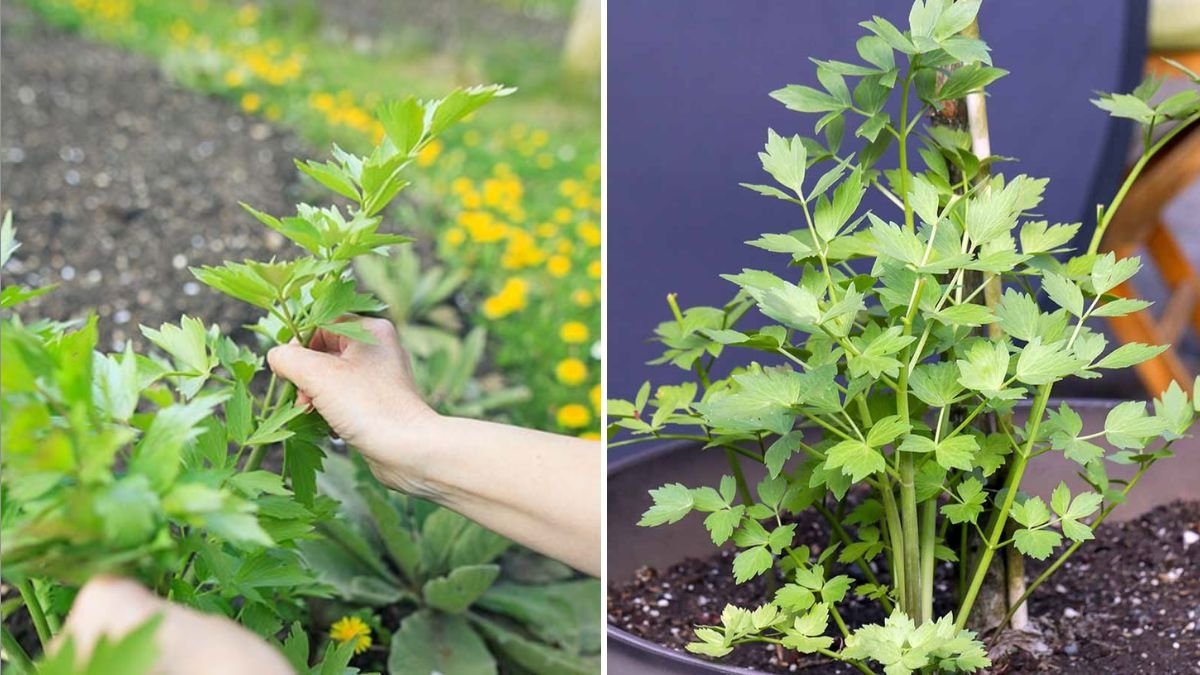
In a world obsessed with basil, parsley, and cilantro, lovage remains one of the most underrated herbs in American cooking. Yet, this aromatic green—once a kitchen staple in colonial gardens—is making a comeback among home gardeners, chefs, and herbal enthusiasts alike. With its celery-like flavor, towering growth, and powerful health properties, lovage is a hidden treasure worth rediscovering.
Whether you’re a gardener looking for a hardy perennial, a cook searching for bold, herbal notes, or someone exploring natural remedies, lovage offers something truly unique. In this guide, we’ll explore how to grow, use, and enjoy lovage—plus the surprising reasons why this old-fashioned herb is gaining new popularity across the U.S.
What Is Lovage? A Quick Overview
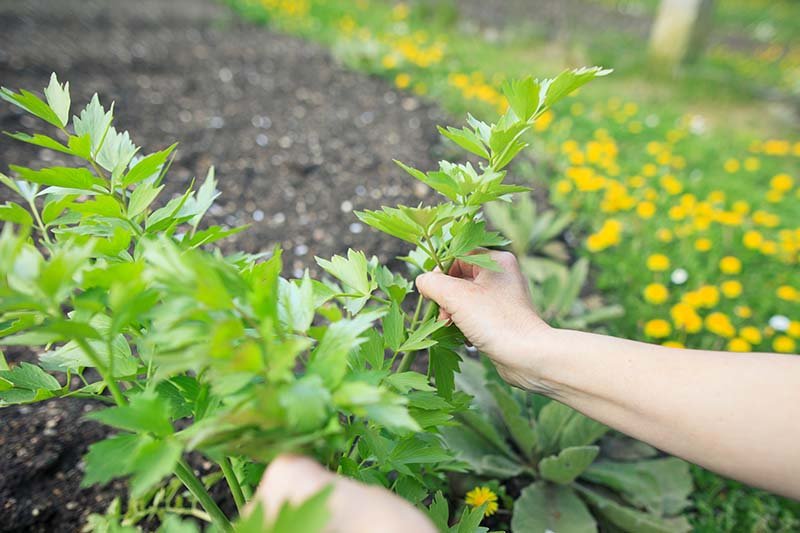
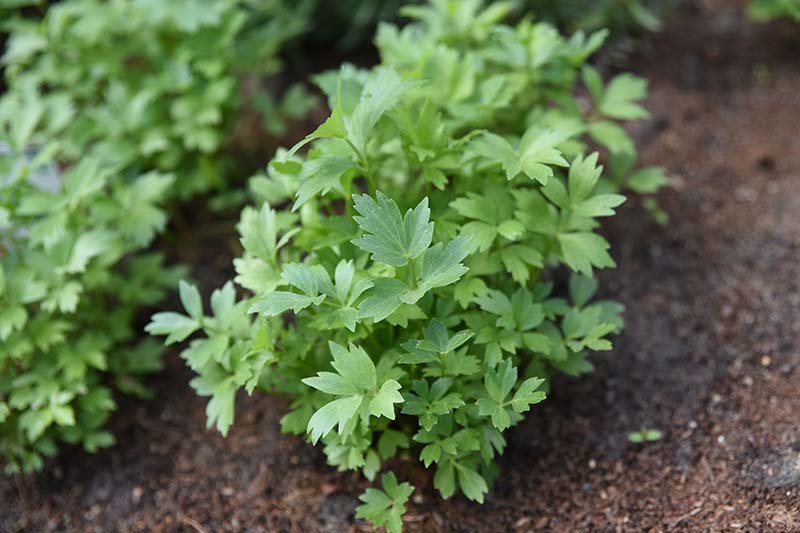
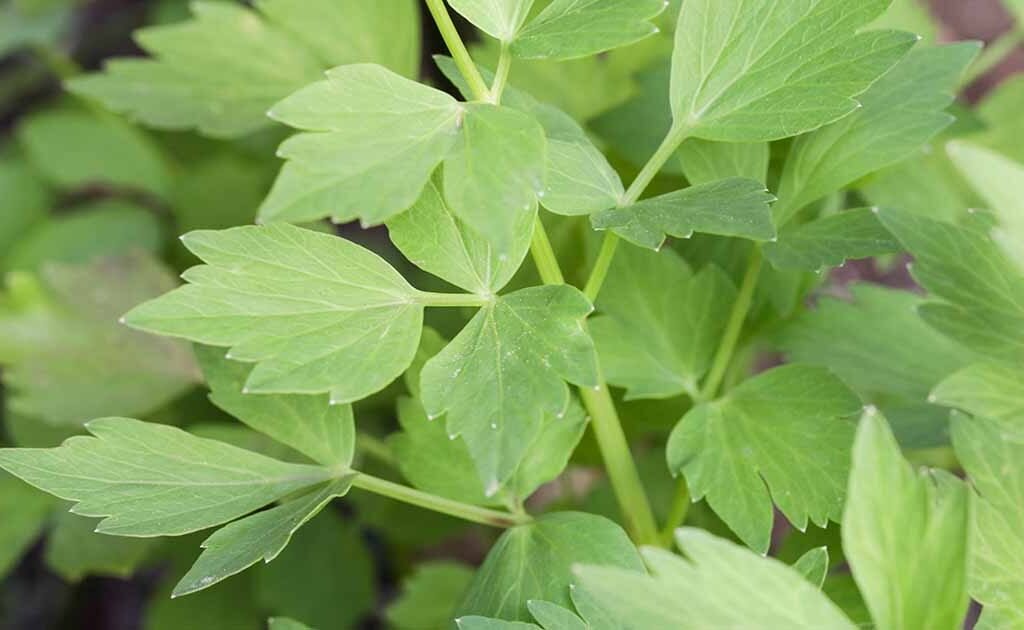
Lovage (Levisticum officinale) is a perennial herb native to southern Europe but now naturalized in many parts of North America. Belonging to the Apiaceae family—the same family as parsley, dill, and celery—it looks like a large, leafy celery plant with bright green stems and delicate yellow-green flowers.
Historically, lovage was prized in colonial America and medieval Europe for both culinary and medicinal uses. Early settlers grew it for teas, tonics, and as a flavoring in soups and broths. Over time, however, it fell out of favor—replaced by the convenience of celery and other more common herbs.
Today, as more Americans embrace organic gardening, farm-to-table cooking, and herbal wellness, lovage is reemerging as a flavorful and sustainable herb that deserves a spot in every home garden.
The Flavor Profile: Celery with a Twist
If you’ve never tasted lovage, imagine celery with extra attitude. The flavor is stronger, more aromatic, and slightly peppery—a cross between celery, parsley, and a hint of anise. Every part of the plant is edible and bursting with flavor:

- Leaves: Perfect for soups, stews, salads, and sauces
- Stems: Can be chopped like celery for stir-fries and stocks
- Seeds: Used as a spice (similar to celery seed) for breads and pickles
- Roots: Sometimes used as a vegetable or medicinal ingredient
Because of its intense flavor, a little goes a long way. Lovage can instantly elevate dishes that call for celery or parsley—making it a secret weapon in modern American kitchens.
How to Grow Lovage in Your American Garden
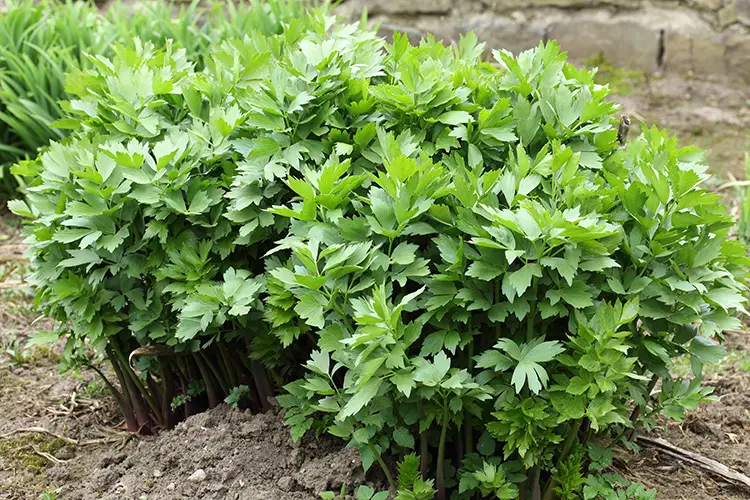
One reason gardeners love lovage is that it’s easy to grow, low-maintenance, and long-lasting. It thrives in a wide range of climates—from the Northeast to the Pacific Northwest—and can survive cold winters once established.
1. Planting Lovage
- Zone: Best grown in USDA Zones 3–9
- Sunlight: Prefers full sun to partial shade
- Soil: Well-drained, rich in organic matter
- Planting Time: Early spring or fall
Start from seeds or young transplants. Lovage seeds can be slow to germinate (2–3 weeks), so patience is key. Once established, it can grow up to 6 feet tall—making it a stunning architectural herb in your garden.
2. Watering and Care
Keep the soil evenly moist, especially in dry weather. Lovage appreciates regular watering but doesn’t tolerate waterlogging. Mulching helps retain soil moisture and keep roots cool.
3. Harvesting
You can begin harvesting the leaves once the plant reaches about 12 inches tall. Cut leaves as needed throughout the growing season. Harvest seeds in late summer when flower heads turn brown, and roots in the plant’s second or third year.
4. Perennial Perks
Lovage dies back in winter but reemerges stronger each spring. Divide the plant every 3–4 years to maintain vigor and encourage fresh growth.

Culinary Uses: How to Cook with Lovage
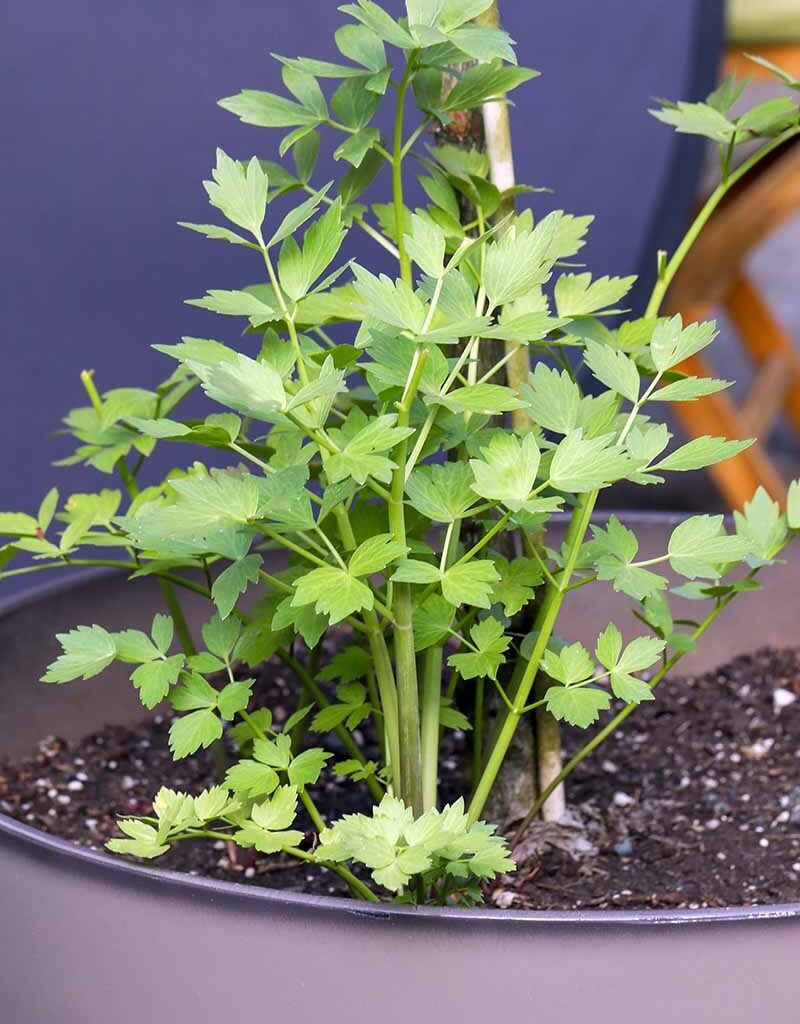
Lovage’s bold, savory flavor can transform everyday dishes into something extraordinary. It’s particularly popular in European cuisines, but American chefs are rediscovering it as a gourmet ingredient. Here are some delicious ways to use it:
1. Soups and Stews
Lovage leaves add a rich, celery-like flavor to chicken soup, vegetable stew, or clam chowder. Add them near the end of cooking to retain their aroma.
2. Salads and Dressings
Chop fresh lovage leaves finely and mix them into potato salads, green salads, or vinaigrettes. They pair beautifully with lemon juice, mustard, and olive oil.
3. Sauces and Stocks
Use lovage stems and leaves when making vegetable or chicken stock—they deepen the flavor and add a subtle herbal note.
4. Pickling and Seasoning
Lovage seeds can be used like celery seeds in pickles, salad dressings, or spice blends. They bring an earthy depth to homemade condiments.
5. Lovage Butter or Pesto
Blend chopped leaves with butter or olive oil, garlic, and nuts for a unique herbal butter or pesto. Perfect for spreading on bread or tossing with pasta.

Health Benefits of Lovage
Beyond its culinary uses, lovage has long been valued in herbal medicine for its digestive, anti-inflammatory, and detoxifying properties. While modern research is still limited, traditional use supports several potential benefits:
1. Supports Digestion
Lovage has natural carminative properties, meaning it can help relieve bloating and gas. A tea made from its leaves or roots is a classic digestive aid.
2. Natural Diuretic
The herb is known for its diuretic effects, helping flush excess fluids from the body and supporting kidney health.
3. Anti-Inflammatory and Antioxidant
Lovage contains quercetin and coumarins, compounds that may reduce inflammation and protect against oxidative stress.
4. Respiratory Relief
In traditional medicine, lovage tea was used to soothe coughs and congestion—thanks to its mild expectorant properties.
Tip: Always consult a healthcare provider before using lovage therapeutically, especially if you’re pregnant, nursing, or taking medications.

Why American Gardeners and Chefs Are Loving Lovage Again
As Americans continue embracing farm-to-table living, herbal wellness, and sustainable gardening, lovage is finding its place again. Here’s why it’s trending:
- Eco-friendly and perennial: Grows back every year with minimal effort.
- Pollinator-friendly: Attracts bees and beneficial insects with its small yellow flowers.
- Flavor powerhouse: Replaces multiple herbs and seasonings in one plant.
- Low maintenance: Thrives with little care once established.
From urban homesteads to backyard gardens, lovage fits beautifully into modern lifestyles focused on flavor, health, and sustainability.
Tips for Preserving Lovage
If your plant grows abundantly (and it will!), here’s how to store your harvest:
- Drying: Hang stems upside down in a cool, dry place. Store the dried leaves in airtight jars.
- Freezing: Chop leaves and freeze them in ice cube trays with olive oil or water for year-round use.
- Infused Vinegars or Oils: Steep fresh lovage leaves in vinegar or olive oil for herbal condiments.
- Seed Storage: Collect seeds for cooking or planting next season.
Fun Facts About Lovage
- In colonial America, lovage was often planted near outhouses—its tall growth and strong scent helped mask odors.
- The name “lovage” is derived from the Latin levisticum, related to “Liguria,” an Italian region where it was commonly grown.
- Lovage candies were once sold as breath fresheners in Europe.
- The herb is sometimes nicknamed “love parsley” due to its reputation as an ancient aphrodisiac.
Conclusion: Bring Lovage Back to Your Table
Lovage is more than just a forgotten herb—it’s a flavorful, sustainable, and healthful addition to the modern American kitchen. Its bold taste, impressive versatility, and easy-growing nature make it a must-try for both seasoned gardeners and home cooks.
Whether you plant it for its culinary flair, medicinal benefits, or garden beauty, lovage proves that sometimes, the best flavors are the ones from the past waiting to be rediscovered.
So this season, make space in your herb bed and let lovage bring fresh flavor and old-world charm back to your garden—and your plate.

Leave A Comment