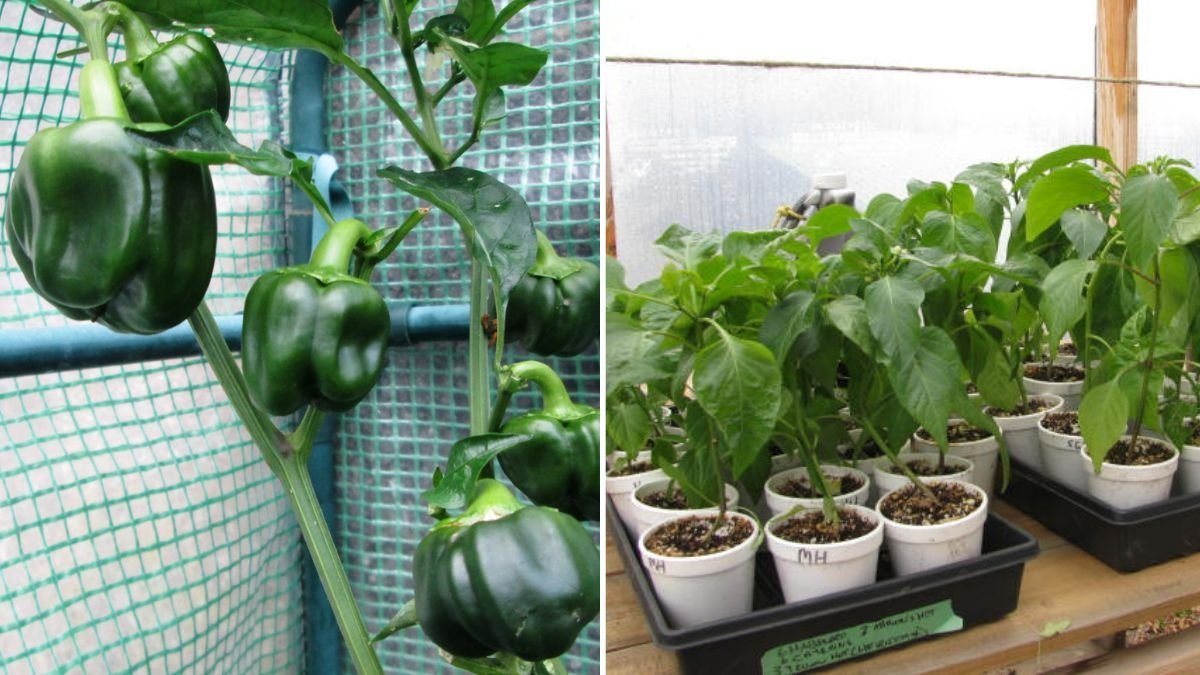
If you’ve ever dreamed of growing fresh, colorful peppers but thought you didn’t have the space — think again. Dwarf peppers, also known as compact or mini pepper plants, are transforming how Americans garden in tight spaces. Whether you have a sunny windowsill in an apartment, a small patio, or a balcony garden, these little plants deliver big flavor, vibrant colors, and impressive yields without needing a large backyard.
Perfect for urban gardeners, apartment dwellers, and container gardening enthusiasts, dwarf peppers are both ornamental and practical. They come in an array of stunning hues — from fiery reds to sunny yellows and deep purples — and can be sweet, mildly spicy, or blazing hot. In this in-depth guide, we’ll explore everything from the best dwarf pepper varieties to expert growing tips, so you can cultivate your own mini pepper paradise right at home.
1. What Are Dwarf Peppers?
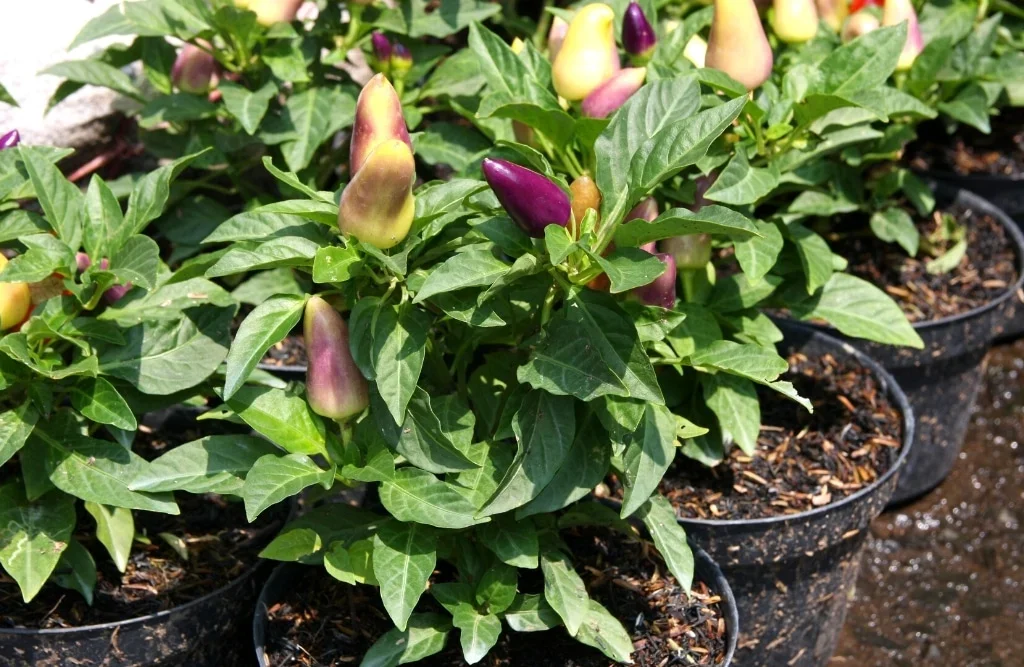
Dwarf peppers are compact varieties of the pepper plant (Capsicum spp.) bred or selected for their small stature and high productivity. While standard pepper plants can grow 2–4 feet tall, dwarf peppers usually stay under 12–18 inches, making them ideal for containers, raised beds, and balcony gardens.
These miniatures don’t compromise on beauty or taste. In fact, many varieties produce abundant, colorful fruit clusters that look as good as they taste. Depending on your preference, you can grow dwarf versions of sweet bell peppers, chili peppers, or ornamental varieties that double as edible décor.
2. Why Grow Dwarf Peppers in the U.S.?
As more Americans embrace urban gardening and sustainable living, compact crops like dwarf peppers are becoming household favorites. Here’s why these mini plants are perfect for American gardeners:
- Space-Saving: Ideal for balconies, patios, or small backyard gardens.
- High Yield: Despite their size, they produce plenty of fruit.
- Low Maintenance: Require minimal pruning and care.
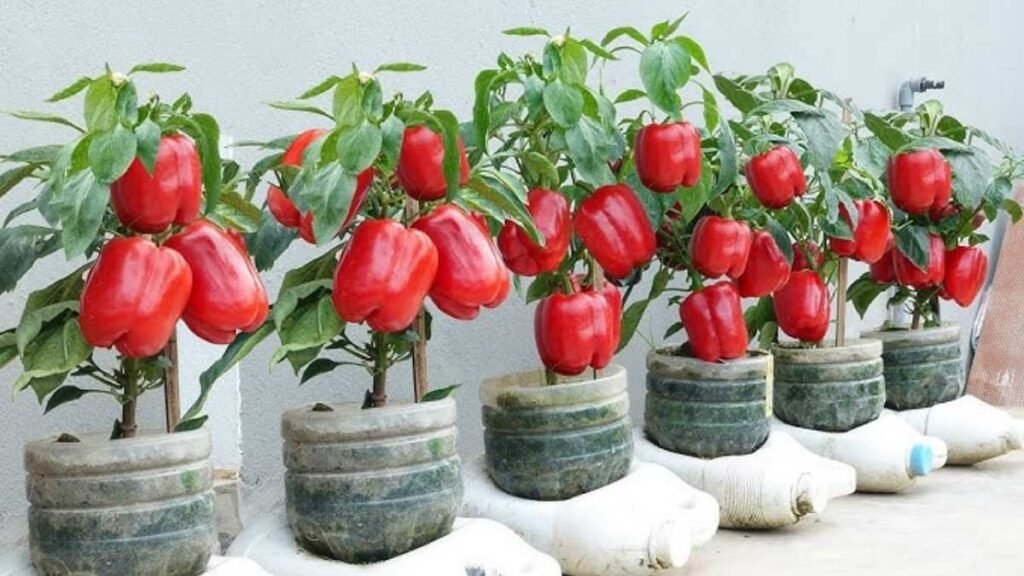
- Perfect for Containers: Thrive in pots, planters, and even hanging baskets.
- Decorative Appeal: Add vibrant color to outdoor and indoor spaces.
- Culinary Versatility: Great for fresh salads, stir-fries, pickling, or salsas.
Whether you live in a downtown apartment in Chicago or a suburban home in Texas, dwarf peppers adapt beautifully to the American climate with the right sunlight and care.
3. Popular Dwarf Pepper Varieties for Home Gardens
Here are some of the best dwarf and compact pepper varieties loved by U.S. gardeners for both aesthetics and productivity:
1. ‘Numex Easter’
- Grows about 10–12 inches tall.
- Produces small, cone-shaped fruits that shift from purple to yellow to red.
- Perfect ornamental and edible variety for pots.
2. ‘Cayenne Compact’
- A dwarf version of the traditional cayenne pepper.
- Produces long, thin, fiery red peppers with a strong kick.
- Grows beautifully in containers with sturdy stems.
3. ‘Mini Bell Mix’
- Offers small, sweet peppers in red, yellow, and orange.
- Grows about 18 inches tall and yields dozens of miniature bell peppers.
- Excellent for stuffing, grilling, or salads.
4. ‘Hot Thai Compact’
- A compact Thai chili variety ideal for container growing.
- Produces hot, flavorful peppers for stir-fries and curries.
- Matures quickly, even in short growing seasons.
5. ‘Medusa’
- An ornamental dwarf pepper with mild, edible fruits.
- Displays a stunning range of colors — cream, orange, red, and yellow.
- Safe and attractive even around children and pets.
6. ‘Apache’
- Compact chili pepper plant reaching about 14 inches in height.
- Produces numerous small, hot peppers with classic chili heat.
- Great for window boxes or sunny patios.
Each of these varieties offers unique flavor profiles and visual appeal — allowing you to choose between fiery, sweet, or decorative options depending on your gardening goals.
4. How to Grow Dwarf Peppers in Containers
Growing dwarf peppers at home is easy and highly rewarding. Follow these step-by-step tips to ensure your plants thrive:
Step 1: Choose the Right Container
Use pots that are at least 10–12 inches deep and have drainage holes. Terracotta, ceramic, or plastic planters all work well. For multiple plants, a raised bed or long planter box can also be ideal.
Pro Tip: Choose darker pots if you live in cooler northern states to keep soil warm, or light-colored containers in hot southern regions to prevent overheating.
Step 2: Use Nutrient-Rich Soil
Dwarf peppers love well-draining, nutrient-dense soil. Use a high-quality potting mix with compost or organic fertilizer. Peppers thrive in slightly acidic soil (pH between 6.0 and 6.8). Add perlite or coco coir to improve aeration and moisture retention.
Step 3: Planting and Sunlight
Peppers need warmth and light. If starting from seed, sow them indoors 8–10 weeks before your region’s last frost date. Transplant outdoors when temperatures stay consistently above 60°F.
Dwarf peppers need at least 6–8 hours of full sun daily. For indoor setups, use grow lights to mimic natural sunlight.
Step 4: Watering and Feeding
Water regularly but avoid soggy soil. Allow the top inch of soil to dry before watering again. In hotter climates like Arizona or Florida, daily watering might be necessary.
Fertilize every two to three weeks with a balanced organic fertilizer or a mix high in potassium and phosphorus to promote fruiting.
Step 5: Support and Maintenance
While dwarf varieties are compact, heavy fruit clusters can cause stems to bend. Add small stakes or a mini tomato cage for gentle support. Remove any yellow leaves and prune lightly for airflow.
5. Managing Common Pests and Problems
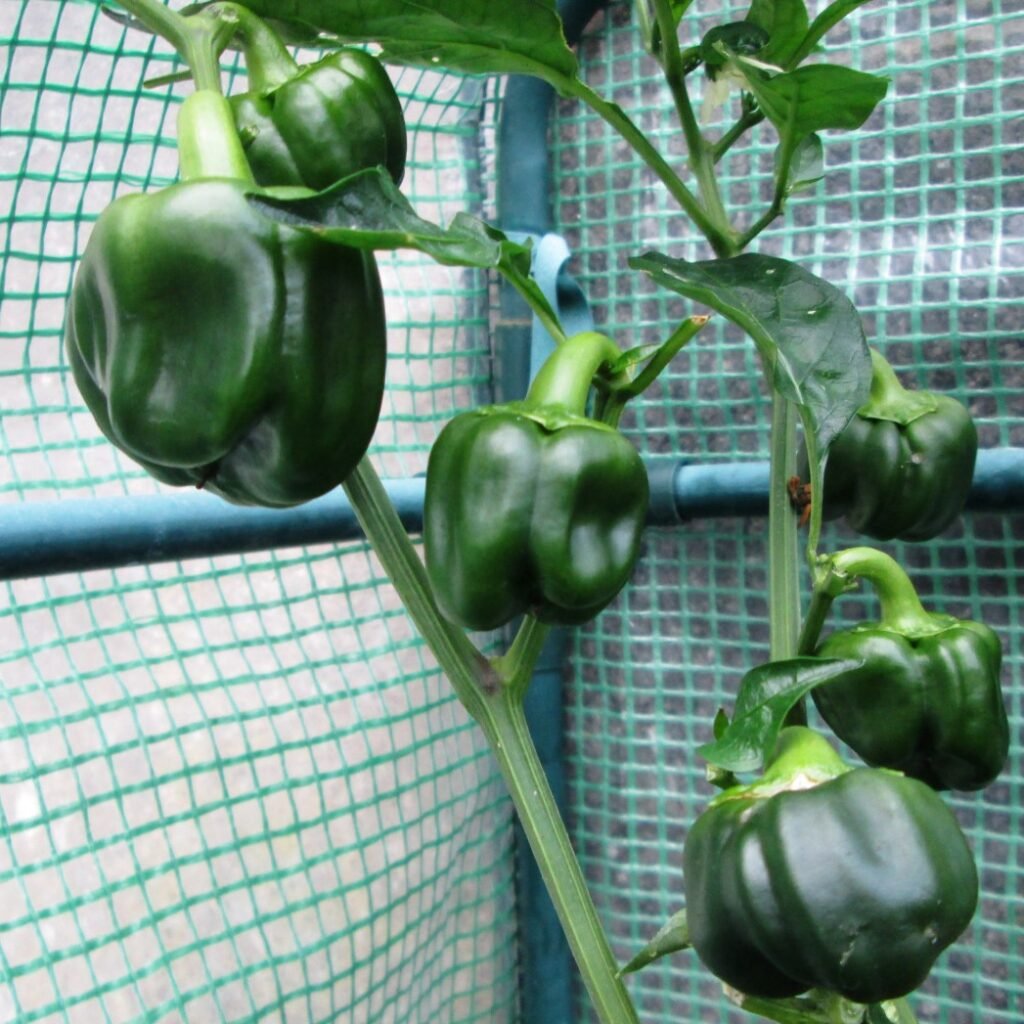
Even low-maintenance plants like dwarf peppers can face occasional issues. Here’s how to identify and fix them:
| Problem | Cause | Solution |
|---|---|---|
| Leaf curl | Overwatering or poor drainage | Let soil dry out slightly between waterings |
| No fruiting | Too little sunlight or excess nitrogen | Move to a sunnier spot and adjust feeding |
| Aphids or spider mites | Common pests in warm weather | Use neem oil or insecticidal soap spray |
| Blossom drop | Sudden temperature change | Maintain consistent watering and shelter from cold |
Pro Tip: Rotate your plants or replace soil yearly to prevent pest buildup in containers.
6. Harvesting Dwarf Peppers
Dwarf pepper plants typically start producing within 60–80 days after transplanting, depending on the variety. You’ll know the peppers are ready when they reach full color — whether that’s deep red, orange, yellow, or purple — and feel firm to the touch.
Use sharp scissors or pruning shears to cut the fruits, leaving a small stem attached. Frequent harvesting encourages continuous production throughout the season.
7. Best Ways to Use Dwarf Peppers in the Kitchen
Dwarf peppers may be small, but their uses in the kitchen are endless. Try these delicious ideas:
- Sweet Mini Bells: Slice raw for salads, grill, or stuff with cheese.
- Hot Dwarf Chilies: Perfect for spicy salsas, sauces, or pickling.
- Thai Varieties: Add heat to noodles, stir-fries, and curries.
- Ornamental Types: Dry and crush for colorful homemade chili flakes.
Their size makes them perfect for appetizers, canapés, and decorative garnishes, adding both taste and visual flair to your meals.
8. Seasonal Care Tips for U.S. Gardeners
- Spring: Start seeds indoors or buy seedlings; transplant after frost.
- Summer: Keep soil moist and feed regularly during peak growth.
- Fall: Harvest frequently; move pots indoors in cooler northern states.
- Winter: In warm regions (like Florida or southern California), peppers can grow year-round; otherwise, overwinter indoors near a sunny window.
For cold regions, overwintering your dwarf peppers can extend their lifespan for multiple seasons.
9. Ornamental and Sustainable Appeal
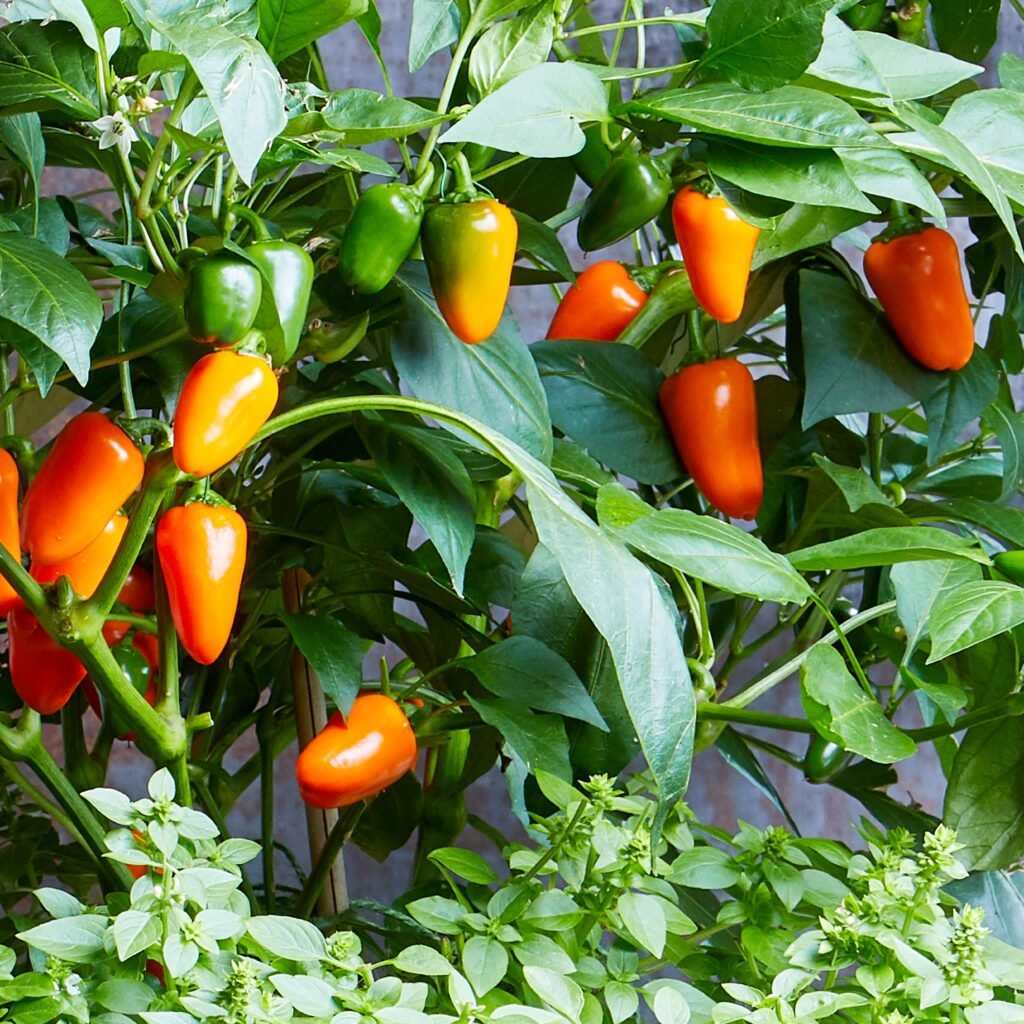
Dwarf peppers are not just practical — they’re stunning. With their jewel-toned fruits and lush foliage, they add color and charm to patios, window boxes, and garden borders. Many gardeners in U.S. cities use them as dual-purpose plants — attractive ornamentals that also provide fresh, homegrown food.
From a sustainability perspective, dwarf peppers are eco-friendly because they:
- Reduce grocery trips and packaging waste.
- Require minimal water and fertilizer.
- Fit easily into small-space or rooftop gardens.
They’re a great choice for anyone looking to live greener and more self-sufficiently in an urban setting.
10. Final Thoughts: Small Plants, Mighty Flavor
Dwarf peppers are proof that good things come in small packages. Whether you’re cultivating fiery chilies, sweet mini bells, or rainbow-colored ornamentals, these compact plants deliver a big harvest with minimal space.
From bustling city balconies in New York to sunny patios in California, Americans everywhere are discovering the joy of growing their own peppers — no large garden required. With the right container, sunlight, and care, your dwarf pepper plants will reward you with vibrant color, fresh flavor, and a touch of gardening pride all season long.
So grab a few pots, plant some dwarf pepper seeds, and turn your small space into a flavorful garden oasis.

Leave A Comment