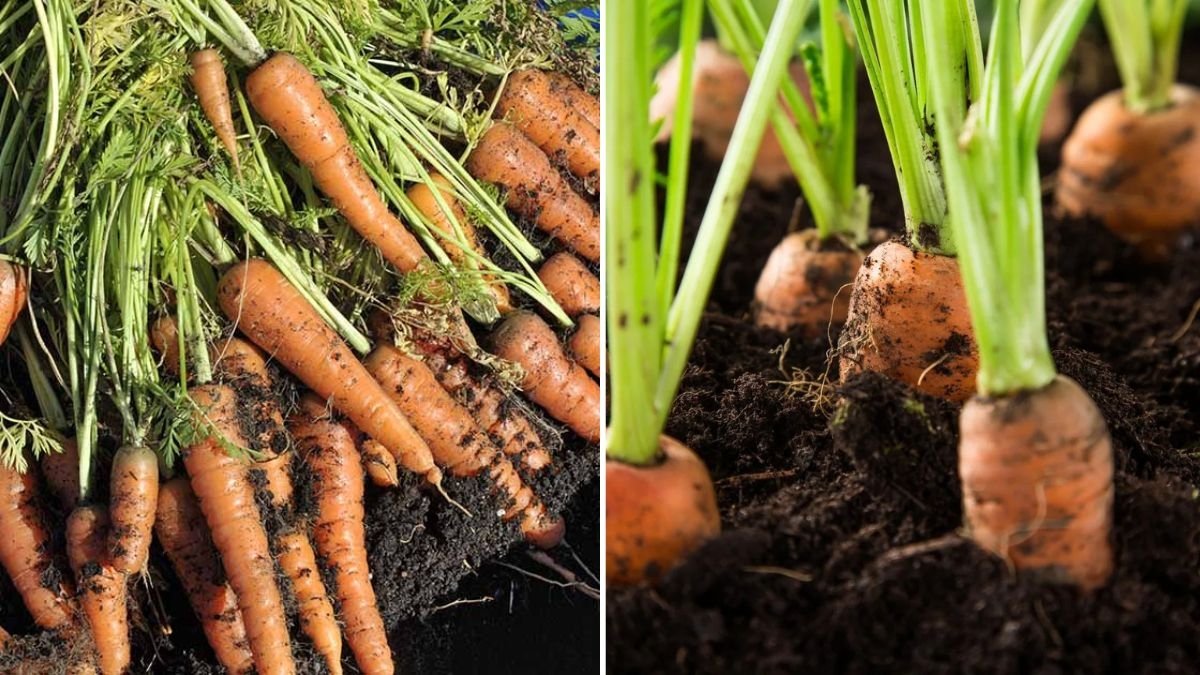
Crisp, sweet, and perfectly snackable — baby carrots have become one of America’s favorite healthy treats. Found in lunchboxes, salad bars, and grocery produce aisles across the country, these tiny orange delights are much more than just miniature versions of regular carrots. In fact, baby carrots have a fascinating story, impressive nutritional value, and a strong presence in both U.S. diets and home gardens.
Whether you’re munching them with hummus, tossing them into a salad, or growing them in your backyard, baby carrots offer the perfect blend of convenience, health, and flavor. This in-depth guide explores everything you need to know — from what baby carrots really are to how they’re grown, their benefits, and delicious ways to enjoy them.
1. What Exactly Are Baby Carrots?
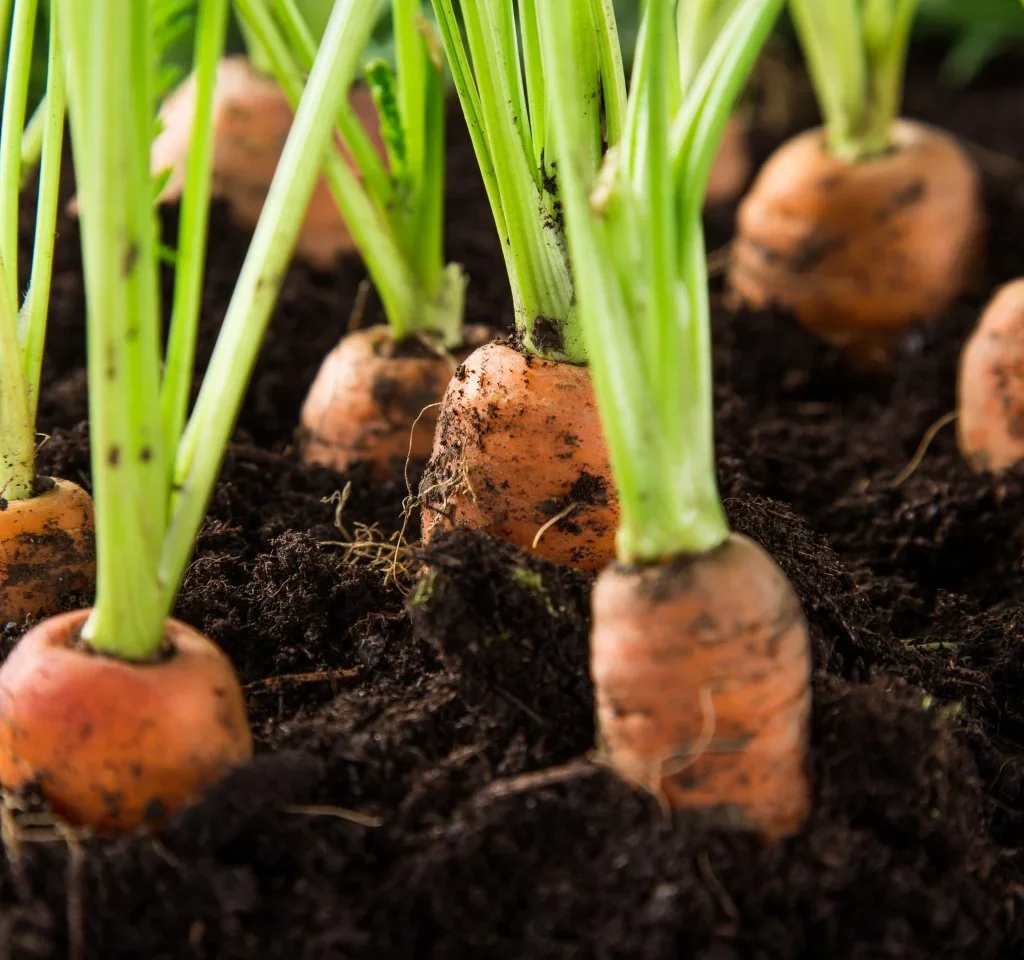
The term “baby carrots” can mean two different things — and that’s where most people get confused.
- True baby carrots are young carrots harvested early before they reach full size. They’re naturally small, tender, and sweet. These are often found at farmer’s markets or grown at home.
- Baby-cut carrots, the kind most Americans find in stores, are full-sized carrots that have been machine-trimmed and peeled into small, uniform pieces. These were first popularized in California in the 1980s to reduce waste from oddly shaped carrots — and the idea revolutionized the vegetable industry.
Both types are healthy and delicious, but baby-cut carrots are the reason the snack-sized vegetable became a household staple across the U.S.
2. A Brief History: The American Baby Carrot Boom
The baby carrot craze began in Bakersfield, California, in the early 1980s. A farmer named Mike Yurosek noticed that perfectly edible carrots were being discarded simply because they were misshapen or too long for packaging. His solution? Peel and cut them into smaller, more appealing pieces.
This simple innovation turned what was once considered waste into a billion-dollar industry. Within a decade, baby-cut carrots had taken over grocery shelves and became a symbol of healthy, convenient snacking — perfectly aligning with the busy, health-conscious American lifestyle.

Today, the U.S. produces over 2 billion pounds of baby carrots annually, and their popularity continues to rise thanks to their versatility, long shelf life, and kid-friendly appeal.
3. Nutritional Benefits: Why Baby Carrots Are a Smart Choice
Baby carrots may be small, but they’re packed with essential vitamins, antioxidants, and fiber. Here’s what makes them a nutritional powerhouse:
- Rich in Beta-Carotene: Baby carrots are loaded with beta-carotene, which the body converts into vitamin A, vital for healthy eyes, skin, and immunity.
- High in Fiber: A single serving provides about 2 grams of dietary fiber, supporting digestion and heart health.
- Low in Calories: With just 30–35 calories per serving, they’re the perfect guilt-free snack.
- Hydrating: Composed of nearly 90% water, they help maintain hydration.
- Antioxidant-Rich: Contain lutein and zeaxanthin, known to support brain and vision health.
These benefits make baby carrots one of the top choices for Americans looking to balance convenience and nutrition — whether in school lunches, office snacks, or pre-workout meals.
4. Growing Baby Carrots at Home
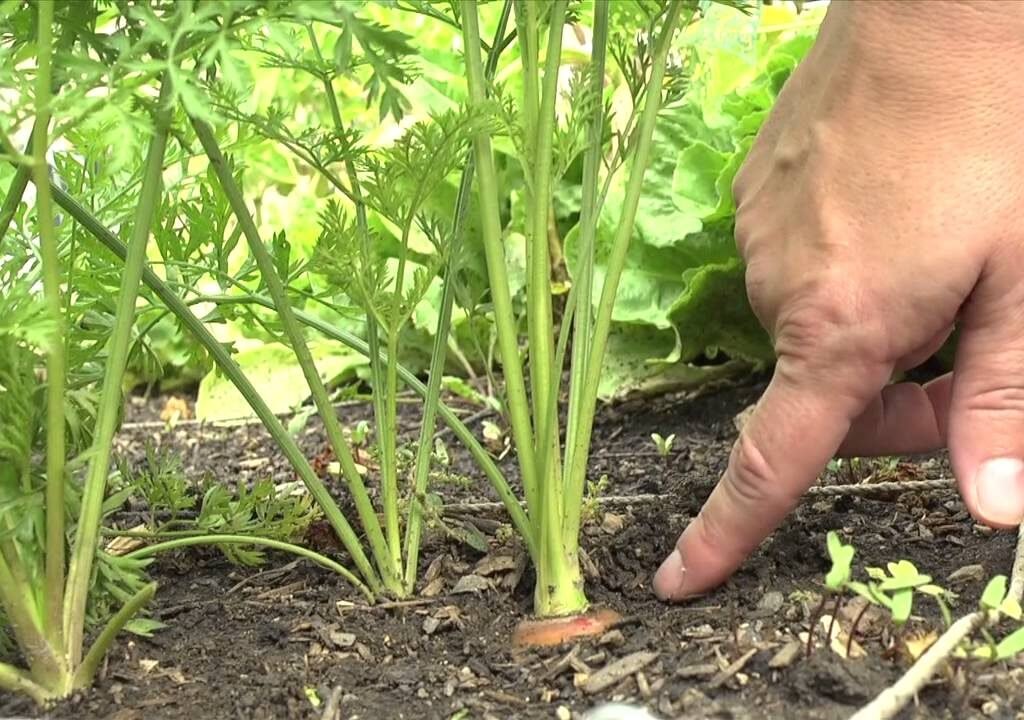
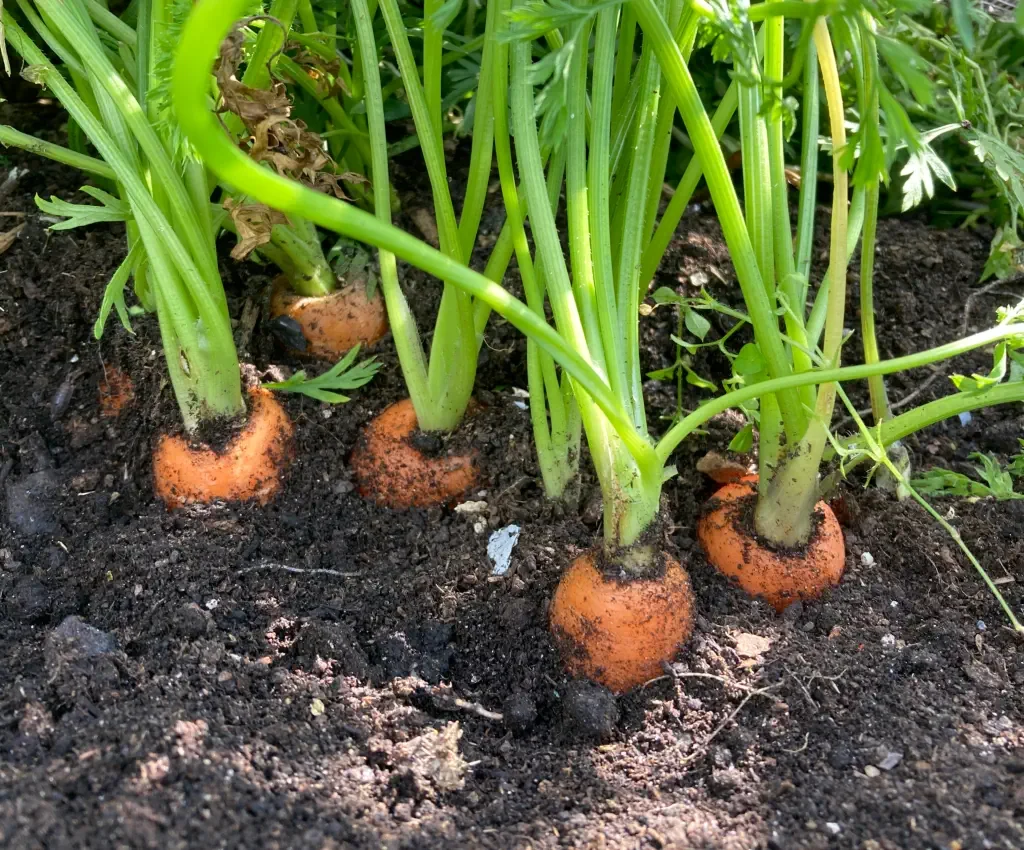
If you love gardening, growing baby carrots is a fun and rewarding project. They’re perfect for small gardens, raised beds, and even deep containers, making them an excellent choice for urban and suburban gardeners alike.
Step 1: Choose the Right Variety
Not all carrots are suited for baby harvests. The best varieties for growing true baby carrots include:
- ‘Little Finger’ – A classic mini variety that grows only 3–4 inches long.
- ‘Thumbelina’ – Round, sweet carrots perfect for container gardening.
- ‘Parisian Heirloom’ – A small, globe-shaped variety ideal for shallow soils.
- ‘Adelaide’ – A cylindrical baby carrot with smooth skin and tender texture.
Step 2: Soil and Location
Baby carrots prefer loose, well-drained soil with a slightly sandy texture. Avoid clay-heavy soils, which can cause deformities. Ensure the planting site receives at least 6 hours of full sunlight daily.

Step 3: Planting
- Sow seeds directly outdoors once the soil warms to 55°F–65°F.
- Plant seeds about ¼ inch deep and 1 inch apart in rows 12 inches apart.
- Thin seedlings to prevent overcrowding — baby carrots need space to grow evenly.
Step 4: Watering and Care
Keep soil consistently moist, especially during germination. Water deeply once or twice a week, depending on your climate. Add mulch to retain moisture and suppress weeds.
Step 5: Harvesting
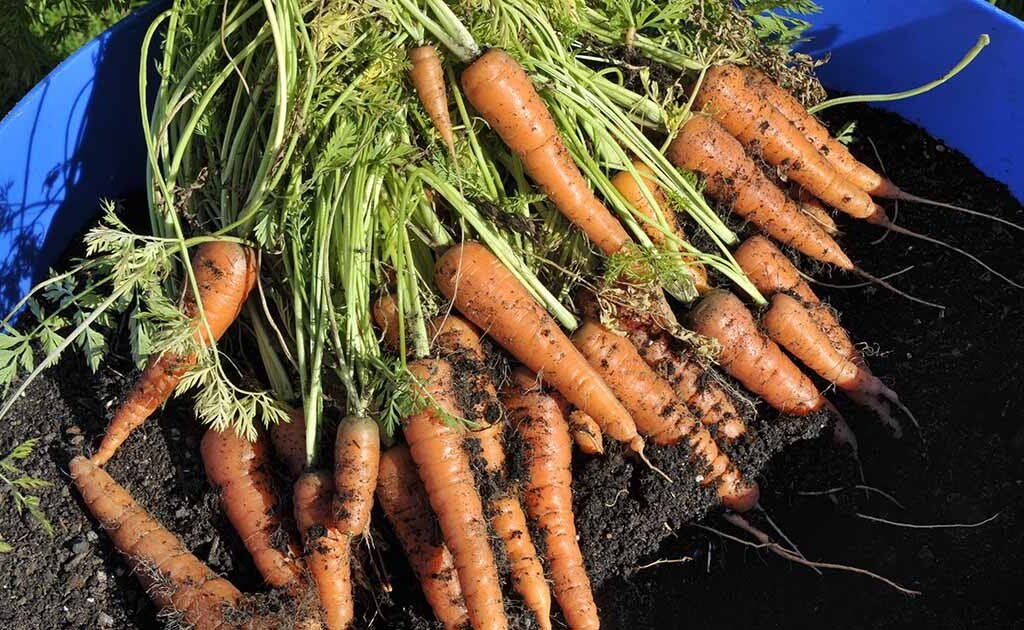
Baby carrots are ready in 50–65 days depending on the variety. Gently loosen the soil and pull up carrots when they’re about 3–4 inches long.
Pro Tip: The earlier you harvest, the sweeter and more tender your carrots will be!
5. How Baby Carrots Are Made for the Market
For those curious about the store-bought kind, here’s how baby-cut carrots are produced in the U.S.:
- Farmers harvest full-sized carrots, primarily from California’s San Joaquin Valley.
- Carrots are washed, sorted, and trimmed.
- They’re then cut into 2-inch pieces and shaped using specialized machines.
- The carrots are lightly rinsed in a water-based solution (often containing trace amounts of chlorine or citric acid) to prevent spoilage and maintain crispness.
- Finally, they’re packaged and shipped nationwide.
This process ensures consistent size, sweetness, and crunch — making baby-cut carrots a reliable, ready-to-eat snack for millions of Americans.
6. Culinary Uses: From Snacks to Gourmet Dishes
Baby carrots shine in more than just snack packs. They’re incredibly versatile and can elevate both everyday meals and gourmet recipes. Here are some delicious ways to use them:

1. Roasted Baby Carrots
Toss with olive oil, honey, and herbs, then roast at 400°F for 20–25 minutes until caramelized. The result? A naturally sweet, tender side dish.
2. Glazed Carrots
Simmer baby carrots in butter, brown sugar, and orange juice for a glossy, flavorful glaze that pairs perfectly with grilled meats or holiday dinners.
3. Stir-Fried Baby Carrots
Slice lengthwise and toss in soy sauce, ginger, and sesame oil for a quick, colorful stir-fry.
4. Carrot Hummus Snack
Pair fresh baby carrots with homemade hummus or ranch dip for the ultimate crunchy snack.
5. Soups and Stews
Add baby carrots to chicken noodle soup, beef stew, or vegetable broth for extra texture and natural sweetness.
Whether served raw, roasted, or pureed, baby carrots adapt beautifully to nearly any American recipe — from comfort food to modern cuisine.

7. Storage and Freshness Tips
To keep baby carrots crisp and fresh:
- Store them in the refrigerator at 32°F–40°F.
- Keep them in a sealed container or zip-lock bag with a damp paper towel to prevent drying.
- Avoid storing near ethylene-producing fruits like apples or bananas, which can cause premature spoilage.
Fresh baby-cut carrots typically last 2–3 weeks in the fridge, while homegrown true baby carrots (with greens removed) can last about 7–10 days.
8. Baby Carrots and American Lifestyle Trends
Baby carrots fit seamlessly into the modern American lifestyle. With the rise of health-conscious snacking, plant-based diets, and meal prep culture, their demand has surged in recent years.
Here’s why they continue to be a favorite across the U.S.:
- Convenience: Ready-to-eat and mess-free for work, school, or travel.
- Kid-Friendly: Naturally sweet, bite-sized, and perfect for picky eaters.
- Eco-Friendly: Modern production uses previously wasted carrots, reducing food waste.
- Fitness-Friendly: Popular among athletes and dieters for being low-calorie yet filling.
From California produce farms to New York health cafés, baby carrots are celebrated for their simplicity, versatility, and sustainability.
9. Fun Facts About Baby Carrots
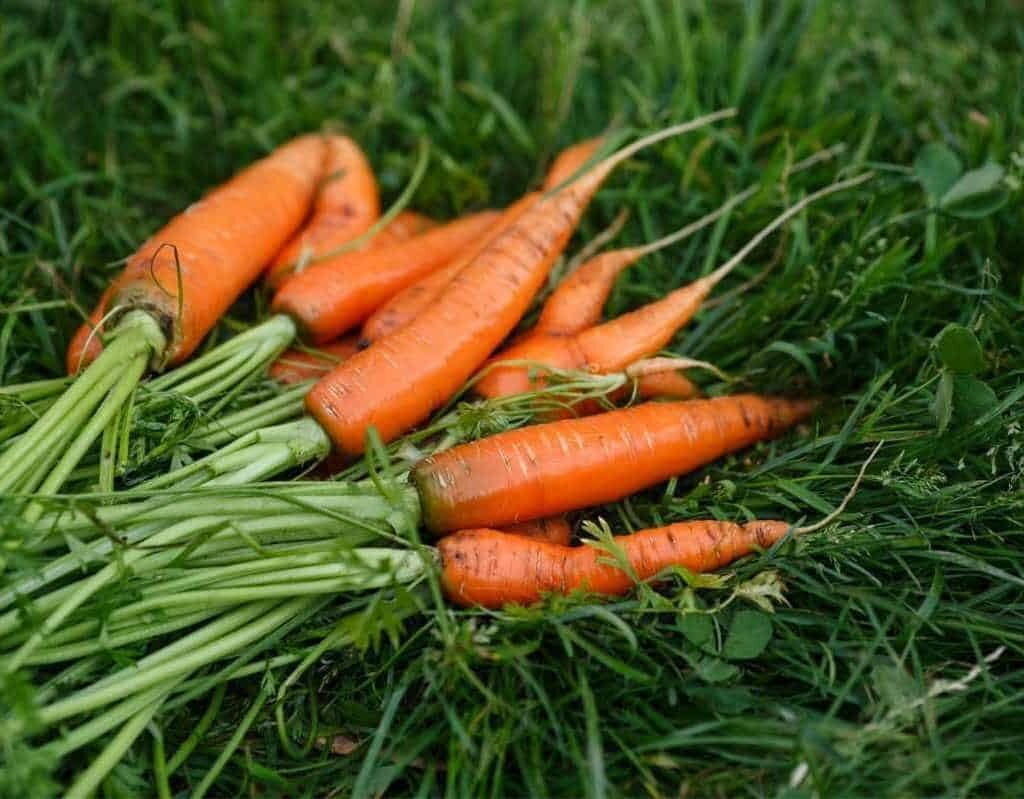
- Baby carrots were not genetically modified — they’re simply reshaped versions of regular carrots.
- The average American eats over 10 pounds of carrots annually, much of that in baby-cut form.
- Carrots were originally purple and yellow before the familiar orange variety became popular in the 17th century.
- Baby carrots made up nearly 70% of U.S. carrot sales by the mid-2000s — a true vegetable success story.
Conclusion: The Tiny Vegetable That Made a Big Impact
From their humble beginnings in California to becoming a national snack-time hero, baby carrots embody everything Americans love in a food — they’re healthy, convenient, and endlessly versatile. Whether you grow true baby carrots in your backyard or grab a bag of baby-cuts from the store, these little orange powerhouses deliver nutrition, crunch, and flavor in every bite.

So next time you’re packing lunch, prepping dinner, or planning your garden, don’t overlook these miniature marvels. Baby carrots prove that even the smallest foods can make the biggest impact — on your health, your plate, and your planet.

Leave A Comment