When it comes to nutrient-packed, flavor-rich vegetables, few can compete with the mighty baby beetroot. These small, vibrant root vegetables are more than just a colorful addition to your plate — they’re loaded with vitamins, minerals, and antioxidants that boost your health from head to toe. Loved by chefs, nutritionists, and home cooks alike across the United States, baby beets are quickly becoming a farm-to-table favorite in American households.
In this detailed guide, we’ll explore everything you need to know about baby beetroot — from its nutritional power and health benefits to cooking tips, recipes, and even how to grow it at home. Whether you’re a wellness enthusiast or just someone looking to add more color and flavor to your meals, this article will show you why baby beetroot deserves a permanent spot in your kitchen.
1. What Is Baby Beetroot?
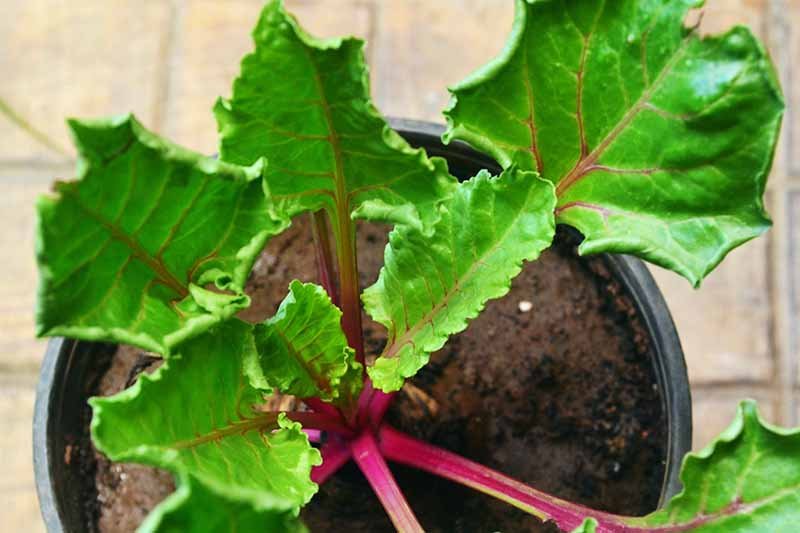
Baby beetroot is the young, tender version of the common beet (Beta vulgaris). These small roots are harvested early — typically when they’re about the size of a golf ball — and are prized for their mild, sweet flavor and soft texture. Unlike mature beets, which can sometimes taste earthy or bitter, baby beets offer a naturally sweet, delicate flavor that pairs beautifully with both savory and sweet dishes.
Baby beetroot typically comes in shades of deep red, golden yellow, or even striped varieties like Chioggia, which displays stunning pink-and-white rings when sliced.
Across America, baby beetroot is especially popular in health-conscious kitchens and modern restaurants, where it’s used in everything from gourmet salads to colorful smoothies.
2. Nutrition and Health Benefits of Baby Beetroot
Baby beets may be small, but they pack an incredible nutritional punch. They’re low in calories, rich in essential vitamins, and filled with plant compounds that promote overall wellness.

Here’s what makes baby beetroot a true superfood:
- Rich in Folate (Vitamin B9): Essential for red blood cell formation and cell growth.
- High in Fiber: Promotes healthy digestion and gut health.
- Loaded with Antioxidants: The deep red pigment (betacyanin) fights inflammation and oxidative stress.
- Supports Heart Health: Contains nitrates that can help lower blood pressure naturally.
- Improves Athletic Performance: Studies show beetroot juice boosts stamina by enhancing oxygen use.
- Promotes Detoxification: Beets aid liver function and help flush toxins from the body.
- Supports Brain Health: Beet nitrates improve blood flow to the brain, enhancing focus and memory.
A one-cup serving of cooked baby beets contains only about 60 calories, making them a smart, nutrient-dense choice for anyone looking to maintain a healthy diet.
3. Baby Beetroot vs. Regular Beetroot
While both varieties share similar nutrients, baby beetroot offers a few distinct advantages:
| Feature | Baby Beetroot | Regular Beetroot |
|---|---|---|
| Size | Small and tender | Large and firm |
| Flavor | Mild, sweet, delicate | Earthier and stronger |
| Cooking Time | Shorter (10–15 minutes) | Longer (30–45 minutes) |
| Texture | Smooth and buttery | Dense and fibrous |
| Best For | Salads, roasting, pickling | Soups, baking, juicing |
Baby beets are perfect for quick-cook recipes, making them ideal for busy American households that still want to eat fresh, healthy meals without spending hours in the kitchen.
4. How to Prepare and Cook Baby Beetroot
Preparing baby beetroot is easy, and their versatility allows for a variety of cooking methods. Here are some popular techniques:
a) Boiling
- Wash thoroughly without cutting off the root or stem — this prevents color bleeding.
- Boil in salted water for 10–15 minutes until tender.
- Cool slightly and rub off the skin with a paper towel.
Tip: Add a splash of vinegar or lemon juice to the boiling water to help retain color.

b) Roasting
Roasting enhances the natural sweetness of baby beets.
- Preheat oven to 400°F (200°C).
- Toss beets in olive oil, salt, and pepper.
- Roast for 20–25 minutes until tender.
Serve them warm over salads, or as a vibrant side dish with grilled meats or tofu.
c) Steaming
A great option to retain nutrients. Steam whole baby beets for 10–12 minutes until fork-tender.
d) Raw
Thinly slice or grate baby beetroot for salads or slaws — their sweet crunch adds both flavor and color.
e) Pickling
Quick-pickled baby beets make a tangy, crunchy snack. Just simmer vinegar, sugar, and spices, then pour over boiled beets and refrigerate overnight.
5. Delicious Baby Beetroot Recipes
Want to add baby beetroot to your meal plan? Here are three irresistible American-style recipes:
a) Roasted Baby Beet and Goat Cheese Salad
Ingredients:

- 1 lb baby beets (red or golden)
- 2 tbsp olive oil
- 1 cup arugula
- ¼ cup crumbled goat cheese
- 2 tbsp chopped walnuts
- 1 tbsp balsamic glaze
Instructions:
- Roast the beets until tender, peel, and slice.
- Arrange arugula on a plate, add beets, goat cheese, and walnuts.
- Drizzle with olive oil and balsamic glaze.
This elegant salad is a restaurant-quality dish that’s perfect for fall dinners or weekend brunches.
b) Baby Beet Smoothie
Ingredients:
- 2 small boiled baby beets
- 1 banana
- 1 cup almond milk
- 1 tbsp honey
- ½ tsp cinnamon
Blend until smooth. This smoothie is nutrient-dense, naturally sweet, and great for post-workout recovery.
c) Baby Beet and Quinoa Bowl
Ingredients:
- 1 cup cooked quinoa
- 6–8 roasted baby beets (halved)
- 1 avocado (sliced)
- ¼ cup feta cheese
- Lemon-tahini dressing
Combine everything in a bowl for a wholesome, protein-packed lunch.

6. Growing Baby Beetroot at Home
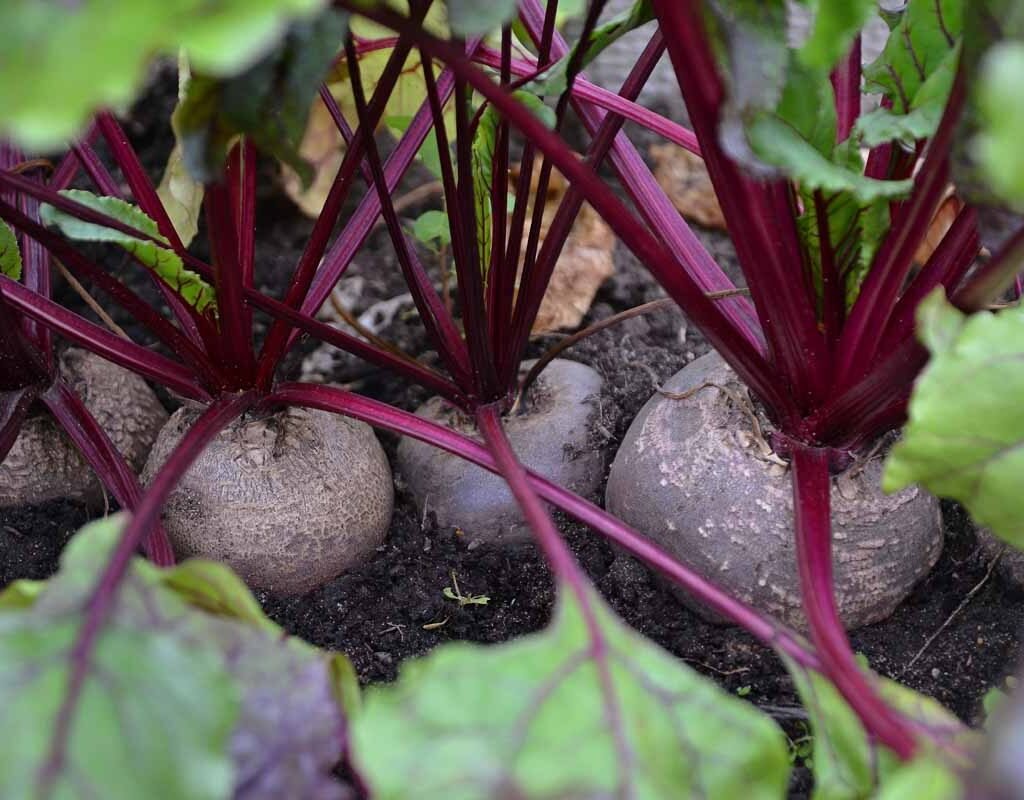
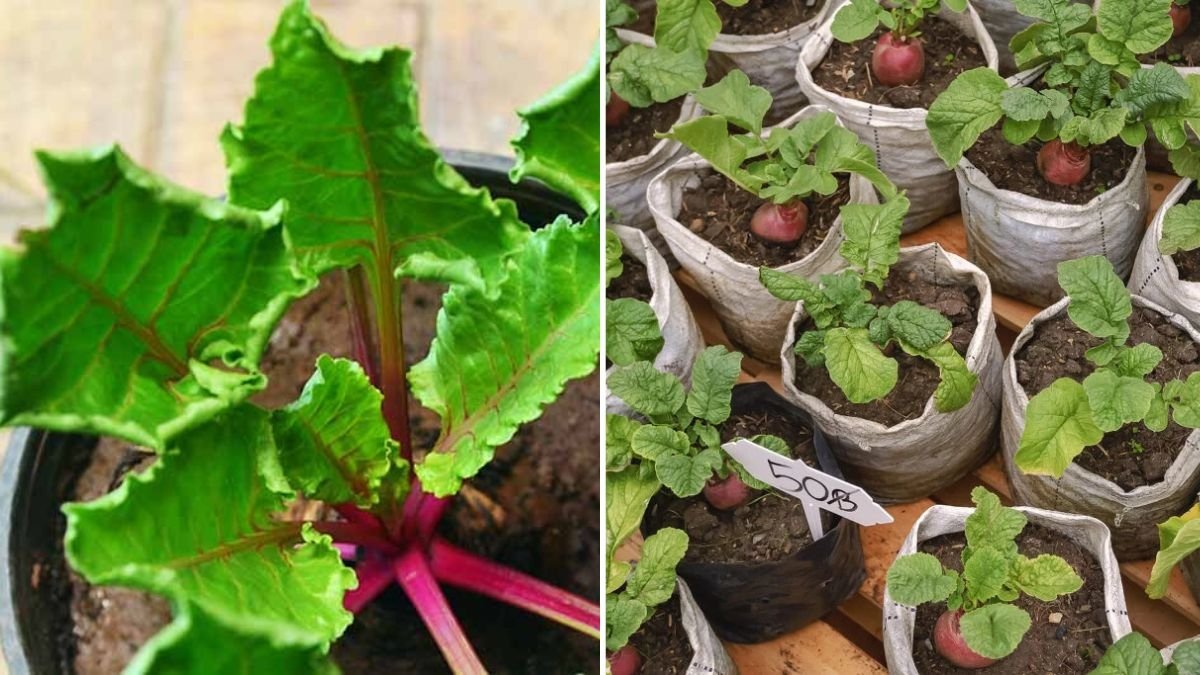
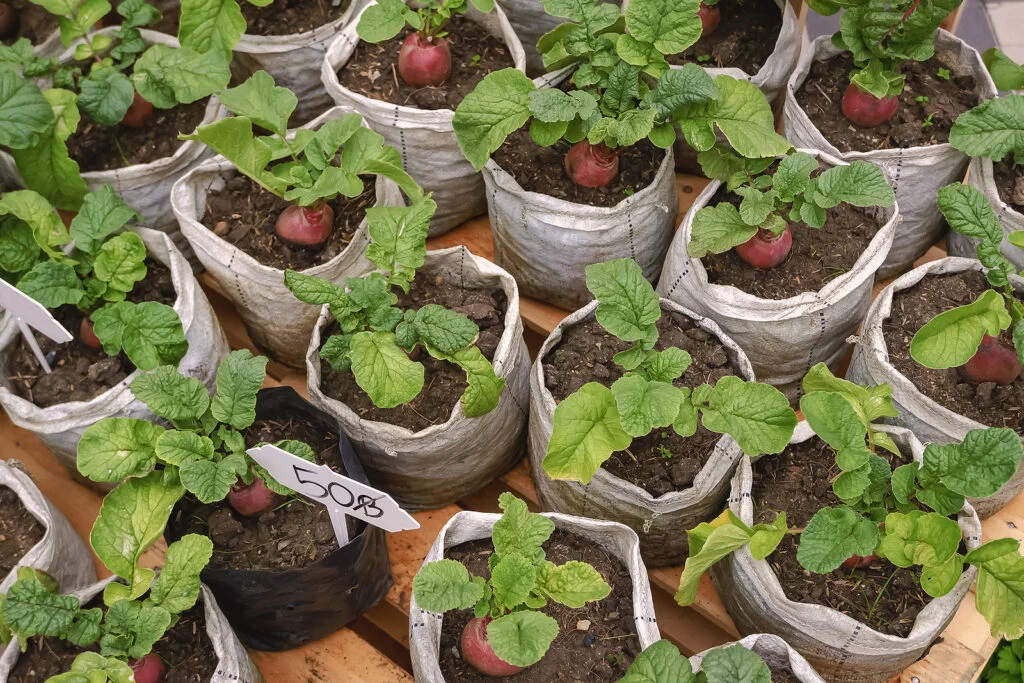
If you enjoy gardening, baby beetroot is one of the easiest root vegetables to grow in your backyard or container garden.
Here’s how to get started:
- Choose a sunny spot: Beets love full sunlight (at least 6 hours daily).
- Soil preparation: Use well-draining soil rich in organic matter.
- Sowing seeds: Plant beet seeds ½ inch deep and 1 inch apart.
- Water regularly: Keep the soil evenly moist but not soggy.
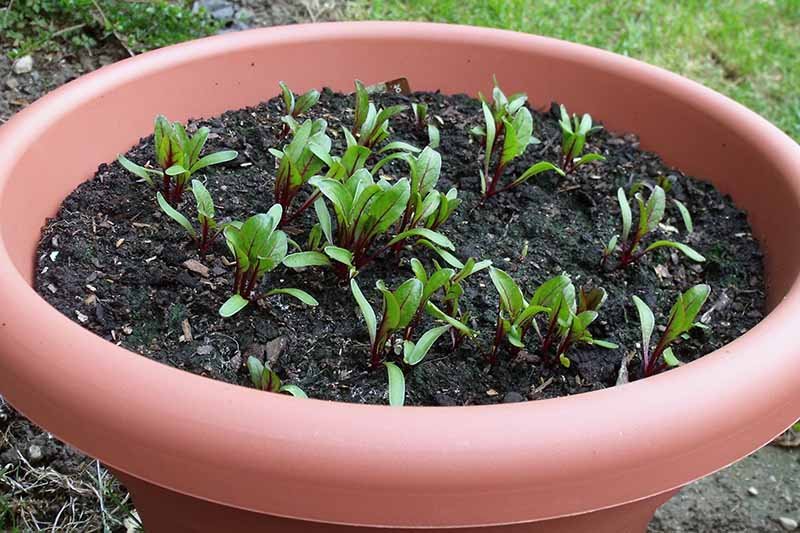
- Thin seedlings: Once they sprout, thin them to 2 inches apart for proper root growth.
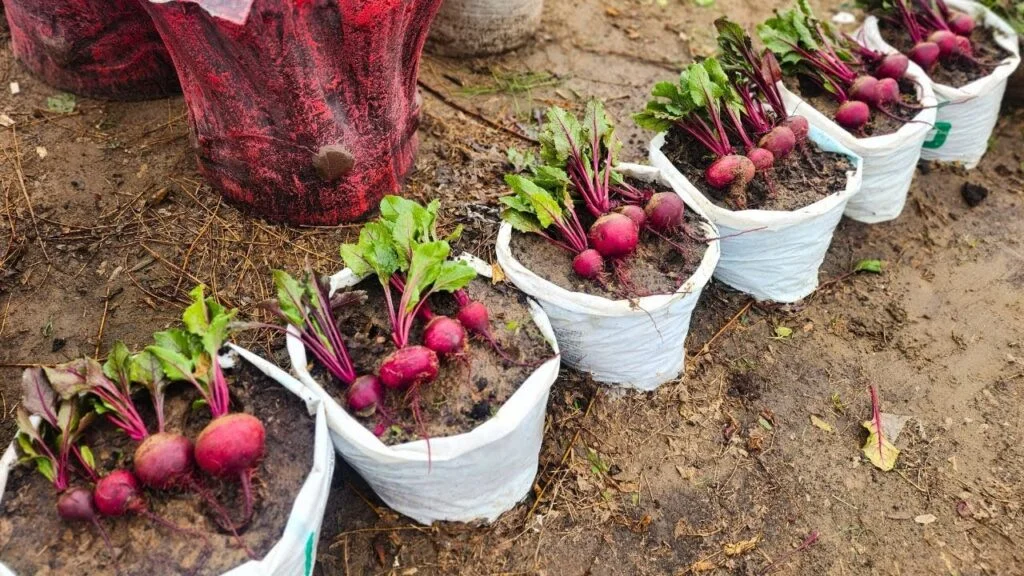
- Harvest time: Baby beets are ready in about 40–50 days, when the roots are 1–2 inches wide.
Bonus: The leafy tops of baby beets are also edible! Sauté them with garlic and olive oil for a nutritious side dish.
7. Storing Baby Beetroot
Proper storage keeps baby beets fresh for weeks.
- Refrigerator: Trim the greens (leave 1 inch of the stem) and store the roots in a perforated plastic bag in the crisper drawer. They last up to 2 weeks.
- Freezing: Cook, peel, and slice before freezing in airtight containers.
- Pickling: Preserves flavor and extends shelf life for months.
Pro tip: Always store greens separately — they draw moisture from the roots if left attached.
8. Where to Buy Baby Beetroot in the U.S.
Baby beets are widely available across America, especially during spring and fall. You can find them at:

- Farmers’ Markets: Fresh, organic baby beets with greens still attached.
- Grocery Stores: Chains like Whole Foods, Trader Joe’s, and Sprouts often stock them in the produce aisle.
- Community Supported Agriculture (CSA) Programs: Local farms deliver seasonal produce, including baby beets, right to your doorstep.
- Online Grocery Services: FreshDirect and Misfits Market offer farm-fresh baby beets shipped nationwide.
9. Fun and Creative Ways to Use Baby Beetroot
Beyond cooking, baby beetroot can also play a creative role in your lifestyle:
- Natural Food Coloring: Use beet juice to color frostings, pasta dough, or drinks.
- Beet Chips: Slice thinly, season, and bake until crispy for a healthy snack.
- Smoothie Cubes: Freeze beet puree in ice cube trays and pop one into your morning smoothie.
- DIY Beetroot Lip Stain: Mix beet juice with coconut oil for a natural tint.
These fun hacks show just how versatile this tiny root vegetable can be.
10. Why Baby Beetroot Belongs in Every American Diet
Baby beetroot’s appeal goes far beyond its beautiful color. It’s a superfood that supports heart health, aids digestion, boosts energy, and enhances your skin’s natural glow. Its mild flavor makes it approachable for picky eaters, while its quick cooking time suits busy American lifestyles.
Whether you’re roasting them for a salad, blending them into a smoothie, or growing them in your backyard, baby beets deliver a delicious dose of health in every bite.
So next time you’re at your local market, skip the ordinary and reach for a bunch of fresh baby beets — small roots with a big nutritional impact.

Leave A Comment