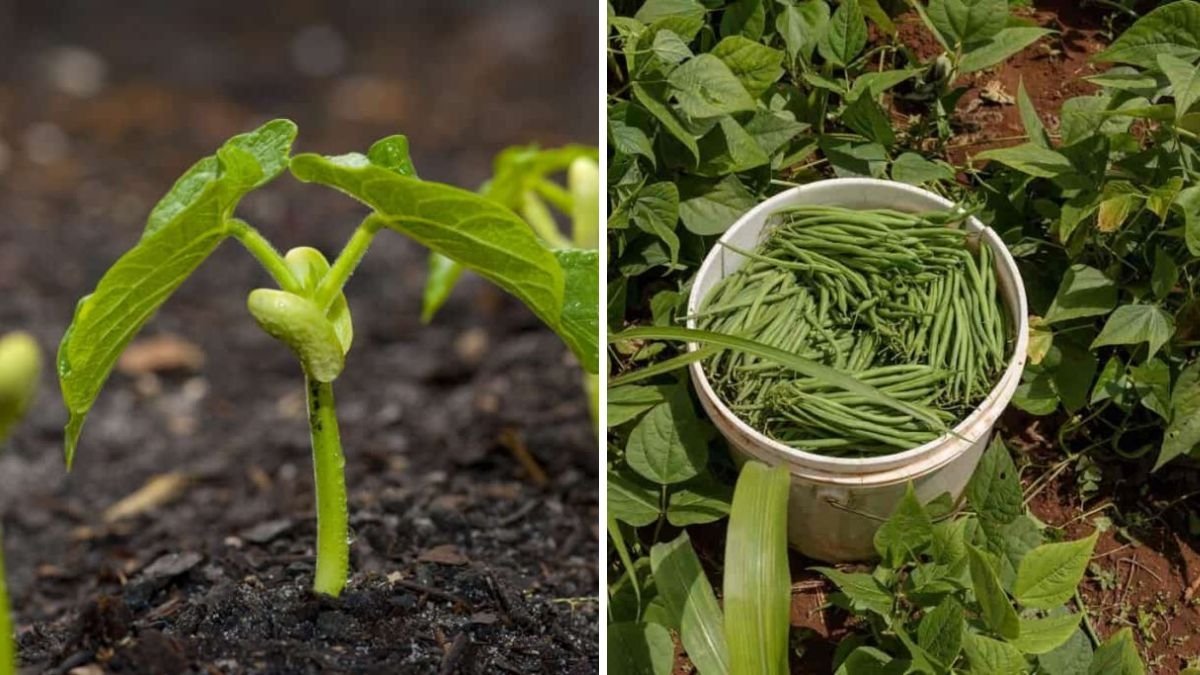
Beans have long been a staple food around the world — and for good reason. They’re affordable, packed with nutrients, and incredibly versatile. From the creamy black beans in your burrito bowl to the hearty kidney beans in chili, these tiny powerhouses are a cornerstone of healthy eating.
In recent years, beans have made a big comeback in the American kitchen, thanks to the growing interest in plant-based diets, heart health, and sustainable eating. Whether you’re vegan, vegetarian, or just trying to eat healthier, beans are an easy and delicious way to boost your meals with protein, fiber, and essential nutrients.
In this guide, we’ll explore everything you need to know about beans — their types, nutritional benefits, how to cook them perfectly, and creative recipes to try. Let’s dig in!
1. What Exactly Are Beans?
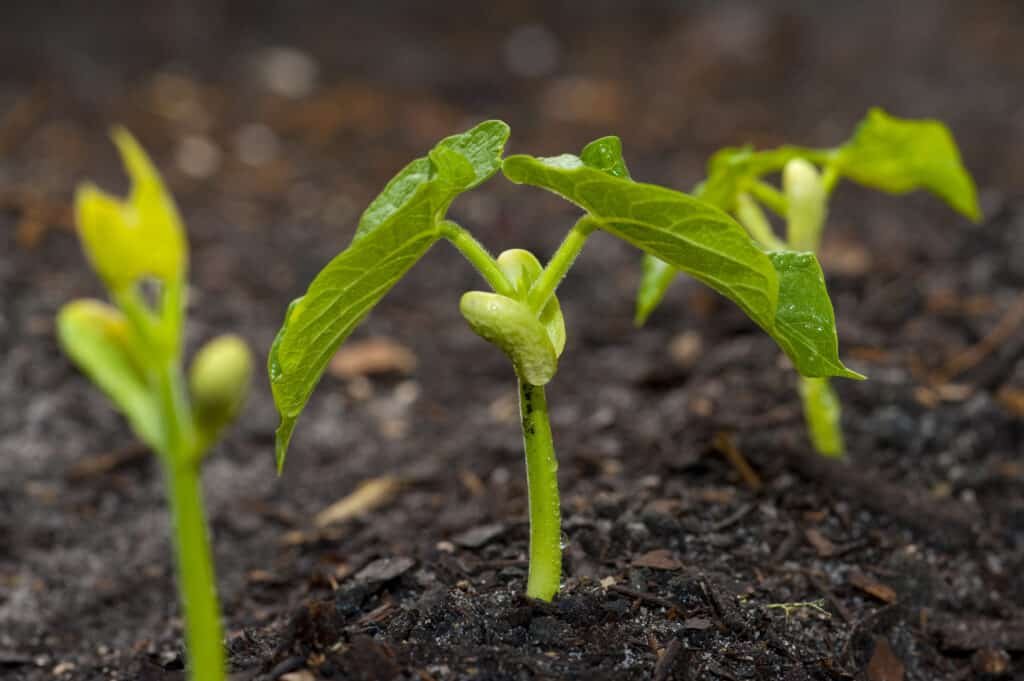
Beans belong to the legume family — plants that produce pods containing edible seeds. They’ve been cultivated for thousands of years and remain one of the most sustainable protein sources available today.
Common beans include:
- Black Beans – Smooth, earthy, and a staple in Latin American cuisine.
- Kidney Beans – Large, red, and perfect for chili or soups.
- Pinto Beans – Creamy and flavorful, often found in Mexican refried beans.
- Chickpeas (Garbanzo Beans) – Nutty and firm, great in hummus or salads.
- Lentils – Technically not beans but close relatives, often used in soups and stews.
- Navy Beans – Small, white, and mild; the key ingredient in baked beans.
- Cannellini Beans – Italian white beans with a smooth texture.
- Soybeans – Used to make tofu, soy milk, and tempeh.
Each variety brings its own flavor, texture, and nutritional perks, making beans one of the most diverse foods you can add to your kitchen rotation.
2. The Incredible Health Benefits of Beans
Beans aren’t just tasty — they’re nutritional goldmines. Packed with protein, fiber, vitamins, and minerals, they support a wide range of health benefits.

1. Heart Health
Beans are rich in soluble fiber, which helps lower LDL (“bad”) cholesterol levels. Studies show that regularly eating beans can significantly reduce your risk of heart disease.
2. Excellent Source of Plant Protein
For those reducing meat consumption, beans are a fantastic plant-based protein alternative. A single cup of cooked beans offers around 15 grams of protein — perfect for muscle repair and energy.
3. Helps Control Blood Sugar
The complex carbohydrates in beans are digested slowly, preventing sharp spikes in blood sugar. That’s why beans are highly recommended for people with diabetes or anyone managing their glucose levels.
4. Supports Digestive Health
With high fiber content, beans promote healthy digestion and regularity. They feed good gut bacteria, which improves your microbiome health.
5. Great for Weight Management
Beans are filling but low in fat, making them ideal for maintaining or losing weight. They help you stay full longer and reduce cravings for less healthy foods.
6. Packed with Nutrients
Beans are loaded with iron, magnesium, potassium, folate, and B vitamins — all essential for energy, nerve function, and overall vitality.
3. How to Cook Beans Perfectly (From Dry or Canned)
Cooking beans might sound intimidating, but it’s actually quite simple once you get the hang of it. You can start from scratch with dried beans or use convenient canned ones for quick meals.

Cooking Dried Beans
- Rinse and Sort: Remove any small stones or debris, then rinse under cold water.
- Soak:
- Overnight Soak: Soak beans in plenty of water for 8–12 hours.
- Quick Soak: Boil for 2 minutes, remove from heat, and let sit for 1 hour.
- Cook: Drain the soaked beans, cover with fresh water, and simmer gently for 1–2 hours (depending on the type). Add salt only at the end to avoid toughening the skins.
- Test for Doneness: Beans should be tender but not mushy.
Pro Tip: Add a bay leaf, onion, or garlic to the water for extra flavor during cooking.
Using Canned Beans
Canned beans are a convenient shortcut — they’re pre-cooked and ready to use.
- Drain and rinse them under water to remove excess sodium.
- Use them in soups, salads, tacos, pasta, or even smoothies for a protein boost!
Storage Tip: Cooked beans can be refrigerated for up to 4 days or frozen for up to 3 months.
4. Delicious Ways to Add Beans to Your Diet
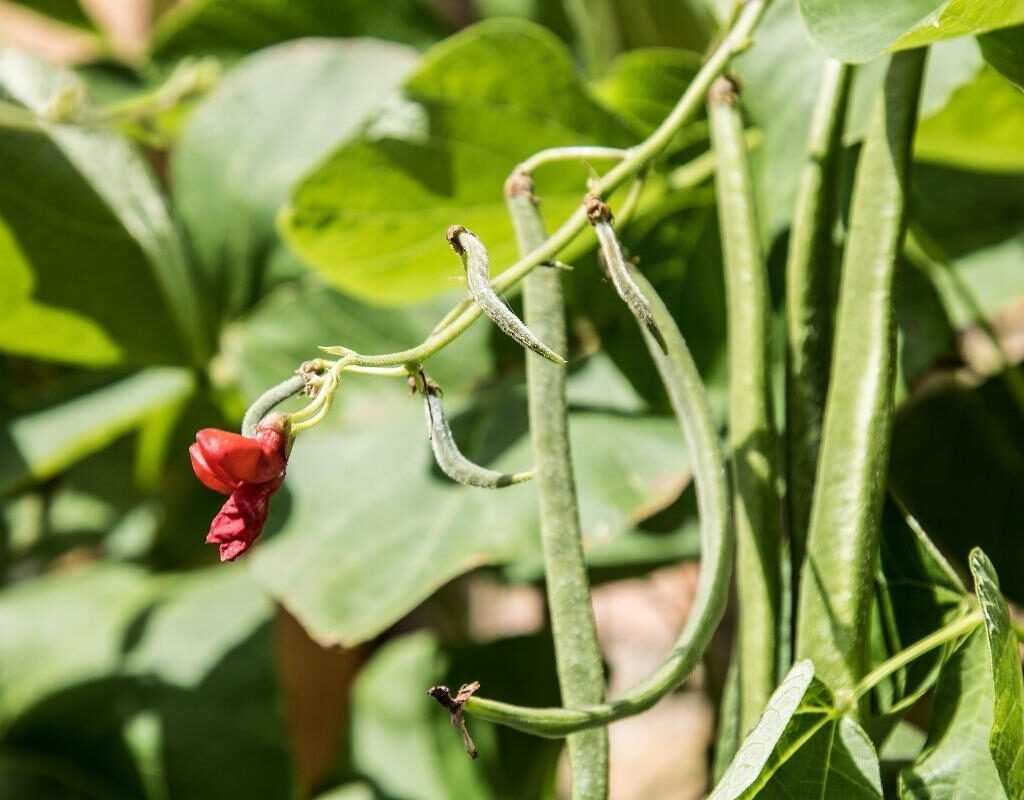
Beans are endlessly versatile and can be added to almost any dish. Here are some delicious, American-style ideas to get you inspired.
1. Southwestern Black Bean Tacos
Swap out the meat and fill soft tortillas with black beans, avocado, salsa, and shredded lettuce. A quick, protein-packed dinner!
2. Chickpea Salad Bowl
Combine chickpeas with cucumbers, cherry tomatoes, red onion, olive oil, and lemon juice for a refreshing Mediterranean lunch.
3. Hearty Three-Bean Chili
Mix kidney beans, black beans, and pinto beans with tomato sauce, peppers, and chili spices for a comforting one-pot meal.

4. Veggie Bean Burgers
Mash cooked beans with breadcrumbs, onions, and spices, then form into patties and grill. Serve with your favorite burger toppings.
5. Crispy Roasted Chickpeas
Toss chickpeas in olive oil, paprika, and garlic powder, then roast until crunchy. They make a great high-protein snack!
6. White Bean Soup
Simmer white beans with carrots, celery, herbs, and broth for a cozy, hearty meal.
7. Pasta with Cannellini Beans
Add cannellini beans to pasta with sautéed spinach, garlic, and parmesan for a creamy, wholesome twist.
Creative Tip: Blend beans into sauces, dips, or spreads — they add creaminess without extra fat.
5. Common Myths About Beans (Debunked!)
Despite their benefits, beans sometimes get an undeserved bad rap. Let’s bust a few myths:
“Beans cause too much gas.”
While it’s true beans can cause bloating, soaking and rinsing them well helps remove oligosaccharides — the sugars responsible for gas. Over time, your digestive system also adjusts.

“Canned beans aren’t healthy.”
Canned beans are just as nutritious as dried beans! Choose low-sodium or no-salt-added versions for the healthiest option.
“Beans aren’t good for low-carb diets.”
While beans contain carbs, they’re rich in fiber and protein, which help regulate blood sugar and keep you full. They’re an excellent carb choice for balanced eating.
6. Beans and Sustainability: A Planet-Friendly Food
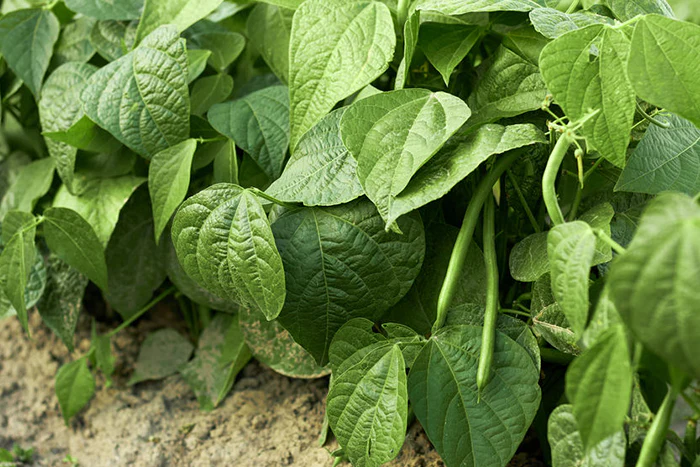
Beans aren’t just good for you—they’re good for the planet.
- They require less water and fertilizer compared to animal protein.
- They enrich soil with nitrogen, reducing the need for chemical fertilizers.
- They’re affordable, accessible, and a key ingredient in fighting food insecurity.
By incorporating more beans into your meals, you’re making an environmentally conscious choice that benefits both your health and the planet.
7. A Simple and Delicious Bean Recipe to Try Tonight
Creamy Garlic White Bean Stew
A cozy, comforting dish perfect for weeknights!
Ingredients:
- 2 cans (15 oz each) cannellini beans, drained and rinsed
- 2 tablespoons olive oil
- 1 onion, chopped
- 3 cloves garlic, minced
- 2 cups vegetable broth
- 1 cup baby spinach
- ½ teaspoon thyme
- ¼ teaspoon red chili flakes
- Salt and pepper, to taste
- Juice of half a lemon
Instructions:

- Heat olive oil in a pot over medium heat.
- Add onions and sauté until soft.
- Stir in garlic and chili flakes, cooking for 1 minute.
- Add beans, broth, and thyme. Simmer for 10 minutes.
- Use a fork to mash some of the beans for a creamier texture.
- Stir in spinach and cook until wilted.
- Season with salt, pepper, and a squeeze of lemon juice before serving.
Serve with crusty bread for a wholesome, satisfying meal.
8. Tips for Buying and Storing Beans
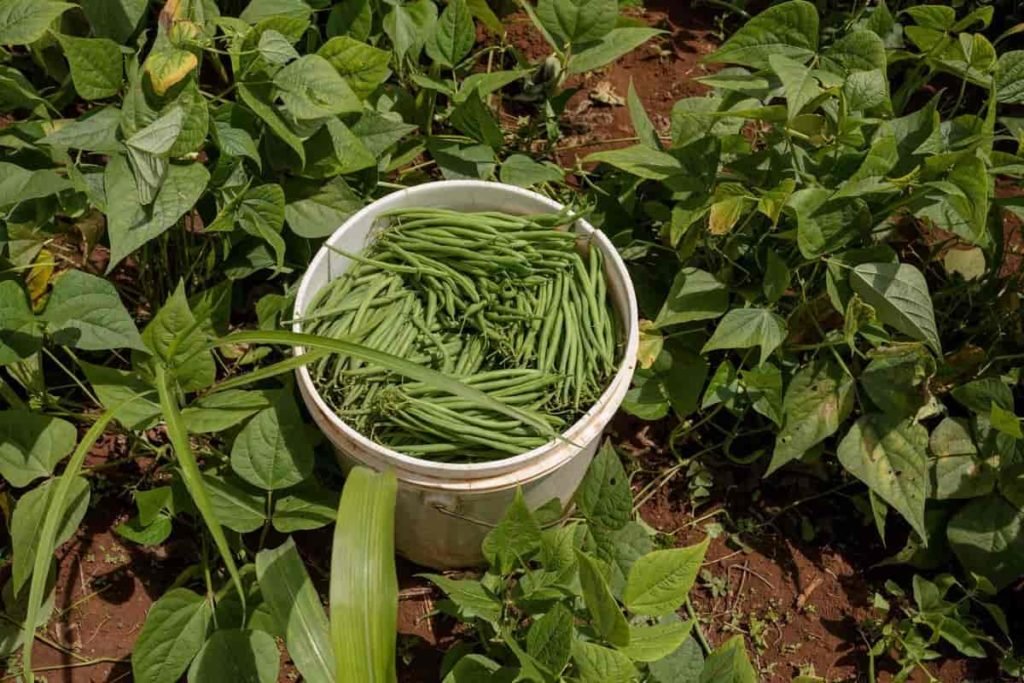
Buying Tips:
- Choose dried beans that are smooth and uniform in color.
- Check expiration dates on canned beans — older ones can be mushy.
- Look for low-sodium or BPA-free cans when possible.
Storage Tips:
- Keep dried beans in an airtight container in a cool, dark place.
- Store cooked beans with their liquid in the fridge for up to 4 days.
- Freeze in portion-sized containers for easy meal prep.
Sustainability Tip: Buy beans in bulk — it’s cheaper, reduces packaging waste, and ensures you always have a healthy protein option on hand!
Conclusion: Small Beans, Big Benefits
Beans may be small, but they pack an enormous punch when it comes to nutrition, flavor, and versatility. Whether you’re trying to eat healthier, save money, or reduce your carbon footprint, beans are a true all-around winner.
From classic American chili to international dishes like hummus and dal, these humble legumes adapt to any cuisine and lifestyle. So, the next time you plan your weekly meals, think of beans — they’re budget-friendly, filling, and brimming with health benefits.
Make them the star of your table, and enjoy the power of plant-based goodness in every bite!

Leave A Comment