
Whether it’s the smoky kick of chipotle, the tangy heat of jalapeños, or the explosive spice of habaneros, chillies (or chiles, as many Americans spell it) have become an essential part of the American culinary experience. From classic Tex-Mex tacos to Nashville hot chicken and fiery buffalo wings, chillies bring life, depth, and intensity to every bite.
But chillies aren’t just about heat—they’re about flavor, culture, and even health. These colorful peppers pack powerful antioxidants, vitamins, and metabolism-boosting compounds that make them as beneficial as they are bold.
In this in-depth guide, we’ll explore the origins of chillies, the most popular varieties in the U.S., their health benefits, how to grow them at home, and spicy recipes that will ignite your taste buds.
1. A Brief History: How Chillies Set America on Fire
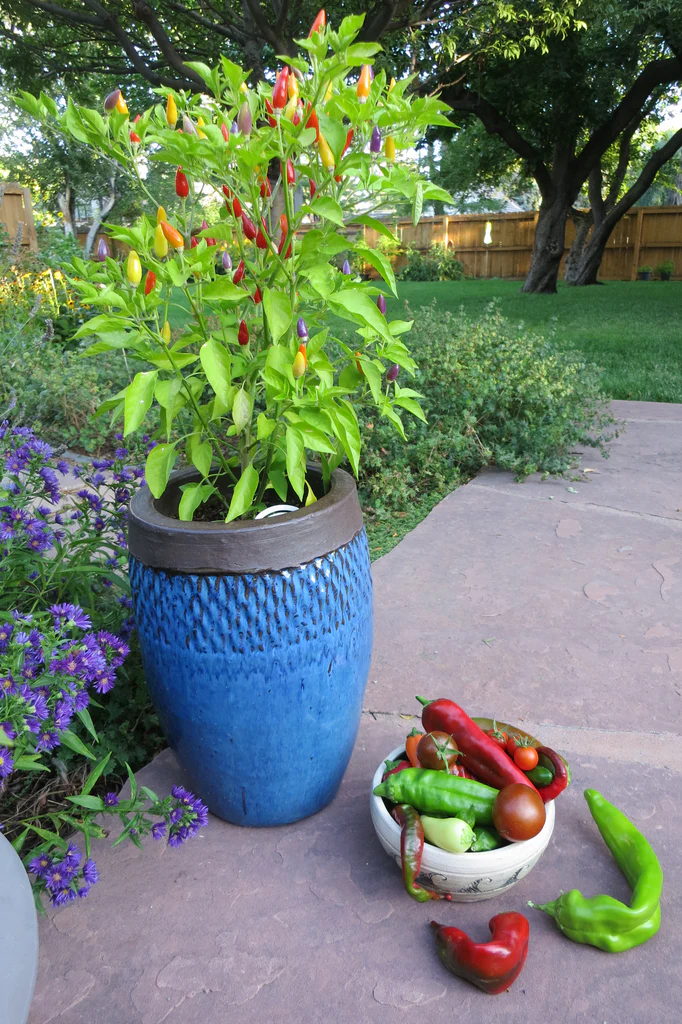
Chillies (Capsicum spp.) originated in Central and South America more than 6,000 years ago. Ancient civilizations like the Aztecs and Mayans used them for flavor, medicine, and even rituals. When Christopher Columbus encountered them in the Caribbean, he introduced them to Europe, and from there, chillies spread worldwide.
In the U.S., chillies became a staple through Southwestern and Mexican cuisine, eventually influencing dishes from coast to coast. Today, you’ll find them in everything from hot sauces and BBQ rubs to craft cocktails and chocolate desserts.
The chili pepper revolution didn’t just spice up American food—it helped shape a new culture of flavor exploration, where heat equals happiness.
2. The Science of Spice: Understanding the Heat
The burning sensation you feel when eating chillies comes from capsaicin, a compound found in the pepper’s inner membranes. Capsaicin doesn’t actually “burn” your mouth—it tricks your brain into thinking it’s in pain by stimulating nerve endings.
Spice levels are measured using the Scoville Heat Scale (SHU):

- Bell Pepper: 0 SHU
- Jalapeño: 2,500–8,000 SHU
- Cayenne: 30,000–50,000 SHU
- Habanero: 100,000–350,000 SHU
- Ghost Pepper: 1,000,000+ SHU
- Carolina Reaper: Up to 2.2 million SHU (currently one of the world’s hottest peppers!)
American pepper lovers have even turned heat into a sport, competing in chili cook-offs and hot wing challenges that test tolerance and creativity.
3. The Most Popular Chillies in American Cuisine
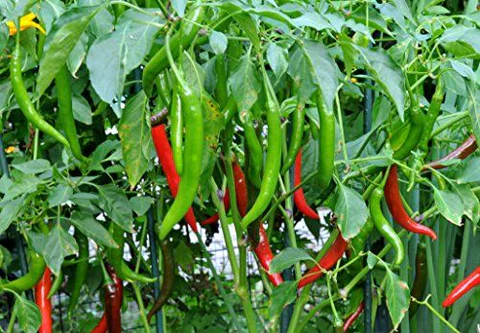
From mild to wild, here are the most common and beloved chillies found in American grocery stores, kitchens, and restaurants:
a. Jalapeño
The all-American favorite. Jalapeños are moderately hot and incredibly versatile—great for nachos, salsas, and stuffed “popper” appetizers.
b. Serrano
Smaller and hotter than jalapeños, serranos add a sharp, fresh bite to guacamole, tacos, and hot sauces.
c. Poblano
Mild and earthy, poblanos are perfect for stuffing (think chiles rellenos). When dried, they’re called ancho chillies, known for their smoky sweetness.
d. Cayenne
Long and fiery, cayenne peppers are often dried and ground into the red powder found in every American spice rack.
e. Anaheim
Mild, slightly sweet chillies often used in Southwestern dishes and green chili stews.
f. Habanero
Bright orange and extremely hot, habaneros bring fruity, tropical notes to salsas and marinades.

g. Chipotle
A smoked and dried jalapeño that adds a rich, smoky flavor to BBQ sauces, stews, and grilled meats.
h. Carolina Reaper & Ghost Pepper
For the brave only—these super-hot chillies are used sparingly in specialty hot sauces and extreme spicy challenges.
Each type offers a distinct heat profile and flavor, allowing chefs and home cooks to customize their dishes to perfection.
4. Health Benefits of Chillies
Surprisingly, the same compound that gives chillies their heat—capsaicin—is also responsible for many of their health benefits.
a. Boosts Metabolism
Capsaicin increases thermogenesis (heat production) in your body, helping burn more calories and fat.
b. Improves Heart Health
Chillies can reduce cholesterol levels, improve blood circulation, and lower blood pressure.
c. Strengthens Immunity
High in vitamin C, chillies boost your immune system and protect against common colds and infections.
d. Reduces Pain
Capsaicin is used in topical creams for joint pain and arthritis relief because it desensitizes pain receptors.

e. Fights Inflammation
Chillies’ antioxidants help combat inflammation and oxidative stress, supporting long-term health.
f. Enhances Mood
Eating spicy food releases endorphins—the “feel-good” hormones—giving you a natural energy and mood boost.
So yes, that fiery bite may make your eyes water, but it’s also doing wonders for your health!
5. How to Cook with Chillies: Tips and Tricks

Working with chillies requires a mix of creativity and caution. Here’s how to make the most of their flavor without overwhelming your taste buds:
- Control the heat: Remove seeds and membranes for milder flavor.
- Use gloves: When handling very hot peppers like habaneros or ghost peppers.
- Balance the spice: Combine chillies with creamy or sweet ingredients (like coconut milk, cheese, or honey) to soften the heat.
- Start small: Add a little at a time—you can always increase the spice, but you can’t take it back!
- Experiment: Mix different chillies for complex layers of flavor, not just heat.
6. Delicious American Recipes Featuring Chillies
Whether you’re a spice lover or a curious beginner, these recipes highlight the best of America’s love affair with chillies:
a. Classic Chili Con Carne
A Texas favorite—ground beef simmered with beans, tomatoes, chili powder, cayenne, and jalapeños. Hearty, spicy, and full of bold Southwestern flavor.
b. Spicy Buffalo Wings
Crispy fried chicken wings coated in a fiery sauce made from cayenne pepper, vinegar, and butter. Perfect for game day gatherings.
c. Jalapeño Popper Dip
A creamy blend of cream cheese, cheddar, and diced jalapeños, baked until golden and bubbly. Serve with tortilla chips for the ultimate appetizer.

d. Smoky Chipotle BBQ Sauce
Blend chipotle peppers in adobo sauce with ketchup, molasses, and apple cider vinegar. Perfect for ribs, burgers, or grilled vegetables.
e. Habanero Mango Salsa
A tropical, sweet-spicy mix of diced mango, habanero, red onion, and lime juice—amazing on grilled fish or tacos.
f. Chili-Lime Corn on the Cob
Brush grilled corn with butter, lime juice, and a sprinkle of chili powder for a zesty summer favorite.
7. Growing Chillies at Home: A Spicy American Hobby
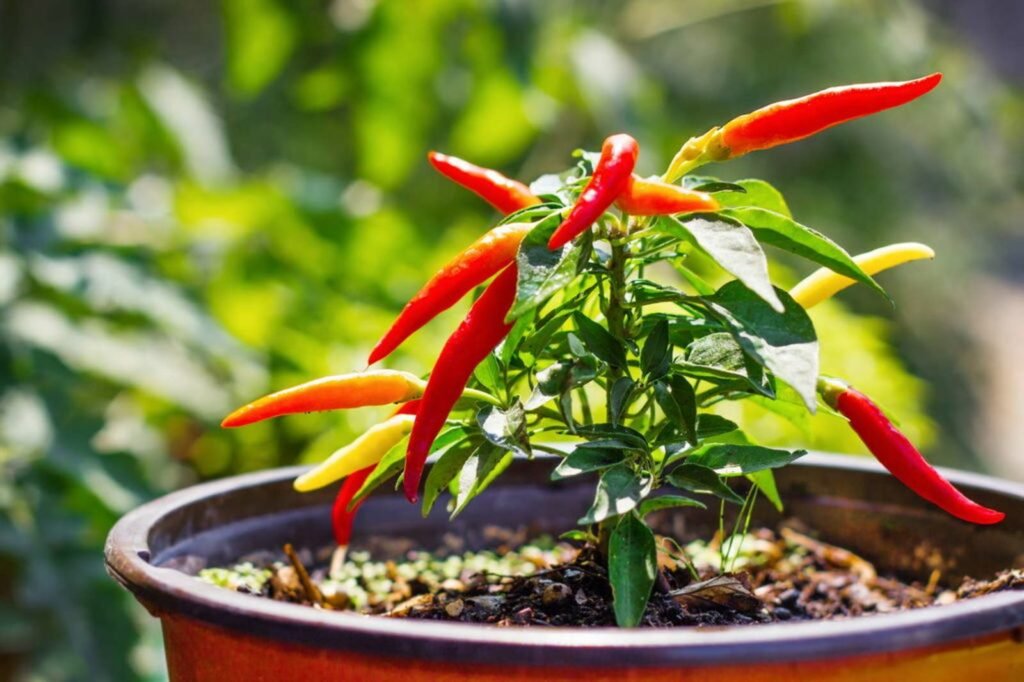
Chillies are among the easiest and most rewarding plants to grow at home—perfect for gardeners and food lovers alike.
Tips for successful chili growing:
- Sunlight: Chillies need at least 6–8 hours of direct sunlight daily.
- Soil: Use well-draining soil rich in organic matter.
- Watering: Keep the soil evenly moist but not soggy.
- Fertilizer: Feed with a balanced fertilizer every 2–3 weeks during growth.
- Harvesting: Pick chillies once they reach full color and size. For a milder flavor, harvest early.
Popular home-growing varieties: Jalapeños, cayennes, and Thai chillies are perfect for small gardens and container planting.
Homegrown chillies often taste fresher and pack more punch than store-bought ones—plus, they add a splash of color to your garden.
8. Fun Facts About Chillies
- The world’s hottest pepper, the Carolina Reaper, was developed in South Carolina.
- Chillies are technically fruits, not vegetables.
- Birds can eat chillies without feeling the heat—capsaicin doesn’t affect them!
- New Mexico hosts annual chile festivals celebrating their state’s iconic red and green peppers.
- The U.S. consumes more than 4.5 billion pounds of chillies annually!
9. Chillies in American Culture
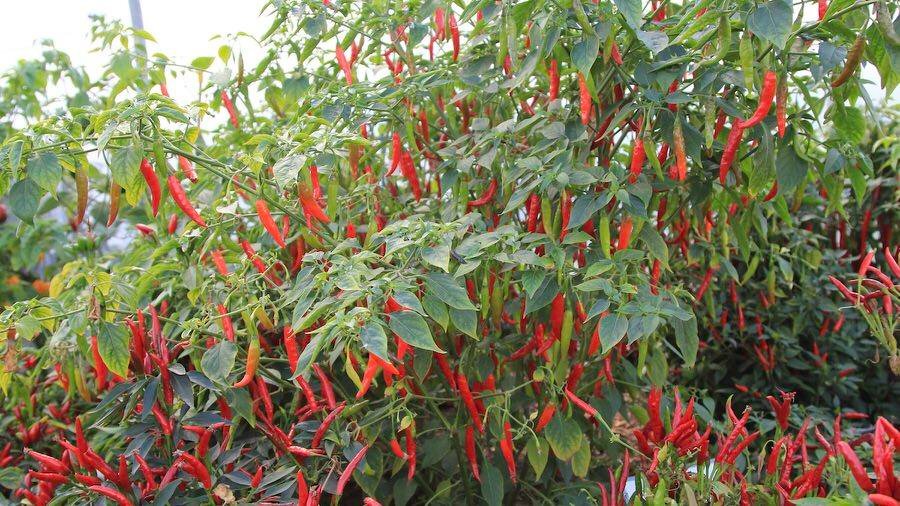
Chillies have become a symbol of passion and adventure in American food culture. Every region puts its spin on spice:

- Texas & the Southwest: Bold, meaty chili stews and smoky sauces.
- Louisiana: Spicy Cajun and Creole cuisine featuring cayenne and Tabasco peppers.
- California: Fresh, health-focused recipes with jalapeños and poblanos.
- Nashville: Home of the iconic Hot Chicken—crispy, fiery perfection.
Chillies embody the American spirit of diversity and innovation—bold, flavorful, and never afraid to push limits.
10. The Future of Chillies: From Kitchen to Wellness
As Americans embrace healthy, plant-forward diets, chillies are being recognized not just for their flavor but also for their nutritional and medicinal properties.
Capsaicin is now used in:
- Pain relief creams for arthritis and sore muscles.
- Weight loss supplements to enhance fat burning.
- Natural preservatives in clean-label food products.
Meanwhile, chefs and home cooks continue to experiment with new chili-infused creations—hot honey, spicy cocktails, chili chocolate, and even chili ice cream.
Conclusion: America’s Love Affair with Spice
From backyard barbecues to gourmet kitchens, chillies have found a permanent home in American hearts (and mouths). They represent more than just heat—they symbolize passion, creativity, and the joy of flavor exploration.
Whether you prefer a mild jalapeño or a fiery ghost pepper, chillies bring a spark of excitement to every meal. And with their incredible health benefits and easy home-growing potential, there’s no reason not to add a little spice to your life.
So next time you cook, don’t be afraid to turn up the heat—because when it comes to flavor, America runs on chillies.

Leave A Comment