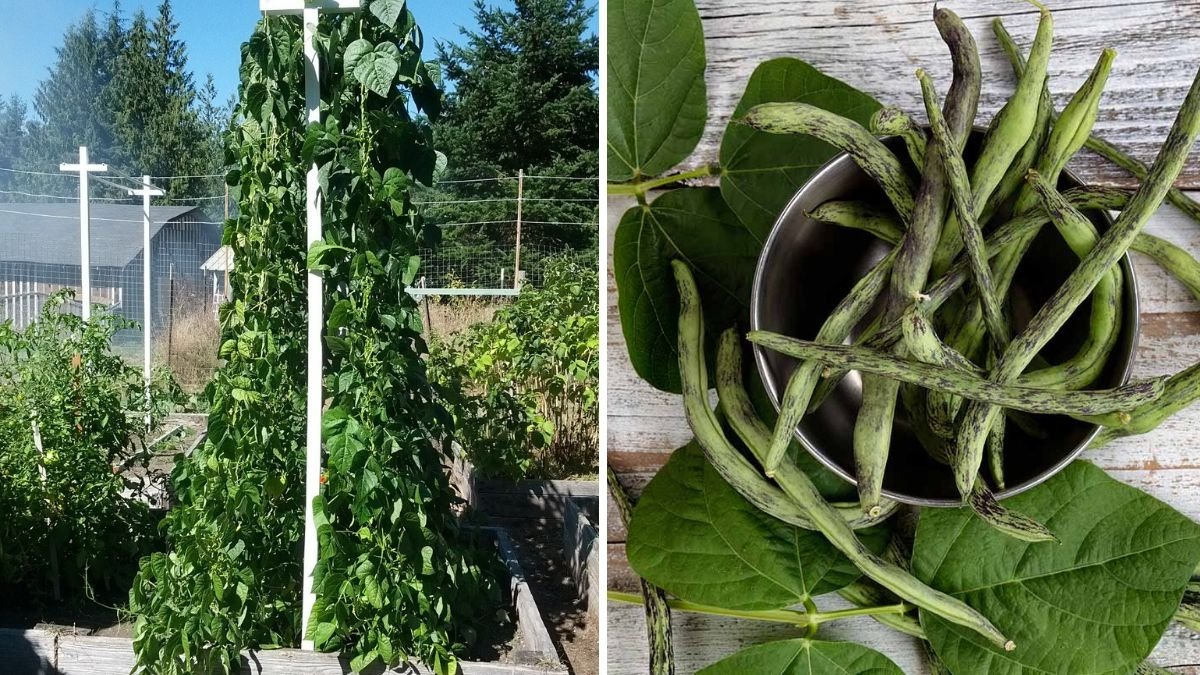
If you’re looking for a vegetable that’s easy to grow, space-efficient, and packed with nutrition, pole beans are the perfect choice. Unlike bush beans that grow low to the ground, pole beans climb skyward—turning any trellis, fence, or garden arch into a lush green wall of productivity.
Beloved by American gardeners for generations, these climbing beans offer continuous harvests all summer long, vibrant flowers that attract pollinators, and a satisfying crunch that works beautifully in salads, stir-fries, and hearty casseroles.
Whether you’re a beginner home gardener in California or a homesteader in the Midwest, this guide will teach you everything you need to know about how to grow, harvest, and enjoy pole beans—the smart way.
1. What Are Pole Beans?
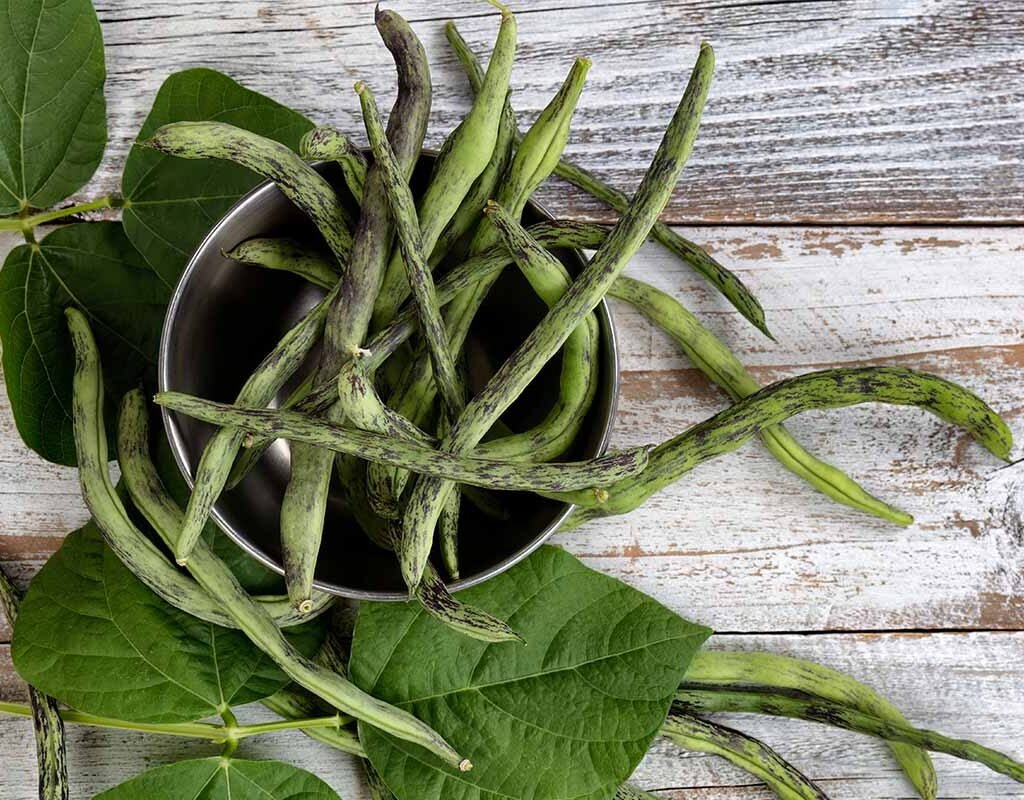
Pole beans are a type of green bean (Phaseolus vulgaris) that grows as a vine, unlike bush beans that stay compact. They can reach 8 to 10 feet tall, producing long, tender pods over an extended period.
Popular varieties include:
- Kentucky Wonder – A classic heirloom with a robust, earthy flavor.
- Blue Lake Pole Bean – Known for its sweetness and stringless pods.
- Scarlet Runner Bean – Grown for its showy red flowers and edible pods.
- Rattlesnake Bean – Distinctive purple-streaked pods with a nutty taste.
Because of their climbing nature, pole beans make efficient use of vertical space—ideal for small gardens, balconies, or backyard trellises. They also enrich the soil naturally by fixing nitrogen, making them a sustainable crop for eco-conscious gardeners.
2. Why American Gardeners Love Growing Pole Beans
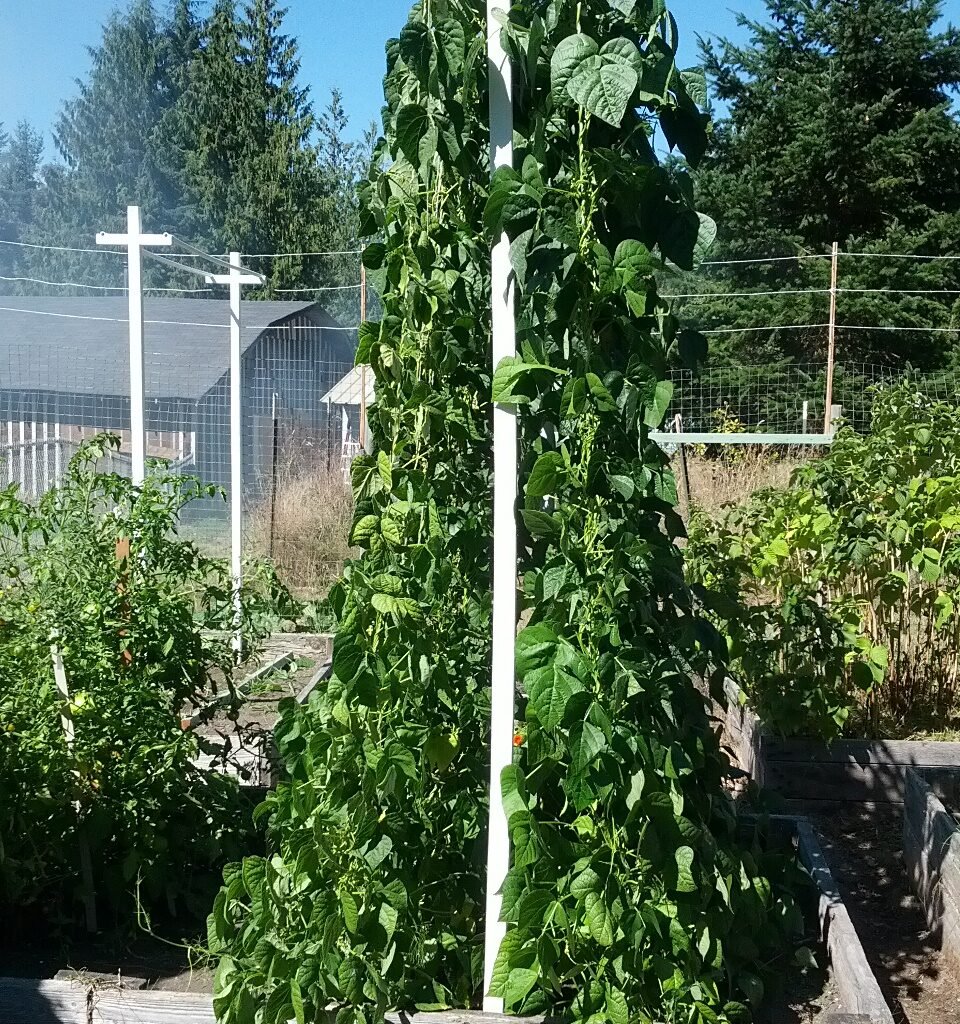
Pole beans are a summer garden staple across the U.S. for good reason. Here’s what makes them stand out:
- Extended Harvest Period: Pole beans produce for months, unlike bush beans that yield all at once.
- Attract Pollinators: Their colorful flowers bring bees and butterflies to your garden.
- High Yield, Small Space: A few plants can produce pounds of beans in limited space.
- Nutrient Powerhouse: Packed with protein, fiber, vitamin C, and folate.
- Soil Friendly: As legumes, they naturally boost soil fertility for next year’s crops.
From urban gardeners in New York to farmers in Texas, pole beans have earned their place as one of the most productive and rewarding crops in America.
3. How to Grow Pole Beans: Step-by-Step Gardening Guide
Growing pole beans is simple—even for beginners. Follow these easy steps to ensure a healthy, abundant harvest.
Step 1: Choose the Right Variety
Select a pole bean variety that suits your climate and taste preferences.
- For hot regions: Rattlesnake or Kentucky Wonder thrive in the heat.
- For cooler climates: Try Blue Lake or Scarlet Runner varieties.
Step 2: Prepare the Soil
Pole beans prefer well-drained, loamy soil with a pH of 6.0–6.8.
Add compost or aged manure before planting to enrich the soil naturally. Avoid heavy nitrogen fertilizers—they cause lush leaves but fewer pods.
Step 3: Build Your Support System
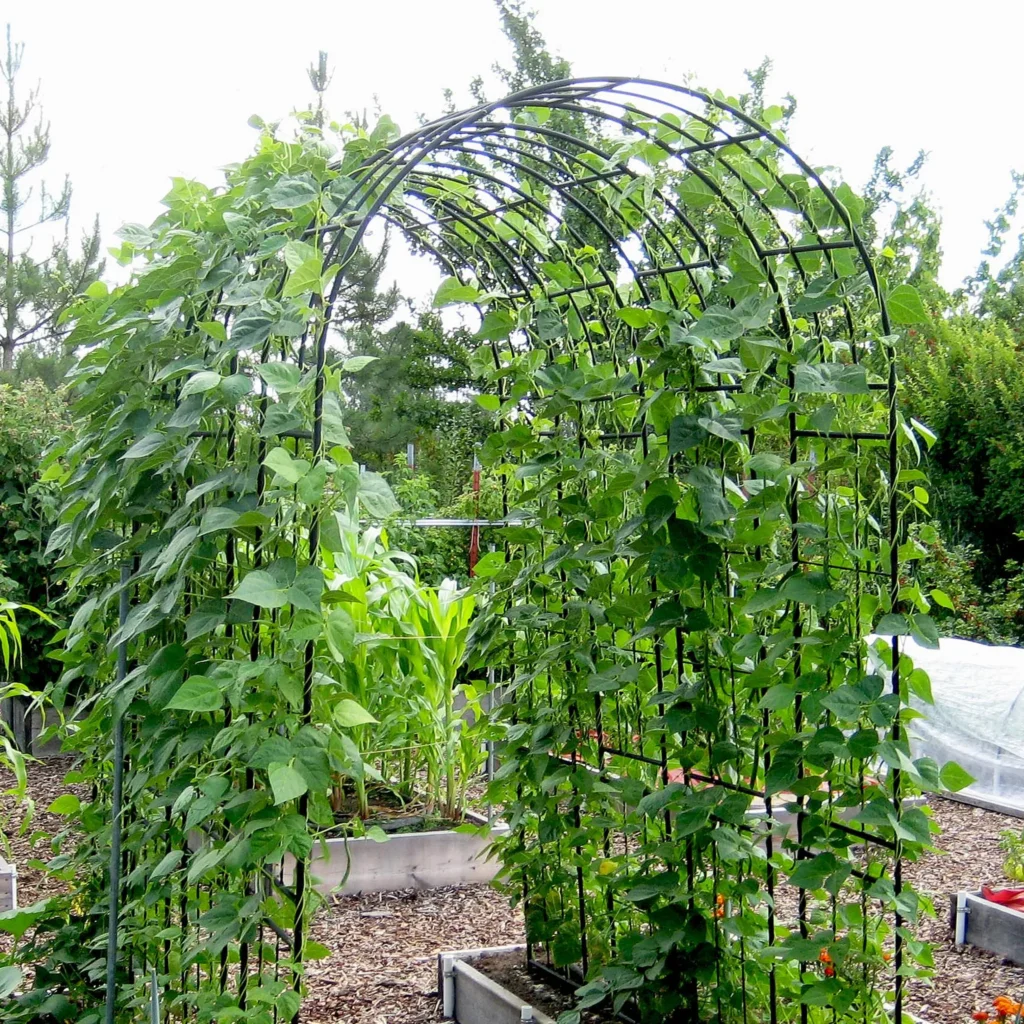
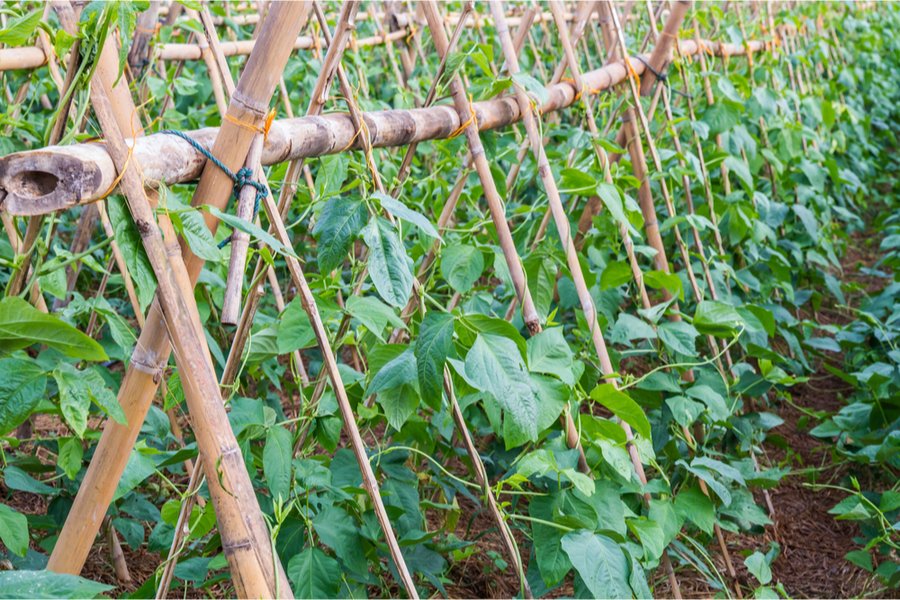
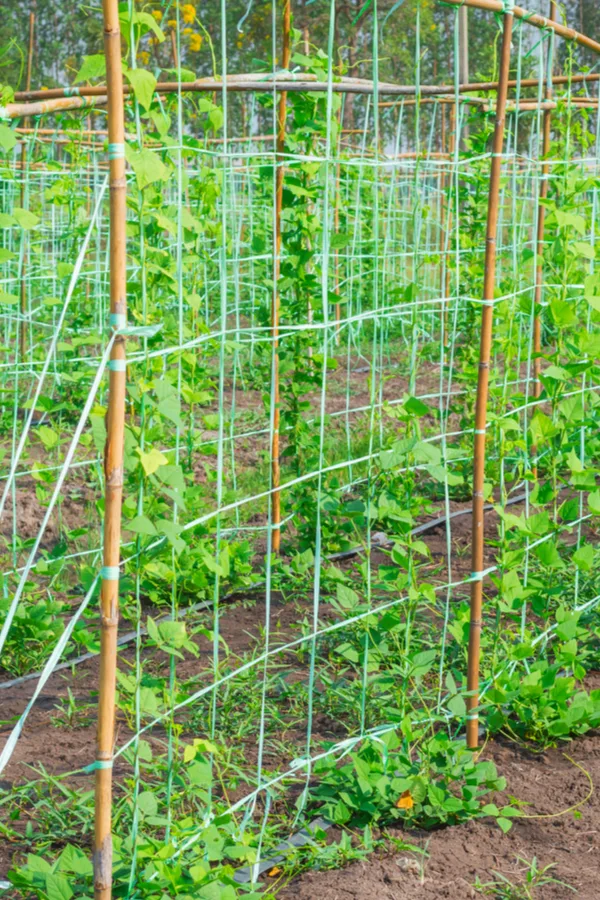
Install trellises, bamboo poles, teepees, or garden netting before planting. A 6–8-foot structure is ideal. This not only supports vines but also keeps pods clean and easy to pick.
Step 4: Planting Time
Sow bean seeds directly in the ground after the last frost date when soil temperatures reach at least 60°F (15°C).
- Spacing: Plant seeds 1 inch deep and 3 inches apart.
- Rows: Keep about 30 inches between rows for airflow and easy access.
Step 5: Watering and Care
Keep soil consistently moist, especially during flowering and pod development. Water at the base—avoid wetting the leaves to prevent fungal issues.

Mulching helps retain moisture and suppress weeds.
Step 6: Training the Vines
As plants grow, gently wrap or tie vines around the support. Pole beans will naturally twine clockwise around poles or strings.
Step 7: Harvesting
Pole beans are usually ready 60–70 days after planting. Pick beans when they’re 4–6 inches long and firm but tender. Frequent picking encourages new growth and extends the harvest period.
4. Common Problems and How to Fix Them
Like all crops, pole beans can face a few garden challenges—but most are easy to solve.
| Problem | Cause | Solution |
|---|---|---|
| Yellow Leaves | Overwatering or poor drainage | Water deeply but infrequently; ensure soil drains well. |
| Poor Growth | Too much nitrogen fertilizer | Use balanced compost instead. |
| Aphids or Bean Beetles | Common garden pests | Spray with neem oil or introduce ladybugs. |
| Powdery Mildew | High humidity, poor airflow | Space plants properly; avoid overhead watering. |
With minimal care, pole beans remain one of the lowest-maintenance crops for home gardeners.
5. Companion Planting with Pole Beans
Pole beans are great team players in the garden. Pairing them with the right crops can enhance growth, reduce pests, and improve soil quality.
Best Companions:

- Corn: Beans climb up the stalks naturally.
- Squash: Provides shade to retain soil moisture—a classic “Three Sisters” planting method.
- Radishes & Carrots: Benefit from nitrogen fixed by the beans.
Avoid planting near:
- Onions or Garlic – They inhibit bean growth.
6. Cooking with Fresh Pole Beans: Delicious American Recipes
Once you’ve grown your pole beans, it’s time to enjoy their crisp, earthy flavor in the kitchen. Fresh pole beans are a healthy and versatile ingredient for all kinds of American meals.
1. Southern-Style Sautéed Green Beans
Sauté pole beans with garlic, onion, and olive oil, then season with salt and pepper. Add crispy bacon bits for a Southern twist.
2. Farmhouse Bean Stew
Combine pole beans with tomatoes, corn, potatoes, and herbs for a rustic, hearty stew—perfect for fall evenings.
3. Stir-Fried Pole Beans
Quickly fry trimmed beans with sesame oil, soy sauce, and crushed red pepper for a flavorful Asian-American side dish.
4. Grilled Pole Bean Salad
Toss blanched pole beans on the grill for a smoky flavor, then mix with lemon dressing, feta cheese, and cherry tomatoes.
5. Bean and Pasta Bowl
Mix boiled pole beans with pasta, olive oil, and Parmesan cheese for a fresh summer lunch.

Pole beans maintain their crunch and bright color even when cooked, making them a favorite for family meals and garden-to-table dishes.
7. Nutritional Benefits of Pole Beans
Pole beans are not just tasty—they’re a nutrient powerhouse. A single serving (one cup of cooked beans) contains:
- Protein: 2–3 grams for muscle health
- Fiber: 4 grams for digestion
- Vitamin C: Strengthens immunity
- Vitamin A: Supports vision and skin health
- Iron & Folate: Essential for blood health
They’re low in calories and fat, making them a perfect choice for weight-conscious eaters and those following heart-healthy diets.
8. Saving Pole Bean Seeds for Next Season
One of the best things about growing pole beans is that you can save seeds for next year.
To do this:
- Leave a few pods on the plant until they dry and turn brown.
- Remove the beans and let them air dry for several days.
- Store them in a labeled paper envelope in a cool, dry place.
Properly stored seeds can last up to three years, helping you maintain a self-sufficient garden.
9. Storing Fresh and Cooked Pole Beans
- Fresh Beans: Store unwashed beans in a paper bag or perforated plastic bag in the fridge for up to 7 days.
- Cooked Beans: Keep in an airtight container for up to 3 days.
- Freezing Tip: Blanch beans for 2–3 minutes, cool quickly, and freeze for up to 6 months for year-round use.
10. Final Thoughts: Climb High with Pole Beans
From their striking vertical growth to their abundant yields, pole beans bring beauty, nutrition, and sustainability to any American garden. They’re ideal for small spaces, family farms, or anyone who loves the satisfaction of harvesting crisp green pods all summer long.
So this growing season, give your garden a vertical upgrade—plant pole beans and enjoy a harvest fit for the heights of flavor and freshness!

Leave A Comment