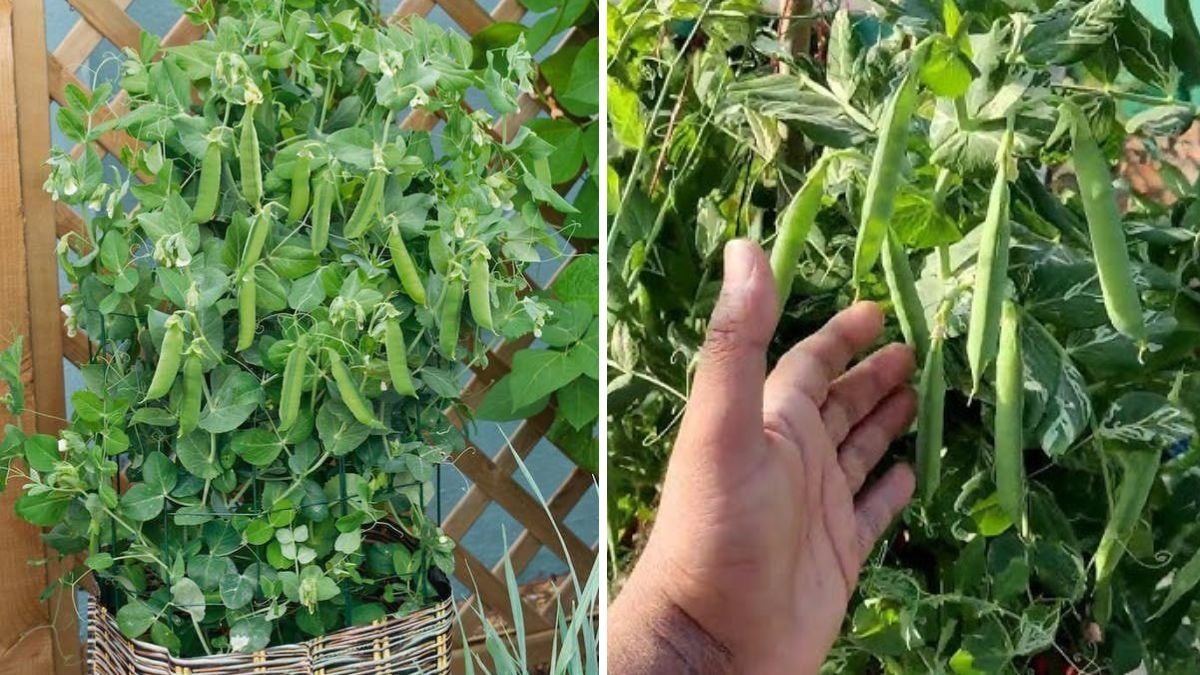
Few vegetables capture the freshness of spring quite like peas. Those bright green pods filled with sweet, crunchy pearls are a true delight for both gardeners and cooks. Whether tossed into a salad, added to soups, or eaten fresh from the vine, peas bring sweetness, nutrition, and charm to every meal.
From the cool climates of Maine to the fertile valleys of California, peas have been a staple of American gardens for generations. Easy to grow, early to harvest, and highly nutritious, they’re a must-have for anyone who loves the taste of homegrown produce.
In this guide, we’ll explore everything you need to know about how to grow peas in the U.S.—from choosing the right varieties to planting, caring, harvesting, and cooking them like a pro.
1. The Wonderful World of Peas: Types and Varieties
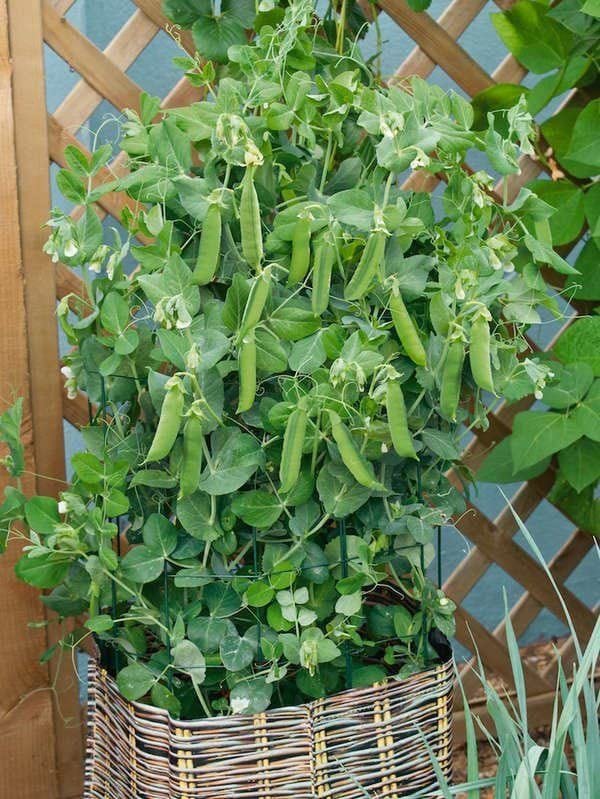
Before you get your hands dirty, it’s important to know that not all peas are the same. There are three main types of peas, each with its own flavor and use:
1. Garden Peas (English Peas)
These are the classic shelling peas you’ll find in soups, stews, and casseroles. The pods are tough, but the peas inside are sweet and tender.
Popular varieties: ‘Lincoln,’ ‘Green Arrow,’ and ‘Maestro.’
2. Snow Peas
Flat and tender, snow peas are harvested before the peas inside develop fully. You can eat the entire pod—perfect for stir-fries and salads.
Popular varieties: ‘Oregon Sugar Pod II,’ ‘Mammoth Melting Sugar.’
3. Sugar Snap Peas
A cross between garden and snow peas, sugar snap peas have plump pods and a satisfying crunch. They’re great raw or cooked.
Popular varieties: ‘Sugar Ann,’ ‘Super Sugar Snap,’ and ‘Cascadia.’
Each of these varieties grows beautifully in most American climates, especially in spring and early fall when temperatures are cool.
2. Why Every American Gardener Should Grow Peas
Peas aren’t just delicious—they’re also one of the most beneficial crops you can plant. Here’s why:
- Cold-Hardy Crop: One of the first vegetables to grow in spring.
- Soil Enriching: As legumes, peas fix nitrogen in the soil, improving fertility for future crops.
- Nutrient-Dense: Rich in protein, fiber, vitamins A, C, and K.
- Low Maintenance: Require little care once established.
- Perfect for Small Gardens: Compact, fast-growing, and ideal for vertical gardening.
Whether you’re growing peas in a backyard bed or a balcony container, they’re a simple way to add freshness and nutrition to your kitchen.
3. The Best Time to Plant Peas in the U.S.
Peas thrive in cool weather, which means the best planting windows are:
- Spring: 4–6 weeks before your region’s last frost date.
- Fall: 8–10 weeks before the first expected frost.
Soil temperature should be at least 40°F (4°C), but peas prefer 50–60°F (10–15°C) for germination.
If you live in warmer regions like Florida or Southern California, opt for early spring or late fall planting to avoid heat stress.
4. Step-by-Step: How to Grow Peas Successfully
Step 1: Choose the Right Location
Peas love sunlight, so select a spot that receives at least 6 hours of direct sunlight daily. Avoid overly wet areas; well-draining soil is essential.
Step 2: Prepare the Soil
Peas prefer loamy, slightly acidic to neutral soil (pH 6.0–7.0). Mix in compost or aged manure before planting to boost fertility and drainage.
Step 3: Planting the Seeds
Sow pea seeds directly in the ground—transplanting can disturb their delicate roots.
- Depth: 1 inch deep
- Spacing: 2 inches apart in rows spaced 18–24 inches apart
- Support: Add trellises, netting, or sticks for climbing varieties like sugar snaps.
Pea seeds germinate in 7–14 days, depending on soil temperature.
Step 4: Watering and Care
Keep soil consistently moist but never waterlogged. Deep watering once or twice a week is better than light sprinkling. Mulch around plants to retain moisture and prevent weeds.
Step 5: Feeding
Peas don’t need heavy fertilization. In fact, too much nitrogen will lead to leafy plants and fewer pods. If needed, apply a light phosphorus-rich fertilizer before flowering.
Step 6: Harvesting
Peas are usually ready to harvest 60–70 days after planting.
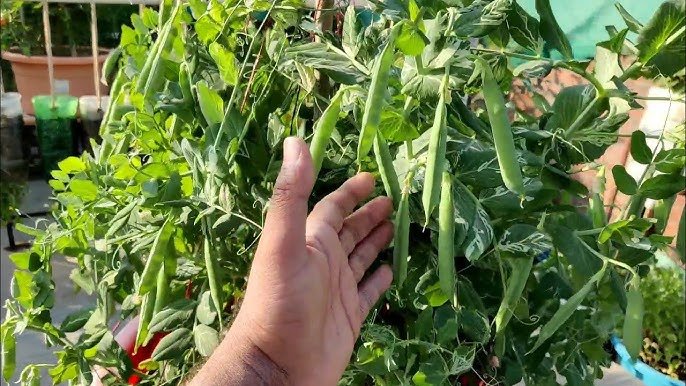
- Garden Peas: Pick when pods are plump but not overripe.
- Snow Peas: Harvest when pods are flat and tender.
- Sugar Snap Peas: Best when pods are crisp and full.
Frequent harvesting encourages more pod production, so don’t delay!
5. Common Pests and Problems (and How to Fix Them)
Even with the best care, peas can face a few common garden challenges. Here’s how to keep them healthy:
| Problem | Cause | Solution |
|---|---|---|
| Yellow Leaves | Overwatering or poor drainage | Improve soil drainage and reduce watering frequency. |
| Powdery Mildew | Fungal disease in humid weather | Space plants properly and use a sulfur-based fungicide if needed. |
| Aphids | Tiny sap-sucking pests | Spray with neem oil or wash leaves with a mild soap solution. |
| Poor Germination | Cold, wet soil | Wait for soil to warm before planting, or use inoculated seeds. |
Rotating crops each year and keeping your garden clean helps prevent most of these issues.
6. Companion Planting with Peas
Peas play well with others—especially crops that benefit from their nitrogen-fixing ability.
Best companions include:
- Carrots and Radishes: Grow quickly and fill space between pea rows.
- Spinach and Lettuce: Thrive in similar cool conditions.
- Cucumbers and Corn: Benefit from improved soil fertility.
Avoid planting near:
- Onions and Garlic, which can stunt pea growth.
7. Growing Peas in Containers or Raised Beds
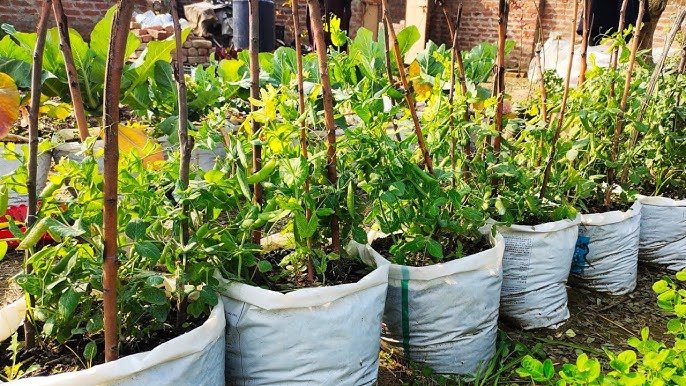
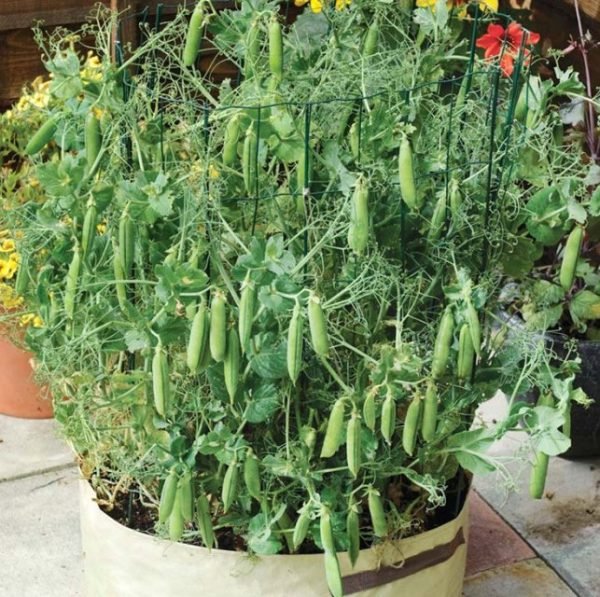
If you’re short on space, peas grow wonderfully in containers or raised garden beds. Choose a 12-inch-deep pot with drainage holes, and use a lightweight potting mix.
Add a bamboo trellis or tomato cage for climbing peas, and keep the soil evenly moist. Container-grown peas are perfect for patios, balconies, and urban gardens.
8. Nutritional Benefits of Peas
Peas aren’t just tasty—they’re packed with nutrients that support a healthy diet. A single cup of cooked peas contains:
- Protein: 8 grams for muscle health
- Fiber: 7 grams for digestion
- Vitamin C: 50% of your daily needs
- Vitamin K and Folate: Supports bone and heart health
- Antioxidants: Help reduce inflammation and boost immunity
Low in fat and calories, peas make a fantastic addition to plant-based diets and weight-conscious meal plans.
9. Delicious American Recipes with Fresh Peas
Once your pea harvest comes in, you’ll have endless options in the kitchen. Here are some easy and flavorful ideas:
1. Fresh Pea Salad
Mix blanched peas with diced radishes, red onion, feta cheese, and lemon vinaigrette for a light, refreshing side.
2. Creamy Pea Soup
Blend cooked peas with onions, garlic, and vegetable broth. Add cream or coconut milk for a smooth, rich texture.
3. Peas and Pasta Primavera
Combine peas, bell peppers, zucchini, and parmesan with your favorite pasta for a spring-inspired dish.
4. Buttered Peas with Mint
A classic American side dish—sauté peas with butter, a pinch of salt, and fresh mint for irresistible flavor.
5. Pea and Potato Curry
Add peas to a lightly spiced curry base with potatoes and tomatoes for a comforting vegetarian meal.
From soups to salads, peas bring freshness and color to any meal.
10. Storing and Preserving Peas
To keep your homegrown peas fresh:
- Refrigerate: Store unwashed peas in a perforated bag for up to 7 days.
- Freeze: Blanch for 2 minutes, cool in ice water, then freeze for up to 10 months.
- Dry: Mature peas can be dried and stored for use in soups and stews.
With the right preservation methods, you can enjoy your garden peas all year long.
11. Sustainability and Soil Health
Growing peas doesn’t just feed your family—it also benefits your garden ecosystem. As legumes, peas naturally add nitrogen to the soil, reducing the need for synthetic fertilizers. After harvest, you can till the leftover vines into the soil as green compost to enrich next season’s crops.
Conclusion: Plant Peas, Reap Happiness
Easy to grow, quick to harvest, and delicious in every dish, peas are one of the most rewarding crops for American gardeners. Their crisp sweetness captures the spirit of spring, while their soil-enriching power supports sustainable gardening.
Whether you’re growing English peas for shelling, snow peas for stir-fries, or sugar snaps for snacking, you’ll enjoy the satisfaction of planting something that nourishes both your plate and your planet.
So grab your seeds, mark your calendar for early spring, and get ready to experience the simple joy of growing peas in your own American backyard.

Leave A Comment