
If you crave vibrant, tropical spice that sets your taste buds ablaze, look no further than the Scotch Bonnet pepper. Known for its fruity aroma, eye-catching shape, and intense heat, this fiery chili has earned its reputation as one of the world’s hottest and most flavorful peppers.
Originating from the Caribbean, the Scotch Bonnet has become a staple in American kitchens, especially among fans of spicy sauces, jerk marinades, and hot pepper enthusiasts. Its unique blend of sweetness and fire makes it perfect for everything from Caribbean dishes to modern fusion cuisine.
In this complete guide, we’ll explore everything you need to know about Scotch Bonnet peppers — from their history and growing tips to how to cook with them safely and enjoy their flavorful heat.
What Are Scotch Bonnet Peppers?
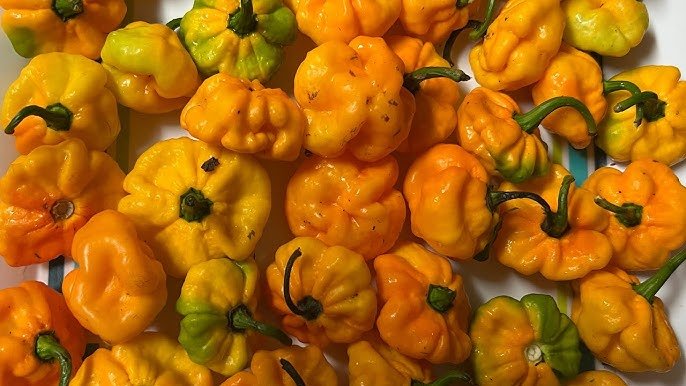
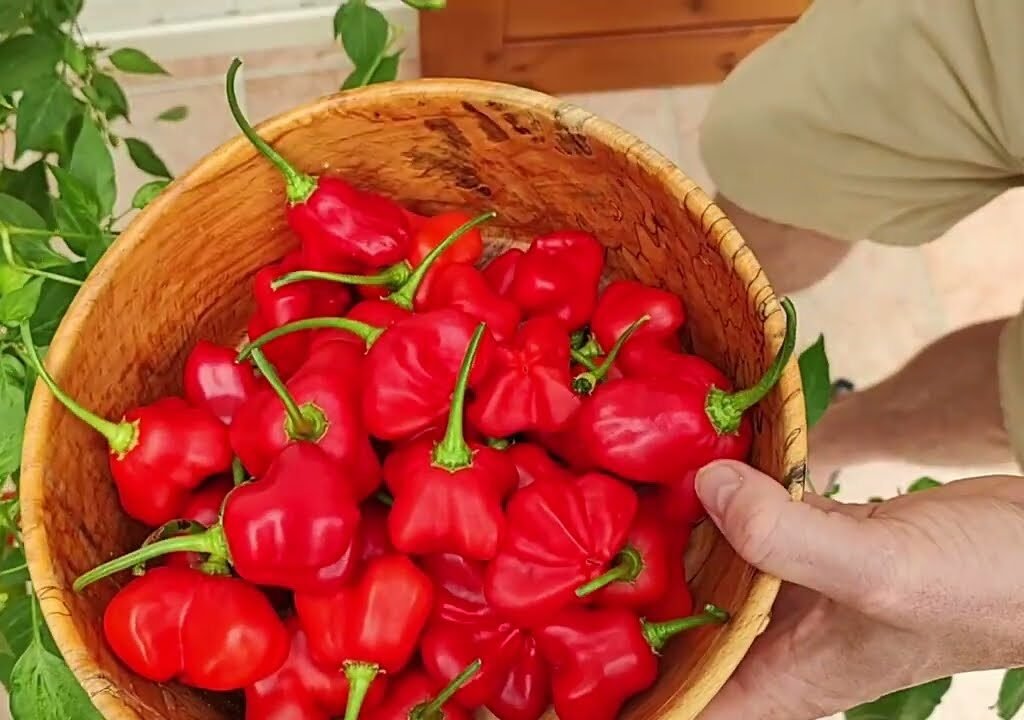
The Scotch Bonnet pepper (Capsicum chinense) is a small, lantern-shaped chili famous for its intense spiciness and fruity undertones. It’s closely related to the Habanero pepper, but with a slightly sweeter, more tropical flavor that hints at mango and pineapple.
Named for its resemblance to a Scottish tam o’ shanter hat, the Scotch Bonnet is a cultural icon in the Caribbean — especially in Jamaica, Trinidad, and Barbados, where it’s used in traditional dishes like jerk chicken, pepper sauces, and curries.
But today, its popularity has spread far beyond the islands. In the United States, Scotch Bonnet peppers are loved by foodies seeking authentic Caribbean flavor and bold heat.

Scotch Bonnet Pepper Heat Level: How Spicy Is It?
On the Scoville Heat Scale, which measures chili pepper heat, the Scotch Bonnet ranges from 100,000 to 350,000 Scoville Heat Units (SHU).
To put that in perspective:
| Pepper Type | Scoville Heat Units (SHU) |
|---|---|
| Jalapeño | 2,500 – 8,000 |
| Cayenne | 30,000 – 50,000 |
| Scotch Bonnet | 100,000 – 350,000 |
| Habanero | 100,000 – 350,000 |
| Ghost Pepper | 1,000,000+ |
This makes the Scotch Bonnet up to 40 times hotter than a jalapeño. Despite its fiery intensity, its flavor is surprisingly sweet, floral, and fruity, giving dishes a unique depth that milder chilies can’t replicate.
Scotch Bonnet vs. Habanero: What’s the Difference?
Many people confuse Scotch Bonnet peppers with Habaneros because of their similar appearance and heat level. But there are subtle — and delicious — differences:
| Feature | Scotch Bonnet | Habanero |
|---|---|---|
| Shape | Squat, bonnet-shaped | Round, teardrop-shaped |
| Flavor | Fruity, tropical, slightly sweet | Sharp, citrusy, floral |
| Origin | Caribbean | Mexico and Central America |
| Common Uses | Jerk marinades, pepper sauces | Salsas, hot sauces, chili pastes |
If you’re after a pepper that adds both heat and Caribbean character, Scotch Bonnet is your best bet.
Growing Scotch Bonnet Peppers in the U.S.
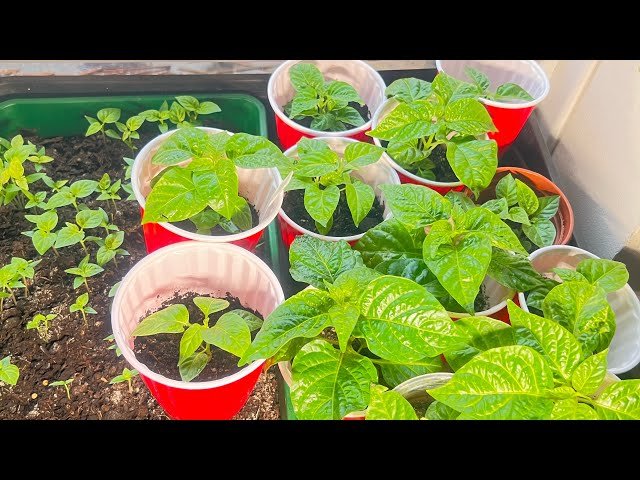
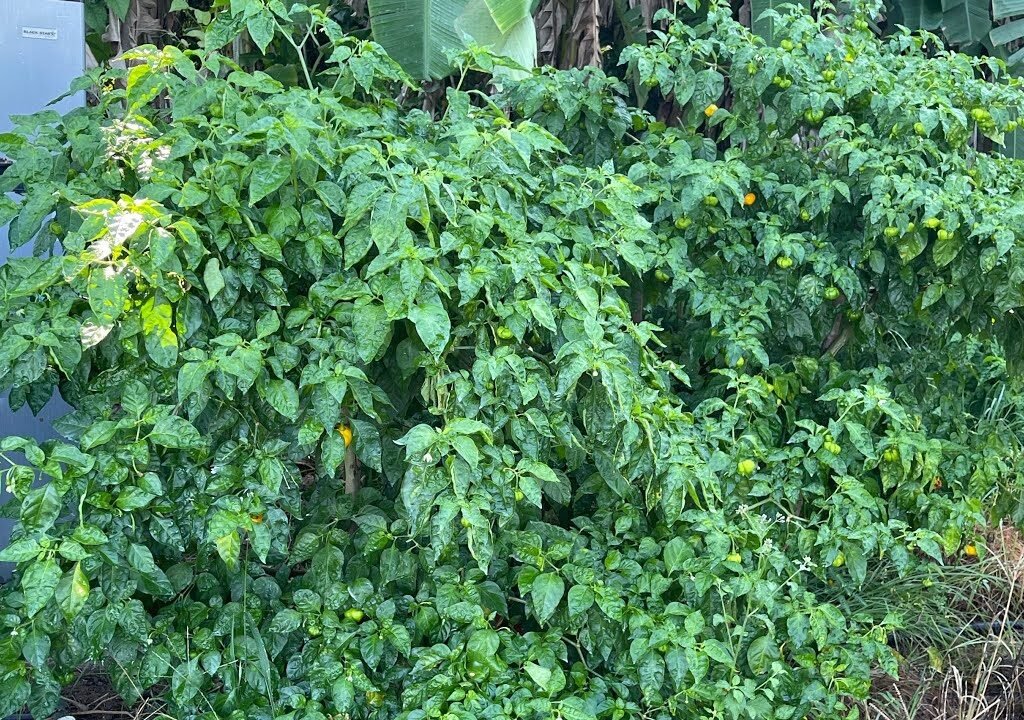
Scotch Bonnet peppers are tropical by nature but can thrive in many parts of the United States, especially in warm regions like Florida, Texas, and California. With the right care, you can grow these fiery beauties in your home garden or greenhouse.

1. Start Indoors
- Begin seeds 8–10 weeks before the last frost date.
- Plant seeds ¼ inch deep in seed trays with nutrient-rich potting mix.
- Keep the temperature around 80–85°F to encourage germination (which can take up to 3 weeks).
2. Transplanting Outdoors
Once seedlings are 6–8 inches tall and nighttime temperatures stay above 60°F:
- Transplant them into the garden or containers in full sun.
- Space plants 18–24 inches apart.
- Ensure soil is well-drained, with a pH between 6.0 and 6.8.
3. Care and Maintenance
- Water regularly — keep soil moist but not soggy.
- Fertilize every 3–4 weeks with a balanced fertilizer (10-10-10).
- Protect plants from strong winds and heavy rain, which can damage their delicate stems.
4. Harvesting
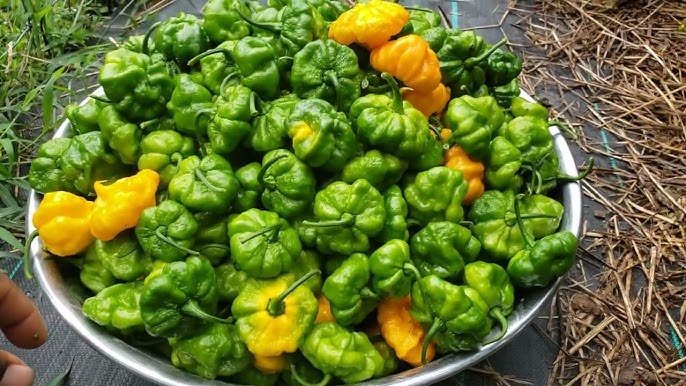
Scotch Bonnet peppers are ready for harvest in 90–120 days after transplanting. The fruits start green and ripen to bright red, orange, or yellow, depending on the variety.
Use scissors or garden shears to cut the peppers off the plant — pulling can break the stems. Each plant can produce dozens of peppers in one season.
Cooking with Scotch Bonnet Peppers: Flavor Meets Fire
Cooking with Scotch Bonnets is both an art and a science. Their heat can easily dominate a dish, so using them in moderation — and balancing them with sweet or creamy ingredients — is key.
Here are some classic and modern ways to enjoy these tropical chilies:
1. Jamaican Jerk Marinade
Nothing captures the spirit of Scotch Bonnet peppers like Jamaican jerk.
Recipe essentials:

- 2 Scotch Bonnet peppers (remove seeds for less heat)
- 2 scallions
- 2 garlic cloves
- 1 onion
- 1 tbsp brown sugar
- 1 tsp allspice
- Juice of 1 lime
- Salt, thyme, and soy sauce to taste
Blend everything into a thick paste and marinate chicken or pork for at least 4 hours before grilling. The result? Smoky, spicy, and deeply flavorful Caribbean perfection.
2. Pepper Sauce
Scotch Bonnet pepper sauce is a pantry staple in many island households — and a growing favorite in American homes.
Quick Recipe:
Blend Scotch Bonnets with vinegar, garlic, salt, lime juice, and mustard for a tangy, fiery sauce. Store in a glass bottle and use a few drops to spice up eggs, soups, or grilled meats.
3. Tropical Salsa
Combine diced Scotch Bonnet (use sparingly!) with mango, pineapple, red onion, and cilantro for a vibrant salsa that’s perfect with grilled fish or tacos.
4. Caribbean Curries
Add chopped Scotch Bonnet to coconut milk-based curries for a sweet-spicy contrast that enhances chicken, shrimp, or vegetables.
5. Soups and Stews
A single Scotch Bonnet simmered whole in a pot of soup (and removed before serving) adds a subtle background heat without overpowering the dish.

How to Handle Scotch Bonnet Peppers Safely
Because Scotch Bonnets are extremely hot, handling them requires care:
- Wear gloves when cutting or deseeding them.
- Avoid touching your eyes, nose, or face.
- Wash your hands and utensils thoroughly with soap after handling.
- To reduce heat in a dish, remove seeds and inner membranes before cooking.
If you accidentally touch your eyes or skin and feel the burn, wash with milk or yogurt, not water — dairy neutralizes capsaicin better.
Nutritional Benefits of Scotch Bonnet Peppers
Beyond their fiery flavor, Scotch Bonnets are nutritional powerhouses loaded with health-boosting compounds.
1. High in Vitamin C
Just one pepper provides more than 100% of your daily vitamin C, which supports immune health and skin vitality.
2. Boosts Metabolism
Capsaicin — the compound that makes peppers hot — helps boost metabolism, aiding in calorie burning and fat loss.
3. Anti-Inflammatory Properties
Capsaicin also reduces inflammation, which may benefit joint and heart health.
4. Rich in Antioxidants
Scotch Bonnets contain vitamin A, beta-carotene, and flavonoids, all of which protect against oxidative stress.
5. Pain Relief and Mood Boost
Capsaicin triggers the release of endorphins, your body’s natural painkillers — giving that “spicy food euphoria” many people enjoy.
Storing and Preserving Scotch Bonnet Peppers
Because these peppers are seasonal and potent, proper storage ensures you can enjoy them all year long.
- Refrigerate: Store fresh peppers in a breathable bag for up to 2 weeks.
- Freeze: Wash, dry, and freeze whole or sliced Scotch Bonnets for 6–8 months.
- Dry: Dehydrate peppers for homemade chili flakes or powders.
- Pickle: Preserve in vinegar with onions, carrots, and garlic for a tangy condiment.
Fun Facts About Scotch Bonnet Peppers
- The pepper’s name comes from its resemblance to a Scottish tam o’ shanter hat.
- It’s the official pepper of Jamaica.
- Red and yellow varieties tend to be sweeter, while green ones are more grassy and sharp.
- Scotch Bonnets are key to authentic Caribbean jerk seasoning.
- They can be found in American farmers’ markets and specialty stores — often grown domestically in warmer states.
Popular American Dishes Featuring Scotch Bonnet Peppers
- Spicy Caribbean Jerk Chicken Tacos – Fusing island flavor with classic American street food.
- Scotch Bonnet Hot Sauce Wings – Perfect for game days with a tropical twist.
- Grilled Shrimp with Scotch Bonnet Butter – Rich, spicy, and perfect for summer cookouts.
- Sweet & Spicy Mango Salsa Burger – Balancing the heat of the pepper with juicy sweetness.
- Caribbean-Inspired Chili – A bold spin on a beloved American comfort dish.
Conclusion: Embrace the Heat of the Caribbean
Whether you’re a heat-seeker or a culinary explorer, Scotch Bonnet peppers offer an unforgettable experience. Their combination of fruity sweetness, tropical aroma, and blazing heat makes them one of the most exciting ingredients in modern American cooking.
From fiery jerk marinades to sweet-spicy salsas, this little chili can transform any meal into a Caribbean adventure. So the next time you’re looking to turn up the heat — and flavor — in your kitchen, reach for the Scotch Bonnet. It’s not just a pepper; it’s a taste of the islands in every bite.

Leave A Comment