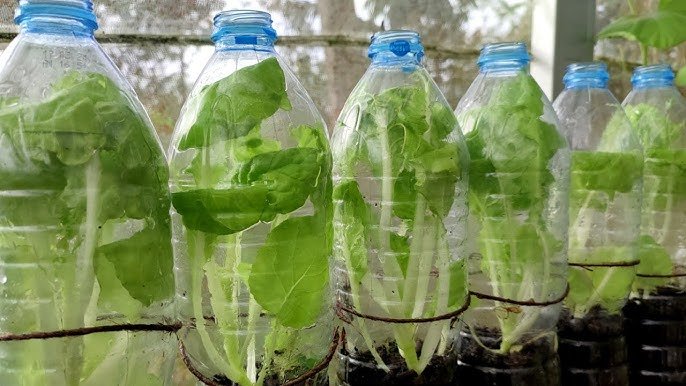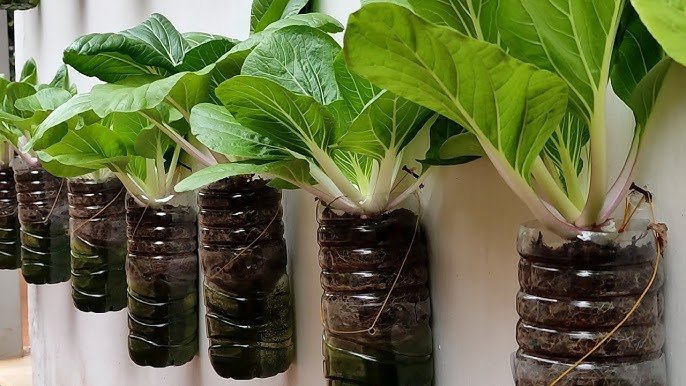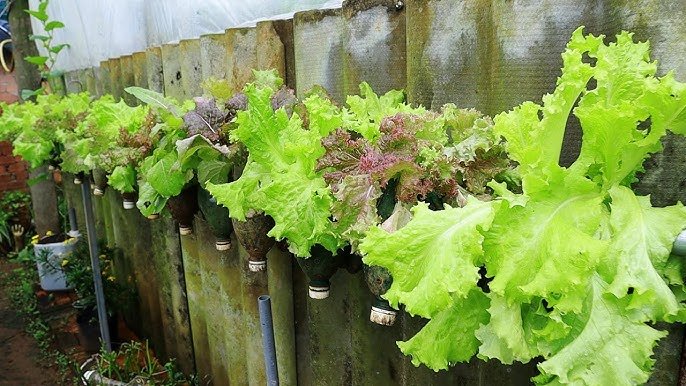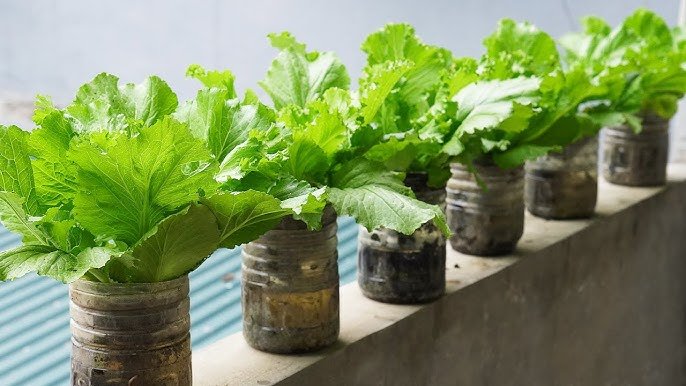
Pak Choi The Crunchy Asian Green Taking Over American Kitchens

Pak Choi The Crunchy Asian Green Taking Over American Kitchens

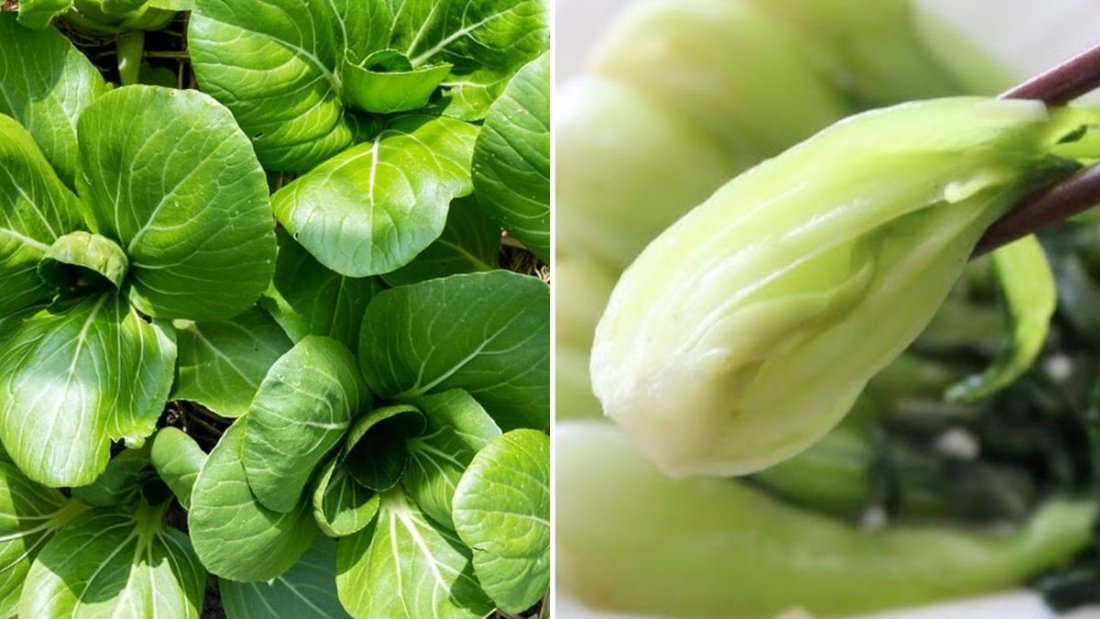
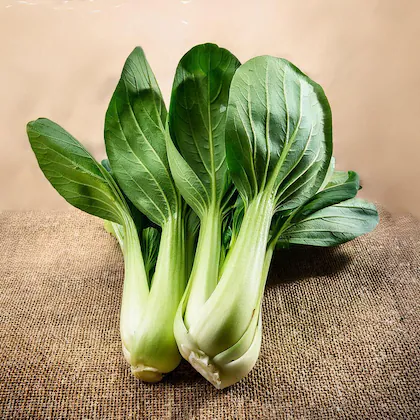
In the ever-evolving world of healthy eating, one leafy green is rapidly finding its way into American kitchens, restaurants, and home gardens — Pak Choi. Also known as Bok Choy or Chinese cabbage, this vibrant vegetable is celebrated for its crisp stems, tender leaves, and delicate peppery flavor.

Once considered an exotic Asian ingredient, Pak Choi has now become a mainstay in American cuisine — from stir-fries and soups to smoothies and salads. Its versatility, nutritional value, and easy adaptability make it one of the fastest-growing greens in popularity across the U.S., especially among health-conscious food lovers and home cooks looking to add a global twist to their meals.

In this article, we’ll dive deep into what makes Pak Choi a true superfood, explore its health benefits, learn how to grow it in your garden, and discover delicious ways to cook it — American-style.


What Exactly Is Pak Choi?
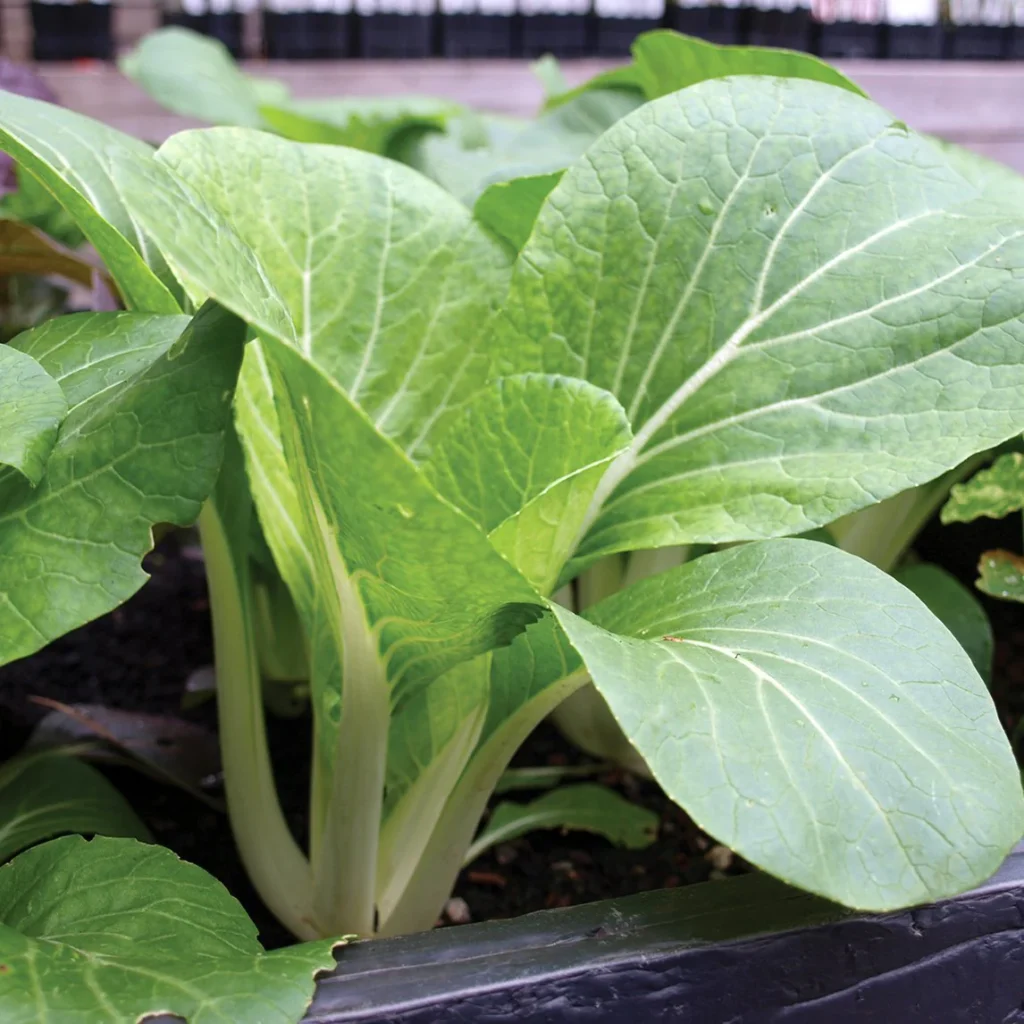
Pak Choi (Brassica rapa chinensis) is a member of the cruciferous vegetable family, which includes broccoli, kale, and cabbage. It originated in China over 1,500 years ago and has been a staple in Asian cuisine ever since.

The plant features spoon-shaped dark green leaves and thick white or pale green stems. Its mild, slightly mustard-like flavor and satisfying crunch make it incredibly versatile in the kitchen.

In the U.S., Pak Choi has gone from being a niche Asian vegetable to a farmers’ market favorite, commonly found in grocery stores such as Whole Foods, Trader Joe’s, and local co-ops. It’s prized for both its flavor and nutrition — offering a refreshing balance between crisp texture and delicate sweetness.


Nutritional Profile: Why Pak Choi Deserves Superfood Status

Pak Choi is a nutrient powerhouse in a low-calorie package. A single cup of cooked Pak Choi contains only about 20 calories but is rich in vitamins, minerals, and antioxidants that support overall health.

Here’s why it’s earning “supergreen” status among Americans:

  1. Loaded with Vitamins A, C, and K
    • Vitamin A supports vision and immune function.
    • Vitamin C helps with collagen production and skin health.
    • Vitamin K strengthens bones and regulates blood clotting.
  2. Excellent Source of Calcium, Magnesium, and Iron
    These minerals keep your bones strong and muscles functioning efficiently.
  3. Supports Heart Health
    High in folate and potassium, Pak Choi helps reduce blood pressure and supports cardiovascular wellness.
  4. Rich in Antioxidants and Phytochemicals
    Compounds like beta-carotene and quercetin help reduce inflammation and protect against chronic diseases.
  5. Fiber-Filled and Weight-Loss Friendly
    Its fiber content aids digestion, promotes fullness, and supports a healthy gut microbiome.

No wonder dietitians across America recommend Pak Choi for anyone looking to eat clean and stay energized.


Growing Pak Choi in Your American Garden
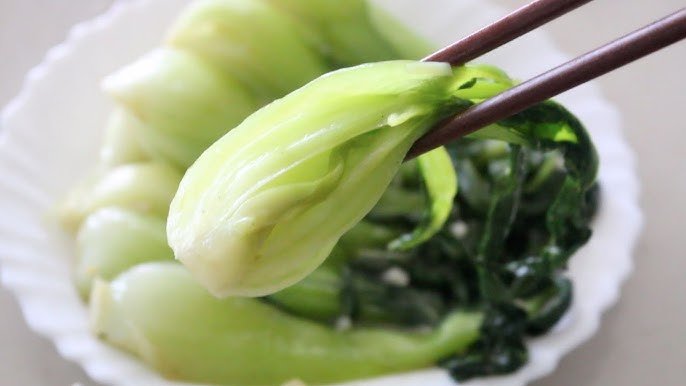
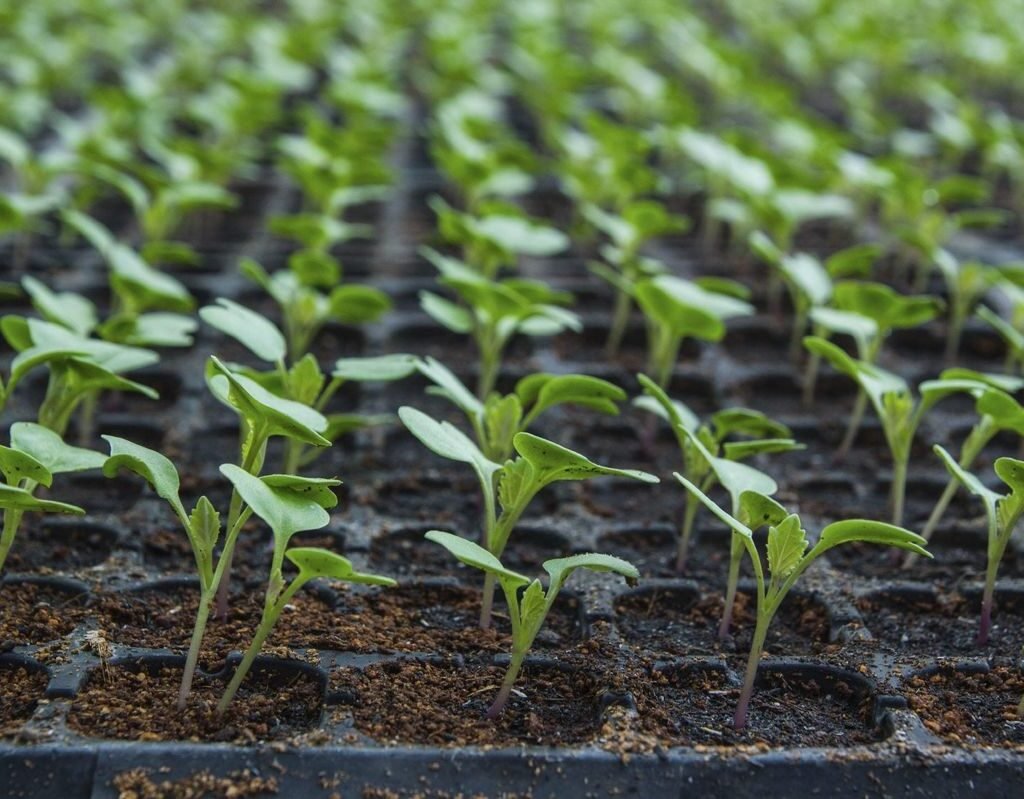
One of the reasons Pak Choi is thriving in the U.S. is its ease of cultivation. It grows quickly, doesn’t demand much space, and thrives in cooler climates — making it perfect for spring or fall planting.

Here’s a quick guide for home gardeners who want to enjoy fresh, organic Pak Choi right from their backyard:

1. Best Climate and Timing

Pak Choi prefers cooler weather, ideally between 55°F and 70°F.

  • In northern states, plant seeds in early spring or late summer.
  • In southern states, fall and winter crops perform best.

2. Soil and Sunlight

Use loamy, well-drained soil rich in compost.
Pak Choi enjoys full sun to partial shade — about 4–6 hours of sunlight daily.

3. Planting and Spacing

Sow seeds about ¼ inch deep and 6 inches apart.
You can start harvesting baby leaves in 3–4 weeks or wait 6–8 weeks for mature heads.

4. Watering and Care

Pak Choi grows fast but needs consistent moisture. Water regularly and mulch to retain soil humidity.

5. Pests and Protection

Keep an eye out for aphids, slugs, and cabbage worms. Use organic neem spray or companion plants like marigolds to deter pests naturally.

With just a little attention, you’ll have crisp, farm-fresh Pak Choi ready to harvest — and it tastes far better than anything you’ll find at the grocery store.


Cooking with Pak Choi: American Recipes with an Asian Twist
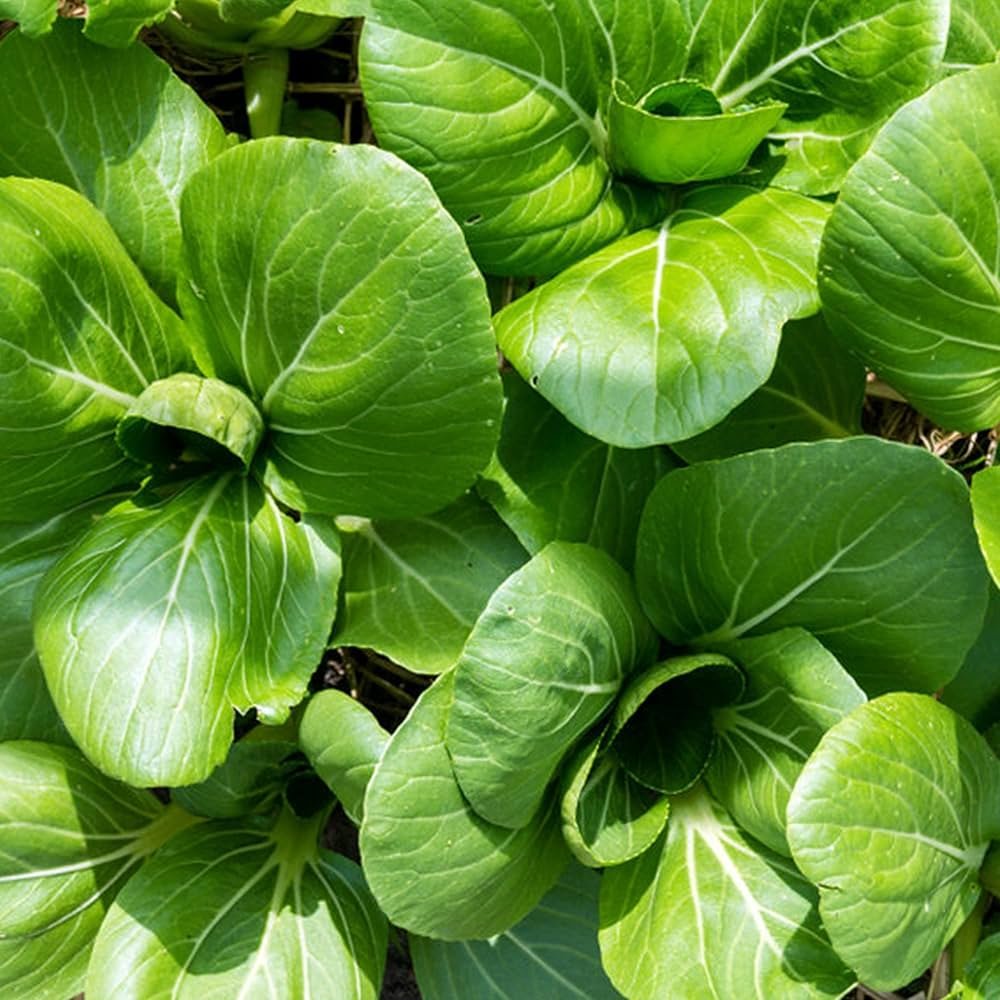
Pak Choi’s mild, crunchy texture makes it incredibly flexible in both traditional Asian and modern American dishes. Whether you’re tossing it into a stir-fry or adding it to a creamy soup, it absorbs flavors beautifully while maintaining its delightful crunch.

Here are some of the most popular American-style recipes to try:

1. Garlic Stir-Fried Pak Choi

A quick and healthy side dish that pairs perfectly with grilled chicken or salmon.

  • Heat sesame oil in a skillet.
  • Add minced garlic and chili flakes.
  • Toss in chopped Pak Choi and stir-fry for 3–5 minutes.
  • Finish with a drizzle of soy sauce and a sprinkle of sesame seeds.

2. Pak Choi and Mushroom Soup

This warming bowl combines Asian simplicity with American comfort food vibes.

  • Sauté onions, mushrooms, and garlic.
  • Add vegetable broth and chopped Pak Choi.
  • Simmer for 10 minutes and season with soy sauce, ginger, and black pepper.

3. Pak Choi Caesar Salad

A twist on the classic American Caesar — swap romaine for Pak Choi!

  • Chop fresh Pak Choi leaves.
  • Toss with Caesar dressing, croutons, and Parmesan cheese.
  • Add grilled shrimp or chicken for extra protein.

4. Pak Choi Smoothie

Blend young Pak Choi leaves with pineapple, green apple, and coconut water. It’s a refreshing way to start your morning with a nutritional boost.

5. Grilled Pak Choi with Lemon Butter

Brush halved Pak Choi heads with olive oil, grill for a few minutes, and top with lemon butter. It’s smoky, crisp, and perfect for summer barbecues.


Pak Choi in American Cuisine: A Growing Trend
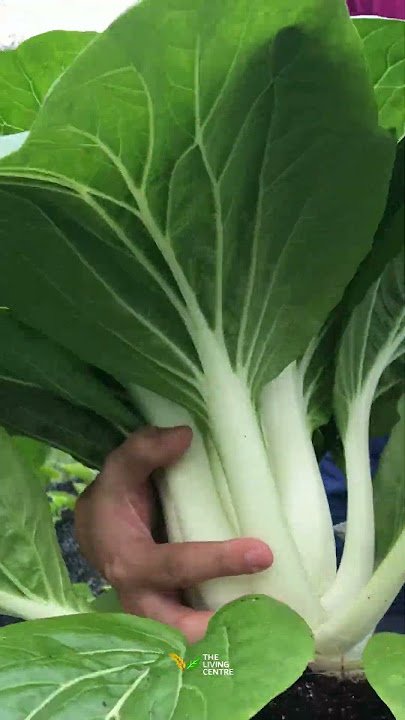
Across the U.S., Pak Choi is emerging as a favorite in both restaurant menus and home kitchens. It perfectly fits modern American culinary trends:

  1. Health-Conscious Eating:
    With fewer calories and more nutrients, Pak Choi is ideal for weight-loss diets and plant-based meal plans.
  2. Fusion Cuisine:
    American chefs love experimenting — combining Eastern ingredients like Pak Choi with Western flavors such as parmesan, butter, and balsamic glaze.
  3. Farm-to-Table Movement:
    Local farms from California to Vermont are now growing Pak Choi organically, making it a fresh, sustainable choice for eco-conscious consumers.
  4. Home Gardening Boom:
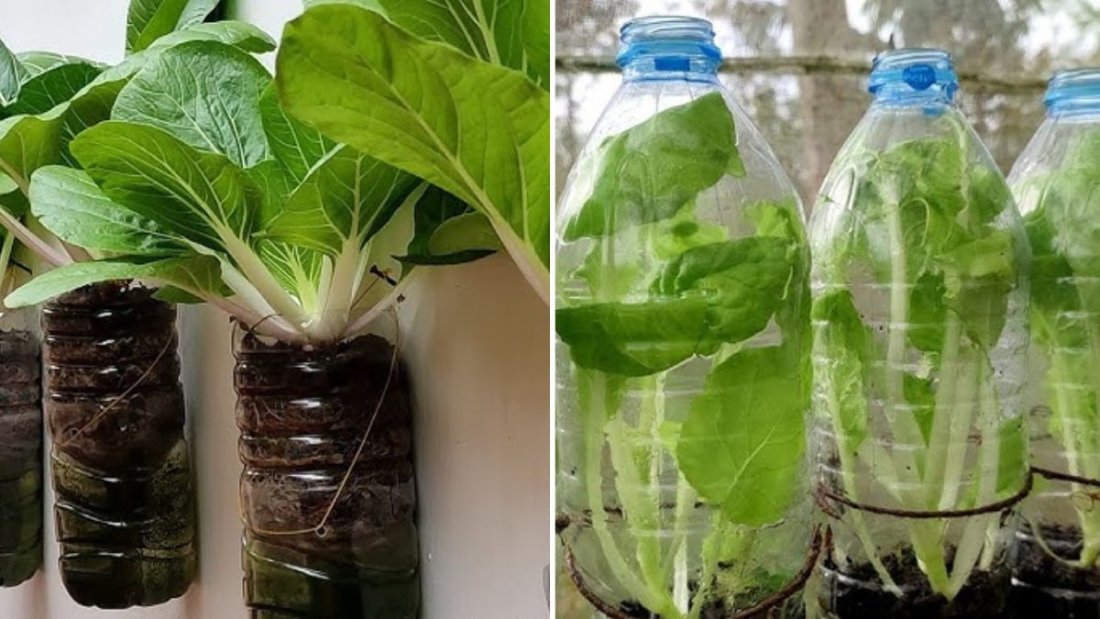
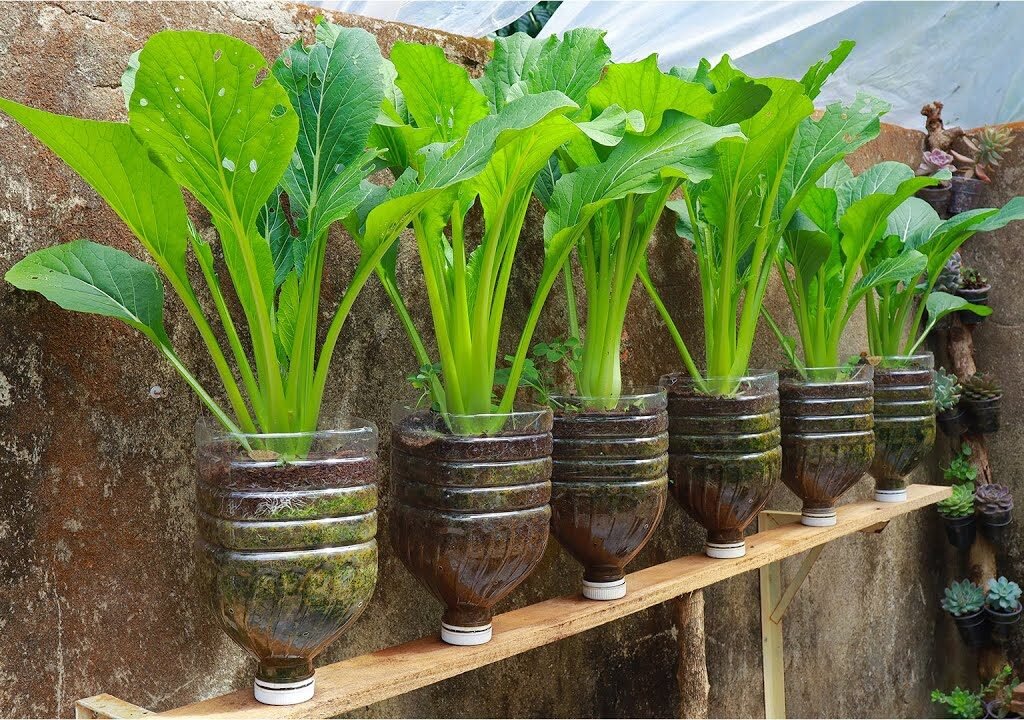
    The post-pandemic gardening trend has encouraged Americans to grow Pak Choi in containers, patios, and even hydroponic systems.

In short, Pak Choi is no longer just an “Asian vegetable” — it’s become a cross-cultural favorite that fits seamlessly into the American food scene.


Health Benefits of Regularly Eating Pak Choi

Including Pak Choi in your diet a few times a week can have noticeable health benefits:

Boosts Immunity – High Vitamin C and antioxidants keep your immune system strong year-round.
Improves Digestion – Fiber helps maintain a healthy gut and prevent bloating.
trengthens Bones – Vitamin K and calcium make it excellent for bone density.

Enhances Skin Glow – Antioxidants and Vitamin A promote clear, youthful skin.
Supports Weight Loss – Low-calorie, high-fiber food that fills you up without guilt.
Detoxifies Naturally – Its sulfur compounds help cleanse the liver and flush toxins.

With these benefits, it’s easy to see why nutritionists recommend Pak Choi as part of a balanced, wholesome diet.


Pak Choi vs. Spinach: Which One Wins in Nutrition?
NutrientPak ChoiSpinach
Calories (per 100g)1323
Vitamin AHigherModerate
Vitamin CHigherModerate
IronModerateHigher
CalciumHigherSlightly lower
FlavorMild, crispEarthy, strong
TextureCrunchySoft

While spinach is a classic American favorite, Pak Choi offers a lighter texture, milder flavor, and superior Vitamin C content, making it a perfect alternative for those seeking freshness and variety in their greens.


Tips for Buying and Storing Pak Choi

When shopping for Pak Choi, look for:

  • Firm white stems with no soft spots.
  • Crisp, vibrant green leaves without yellowing.
  • Smaller heads for tenderness and milder flavor.

To store:

  • Wrap unwashed Pak Choi in a damp paper towel and place it in a plastic bag.
  • Store in the fridge’s vegetable drawer for up to 5–6 days.

You can also freeze blanched Pak Choi for long-term use in soups and stir-fries.


Conclusion: Pak Choi — The Green Revolution in American Cuisine

Pak Choi isn’t just another leafy green — it’s a culinary bridge between East and West, health and flavor, tradition and innovation.

From nutrient-dense salads to savory soups, this Asian cabbage is making its mark in the American food culture. Its delicate flavor, quick cooking time, and abundant health benefits make it an essential addition to modern American diets.

So next time you’re browsing the produce aisle or planning your garden, give Pak Choi a spot. Your taste buds, your body, and your planet will thank you.

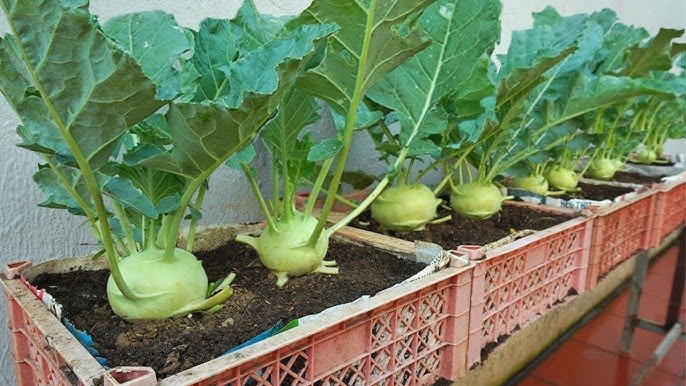
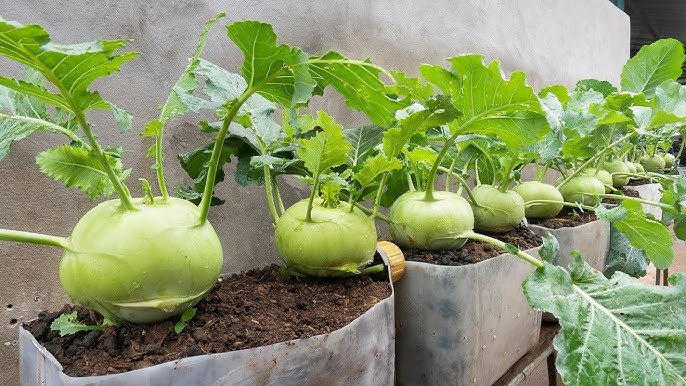
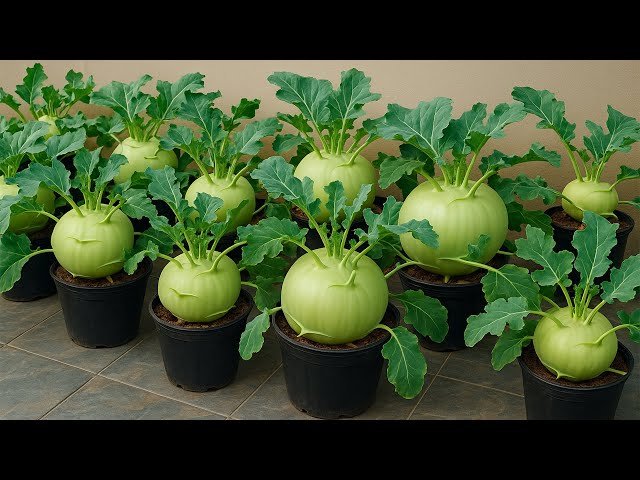
Kohlrabi Greens The Hidden American Superfood You’re Probably Throwing Away

Kohlrabi Greens The Hidden American Superfood You’re Probably Throwing Away

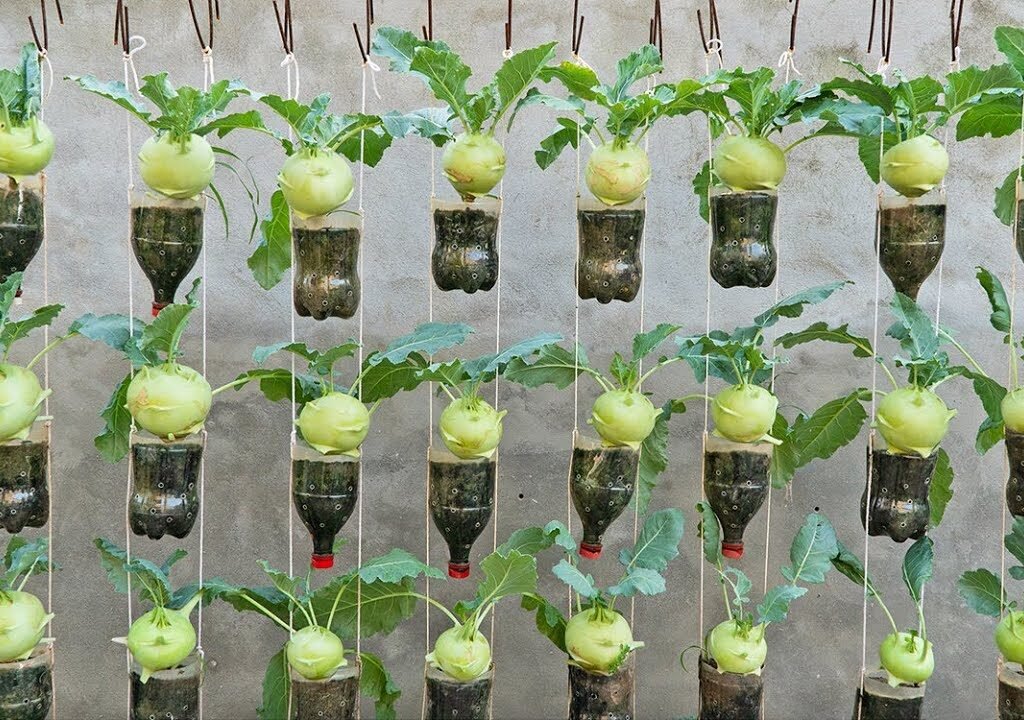
In the world of vegetables, kohlrabi is often recognized for its bulbous stem — a crisp, sweet cousin of cabbage and turnip. But what many Americans don’t realize is that the real nutritional treasure lies above the bulb — in its kohlrabi greens.

Long overlooked and often discarded, these vibrant leaves are making a strong comeback across American kitchens and farmers’ markets. From California’s plant-based cafes to Midwest home gardens, kohlrabi greens are now being celebrated as a flavorful, versatile, and nutrient-packed supergreen.

Whether you sauté them with garlic, toss them into a salad, or blend them into your smoothie, kohlrabi greens deserve a starring role in your kitchen. This article explores their nutritional power, cooking versatility, and why they’re becoming a favorite among health-conscious Americans.


What Are Kohlrabi Greens?

Kohlrabi (Brassica oleracea var. gongylodes) belongs to the same cruciferous family as broccoli, kale, and collard greens. While most people focus on the crunchy bulb, the plant’s broad, deep-green leaves are edible, tender, and bursting with flavor.

Kohlrabi greens have a mild, slightly peppery taste — a cross between collard greens and spinach. The younger leaves are soft and ideal for salads, while mature leaves hold up beautifully in sautés, soups, and stews.

In short: if you’ve been tossing these greens into the compost, you’ve been missing out on one of the most nutritious and sustainable vegetables available in the American market today.


The Nutritional Powerhouse: Why Kohlrabi Greens Deserve Superfood Status

Kohlrabi greens aren’t just a tasty side dish — they’re loaded with essential nutrients that rival (and sometimes exceed) those found in kale and spinach.

Here’s what makes them a true American supergreen:

  1. Packed with Vitamins A, C, and K
    • Vitamin A supports healthy skin and vision.
    • Vitamin C boosts your immune system and collagen production.
    • Vitamin K strengthens bones and aids blood clotting.
  2. Rich in Antioxidants
    Kohlrabi greens contain carotenoids and flavonoids that help reduce inflammation and protect against chronic diseases like heart disease and diabetes.
  3. High in Fiber
    These greens promote healthy digestion, regulate blood sugar, and keep you feeling full longer — perfect for weight management.
  4. Loaded with Calcium and Iron
    Essential minerals for strong bones and improved energy levels.
  5. Low in Calories, High in Nutrients
    One cup of cooked kohlrabi greens contains fewer than 40 calories but packs a punch of vitamins and minerals.

No wonder nutritionists and dietitians across the U.S. are calling it one of the most underrated greens in the produce aisle.


Sustainability: The Zero-Waste Hero of American Gardens

In the growing American movement toward sustainable eating and zero-waste cooking, kohlrabi greens are a perfect example of how to get more from every plant.

Most grocery stores sell kohlrabi with the greens still attached, but many shoppers discard them, unaware of their value. By cooking and consuming the greens, you not only enjoy extra nutrition but also reduce food waste — a major step toward sustainable living.

For home gardeners, kohlrabi greens are also an early harvest reward. The leaves can be trimmed and enjoyed even before the bulb matures, ensuring multiple uses from one plant.


How to Grow Kohlrabi Greens in Your Home Garden

Kohlrabi is an excellent choice for both beginner and experienced gardeners in the U.S. It grows quickly, tolerates mild frost, and offers two crops in one — the bulb and the greens.

Here’s how to grow it successfully:

1. Choose the Right Variety

Popular varieties like Purple Vienna and White Vienna thrive in most American climates. Both produce flavorful bulbs and abundant leaves.

2. Planting Season

Kohlrabi prefers cool weather.

  • In northern U.S. states, plant seeds in spring (April–May) or late summer (August) for fall harvest.
  • In southern states, plant in fall or early winter when temperatures are cooler.

3. Soil and Sunlight

Use well-draining, fertile soil with a pH between 6.0 and 7.5.
Kohlrabi loves full sun but can tolerate partial shade.

4. Watering

Keep the soil evenly moist. Overwatering can cause rot, while underwatering leads to tough greens.

5. Harvesting the Greens

You can start harvesting young kohlrabi leaves when they reach about 4–6 inches long.
Harvesting regularly encourages new leaf growth while allowing the bulb to mature.

6. Pest Management

Common pests include aphids and cabbage worms. Use neem oil or companion planting (like marigolds and mint) to keep them away naturally.


Cooking with Kohlrabi Greens: Delicious and Easy American Recipes

Kohlrabi greens can replace kale, spinach, or collards in most recipes. They hold up well to heat and pair wonderfully with classic American ingredients like garlic, olive oil, lemon, and even bacon.

Here are some easy, flavor-packed ways to enjoy them:

1. Sautéed Kohlrabi Greens with Garlic and Olive Oil

  • Heat olive oil in a skillet.
  • Add chopped garlic and a pinch of red pepper flakes.
  • Toss in chopped kohlrabi greens and cook for 5–7 minutes until tender.
  • Finish with a squeeze of lemon juice.

A quick, heart-healthy side dish that pairs with grilled fish, steak, or roasted chicken.

2. Creamy Kohlrabi Greens Soup

Blend sautéed greens with onions, potatoes, and vegetable broth for a silky, comforting soup. Add a swirl of cream or coconut milk for richness. Perfect for cool autumn nights.

3. Kohlrabi Greens and Quinoa Salad

Massage raw young leaves with olive oil and lemon juice, then toss with cooked quinoa, cranberries, and almonds. It’s a nutrient-packed lunch bowl that fits into vegan and gluten-free diets.

4. Southern-Style Braised Kohlrabi Greens

Cook the greens slowly with onion, garlic, and smoked turkey or ham hock. Add a splash of apple cider vinegar for tang. A soulful twist inspired by traditional collard greens.

5. Kohlrabi Green Smoothie

Blend fresh kohlrabi leaves with banana, pineapple, and coconut water. The mild flavor and nutrient density make it a fantastic green smoothie base.


Kohlrabi Greens in the American Diet: The Next Big Trend

As Americans shift toward plant-based, local, and sustainable eating, kohlrabi greens are gaining popularity across multiple culinary movements:

  1. Farm-to-Table Cooking – Chefs from Portland to New York City are featuring sautéed kohlrabi greens on restaurant menus for their unique texture and earthy sweetness.
  2. Plant-Based Nutrition – Vegans and vegetarians love kohlrabi greens as a nutrient-dense substitute for kale.
  3. Zero-Waste Cooking – Food influencers are promoting recipes that use the entire vegetable, encouraging mindful consumption.
  4. Home Gardening – With short growing cycles and edible leaves, kohlrabi is a favorite among American backyard gardeners and balcony growers.

It’s not just a trend — it’s a movement toward smarter, more sustainable eating.


Kohlrabi Greens vs. Kale: The Nutritional Face-Off

Kale has long dominated the American superfood scene, but kohlrabi greens are giving it serious competition.

NutrientKohlrabi GreensKale
Vitamin CHigherModerate
FiberHighHigh
FlavorMilder, slightly sweetStrong, earthy
TextureTender yet heartyDense and chewy
Cooking VersatilityGreat for sautés, soups, saladsMostly cooked

Kohlrabi greens are easier to cook, softer in texture, and have a sweeter flavor profile — perfect for Americans who want healthy greens without the bitterness of kale.


Health Benefits at a Glance

Regular consumption of kohlrabi greens can help:
Boost immunity with Vitamin C and antioxidants.
Strengthen bones and teeth with calcium and Vitamin K.
Improve digestion with dietary fiber.
Support weight loss through low-calorie density.
Reduce inflammation and oxidative stress.

Incorporating kohlrabi greens into your weekly diet is a simple way to upgrade your health while adding variety to your meals.


Conclusion: Give Kohlrabi Greens the Credit They Deserve

For too long, kohlrabi greens have been the unsung hero of the produce aisle — trimmed off, tossed aside, and forgotten. But as America embraces a healthier, greener, and more sustainable food culture, these leaves are finally getting their moment in the spotlight.

From their impressive nutrient content to their culinary flexibility, kohlrabi greens are proof that the best things in life often grow right above what we see. Whether you sauté, blend, or bake them, these greens are here to transform your meals — and your health.

So the next time you pick up a kohlrabi at your local farmers’ market or grocery store, keep those greens intact. Your body — and your taste buds — will thank you.
Sprouting Broccoli The Next Big Supergreen Revolution in American Gardens and Kitchens

Sprouting Broccoli The Next Big Supergreen Revolution in American Gardens and Kitchens

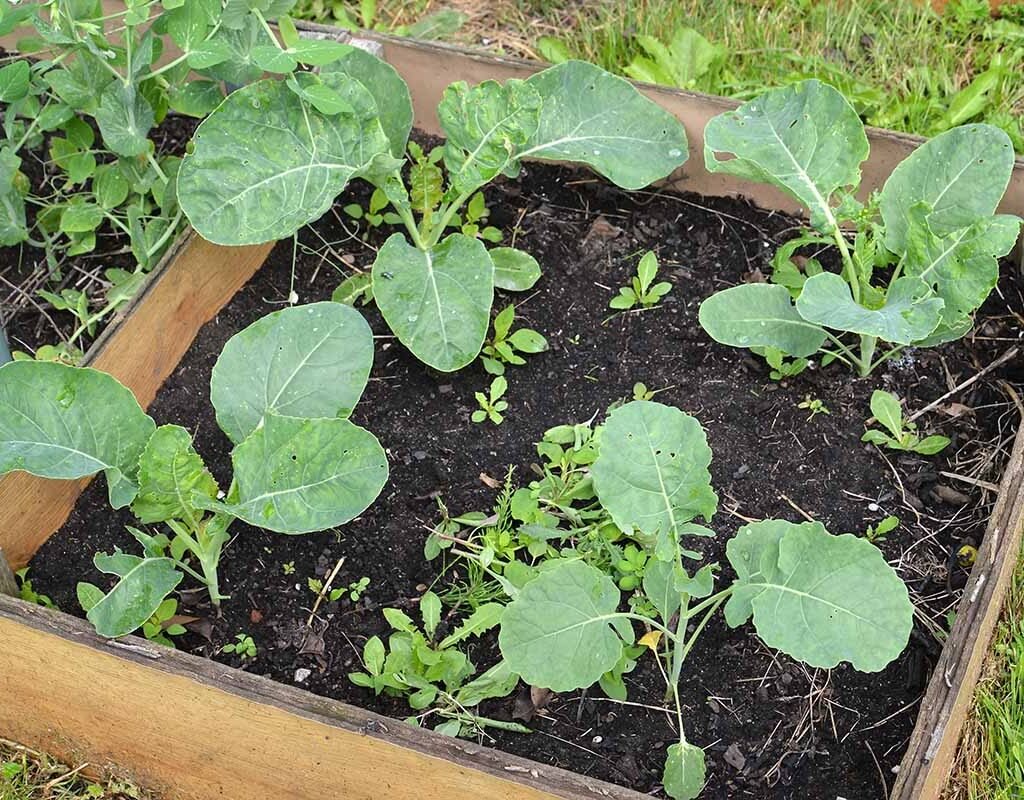
From the bustling farmers’ markets of California to the home gardens of the Midwest, Americans are falling in love with a new leafy powerhouse — sprouting broccoli. Once an under-the-radar vegetable mostly grown in Europe, sprouting broccoli has quickly become a favorite among U.S. gardeners, food enthusiasts, and wellness-conscious eaters.

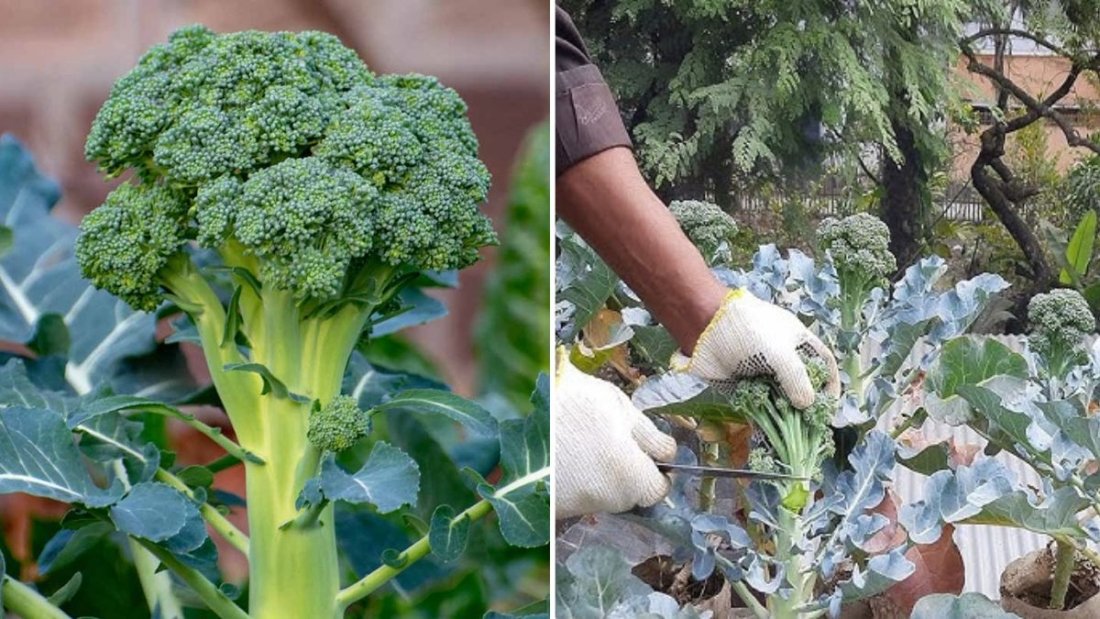
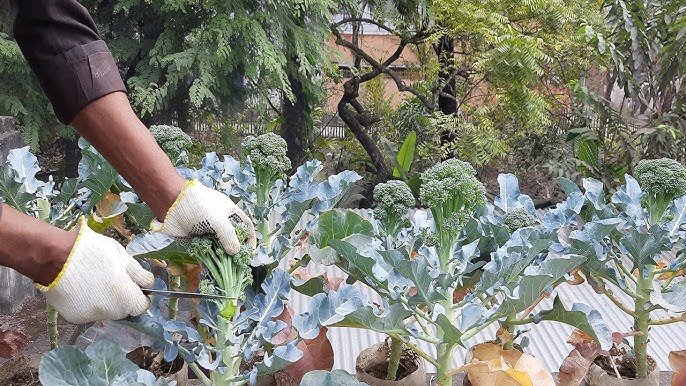
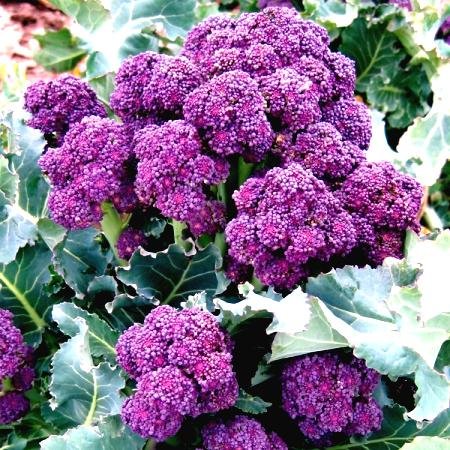
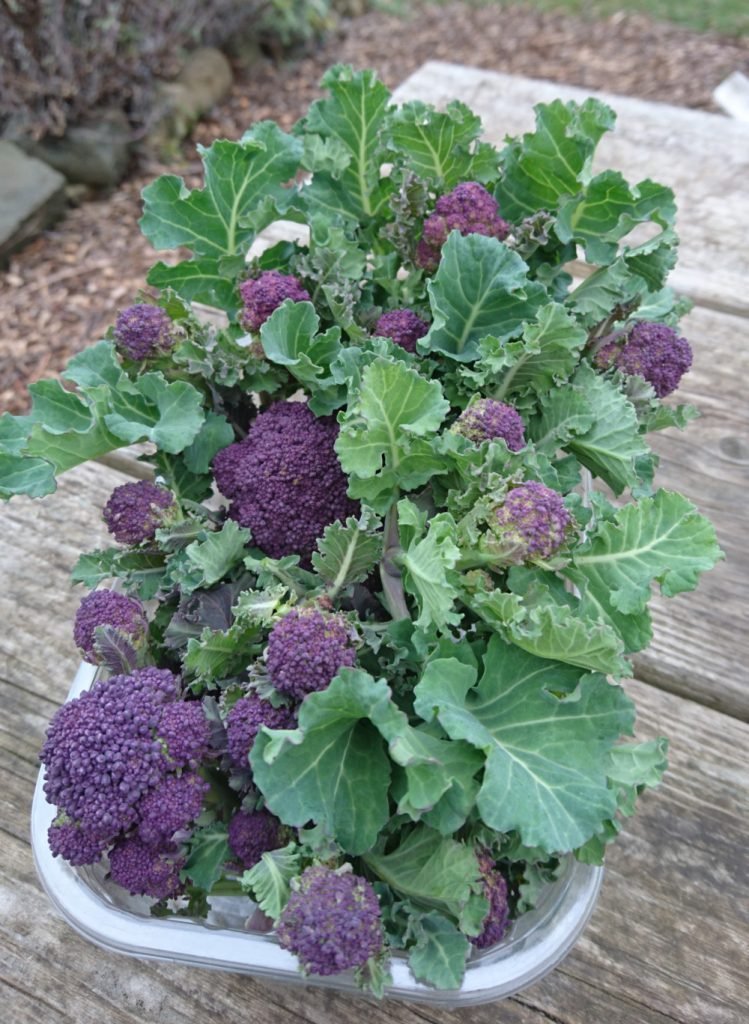
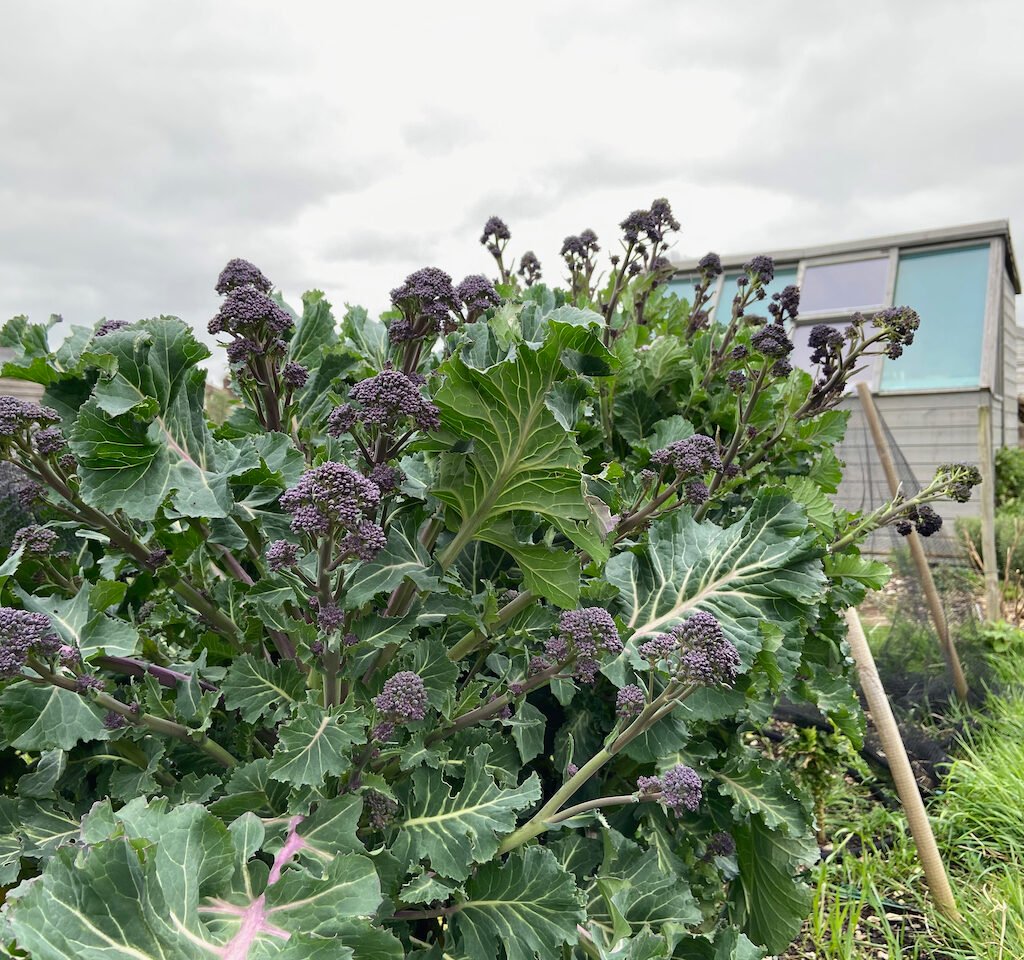
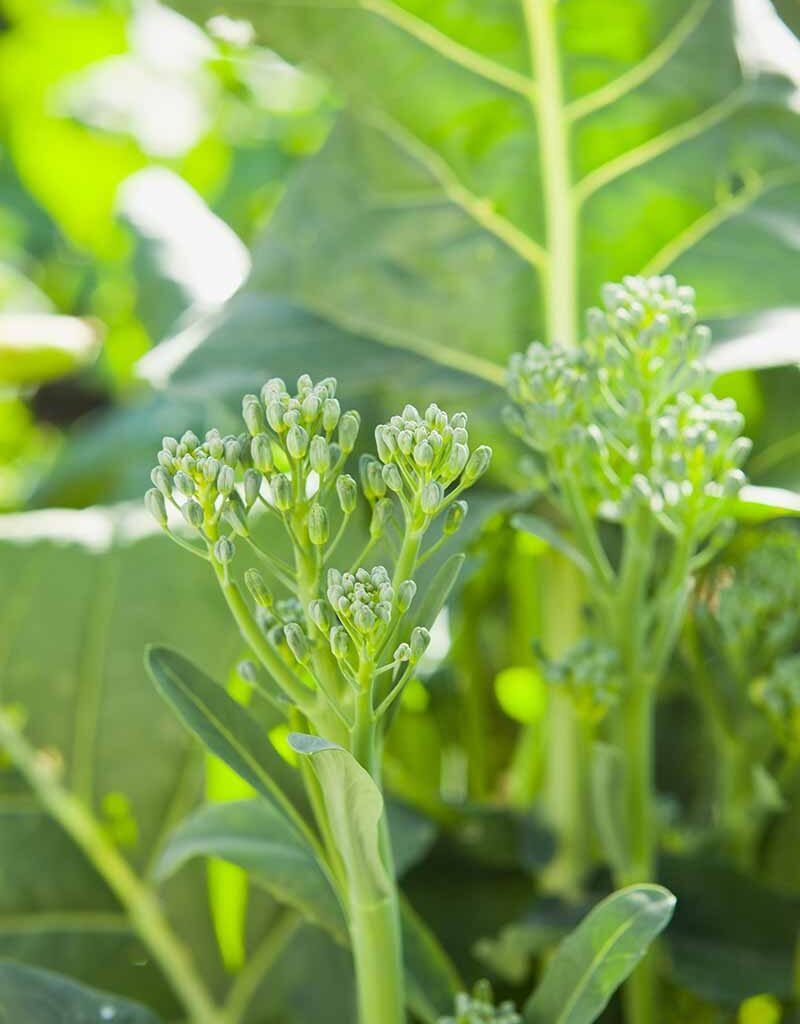
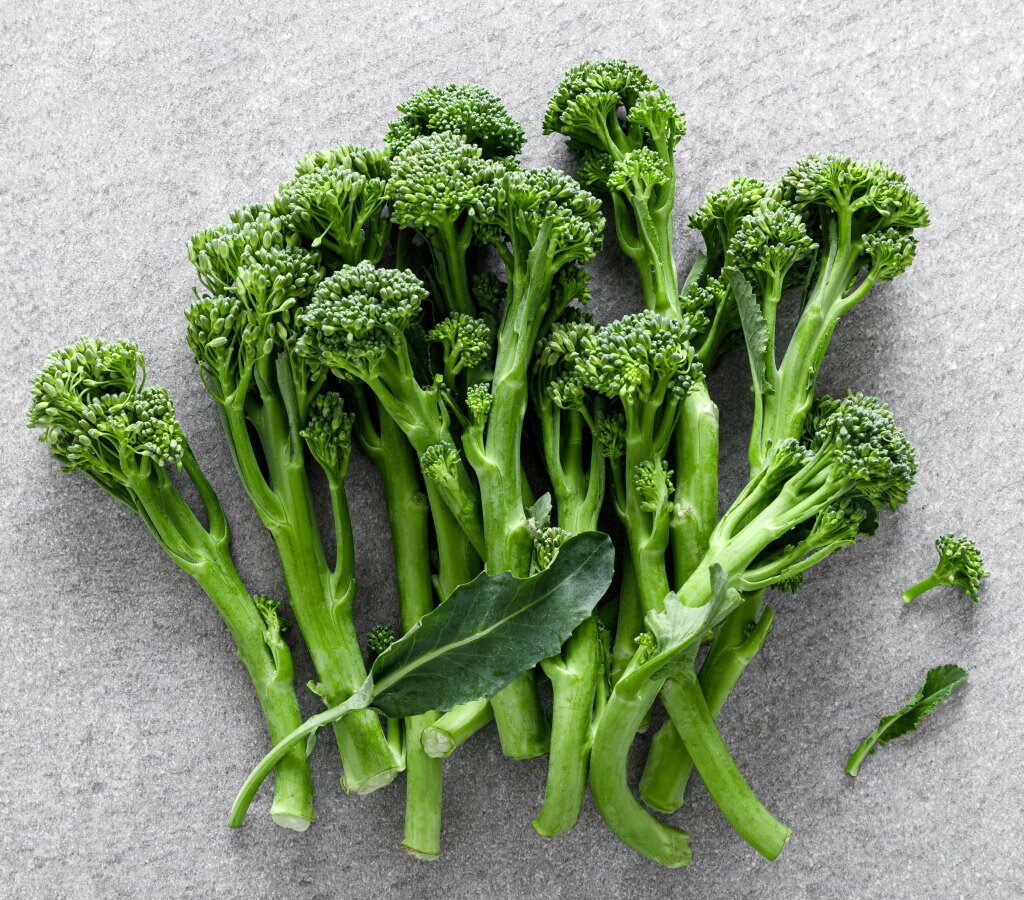
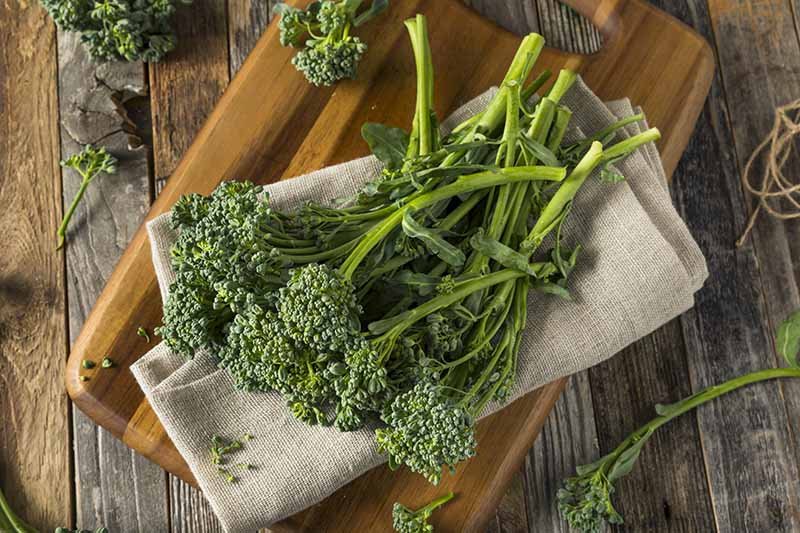
Unlike regular broccoli with its dense, single head, sprouting broccoli produces multiple tender shoots filled with tiny florets, offering an extended harvest and a sweet, nutty flavor. This vibrant green vegetable isn’t just delicious — it’s also packed with vitamins, antioxidants, and fiber, making it a nutritional gem for modern diets.

In this detailed guide, we’ll explore what makes sprouting broccoli special, how to grow it successfully in American climates, its outstanding health benefits, and why it’s quickly earning a spot at the top of the superfood list.


What Is Sprouting Broccoli?

Sprouting broccoli (Brassica oleracea var. italica) is a variety of broccoli that develops many smaller florets on long, tender stalks instead of one large central head. It comes in two main types — purple sprouting broccoli and white (or green) sprouting broccoli. Both varieties share a mild, sweet flavor and a slightly earthy aroma that intensifies when cooked.

Sprouting broccoli originated in the Mediterranean but gained massive popularity in the U.K. and Northern Europe for its resilience to cold weather and its extended growing season. Now, as the farm-to-table and home gardening movement spreads across the U.S., American growers are rediscovering the beauty of this versatile crop.

Whether roasted, steamed, or tossed into salads, sprouting broccoli brings flavor, texture, and nutrition to everyday meals — and looks stunning on the plate.


Sprouting Broccoli vs. Regular Broccoli: What’s the Difference?

At first glance, sprouting broccoli might look like a bunch of skinny broccoli stems — but don’t be fooled! There are distinct differences that make it unique and desirable.

FeatureSprouting BroccoliRegular Broccoli
StructureMany small florets on long stemsOne large, tight head
FlavorSweeter, nuttier, less bitterMild but sometimes earthy
Growing Time90–120 days (longer season)60–80 days
HarvestMultiple shoots over several weeksOne harvest per plant
Cooking UsesStir-fries, pasta, roasted sides, soupsSteamed, soups, casseroles

Sprouting broccoli’s multiple harvest cycles make it a favorite among American home gardeners who want more yield and longer enjoyment from each planting.


Nutritional Benefits: Why Sprouting Broccoli Is a Supergreen

Sprouting broccoli isn’t just beautiful and flavorful — it’s also nutritionally superior to many other vegetables. It’s dense with vitamins, minerals, and antioxidants that support overall health.

Here’s why nutritionists and dietitians recommend adding it to your plate:

  1. Rich in Vitamins A, C, and K
    These essential vitamins support immunity, skin health, and strong bones. One serving of sprouting broccoli can deliver more than 100% of your daily Vitamin C intake.
  2. High in Fiber
    Promotes better digestion and helps manage blood sugar levels.
  3. Loaded with Antioxidants
    Contains sulforaphane — a compound known for its cancer-fighting properties and ability to reduce inflammation.
  4. Supports Heart Health
    The high potassium and folate content contribute to cardiovascular wellness.
  5. Low-Calorie Superfood
    With only about 35 calories per cup, it’s a guilt-free addition to any meal.

Sprouting broccoli’s nutritional makeup makes it especially appealing to Americans looking for clean, plant-based, and nutrient-dense foods.


How to Grow Sprouting Broccoli in the U.S.

One of the best things about sprouting broccoli is how resilient and rewarding it is to grow. It thrives in cooler temperatures and can tolerate light frosts, making it ideal for American regions with mild winters or long springs.

Here’s a step-by-step guide to growing it successfully in your home garden or backyard planter:

1. Choosing the Right Variety

  • Purple Sprouting Broccoli: Beautiful violet-hued stems, slightly sweeter taste.
  • White/Green Sprouting Broccoli: Classic look, milder flavor, faster growth.

Both are available from U.S. seed suppliers like Baker Creek Heirloom Seeds or Johnny’s Selected Seeds.

2. Best Time to Plant

  • In northern U.S. states, sow seeds in late spring to early summer for a fall or early winter harvest.
  • In southern states, sow in late summer for a winter or early spring yield.

Sprouting broccoli prefers cool weather and will bolt (go to seed) if temperatures exceed 80°F for too long.

3. Soil and Spacing

Use well-draining, fertile soil enriched with compost. Maintain a soil pH between 6.0 and 7.5.
Space plants 18–24 inches apart to allow proper airflow and growth.

4. Watering and Care

Keep the soil consistently moist but not waterlogged. Mulching helps retain moisture and suppress weeds.

5. Harvesting

Sprouting broccoli is ready for harvest when the shoots are about 6–8 inches long and before the tiny yellow flowers open. Harvesting regularly encourages more side shoots to grow, providing multiple yields from a single plant.

6. Pest Control

Watch out for cabbage worms, aphids, and flea beetles. Using neem oil, insect netting, or companion planting with marigolds can help keep pests at bay.


How to Cook Sprouting Broccoli: Simple and Delicious American Recipes

Sprouting broccoli’s tender stems and delicate florets make it one of the most versatile greens you can cook. Its slightly sweet flavor pairs beautifully with garlic, olive oil, citrus, and cheese — all staples of American home cooking.

Here are a few easy and mouthwatering ways to enjoy it:

1. Roasted Sprouting Broccoli with Lemon and Parmesan

  • Toss trimmed stems with olive oil, salt, and pepper.
  • Roast at 425°F for 12–15 minutes until crispy.
  • Finish with a squeeze of lemon and a sprinkle of Parmesan cheese.
    Perfect as a side for grilled chicken, fish, or steak.

2. Garlic Sautéed Sprouting Broccoli

  • Heat olive oil in a skillet, add minced garlic and chili flakes.
  • Toss in the broccoli and cook for 5–7 minutes until tender.
  • Finish with a drizzle of balsamic glaze.
    A quick, restaurant-style side dish in under 10 minutes!

3. Sprouting Broccoli Pasta Bowl

  • Blanch sprouting broccoli for 2 minutes, then sauté with cherry tomatoes and olive oil.
  • Toss with whole-grain pasta and sprinkle with feta or goat cheese.
    A healthy, colorful, and easy dinner option.

4. Asian-Inspired Stir-Fry

  • Combine sprouting broccoli with sesame oil, ginger, and soy sauce.
  • Add tofu or shrimp for a complete meal packed with flavor.

5. Broccoli Sprout Salad

  • Combine steamed sprouting broccoli with quinoa, avocado, and citrus dressing.
  • Top with roasted nuts for crunch and extra protein.

Sprouting Broccoli in American Dining Trends

The rise of farm-to-fork dining, plant-based diets, and clean eating has pushed sprouting broccoli into the spotlight. U.S. chefs and food bloggers are using it to reinvent both gourmet and everyday dishes.

At restaurants in New York, Los Angeles, and Austin, sprouting broccoli is showing up as a trendy side dish — often grilled, charred, or drizzled with lemon tahini. Meanwhile, health-conscious Americans are adding it to their smoothie bowls, meal prep containers, and wellness salads.

Sprouting broccoli fits seamlessly into:

  • Keto and Paleo diets (low-carb and high in fiber)
  • Vegan and vegetarian meals (packed with plant-based nutrients)
  • Mediterranean-style diets (rich in antioxidants and olive oil pairings)

It’s not just food — it’s a lifestyle choice for Americans who care about wellness and sustainability.


Sustainability and Local Growing Impact

Growing sprouting broccoli supports a more sustainable food system. Because it can produce multiple harvests, it reduces waste and maximizes yields from a single plant. It also grows well in small garden beds and urban settings, making it ideal for balcony gardens, raised planters, and community gardens across America.

For eco-conscious eaters, choosing locally grown sprouting broccoli means fewer transportation emissions and fresher, more nutrient-rich produce on the table.


Conclusion: The Future Belongs to Sprouting Broccoli

Sprouting broccoli isn’t just another vegetable — it’s a culinary revolution. From its extended harvest cycle to its delicate taste and impressive nutrition, this humble green is redefining what it means to eat fresh, healthy, and sustainable.

Whether you’re a backyard gardener in Oregon, a home cook in Texas, or a health enthusiast in New York, sprouting broccoli is a must-try green that checks every box — flavor, nutrition, beauty, and eco-friendliness.

So the next time you stroll through your local farmers’ market or plan your garden, give sprouting broccoli a spot in your basket (and on your plate). It’s the future of American greens — fresh, flavorful, and here to stay.

Broccolini The Sweet, Tender Supergreen Taking Over American Kitchens

Broccolini The Sweet, Tender Supergreen Taking Over American Kitchens

If you’ve dined at a trendy American bistro lately or browsed the produce aisle of your local Whole Foods, chances are you’ve noticed a sleek, vibrant green vegetable labeled broccolini. Once a specialty item found only in upscale restaurants, broccolini is now a staple in home kitchens across the U.S.—thanks to its mild flavor, easy preparation, and impressive nutritional profile.

Often described as a cross between broccoli and Chinese kale, broccolini brings a perfect balance of sweetness and crunch that makes it irresistible. It’s versatile enough for quick weeknight meals and elegant enough for gourmet dishes. In this article, we’ll explore what makes broccolini so special, how it differs from regular broccoli, its powerful health benefits, and how to cook it to perfection.


What Is Broccolini?

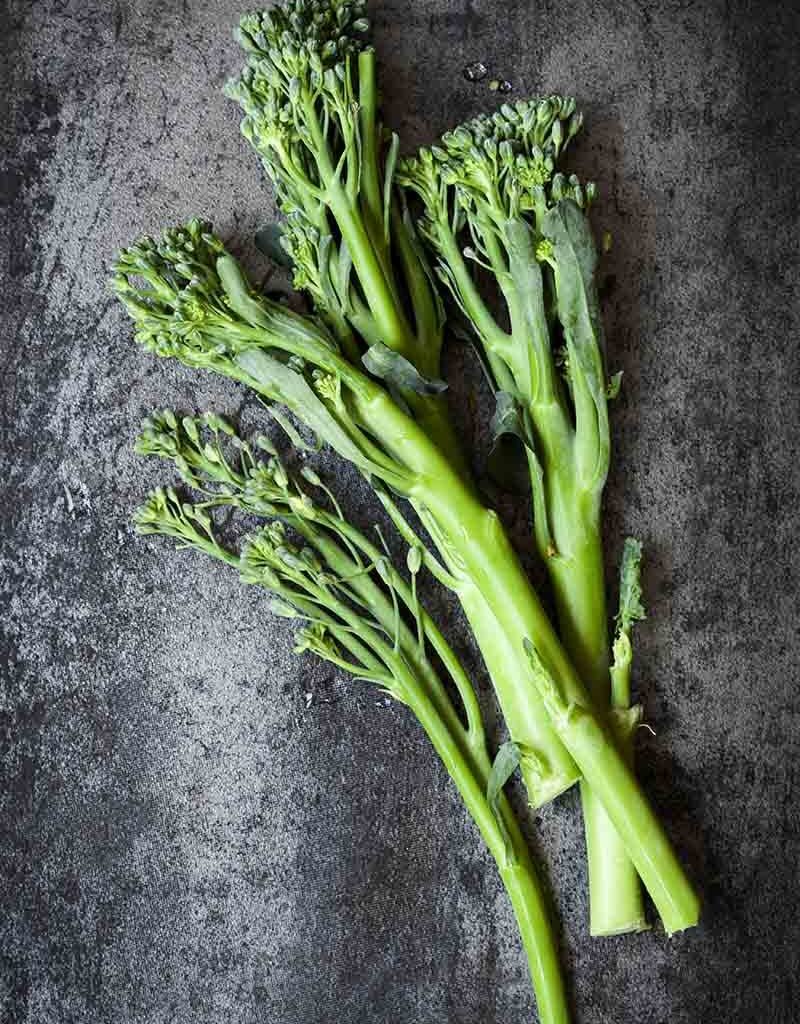
Broccolini (Brassica oleracea × Brassica rapa) is a hybrid vegetable developed in Japan in the early 1990s. It’s a cross between regular broccoli and Chinese kale (also called gai lan). With its long, slender stems, tender florets, and subtle sweetness, broccolini offers a more delicate eating experience than its thicker, more robust cousin.

Introduced to American markets around 1998, it quickly gained popularity for its aesthetic appeal and versatility. Today, it’s grown widely in California, Arizona, and other states with temperate climates, making it accessible year-round in most U.S. supermarkets.


Broccolini vs. Broccoli: What’s the Difference?

Although they share a similar appearance, broccolini and broccoli differ in taste, texture, and culinary flexibility.

FeatureBroccoliniBroccoli
OriginHybrid of broccoli & Chinese kaleNative to the Mediterranean
FlavorMilder, sweeter, less bitterEarthier and stronger
TextureThin stalks, tender floretsThick stalks, dense heads
Cooking TimeQuick—5–7 minutesLonger—10–12 minutes
Ideal DishesGrilled, sautéed, roasted, pasta, or saladSoups, casseroles, steamed sides

Broccolini’s mild sweetness and elegant appearance make it a go-to choice for chefs aiming to elevate simple dishes while maintaining nutritional integrity.


Nutritional Powerhouse: Why Broccolini Deserves Superfood Status

Broccolini is more than just a pretty green—it’s packed with essential vitamins, antioxidants, and minerals that support overall wellness. Here’s why nutritionists are calling it one of America’s next supergreens:

  1. Rich in Vitamins A, C, and K
    These vitamins promote strong immunity, skin health, and bone strength. Just one cup of broccolini provides over 100% of your daily Vitamin C requirement.
  2. High in Antioxidants
    Broccolini contains sulforaphane, a potent antioxidant that may help prevent cell damage and lower the risk of chronic diseases like cancer and heart disease.
  3. Great Source of Folate and Iron
    Folate supports healthy red blood cells and is especially important for pregnant women, while iron boosts energy and metabolism.
  4. Supports Detoxification
    Like other cruciferous vegetables, broccolini activates liver enzymes that aid in flushing out toxins.
  5. Low-Calorie, High-Fiber Food
    With roughly 35 calories per cup and a satisfying crunch, broccolini is a great choice for weight management and digestive health.

How to Grow Broccolini in Your American Home Garden

Broccolini isn’t just delicious—it’s also a rewarding plant for home gardeners. Whether you live in sunny California, the Pacific Northwest, or the East Coast, you can grow broccolini with minimal effort.

1. Ideal Growing Conditions

Broccolini thrives in cool weather, making it perfect for spring and fall gardens. It prefers daytime temperatures between 60°F and 75°F.

2. Soil Preparation

Use nutrient-rich, well-draining soil with a pH between 6.0 and 7.0. Mix compost or organic fertilizer before planting to support healthy leaf and floret growth.

3. Planting

Sow seeds about ½ inch deep and 12 inches apart. If using transplants, space them 18 inches apart to give each plant room to spread.

4. Watering

Keep the soil moist but not soggy. Water early in the morning to prevent fungal growth.

5. Harvesting

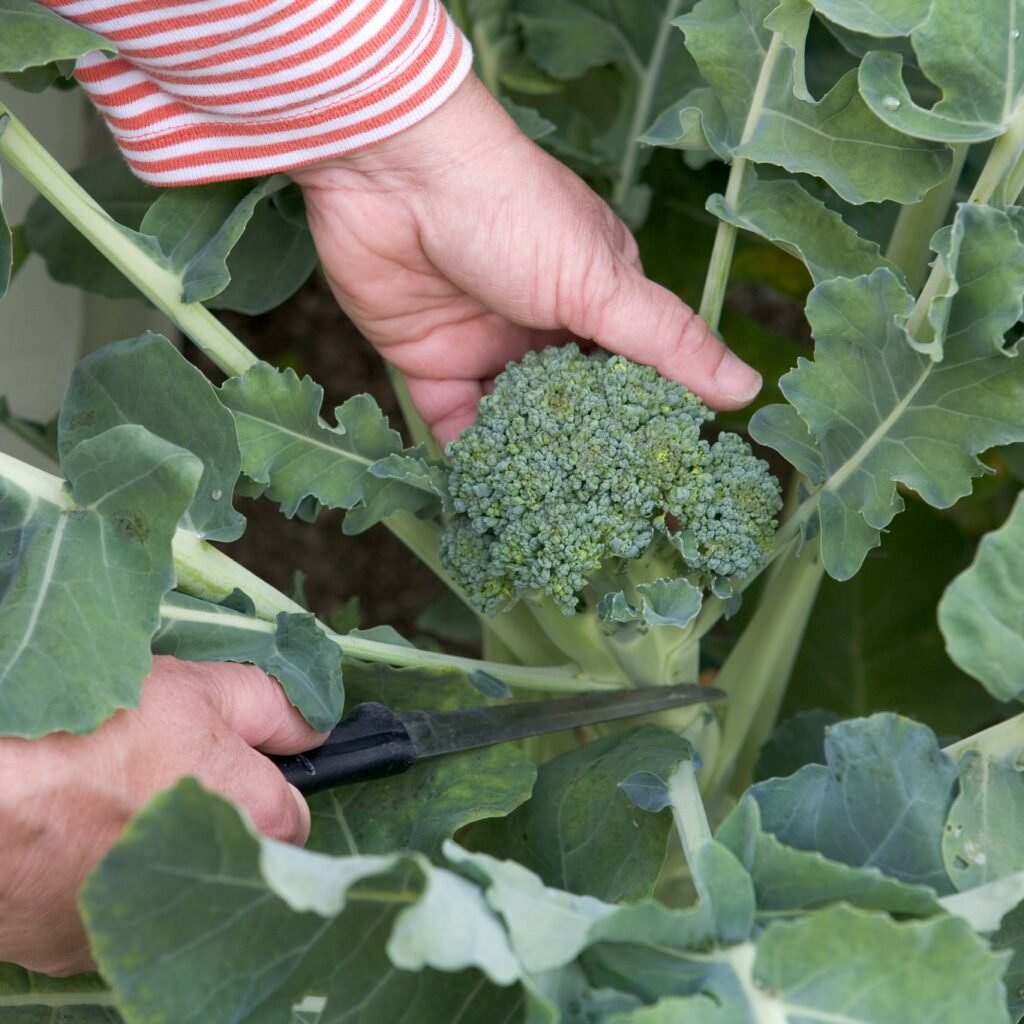
Broccolini is ready to harvest about 60–70 days after planting. Cut the stems when they reach 6–8 inches long, just before the tiny yellow flowers bloom. Frequent harvesting encourages new shoots for continuous yield.

6. Pest Management

Watch for cabbage worms, aphids, and flea beetles. Natural remedies like neem oil or introducing ladybugs can help keep pests under control.


How to Cook Broccolini: Delicious, Easy Recipes

Broccolini’s delicate sweetness and crisp texture make it a dream ingredient in the kitchen. Whether you’re roasting, grilling, or sautéing, it adds a pop of green and a burst of nutrition to any plate.

Here are some crowd-pleasing ways to cook it:

1. Roasted Garlic Broccolini

Toss broccolini with olive oil, minced garlic, salt, and pepper. Roast at 425°F for 10–12 minutes until slightly crispy. Finish with a squeeze of lemon juice for a restaurant-quality side dish.

2. Grilled Broccolini with Parmesan

Brush the stalks with olive oil and grill for 3–5 minutes per side. Sprinkle freshly grated Parmesan and a touch of red pepper flakes. Perfect for summer barbecues or steak nights.

3. Sautéed Broccolini with Lemon Butter

Melt butter in a skillet, add garlic and broccolini, and sauté for 6 minutes. Finish with lemon zest and a pinch of sea salt. It pairs beautifully with fish or chicken.

4. Broccolini Pasta Primavera

Add blanched broccolini to pasta along with cherry tomatoes, zucchini, and a light olive oil sauce. Top with grated Pecorino for a wholesome, Italian-inspired meal.

5. Asian-Style Stir-Fry

Toss broccolini with soy sauce, sesame oil, ginger, and tofu for a quick weeknight stir-fry. It’s a nutritious vegan option that’s full of flavor and texture.


Broccolini in American Dining: From Farm to Fine Dining

Broccolini’s rise in the U.S. food scene is no accident. Chefs and food influencers have embraced it for its balance of visual appeal, texture, and flavor adaptability.

In American fine dining, it’s a go-to vegetable for plating vibrant dishes. Restaurants in California, New York, and Texas often serve it alongside roasted salmon, steak, or grilled tofu. Meanwhile, at-home cooks love it for its speedy cooking time and ability to elevate simple meals without extra effort.

Farmers’ markets across the country now feature broccolini alongside traditional greens, and it’s becoming a star ingredient in plant-based menus, meal kits, and health-conscious meal prep.


Health Trends: Why Broccolini Fits the American Wellness Movement

Broccolini perfectly aligns with several ongoing wellness and sustainability trends in the U.S.:

  1. Plant-Based Eating:
    As more Americans shift toward flexitarian or vegetarian diets, broccolini provides a flavorful, nutrient-dense green that complements plant-forward recipes.
  2. Clean Eating:
    With no need for heavy sauces or seasonings, broccolini fits right into clean, minimalist eating styles that emphasize whole, unprocessed foods.
  3. Sustainable Agriculture:
    Broccolini has a shorter growing cycle and requires fewer pesticides than many other crops, making it a smart choice for eco-conscious consumers.
  4. Gourmet Meal Prep:
    Its long stems and bright color make broccolini an Instagram-worthy addition to grain bowls, meal-prep boxes, and quick lunch wraps.

Pairing Broccolini with American Favorites

Broccolini’s mild sweetness allows it to pair beautifully with a wide range of American comfort foods:

  • With Steak or Grilled Chicken: Adds a fresh, crisp contrast to smoky meats.
  • With Salmon or Shrimp: Its light bitterness balances the richness of seafood.
  • In Sandwiches: Add blanched broccolini to veggie paninis or turkey sandwiches for a nutritious crunch.
  • On Pizzas: Use roasted broccolini as a topping with mozzarella and sun-dried tomatoes for a gourmet twist.

Conclusion: Broccolini—America’s Next Must-Have Green

From backyard gardens to Michelin-starred kitchens, broccolini has carved its place as America’s next favorite vegetable. Its combination of flavor, nutrition, and versatility makes it the perfect choice for busy home cooks and creative chefs alike.

Whether you roast it for Sunday dinner, toss it into a pasta bowl, or grill it alongside your favorite protein, broccolini offers that perfect bite of freshness and elegance. As Americans continue to embrace healthy, sustainable eating, this tender green is here to stay—one delicious floret at a time.

Mustard Cabbage The Underrated Supergreen Every American Home Garden Needs

Mustard Cabbage The Underrated Supergreen Every American Home Garden Needs

In the growing wave of farm-to-table and home gardening trends across the U.S., mustard cabbage is quietly becoming the star of the season. Often overshadowed by kale or spinach, this flavorful leafy green—also known as Brassica juncea—is a powerhouse of nutrition and versatility. From Southern soul food kitchens to modern wellness diets, mustard cabbage has found its place as both a comfort food classic and a health-conscious choice.

Whether you’re a backyard gardener, a plant-based eater, or simply curious about expanding your culinary palette, mustard cabbage deserves your attention. In this article, we’ll explore what makes this green so special, how to grow it successfully in American climates, and why it belongs on your plate year-round.


What Is Mustard Cabbage?

Mustard cabbage, often referred to as “mustard greens,” is a leafy vegetable from the Brassicaceae family—the same family as kale, collard greens, and broccoli. The plant has large, ruffled leaves with a peppery flavor that adds a pleasant kick to dishes. In Asian cuisine, especially in Japanese, Chinese, and Korean traditions, mustard cabbage varieties like takana or gaichoy are staples for stir-fries, soups, and pickles.

In American contexts, it’s most popular in Southern states, where sautéed mustard greens seasoned with smoked meat or garlic are a soul food classic. But recently, chefs and home cooks across the country—from California’s farm markets to New York’s vegan cafés—are rediscovering mustard cabbage as an exciting, nutrient-packed green that can be prepared in countless ways.


Nutritional Benefits: Why Mustard Cabbage Is a True Supergreen

Mustard cabbage is not just flavorful—it’s a nutritional powerhouse. Packed with vitamins, antioxidants, and fiber, it’s one of the healthiest greens you can add to your diet.

Here’s what makes it so beneficial:

  1. Rich in Vitamins A, C, and K:
    One serving of mustard cabbage provides more than your daily requirement of Vitamin K, which supports bone and heart health. It’s also high in Vitamin A (for healthy skin and vision) and Vitamin C (a strong immunity booster).
  2. Detoxifying Properties:
    The glucosinolates in mustard cabbage help the liver process toxins efficiently, making it an excellent green for detox diets.
  3. Supports Heart Health:
    Its high fiber content helps reduce bad cholesterol levels, while the presence of plant-based nitrates promotes better blood circulation.
  4. Anti-Inflammatory and Antioxidant Effects:
    Mustard cabbage contains flavonoids and carotenoids that help combat inflammation and oxidative stress—essential for preventing chronic diseases.
  5. Low-Calorie, High-Fiber:
    With just around 15 calories per cup, mustard cabbage is perfect for weight-conscious diets and those aiming for clean eating.

Growing Mustard Cabbage at Home: A Gardener’s Delight

One of the biggest reasons mustard cabbage is gaining popularity among American gardeners is its ease of cultivation. It thrives in cooler temperatures, grows quickly, and requires minimal maintenance—making it perfect for home gardens or balcony planters.

Here’s a simple guide to growing it successfully:

1. Ideal Climate and Timing

Mustard cabbage loves cool weather. In most parts of the U.S., you can grow it in early spring and fall. It tolerates light frost but struggles in extreme summer heat.

2. Soil Preparation

Plant in well-draining, fertile soil with a pH between 6.0 and 7.5. Mix in compost or organic fertilizer before planting to encourage lush leaf growth.

3. Sowing and Spacing

Sow seeds about ½ inch deep and 6 inches apart. For continuous harvest, plant new seeds every two weeks during the growing season.

4. Watering and Care

Keep the soil evenly moist but not soggy. Water at the base to prevent leaf diseases. Mulching can help retain moisture and control weeds.

5. Harvesting

You can start harvesting baby mustard leaves in as little as 30 days. Mature leaves take around 45–50 days. Regular harvesting encourages new growth and keeps the plant tender.

6. Pest Control

Look out for common pests like aphids and flea beetles. Use neem oil or organic pest sprays for control. Crop rotation also helps prevent soil-borne diseases.


Mustard Cabbage in American Cuisine: Delicious Ways to Enjoy It

This versatile green can easily fit into a wide range of recipes, from classic Southern dishes to modern healthy bowls. Its peppery flavor adds depth to any meal.

Here are some delicious ideas:

1. Southern-Style Sautéed Mustard Greens

A staple of comfort food in the South—simply sauté chopped mustard cabbage with garlic, olive oil, and a touch of vinegar. For traditional flavor, add bits of smoked turkey or bacon.

2. Stir-Fried Mustard Cabbage

A quick Asian-inspired side dish—cook mustard cabbage with sesame oil, garlic, soy sauce, and a sprinkle of chili flakes. Serve it alongside rice or noodles.

3. Mustard Cabbage Soup

Add mustard greens to chicken or vegetable broth for a hearty, immune-boosting soup. Combine with ginger, tofu, or miso for extra depth.

4. Pickled Mustard Cabbage

Fermenting mustard cabbage creates a tangy, probiotic-rich condiment that pairs beautifully with sandwiches, burgers, or grilled meats.

5. Mustard Green Smoothies

For a nutrition-packed drink, blend young mustard leaves with pineapple, banana, and a splash of orange juice. It’s an energizing twist on the classic green smoothie.


Mustard Cabbage vs. Other Greens

While kale and spinach have long dominated the superfood scene, mustard cabbage brings something unique to the table—its distinct flavor and quick growth cycle.

FeatureMustard CabbageKaleSpinach
FlavorPeppery, tangyMild, earthySweet, tender
Growth Time30–45 days60–80 days40–50 days
Ideal ClimateCool and mildCoolMild
Cooking VersatilityGreat for stir-fries, soups, picklesBest for chips, sautésExcellent in salads, omelets

If you love spicy greens with personality, mustard cabbage is your go-to. It’s also more forgiving to grow and easier to maintain than kale or collards.


Health and Wellness Trends: Why Americans Are Turning to Mustard Cabbage

The modern American diet is rapidly evolving—people are seeking fresh, sustainable, and functional foods. Mustard cabbage fits all these boxes. Its surge in popularity can be linked to three growing lifestyle trends:

  1. Home Gardening Movement:
    Post-pandemic, more Americans are growing their own produce. Mustard cabbage offers a fast reward for first-time gardeners.
  2. Plant-Based Eating:
    Vegans and vegetarians love mustard greens for their flavor and nutrition density. It’s a staple in many plant-forward recipes.
  3. Gut Health Awareness:
    With fermented mustard cabbage (pickled or kimchi-style) offering probiotics, it’s becoming a favorite for digestive health enthusiasts.

Sustainability and Local Growing

Growing mustard cabbage supports sustainable eating. It requires less water than many vegetables, adapts to small spaces, and grows well without heavy pesticide use. Urban gardeners in states like California, Oregon, and New York are embracing mustard cabbage for container gardening and community farms.

By choosing locally grown mustard cabbage—or better yet, growing your own—you reduce your carbon footprint and enjoy fresher, more nutrient-rich produce.


Conclusion: Small Leaf, Big Impact

Mustard cabbage may not yet have the fame of kale, but it’s on its way to becoming America’s next favorite green. Its bold taste, easy cultivation, and outstanding nutrition make it perfect for both modern health enthusiasts and lovers of traditional comfort food.

Whether you’re tossing it into soups, pickling it for tangy flavor, or growing it on your balcony, mustard cabbage proves that humble greens can make a powerful statement. So next time you visit your local farmer’s market—or plan your backyard garden—don’t overlook this supergreen. Mustard cabbage is ready to bring both flavor and wellness straight to your American kitchen.

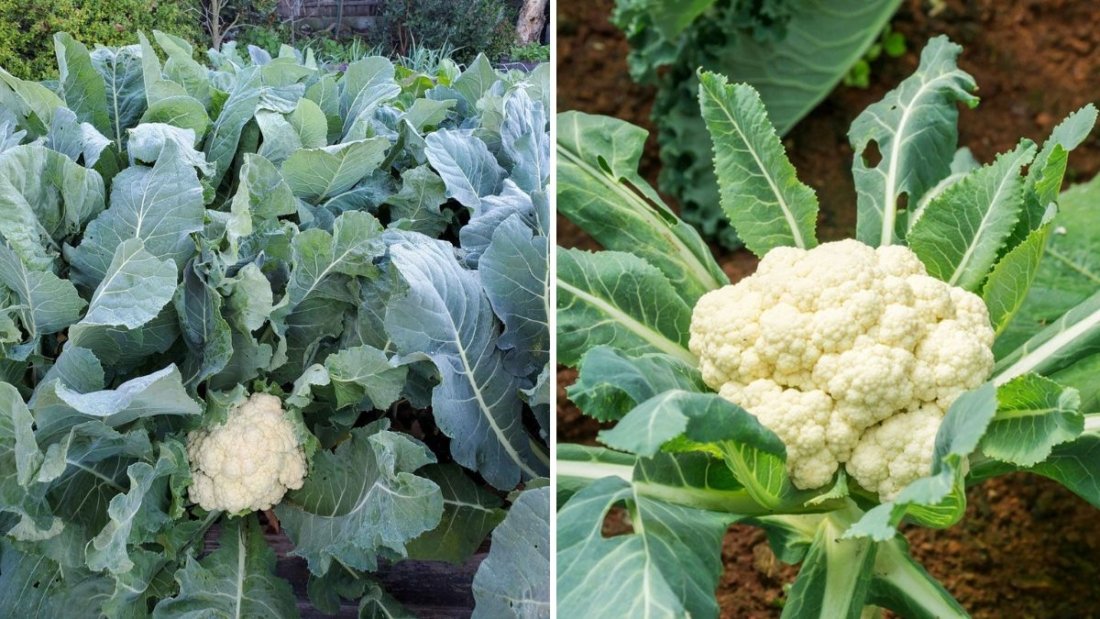
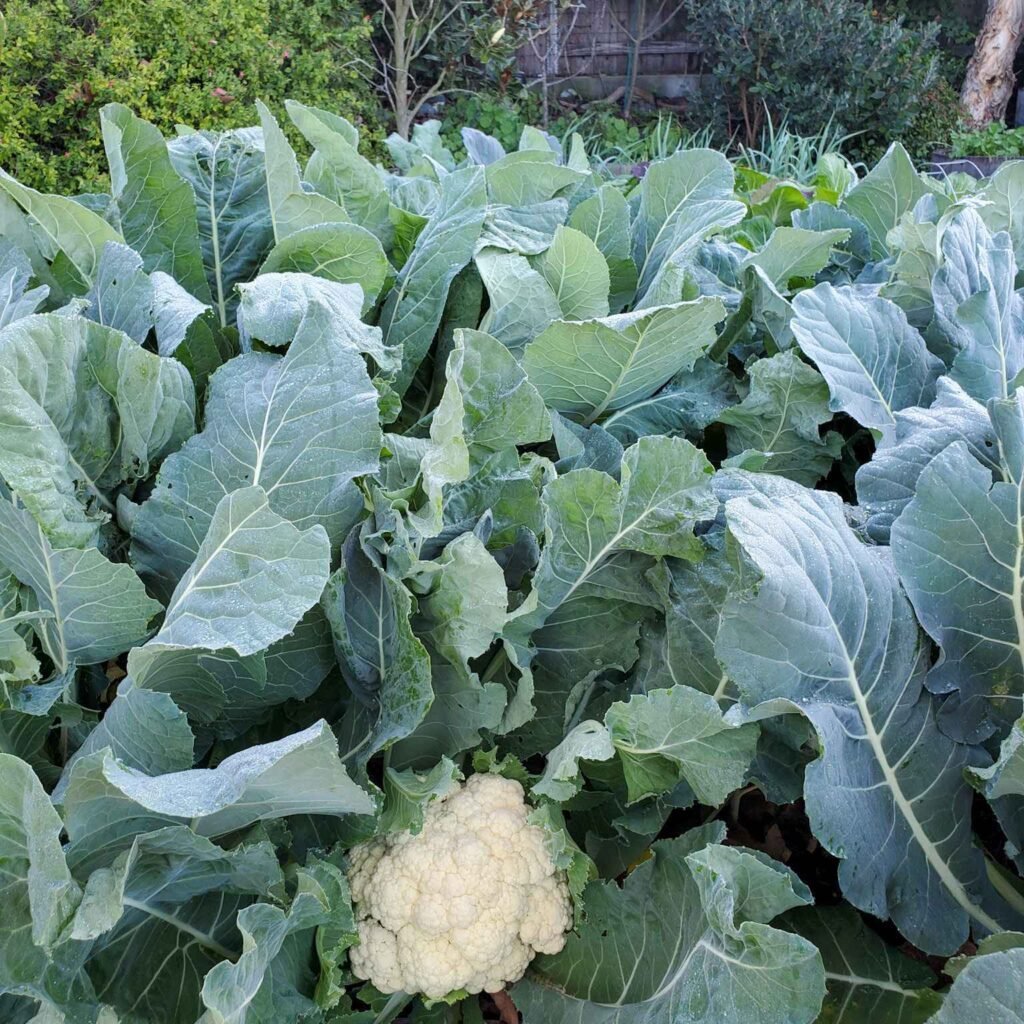
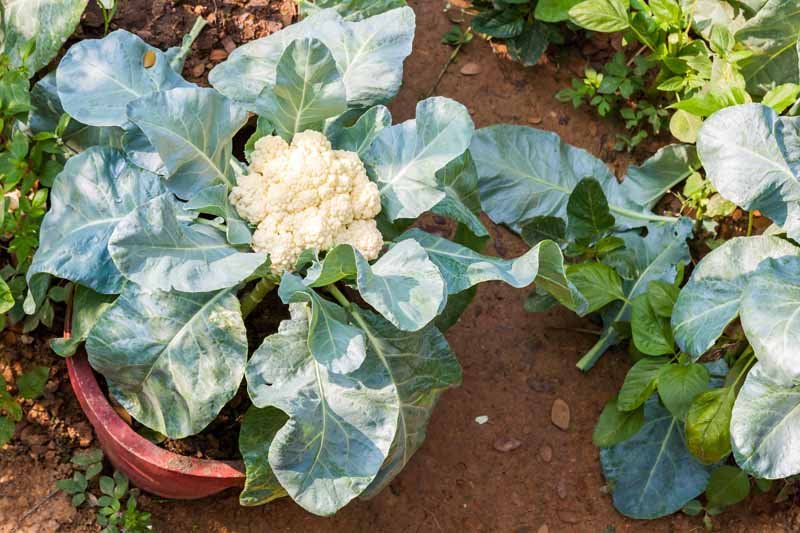
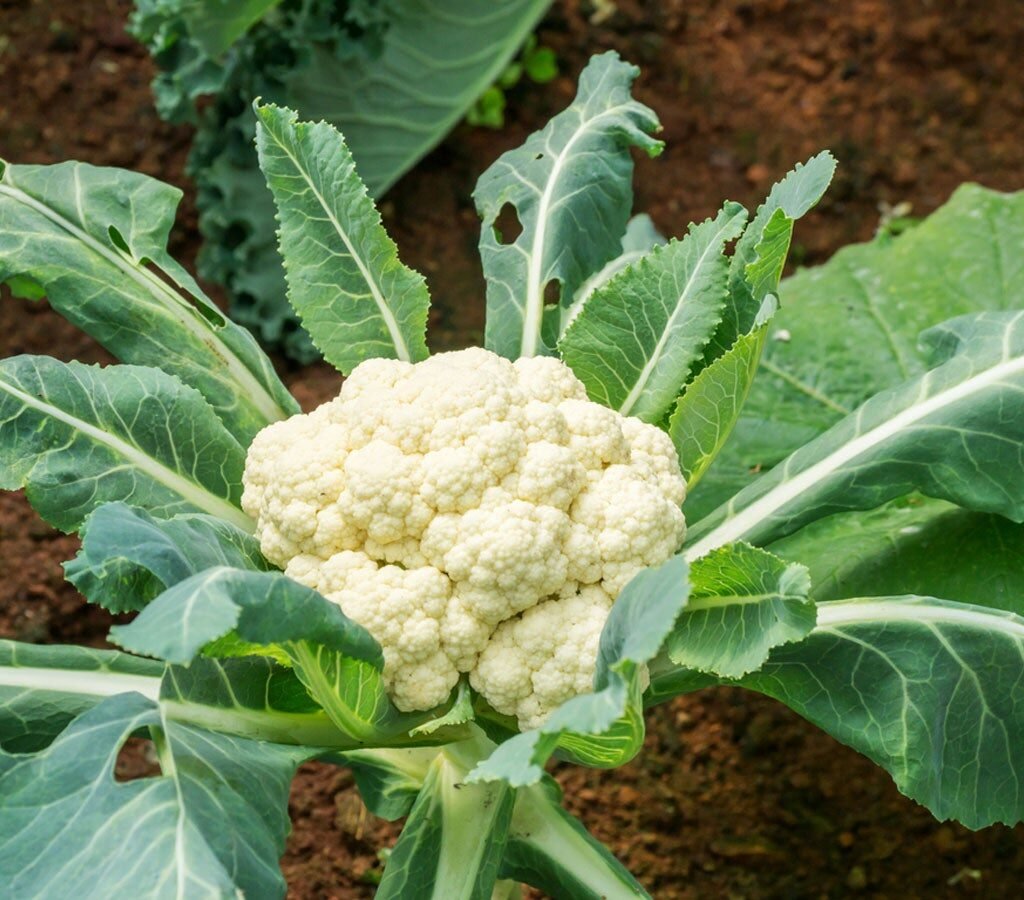
Cauliflower America’s White Gold – The Super Veggie Transforming Healthy Eating

Cauliflower America’s White Gold – The Super Veggie Transforming Healthy Eating

Once seen as the humble, pale cousin of broccoli, cauliflower has become a culinary rockstar across America. From cauliflower pizza crusts in New York to buffalo cauliflower bites in Los Angeles, this versatile veggie is taking over restaurant menus, meal plans, and grocery aisles alike.

But cauliflower’s rise to fame isn’t just about trendiness — it’s about health, versatility, and innovation. Packed with nutrients, naturally low in calories, and adaptable to nearly any cooking method, cauliflower has become America’s favorite low-carb alternative to traditional grains and starches.

Let’s explore why this once-underestimated vegetable is now considered “white gold” for healthy living and delicious cooking.


What Exactly Is Cauliflower?

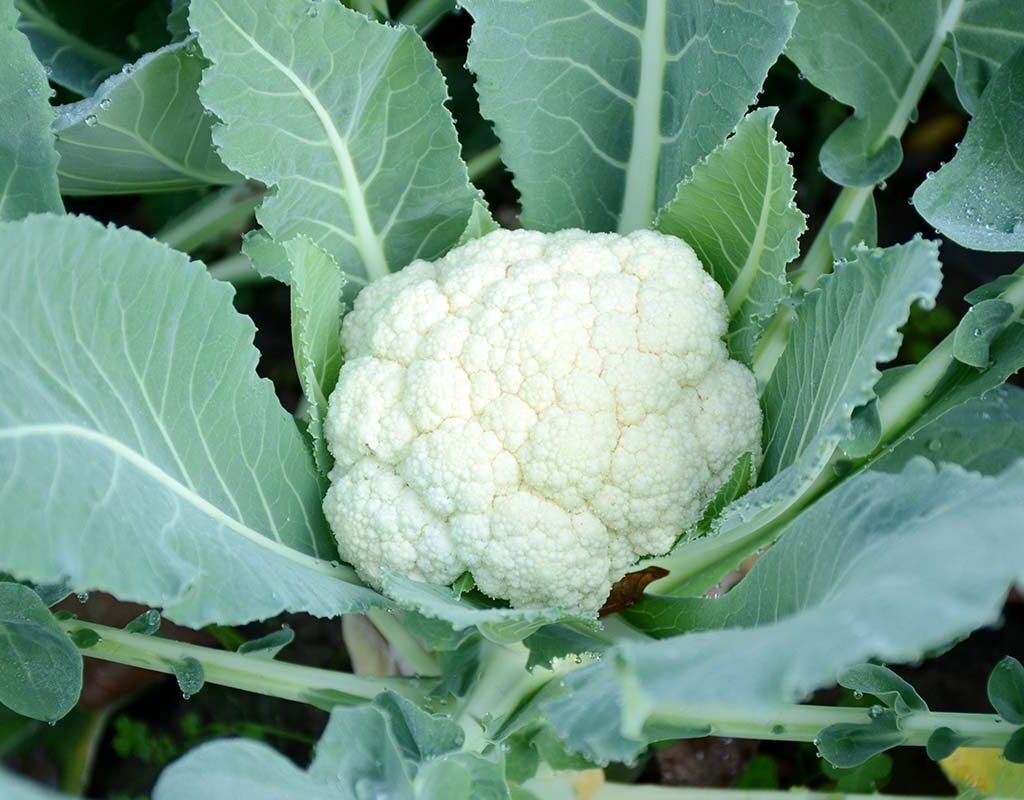
Cauliflower (Brassica oleracea var. botrytis) belongs to the cruciferous vegetable family, which also includes broccoli, cabbage, kale, and Brussels sprouts. Its name comes from the Latin word “caulis” (cabbage) and “floris” (flower), meaning “cabbage flower” — an apt description since it’s the edible flowering head of the plant.

Most Americans recognize white cauliflower, but did you know it also comes in purple, orange, and green varieties? Each one offers slightly different flavors and nutrients, making cauliflower not only delicious but visually stunning for your dishes.

Today, California’s Central Valley produces the majority of the cauliflower consumed across the U.S., supplying fresh heads to supermarkets year-round.


The Nutritional Power of Cauliflower

Cauliflower’s impressive nutritional profile has helped it earn the title of a superfood. Here’s what a one-cup (100-gram) serving of raw cauliflower provides:

  • Calories: 25
  • Carbohydrates: 5g
  • Fiber: 2g
  • Protein: 2g
  • Vitamin C: 77% of the Daily Value (DV)
  • Vitamin K: 20% of the DV
  • Folate: 14% of the DV
  • Potassium: 9% of the DV
  • Antioxidants: Glucosinolates, isothiocyanates, and sulforaphane

It’s low in carbs, gluten-free, and rich in nutrients, which makes it a top choice for keto dieters, vegans, and health-conscious eaters.


Top Health Benefits of Cauliflower

Cauliflower isn’t just trendy — it’s scientifically proven to support your health in numerous ways. Here’s why nutritionists, doctors, and chefs across the U.S. are all raving about it:

1. Promotes Heart Health

Cauliflower contains antioxidants and anti-inflammatory compounds like sulforaphane, which support healthy blood vessels and reduce oxidative stress. Its fiber helps lower bad cholesterol, improving overall cardiovascular function.

2. Aids in Weight Management

With just 25 calories per cup, cauliflower makes a perfect substitute for rice, potatoes, or pasta. Its high fiber content keeps you feeling full longer, helping you manage weight naturally without sacrificing flavor.

3. Supports Digestion

Fiber is essential for good gut health, and cauliflower delivers plenty. It feeds the beneficial bacteria in your gut and promotes regular digestion while preventing constipation.

4. Strengthens Immunity

Rich in vitamin C, cauliflower gives your immune system the boost it needs — perfect for fighting off colds, flu, and infections during the winter season.

5. May Help Prevent Cancer

Like other cruciferous vegetables, cauliflower contains glucosinolates and isothiocyanates, natural compounds that may help neutralize cancer-causing agents in the body. Research suggests regular consumption could reduce the risk of colon, breast, and lung cancers.

6. Supports Brain Function

Cauliflower is an excellent source of choline, an essential nutrient that supports memory, learning, and mood regulation — key for children’s brain development and adult cognitive health.

7. Helps Detoxify the Body

Cauliflower’s powerful antioxidants assist in liver detoxification, flushing out toxins and promoting clear skin, improved metabolism, and better overall vitality.


How to Cook Cauliflower Perfectly

Cauliflower’s biggest superpower is its culinary flexibility. It can be mashed, roasted, riced, grilled, or even blended into soups — and each method brings out a different texture and flavor.

Here are America’s favorite ways to cook cauliflower:

1. Roasted Cauliflower

Toss cauliflower florets in olive oil, salt, pepper, and paprika, then roast at 425°F for 25 minutes until golden and crispy. It’s smoky, caramelized, and deliciously addicting.

2. Mashed Cauliflower

Boil or steam cauliflower, then blend with butter, garlic, and a splash of milk for a creamy, low-carb alternative to mashed potatoes. It’s comfort food made healthy!

3. Cauliflower Rice

Pulse cauliflower florets in a food processor until they resemble rice grains. Sauté lightly with olive oil and herbs for a fluffy, grain-free rice alternative perfect for burrito bowls or stir-fries.

4. Cauliflower Pizza Crust

Mix riced cauliflower with egg, cheese, and almond flour, then bake into a golden crust. Add sauce, veggies, and mozzarella for a keto-friendly pizza that tastes amazing.

5. Buffalo Cauliflower Bites

Toss roasted cauliflower in spicy buffalo sauce and serve with ranch dressing — a crowd-pleasing vegetarian appetizer that’s big on flavor, not calories.

6. Cauliflower Soup

Simmer cauliflower with onions, garlic, and vegetable broth, then blend for a smooth, velvety soup. Perfect for chilly evenings or cozy family dinners.

7. Grilled Cauliflower Steaks

Slice thick “steaks” from the cauliflower head, brush with olive oil and spices, and grill for 5–7 minutes per side. A hearty, plant-based alternative to meat that’s both filling and flavorful.


Creative and Fun Ways to Use Cauliflower

If you’re ready to get creative in the kitchen, here are some modern American-style cauliflower recipes to try:

  • Cauliflower Mac and Cheese: Mix steamed cauliflower florets with a rich cheese sauce for a lighter take on this comfort classic.
  • Cauliflower Tacos: Fill soft tortillas with spiced, roasted cauliflower and top with avocado, slaw, and lime crema.
  • Cauliflower Gnocchi: Made popular by Trader Joe’s, this gluten-free pasta swap has taken America by storm.
  • Cauliflower Smoothie: Blend frozen cauliflower with banana, peanut butter, and almond milk — a hidden veggie addition for your morning shake.

Buying and Storing Tips

To enjoy the freshest flavor, choose firm, tightly packed cauliflower heads with crisp, green leaves. Avoid any with dark spots or yellowing florets.

Storage tips:

  • Store cauliflower unwashed in the refrigerator in a perforated plastic bag.
  • It stays fresh for up to a week.
  • To extend its life, blanch and freeze cauliflower florets for soups, curries, and rice dishes.

Varieties of Cauliflower Found in America

Cauliflower isn’t limited to the standard white version. Here are a few varieties commonly found in U.S. markets:

  • White Cauliflower: Classic and most common, ideal for all recipes.
  • Purple Cauliflower: Contains anthocyanins, the same antioxidants found in red wine.
  • Orange (Cheddar) Cauliflower: Naturally higher in beta-carotene and vitamin A.
  • Green (Romanesco): Spiral-shaped with a nutty flavor and striking appearance.

Each type offers unique nutrients and flavors, making cauliflower a visual and culinary delight.


Cauliflower and the American Food Revolution

Over the past decade, cauliflower has become the poster child for healthy innovation in American cuisine. Whether it’s replacing carbs in keto diets or serving as a gluten-free substitute, cauliflower’s adaptability has made it a staple for modern wellness trends.

Restaurants, meal-prep companies, and grocery chains are showcasing cauliflower in creative ways:

  • Cauliflower gnocchi at Trader Joe’s
  • Cauliflower pizza crusts in pizzerias
  • Cauliflower crackers and chips in snack aisles
  • Cauliflower-based smoothies in wellness cafes

It’s proof that healthy eating doesn’t mean giving up taste — it just means thinking differently about what’s on your plate.


Conclusion: The Everyday Super Veggie

Cauliflower is much more than a side dish — it’s a symbol of how Americans are redefining healthy eating. With its impressive nutrition, adaptability, and mild, comforting flavor, it’s no wonder this veggie has become a staple in homes from coast to coast.

So whether you’re roasting it with garlic, blending it into soup, or turning it into pizza crust, remember this: cauliflower is your blank canvas for healthy, delicious, and creative cooking.

Next time you hit the grocery store, grab a fresh head of cauliflower — because this “white gold” deserves a spot on your plate.


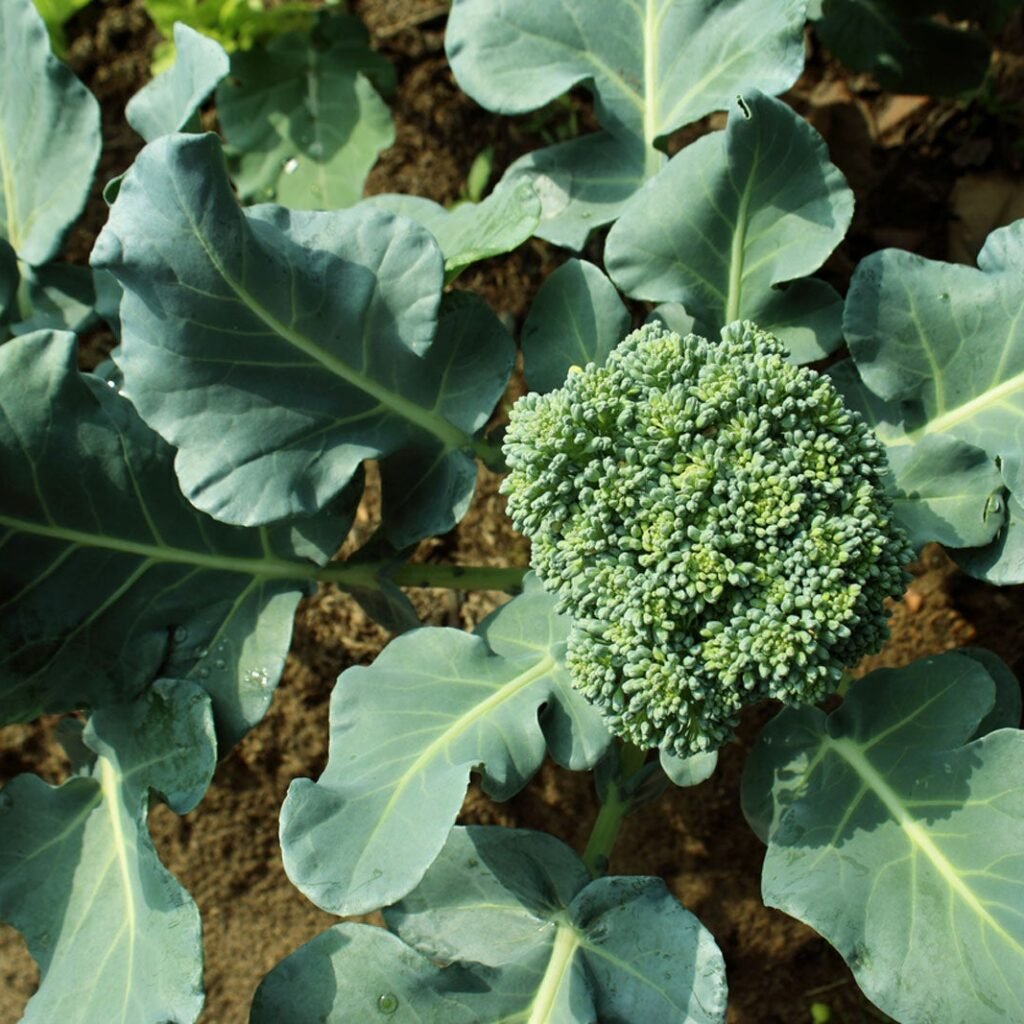
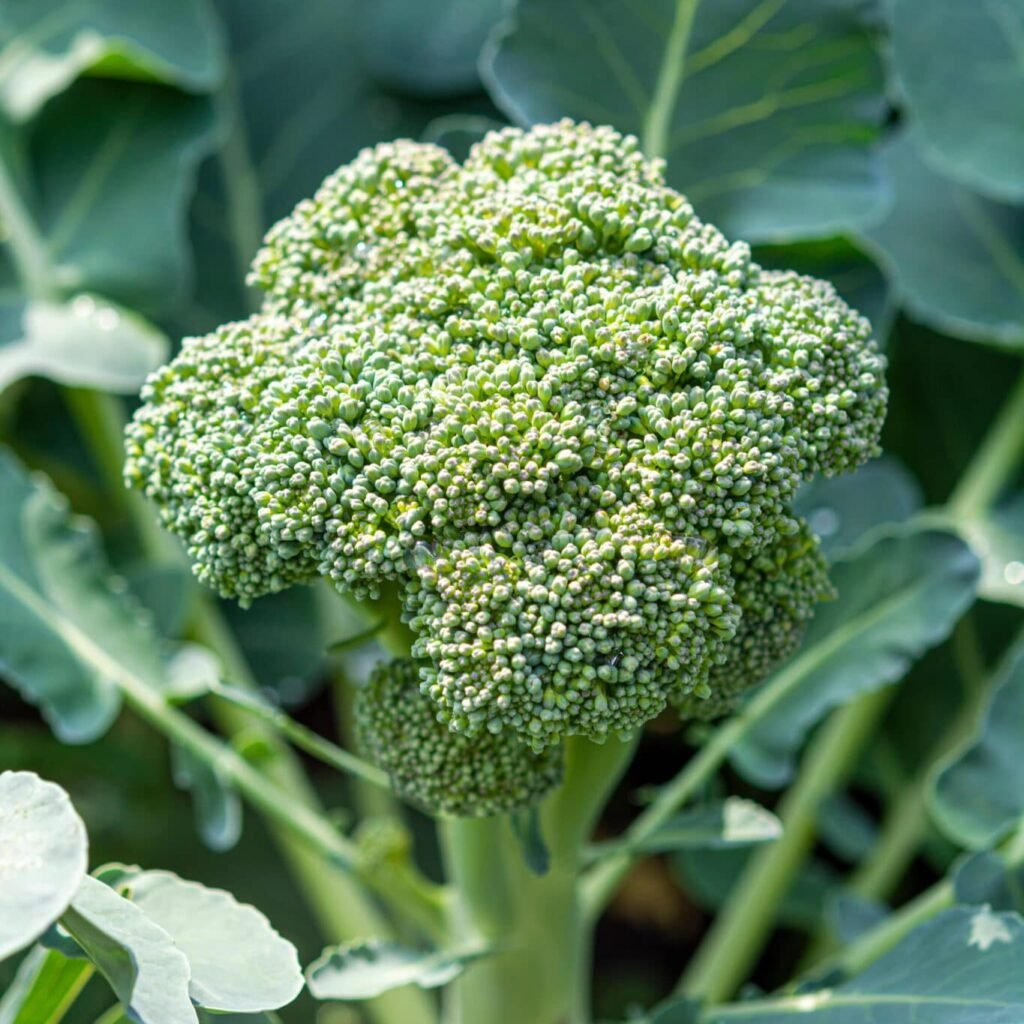
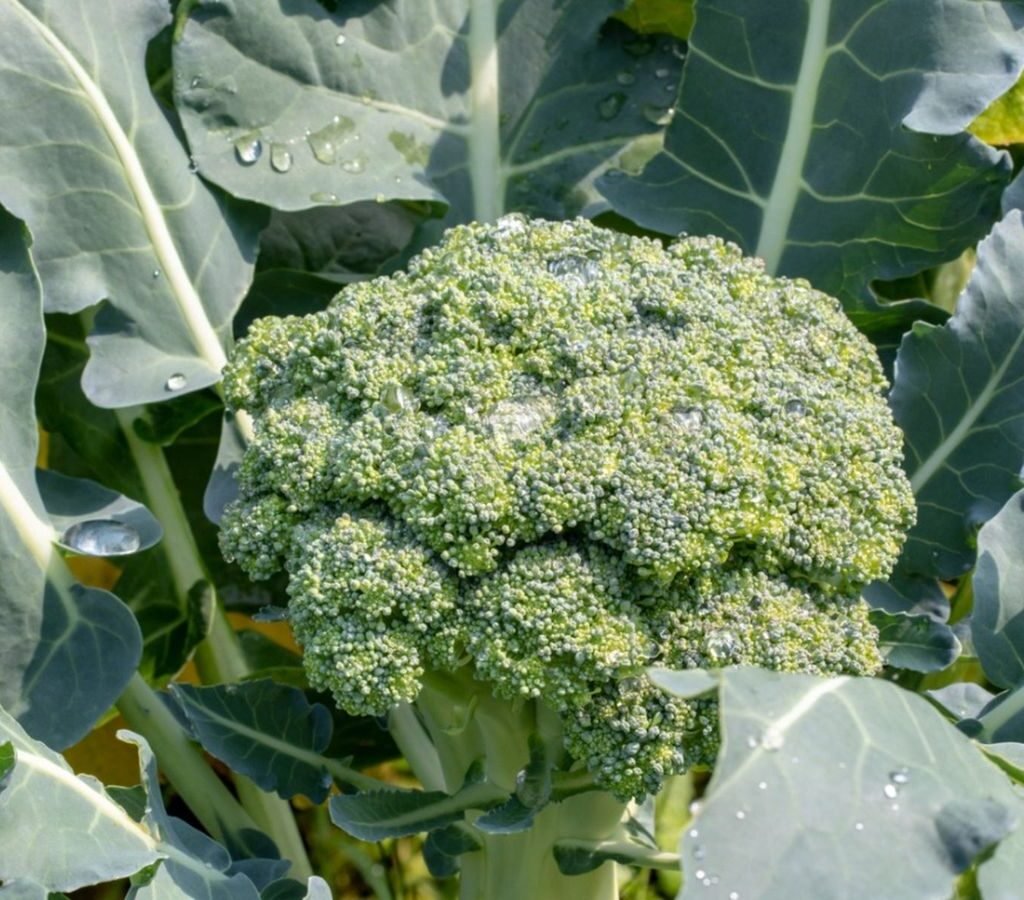
Broccoli America’s Green Powerhouse for Health, Flavor, and Everyday Cooking

Broccoli America’s Green Powerhouse for Health, Flavor, and Everyday Cooking

Broccoli — the humble green vegetable that many of us grew up pushing to the side of our plates — is finally getting the love it deserves. From health-conscious foodies in California to family kitchens in New York, broccoli has become a go-to ingredient for nutritious, flavorful meals.

Packed with vitamins, antioxidants, and fiber, this cruciferous veggie isn’t just a side dish — it’s a nutritional powerhouse that supports immunity, heart health, and even weight management. Whether steamed, roasted, or blended into smoothies, broccoli is proving that healthy eating doesn’t have to be boring.

Let’s dive deep into why broccoli remains one of America’s favorite vegetables, its incredible health benefits, and how you can bring out its best flavor in everyday cooking.


What Makes Broccoli So Special?

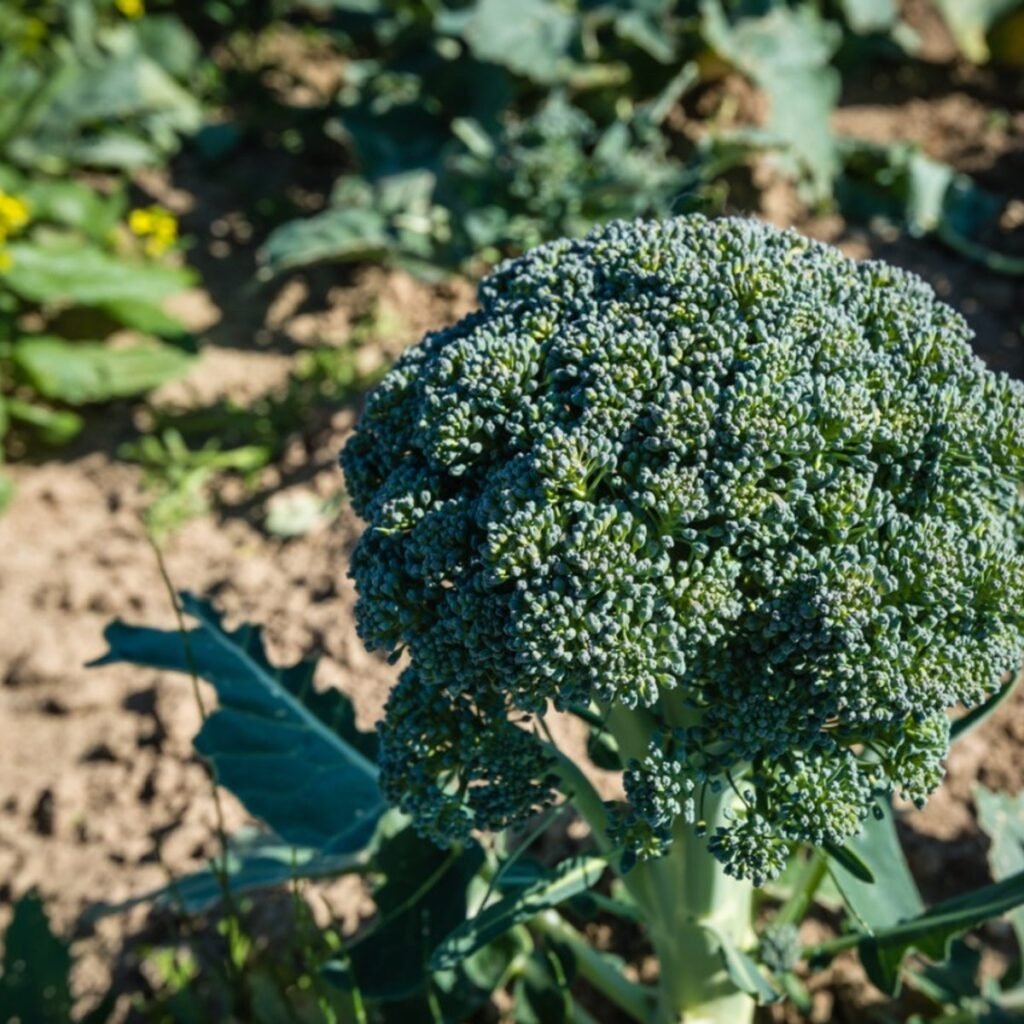
Broccoli (Brassica oleracea) belongs to the cruciferous family, which includes cauliflower, kale, and Brussels sprouts. Native to the Mediterranean region, broccoli has been cultivated for over 2,000 years — but it became a mainstay in American kitchens in the 20th century, thanks to its versatility and nutritional punch.

Its name comes from the Italian word “broccolo,” meaning “the flowering crest of a cabbage.” And indeed, broccoli’s green florets are the plant’s edible flower heads.

Today, the U.S. is one of the largest producers of broccoli, with California leading the way — growing nearly 90% of the nation’s supply.


The Nutritional Profile: Why Broccoli Is a True Superfood

Broccoli is a low-calorie, high-nutrient vegetable that provides a wide range of vitamins, minerals, and antioxidants. Here’s what one cup (91 grams) of raw broccoli offers:

  • Calories: 31
  • Protein: 2.5g
  • Fiber: 2.4g
  • Vitamin C: 135% of the Daily Value (DV)
  • Vitamin K: 116% of the DV
  • Folate: 14% of the DV
  • Potassium: 8% of the DV
  • Calcium and Iron: small but beneficial amounts

That’s an impressive list for such a simple vegetable — but the real magic lies in broccoli’s unique plant compounds that help fight inflammation and protect against disease.


Top Health Benefits of Broccoli

Broccoli’s benefits go far beyond basic nutrition. It’s considered one of the most science-backed superfoods available, with studies highlighting its role in disease prevention and long-term wellness. Here are the key benefits that make broccoli a standout vegetable:

1. Strengthens the Immune System

Broccoli is loaded with vitamin C, a potent antioxidant that boosts your body’s natural defense system. Just one serving provides more vitamin C than an orange! Regular consumption helps your body ward off colds, infections, and oxidative stress.

2. Supports Heart Health

Thanks to its fiber, potassium, and antioxidants, broccoli helps maintain healthy blood pressure and reduces cholesterol levels. Sulforaphane, a compound found in broccoli, is known to protect blood vessels and reduce inflammation — both essential for a strong heart.

3. Promotes Digestive Health

Broccoli’s high fiber content supports gut health and regular digestion. It acts as a natural prebiotic, nourishing the good bacteria in your digestive system and promoting overall balance.

4. Aids in Weight Management

Low in calories and high in fiber, broccoli helps you feel full longer — a win for anyone trying to maintain or lose weight. Plus, it’s nutrient-dense, meaning you get maximum nutrition with minimal calories.

5. Supports Bone Health

With vitamin K, calcium, and magnesium, broccoli plays a key role in maintaining strong bones and preventing osteoporosis — especially important for aging adults.

6. Helps Detoxify the Body

Compounds in broccoli such as glucoraphanin and sulforaphane support the liver’s detoxification process, helping your body eliminate toxins more efficiently.

7. May Help Reduce the Risk of Cancer

Cruciferous vegetables like broccoli contain bioactive compounds that may reduce cell damage and slow the growth of certain cancer cells. Studies have linked broccoli consumption to lower risks of colon, breast, and prostate cancers.


How to Cook Broccoli the Right Way

Broccoli is one of the most versatile vegetables in the kitchen — but how you cook it can make or break both its flavor and nutritional value. The key is to avoid overcooking, which can dull its color, flavor, and health benefits.

Here are some delicious, nutrient-friendly ways to enjoy broccoli:

1. Steamed Broccoli

Quick and healthy, steaming preserves most of broccoli’s vitamins. Steam florets for about 5 minutes until bright green and tender-crisp. Drizzle with olive oil, lemon juice, and sea salt for a simple, nutritious side dish.

2. Roasted Broccoli

Toss broccoli florets with olive oil, garlic, and pepper, then roast at 425°F for 20 minutes. The high heat caramelizes the edges, giving you crispy, flavorful bites that even kids will love.

3. Broccoli Stir-Fry

Sauté broccoli with bell peppers, carrots, and tofu or chicken for a quick, colorful stir-fry. Add a splash of soy sauce and sesame oil for an Asian-inspired meal that’s both healthy and satisfying.

4. Broccoli Soup

Blend steamed broccoli with vegetable broth, onions, and a touch of cream or coconut milk to create a comforting broccoli soup perfect for cold evenings.

5. Broccoli Smoothie

Yes, really! Combine raw broccoli florets with banana, spinach, and pineapple in a smoothie for a nutrient-packed morning boost that tastes surprisingly good.

6. Grilled Broccoli

Brush broccoli stems and florets with olive oil and grill for 5–6 minutes until lightly charred. It adds a smoky depth of flavor that’s perfect for summer cookouts.


Fun and Creative Broccoli Recipe Ideas

  1. Cheesy Broccoli Casserole: Mix broccoli with cheddar cheese, breadcrumbs, and a creamy sauce for a comforting family favorite.
  2. Broccoli and Quinoa Salad: Combine steamed broccoli, cooked quinoa, cranberries, and a lemon vinaigrette for a fresh, protein-packed lunch.
  3. Garlic Parmesan Broccoli Bites: Bake small broccoli florets with garlic, Parmesan, and panko breadcrumbs for a crispy, snackable treat.
  4. Broccoli Mac and Cheese: A fun twist on a classic American dish — the broccoli adds texture, nutrients, and color to your creamy pasta.

How to Buy and Store Fresh Broccoli

When shopping for broccoli, look for firm, dark-green florets with compact heads. The stems should be firm and moist, not dry or woody. Avoid broccoli that’s yellowing or has limp stems.

Storage tips:

  • Keep broccoli in a refrigerator crisper drawer in an open plastic bag.
  • Don’t wash it until you’re ready to cook — moisture can cause spoilage.
  • It typically lasts up to 5 days when stored properly.
  • To extend shelf life, blanch and freeze broccoli florets for future use.

Broccoli Varieties in America

While the standard green broccoli is the most common, there are several exciting varieties grown across the U.S.:

  • Calabrese Broccoli: The classic American supermarket variety — crisp, mild, and perfect for everyday cooking.
  • Broccolini: A hybrid between broccoli and Chinese kale — tender stems and sweeter flavor, great for stir-fries.
  • Purple Broccoli: Rich in antioxidants and slightly peppery — adds a pop of color to your plate.
  • Sprouting Broccoli: Grown for its small florets and tender stalks, often used in gourmet dishes.

Broccoli in the American Lifestyle

Broccoli has gone from a side dish to a symbol of healthy living in American cuisine. From keto dieters and vegans to busy parents seeking nutritious meals, broccoli fits every lifestyle.

Restaurants across the U.S. are embracing it in grain bowls, roasted veggie platters, and green smoothies, proving that this once-overlooked vegetable can be both trendy and delicious.

In an age where Americans are looking for wholesome, plant-based ingredients, broccoli shines as an accessible, affordable, and nutrient-rich choice for everyone.


Conclusion: The Green Hero You Can Count On

From its impressive health benefits to its endless culinary possibilities, broccoli truly is America’s green hero. Whether you’re roasting it with garlic, adding it to your pasta, or sipping it in a smoothie, this superfood brings both flavor and vitality to your table.

So next time you’re planning dinner, skip the processed sides and reach for something fresh, green, and full of life — the one and only broccoli, nature’s delicious gift for better health and happier meals.

Morel Mushrooms America’s Wild Gourmet Treasure You Need to Try

Morel Mushrooms America’s Wild Gourmet Treasure You Need to Try

Few foods spark as much excitement among chefs, foodies, and foragers as the morel mushroom. With its honeycomb-like texture, rich earthy flavor, and short spring season, the morel is one of America’s most sought-after wild mushrooms.

These prized fungi grow naturally in forests and meadows across the United States, emerging briefly each spring after the first warm rains. Their short growing window and unique taste have made them a culinary delicacy — often fetching prices upwards of $40 per pound in gourmet markets.

Whether you’re a passionate mushroom hunter or a home cook searching for new flavors, the morel mushroom offers a perfect blend of adventure, nutrition, and culinary delight. Let’s explore what makes this wild mushroom a national obsession.


What Are Morel Mushrooms?

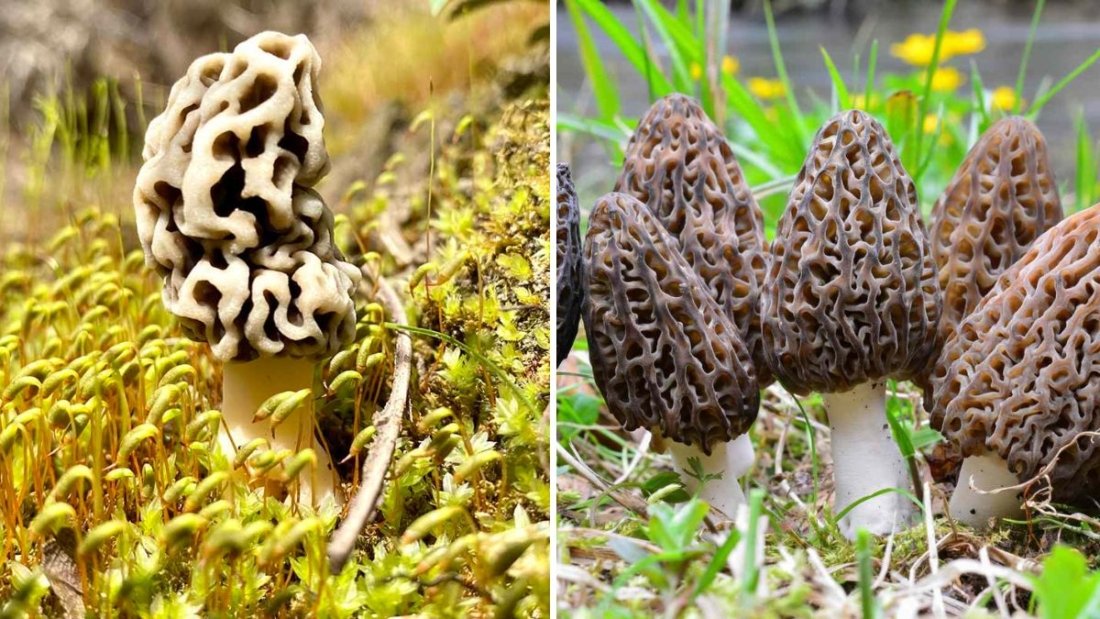
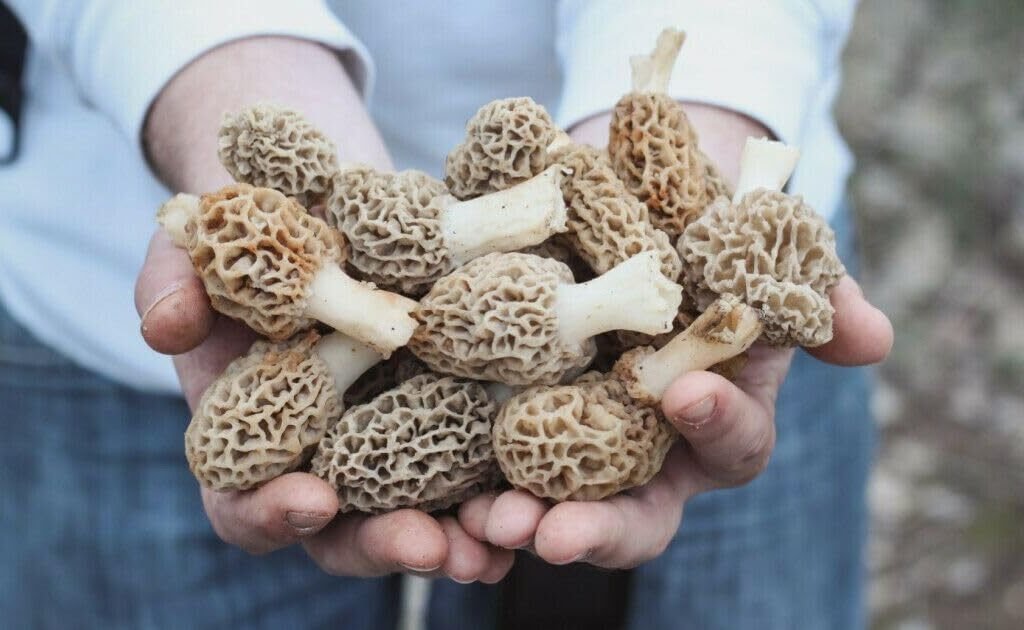
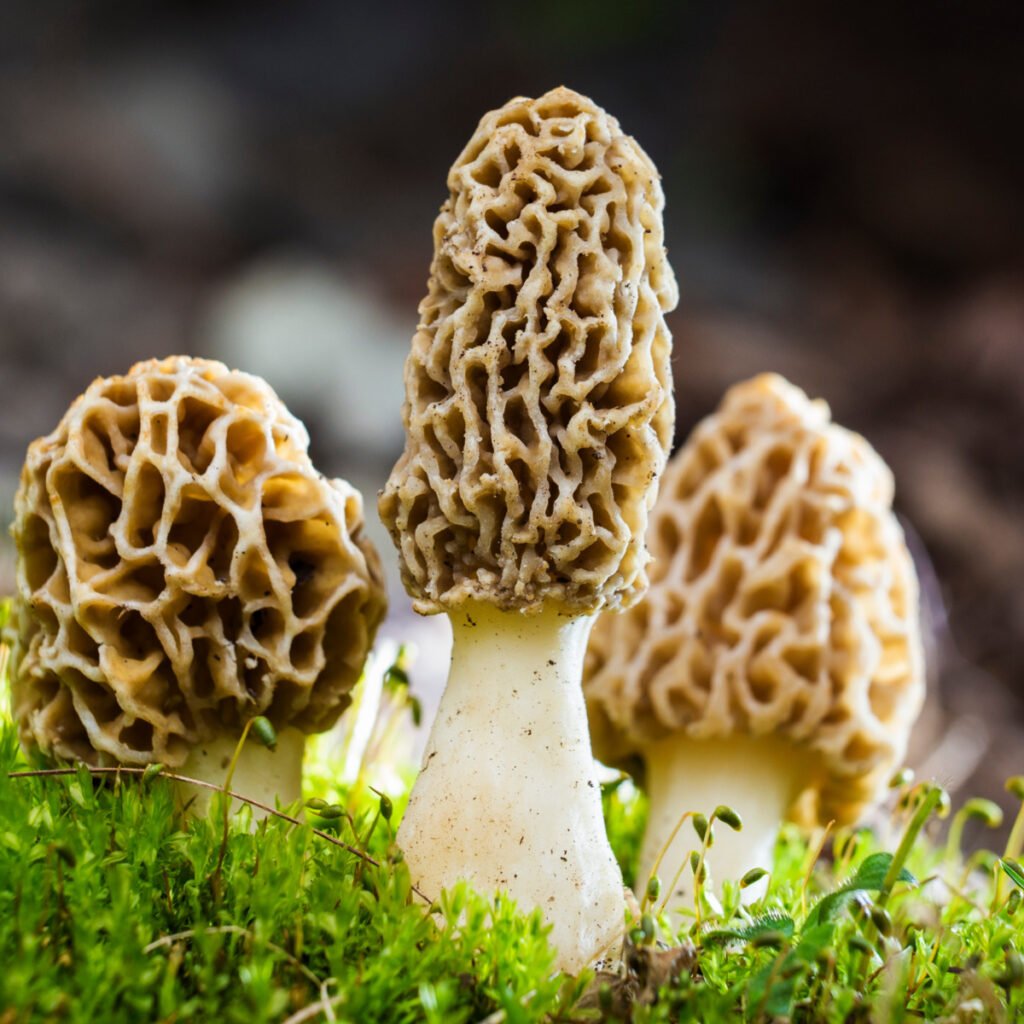
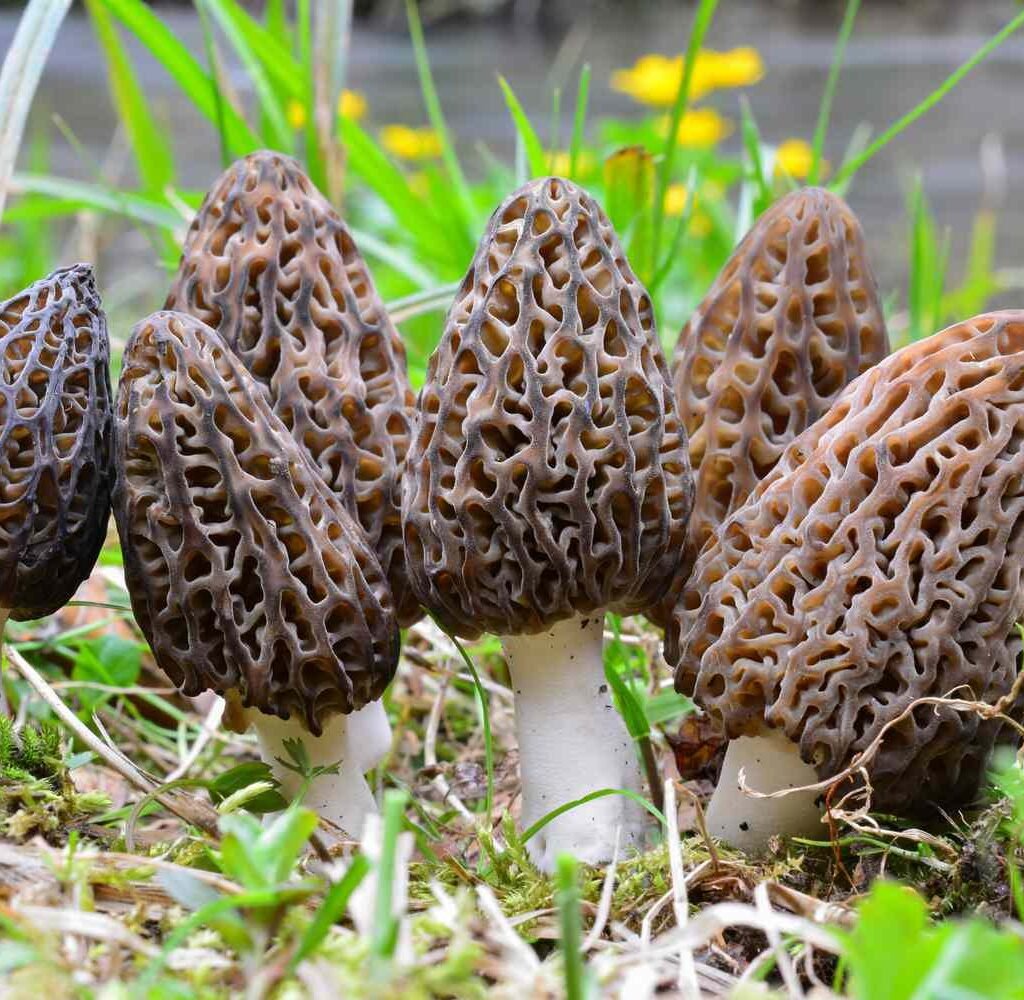
Morel mushrooms (Morchella spp.) are a type of wild, edible fungus found in North America, Europe, and parts of Asia. They are instantly recognizable for their cone-shaped, honeycomb exterior — a latticework of ridges and pits that set them apart from any other mushroom.

Morels come in various shades — from golden tan to dark brown — and can grow up to six inches tall. They’re hollow inside, which helps them cook quickly and absorb flavors beautifully.

In the U.S., morels grow naturally in forested regions — especially around the Midwest, Pacific Northwest, and Appalachian areas. States like Michigan, Oregon, Montana, and Minnesota are famous for their abundant morel harvests.

Because they’re notoriously hard to farm, most morels sold in America are wild-harvested — making them both rare and valuable.


The Culinary Appeal of Morel Mushrooms

Ask any chef in New York, Chicago, or San Francisco, and they’ll tell you: the flavor of morel mushrooms is unmatched. Their rich, nutty, and meaty taste adds an earthy depth that few other ingredients can match.

When cooked, morels deliver an umami punch with subtle smoky and buttery notes, making them a perfect companion to steak, pasta, cream sauces, and even eggs.

Here are a few ways morel mushrooms are used in American kitchens:

1. Sautéed Morels in Butter

A timeless favorite — simply sauté morels in butter, garlic, and shallots until golden. The result? A tender, aromatic side dish perfect for pairing with steak, chicken, or fish.

2. Creamy Morel Mushroom Pasta

Toss cooked morels with heavy cream, white wine, and Parmesan for an indulgent pasta that feels straight out of a fine-dining restaurant.

3. Stuffed Morels

Larger morels can be filled with cheese, breadcrumbs, and herbs, then baked or grilled — a gourmet appetizer that’s always a showstopper.

4. Morel Risotto

Add chopped morels to creamy Arborio rice for a rustic yet luxurious risotto that captures spring’s earthy essence.

5. Morel Sauce

Blend sautéed morels with butter, cream, and chicken stock for a rich, velvety sauce to drizzle over meats, mashed potatoes, or grilled vegetables.


Health Benefits of Morel Mushrooms

Beyond their culinary appeal, morel mushrooms pack impressive nutritional benefits. As a natural, plant-based food source, they’re rich in essential nutrients that support overall health and wellness.

1. Rich in Vitamins and Minerals

Morel mushrooms are an excellent source of:

  • Vitamin D – supports immune and bone health
  • Iron – boosts energy and red blood cell production
  • Copper and Phosphorus – essential for heart and nerve function
  • Zinc – important for immunity and wound healing

They’re also high in antioxidants, which help reduce inflammation and protect the body against oxidative stress.

2. Low in Calories, High in Fiber

A 100-gram serving of morels contains only about 30 calories, yet offers a good amount of dietary fiber — making them ideal for weight-conscious eaters.

3. Supports Immune Health

Thanks to their combination of vitamin D and antioxidants, morels can help strengthen the immune system, especially during seasonal changes.

4. May Aid in Metabolism

Morels are rich in B vitamins like niacin and riboflavin, which help convert food into energy and support healthy brain function.


Foraging for Morel Mushrooms in America

For many Americans, hunting for morel mushrooms is not just a hobby — it’s a springtime ritual. Every year, as temperatures rise, mushroom hunters head to forests in search of this elusive treasure.

When to Hunt

The morel season typically runs from March through May, depending on the region. They tend to appear after the first warm rain and when soil temperatures reach around 50–60°F.

Where to Look

Morels often grow:

  • Near deciduous trees like elm, ash, oak, or apple
  • Around dead or burned trees (especially after wildfires)
  • In moist, shaded areas such as forest edges or creek beds

Pro tip: Many foragers call this phenomenon the “Morel Magic Zone” — where sunlight, moisture, and decaying organic matter meet.

How to Identify Them Safely

Real morels have a distinct honeycomb cap and a hollow interior from tip to base. Be cautious of false morels, which can be toxic. Always cut them open to check — true morels are completely hollow.

If you’re new to foraging, consider joining a local mycology club or guided foraging tour. These groups can help you safely identify and harvest edible mushrooms in your area.


How to Clean and Store Morel Mushrooms

Because morels grow wild, they often come with a bit of dirt or grit inside their ridges. Here’s how to prepare them:

  • Rinse gently in cold water to remove debris.
  • Soak briefly (no longer than 5 minutes) in salted water to flush out insects.
  • Pat dry thoroughly before cooking.

For storage:

  • Keep fresh morels in a paper bag in the refrigerator for up to 5 days.
  • To preserve longer, dry them using a dehydrator or oven on low heat — they’ll last for months and can be rehydrated in warm water or broth before use.

Where to Buy Morel Mushrooms in the U.S.

If foraging isn’t your thing, don’t worry — you can still enjoy these delicacies. Morel mushrooms are available at:

  • Farmers’ markets during spring (especially in the Midwest and Pacific Northwest)
  • Gourmet grocery stores like Whole Foods or Wegmans
  • Online retailers such as Earthy Delights, Oregon Mushrooms, and Melissa’s Produce

You’ll find them fresh (in season), frozen, or dried — all excellent for cooking.


Sustainability and the Rarity of Morels

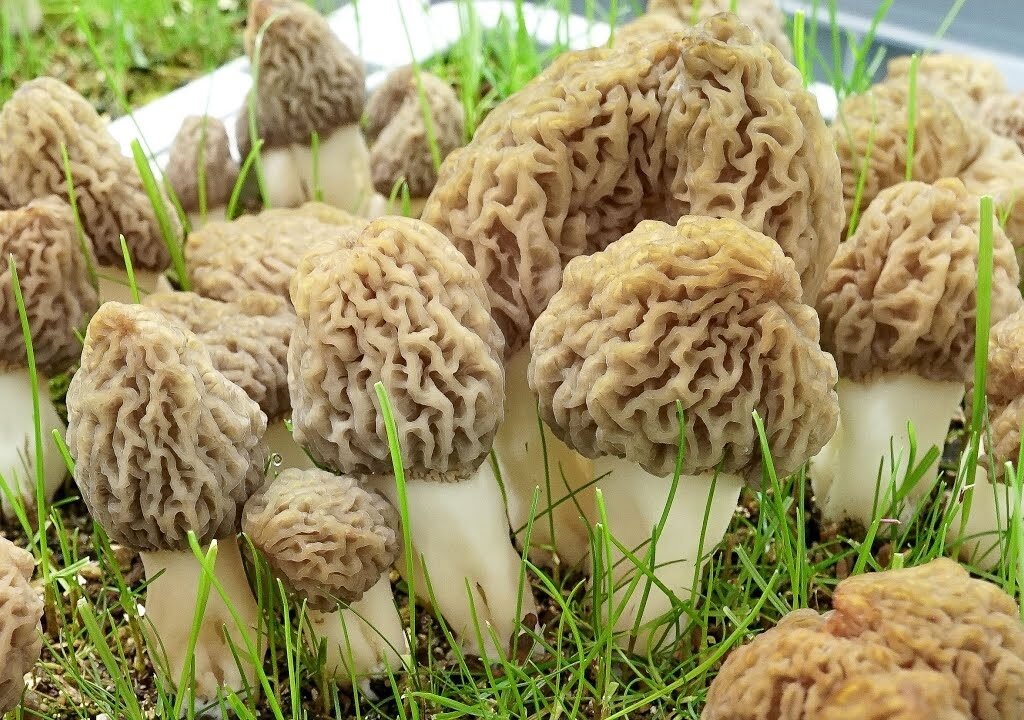
One of the reasons morel mushrooms are so prized is that they’re difficult to cultivate. While some farms have experimented with growing morels indoors, most still come from wild harvesting.

Responsible foraging is crucial — taking only mature mushrooms and leaving smaller ones to propagate helps maintain the population.

Many American foragers also follow the “leave no trace” principle — ensuring the forest remains healthy for future harvests.


Fun Facts About Morel Mushrooms

  1. They’re a Spring Exclusive: Morels appear for only 4–6 weeks each year, making them one of the shortest-season foods in America.
  2. They Can’t Be Grown Easily: Despite decades of research, consistent large-scale cultivation remains a challenge.
  3. They’re a Chef’s Dream: Michelin-starred restaurants use morels in high-end seasonal menus.
  4. They Have Global Appeal: France, Canada, and the U.S. are the biggest consumers of morel mushrooms worldwide.
  5. They’re a Symbol of Luck: Foragers often call their first find of the season a “lucky morel.”

Why Americans Are Falling in Love with Morel Mushrooms

From Michigan’s lush forests to Oregon’s woodlands, morel mushrooms have captured America’s culinary imagination. Their rarity makes them feel luxurious, while their earthy taste satisfies both comfort-food cravings and gourmet ambitions.

As Americans embrace local foods and sustainable eating, wild-foraged ingredients like morels are gaining renewed appreciation. They represent the perfect harmony between nature, flavor, and nutrition — all wrapped in one golden-brown mushroom.


Conclusion: A Spring Treasure Worth the Hunt

The morel mushroom is more than a seasonal delicacy — it’s a symbol of the great outdoors, culinary craftsmanship, and the thrill of discovery. Whether you’re sautéing them in butter, folding them into creamy pasta, or hunting for them in the woods, morels offer a taste of nature’s finest artistry.

So, this spring, treat yourself to the wild side of gourmet dining — and experience why America can’t stop dancing to the flavor of morel mushrooms.


Maitake Mushrooms The Immune-Boosting Superfood Taking Over American Kitchens

Maitake Mushrooms The Immune-Boosting Superfood Taking Over American Kitchens

In recent years, the American wellness scene has been buzzing with talk of “functional mushrooms.” While varieties like shiitake and reishi have long been celebrated, a new star has emerged in both health and culinary circles — the maitake mushroom.

Also known as the “hen of the woods”, this frilly, fan-shaped mushroom is native to Japan and parts of North America. Its name means “dancing mushroom” in Japanese — and legend has it that people once danced with joy upon finding this prized fungus in the wild.

Fast forward to today, and the maitake mushroom has become a staple in everything from superfood powders and immune-boosting teas to gourmet dishes across the United States. With its earthy flavor, meaty texture, and powerful health benefits, it’s no wonder Americans are falling in love with this ancient superfood.


What Are Maitake Mushrooms?

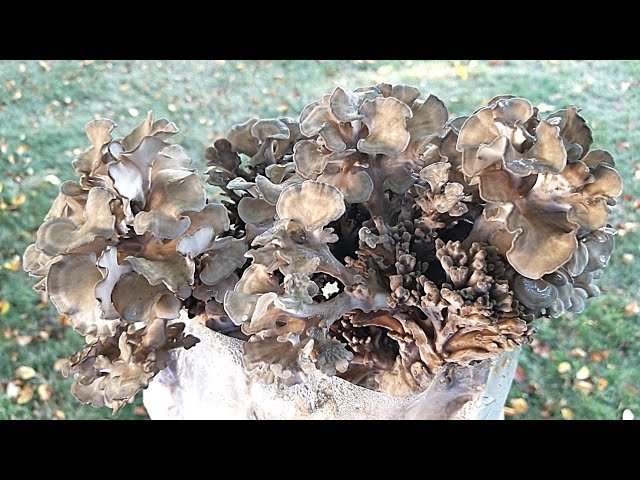
The maitake mushroom (Grifola frondosa) grows in clusters at the base of oak, elm, and maple trees. Its feathery gray-brown caps resemble the plumage of a hen — hence the nickname “hen of the woods.”

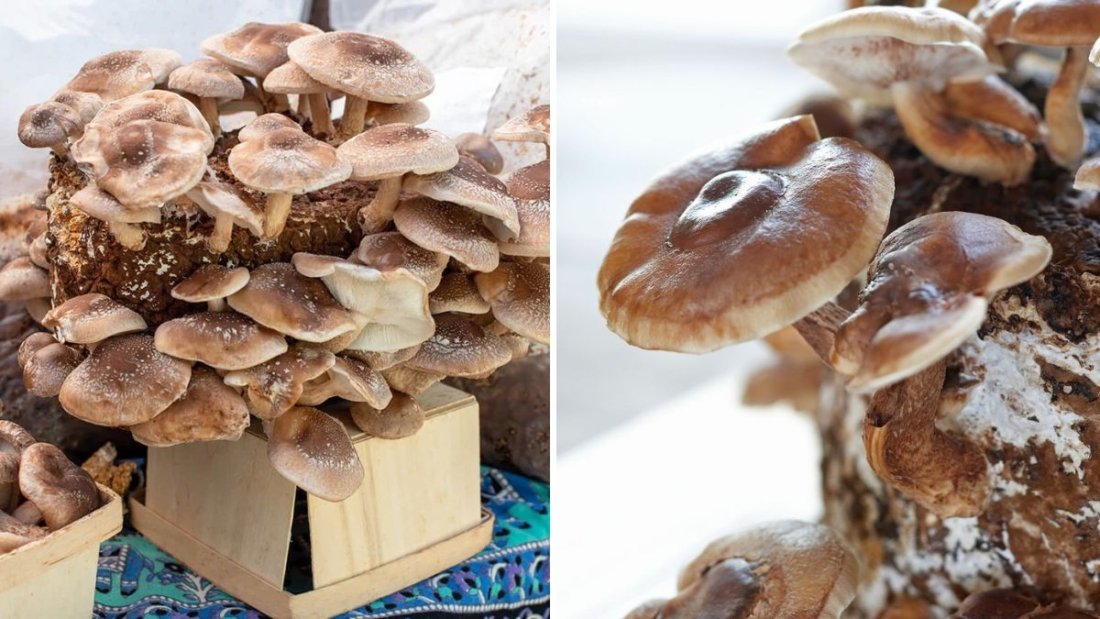
While they’ve been used in Japanese and Chinese medicine for centuries, maitake mushrooms are now cultivated in controlled environments and widely available in U.S. grocery stores, farmers’ markets, and online health shops.

Their taste is rich and earthy with a hint of spice — making them perfect for soups, sautés, and roasted dishes. But what truly sets maitake mushrooms apart is their incredible nutritional and medicinal value.


The Impressive Health Benefits of Maitake Mushrooms

Maitake mushrooms aren’t just flavorful — they’re one of the most potent medicinal mushrooms available. Modern research supports what Eastern medicine has known for centuries: maitake mushrooms can strengthen the immune system, balance blood sugar, and support heart health.

Here’s a closer look at why this superfood is earning its “miracle mushroom” status:

1. Strengthens the Immune System

Maitake mushrooms are rich in beta-glucans, a type of polysaccharide that helps activate immune cells such as macrophages and T-cells. These compounds strengthen the body’s natural defense system, making maitake mushrooms especially beneficial during cold and flu season.

In fact, studies suggest that maitake extracts may even enhance the effects of vaccines and improve immune response in older adults.

2. Supports Blood Sugar and Insulin Levels

For people monitoring their blood sugar, maitake mushrooms can be a smart dietary choice. Research indicates that certain compounds in maitake help regulate glucose metabolism and improve insulin sensitivity — important factors in managing diabetes and metabolic health.

3. Promotes Heart Health

The beta-glucans and antioxidants found in maitake mushrooms contribute to lower cholesterol levels and better circulation. They help reduce LDL (bad cholesterol) while promoting HDL (good cholesterol), which can reduce the risk of heart disease — a major concern among Americans.

4. May Support Weight Management

Maitake mushrooms are low in calories, fat-free, and packed with fiber, making them ideal for weight-conscious eaters. The fiber content aids digestion, supports gut health, and keeps you feeling full longer, which can naturally curb overeating.

5. Natural Source of Vitamins and Minerals

A serving of maitake mushrooms contains:

  • Vitamin D – crucial for bone and immune health
  • Copper and Potassium – essential for heart and nerve function
  • Antioxidants – that combat oxidative stress and inflammation

Together, these nutrients make maitake mushrooms a powerful ally for overall wellness.


How to Cook with Maitake Mushrooms

Maitake mushrooms are prized for their umami-rich flavor and tender-yet-meaty texture, making them a chef’s favorite ingredient. Whether you’re creating a quick weeknight meal or a festive dinner, maitake mushrooms can elevate your dish instantly.

Here are a few delicious ways to incorporate them into your meals:

1. Sautéed Maitake Mushrooms

A simple and flavorful option — sauté fresh maitake clusters in olive oil or butter, add a dash of garlic and thyme, and finish with a squeeze of lemon. Serve them over pasta, steak, or toasted sourdough for an earthy, gourmet experience.

2. Maitake Mushroom Soup

Simmer maitake mushrooms in vegetable broth with onions, carrots, and herbs to create a rich and comforting soup. Add coconut milk for a creamy vegan twist.

3. Roasted Maitake “Steaks”

Toss maitake clusters with olive oil, salt, and black pepper, then roast at 400°F until golden brown and crispy on the edges. These mushroom steaks make a fantastic plant-based main course or side dish.

4. Add to Stir-Fries and Grain Bowls

Combine maitake with quinoa, brown rice, or noodles for a nutrient-packed, savory meal. Their chewy texture pairs beautifully with other vegetables and tofu.

5. Try in Tacos or Sandwiches

Swap traditional meat fillings with roasted maitake mushrooms for a vegetarian taco bursting with umami flavor. Add avocado, salsa, and lime for a refreshing finish.


How to Buy and Store Maitake Mushrooms

In the U.S., you can find maitake mushrooms fresh, dried, or powdered. Each form has its advantages:

  • Fresh maitake: Available in supermarkets like Whole Foods, Trader Joe’s, and farmers’ markets. Look for firm clusters with a mild, woody aroma.
  • Dried maitake: Sold online or in Asian grocery stores — ideal for soups and broths. Rehydrate before use.
  • Maitake powder or supplements: Popular in the wellness industry for daily immune support. Often added to smoothies or coffee.

Storage tip: Wrap fresh maitake in a paper towel and store in a paper bag in the refrigerator. They’ll stay fresh for about 5–7 days.


Maitake Mushroom Tea and Supplements: A Wellness Trend

Beyond the kitchen, maitake mushrooms are becoming a staple in functional beverages and supplements. Mushroom teas, coffees, and capsules containing maitake extracts are trending across the U.S. wellness market.

Health-conscious Americans are turning to these products for:

  • Daily immune system support
  • Natural energy without caffeine
  • Stress relief and mental clarity

These adaptogenic benefits make maitake a key ingredient in the booming “mushroom wellness” industry — valued at billions globally and growing every year.


Sustainability and the American Maitake Market

As demand rises, U.S.-based farms are now cultivating maitake mushrooms sustainably. Indoor vertical farming and organic growing methods have made it easier to produce year-round without harming forests.

Maitake farming also aligns with the farm-to-table movement — emphasizing local, eco-friendly, and nutritious food production. Many small farms in states like Pennsylvania, California, and Oregon now supply fresh maitake to restaurants and health stores nationwide.


Fun Facts About Maitake Mushrooms

  1. They can grow huge! Wild maitake clusters can weigh up to 50 pounds — making them one of the largest edible mushrooms in nature.
  2. They’re called the “dancing mushroom” because people literally celebrated when finding them centuries ago.
  3. They’ve been used for over 3,000 years in Traditional Chinese Medicine to support longevity and vitality.
  4. Maitake means “dancing” in Japanese, symbolizing joy and abundance.

Why Americans Are Turning to Maitake Mushrooms

The American lifestyle is increasingly focused on natural wellness, clean eating, and plant-based nutrition — and maitake mushrooms fit perfectly into all three.

They provide an easy way to boost immunity, support long-term health, and enjoy gourmet flavors without sacrificing nutrition. From smoothie powders to roasted mains, maitake mushrooms are redefining what it means to eat healthy.

In a time when more people are seeking food that heals, maitake stands out as both a culinary treasure and a holistic remedy — the ultimate blend of flavor and function.


Conclusion: The Future of the Maitake Mushroom in America

The maitake mushroom has officially stepped into the American spotlight — not just as an exotic ingredient but as a daily wellness essential. With its immune-boosting properties, heart-healthy nutrients, and delicious versatility, it’s no surprise this “dancing mushroom” has everyone talking.

Whether you’re brewing maitake tea, adding it to your morning omelet, or tossing it in a salad, this superfood is a small but mighty addition to your plate — and your health.

So the next time you’re shopping for groceries, skip the ordinary and reach for something extraordinary — the mighty maitake mushroom.

Enoki Mushrooms The Crispy, Nutritious Superfood Americans Are Falling in Love With

Enoki Mushrooms The Crispy, Nutritious Superfood Americans Are Falling in Love With

Once a hidden gem in Asian cuisine, the enoki mushroom has quickly made its way into American homes, health cafés, and even high-end restaurants. With its delicate, noodle-like stems and mild flavor, enoki mushrooms are becoming a favorite among chefs and home cooks alike.

These slender white mushrooms, native to East Asia, are now prized not just for their unique texture but also for their incredible nutritional benefits. From boosting immunity to supporting heart health, enoki mushrooms have earned their place in the spotlight as one of the most versatile superfoods of the decade.

Let’s dive into what makes enoki mushrooms so special, how to use them in your cooking, and why health enthusiasts across the U.S. are adding them to their grocery lists.


What Are Enoki Mushrooms?

Enoki mushrooms (Flammulina velutipes), sometimes called golden needle mushrooms, are long, thin, and white with tiny button-like caps. Unlike the earthy portobello or the meaty shiitake, enoki mushrooms are known for their delicate crunch and subtly sweet flavor.

Traditionally, they’ve been used in Japanese, Korean, and Chinese dishes such as soups, hot pots, and noodle bowls. Today, they’re a trendy ingredient in ramen bars, vegan cafés, and fusion restaurants throughout the United States.

These mushrooms grow in clusters on tree stumps or cultivated in dark, humid environments. Interestingly, their white color comes from being grown without sunlight — a process that keeps them pale and tender.


Health Benefits of Enoki Mushrooms

Enoki mushrooms are not only delicious but also incredibly nutrient-dense. Packed with fiber, antioxidants, and key vitamins, they offer multiple health advantages. Here are some top benefits that make enoki mushrooms a superfood worth adding to your diet:

1. Rich in Nutrients and Low in Calories

A single cup of enoki mushrooms provides essential nutrients such as:

  • Vitamin B3 (Niacin) – helps convert food into energy.
  • Folic Acid – essential for red blood cell production.
  • Dietary Fiber – supports digestion and gut health.
  • Antioxidants – combat oxidative stress and support overall wellness.

With less than 40 calories per serving, they’re an ideal choice for those aiming for a balanced, low-calorie diet.

2. Supports Immune Health

Enoki mushrooms contain polysaccharides, natural compounds known to enhance immune function. These bioactive components help stimulate white blood cells, strengthening your body’s defense system against infections.

3. Promotes Heart and Cholesterol Health

Research suggests that compounds found in enoki mushrooms may reduce LDL (bad) cholesterol while supporting HDL (good) cholesterol levels. Regular consumption could contribute to better cardiovascular health and reduced risk of chronic disease.

4. Natural Source of Antioxidants

The antioxidants in enoki mushrooms, including ergothioneine, help neutralize free radicals and may reduce inflammation — a major factor in aging and disease prevention.

5. May Aid Weight Loss

Because they’re high in fiber and low in fat, enoki mushrooms promote satiety, helping you feel full longer. They make a perfect addition to salads, soups, or stir-fries for anyone following a weight management plan.


How to Cook with Enoki Mushrooms

Enoki mushrooms’ mild flavor makes them incredibly versatile in cooking. Whether you’re a vegan, vegetarian, or meat lover, these mushrooms fit seamlessly into almost any dish.

Here are some delicious and creative ways to use them in your kitchen:

1. Add Them to Soups and Ramen

The most popular way to enjoy enoki mushrooms is in a steaming bowl of ramen or miso soup. Simply trim the root ends, separate the clusters, and add them during the last few minutes of cooking. They’ll retain their crisp texture while absorbing the broth’s rich flavor.

2. Stir-Fry for a Quick Meal

Toss enoki mushrooms with garlic, soy sauce, and sesame oil for a quick, five-minute stir-fry. Pair them with bell peppers, carrots, or tofu for a light yet satisfying weeknight meal.

3. Grill or Bake for a Crispy Snack

For a unique twist, brush enoki clusters with olive oil and bake until golden. These crispy enoki mushroom “fries” are a healthy alternative to chips and make an excellent appetizer for game nights or parties.

4. Wrap in Bacon or Tofu

At many Asian-American restaurants, you’ll find bacon-wrapped enoki mushrooms — a perfect fusion of smoky and delicate textures. For a vegetarian version, try wrapping them in thin tofu sheets or rice paper.

5. Toss into Salads

Add fresh or lightly blanched enoki mushrooms to your green salads for an extra crunch. They pair beautifully with spinach, cucumbers, and sesame dressing.


How to Store and Prepare Enoki Mushrooms

To make the most of enoki mushrooms’ delicate nature, proper handling is key:

  • Storage: Keep them refrigerated in their original packaging or in a paper bag for up to five days. Avoid moisture buildup, as it can cause them to spoil quickly.
  • Cleaning: Gently wipe them with a damp cloth or rinse lightly under cold water right before use.
  • Preparation: Trim the root base — it’s usually tough — and separate the stems before adding them to your recipe.

Pro Tip: Enoki mushrooms cook quickly. Add them at the end of your recipe to preserve their signature crisp texture.


Where to Buy Enoki Mushrooms in the U.S.

Enoki mushrooms are now widely available in the United States. You can find them in:

  • Asian grocery stores (like H Mart or 99 Ranch Market)
  • Health food stores such as Whole Foods Market or Sprouts Farmers Market
  • Online marketplaces including Amazon Fresh and Misfits Market

When shopping, look for firm, white stems and fresh, tightly closed caps. Avoid any that appear slimy or discolored.


Sustainability and Farming of Enoki Mushrooms

The growing popularity of enoki mushrooms has also sparked interest in sustainable farming practices. They can be cultivated indoors year-round, requiring minimal space and resources. Many American mushroom farms are now adopting eco-friendly cultivation systems that use organic substrates and renewable energy.

Home gardeners, too, can grow enoki mushrooms using ready-made grow kits available online. These kits make it easy to enjoy fresh mushrooms without chemical additives.


Fun Facts About Enoki Mushrooms

  1. Long Shelf Life: When stored properly, enoki mushrooms can stay fresh longer than many other varieties.
  2. Cultural Symbol: In Japan, enoki symbolizes longevity and prosperity, often featured in New Year’s dishes.
  3. Natural Source of Protein: Though small, these mushrooms pack a protein punch — making them great for vegetarians.
  4. Temperature Sensitive: Their long, thin stems develop best in cold, dark conditions — that’s why they’re also called “winter mushrooms.”

Why Americans Are Loving Enoki Mushrooms

From California’s health-conscious eateries to New York’s gourmet restaurants, enoki mushrooms are making a statement. Their adaptability in fusion cuisine — from tacos to pasta — has helped them transition from an exotic ingredient to a mainstream favorite.

Moreover, as Americans embrace more plant-based and functional foods, enoki mushrooms perfectly align with current wellness trends. Their low-calorie, high-nutrient profile appeals to those looking for natural ways to eat clean and feel energized.


Conclusion: Add Enoki Mushrooms to Your Plate

The enoki mushroom is more than just a trendy ingredient — it’s a nutrient powerhouse with culinary versatility and a light, crisp texture that enhances almost any dish.

Whether you’re making a comforting bowl of ramen, a healthy stir-fry, or a creative salad, enoki mushrooms bring flavor, nutrition, and elegance to your table.

So next time you’re grocery shopping, don’t skip the produce aisle — grab a pack of enoki mushrooms and give your meals a delicious, health-boosting upgrade.