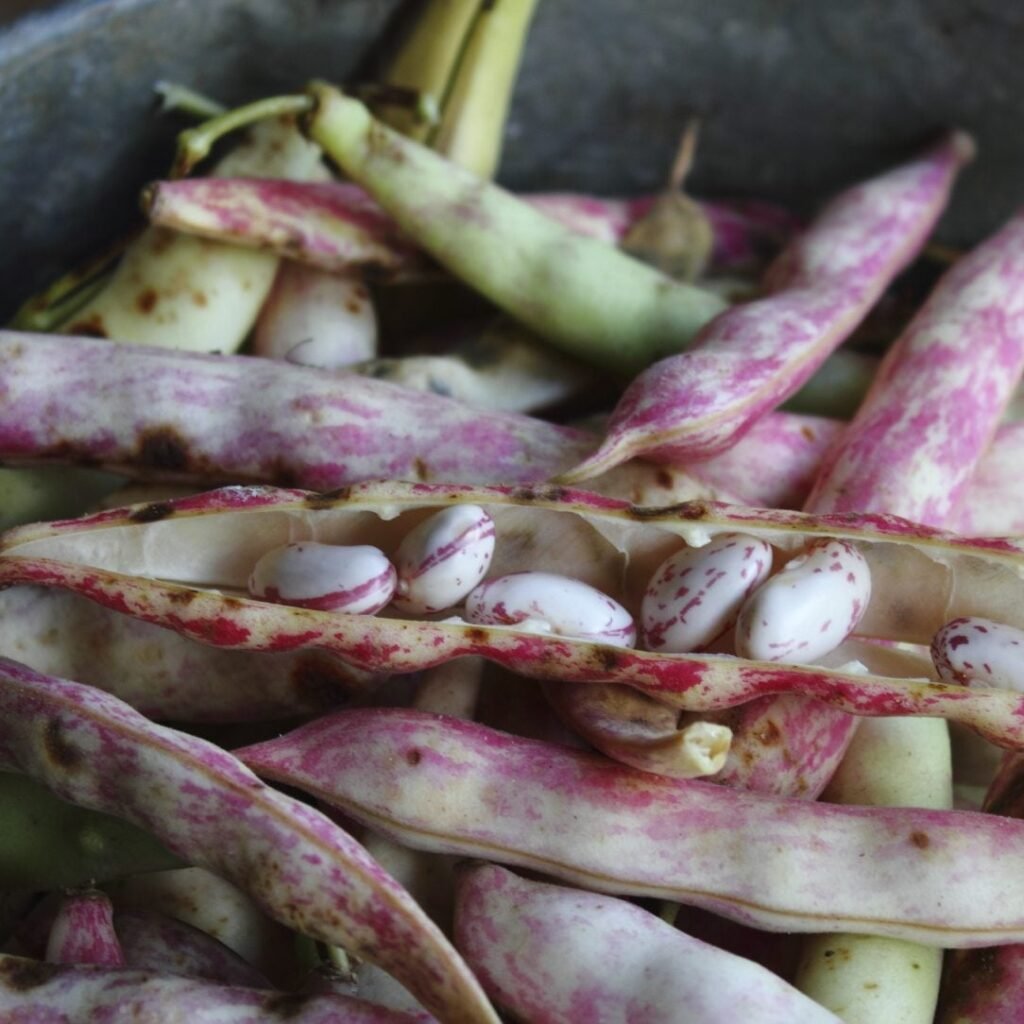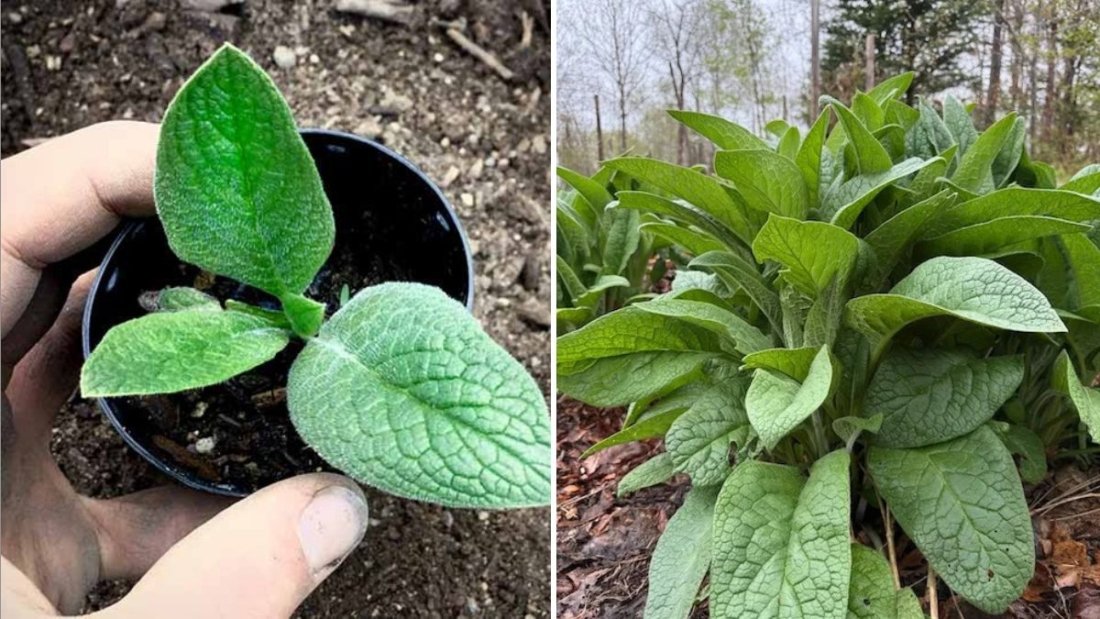
Comfrey The Miracle Herb Every American Gardener Should Know About

Comfrey The Miracle Herb Every American Gardener Should Know About

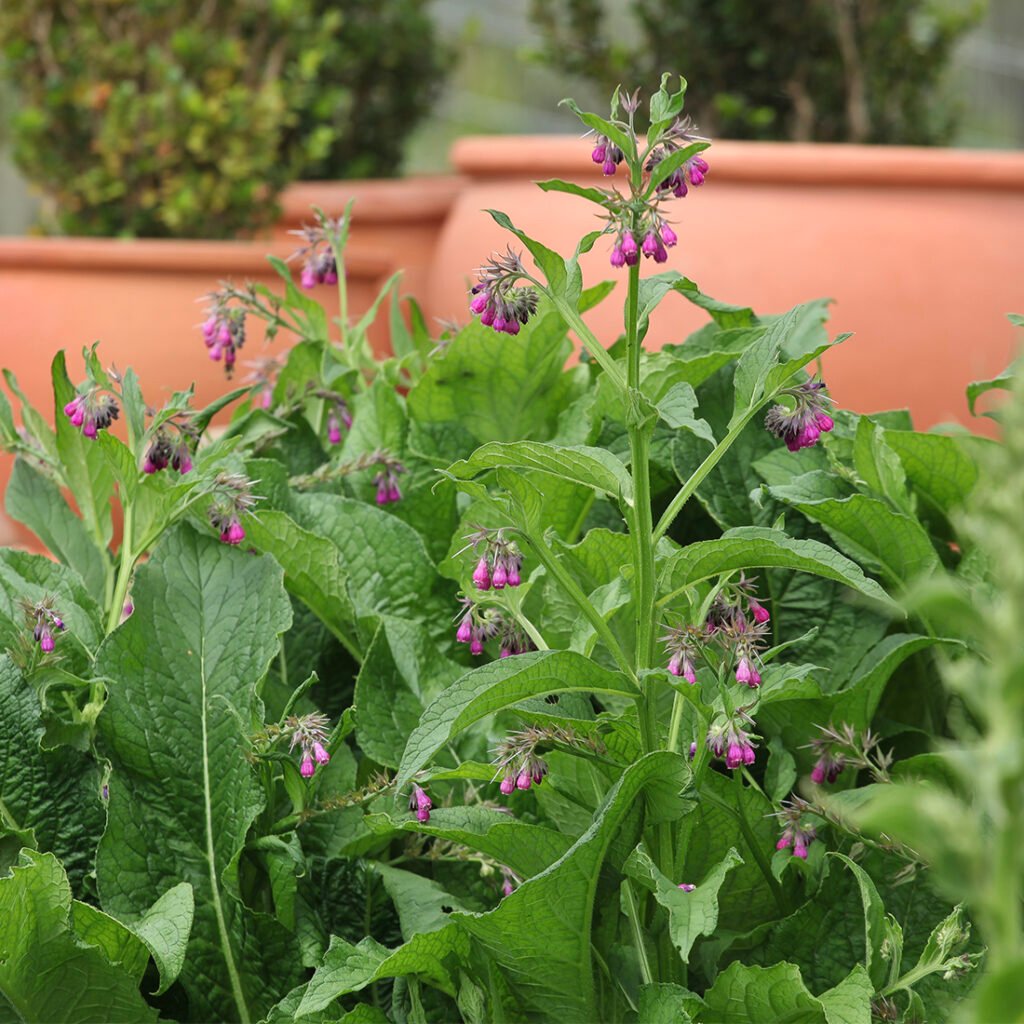
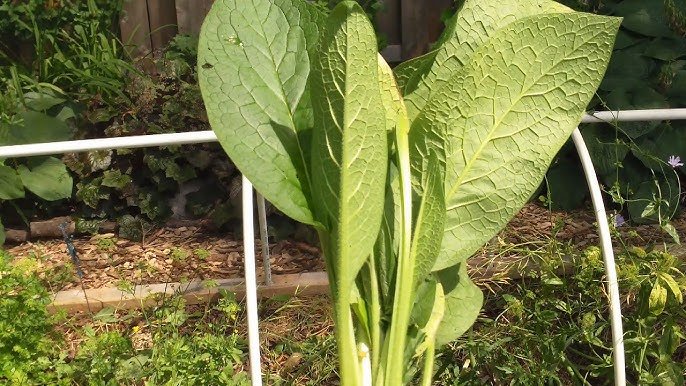
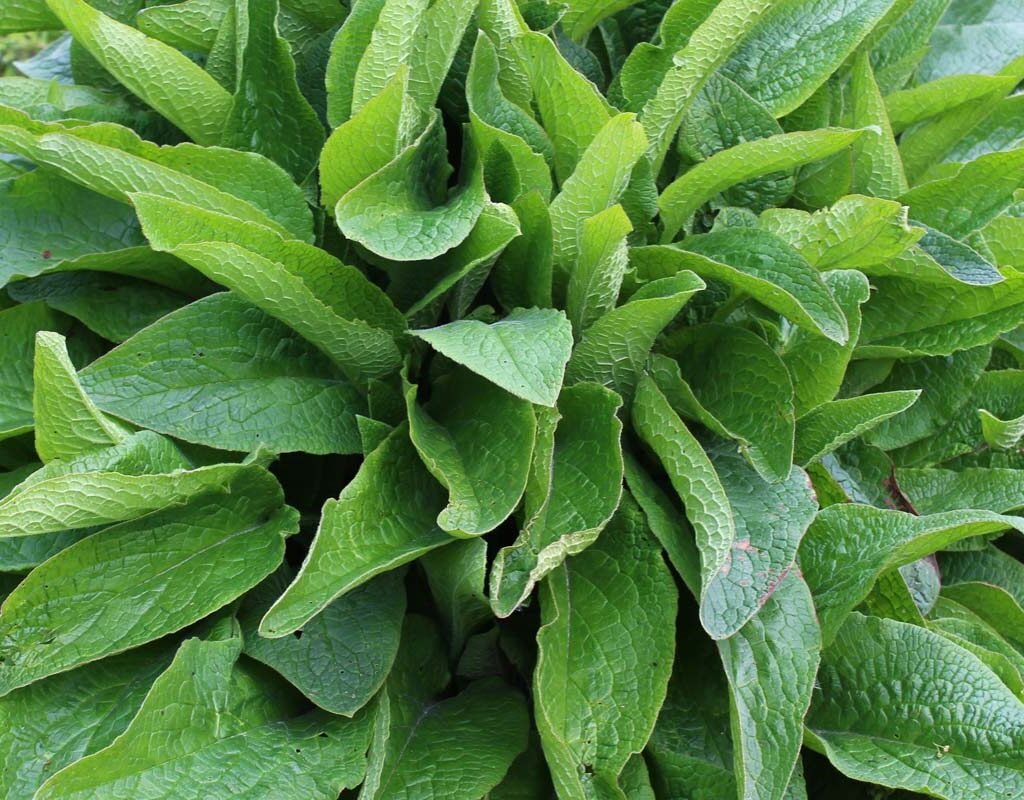
In a time when Americans are turning back to nature for wellness and sustainability, few herbs capture that spirit better than comfrey. Known for centuries as “knitbone” due to its powerful healing properties, comfrey has been a beloved plant in both herbal medicine and organic gardening. Its large, deep-green leaves and purple bell-shaped flowers not only beautify the garden but also serve countless practical purposes — from making natural fertilizers to soothing skin and joint issues.

If you’re passionate about organic gardening, homesteading, or natural wellness, comfrey deserves a place in your backyard. This detailed guide explores everything you need to know about this remarkable plant — from its history and benefits to how to grow and use it effectively in your American garden.


What Is Comfrey? A Powerhouse Herb with Ancient Roots
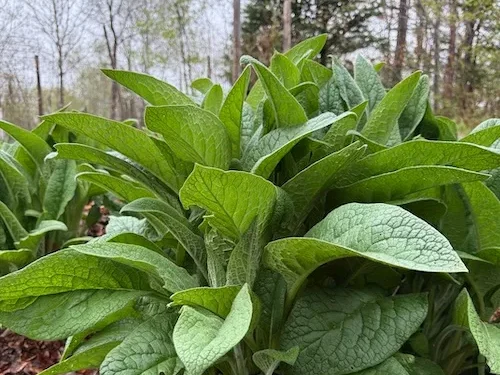
Comfrey (Symphytum officinale) is a perennial herb native to Europe and Asia, now widely naturalized across the United States. It belongs to the borage family (Boraginaceae) and thrives in a variety of American climates, from the cool Pacific Northwest to the humid Southeast.

Its name, derived from the Latin confera (meaning “to grow together”), hints at its traditional use — healing broken bones, bruises, and wounds. Historical records show comfrey being used by Roman soldiers, European monks, and Native American healers for centuries.

Today, comfrey’s reputation has expanded beyond medicine. Gardeners across the U.S. prize it as a “green gold” plant for its remarkable ability to improve soil fertility and compost quality.


The Healing Power of Comfrey: Traditional and Modern Uses

Comfrey’s nickname, “knitbone,” isn’t just folklore. Its leaves and roots contain allantoin, a natural compound that promotes cell regeneration and tissue repair. Here’s a look at its most well-known traditional uses — and how Americans still use it today:

1. Natural Wound and Skin Healer

Comfrey salves and poultices have long been used to speed up the healing of bruises, sprains, and minor wounds. Allantoin helps new skin cells grow, while rosmarinic acid reduces inflammation.

Modern herbalists often recommend comfrey-infused oils or creams for:

  • Bruises and sprains
  • Minor burns and insect bites
  • Eczema, psoriasis, or dry skin
  • Muscle soreness and joint pain

(Note: Comfrey should not be used on deep wounds or taken internally unless under professional guidance.)

2. Relief for Joint and Bone Pain

Many Americans who suffer from arthritis or sports injuries use comfrey creams to ease pain naturally. Its anti-inflammatory and soothing effects make it a popular alternative to synthetic pain balms.

3. Hair and Skin Care

DIY enthusiasts use comfrey in natural beauty recipes — adding it to shampoos, face masks, and toners to hydrate and rejuvenate skin.


Comfrey in the Garden: A Gardener’s Best Friend
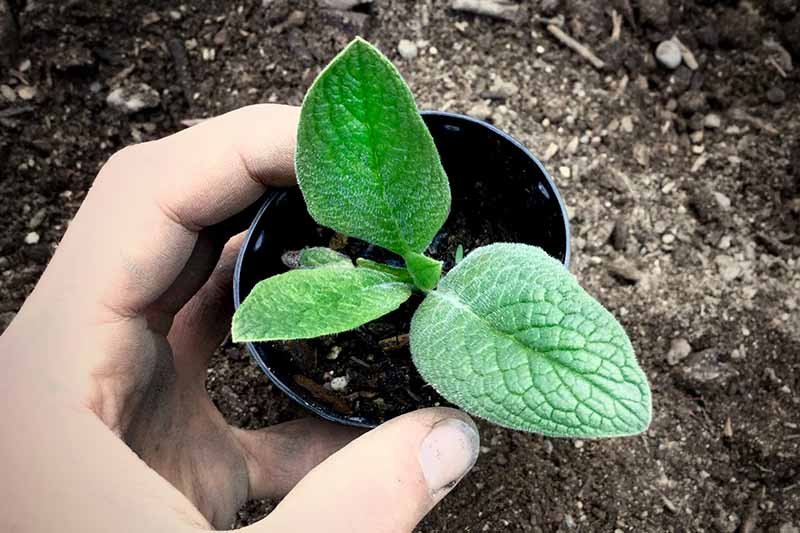
While comfrey has earned its fame in natural medicine, its value in sustainable gardening is just as impressive. American gardeners often call it the “organic fertilizer plant” for a reason — it’s a nutrient powerhouse.

1. Living Compost and Natural Fertilizer

Comfrey’s deep taproots reach far into the soil, drawing up essential minerals like nitrogen, potassium, and calcium. These nutrients concentrate in the leaves, making them perfect for creating a comfrey compost tea — a free, organic fertilizer loved by tomatoes, peppers, and flowering plants.

How to make comfrey tea fertilizer:

  • Fill a bucket halfway with chopped comfrey leaves.
  • Cover with water and let it steep for 2–3 weeks.
  • Strain and dilute 1:10 with water before using.

This dark, nutrient-rich liquid boosts plant growth naturally and reduces the need for chemical fertilizers.

2. Soil Conditioner and Mulch

Comfrey leaves break down quickly, enriching the soil with organic matter. Layer them around plants as green mulch or add them to your compost pile to accelerate decomposition.

3. Companion Plant for Pollinators

Comfrey’s purple bell-shaped flowers bloom from late spring through summer, attracting bees, butterflies, and beneficial insects. This makes it an excellent companion plant in pollinator-friendly gardens.

4. Great for Permaculture Systems

In permaculture and regenerative farming, comfrey is used as a dynamic accumulator — a plant that mines nutrients from deep in the soil and redistributes them to surface layers. It’s often planted near fruit trees and vegetable beds to keep ecosystems self-sustaining.


How to Grow Comfrey in American Climates

Comfrey is a hardy, low-maintenance perennial that can thrive in most U.S. regions with minimal effort. Here’s how to grow it successfully:

1. Best Varieties for U.S. Gardens

  • Common Comfrey (Symphytum officinale): Traditional medicinal type, can self-seed.
  • Russian Comfrey (Symphytum × uplandicum): Popular hybrid that doesn’t spread aggressively.
  • Bocking 14: A sterile, high-yielding variety developed in England — ideal for compost and fertilizer use.

2. Planting Conditions

  • Zones: 4–9
  • Soil: Moist, well-drained soil rich in organic matter.
  • Sunlight: Full sun to partial shade.

Plant comfrey from root cuttings or crowns in early spring or fall. Space plants about 2–3 feet apart — they grow large and lush once established.

3. Watering and Maintenance

Comfrey loves moisture but dislikes standing water. Once established, it’s drought-tolerant and pest-resistant. Cut back leaves several times per season for use in compost or mulch — they’ll regrow quickly.

Pro Tip: Because comfrey’s roots grow so deep, it’s best to plant it where you want it to stay. Removing it later can be difficult.

4. Harvesting Comfrey Leaves

You can harvest comfrey leaves 3–5 times per year during the growing season. Cut leaves when they’re young and vibrant, ideally before flowering, for maximum nutrient content. Dry them in a warm, airy space for later use in salves, teas (external), or compost.


DIY Comfrey Uses at Home
Comfrey’s versatility extends far beyond the garden. Here are some American homestead favorites for putting this herb to work:

1. Comfrey Healing Salve

  • Infuse dried comfrey leaves in olive oil for 2–3 weeks.
  • Strain, then mix with melted beeswax to form a salve.
  • Use topically on sore muscles, bruises, or dry skin.

2. Comfrey Compost Booster

Add chopped comfrey leaves directly to your compost pile to speed up decomposition and boost nutrient content. It’s often called a “compost activator.”

3. Comfrey Poultice for Pain Relief

Mash fresh leaves into a paste and apply (externally) to sprains or muscle aches. Wrap with a clean cloth and leave for several hours.

4. Natural Garden Spray

Steep comfrey leaves with nettles to make a plant-boosting foliar spray that nourishes leaves and improves resistance to pests.


Safety and Caution: Using Comfrey Responsibly
While comfrey is powerful, it must be used wisely. The plant contains pyrrolizidine alkaloids (PAs), compounds that can be toxic to the liver if ingested in large amounts.

Here are key safety tips:

  • Avoid internal use of comfrey unless guided by a qualified herbalist.
  • Use only externally in creams or salves.
  • Choose PA-free extracts for commercial skincare products.

When handled properly, comfrey is perfectly safe for topical and garden use — and remains one of the most valuable plants in the herbal world.


Comfrey in American Sustainable Living

Across the U.S., homesteaders, herbalists, and eco-conscious gardeners are rediscovering comfrey for its multi-purpose benefits. It embodies the American values of self-sufficiency and natural living.

From urban backyard gardeners in Chicago to rural homesteads in Montana, comfrey serves as:

  • A natural fertilizer that replaces chemical feeds
  • A healing herb for external remedies
  • A pollinator plant supporting biodiversity
  • A compost activator for organic soil care

In short, comfrey is a cornerstone of the modern green movement — offering practical, sustainable solutions for health and horticulture alike.


Fun Facts About Comfrey
  • Comfrey has been used for over 2,000 years in European medicine.
  • The plant’s roots can grow up to 10 feet deep, tapping nutrients other plants can’t reach.
  • The famous Bocking 14 variety was developed by organic pioneer Lawrence Hills in England.
  • Comfrey is often called the “miracle herb of permaculture.”
  • Bees adore its flowers — it’s one of the best nectar sources for early-season pollinators.

Conclusion: Comfrey — Nature’s Gift for Health and the Garden

Comfrey truly earns its title as a miracle herb. Whether you’re an American gardener looking to enrich your soil, a homesteader seeking self-reliance, or a wellness enthusiast exploring natural remedies, comfrey offers something special.

With its healing leaves, vibrant blooms, and eco-friendly benefits, comfrey is more than just a plant — it’s a bridge between the garden and natural wellness.

So next spring, make space for comfrey in your garden. You’ll soon see why this humble herb has been cherished for centuries — and why it’s becoming a staple in America’s green revolution.
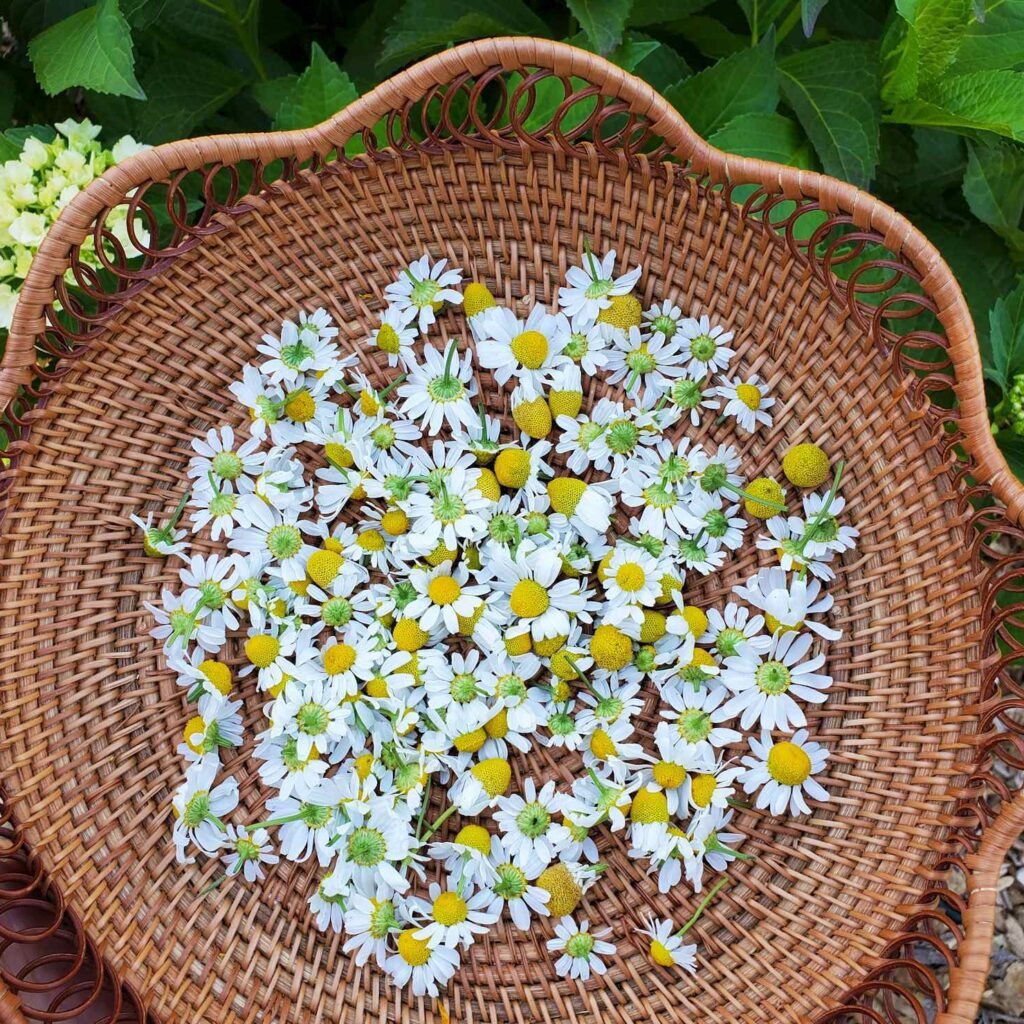
Chamomile The Soothing Herb That’s Calming America, One Cup at a Time

Chamomile The Soothing Herb That’s Calming America, One Cup at a Time

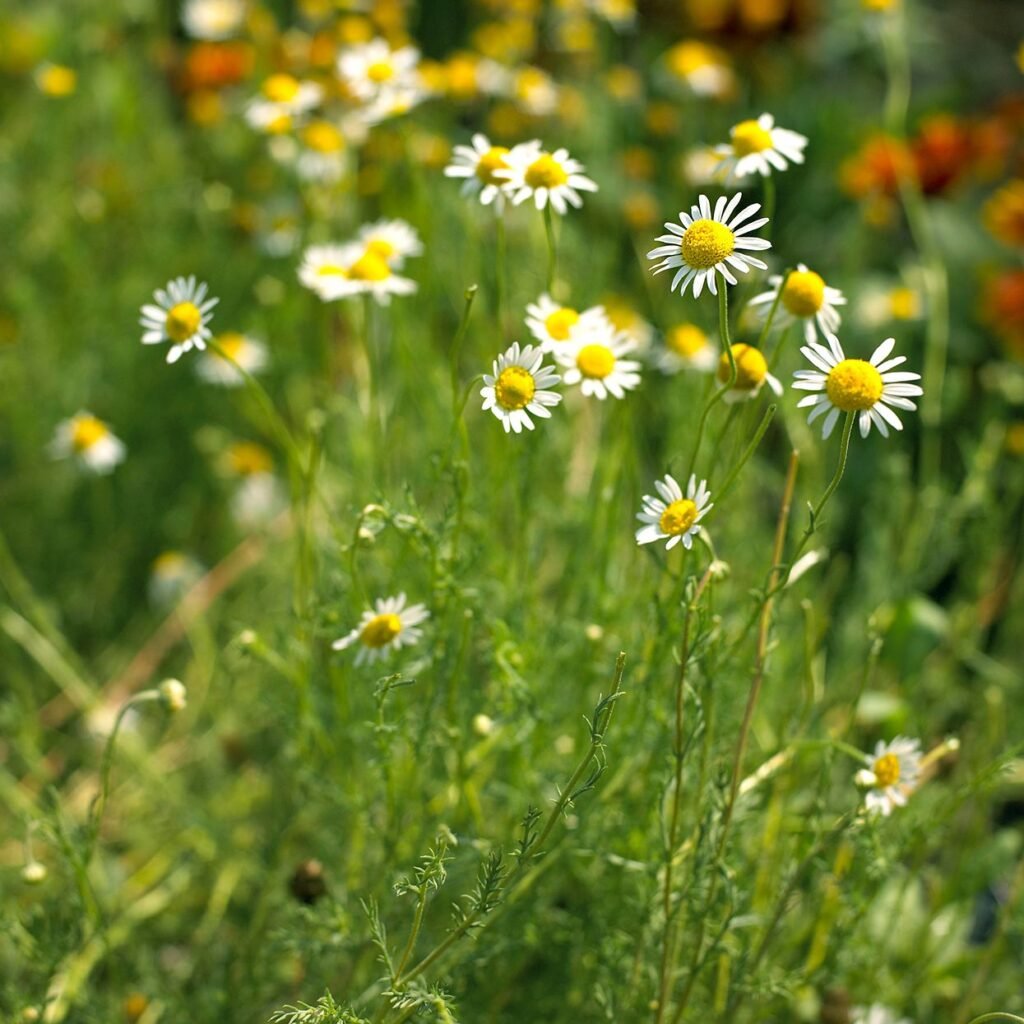
When it comes to relaxation, few herbs have captured the American heart quite like chamomile. Known for its gentle floral aroma and calming powers, chamomile has been a staple in herbal medicine and home remedies for centuries. Whether sipped as a bedtime tea, used in soothing skincare, or grown for its daisy-like blooms, chamomile continues to reign as one of America’s favorite natural remedies.

But chamomile isn’t just about tea—it’s an herb with deep roots in both wellness and gardening culture. It offers health benefits backed by science, attracts pollinators to your garden, and adds timeless charm to any landscape. In this comprehensive guide, we’ll explore everything you need to know about chamomile—its origins, health perks, growing tips, and why it’s the ultimate herb for calm, beauty, and wellness.


What Is Chamomile? A Look at This Classic Calming Herb

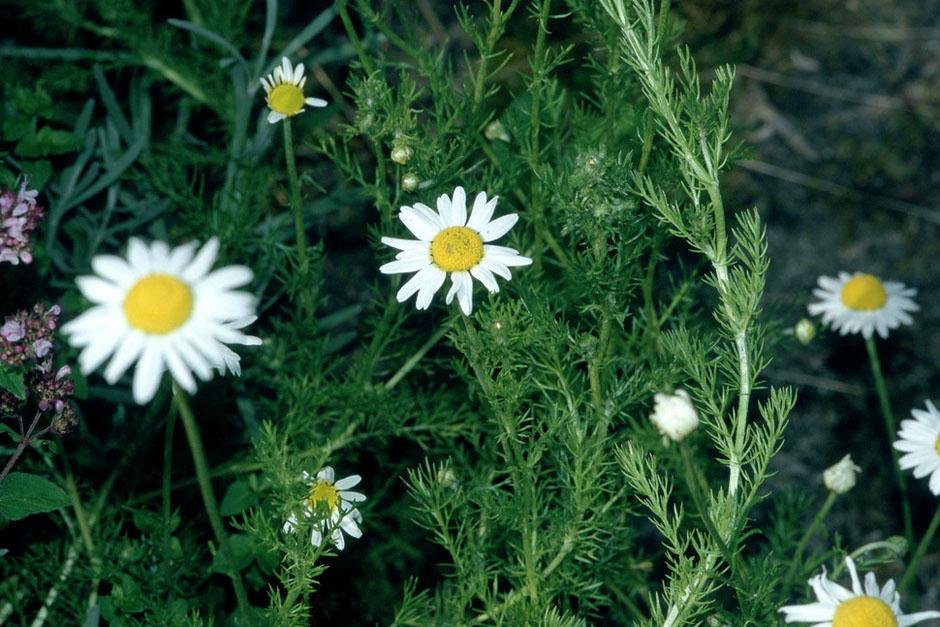
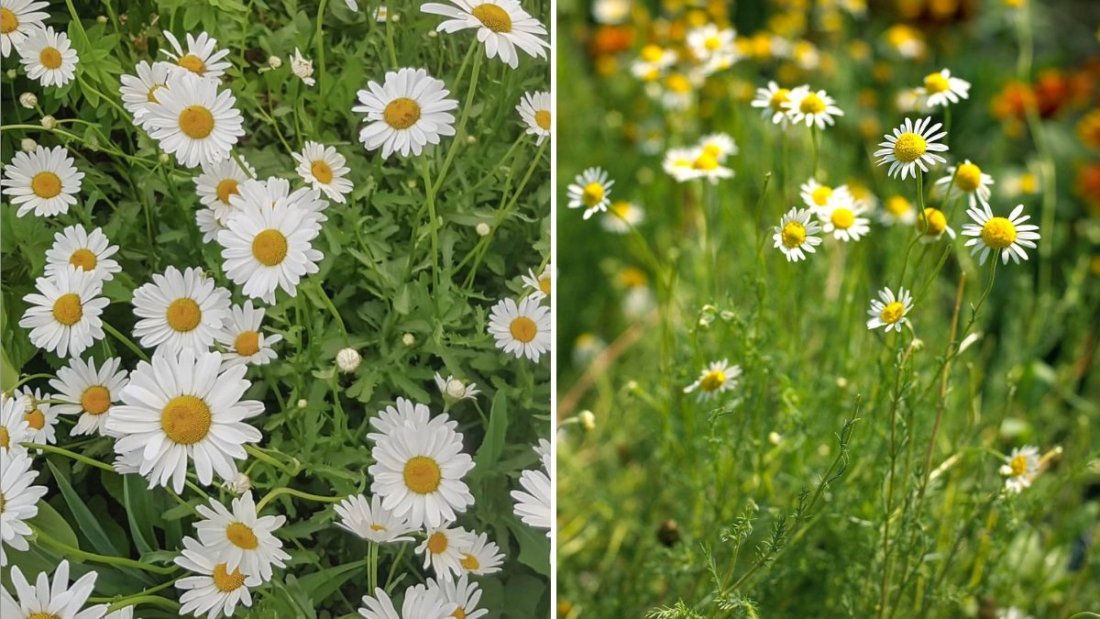
Chamomile (pronounced KAM-uh-meel or KAM-oh-mile) is a flowering herb from the Asteraceae family, which also includes daisies and sunflowers. There are two main varieties commonly used in the U.S.:

  1. German Chamomile (Matricaria chamomilla) – An annual variety known for its strong flavor and medicinal uses.
  2. Roman Chamomile (Chamaemelum nobile) – A perennial with a milder taste, often used in lawns, essential oils, and aromatherapy.

Both types share the herb’s signature sweet, apple-like fragrance—in fact, the name “chamomile” comes from the Greek chamaimelon, meaning “earth apple.”

Chamomile has been used for over 2,000 years in European, Egyptian, and Native American traditions for everything from anxiety and insomnia to digestive relief. Today, it’s one of the most widely consumed herbal teas in America—and a must-have for anyone pursuing natural wellness.


Health Benefits of Chamomile: Why Americans Are Turning to This Ancient Herb

Chamomile isn’t just a pleasant-tasting herbal tea; it’s a powerhouse of healing compounds that can benefit your mind, body, and spirit. Here are some of its most notable science-backed benefits:

1. Promotes Relaxation and Better Sleep

Chamomile’s most famous benefit is its calming effect. It contains apigenin, a natural antioxidant that binds to brain receptors and helps reduce anxiety while promoting restful sleep. That’s why millions of Americans reach for a cup of chamomile tea before bed instead of over-the-counter sleep aids.

2. Soothes Digestive Discomfort

Chamomile tea is a traditional remedy for bloating, indigestion, and nausea. Its natural anti-inflammatory and antispasmodic properties help relax muscles in the digestive tract, making it an ideal after-meal beverage.

3. Reduces Anxiety and Stress

In a world where stress levels are at an all-time high, chamomile offers a natural, non-habit-forming way to calm the nervous system. Studies show that regular chamomile tea consumption may reduce symptoms of mild to moderate anxiety.

4. Supports Skin Health

Chamomile’s soothing nature extends to the skin. Its extracts are used in creams, toners, and masks to calm irritation, reduce redness, and heal minor wounds. Its anti-inflammatory and antimicrobial properties make it great for acne-prone or sensitive skin.

5. Aids Heart and Immune Health

Chamomile is rich in antioxidants, which help protect cells from damage caused by free radicals. Regular use may help support heart health and immune function, making it more than just a bedtime ritual—it’s part of a holistic wellness routine.

Note: Always consult your healthcare provider before using chamomile supplements, especially if you’re pregnant, nursing, or allergic to plants in the daisy family.


How to Grow Chamomile in American Gardens

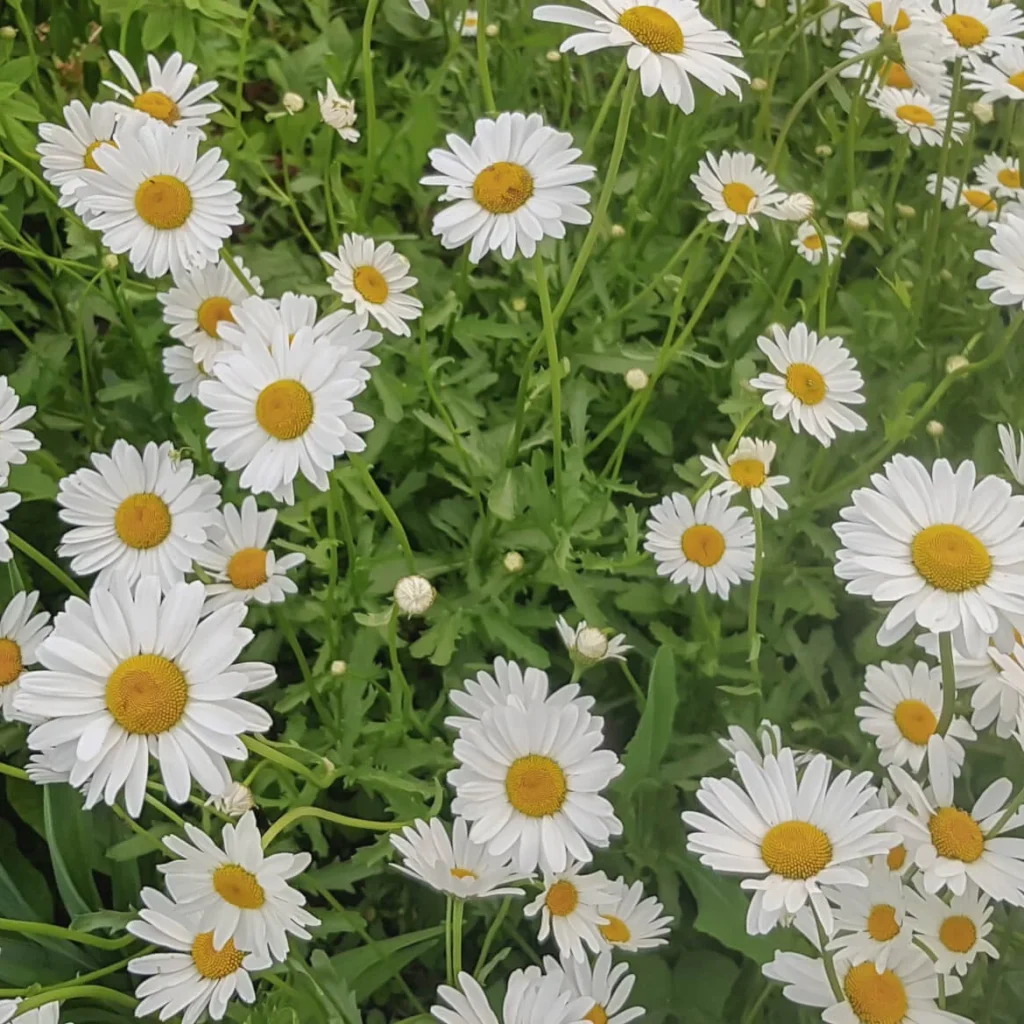
Chamomile isn’t just good for your health—it’s a beautiful and beneficial addition to any garden. Its delicate white and yellow flowers bring charm, attract pollinators, and even help neighboring plants by repelling pests.

1. Best Varieties for the U.S.

  • German Chamomile: Ideal for herbal tea and medicinal use; grows easily from seed.
  • Roman Chamomile: Best as a ground cover or lawn substitute in cooler climates.

2. Planting Conditions

  • USDA Zones: 3–9
  • Sunlight: Prefers full sun but tolerates partial shade.
  • Soil: Well-draining, average-quality soil (it thrives even in poor soils).

Sow seeds directly in the garden after the last frost, or start them indoors 6–8 weeks earlier. Lightly press seeds into the soil but don’t bury them—they need sunlight to germinate.

3. Watering and Maintenance

Chamomile prefers moderate watering. Once established, it’s drought-tolerant. Avoid overwatering to prevent root rot. Deadhead flowers to encourage continuous blooming.

4. Harvesting Chamomile Flowers

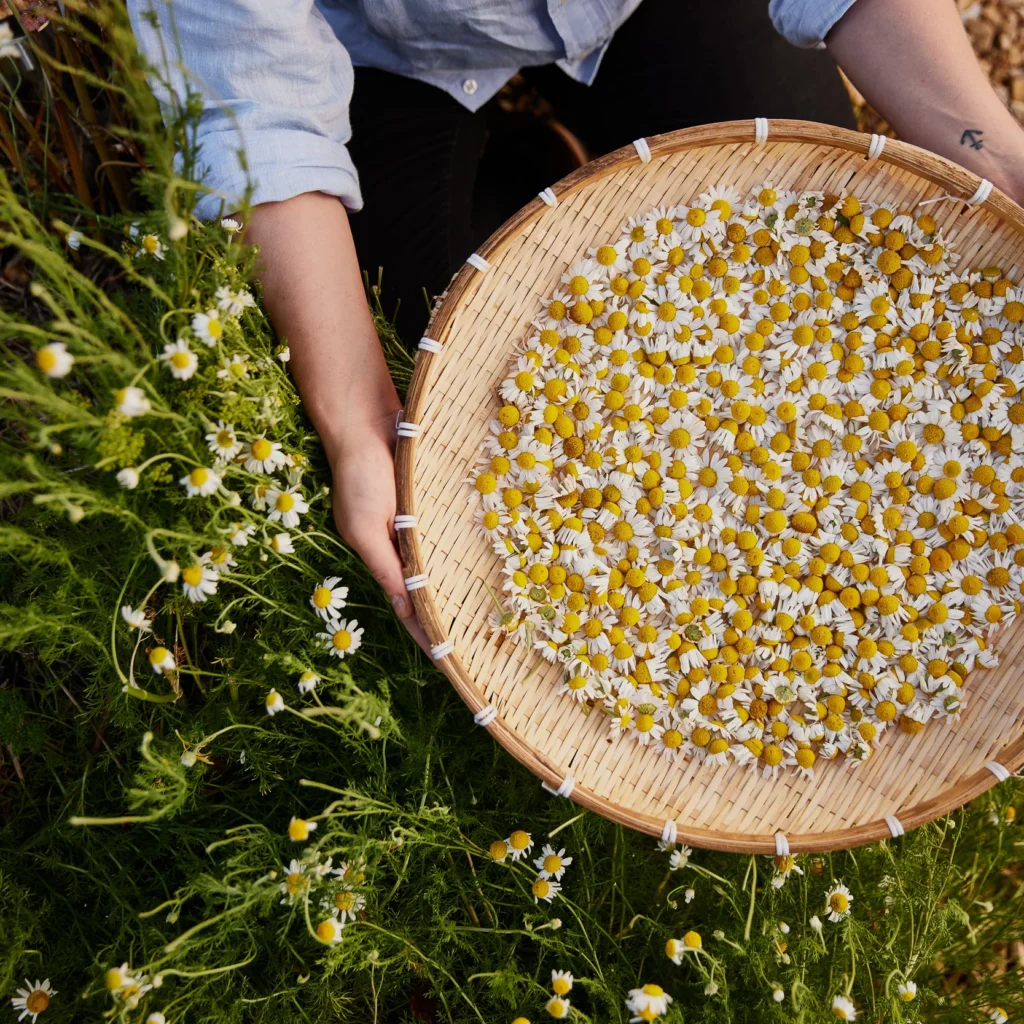
The best time to harvest is when flowers are fully open but still fresh. Snip flower heads and dry them on a screen or paper towel in a cool, dark place. Store dried flowers in airtight jars for tea, crafts, or skincare use.

Pro Tip: Harvest regularly—frequent picking encourages more blooms throughout the season.


Culinary and DIY Uses of Chamomile

Chamomile’s sweet, floral taste and aroma make it a versatile herb in American kitchens and homes. Beyond tea, it can be infused, baked, or blended into a variety of recipes and remedies.

1. Classic Chamomile Tea

Steep 1 tablespoon of dried chamomile flowers (or a chamomile tea bag) in hot water for 5–10 minutes. Add honey or lemon for extra flavor. Perfect before bedtime or during stressful moments.

2. Chamomile-Infused Honey

Warm honey gently and add dried chamomile flowers. Let it infuse for a few days, then strain. This calming honey can be drizzled over toast, yogurt, or tea.

3. Chamomile Ice Cream or Syrup

Create a light floral syrup by simmering chamomile with water and sugar. Use it to sweeten cocktails, desserts, or homemade ice cream for a soothing summer treat.

4. Chamomile Bath Soak

Add a handful of dried chamomile to your bath or place it in a muslin bag. It’s ideal for soothing irritated skin and promoting relaxation after a long day.

5. DIY Chamomile Face Mist

Steep chamomile tea, cool it, and pour it into a spray bottle. Spritz your face throughout the day for a natural, hydrating refresh.


Chamomile in American Wellness Culture

As Americans embrace natural remedies, mindfulness, and slow living, chamomile has become a symbol of calm in the chaos. It’s featured in:

  • Sleep and relaxation teas
  • Aromatherapy oils
  • Organic skincare
  • Herbal supplements
  • Calming candles and bath products

Health-conscious consumers are rediscovering chamomile not just for its gentle flavor, but for its role in holistic well-being—helping people unplug, unwind, and rebalance naturally.


How to Store and Preserve Chamomile

To make the most of your harvest or store-bought chamomile, proper preservation is key:

  1. Drying: Spread flowers in a single layer in a warm, ventilated space. Once crisp, store them in airtight containers.
  2. Freezing: Store chamomile flowers or tea blends in a freezer-safe bag to retain freshness longer.
  3. Infused Oils: Steep dried chamomile in olive or jojoba oil for 2–3 weeks, then strain and use in skincare products.

Stored properly, dried chamomile retains its fragrance and potency for up to one year.


Fun Facts About Chamomile

  • Ancient Egyptians used chamomile to honor the sun god Ra and as a cure for fevers.
  • The Romans used it to flavor wine and incense.
  • Colonial Americans grew chamomile in their “physic gardens” for medicinal remedies.
  • In modern aromatherapy, chamomile essential oil is known as “blue gold” due to its color and value.
  • Chamomile tea is the most popular caffeine-free herbal tea in the United States.

Why American Gardeners and Health Enthusiasts Love Chamomile

Chamomile checks all the boxes for today’s natural lifestyle:

  • Easy to grow – perfect for beginners or eco-conscious gardeners.
  • Multifunctional – from teas to tonics, it’s endlessly useful.
  • Bee-friendly – supports pollinators and promotes garden biodiversity.
  • Visually stunning – adds old-fashioned charm to herb gardens and wildflower beds.

Whether you’re nurturing a backyard garden in Texas, an urban patio in New York, or a window box in California, chamomile fits right in with the American love of wellness and simplicity.


Conclusion: Sip, Soothe, and Grow with Chamomile

Chamomile is more than just an herb—it’s a lifestyle. With its delicate fragrance, timeless beauty, and proven calming effects, it represents peace, balance, and comfort in our busy modern world.

From soothing teas to radiant gardens, chamomile brings nature’s serenity straight to your home. So this season, plant some chamomile, brew a warm cup, and let this ancient herb remind you to slow down, breathe deeply, and find calm in every moment.

Catnip The Playful Herb Every American Cat (and Gardener) Will Love

Catnip The Playful Herb Every American Cat (and Gardener) Will Love

If you’re a cat owner in America, chances are you’ve seen your furry friend go wild for catnip—rolling, purring, or even leaping with joy. But did you know that catnip isn’t just a toy-store novelty? It’s a versatile, easy-to-grow herb that belongs in every pet-loving gardener’s backyard.

Scientifically known as Nepeta cataria, catnip is part of the mint family (Lamiaceae) and offers more than feline entertainment. It’s also a beautiful pollinator-friendly plant, a natural pest repellent, and even has soothing effects on humans when brewed as tea.

Whether you’re looking to grow catnip at home, learn how it affects cats, or discover its surprising health benefits, this guide covers everything you need to know about this fascinating herb taking over American gardens.


What Is Catnip? The Herb Behind the Hype

Catnip, native to Europe and Asia, has made its home in gardens and meadows across North America. It’s a perennial herb that thrives in a variety of climates, making it perfect for gardeners from the East Coast to the Pacific Northwest.

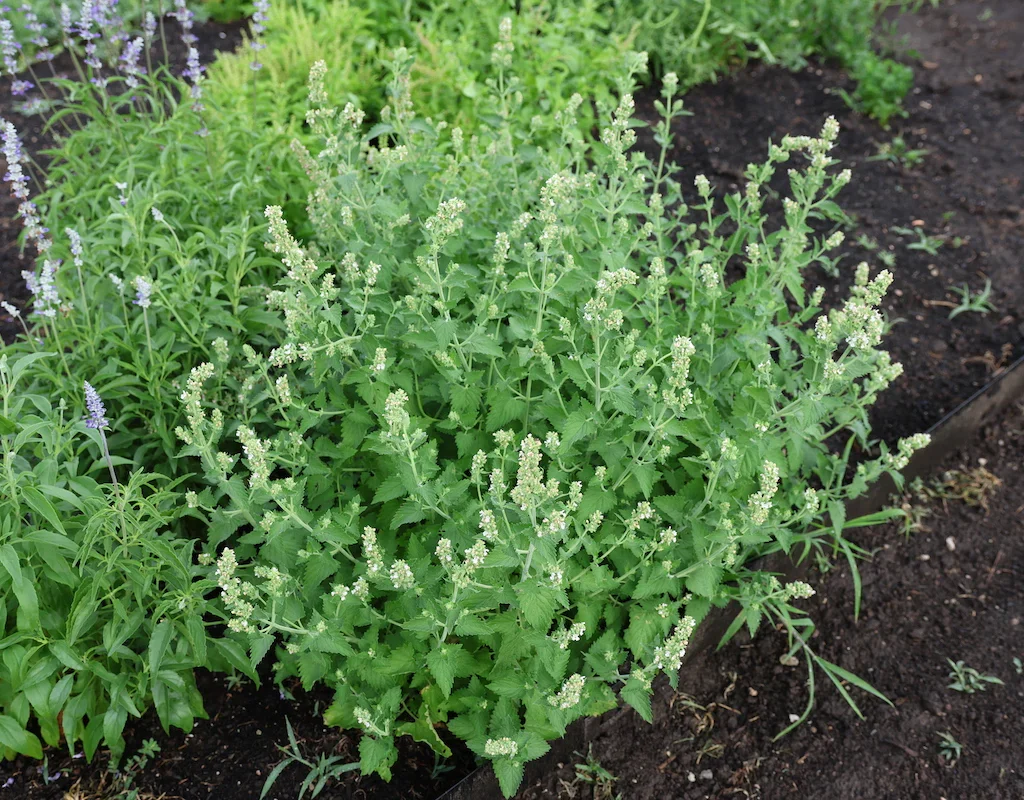
This minty green herb features heart-shaped, gray-green leaves and small white to lavender flowers that bloom from spring through fall. But what makes catnip truly special is a compound called nepetalactone—an essential oil found in the plant’s leaves and stems.

Nepetalactone is the magical ingredient that triggers that famous feline frenzy. When cats smell it, it binds to their nasal receptors and stimulates playful, euphoric behavior. However, the same compound also offers calming, insect-repelling, and medicinal properties for humans.


Why Catnip Belongs in Every American Garden

Catnip is one of those rare plants that’s both fun and functional. Here’s why American gardeners and cat owners love growing it:

  1. Cats Love It: It’s an instant source of entertainment and joy for indoor and outdoor cats.
  2. Easy to Grow: Catnip thrives in almost any soil and climate with minimal effort.
  3. Pollinator-Friendly: Bees and butterflies love its tiny blossoms.
  4. Pest-Repelling: Its strong aroma deters mosquitoes, aphids, and even cockroaches.
  5. Useful for People: It’s a traditional herb for relaxation, digestion, and mild cold relief.

In short, catnip is an herb that benefits both humans and pets—making it a perfect fit for modern American households focused on wellness and sustainability.


How to Grow Catnip in Your U.S. Garden

Whether you live in sunny California or the cooler Northeast, catnip grows effortlessly across USDA zones 3–9. Here’s a step-by-step guide to planting and maintaining your own catnip patch.

1. Choosing the Right Spot

Catnip loves full sun but will tolerate partial shade. Pick a location with well-draining soil—sandy or loamy is ideal. Since it can spread quickly, consider growing it in a container if space is limited.

2. Planting Catnip

You can grow catnip from seeds, cuttings, or starter plants.

  • From seed: Sow directly outdoors after the last frost or indoors 6–8 weeks before planting.
  • Spacing: Plant seeds or transplants about 18–24 inches apart.
  • Watering: Keep the soil lightly moist until plants are established, then water sparingly.

3. Care and Maintenance

Catnip is a low-maintenance herb, but trimming is key to keeping it tidy. Regular pruning encourages bushy growth and prevents it from becoming invasive. To control self-seeding, remove flowers before they go to seed.

4. Harvesting Catnip

The best time to harvest catnip leaves is right before it flowers, when nepetalactone levels are at their peak. Snip stems early in the day after dew has dried, then hang them upside down to dry in a cool, dark place.

Tip: Store dried catnip in airtight containers away from sunlight. Its potency can last up to six months.


How Catnip Affects Cats—And Why They Love It

For most cats, catnip is pure magic. About 70–80% of cats carry a genetic sensitivity to nepetalactone, which triggers a range of behaviors—rolling, rubbing, purring, and playful zoomies.

Here’s how it works:

  • Smelling catnip: Triggers euphoria and hyperactivity that lasts about 10–15 minutes.
  • Eating catnip: Has a calming effect, making cats more relaxed.
  • Kittens under six months: Usually don’t respond to it. Sensitivity develops with age.

Interestingly, not all cats react—sensitivity is hereditary. If your cat doesn’t respond, try silvervine or valerian root, which can produce similar effects.

Safety Note: Catnip is completely non-toxic. Overindulgence might cause mild stomach upset, but it’s rare and temporary.


Creative Ways to Use Catnip for Your Cat

Want to make the most of your homegrown herb? Here are a few fun and easy DIY ideas American cat owners love:

1. Homemade Catnip Toys

Fill small fabric pouches or socks with dried catnip and sew them shut. Your cat will have hours of entertainment chasing and batting them around.

2. Catnip Spray

Make a natural catnip spray by steeping dried catnip in warm water for 15 minutes. Strain and pour into a spray bottle. Use it to refresh old toys or encourage your cat to use scratching posts.

3. Catnip Treats

Sprinkle a small pinch of dried catnip over your cat’s food for an occasional treat—or mix it into homemade cat biscuits for an herbal twist.

4. Cat Garden Corner

Plant catnip alongside cat grass (wheat or oat grass) in a dedicated area of your garden or balcony. Your feline will have a safe, organic playground to explore.


Health and Wellness Benefits of Catnip for Humans

While catnip is most famous for its feline appeal, it’s also a valuable medicinal herb for people—used for centuries in traditional herbalism.

1. Natural Stress and Sleep Aid

Catnip tea has mild sedative properties that help calm nerves and promote better sleep. It’s caffeine-free and pairs well with chamomile or lemon balm.

2. Digestive Support

Drinking catnip tea can ease indigestion, bloating, and cramps. Its natural oils help relax smooth muscles in the digestive tract.

3. Cold and Flu Relief

Catnip has mild antispasmodic and decongestant effects, making it a gentle herbal remedy for coughs and congestion.
4. Insect Repellent

Nepetalactone is so potent that researchers have found it can repel mosquitoes even more effectively than DEET in some cases. Crush fresh leaves and rub them on exposed skin (test first for sensitivity) for a natural bug deterrent.

5. Skincare and Aromatherapy

Infused catnip oil or catnip hydrosol can be used in DIY lotions and sprays for relaxation and skin soothing.

Note: Always consult a healthcare professional before using herbal remedies regularly, especially during pregnancy or while on medication.

Preserving and Storing Catnip

To enjoy your harvest year-round, you can easily preserve catnip by drying or freezing it.

  1. Drying: Hang bunches upside down in a dry, dark space until leaves are crisp. Strip leaves from stems and store in sealed jars.
  2. Freezing: Place fresh leaves in freezer-safe bags. They’ll retain potency for several months.
  3. Infused Oil or Tea: Use dried leaves to make herbal oil or store-bought tea blends.

For cat owners, dried catnip stays potent for 6–12 months—just keep it in a cool, airtight container away from moisture.


Catnip Varieties to Try in America

Not all catnip is created equal! Here are a few types popular among American gardeners:

  • Common Catnip (Nepeta cataria): The classic variety cats adore.
  • Lemon Catnip (Nepeta cataria citriodora): Offers a lemony aroma and is great for teas.
  • Catmint (Nepeta faassenii): Milder for cats but stunning as a border plant with purple flowers.

Each variety has its own charm, whether you’re growing for your pet or for ornamental beauty.


Fun Facts About Catnip

  • Ancient Romans used catnip as a culinary herb long before it became known for feline fun.
  • Big cats—like lions and tigers—often react to catnip the same way domestic cats do.
  • In colonial America, catnip tea was a popular household remedy for colds and insomnia.
  • The word Nepeta comes from “Nepete,” an ancient Italian city where the plant was first cultivated.

Conclusion: Catnip—The Herb That Connects Nature, Wellness, and Joy

Few plants bring as much happiness to both people and pets as catnip. It’s an herb that bridges worlds—offering entertainment for cats, health benefits for humans, and beauty for gardens.

Whether you’re a cat parent looking to enrich your feline’s life or a gardener wanting a fragrant, pollinator-friendly plant, catnip fits right in. It’s easy to grow, endlessly useful, and full of character.

So this season, plant a little catnip and watch the magic unfold—your cat will thank you, your garden will flourish, and you’ll find yourself falling in love with one of America’s most delightful herbs.


Lemon Balm The Calming Herb Every American Garden and Kitchen Needs

Lemon Balm The Calming Herb Every American Garden and Kitchen Needs

In today’s fast-paced world, Americans are turning back to nature for peace, balance, and wellness. One herb that’s quietly winning hearts across the country is lemon balm (Melissa officinalis). With its refreshing citrus scent, gentle flavor, and proven calming properties, lemon balm is more than just a pretty plant—it’s a natural remedy, culinary delight, and garden essential rolled into one.

Whether you’re sipping it as a soothing tea, adding it to summer desserts, or growing it to attract pollinators, lemon balm deserves a place in every American home garden and kitchen. In this guide, we’ll explore everything you need to know about this versatile herb—from how to grow it to its culinary uses and powerful health benefits.


What Is Lemon Balm? A Quick Overview

Lemon balm is a perennial herb in the mint family (Lamiaceae), native to southern Europe but widely grown across the United States. It gets its name from its lemony aroma and flavor, which come from natural essential oils like citral and citronellal. Its bright green, heart-shaped leaves and gentle lemon fragrance make it a favorite among herbal gardeners and tea lovers alike.

Historically, lemon balm has been used for over 2,000 years. Ancient Greeks and Romans prized it for its mood-lifting and healing qualities, while colonial Americans grew it in their kitchen gardens for teas and tonics. Today, it’s being rediscovered as one of the best herbs for relaxation, sleep, and natural wellness.


Why Lemon Balm Belongs in Every American Garden

Lemon balm isn’t just beneficial—it’s also beautiful, resilient, and easy to grow, making it perfect for gardeners of all skill levels. Here’s why it’s becoming a staple in American backyards:

  • Cold-hardy perennial: Grows well in USDA zones 4–9.
  • Pollinator magnet: Attracts bees, butterflies, and other beneficial insects.
  • Low maintenance: Tolerates different soils and partial shade.
  • Highly versatile: Works for teas, cooking, aromatherapy, and home remedies.

How to Grow Lemon Balm in the U.S.

If you love herbs that practically take care of themselves, lemon balm is your new best friend. Here’s how to grow a lush, fragrant patch that lasts year after year.

1. Choose the Right Spot

Lemon balm grows best in full sun to partial shade. In hotter southern states, partial shade prevents the leaves from scorching. The soil should be well-drained, moderately rich, and kept slightly moist.

2. Planting

You can start lemon balm from seeds, cuttings, or transplants:

  • Seeds: Sow indoors in early spring or directly outdoors after frost.
  • Spacing: Plant 18–24 inches apart; the herb spreads quickly.
  • Containers: Great option for balconies or small spaces (and helps contain its growth).

3. Watering and Care

Keep the soil evenly moist but not soggy. Water deeply once or twice a week, depending on your region’s rainfall. Trim the plant regularly to encourage bushier growth and prevent flowering, which can make the leaves less flavorful.

4. Harvesting

The best time to harvest lemon balm leaves is just before flowering, when the oils (and flavor) are most concentrated. Cut the top few inches of the plant and use the leaves fresh—or dry them for later use.

Pro Tip: Lemon balm spreads vigorously! To control it, grow it in containers or cut it back often.


Culinary Uses: Cooking and Brewing with Lemon Balm

Lemon balm brings a mild, citrusy flavor to countless recipes, adding a refreshing twist to both sweet and savory dishes. Here are some popular ways to use it in the kitchen:

1. Herbal Tea

One of the most classic uses is lemon balm tea. Simply steep a handful of fresh leaves (or 1–2 teaspoons of dried leaves) in hot water for 5–10 minutes. Add honey and a slice of lemon for a calming evening drink.

2. Infused Water or Lemonade

Add fresh lemon balm leaves to iced water or homemade lemonade for a subtly sweet, refreshing flavor. It’s perfect for summer BBQs or post-workout hydration.
3. Desserts and Baking

Finely chopped lemon balm adds a delicate citrus note to sugar cookies, pound cake, or fruit salads. You can also infuse it in cream for custards or ice creams.

4. Savory Dishes

Use lemon balm to brighten fish, poultry, or vegetable dishes. It pairs beautifully with garlic, thyme, and mint.

5. Herbal Syrups and Cocktails

Make a lemon balm syrup by simmering equal parts water and sugar with a handful of leaves. Use it to sweeten cocktails, mocktails, or sparkling water.

Flavor Tip: Add lemon balm near the end of cooking—heat can quickly dull its delicate aroma.


Health Benefits of Lemon Balm

Lemon balm isn’t just flavorful—it’s also packed with natural compounds that support overall wellness. Modern research is confirming what herbalists have known for centuries: this herb truly calms the body and mind.

1. Reduces Stress and Anxiety

Lemon balm is famous for its soothing, mood-lifting effects. Studies show it can reduce anxiety, improve relaxation, and help manage stress-related symptoms when taken as tea or extract.

2. Promotes Better Sleep

Because of its calming nature, lemon balm is often used in nighttime teas. It works well with chamomile, valerian, or lavender for natural sleep support.

3. Aids Digestion

Traditionally used as a digestive tonic, lemon balm can help relieve indigestion, bloating, and mild stomach discomfort. Its gentle aroma also stimulates appetite.

4. Supports Cognitive Function

Preliminary studies suggest lemon balm may help enhance memory and concentration, making it a great herb for students or those with demanding work schedules.

5. Antiviral and Antioxidant Properties

Lemon balm contains compounds that may help fight certain viruses—like herpes simplex (cold sores)—and protect cells from oxidative stress.

Note: Always consult a healthcare professional before using herbal supplements, especially if pregnant, nursing, or on medication.

DIY Lemon Balm Recipes for Home Use

Beyond cooking, lemon balm can elevate your wellness routine and home environment. Here are a few easy, DIY ways to enjoy its benefits:

1. Lemon Balm Sleep Tea

  • 1 cup hot water
  • 1 tablespoon dried lemon balm (or 3 tablespoons fresh)
  • Optional: chamomile or lavender
    Steep for 10 minutes, strain, and sip before bed.

2. Calming Lemon Balm Bath

Add a handful of fresh or dried lemon balm leaves to a muslin bag or directly into your bathwater. It soothes the skin and relaxes tense muscles.

3. Homemade Lemon Balm Oil

Fill a glass jar with fresh lemon balm leaves and cover with olive oil. Let it sit in a sunny window for 2–3 weeks, then strain. Use the infused oil for massage, skincare, or aromatherapy.

4. Lemon Balm Lip Balm

Melt beeswax, coconut oil, and lemon balm–infused oil together for a DIY lip balm that may help soothe cold sores.


Preserving Lemon Balm for Year-Round Use

Lemon balm’s peak season is summer, but you can easily preserve its fragrance and flavor for the colder months.

  1. Drying: Spread leaves on a tray in a cool, dark place until crisp. Store in airtight jars.
  2. Freezing: Chop leaves and freeze them in ice cube trays with water or oil.
  3. Infusions: Preserve the flavor by making lemon balm vinegar or syrup.

These methods keep your herb garden’s bounty available long after the growing season ends.


Lemon Balm in the Modern American Lifestyle

From homesteads in the Midwest to city balconies in New York, lemon balm fits beautifully into every type of American lifestyle. Here’s why it’s trending nationwide:

  • Perfect for beginner gardeners – forgiving and fast-growing.
  • Natural wellness solution – supports sleep, mood, and immunity.
  • Eco-friendly choice – attracts pollinators and thrives without chemicals.
  • Home décor charm – bright green leaves and fresh scent add life to patios and kitchens.

As Americans continue to prioritize organic living and mental well-being, lemon balm is becoming a cornerstone herb for both relaxation and resilience.


Fun Facts About Lemon Balm

  • The scientific name Melissa means “honey bee” in Greek—reflecting how much bees love this plant.
  • Lemon balm was a favorite of Thomas Jefferson, who grew it at Monticello.
  • In medieval times, it was called the “Elixir of Life” for its rejuvenating qualities.
  • Lemon balm essential oil is used in luxury perfumes and skincare for its uplifting aroma.

Conclusion: Make Lemon Balm Your Everyday Herb

Lemon balm is proof that simple herbs can make a big impact—in the garden, the kitchen, and your daily life. Its bright citrus scent, calming power, and easy-growing nature make it an all-American favorite that truly stands the test of time.

Whether you grow it for tea, cooking, or wellness, lemon balm offers a gentle reminder to slow down, breathe deeply, and enjoy life’s simple pleasures. This season, plant a little patch of peace—right in your own backyard.

Lovage The Forgotten Herb Bringing Bold Flavor and Health Benefits Back to American Kitchens

Lovage The Forgotten Herb Bringing Bold Flavor and Health Benefits Back to American Kitchens

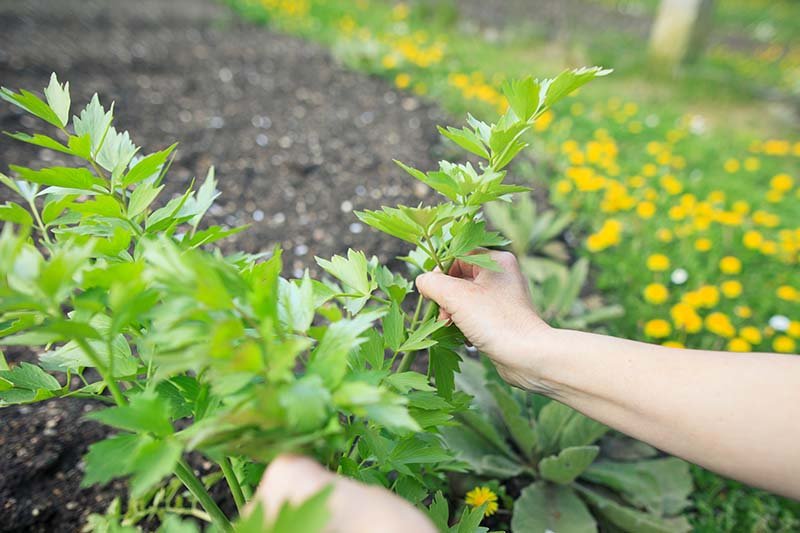
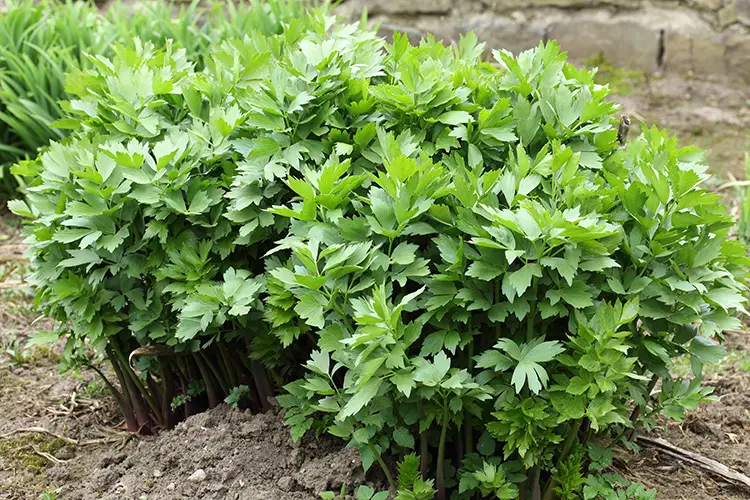
In a world obsessed with basil, parsley, and cilantro, lovage remains one of the most underrated herbs in American cooking. Yet, this aromatic green—once a kitchen staple in colonial gardens—is making a comeback among home gardeners, chefs, and herbal enthusiasts alike. With its celery-like flavor, towering growth, and powerful health properties, lovage is a hidden treasure worth rediscovering.

Whether you’re a gardener looking for a hardy perennial, a cook searching for bold, herbal notes, or someone exploring natural remedies, lovage offers something truly unique. In this guide, we’ll explore how to grow, use, and enjoy lovage—plus the surprising reasons why this old-fashioned herb is gaining new popularity across the U.S.


What Is Lovage? A Quick Overview

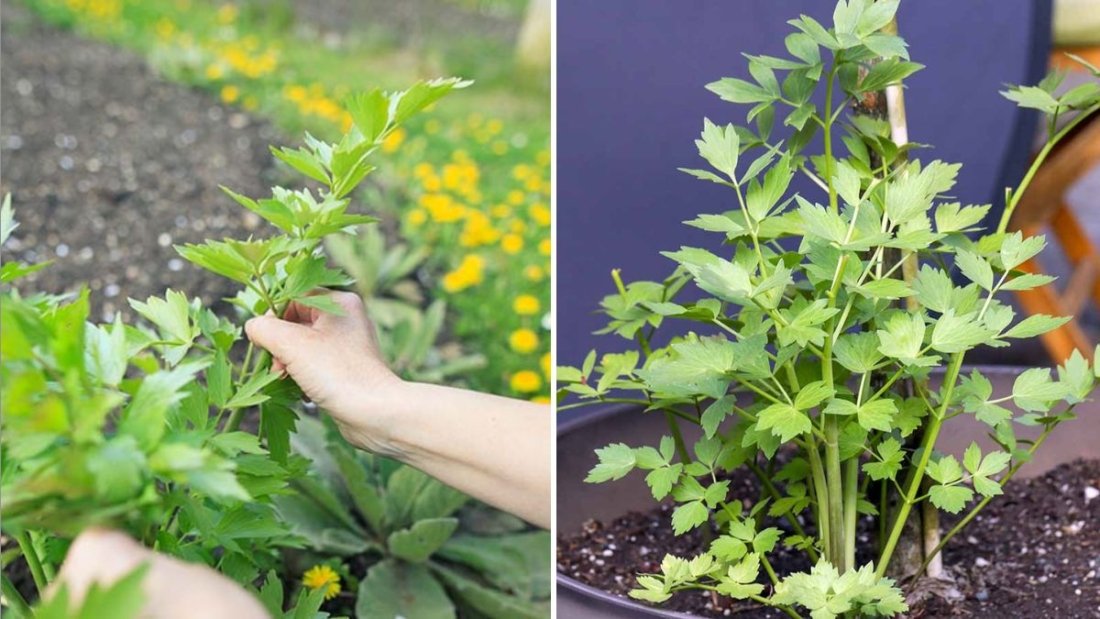
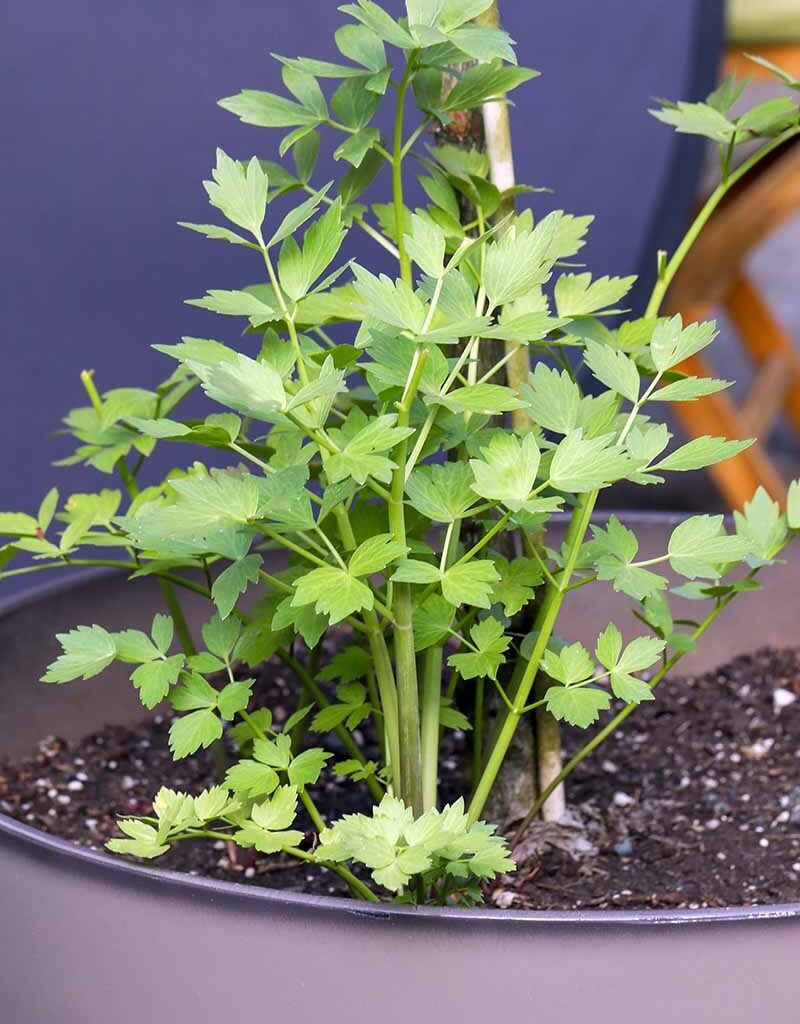
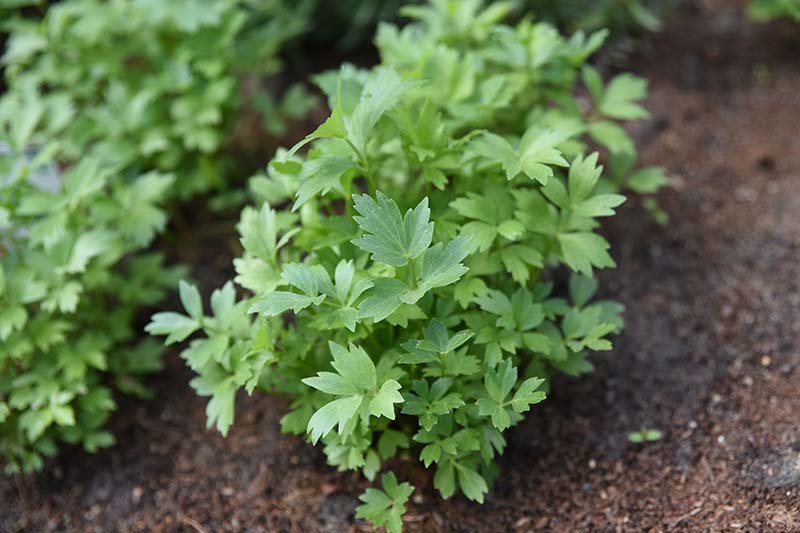
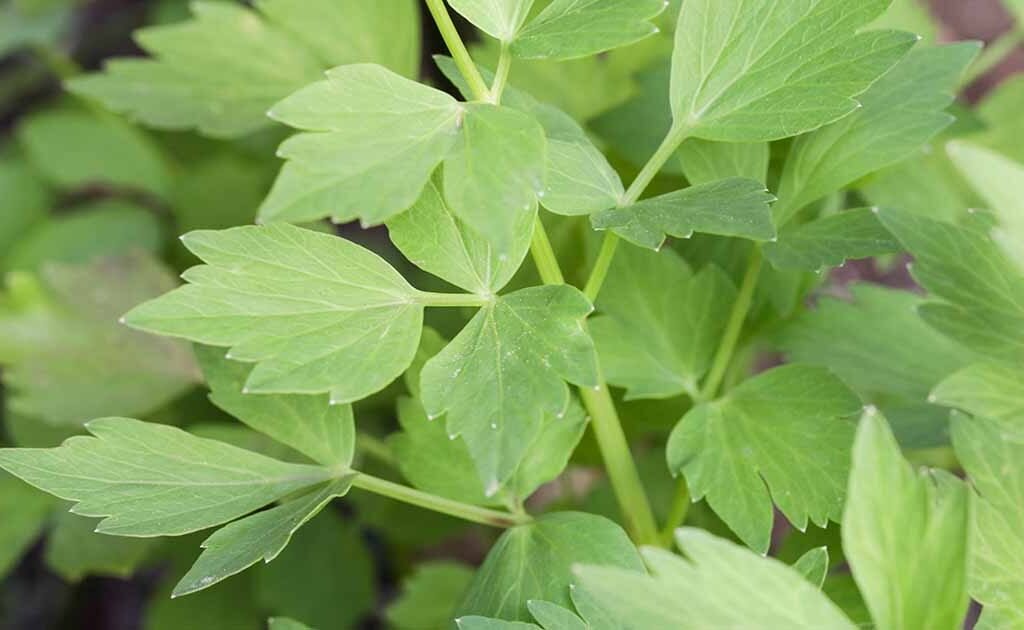
Lovage (Levisticum officinale) is a perennial herb native to southern Europe but now naturalized in many parts of North America. Belonging to the Apiaceae family—the same family as parsley, dill, and celery—it looks like a large, leafy celery plant with bright green stems and delicate yellow-green flowers.

Historically, lovage was prized in colonial America and medieval Europe for both culinary and medicinal uses. Early settlers grew it for teas, tonics, and as a flavoring in soups and broths. Over time, however, it fell out of favor—replaced by the convenience of celery and other more common herbs.

Today, as more Americans embrace organic gardening, farm-to-table cooking, and herbal wellness, lovage is reemerging as a flavorful and sustainable herb that deserves a spot in every home garden.


The Flavor Profile: Celery with a Twist

If you’ve never tasted lovage, imagine celery with extra attitude. The flavor is stronger, more aromatic, and slightly peppery—a cross between celery, parsley, and a hint of anise. Every part of the plant is edible and bursting with flavor:

  • Leaves: Perfect for soups, stews, salads, and sauces
  • Stems: Can be chopped like celery for stir-fries and stocks
  • Seeds: Used as a spice (similar to celery seed) for breads and pickles
  • Roots: Sometimes used as a vegetable or medicinal ingredient

Because of its intense flavor, a little goes a long way. Lovage can instantly elevate dishes that call for celery or parsley—making it a secret weapon in modern American kitchens.


How to Grow Lovage in Your American Garden

One reason gardeners love lovage is that it’s easy to grow, low-maintenance, and long-lasting. It thrives in a wide range of climates—from the Northeast to the Pacific Northwest—and can survive cold winters once established.

1. Planting Lovage

  • Zone: Best grown in USDA Zones 3–9
  • Sunlight: Prefers full sun to partial shade
  • Soil: Well-drained, rich in organic matter
  • Planting Time: Early spring or fall

Start from seeds or young transplants. Lovage seeds can be slow to germinate (2–3 weeks), so patience is key. Once established, it can grow up to 6 feet tall—making it a stunning architectural herb in your garden.

2. Watering and Care

Keep the soil evenly moist, especially in dry weather. Lovage appreciates regular watering but doesn’t tolerate waterlogging. Mulching helps retain soil moisture and keep roots cool.

3. Harvesting

You can begin harvesting the leaves once the plant reaches about 12 inches tall. Cut leaves as needed throughout the growing season. Harvest seeds in late summer when flower heads turn brown, and roots in the plant’s second or third year.

4. Perennial Perks

Lovage dies back in winter but reemerges stronger each spring. Divide the plant every 3–4 years to maintain vigor and encourage fresh growth.


Culinary Uses: How to Cook with Lovage

Lovage’s bold, savory flavor can transform everyday dishes into something extraordinary. It’s particularly popular in European cuisines, but American chefs are rediscovering it as a gourmet ingredient. Here are some delicious ways to use it:

1. Soups and Stews

Lovage leaves add a rich, celery-like flavor to chicken soup, vegetable stew, or clam chowder. Add them near the end of cooking to retain their aroma.

2. Salads and Dressings

Chop fresh lovage leaves finely and mix them into potato salads, green salads, or vinaigrettes. They pair beautifully with lemon juice, mustard, and olive oil.

3. Sauces and Stocks

Use lovage stems and leaves when making vegetable or chicken stock—they deepen the flavor and add a subtle herbal note.

4. Pickling and Seasoning

Lovage seeds can be used like celery seeds in pickles, salad dressings, or spice blends. They bring an earthy depth to homemade condiments.

5. Lovage Butter or Pesto

Blend chopped leaves with butter or olive oil, garlic, and nuts for a unique herbal butter or pesto. Perfect for spreading on bread or tossing with pasta.


Health Benefits of Lovage

Beyond its culinary uses, lovage has long been valued in herbal medicine for its digestive, anti-inflammatory, and detoxifying properties. While modern research is still limited, traditional use supports several potential benefits:

1. Supports Digestion

Lovage has natural carminative properties, meaning it can help relieve bloating and gas. A tea made from its leaves or roots is a classic digestive aid.

2. Natural Diuretic

The herb is known for its diuretic effects, helping flush excess fluids from the body and supporting kidney health.

3. Anti-Inflammatory and Antioxidant

Lovage contains quercetin and coumarins, compounds that may reduce inflammation and protect against oxidative stress.

4. Respiratory Relief

In traditional medicine, lovage tea was used to soothe coughs and congestion—thanks to its mild expectorant properties.

Tip: Always consult a healthcare provider before using lovage therapeutically, especially if you’re pregnant, nursing, or taking medications.


Why American Gardeners and Chefs Are Loving Lovage Again

As Americans continue embracing farm-to-table living, herbal wellness, and sustainable gardening, lovage is finding its place again. Here’s why it’s trending:

  • Eco-friendly and perennial: Grows back every year with minimal effort.
  • Pollinator-friendly: Attracts bees and beneficial insects with its small yellow flowers.
  • Flavor powerhouse: Replaces multiple herbs and seasonings in one plant.
  • Low maintenance: Thrives with little care once established.

From urban homesteads to backyard gardens, lovage fits beautifully into modern lifestyles focused on flavor, health, and sustainability.


Tips for Preserving Lovage

If your plant grows abundantly (and it will!), here’s how to store your harvest:

  1. Drying: Hang stems upside down in a cool, dry place. Store the dried leaves in airtight jars.
  2. Freezing: Chop leaves and freeze them in ice cube trays with olive oil or water for year-round use.
  3. Infused Vinegars or Oils: Steep fresh lovage leaves in vinegar or olive oil for herbal condiments.
  4. Seed Storage: Collect seeds for cooking or planting next season.

Fun Facts About Lovage

  • In colonial America, lovage was often planted near outhouses—its tall growth and strong scent helped mask odors.
  • The name “lovage” is derived from the Latin levisticum, related to “Liguria,” an Italian region where it was commonly grown.
  • Lovage candies were once sold as breath fresheners in Europe.
  • The herb is sometimes nicknamed “love parsley” due to its reputation as an ancient aphrodisiac.

Conclusion: Bring Lovage Back to Your Table

Lovage is more than just a forgotten herb—it’s a flavorful, sustainable, and healthful addition to the modern American kitchen. Its bold taste, impressive versatility, and easy-growing nature make it a must-try for both seasoned gardeners and home cooks.

Whether you plant it for its culinary flair, medicinal benefits, or garden beauty, lovage proves that sometimes, the best flavors are the ones from the past waiting to be rediscovered.

So this season, make space in your herb bed and let lovage bring fresh flavor and old-world charm back to your garden—and your plate.


Mint The Cool, Refreshing Herb Every American Kitchen and Garden Should Have

Mint The Cool, Refreshing Herb Every American Kitchen and Garden Should Have

Few herbs are as instantly recognizable—or as refreshing—as mint. With its bright aroma and cool flavor, mint has been a favorite in American homes for generations. From iced teas and mojitos to salads, desserts, and even skincare, mint adds a touch of freshness to everything it touches.

This versatile herb isn’t just about flavor—it’s also celebrated for its health benefits, easy-growing nature, and endless uses around the home. Whether you’re brewing it into a cup of soothing tea, garnishing a summer cocktail, or growing it along your garden path, mint is one of the most useful and rewarding herbs to keep on hand.

In this article, we’ll explore everything you need to know about mint—its fascinating history, top varieties, how to grow it successfully, its nutritional benefits, and creative ways to use it in food, drinks, and daily life.


The Story of Mint

Mint (Mentha) is one of the oldest and most widely used herbs in the world, with roots tracing back to ancient Egypt, Greece, and Rome. The name “mint” is derived from Menthe, a character in Greek mythology who was transformed into a fragrant plant by the goddess Persephone.

Over time, mint spread across Europe and the Americas, becoming a beloved addition to gardens and kitchens alike. In American history, mint became especially popular during the 19th century for its use in teas, medicines, and candies. Today, it’s a key ingredient in American classics like mint juleps, mojitos, and mint chocolate desserts.

From backyard gardens to herbal teas and beauty products, mint continues to be cherished for its cooling flavor, soothing aroma, and natural healing properties.


Varieties of Mint

There are over 25 species and hundreds of hybrids of mint, each with its own distinctive flavor and aroma. Here are some of the most popular varieties grown in the United States:

  1. Spearmint (Mentha spicata)
    The most common variety used in cooking and drinks. It has a mild, sweet flavor that’s perfect for mint tea, lemonade, and salads.
  2. Peppermint (Mentha × piperita)
    Stronger and spicier than spearmint, peppermint is commonly used in candies, desserts, and herbal teas. It’s also prized for its medicinal properties.
  3. Apple Mint (Mentha suaveolens)
    A softer, fruity mint with fuzzy leaves—great for iced drinks, fruit salads, or garden borders.
  4. Chocolate Mint (Mentha × piperita ‘Chocolate’)
    With a subtle cocoa aroma, this mint is ideal for desserts and sweet treats.
  5. Pineapple Mint (Mentha suaveolens ‘Variegata’)
    Variegated leaves with a tropical twist—both ornamental and flavorful.
  6. Corsican Mint (Mentha requienii)
    A low-growing variety often used as a fragrant ground cover or between stepping stones.

Each type of mint has its own culinary and decorative uses, making it easy to find one that fits your garden and taste preferences.


Nutritional and Health Benefits of Mint

Mint is far more than a flavor booster—it’s also a powerful natural remedy with many health benefits backed by science.

Here’s why adding mint to your diet is a smart move:

1. Aids Digestion
Mint is known for its ability to soothe the stomach and relieve indigestion. Peppermint tea, in particular, helps relax digestive muscles and reduce bloating.

2. Freshens Breath
Chewing fresh mint leaves or sipping mint tea naturally freshens breath and kills odor-causing bacteria.

3. Relieves Congestion and Colds
Mint’s menthol content acts as a natural decongestant, making it effective in soothing sore throats, coughs, and nasal congestion.

4. Supports Mental Clarity
The aroma of mint is shown to enhance alertness, focus, and memory—perfect for students or busy professionals.

5. Reduces Stress
Mint’s cooling scent helps lower stress and anxiety levels. Diffusing mint essential oil or sipping a warm mint tea can promote calmness and relaxation.

6. Promotes Skin Health
Thanks to its antibacterial and anti-inflammatory properties, mint is often used in skincare to help soothe acne and irritation.

7. Low in Calories, High in Antioxidants
Mint is a calorie-free herb rich in vitamin A, iron, and antioxidants, which protect cells and support overall wellness.


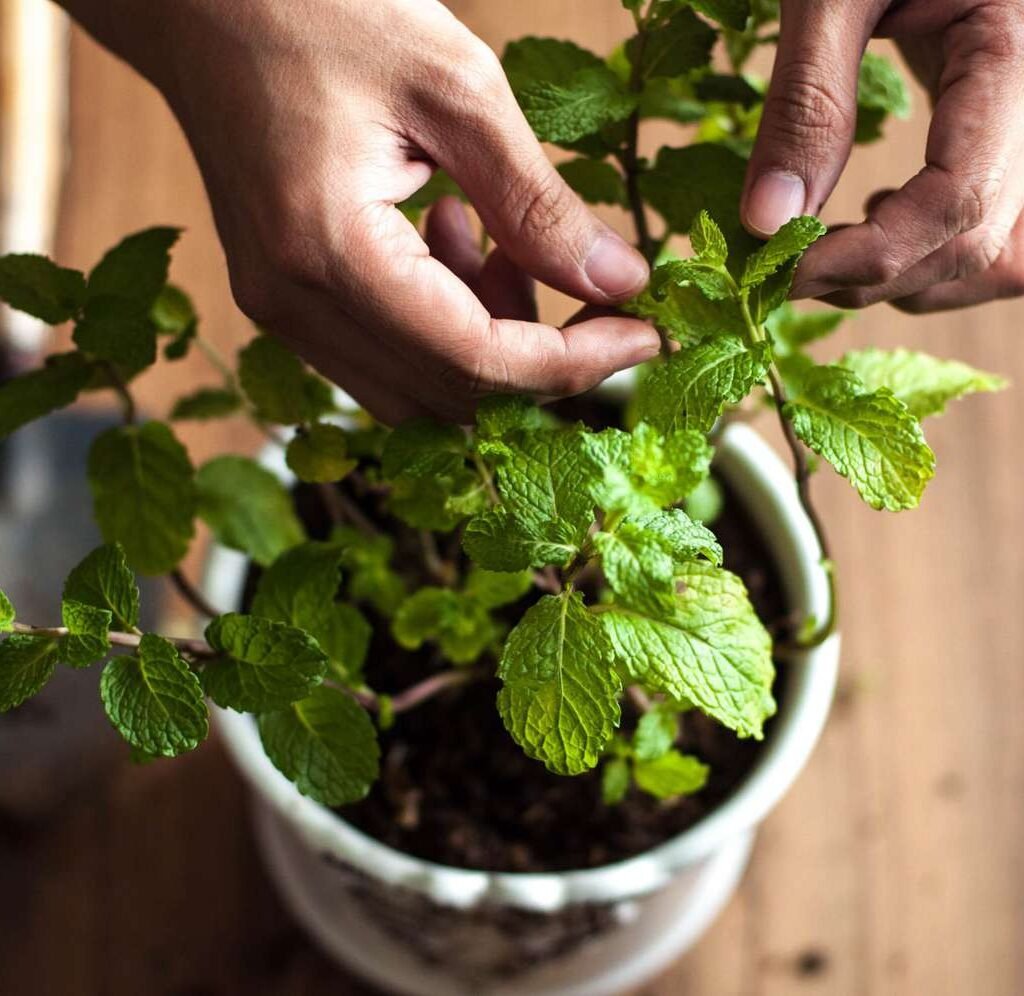
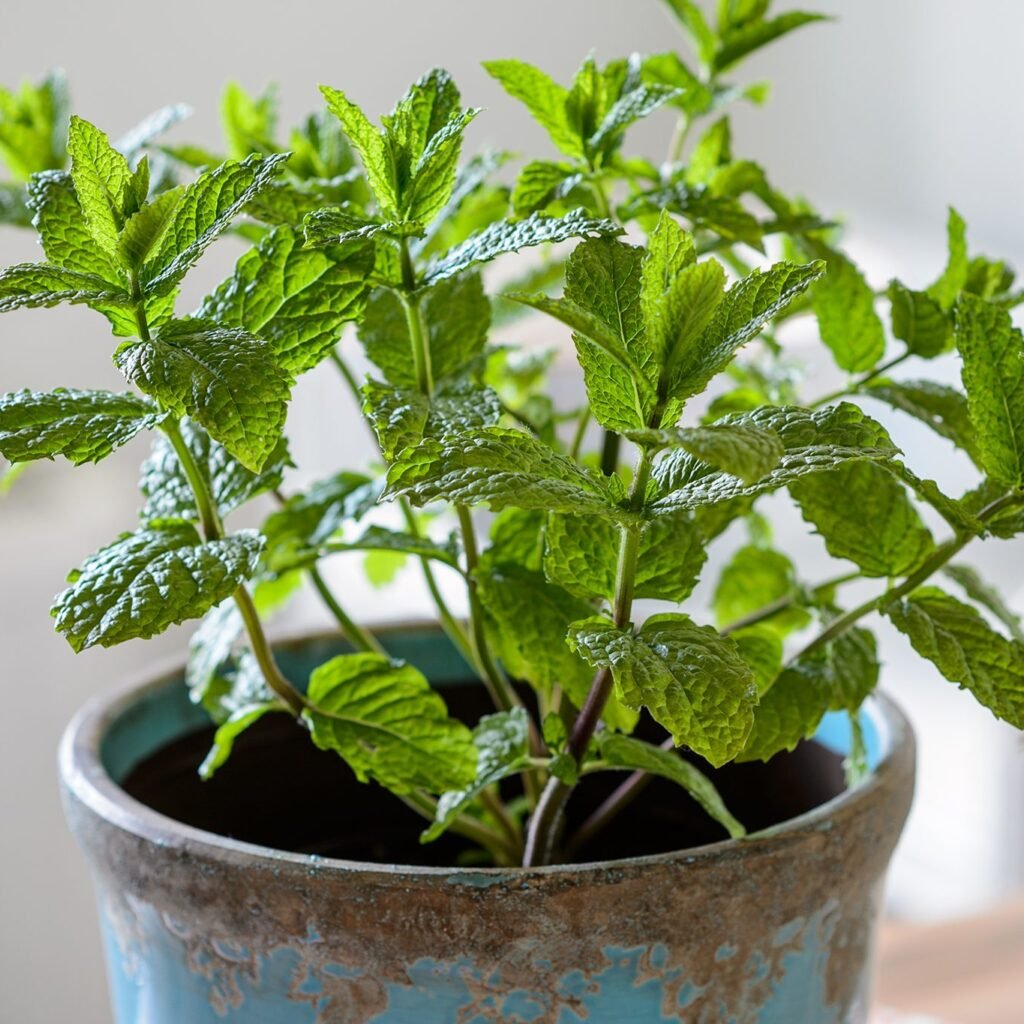
Growing Mint in Your Garden or Indoors

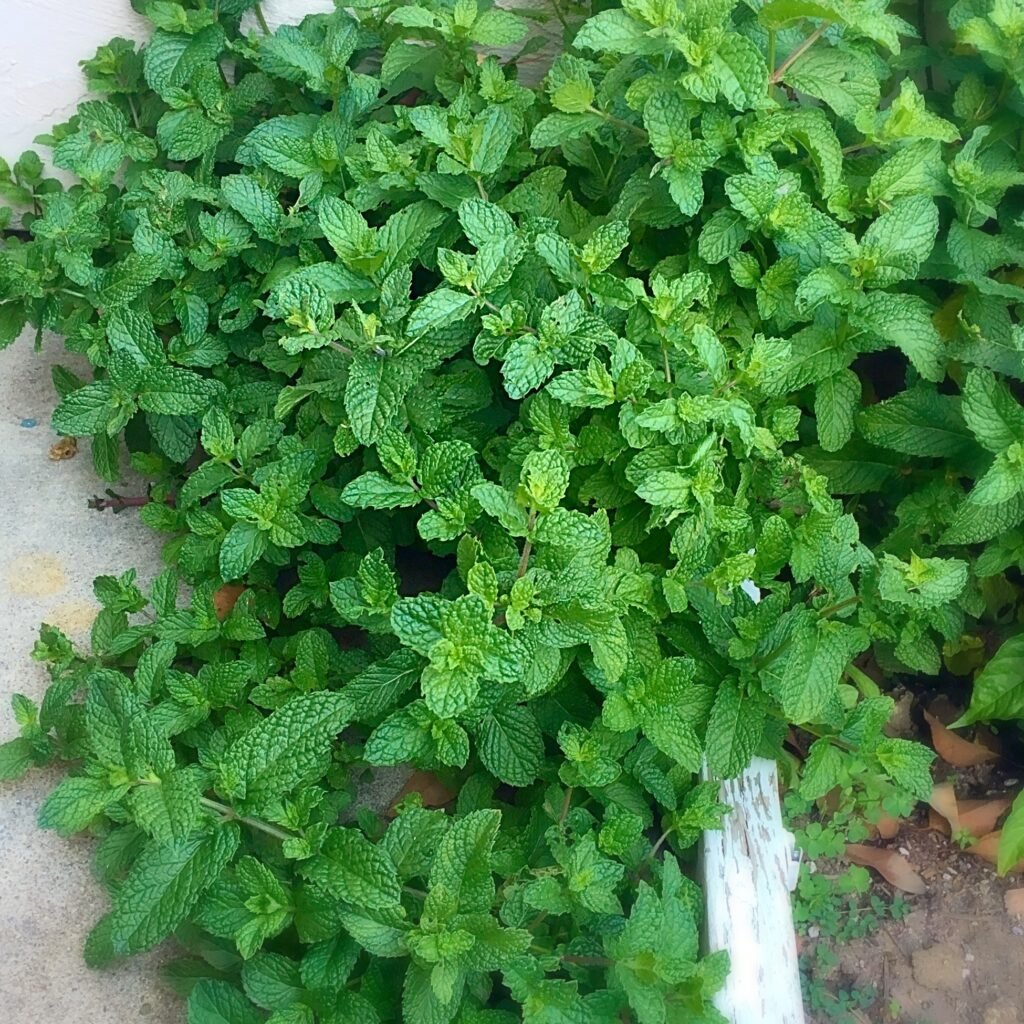
Mint is one of the easiest herbs to grow in America—it thrives in most climates and grows vigorously with minimal care. However, its aggressive spreading nature means it’s best to plant it strategically!

Here’s how to grow mint successfully:

1. Choose the Right Location

Mint prefers partial sunlight but can tolerate full sun in cooler regions. It grows well in both garden beds and containers.

2. Planting Mint

  • In Soil: Choose a spot with moist, well-drained soil. Plant mint 18–24 inches apart to allow room for spreading.
  • In Containers: Mint grows wonderfully in pots—perfect for keeping it contained and preventing overgrowth.

3. Watering and Maintenance

Keep the soil consistently moist but not waterlogged. Trim stems regularly to promote new growth and prevent flowering, which can reduce flavor intensity.

4. Harvesting Mint

Harvest mint leaves once the plant is about 6–8 inches tall. Pick leaves in the morning for the best flavor, before the sun evaporates essential oils.

5. Overwintering

Mint can survive mild American winters, especially in zones 4–10. In colder areas, trim it back and cover with mulch, or bring potted plants indoors.

Pro tip: To control mint’s spread, plant it in containers—even if those containers are placed in the ground!


Preserving Fresh Mint

One of the best parts about mint is that it’s easy to store and preserve for year-round use:

  • Freezing: Place chopped mint in ice cube trays with water or olive oil. Use cubes in drinks or dishes later.
  • Drying: Hang sprigs upside down in a dark, dry place for a week. Once dry, crumble and store in jars.
  • Mint Syrup: Simmer mint leaves with sugar and water to make a sweet syrup for cocktails, teas, and desserts.

Culinary Uses: Bringing Mint into the Kitchen

Mint’s refreshing flavor makes it an essential herb in both sweet and savory dishes. Here are some delicious ways to use it in American cooking:


1. Mint Lemonade

A summer favorite that combines zesty lemons and cool mint for a thirst-quenching drink.

Ingredients:

  • Fresh mint leaves
  • Juice of 4 lemons
  • ¼ cup sugar (or honey)
  • Cold water and ice

Directions:
Muddle mint leaves and sugar together, then add lemon juice and water. Stir, strain, and serve chilled.


2. Mint Julep

The classic Southern cocktail and official drink of the Kentucky Derby.

Ingredients:

  • Fresh mint
  • 2 oz bourbon
  • 1 tsp sugar
  • Crushed ice

Directions:
Muddle mint and sugar in a glass, add bourbon, fill with crushed ice, and garnish with mint sprigs.


3. Mint Yogurt Sauce (Tzatziki Style)

Perfect for grilled meats, kebabs, or roasted vegetables.

Ingredients:

  • 1 cup Greek yogurt
  • 2 tbsp chopped mint
  • 1 tsp lemon juice
  • 1 garlic clove, minced
  • Salt to taste

Directions:
Mix all ingredients and chill before serving.


4. Mint Chocolate Brownies

Add chopped mint or peppermint extract to your favorite brownie recipe for a refreshing twist.


5. Fresh Mint Tea

Simply steep mint leaves in hot water for 5–10 minutes. Add honey and lemon for a soothing, caffeine-free drink.


Mint in Modern American Life

Beyond the kitchen, mint plays a starring role in home remedies, beauty products, and natural cleaning solutions. Americans increasingly use mint essential oil in:

  • Aromatherapy: Diffused for energy and focus.
  • Homemade beauty products: Added to lip balms, scrubs, and soaps for its cooling sensation.
  • Natural pest control: Mint’s strong scent repels mosquitoes, ants, and flies.
  • Home cleaning: Combined with vinegar or baking soda for a fresh, non-toxic cleaner.

Mint’s versatility makes it one of the most useful herbs to have around the home.


Fun Facts About Mint

  • Mint is native to North America, Europe, and Asia, making it truly global.
  • Ancient Egyptians used mint as currency and perfume.
  • In America, mint oil production is a billion-dollar industry, especially in Indiana, Oregon, and Washington.
  • A sprig of mint symbolizes hospitality and friendship—a tradition carried from ancient times.

Final Thoughts

Mint is far more than a simple garnish—it’s a symbol of freshness, health, and comfort. Whether you’re growing it in your garden, blending it into your morning smoothie, or infusing it into your skincare routine, mint adds vibrancy and vitality to everyday life.

For American gardeners, mint is one of the most rewarding herbs to cultivate—it’s hardy, fragrant, and endlessly useful. And for cooks, it’s a flavor that bridges the gap between savory and sweet, rustic and modern.

So this season, plant a little mint. Let it take root, thrive, and fill your home with its refreshing scent. Because when it comes to herbs, mint truly stands at the top of the freshness game.

Basil The Fragrant Herb Every American Kitchen and Garden Needs

Basil The Fragrant Herb Every American Kitchen and Garden Needs

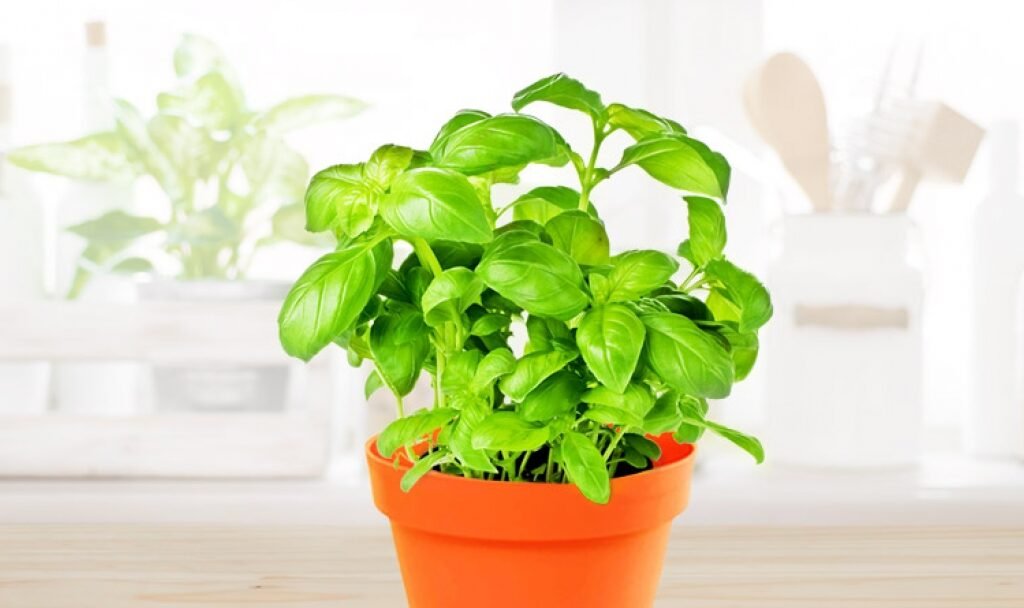
Few herbs capture the essence of fresh, flavorful cooking quite like basil. Known for its bright aroma, sweet-spicy flavor, and culinary versatility, basil has earned its place as a staple in American kitchens and gardens alike. From Italian pasta sauces and Thai curries to refreshing summer salads and homemade pesto, basil adds an unmistakable touch of freshness that instantly elevates any dish.

But basil isn’t just delicious—it’s also packed with nutrients, easy to grow, and rich in health benefits. Whether you’re a passionate home chef, a backyard gardener, or simply someone who loves the scent of fresh herbs in your kitchen, basil offers countless ways to enhance your life.

In this article, we’ll explore the fascinating world of basil—its history, types, growing tips, culinary uses, and even how it supports your health. Let’s discover why this humble herb is one of the most beloved in America.


A Brief History of Basil

Basil (Ocimum basilicum) traces its roots to India and Southeast Asia, where it was cultivated thousands of years ago for both culinary and medicinal purposes. From there, it spread across Europe and the Mediterranean, where it became a cornerstone of Italian, Greek, and French cuisine.

In the United States, basil gained popularity in the 20th century alongside the rise of Italian-American cooking. Dishes like spaghetti with tomato sauce, margherita pizza, and pesto introduced Americans to basil’s signature taste.

Today, basil is grown in every U.S. state—both in home gardens and commercially—thanks to its adaptability, aroma, and universal appeal.


The Many Varieties of Basil

While sweet basil is the most common variety found in American kitchens, there are over 150 types of basil, each with unique flavors, aromas, and appearances. Here are some popular ones to know:

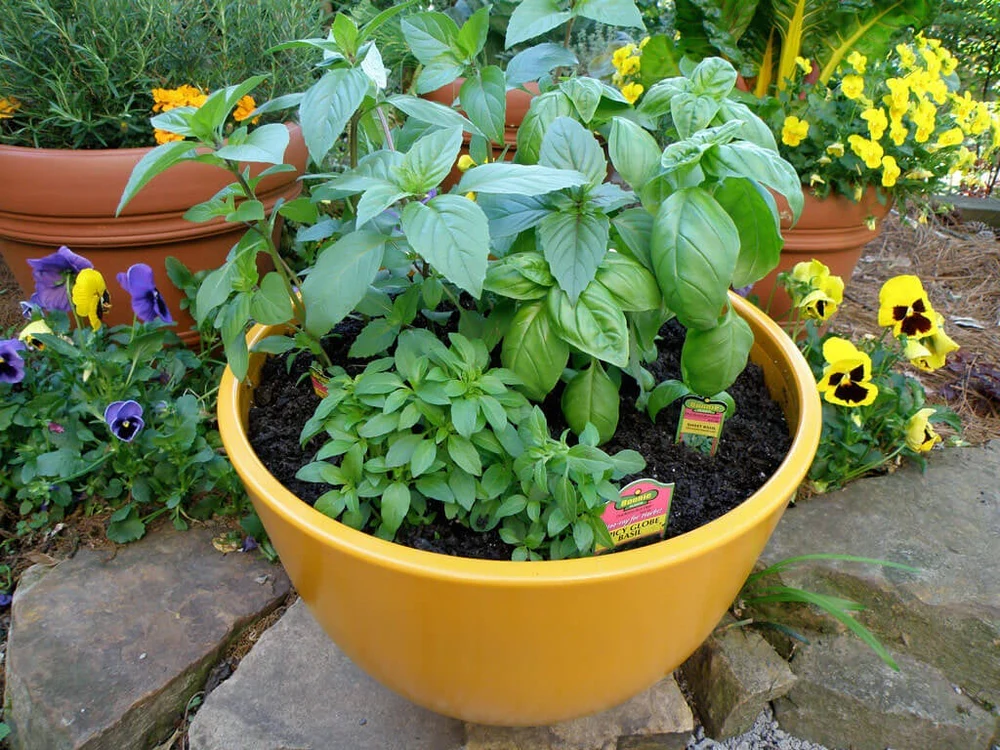
  1. Sweet Basil – The classic Italian basil with large green leaves, perfect for pasta, pesto, and caprese salads.
  2. Genovese Basil – Known for its strong aroma and bold flavor, ideal for authentic Italian pesto.
  3. Thai Basil – A spicier variety with purple stems and anise-like flavor, used in Thai and Vietnamese dishes.
  4. Lemon Basil – Offers a zesty citrus flavor, great for seafood, salads, and desserts.
  5. Purple Basil – Deep purple leaves with a mild clove flavor—excellent for colorful garnishes or infused vinegar.
  6. Holy Basil (Tulsi) – Sacred in Indian culture, often used for tea and medicinal purposes.

Each type has its own charm, and experimenting with them can open up new dimensions in your cooking.


Nutritional and Health Benefits of Basil

Basil isn’t just a flavor enhancer—it’s also a nutrient-rich herb that supports overall health. A single tablespoon of fresh basil contains vitamins A, K, and C, as well as essential minerals like calcium, magnesium, and iron.

Here are some key health benefits of this amazing herb:

1. Rich in Antioxidants
Basil contains powerful antioxidants like flavonoids and polyphenols, which help combat oxidative stress and support cell health.

2. Anti-Inflammatory Properties
Compounds like eugenol and linalool have anti-inflammatory effects that may help reduce arthritis pain, joint inflammation, and muscle soreness.

3. Supports Heart Health
Basil helps regulate cholesterol levels and improve blood circulation, contributing to better cardiovascular health.

4. Strengthens Immunity
The essential oils in basil possess antimicrobial and antibacterial properties that can boost your immune system and fight infections.

5. Enhances Digestion
Basil aids in digestion by reducing bloating and supporting healthy gut bacteria.

6. Stress Relief and Mental Clarity
Holy basil (Tulsi), in particular, is known for its adaptogenic qualities, helping the body manage stress and promote mental calmness.

With all these benefits, adding fresh basil to your meals is an easy, delicious way to enhance both flavor and wellness.


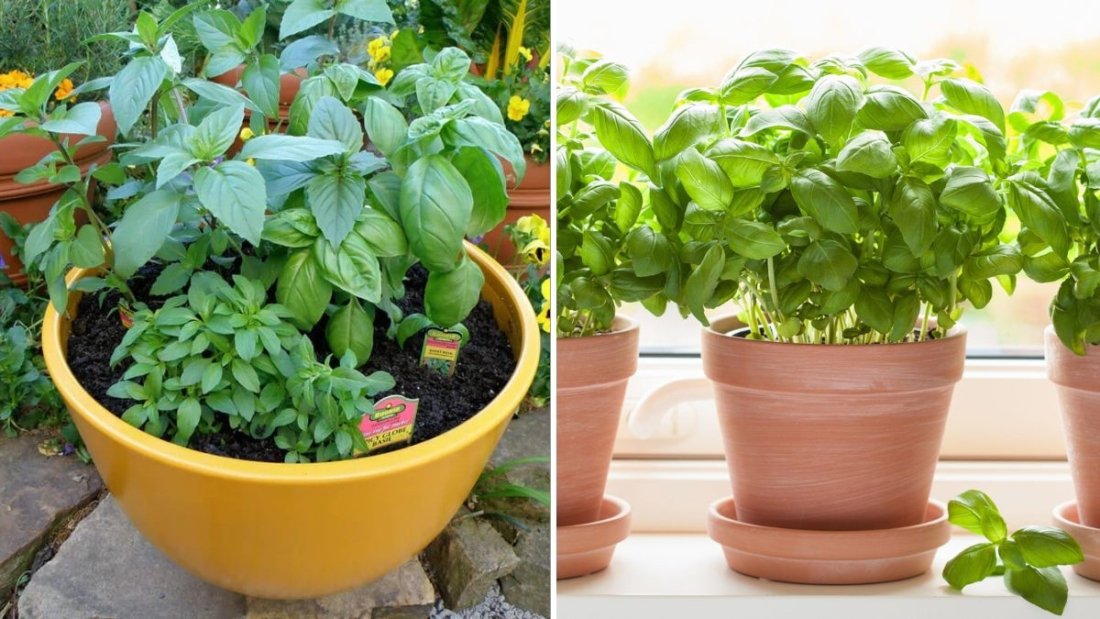
Growing Basil in Your Home Garden

Basil is one of the easiest herbs to grow in America, whether you have a large backyard or just a sunny windowsill. Here’s a simple guide to cultivating this aromatic herb successfully.

1. Choosing the Right Spot

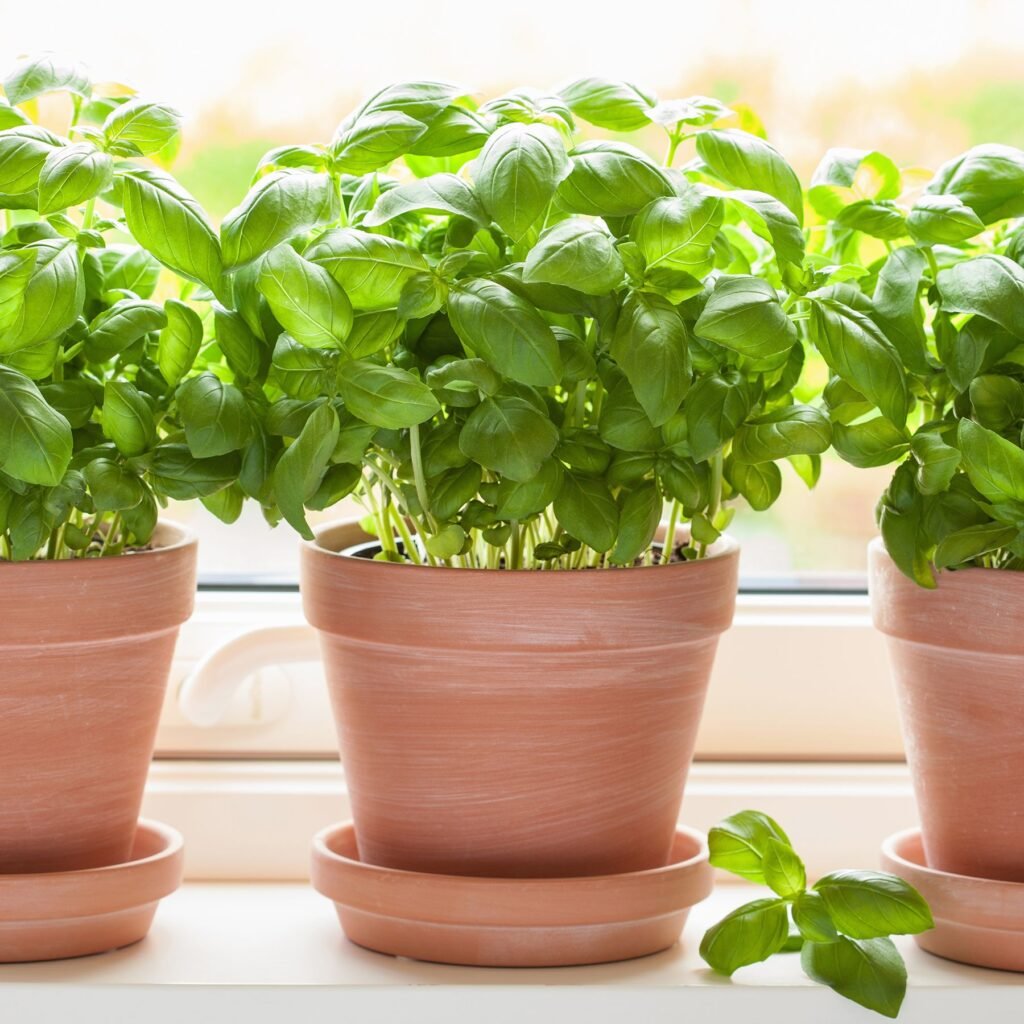
Basil loves sunlight. Choose a location that gets at least 6 to 8 hours of direct sunlight each day. Indoors, place pots near a sunny window or under a grow light.

2. Soil Preparation

Use well-draining, nutrient-rich soil with a slightly acidic to neutral pH (6.0–7.0). Mixing compost or organic matter will help basil thrive.

3. Planting

  • From Seeds: Start indoors about 4–6 weeks before the last frost. Transplant seedlings outdoors once temperatures stay above 50°F.
  • From Cuttings: Basil can also grow from cuttings—just place a 4-inch stem in water until roots form, then transfer it to soil.

4. Watering and Care

Basil likes moist but not soggy soil. Water regularly, especially in dry weather, and trim the top leaves to encourage bushier growth.

5. Harvesting

Harvest leaves frequently once the plant is about 6–8 inches tall. Always pinch off flower buds to keep the flavor fresh and prevent the plant from turning bitter.

With proper care, basil will continue producing lush, fragrant leaves all season long.


How to Preserve Basil

Fresh basil is best enjoyed right after picking, but you can easily preserve it for later use:

  • Drying: Hang bunches upside down in a dark, dry place until crisp, then crumble and store in airtight jars.
  • Freezing: Chop basil and mix with olive oil, then freeze in ice cube trays for quick flavor boosts.
  • Pesto Preservation: Make fresh pesto and store it in the freezer for up to six months.

These methods keep your basil flavorful long after the growing season ends.


Cooking with Basil: Delicious Ideas for Every American Kitchen

Basil adds brightness and balance to countless dishes. Whether you’re making a weeknight dinner or entertaining guests, here are some classic and creative ways to use basil in your cooking:


1. Classic Pesto Sauce

A timeless Italian favorite that’s quick, easy, and packed with flavor.

Ingredients:

  • 2 cups fresh basil leaves
  • ½ cup olive oil
  • ⅓ cup pine nuts (or walnuts)
  • ½ cup grated Parmesan cheese
  • 2 garlic cloves
  • Salt to taste

Directions:
Blend all ingredients in a food processor until smooth. Use as a sauce for pasta, spread on sandwiches, or drizzle over grilled vegetables.


2. Caprese Salad

This simple, fresh salad celebrates the best of summer.

Ingredients:

  • Fresh mozzarella slices
  • Ripe tomatoes
  • Fresh basil leaves
  • Olive oil and balsamic glaze

Directions:
Layer tomato and mozzarella slices, tuck in basil leaves, and drizzle with olive oil and balsamic glaze.


3. Basil Lemonade or Iced Tea

Add a refreshing twist to summer beverages by infusing basil leaves into lemonade or iced tea.


4. Basil-Infused Olive Oil

Combine basil leaves and olive oil in a jar, let it infuse for a few days, and use it to flavor pasta, pizza, or salads.


5. Soups, Pizzas, and Pasta Dishes

Add chopped basil at the end of cooking tomato soups, pizzas, or pasta sauces for a burst of fresh aroma.


Basil in American Cuisine Today

While basil is traditionally associated with Mediterranean dishes, it’s now an essential herb across modern American cuisine. From trendy farm-to-table restaurants to home kitchens, basil finds its way into everything from gourmet sandwiches and cocktails to vegan entrees and healthy smoothies.

Chefs and home cooks alike are experimenting with basil varieties—pairing Thai basil with Asian-inspired noodles or using lemon basil in seafood tacos. The herb’s versatility has made it a symbol of freshness and creativity in American cooking.


Fun Fact: Basil in American Culture

Did you know that basil is sometimes called the “royal herb”? The name comes from the Greek word basileus, meaning “king.” Many cultures believed basil symbolized love, prosperity, and protection—a fitting tribute to an herb that reigns supreme in both the garden and the kitchen.


Tips for Storing and Using Basil

To keep basil fresh longer:

  • Store stems in a glass of water at room temperature, like a bouquet.
  • Avoid refrigerating unless absolutely necessary (cold can darken the leaves).
  • Add basil at the end of cooking, as heat can dull its flavor.

By handling it gently, you’ll preserve its signature fragrance and vibrant green color.


Final Thoughts

Basil is more than just an herb—it’s a celebration of flavor, freshness, and simplicity. From its ancient roots to its modern-day popularity in American gardens and kitchens, basil continues to be a beloved ingredient that connects people to nature and to good food.

Whether you’re making a homemade pesto, topping a pizza, or growing your own herb garden, basil reminds us that the best ingredients are often the simplest ones. It’s aromatic, easy to grow, and endlessly versatile—an essential part of American culinary life.

So the next time you reach for fresh basil, take a moment to appreciate this royal herb that adds color, aroma, and a touch of magic to every meal.

Yardlong Beans The Secret Asian Vegetable Taking American Gardens and Kitchens by Storm

Yardlong Beans The Secret Asian Vegetable Taking American Gardens and Kitchens by Storm

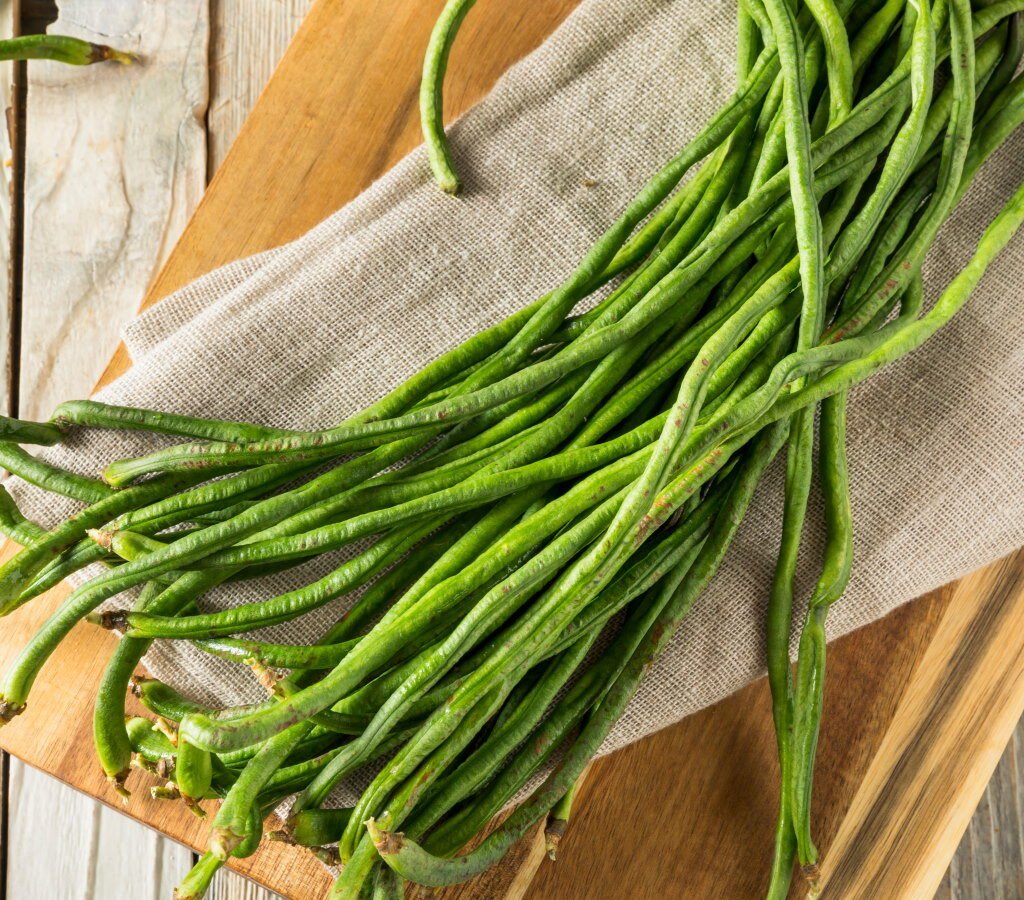
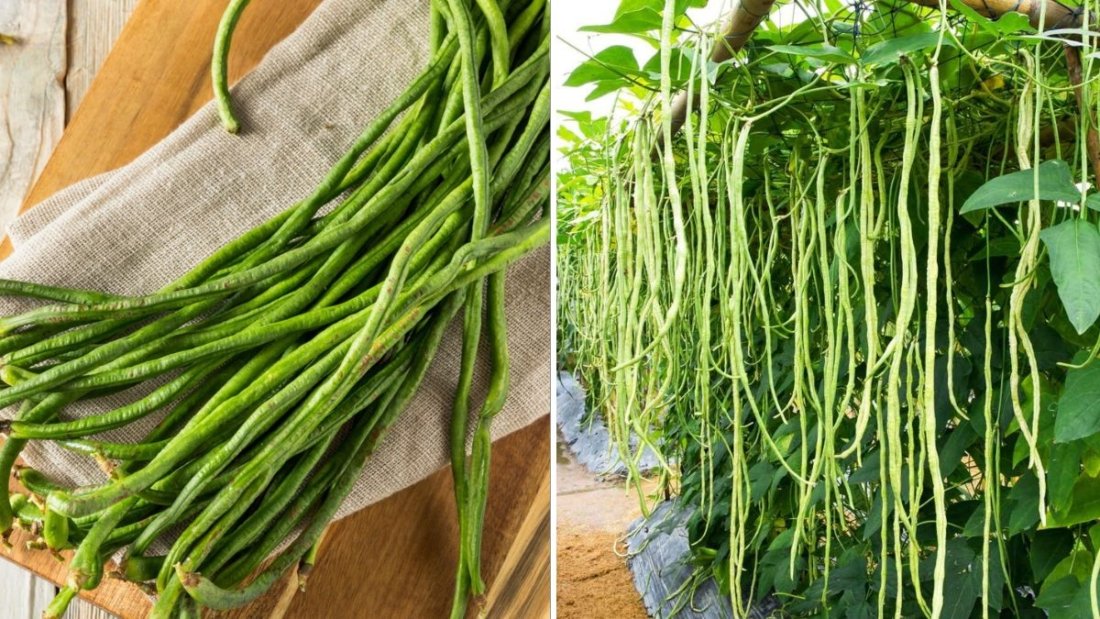
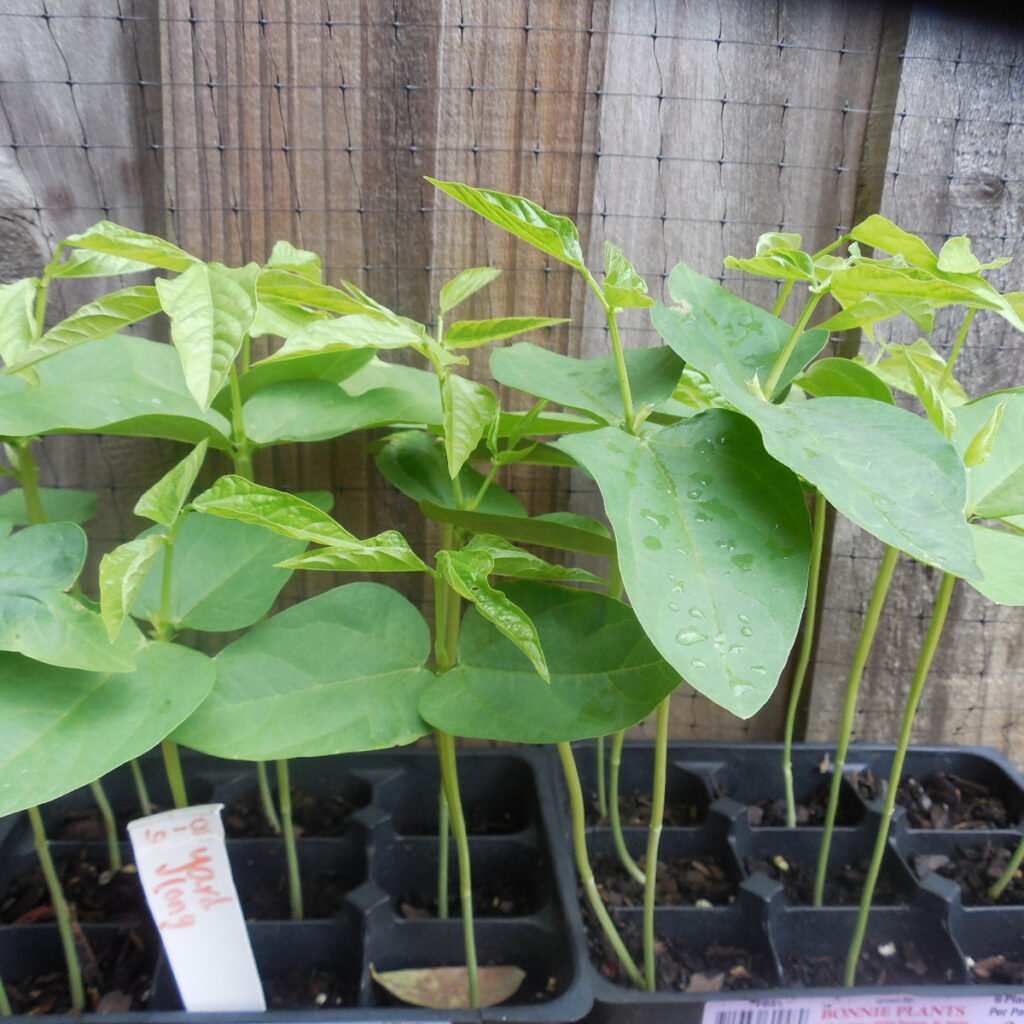
If you’ve ever strolled through a farmer’s market and spotted a bundle of unusually long, green pods that look like extra-large green beans, you’ve just met the yardlong bean. Also known as asparagus beans, Chinese long beans, or snake beans, these vibrant vegetables are beloved in Asian cuisine—and are quickly gaining popularity in American home gardens and kitchens.

Despite their name, yardlong beans don’t actually grow a full yard in length (though some can reach 30 inches!). They’re a tropical legume that thrives in warm climates, producing slender pods with a crisp texture and a subtly nutty flavor. As Americans seek more diverse, homegrown produce and global flavors, yardlong beans are becoming a must-try ingredient for both gardeners and food lovers alike.

Let’s explore the origins, growing tips, nutritional benefits, and delicious ways to cook this fascinating vegetable that’s winning hearts across the United States.


What Are Yardlong Beans?

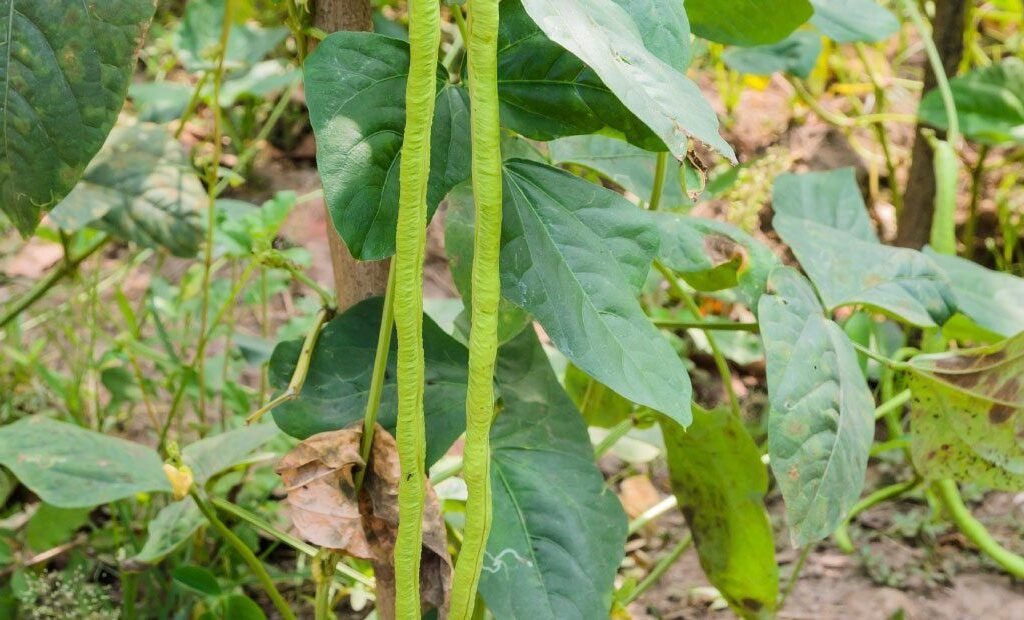
Yardlong beans (Vigna unguiculata subsp. sesquipedalis) belong to the same family as cowpeas and black-eyed peas, not traditional green beans. They are native to Southeast Asia, where they’ve been cultivated for centuries. Known for their incredible length and tender texture, yardlong beans are a staple in Chinese, Thai, and Filipino cooking.

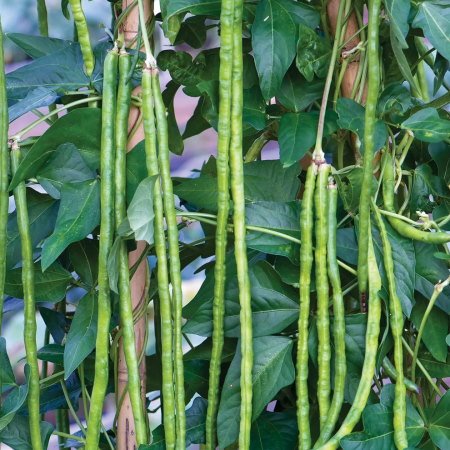
Unlike green beans that grow on bushy plants, yardlong beans grow on vining plants that can stretch over 10 feet tall. Each vine produces dozens of slender, pencil-like pods that are best harvested when they’re about 12 to 18 inches long—before they become tough or stringy.

In America, gardeners often grow them as a summer alternative to green beans, since yardlong beans thrive in hot, humid weather where other beans may struggle.


Nutritional Benefits of Yardlong Beans

Yardlong beans aren’t just delicious—they’re incredibly nutritious. These vibrant green pods are packed with vitamins, minerals, and antioxidants that promote overall wellness.

Here’s what makes them a nutritional powerhouse:

  • Low in Calories: One cup of cooked yardlong beans contains only about 50 calories, making them perfect for weight management.
  • Rich in Vitamins: They’re an excellent source of vitamin C, vitamin A, and folate, which boost immunity and support healthy skin and vision.
  • High in Fiber: The beans’ high fiber content promotes healthy digestion and helps stabilize blood sugar levels.
  • Heart-Healthy: Yardlong beans contain potassium and magnesium, which help regulate blood pressure and support cardiovascular health.
  • Packed with Protein: Like other legumes, they provide plant-based protein, ideal for vegetarians and vegans.
  • Antioxidant-Rich: The beans contain flavonoids and polyphenols that help fight inflammation and oxidative stress.

Incorporating yardlong beans into your diet is a simple way to boost your intake of fiber, protein, and essential nutrients—all while enjoying their fresh, mild flavor.


How to Grow Yardlong Beans in Your Garden

One reason yardlong beans are growing in popularity among American gardeners is that they’re easy to cultivate and highly productive.

Here’s how to grow them successfully in your backyard or garden plot:

1. Choose a Sunny Location

Yardlong beans need full sun—at least 6 to 8 hours per day. They thrive in warm climates and love temperatures between 75°F and 90°F, making them ideal for Southern and Western U.S. gardens.

2. Prepare the Soil

Use well-draining soil enriched with compost. Yardlong beans prefer a slightly acidic to neutral pH (6.0–7.0).

3. Planting the Seeds

  • Sow seeds directly into the ground after the last frost date.
  • Plant seeds 1 inch deep and 3 inches apart in rows spaced about 3 feet apart.
  • Provide a sturdy trellis or pole support, as vines can grow up to 12 feet long.

4. Watering and Care

Keep the soil evenly moist but not waterlogged. Yardlong beans are relatively drought-tolerant once established, but consistent watering improves yield.

5. Harvesting

Pods are ready to pick 60 to 75 days after planting. Harvest when pods are slender, crisp, and around 12–18 inches long. Frequent picking encourages more production.

Pro Tip: Yardlong beans grow quickly—harvest every 2–3 days to ensure young, tender pods.


Cooking with Yardlong Beans

Yardlong beans are incredibly versatile in the kitchen. They retain their firm texture and bright green color when cooked properly, adding both crunch and nutrition to a variety of dishes.

You can use them anywhere you’d use green beans—but their flavor shines in stir-fries, curries, and salads.

Here are some classic and creative ways to enjoy them:


1. Garlic Stir-Fried Yardlong Beans

A simple, flavorful Asian-inspired dish that highlights the beans’ natural crunch.

Ingredients:

  • 1 lb yardlong beans, trimmed and cut into 2-inch pieces
  • 2 tbsp sesame or vegetable oil
  • 4 garlic cloves, minced
  • 1 tbsp soy sauce
  • ½ tsp sugar
  • Salt to taste

Directions:
Heat oil in a wok or skillet. Add garlic and sauté until fragrant. Toss in yardlong beans and stir-fry for 5–6 minutes until bright green and slightly tender. Add soy sauce, sugar, and salt. Serve hot with rice or noodles.


2. Southern-Style Yardlong Beans and Bacon

A tasty fusion of Asian vegetables and Southern flavors.

Ingredients:

  • 1 lb yardlong beans, cut into 2-inch pieces
  • 3 strips bacon, chopped
  • 1 small onion, diced
  • 1 garlic clove, minced
  • Salt and black pepper to taste

Directions:
In a skillet, cook bacon until crisp. Add onion and garlic, then toss in yardlong beans. Sauté until beans are tender but still crisp. Season and serve as a side dish with roasted chicken or grilled steak.


3. Yardlong Bean Salad with Lime Dressing

A refreshing and healthy side dish for summer picnics or barbecues.

Ingredients:

  • 2 cups blanched yardlong beans, cut into 2-inch pieces
  • 1 cup cherry tomatoes, halved
  • ½ red bell pepper, sliced
  • 2 tbsp olive oil
  • 1 tbsp lime juice
  • Salt, pepper, and chili flakes to taste

Directions:
Combine all ingredients in a bowl and toss with olive oil and lime juice. Chill for 30 minutes before serving.


4. Spicy Thai Yardlong Bean Curry

Bring authentic Thai flavors to your table with this vibrant curry.

Ingredients:

  • 1 lb yardlong beans, chopped
  • 2 tbsp red curry paste
  • 1 can coconut milk
  • 1 tbsp fish sauce (or soy sauce for vegan version)
  • 1 tsp sugar
  • Fresh basil for garnish

Directions:
In a pan, sauté curry paste until aromatic. Add coconut milk, fish sauce, and sugar. Stir in beans and cook until tender. Garnish with basil and serve with jasmine rice.


Yardlong Beans in American Cuisine

While traditionally an Asian vegetable, yardlong beans are making their way into American cuisine thanks to their unique appearance, mild taste, and adaptability. Chefs across the U.S. are using them in:

  • Farm-to-table salads
  • Vegetable stir-fries
  • Fusion tacos and wraps
  • Healthy meal-prep bowls

Their ability to absorb flavors while maintaining texture makes them a favorite for modern plant-based recipes and healthy eating trends.

In home kitchens, yardlong beans are also replacing green beans in comfort dishes like casseroles and sautéed sides, adding an exotic twist without complicating the recipe.


Storage and Meal Prep Tips

Fresh yardlong beans stay crisp for up to 5 days in the refrigerator when stored in a perforated plastic bag or airtight container.

To freeze them:

  1. Blanch the beans in boiling water for 2 minutes.
  2. Cool in ice water, drain, and pat dry.
  3. Store in freezer bags for up to 3 months.

This makes it easy to enjoy fresh yardlong beans even after harvest season.


Why Americans Love Yardlong Beans

Yardlong beans check all the boxes for today’s home gardeners and cooks:

  • Easy to grow in warm U.S. climates.
  • High-yielding, providing continuous harvests.
  • Nutrient-dense and low in calories.
  • Versatile in the kitchen, working in both traditional and modern recipes.

They embody the perfect blend of global flavor and local sustainability, aligning with America’s growing interest in home gardening, healthy eating, and multicultural cuisine.


Final Thoughts

Yardlong beans might be rooted in Asian tradition, but they’re quickly becoming a star in American gardens and kitchens. Their crisp texture, subtle flavor, and remarkable nutritional value make them an ingredient worth discovering.

Whether you sauté them with garlic, toss them in a salad, or simmer them in curry, yardlong beans add freshness, flavor, and a touch of adventure to your meals.

So, the next time you visit your local farmer’s market—or plan your next garden season—give yardlong beans a try. You’ll not only enjoy their taste and versatility but also experience a beautiful blend of cultural heritage and modern American cooking.


Lima Beans The Creamy Superfood of Southern Cuisine and Modern American Cooking

Lima Beans The Creamy Superfood of Southern Cuisine and Modern American Cooking

If there’s one humble ingredient that beautifully bridges the gap between classic Southern comfort food and modern healthy eating, it’s lima beans. Known for their buttery flavor and velvety texture, lima beans have graced American tables for generations. Whether you remember them from your grandmother’s succotash or enjoy them as a protein-packed addition to grain bowls, these legumes deserve a comeback in today’s kitchens.

Beyond their creamy taste, lima beans—also called butter beans in the South—are incredibly nutritious, versatile, and affordable. They’re rich in protein, fiber, and essential minerals that support heart and gut health. Let’s dive into the fascinating story of lima beans, their impressive nutritional profile, cooking techniques, and delicious ways to include them in your meals all year long.


The Origins of Lima Beans

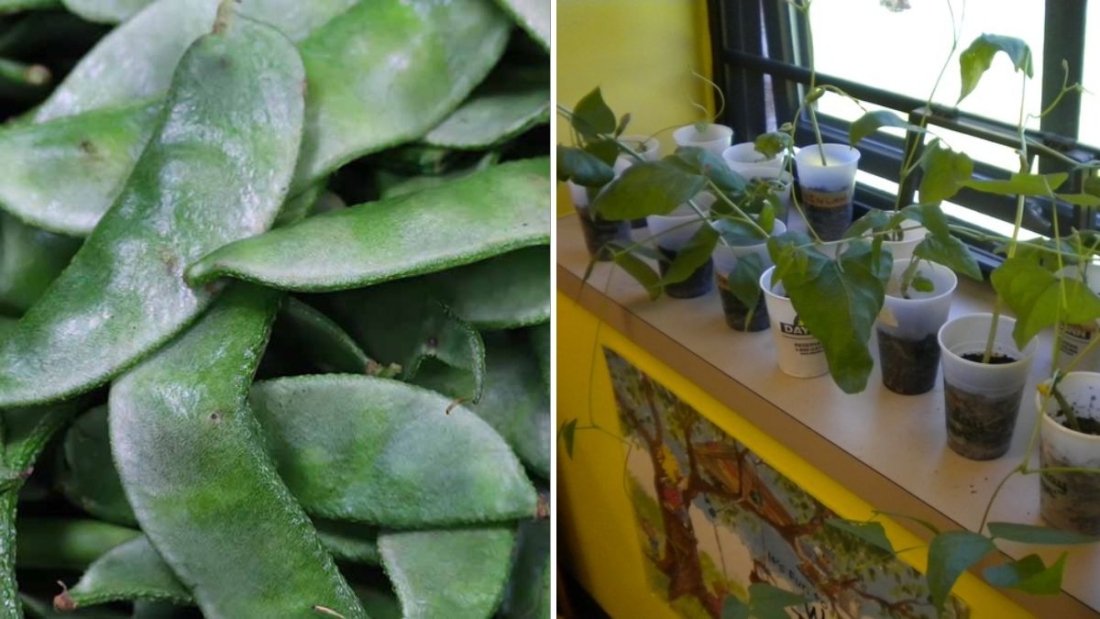
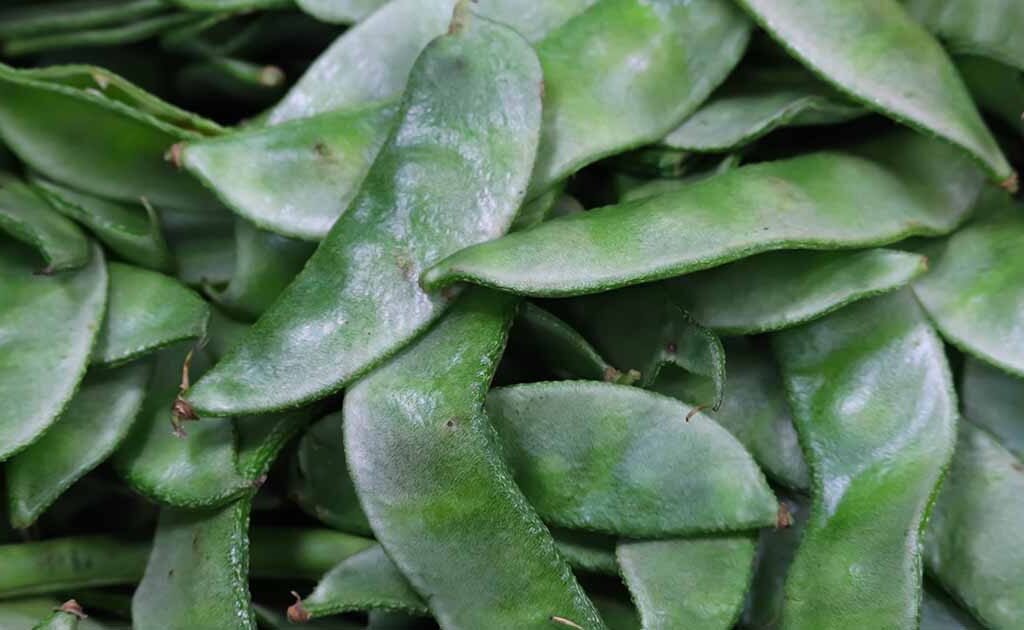
Lima beans (Phaseolus lunatus) have ancient roots, dating back over 4,000 years in Central and South America. They’re named after the city of Lima, Peru, where they were first cultivated and traded before spreading across the globe. When Spanish explorers brought them to North America, lima beans became a staple crop in Southern and coastal regions.

In the American South, they earned the nickname “butter beans” because of their rich, creamy flavor. From hearty stews in Georgia to summer succotash in the Carolinas, lima beans are deeply woven into Southern food traditions. Today, they remain a beloved ingredient in home gardens and farmer’s markets across the United States.


Lima Beans vs. Butter Beans: What’s the Difference?

Many people wonder if lima beans and butter beans are the same. The answer depends on where you live and how they’re prepared.

  • Lima Beans: Typically refers to the small, green, immature beans—tender and slightly sweet.
  • Butter Beans: Refers to the larger, mature white or pale-yellow beans with a creamy, buttery taste once cooked.

In essence, they’re the same plant, just harvested at different stages. Both types are packed with nutrients and can be used interchangeably in recipes depending on your preferred flavor and texture.


Nutritional Powerhouse: Health Benefits of Lima Beans

Lima beans are one of nature’s best sources of plant-based nutrition, making them a smart choice for anyone pursuing a balanced diet.

1. Rich in Plant Protein
One cup of cooked lima beans provides about 14 grams of protein, making them an excellent alternative to meat for vegetarians and vegans.

2. High in Dietary Fiber
With nearly 13 grams of fiber per cup, lima beans promote healthy digestion and help keep you full for longer, which supports weight management.

3. Good for the Heart
They’re low in fat and cholesterol-free, while rich in magnesium, potassium, and folate—key nutrients that help regulate blood pressure and reduce the risk of heart disease.

4. Blood Sugar Control
The high fiber and protein content in lima beans slows down sugar absorption, making them beneficial for people managing diabetes or insulin resistance.

5. Packed with Vitamins and Minerals
Lima beans contain essential nutrients such as iron, copper, manganese, and vitamin B6, which boost energy levels and support red blood cell production.

According to the U.S. Department of Agriculture (USDA), regularly eating legumes like lima beans can contribute to better cardiovascular health and longevity.


Cooking Lima Beans: From Dry Beans to Creamy Perfection

Cooking lima beans from scratch may sound old-fashioned, but it’s surprisingly easy—and the taste is far superior to canned versions.

Step 1: Soak the Beans

If you’re using dried beans, soak them first to reduce cooking time and improve digestibility.

  • Overnight soak: Cover beans with water and let sit for 8–12 hours.
  • Quick soak: Boil beans for 2 minutes, remove from heat, and let stand for 1 hour.

Step 2: Drain and Rinse

Discard the soaking water and rinse beans thoroughly to remove any excess starch or anti-nutrients.

Step 3: Simmer Slowly

Place the beans in a pot, cover with fresh water or broth, and bring to a boil. Reduce heat to low and simmer for 60–90 minutes until tender. Add salt toward the end of cooking to keep the skins from toughening.

Flavor Tip: For richer flavor, cook lima beans with onions, garlic, a bay leaf, or smoked meats like ham hocks or bacon.


Delicious Lima Bean Recipes to Try

1. Classic Southern Butter Beans

A traditional dish that embodies Southern comfort food.

Ingredients:

  • 2 cups fresh or dried lima beans
  • 1 smoked ham hock or 3 slices of bacon
  • 1 small onion, chopped
  • 1 tsp salt
  • ½ tsp black pepper

Directions:
Combine all ingredients in a pot with enough water to cover the beans. Bring to a boil, then simmer for 1–2 hours until beans are tender and creamy. Serve with cornbread for an authentic Southern meal.


2. Lima Bean and Corn Succotash

A colorful, nutritious side dish perfect for summer cookouts.

Ingredients:

  • 2 cups cooked lima beans
  • 1½ cups corn kernels (fresh or frozen)
  • ½ red bell pepper, diced
  • 2 tbsp butter or olive oil
  • 1 clove garlic, minced
  • Salt and black pepper to taste

Directions:
In a skillet, melt butter and sauté garlic and bell pepper until soft. Add lima beans and corn, season with salt and pepper, and cook for 5–7 minutes. Garnish with fresh parsley or thyme.


3. Creamy Lima Bean Soup

Comforting and hearty, this soup is ideal for cool evenings.

Ingredients:

  • 2 cups cooked lima beans
  • 1 carrot, diced
  • 1 celery stalk, chopped
  • 1 onion, minced
  • 4 cups vegetable broth
  • ½ cup cream or coconut milk (optional for creaminess)

Directions:
Sauté onion, carrot, and celery in olive oil until tender. Add broth and beans, simmer for 20 minutes, then blend until smooth. Add cream, salt, and pepper. Serve warm with crusty bread.


4. Lima Bean Salad with Lemon Dressing

A bright, refreshing dish for healthy meal prep.

Ingredients:

  • 2 cups cooked lima beans
  • 1 cup cherry tomatoes, halved
  • ½ cucumber, diced
  • ¼ red onion, sliced
  • 2 tbsp olive oil
  • 1 tbsp lemon juice
  • Salt, pepper, and dill to taste

Directions:
Combine all ingredients in a bowl and toss with olive oil and lemon juice. Chill for 30 minutes before serving.


Lima Beans in American Cuisine

Lima beans hold a special place in American culinary history. They were a key survival food during the Great Depression and continue to be a symbol of simple, nourishing home cooking.

In Southern kitchens, butter beans are often slow-cooked with ham or bacon and served with rice or cornbread. In New England, lima beans appear in baked dishes, while in California, they’re featured in vegan stews and fresh salads.

Today’s chefs are reimagining lima beans in new, modern ways—from hummus-style dips to grain bowls and veggie burgers—highlighting their adaptability in both traditional and plant-based diets.


Storing and Freezing Lima Beans

Proper storage keeps lima beans fresh and flavorful for months.

  • Dried Beans: Store in a sealed jar or airtight container in a cool, dry place for up to a year.
  • Cooked Beans: Refrigerate for up to 5 days in an airtight container.
  • Freezing Tip: Portion cooked lima beans into freezer bags or containers with a bit of their cooking liquid. Freeze for up to 3 months for quick meals later.

To reheat, thaw overnight in the refrigerator or warm gently on the stovetop.


Lima Beans and Sustainability

Beyond their health benefits, lima beans are also a sustainable food choice. As legumes, they enrich the soil by fixing nitrogen—reducing the need for chemical fertilizers. They also require less water and land compared to animal protein sources.

Choosing lima beans helps support eco-friendly farming practices and contributes to a lower carbon footprint. For Americans looking to eat sustainably, incorporating beans into the weekly meal rotation is an easy and impactful step.


Why Lima Beans Deserve a Comeback

Lima beans may have once had a reputation for being “boring,” but that couldn’t be further from the truth. Their versatility, creamy texture, and nutrient density make them perfect for today’s diverse food culture. Whether you’re cooking a pot of old-fashioned butter beans or blending them into a vegan soup, lima beans deliver comfort, flavor, and nourishment in every bite.

They’re a testament to simple ingredients that stand the test of time—a reminder that wholesome food doesn’t have to be complicated to be delicious.


Final Thoughts

From Southern Sunday suppers to modern plant-based meals, lima beans have earned their place as one of America’s most underrated superfoods. They’re rich in protein, fiber, and flavor—proof that the best foods often come from the earth, not the factory.

So next time you’re meal planning, pick up a bag of lima beans. Whether you call them lima or butter beans, one thing is certain: this creamy legume will bring warmth, health, and heritage to your table.

Pinto Beans The Heart of Southwestern Cooking and a Powerhouse of Nutrition

Pinto Beans The Heart of Southwestern Cooking and a Powerhouse of Nutrition

Few ingredients capture the essence of American Southwest cooking quite like pinto beans. Known for their earthy flavor, creamy texture, and speckled tan-and-brown skin, pinto beans are a staple across the United States—especially in Tex-Mex cuisine. Whether served in a hearty bowl of chili, refried for burritos, or simmered with ham hocks for Sunday supper, these humble legumes are a beloved comfort food that packs incredible nutrition.

Beyond their taste, pinto beans offer an affordable, protein-rich foundation for countless recipes. They’re easy to cook, store well, and can elevate both traditional and modern dishes with their versatility. Let’s explore the origins, nutritional benefits, cooking methods, and creative recipes that make pinto beans a must-have ingredient in every American kitchen.


The Story Behind Pinto Beans

Pinto beans (Phaseolus vulgaris) are native to Central and South America, where they have been cultivated for thousands of years. Spanish explorers introduced them to North America, and over time, they became a vital part of Southwestern and Mexican cuisines. The word “pinto” means “painted” in Spanish—a fitting description for the bean’s mottled appearance before cooking.

In the United States, pinto beans are especially popular in states like Texas, New Mexico, Arizona, and Colorado, where they often take center stage in classic dishes like refried beans, chili con carne, and bean soups. In Southern kitchens, they’re frequently cooked with smoked meats, onions, and spices to create a rich, comforting side dish.


Nutritional Benefits of Pinto Beans

Pinto beans aren’t just delicious—they’re incredibly nutritious. They’re packed with plant-based protein, fiber, vitamins, and minerals, making them a smart choice for health-conscious Americans looking to eat better without breaking the bank.

Here’s what makes them a nutritional powerhouse:

  • High in Protein: One cup of cooked pinto beans provides about 15 grams of protein, perfect for vegetarians and anyone looking to cut back on meat.
  • Rich in Fiber: With 15 grams of fiber per cup, pinto beans promote healthy digestion and help regulate blood sugar levels.
  • Heart-Healthy Nutrients: They’re rich in magnesium, potassium, and folate, which support heart health and reduce bad cholesterol (LDL).
  • Low in Fat: Pinto beans contain minimal fat and no cholesterol, making them ideal for weight management.
  • Packed with Antioxidants: Pinto beans contain polyphenols that fight oxidative stress and inflammation in the body.

According to the USDA, adding beans like pintos to your diet can lower your risk of heart disease, type 2 diabetes, and certain cancers.


Cooking Pinto Beans: From Dry to Delicious

Cooking pinto beans from scratch is simple and rewarding. While canned beans are convenient, starting with dried beans allows for better flavor and texture—and less sodium.

Step 1: Soak the Beans
Soaking helps soften the beans and reduce cooking time. You can use one of two methods:

  • Overnight Soak: Place beans in a bowl, cover with water (about 3 inches above the beans), and soak overnight.
  • Quick Soak: Boil beans for 2 minutes, remove from heat, cover, and let sit for 1 hour.

Step 2: Drain and Rinse
After soaking, drain and rinse the beans to remove excess starch and anti-nutrients.

Step 3: Simmer to Perfection
Place the beans in a large pot, cover with fresh water or broth, and bring to a boil. Reduce to a simmer and cook for 1½ to 2 hours or until tender. Add salt and acidic ingredients like tomatoes or vinegar after the beans are tender—adding them too early can toughen the skins.

Flavor Tip:
For extra flavor, add onions, garlic, bay leaves, or smoked meats like bacon or ham hock to the cooking pot.


Delicious Pinto Bean Recipes to Try

1. Classic Refried Pinto Beans

A staple in Tex-Mex cuisine, refried beans are creamy, flavorful, and perfect as a side or burrito filling.

Ingredients:

  • 2 cups cooked pinto beans
  • 2 tbsp olive oil or lard
  • ½ onion, diced
  • 2 cloves garlic, minced
  • Salt and cumin to taste

Directions:
Mash the beans slightly with a fork. In a skillet, heat oil and sauté onions and garlic until golden. Add beans and a splash of cooking liquid, stirring until smooth and creamy. Season with salt and cumin.


2. Southwestern Pinto Bean Chili

Warm, hearty, and perfect for cool evenings.

Ingredients:

  • 1 lb lean ground beef or turkey
  • 2 cups cooked pinto beans
  • 1 can diced tomatoes
  • 1 small onion, chopped
  • 2 cloves garlic, minced
  • 1 tbsp chili powder
  • 1 tsp cumin
  • Salt and pepper to taste

Directions:
Brown the meat with onions and garlic. Add tomatoes, beans, and spices. Simmer for 30 minutes until flavors blend. Top with cheese or sour cream.


3. Pinto Bean Salad with Corn and Avocado

A refreshing, protein-packed salad ideal for summer BBQs or potlucks.

Ingredients:

  • 2 cups cooked pinto beans
  • 1 cup corn kernels
  • 1 diced red bell pepper
  • 1 avocado, cubed
  • 2 tbsp olive oil
  • Juice of 1 lime
  • Fresh cilantro and salt to taste

Directions:
Toss all ingredients in a bowl and chill before serving. This vibrant salad pairs beautifully with grilled chicken or fish.


4. Pinto Bean Soup with Smoked Ham

Comfort in a bowl—perfect for cold winter nights.

Ingredients:

  • 2 cups dried pinto beans (soaked)
  • 1 ham bone or smoked ham hock
  • 1 onion, diced
  • 2 carrots, chopped
  • 2 celery stalks, chopped
  • 1 bay leaf
  • 6 cups chicken broth

Directions:
Combine all ingredients in a pot, bring to a boil, then simmer for 2 hours until beans are tender. Remove the ham bone, shred the meat, and return it to the pot.


Pinto Beans in American Cuisine

Pinto beans hold a special place in American food culture, particularly in the South and Southwest. They’re a symbol of home-cooked comfort food, celebrated in dishes like:

  • Texas-style bean chili
  • Cowboy beans, slow-cooked with bacon and molasses
  • Southern-style pinto beans and cornbread, a traditional meal of simplicity and flavor

In the modern kitchen, pinto beans have evolved beyond tradition. They now appear in vegan tacos, protein bowls, soups, and even veggie burgers, proving their adaptability in both classic and contemporary recipes.


Storage and Meal Prep Tips

One of the best things about pinto beans is their long shelf life and meal prep potential.

  • Dried Beans: Store in an airtight container in a cool, dark place for up to a year.
  • Cooked Beans: Keep in the fridge for up to 5 days or freeze in portions for up to 3 months.
  • Canned Beans: Convenient and quick—just rinse before using to reduce sodium.

Cooking a big batch of beans at once makes meal prep easier for busy weeks. Add them to salads, rice bowls, soups, or wraps for quick, healthy meals.


Why Americans Love Pinto Beans

Pinto beans check every box for the modern American kitchen—they’re affordable, nutritious, sustainable, and delicious. They can be the star of the dish or a hearty side that complements meats, grains, or veggies.

They also fit perfectly into today’s growing trend of plant-based eating. With their rich protein and fiber content, pinto beans offer a satisfying alternative to animal protein without sacrificing flavor.

Plus, they’re eco-friendly. Growing beans requires fewer resources than raising livestock, making them a sustainable food choice for environmentally conscious consumers.


Final Thoughts

From humble beginnings in the fields of the Americas to their spot on dinner tables across the U.S., pinto beans have earned their reputation as a beloved American classic. Whether you’re cooking a pot of old-fashioned beans and cornbread, blending them into a creamy dip, or tossing them into a colorful salad, pinto beans bring warmth, nutrition, and comfort to every meal.

So next time you’re at the grocery store, grab a bag of pinto beans—and discover why this “painted bean” continues to be a timeless favorite in American kitchens.