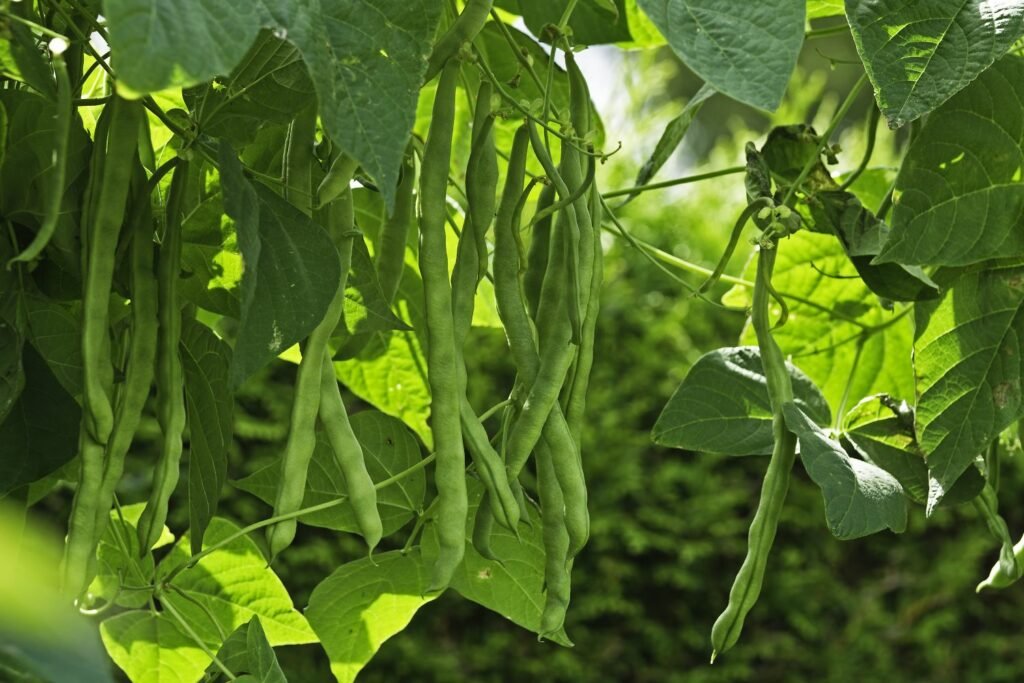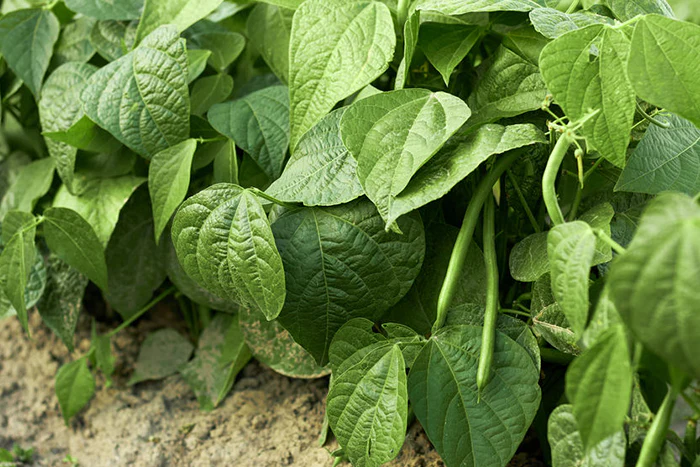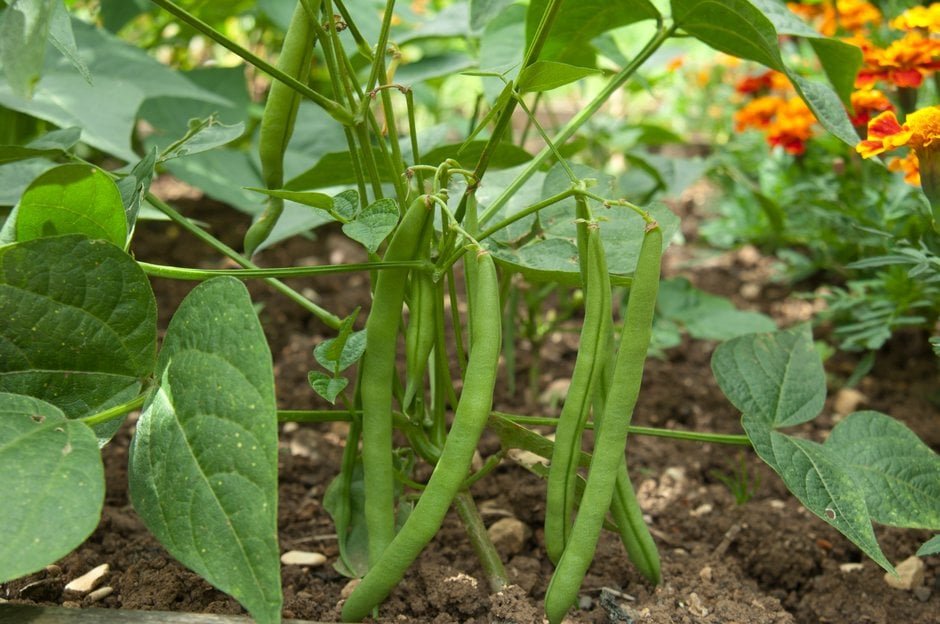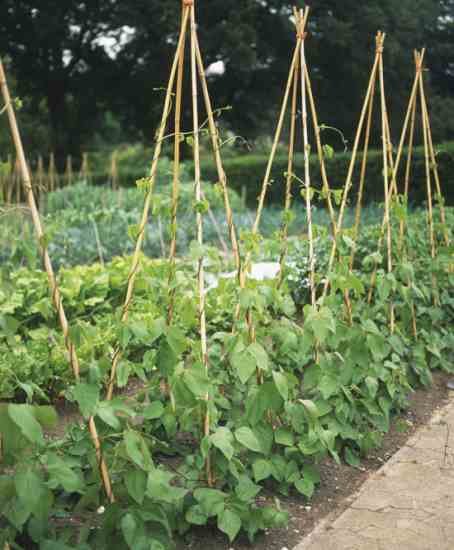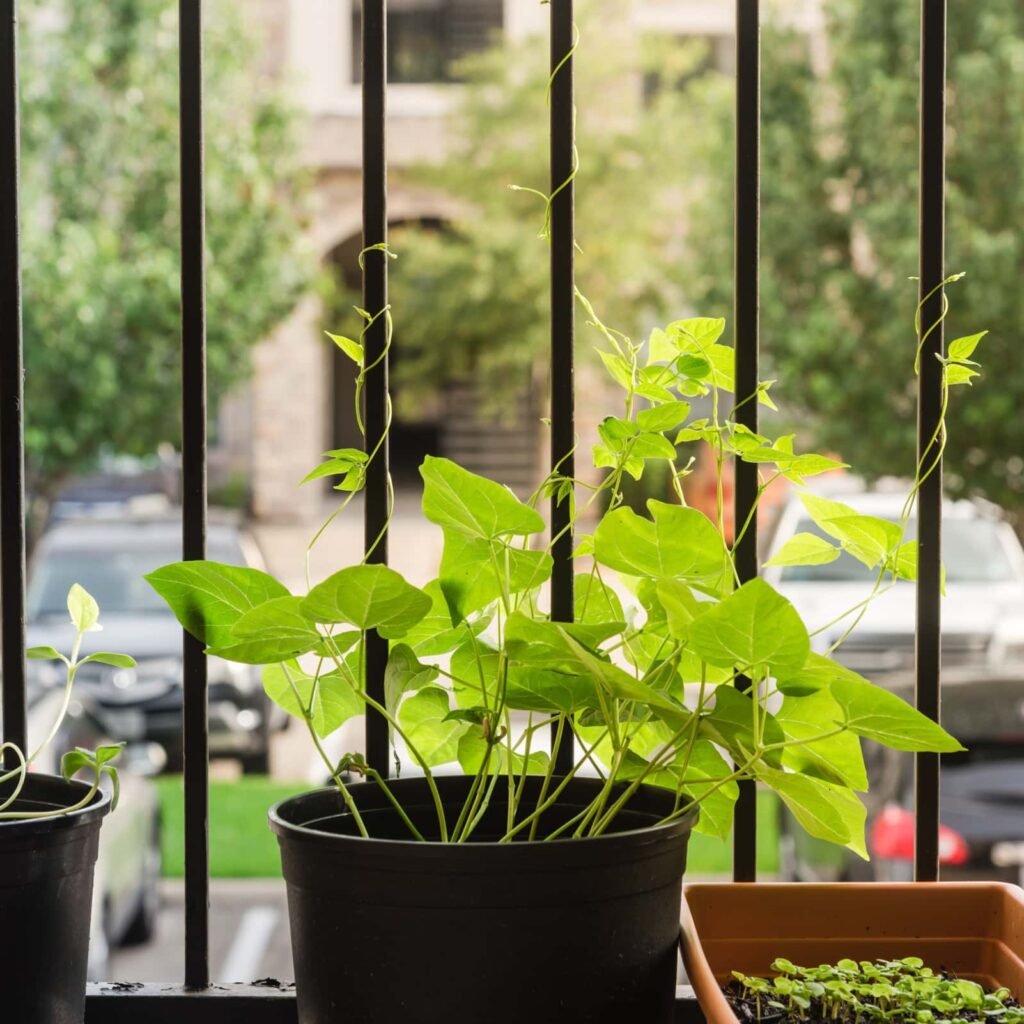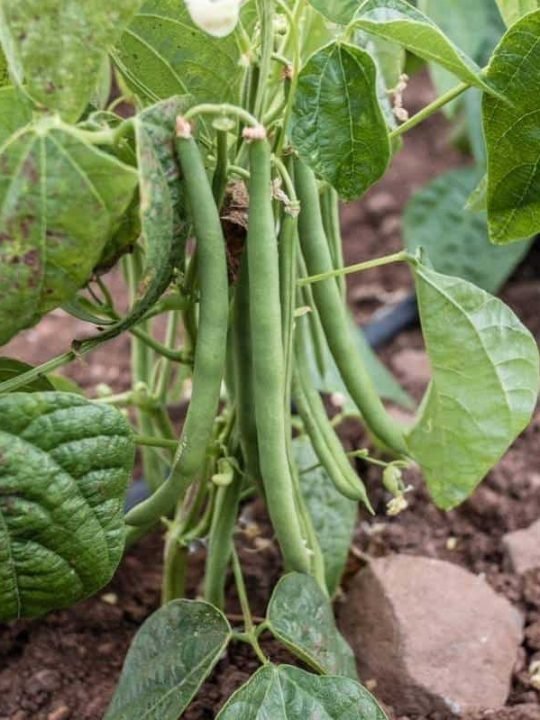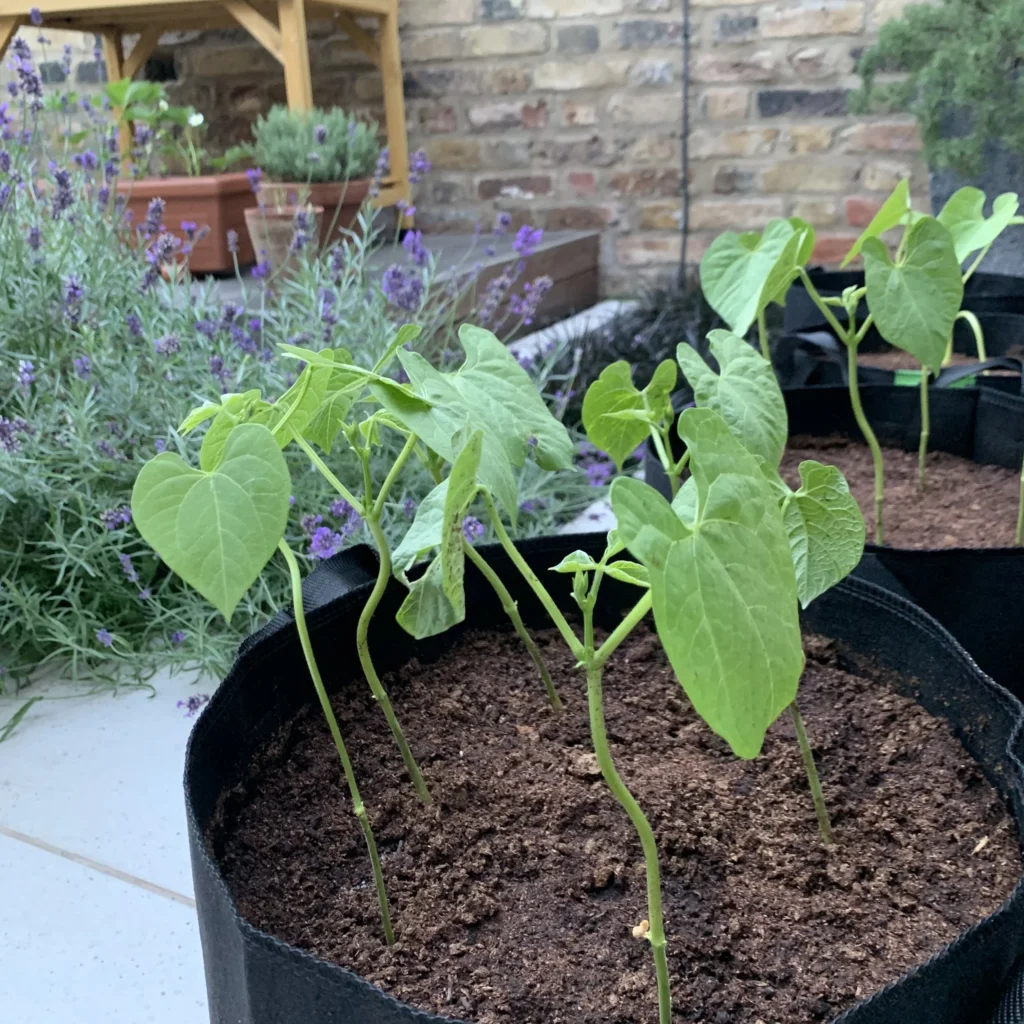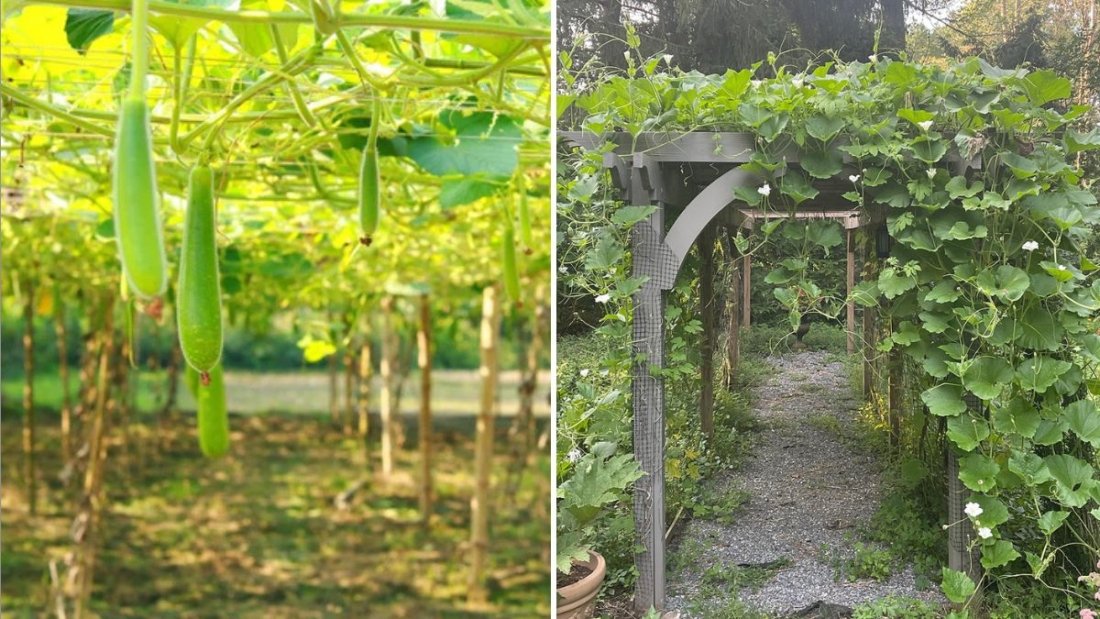
Broad Beans The Ultimate American Gardener’s Guide to Growing, Cooking, and Enjoying Fava Beans

Broad Beans The Ultimate American Gardener’s Guide to Growing, Cooking, and Enjoying Fava Beans

If you’re looking to grow a crop that’s both nutrient-rich and rewarding, it’s time to rediscover the magic of broad beans, also known as fava beans. These ancient legumes have been cherished for centuries across Europe, the Middle East, and Asia—but they’re now making a strong comeback in American home gardens and kitchens.

With their buttery texture, earthy flavor, and impressive nutritional profile, broad beans offer a unique twist to your spring and fall harvests. Whether you’re a backyard gardener in California or tending raised beds in New England, these beans thrive in cooler weather and provide fresh produce long before most summer crops.

Let’s dive into everything you need to know—from planting and growing broad beans to their incredible health benefits and delicious culinary uses.


What Are Broad Beans?
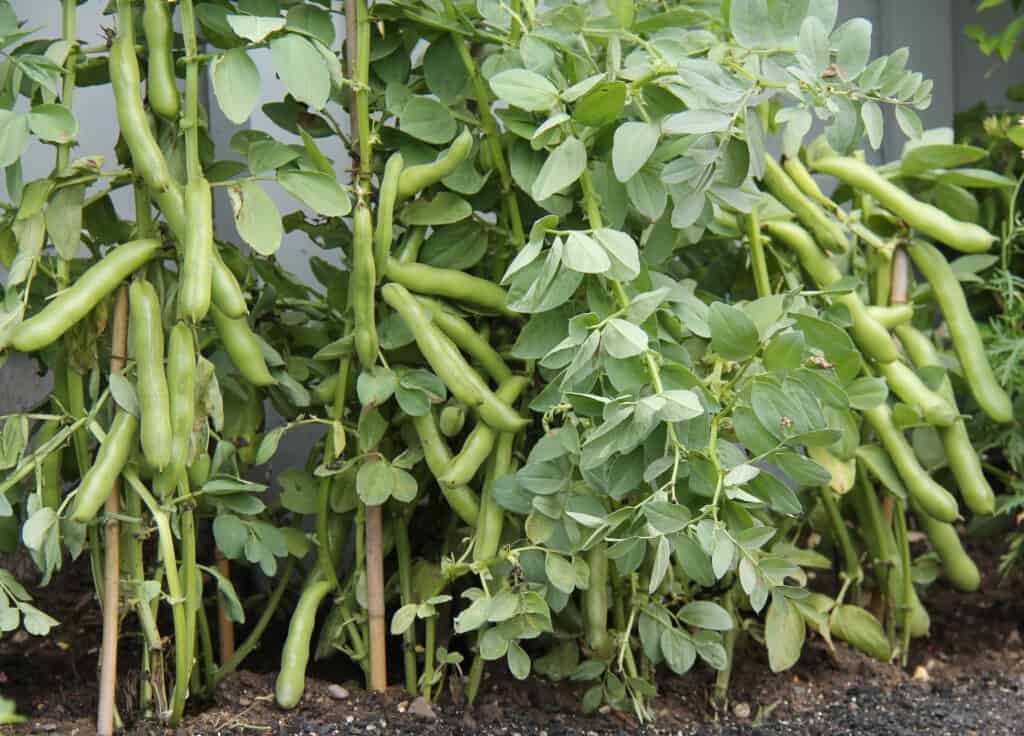
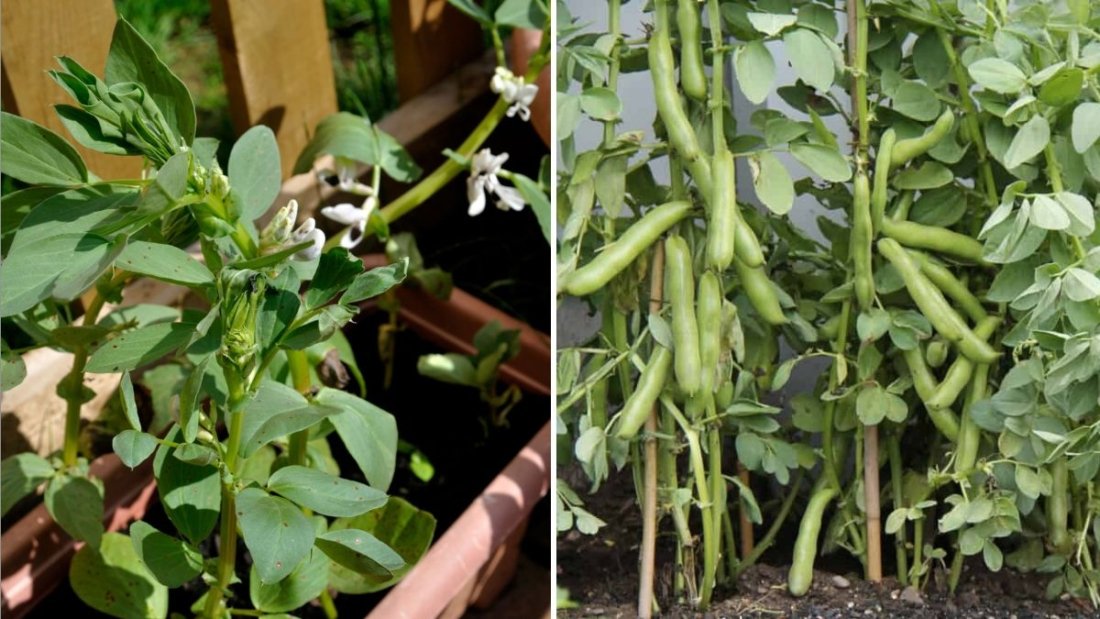
Broad beans (Vicia faba), often called fava beans in the United States, are a type of cool-season legume known for their large, flat pods and protein-packed seeds. Unlike green beans, which are harvested for their tender pods, broad beans are valued for their nutty, creamy seeds inside.

These hardy plants can withstand cooler temperatures better than most beans, making them ideal for early spring or fall planting. Their sturdy stalks grow about 2–4 feet tall, and each pod contains 4–8 beans that can be eaten fresh, dried, or frozen.

Common varieties grown in the U.S. include ‘Aquadulce Claudia,’ ‘Windsor,’ ‘Broad Windsor,’ and ‘Stereo.’


Nutritional Value: A Powerhouse of Protein and Vitamins

Broad beans are a superfood in every sense. They are rich in essential nutrients and provide an excellent plant-based protein source for vegetarians and vegans alike.

Per 100 grams of cooked broad beans:

  • Calories: 110
  • Protein: 8 grams
  • Fiber: 6 grams
  • Carbohydrates: 19 grams
  • Fat: <1 gram
  • Vitamins: Folate, Vitamin B1 (Thiamine), Vitamin K, and Vitamin C
  • Minerals: Iron, Magnesium, Potassium, and Manganese

Because they’re low in fat and cholesterol-free, broad beans make an excellent addition to a heart-healthy diet.


Health Benefits of Broad Beans
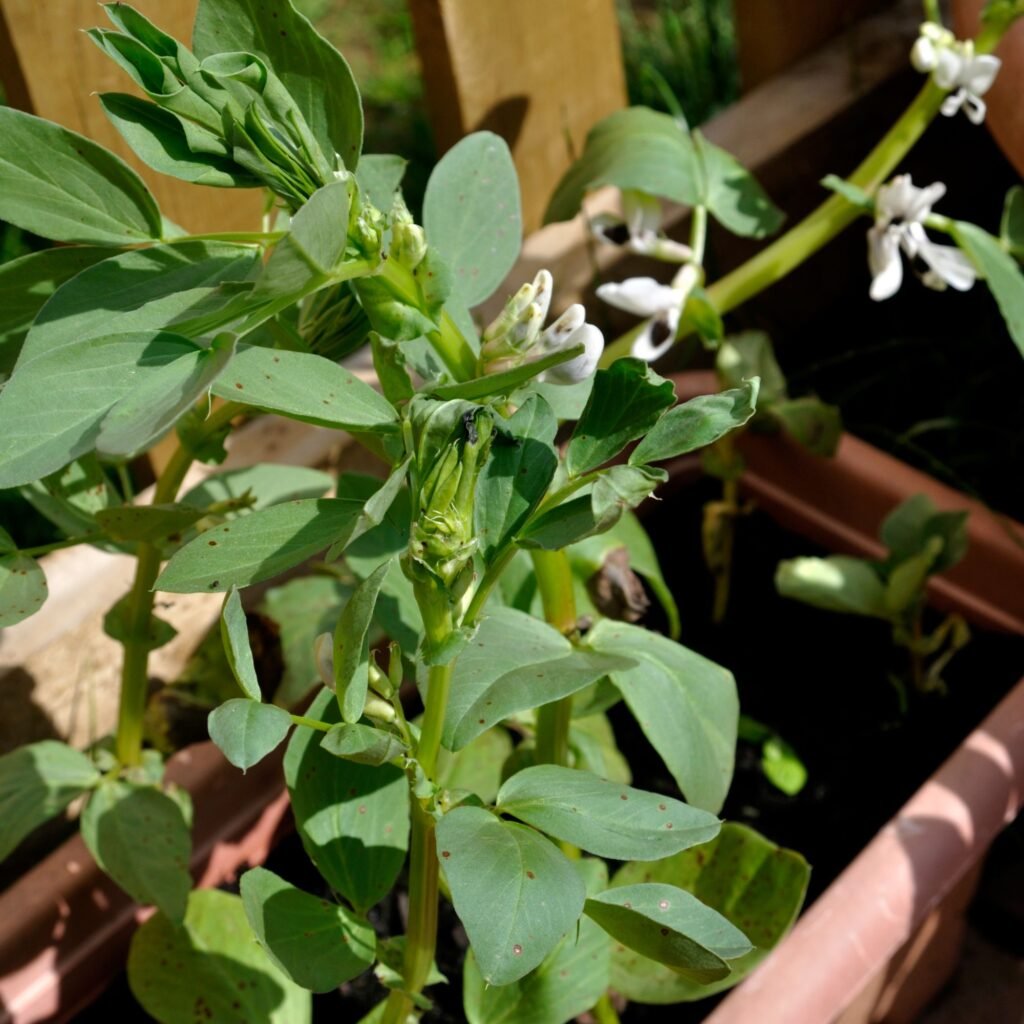
1. Rich in Plant-Based Protein

Broad beans are one of the best vegetarian protein sources, helping build and repair body tissues. This makes them a great alternative to meat for those following plant-based diets.

2. Supports Heart Health

The combination of fiber, magnesium, and potassium helps lower blood pressure and cholesterol, reducing the risk of heart disease.

3. Promotes Healthy Digestion

High fiber content promotes healthy digestion and helps maintain a balanced gut microbiome, preventing constipation and bloating.

4. Boosts Energy and Immunity

Broad beans are rich in iron and folate, nutrients essential for red blood cell formation and preventing fatigue or anemia. They also provide Vitamin C to strengthen the immune system.

5. Helps in Weight Management

Low in calories but high in fiber and protein, broad beans keep you full longer and curb unnecessary snacking.

6. May Improve Bone Strength

Magnesium, manganese, and vitamin K found in broad beans play an important role in maintaining strong bones.


How to Grow Broad Beans in America

Growing broad beans is easier than you might think. They thrive in cool weather and are among the first crops you can plant in the spring.

1. Best Planting Time

In most U.S. regions, broad beans are planted in early spring (February–April) or in fall (September–November) in milder climates like the Pacific Northwest or California.

2. Soil Preparation

Choose well-drained, fertile soil with a pH between 6.0 and 7.5. Add compost or aged manure before planting to enrich the soil. Broad beans don’t need heavy fertilization because they fix nitrogen naturally, improving soil fertility.

3. Planting the Seeds

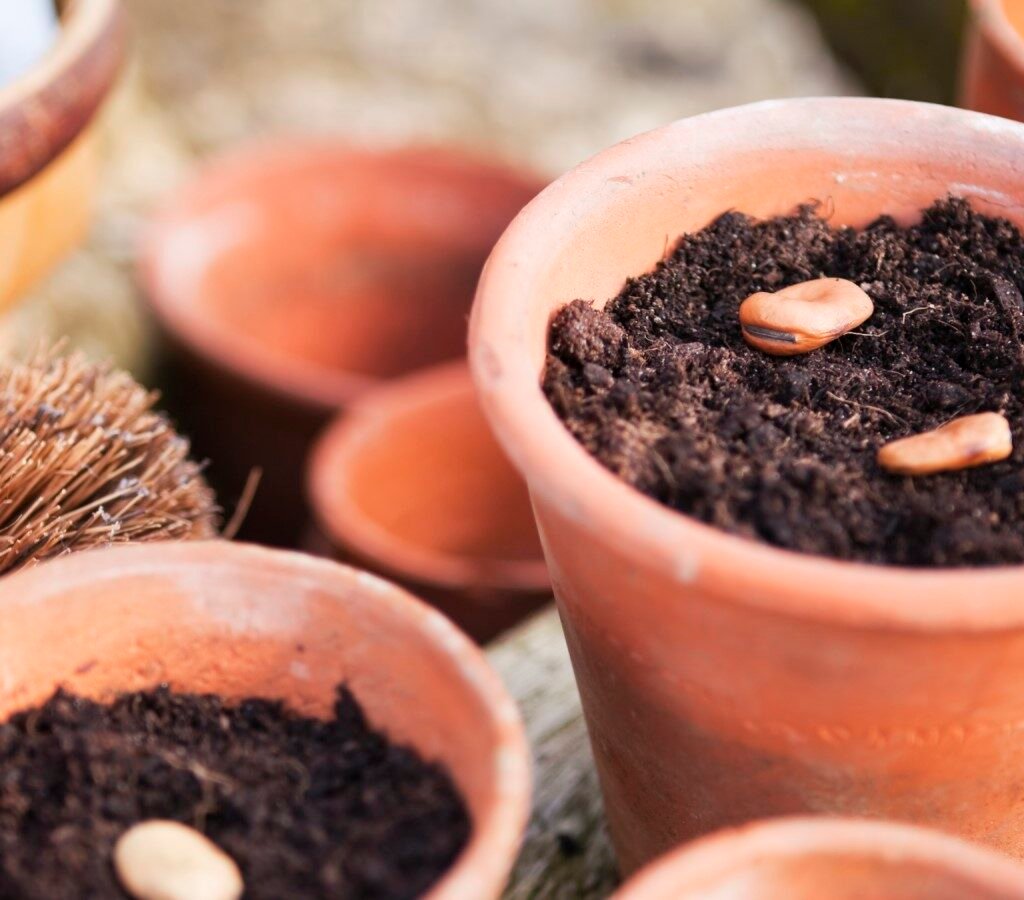
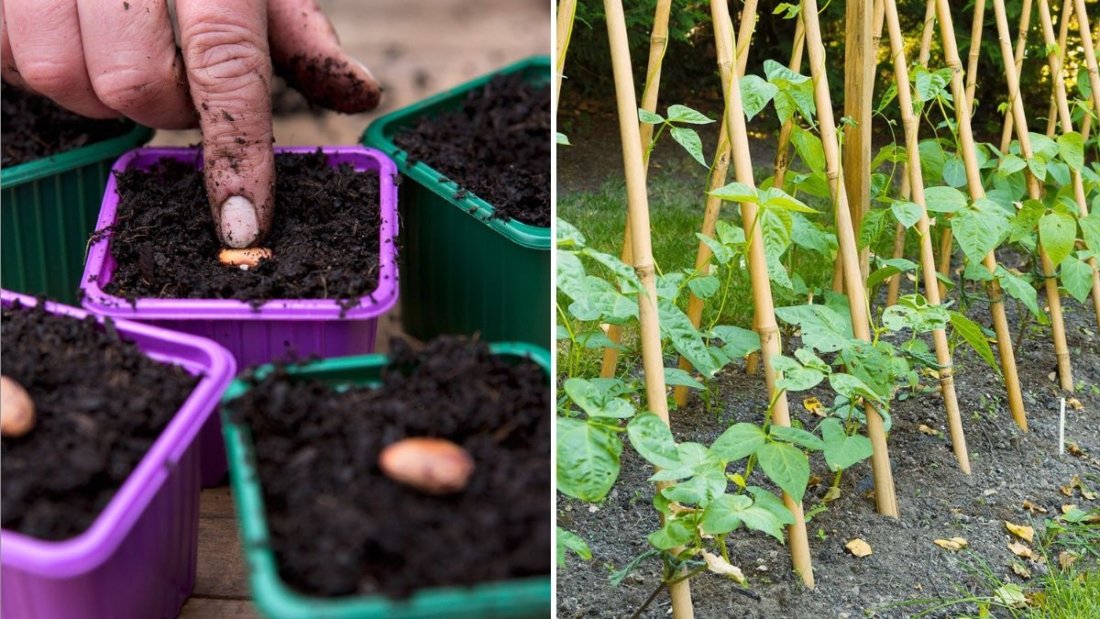
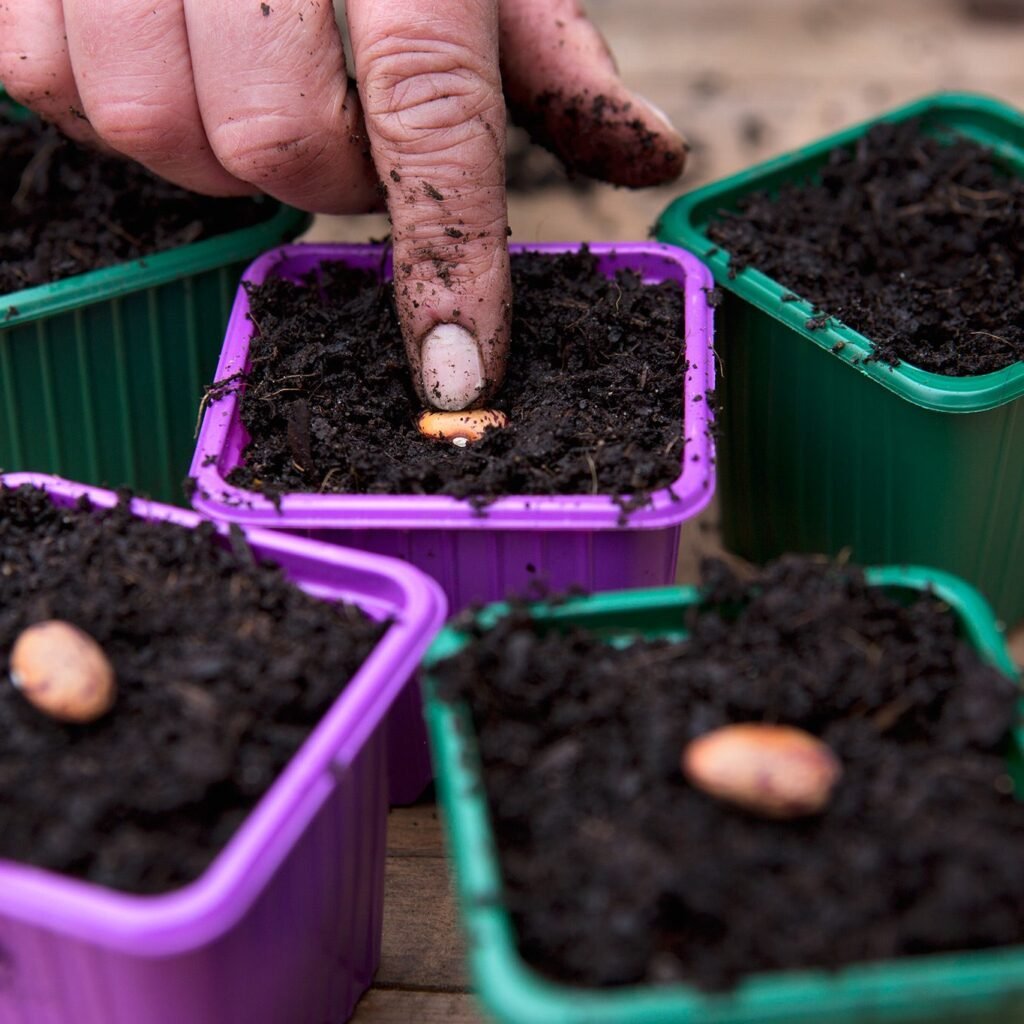
  • Sow seeds 1–2 inches deep and 6 inches apart.
  • Space rows about 18–24 inches apart.
  • If you live in a region with strong winds, provide light staking or support to prevent plants from bending.

4. Watering and Care

Keep the soil consistently moist, especially during flowering and pod development. Avoid overwatering, which can cause root rot. Mulching helps retain soil moisture and suppress weeds.

5. Pollination

Broad beans are partially self-pollinating but also benefit from bee activity, so avoid pesticide use during flowering.

6. Harvesting

Harvesting time depends on how you plan to use the beans:

  • For young pods: Pick when the pods are 3–4 inches long and still tender.
  • For mature beans: Wait until pods are plump but still green.
  • For dried beans: Leave pods on the plant until they turn brown and dry.

Common Problems and Solutions

Even though broad beans are hardy, they can face a few issues. Here’s how to handle them effectively:

  • Aphids: These small pests often cluster on young shoots. Control them by spraying a mix of water and mild soap or using neem oil.
  • Chocolate Spot Disease: A fungal disease that causes brown spots on leaves. Avoid overhead watering and ensure good airflow between plants.
  • Rust: Another fungal issue that causes orange pustules on leaves. Remove affected leaves and rotate crops each year.
  • Blackfly Infestation: Common in late spring. Pinch out the top of plants when flowers appear to discourage blackflies.

Good garden hygiene and proper watering practices go a long way toward preventing these problems.


Cooking with Broad Beans: Delicious and Versatile
Broad beans have a mildly sweet, nutty flavor and a creamy texture when cooked. They’re incredibly versatile in American kitchens, adding protein and flavor to many dishes.

Here are some tasty ideas to try:

1. Sautéed Broad Beans with Garlic and Olive Oil

After blanching the beans, sauté them in olive oil with minced garlic, lemon juice, and a pinch of salt. A simple yet flavorful side dish.

2. Broad Bean Hummus

Swap chickpeas for broad beans to make a fresh, green hummus. Blend cooked beans with tahini, garlic, lemon juice, and olive oil. Serve with pita or veggies.

3. Broad Bean Salad

Combine broad beans with feta cheese, cherry tomatoes, and fresh mint for a Mediterranean-inspired salad. Perfect for a summer barbecue or picnic.

4. Broad Bean Soup

Puree cooked broad beans with onions, garlic, vegetable broth, and herbs for a creamy, comforting soup that’s perfect for cool evenings.

5. Pasta with Broad Beans and Parmesan

Add sautéed broad beans to a pasta dish with olive oil, grated parmesan, and a sprinkle of chili flakes for a light, healthy meal.

6. Grilled Broad Beans in the Pod

Toss whole pods in olive oil and grill until lightly charred. Squeeze them open and enjoy the beans as a finger food appetizer.


Preserving Broad Beans
If you have a bountiful harvest, don’t worry—broad beans preserve beautifully.

  • Freezing: Blanch shelled beans in boiling water for 2 minutes, cool in ice water, drain, and freeze in airtight bags.
  • Drying: Let mature pods dry on the plant, then shell and store the beans in airtight jars. Dried beans can last up to a year.
  • Canning: Pressure canning cooked beans is another great option for long-term storage.

Sustainability and Soil Benefits

Broad beans are not only great for you—they’re great for the planet. As nitrogen-fixing plants, they naturally enrich the soil, reducing the need for synthetic fertilizers. Many gardeners plant them as a cover crop to improve soil structure and fertility.

Additionally, broad bean flowers attract pollinators, making them a fantastic companion plant for other vegetables like carrots, spinach, and lettuce.


Fun Facts About Broad Beans

  • Broad beans have been cultivated for over 6,000 years and were a staple food in ancient Egypt, Greece, and Rome.
  • In the U.S., they are more commonly known as fava beans, especially in Italian and Mediterranean cuisine.
  • They are one of the few beans that grow well in cool climates, making them perfect for northern states.
  • Each plant can yield up to 15 pods, ensuring a generous harvest even from a small garden bed.

Buying and Storing Fresh Broad Beans

When buying fresh broad beans from the farmers’ market or grocery store:

  • Look for firm, bright green pods with no brown spots.
  • Avoid pods that feel soft or show signs of yellowing.

Store unshelled beans in the refrigerator for up to 5 days. Once shelled, store the beans in an airtight container for 2–3 days or freeze them for later use.


Conclusion: Why Broad Beans Deserve a Spot in Your Garden

Broad beans are a nutrient-dense, sustainable, and easy-to-grow crop that fits perfectly into the American gardening lifestyle. Whether you’re growing them for their rich flavor, beautiful flowers, or soil-improving abilities, broad beans deliver on all fronts.

They’re an early-season delight, a protein-packed ingredient, and a natural soil enhancer—all in one plant. From farm-to-table enthusiasts to weekend gardeners, broad beans offer a fulfilling and flavorful gardening experience.

So, this season, plant a few rows of broad beans and watch your garden thrive. When harvest time comes, you’ll have fresh, delicious beans ready for soups, salads, and savory dishes that bring a touch of the Mediterranean to your American kitchen.
Runner Beans America’s Next Garden Favorite for Nutrition, Flavor, and Easy Growing

Runner Beans America’s Next Garden Favorite for Nutrition, Flavor, and Easy Growing

In the world of home gardening and healthy eating, few vegetables are as rewarding as runner beans. Known for their striking red flowers, vigorous vines, and crisp, flavorful pods, runner beans (Phaseolus coccineus) are quickly gaining popularity across American backyards and kitchens.

Once considered a staple in British and European gardens, runner beans are now being rediscovered by American growers who value their ornamental beauty, nutritional value, and versatility in cooking. Whether you’re a seasoned gardener in Texas or a first-time grower in New York, runner beans are an exciting and sustainable crop that delivers both beauty and bounty.

Let’s explore why these vibrant beans deserve a prime spot in your garden and on your plate.


What Are Runner Beans?

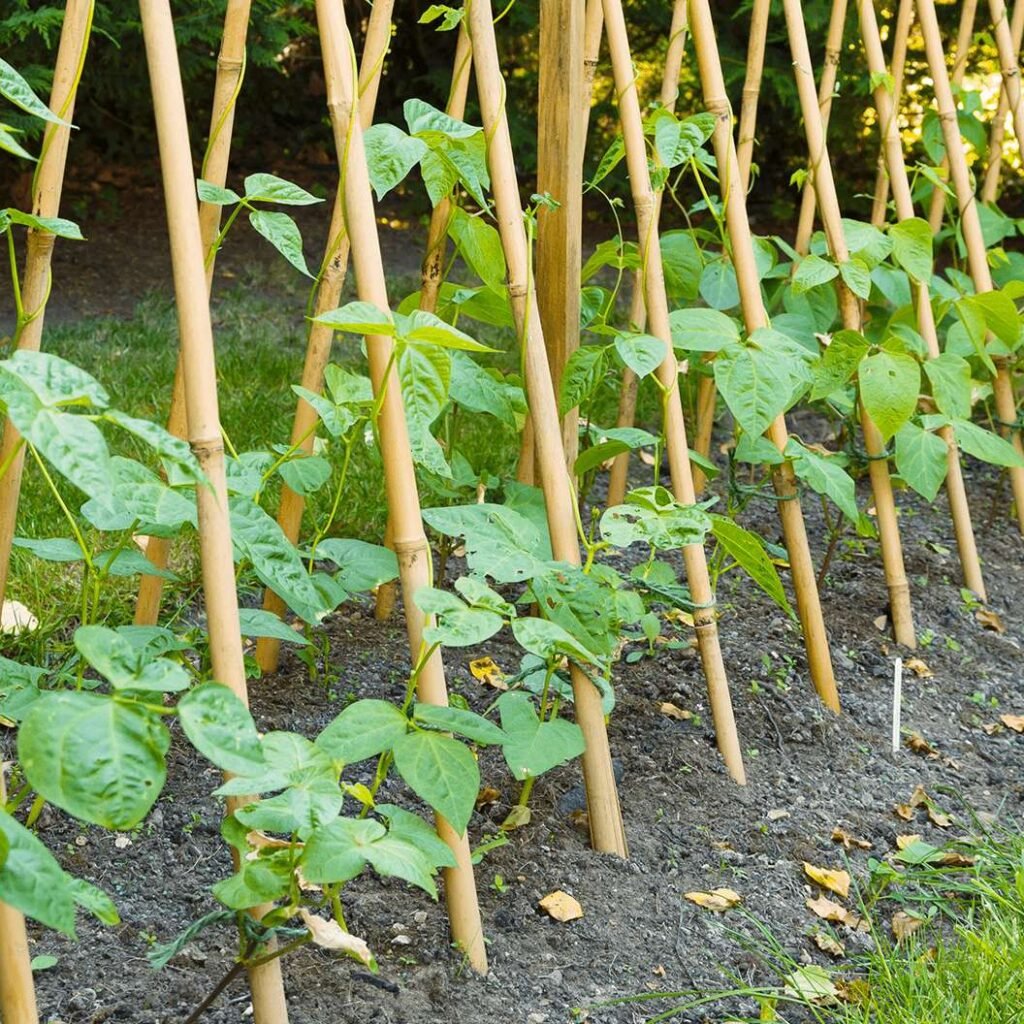
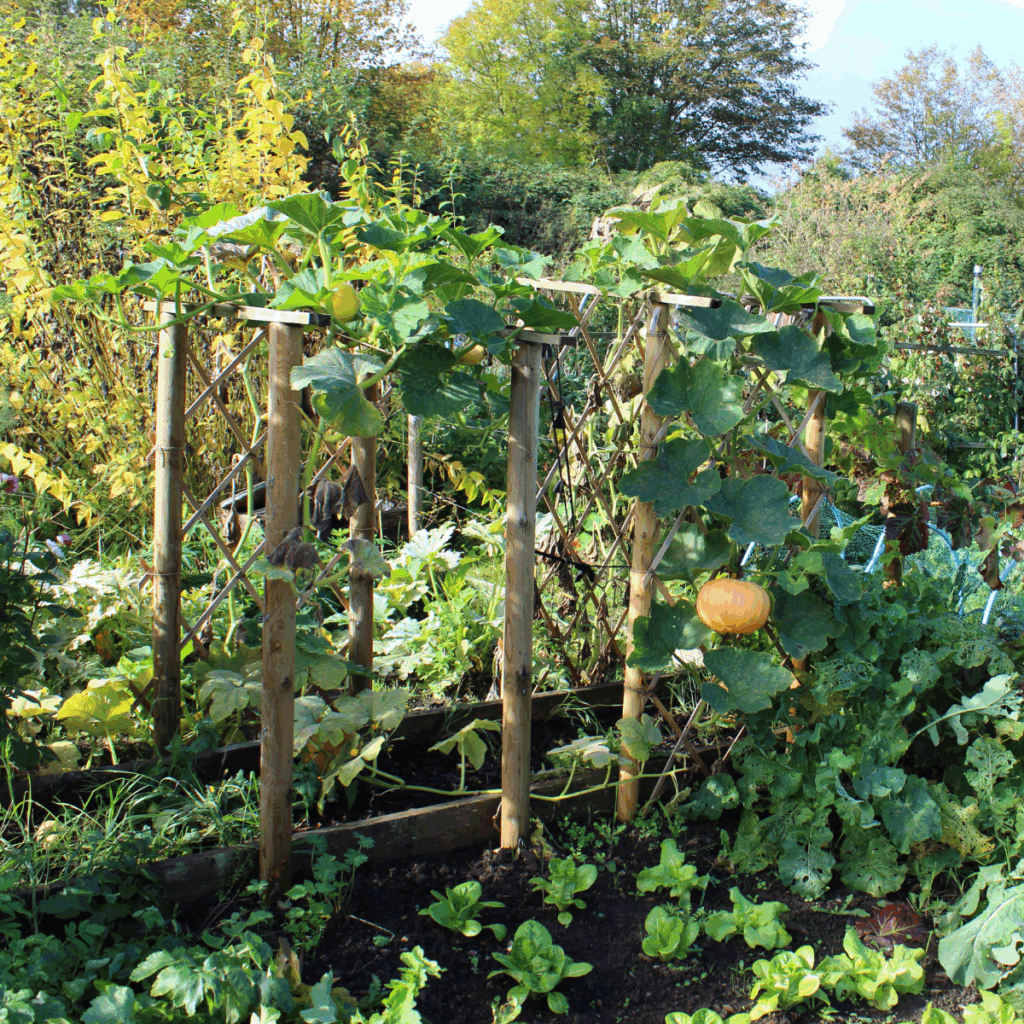
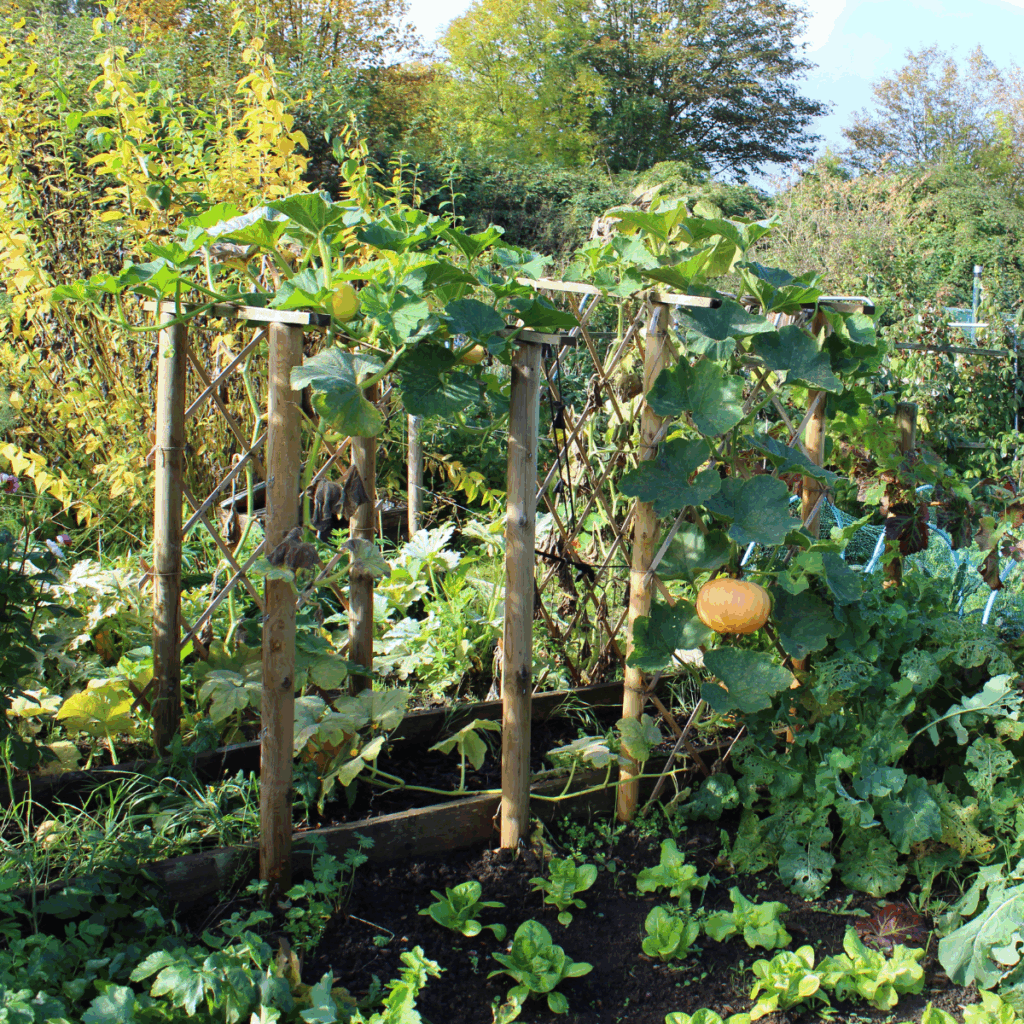
Runner beans are a type of climbing bean closely related to common green beans, but with a few key differences. They grow on tall, twining vines that can reach up to 10–12 feet and produce showy scarlet or white flowers that attract pollinators like bees and hummingbirds.

Unlike typical green beans (Phaseolus vulgaris), runner beans thrive in cooler temperatures and produce large, slightly fuzzy pods that stay tender when harvested young. Their seeds are also edible and can be dried for soups and stews.

Popular varieties grown in the U.S. include ‘Scarlet Runner,’ ‘Painted Lady,’ ‘Black Runner,’ and ‘White Lady.’


Nutritional Profile: Packed with Protein and Fiber

Runner beans are not just beautiful—they’re nutritional powerhouses. A 100-gram serving of boiled runner beans provides:

  • Calories: 30–35
  • Protein: 2.5–3 grams
  • Fiber: 3 grams
  • Vitamins: A, C, K, and several B-complex vitamins
  • Minerals: Iron, magnesium, calcium, and potassium

They are low in fat and cholesterol-free, making them an ideal choice for those looking to eat healthier while enjoying garden-fresh flavor.


Health Benefits of Runner Beans

1. Supports Heart Health

Runner beans are rich in dietary fiber, which helps reduce cholesterol levels. Their potassium and magnesium content helps regulate blood pressure, promoting a healthy cardiovascular system.

2. Great for Weight Loss

Low in calories and high in fiber, runner beans make a satisfying, nutrient-rich food for anyone watching their weight. They keep you full longer and help reduce unhealthy snacking.

3. Strengthens Bones

The high levels of vitamin K and calcium found in runner beans contribute to bone strength and help prevent conditions like osteoporosis.

4. Boosts Immunity

Vitamin C and antioxidants in runner beans strengthen your immune system, helping your body fight off infections and inflammation.

5. Supports Digestive Health

Their natural fiber content aids digestion and prevents constipation. Eating runner beans regularly can promote gut balance and healthy bowel movements.

6. Good for Diabetics

Runner beans have a low glycemic index (GI), meaning they release sugar slowly into the bloodstream—making them an excellent food choice for people managing diabetes.


Culinary Uses: How to Enjoy Runner Beans in Your Kitchen

Runner beans are delicious and incredibly versatile. Their flavor is slightly nuttier and more robust than standard green beans, making them perfect for both simple and sophisticated recipes.

Here are some tasty ways to use them in American kitchens:

1. Sautéed Runner Beans with Garlic and Olive Oil

Blanch runner beans briefly, then sauté in olive oil with garlic, salt, and a squeeze of lemon juice. A quick, fresh, and healthy side dish.

2. Runner Bean Stir-Fry

Toss sliced runner beans with bell peppers, onions, and a splash of soy sauce for a colorful and crunchy stir-fry that pairs well with rice or noodles.

3. Runner Bean Casserole

Reimagine the classic green bean casserole by using runner beans for extra texture and flavor. Combine with creamy mushroom sauce and bake with a crispy topping.

4. Roasted Runner Beans

Coat runner beans lightly in olive oil and roast in the oven until golden. Add sea salt and cracked pepper for a healthy, crunchy snack alternative.

5. Runner Bean Salad

Combine blanched runner beans with cherry tomatoes, red onion, feta cheese, and balsamic vinaigrette for a light summer salad.

6. Runner Bean Soup

Add chopped runner beans to vegetable or chicken broth with potatoes, carrots, and herbs for a comforting and nutritious soup.

7. Dried Runner Beans in Stews

Mature runner bean seeds can be dried and later used in hearty stews or chili, providing plant-based protein and fiber.


How to Grow Runner Beans in America

Runner beans are a gardener’s dream—they’re productive, visually stunning, and pollinator-friendly. Here’s how to grow them successfully in your home garden.

1. Choose the Right Location

Runner beans thrive in full sun with well-drained, fertile soil. They prefer slightly cooler conditions than green beans and grow well in USDA zones 3–10.

2. Soil Preparation

Work in compost or aged manure before planting. A pH between 6.0 and 7.5 is ideal. Avoid overly rich nitrogen fertilizers, which promote leaf growth over pods.

3. Planting Time

Sow seeds outdoors after the last frost, when soil temperatures are at least 55°F (13°C).

4. Planting Method

Plant seeds 1 inch deep and 4–6 inches apart at the base of a trellis or pole structure. Rows should be spaced 18–24 inches apart.

5. Watering and Care

Runner beans need consistent moisture, especially during flowering and pod formation. Mulch the soil to retain moisture, but avoid overwatering, which can lead to root rot.

6. Pollination

These beans rely heavily on pollinators like bees for pod development. Avoid using pesticides during flowering season to protect pollinators.

7. Harvesting

Harvest pods while young and tender—typically 60–75 days after planting. Picking regularly encourages more production. Mature pods can be left to dry if you want to collect seeds for next season.


Common Problems and Solutions

Even though runner beans are hardy, they can face some challenges in the garden. Here’s how to manage them:

  • Aphids and Bean Beetles: Use neem oil or insecticidal soap to deter pests.
  • Slugs and Snails: Scatter crushed eggshells or diatomaceous earth around plants.
  • Powdery Mildew: Water at the base and ensure good airflow.
  • Flower Drop: Often caused by heat stress—provide shade during very hot afternoons.

Healthy soil and regular watering are key to thriving vines.


Fun Facts About Runner Beans

  • Runner beans were first cultivated by the Aztecs in Central America and later brought to Europe by Spanish explorers.
  • The Scarlet Runner Bean is both edible and ornamental, with stunning red blooms that attract hummingbirds.
  • Unlike most beans, runner beans prefer slightly cooler temperatures, which makes them perfect for northern U.S. regions.
  • The seeds of runner beans are large and colorful—ranging from purple to black—which makes them a favorite among kids learning to garden.

Buying and Storing Runner Beans

When buying fresh runner beans, look for:

  • Bright green pods with a firm, smooth texture
  • No signs of wrinkles, blemishes, or yellowing

Store unwashed runner beans in a perforated plastic bag in the refrigerator. They’ll stay fresh for up to 5 days. To preserve them longer, blanch and freeze the pods for up to 6 months.


Sustainability and Pollinator Benefits

One of the biggest perks of growing runner beans is their eco-friendly nature. As legumes, they naturally fix nitrogen in the soil, reducing the need for synthetic fertilizers. Additionally, their bright flowers attract bees and hummingbirds, enhancing pollination in your garden.

Runner beans also provide excellent vertical growth, making them a great choice for small gardens, patios, or raised beds. You can even grow them along fences or arbors for a lush, decorative look.


Runner Beans in Modern American Cuisine

Runner beans have found their place in both traditional and modern American kitchens. You’ll find them:

  • Grilled with olive oil and lemon zest at farm-to-table restaurants
  • Added to hearty stews and vegetarian bowls in health cafés
  • Tossed with garlic butter for an elevated take on green beans
  • Included in seasonal garden-to-plate menus featuring locally grown produce

Their combination of texture, color, and nutrition makes them an ingredient that’s as visually appealing as it is delicious.


Conclusion: Why Runner Beans Belong in Every American Garden

Runner beans bring together everything a home gardener could want—beauty, productivity, and nutrition. They’re easy to grow, environmentally friendly, and offer a steady harvest of delicious pods from summer through fall.

From the vibrant red blossoms that attract pollinators to the protein-packed pods that grace your dinner plate, runner beans are truly a garden-to-table success story.

So this season, plant a few seeds, train those vines up a trellis, and watch your garden come alive with color—and your kitchen fill with flavor. With runner beans, you’re not just growing food—you’re growing a piece of nature’s art.


French Beans The Crispy, Nutritious, and Easy-to-Grow Vegetable Taking American Gardens by Storm

French Beans The Crispy, Nutritious, and Easy-to-Grow Vegetable Taking American Gardens by Storm

When you think of fresh, crunchy vegetables that brighten any plate, French beans—also known as haricots verts—are sure to top the list. Sleeker, thinner, and more tender than traditional green beans, French beans have found their way from elegant French kitchens to everyday American homes and gardens.

Known for their delicate flavor and rich nutrition, these beans are loved by chefs, home cooks, and gardeners alike. Whether you’re planning a sophisticated dinner or looking to grow your own vegetables, French beans offer the perfect blend of beauty, taste, and health.

Let’s explore why this European favorite has become a staple in American cuisine, how to grow it successfully, and the countless ways to enjoy it.


What Are French Beans?

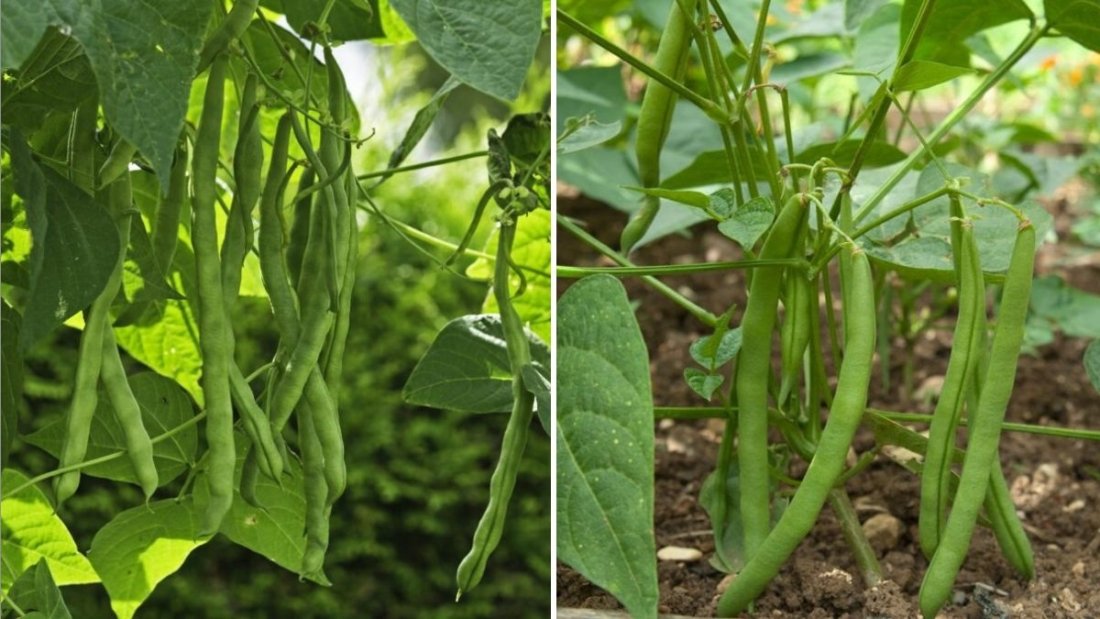
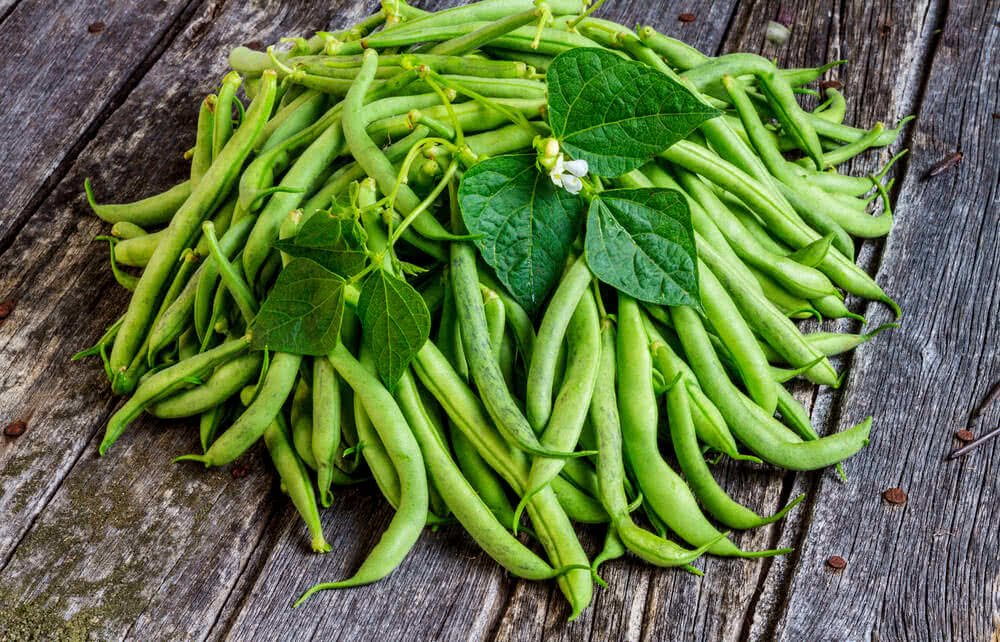
French beans (Phaseolus vulgaris) are a type of green bean that are typically thinner, longer, and more tender than the regular American snap bean. Known as haricots verts in French cuisine, they are harvested earlier, giving them a more refined texture and a slightly sweeter, more delicate flavor.

While both belong to the same species, French beans are often seen as the “gourmet” version of green beans—ideal for dishes that require elegance and finesse.

In the U.S., they are increasingly popular in upscale restaurants, farmers’ markets, and home gardens due to their versatility and rich nutritional profile.


Nutritional Value: Small Beans, Big Benefits

French beans may look slender, but they’re bursting with nutrients. A 100-gram serving of boiled French beans contains:

  • Calories: 31
  • Protein: 1.8 grams
  • Fiber: 3.4 grams
  • Carbohydrates: 7 grams
  • Vitamins: A, C, K, and folate
  • Minerals: Iron, calcium, magnesium, and potassium

They are also low in fat and cholesterol-free, making them an excellent choice for weight-conscious eaters and those looking for wholesome, plant-based nutrition.


Health Benefits of French Beans

1. Great for Heart Health

French beans help support cardiovascular wellness. Their fiber content helps lower LDL cholesterol levels, while potassium and magnesium maintain healthy blood pressure.

2. Excellent for Weight Management

Because they are low in calories and high in fiber, French beans help keep you feeling full for longer. They’re an excellent choice for people following a low-carb or low-fat diet.

3. Boosts Immunity

Rich in vitamin C and antioxidants, French beans strengthen your immune system and protect cells from oxidative stress.

4. Supports Healthy Bones

Vitamin K and calcium in French beans help improve bone density and reduce the risk of osteoporosis—especially beneficial for women over 40.

5. Improves Digestion

Their natural fiber promotes smooth digestion, prevents constipation, and supports gut health by feeding beneficial bacteria.

6. Enhances Skin and Hair Health

Loaded with antioxidants and silicon, French beans promote healthy skin and shiny hair while helping to delay signs of aging.


French Beans in American Kitchens: Elegant, Versatile, and Delicious

French beans have earned their reputation as a chef’s favorite ingredient. Their mild flavor and crisp texture allow them to complement a variety of dishes—from rustic American classics to fine dining creations.

Here are some delicious and easy ways to enjoy French beans in your home kitchen:

1. French Beans Almondine

A traditional French-inspired side dish that’s perfect for special occasions. Lightly sauté French beans in butter and garlic, then toss with toasted almonds and a squeeze of lemon juice. Elegant and flavorful!

2. Stir-Fried French Beans with Garlic

A simple weeknight dish—blanch beans until tender, then stir-fry with olive oil, garlic, and chili flakes. Serve as a side with grilled chicken or tofu.

3. French Bean Salad with Feta and Cherry Tomatoes

Combine blanched French beans with feta cheese, cherry tomatoes, red onions, and a lemon vinaigrette for a refreshing summer salad.

4. Roasted French Beans with Parmesan

Toss beans in olive oil, sprinkle with salt, pepper, and grated Parmesan cheese, then roast until crisp. A healthy alternative to fries!

5. French Bean Casserole (American Classic with a Twist)

Upgrade your holiday favorite by using fresh French beans instead of canned green beans. Mix with mushroom soup, crispy onions, and bake until golden.

6. French Bean Soup

Cook French beans with potatoes, carrots, and onions in vegetable broth. Puree until smooth for a hearty, comforting soup.


How to Grow French Beans in the U.S.

French beans are relatively easy to grow, making them an ideal addition to American home gardens. They thrive in warm weather and adapt well to different soil types.

Here’s a step-by-step guide to growing your own French beans:

1. Choose the Right Variety

Popular French bean varieties in the U.S. include ‘Haricot Vert,’ ‘Nickel,’ ‘Maxibel,’ and ‘Tavera.’ Choose bush varieties for compact gardens or pole varieties for vertical growth.

2. Planting Time

Sow seeds after the last frost, when the soil temperature is at least 60°F (16°C). French beans thrive in warm, sunny conditions.

3. Soil Preparation

Prepare loose, well-drained soil enriched with organic compost. A slightly acidic to neutral pH (6.0–7.0) works best.

4. Sowing the Seeds

Plant seeds 1 inch deep and 3 inches apart in rows. Space rows about 18 inches apart for easy access.

5. Watering and Fertilization

Water regularly to keep the soil moist but not soggy. Avoid overwatering, which can lead to root rot. Use compost tea or an organic fertilizer once every 3–4 weeks.

6. Support and Training (for Pole Varieties)

Provide a trellis or poles for climbing types to support vertical growth and increase yields.

7. Harvesting

French beans are ready for harvest in 50–60 days. Pick them when they’re slender, firm, and about 4–6 inches long. Regular picking encourages continuous production.


Common Problems and How to Fix Them

Even though French beans are easy to grow, they can face common garden challenges. Here’s how to manage them:

  • Aphids and Spider Mites: Spray with neem oil or insecticidal soap.
  • Powdery Mildew: Ensure proper spacing for airflow and avoid wetting the leaves.
  • Rust: Rotate crops annually and remove affected leaves immediately.
  • Poor Germination: Make sure soil is warm enough; cold soil delays sprouting.

Healthy, well-drained soil and consistent watering are key to thriving plants.


Fun Facts About French Beans

  • French beans originated in South and Central America but became a staple in French cuisine by the 16th century.
  • The term “haricots verts” translates literally to “green beans” in French—but refers to the more slender, gourmet variety.
  • They were introduced to the U.S. through French immigrants and have been grown commercially since the 19th century.
  • French beans are now one of the most popular export vegetables from Mexico and Central America to the U.S.

Buying and Storing French Beans

When buying French beans, look for:

  • Bright green, slender pods that snap easily
  • No brown spots, wrinkles, or soft areas

Store them unwashed in a perforated bag in the refrigerator for up to 5 days. To store longer, blanch for 2–3 minutes, cool in ice water, and freeze.


Sustainability and Home Gardening Appeal

French beans are a sustainable choice for American gardens. As legumes, they naturally enrich the soil by fixing nitrogen, reducing the need for chemical fertilizers. They grow quickly, produce abundantly, and fit perfectly into eco-friendly gardening practices.

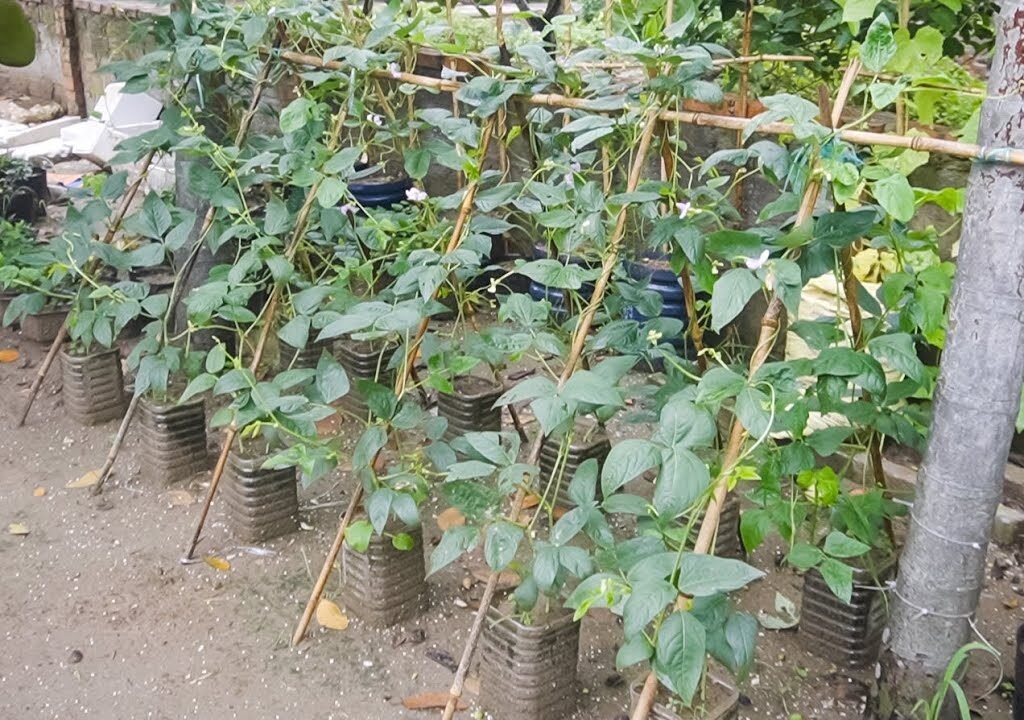
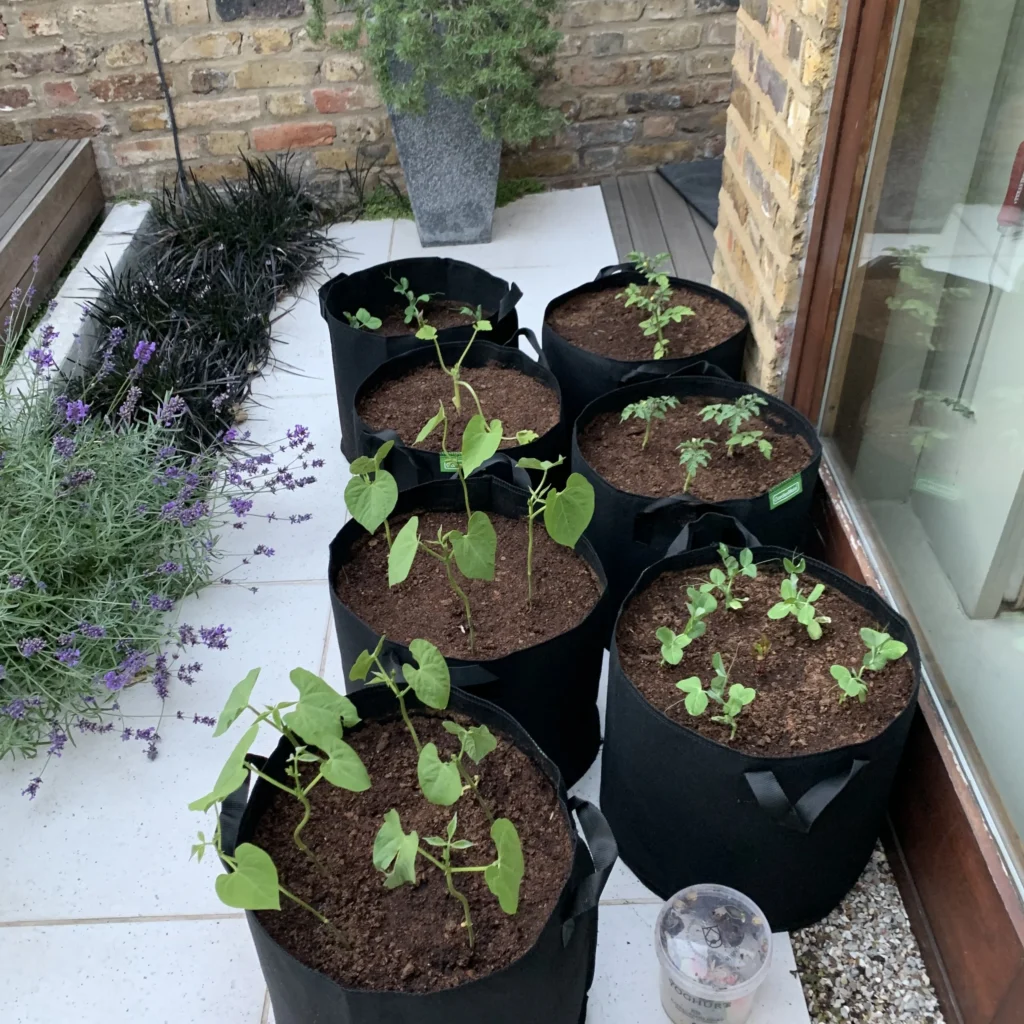
Even city dwellers can grow French beans in containers on balconies or patios—just provide enough sunlight and vertical space. Their delicate white flowers also attract pollinators like bees, making your garden more biodiverse.


French Beans in Modern American Cuisine

Today’s American chefs are reinventing how French beans are used. You’ll see them in:

  • Farm-to-table restaurants as roasted or charred sides
  • Health cafés in fresh salads and grain bowls
  • Gourmet kitchens with truffle butter or lemon zest glazes
  • Home kitchens as air-fried, crispy snacks

French beans bridge the gap between classic comfort food and contemporary healthy eating—a perfect example of simple elegance on a plate.


Conclusion: The Refined Yet Simple Bean America Loves

French beans bring together the best of both worlds—the simplicity of homegrown vegetables and the sophistication of French cuisine. They’re nutrient-rich, visually appealing, and incredibly easy to grow, making them a must-have for every home gardener and health-conscious cook.

Whether you’re tossing them in a quick stir-fry, roasting them for a dinner party, or picking them fresh from your backyard, French beans offer freshness, flavor, and flexibility like few other vegetables can.

So this season, plant a few seeds, savor the taste of homegrown French beans, and enjoy the satisfying crunch of one of America’s most elegant green vegetables.

Green Beans America’s Favorite Crunchy Super Veggie for Healthy Eating and Easy Gardening

Green Beans America’s Favorite Crunchy Super Veggie for Healthy Eating and Easy Gardening

From Thanksgiving casseroles to backyard summer barbecues, green beans have been a staple on American tables for generations. Known for their crisp texture, bright flavor, and versatility, green beans—also called string beans or snap beans—are one of the easiest and most rewarding vegetables to grow and cook.

Whether you’re shopping at a farmers’ market in California, growing them in a Midwest backyard, or sautéing them in your New York apartment kitchen, green beans deliver freshness, nutrition, and nostalgia in every bite. Let’s dive into why this humble vegetable remains a beloved American favorite, and how you can grow, cook, and enjoy it to the fullest.


What Are Green Beans?

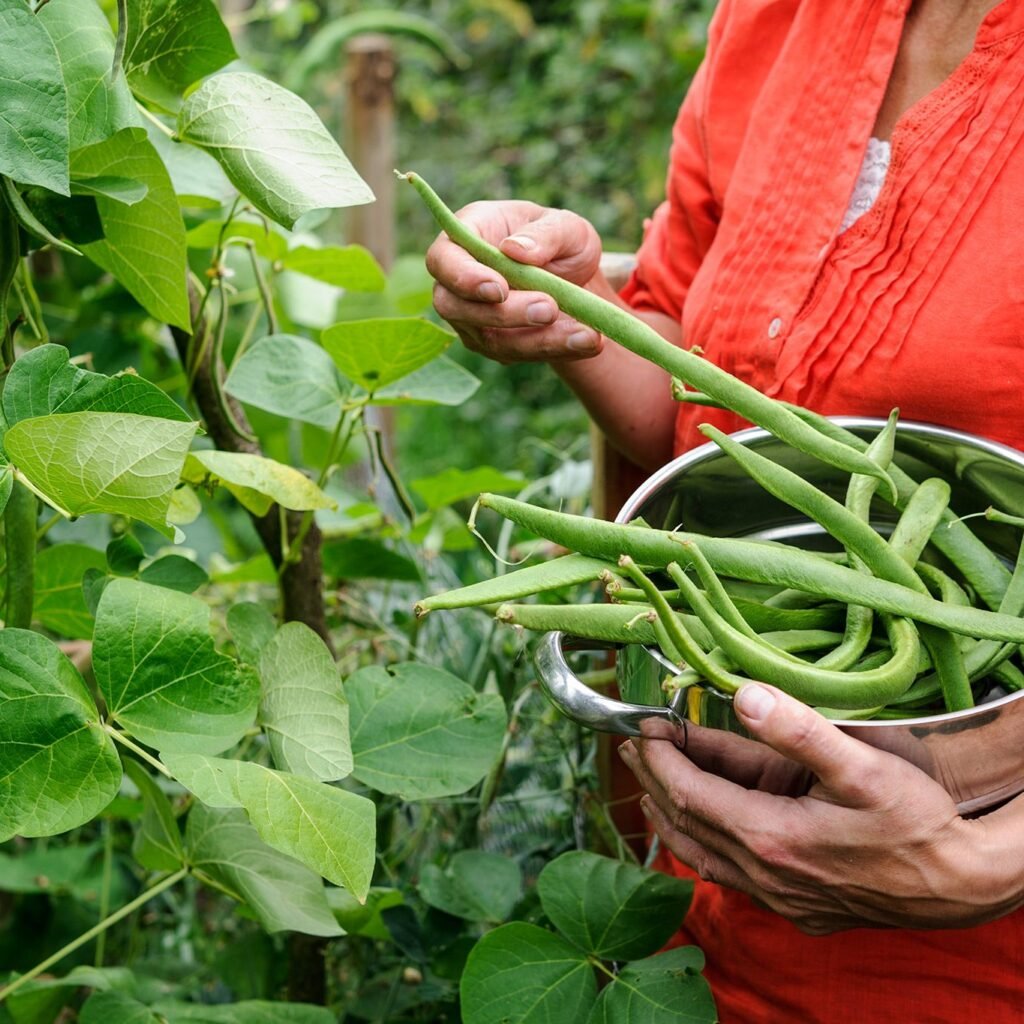
Green beans (Phaseolus vulgaris) are tender, edible-pod beans harvested before the seeds inside mature. They belong to the legume family, making them relatives of black beans, kidney beans, and pinto beans. Unlike other beans that are dried before use, green beans are eaten fresh or lightly cooked for their crisp, juicy pods.

You’ll often see two main types in U.S. gardens and grocery stores:

  • Bush beans: Compact plants that don’t require support and produce all at once—ideal for small gardens.
  • Pole beans: Climbing vines that yield beans over a longer period, perfect for trellises or fences.

Nutritional Value: Small Pod, Big Benefits

Don’t be fooled by their slender size—green beans pack a nutritious punch. A one-cup serving (about 125 grams) contains:

  • Calories: Only about 30
  • Fiber: 3 grams
  • Protein: 2 grams
  • Vitamins: A, C, K, B1, B2, B6, and folate
  • Minerals: Iron, magnesium, calcium, and potassium

Green beans are low in fat, cholesterol-free, and loaded with antioxidants such as flavonoids and carotenoids, making them one of the healthiest side dishes you can serve.


Top Health Benefits of Green Beans

1. Promotes Heart Health

Green beans help keep your heart strong thanks to their fiber content, which can reduce “bad” LDL cholesterol. The potassium and magnesium help regulate blood pressure naturally.

2. Supports Weight Loss

Low in calories and high in fiber, green beans are a dieter’s dream. They fill you up without adding excess carbs or fat—making them perfect for salads, soups, or stir-fries.

3. Strengthens Bones

Packed with vitamin K and silicon, green beans support strong bones and help maintain bone density, reducing the risk of osteoporosis as you age.

4. Improves Digestive Health

The fiber in green beans promotes healthy digestion and prevents constipation. It also supports gut health by feeding beneficial bacteria.

5. Boosts Immunity

Rich in antioxidants like vitamin C and beta-carotene, green beans strengthen the immune system and protect your cells from damage caused by free radicals.

6. Supports Eye Health

Carotenoids like lutein and zeaxanthin in green beans help protect your eyes from age-related damage and maintain clear, healthy vision.


Cooking with Green Beans: From Farm to Fork

Green beans are incredibly versatile in the kitchen. Their mild, fresh flavor pairs beautifully with everything from garlic and butter to lemon and almonds. Here are some delicious ways to use them:
1. Classic American Green Bean Casserole

No Thanksgiving dinner is complete without this comfort classic. Mix steamed green beans with mushroom soup, top with crispy fried onions, and bake until golden brown.

2. Garlic Butter Sautéed Green Beans

Heat olive oil or butter in a skillet, toss in blanched green beans, and sauté with minced garlic and a sprinkle of salt. Add a squeeze of lemon for brightness.

3. Green Bean Almondine (French-Inspired Favorite)

A timeless side dish where green beans are tossed in brown butter and garnished with toasted almonds and a hint of lemon juice.

4. Grilled Green Beans

Toss fresh beans with olive oil, salt, and pepper, then grill them in a basket for smoky flavor and tender crunch—perfect for summer cookouts.

5. Green Bean Salad with Feta and Tomatoes

Mix cooked green beans with cherry tomatoes, red onion, feta cheese, and balsamic vinaigrette for a refreshing, protein-packed salad.

6. Pickled Green Beans

Crisp and tangy pickled green beans—also called “dilly beans”—make an excellent addition to charcuterie boards, Bloody Mary cocktails, or lunch sandwiches.


How to Grow Green Beans in Your American Garden

Green beans are among the easiest vegetables to grow, even for beginners. They thrive in warm weather and can be grown in containers, raised beds, or directly in the ground.

1. Choose the Right Variety

  • For small spaces: Go with bush beans like ‘Provider,’ ‘Contender,’ or ‘Blue Lake 274.’
  • For vertical gardens: Try pole beans such as ‘Kentucky Wonder’ or ‘Scarlet Runner.’

2. When to Plant

Green beans are warm-season crops. In most U.S. regions, plant them after the last frost when soil temperatures reach around 60°F (15°C).

3. Preparing the Soil

Use well-draining soil enriched with compost. Green beans don’t need heavy fertilization, as they fix nitrogen naturally in the soil.

4. Sowing the Seeds

Plant seeds 1 inch deep and 2–3 inches apart. For pole beans, provide a trellis or support system early on.

5. Watering and Care

Water regularly—about 1 inch per week—and avoid overhead watering to reduce the risk of fungal diseases. Mulch helps retain soil moisture.

6. Harvesting

Pick green beans when they are young and crisp—typically 50 to 60 days after planting. Regular harvesting encourages more growth.


Common Problems and Their Fixes

Like any vegetable, green beans can face a few common garden challenges. Here’s how to tackle them:

  • Aphids or Bean Beetles: Spray with neem oil or use insecticidal soap.
  • Powdery Mildew: Ensure good air circulation and water only at the base of plants.
  • Poor Germination: Plant in warm soil; cold soil can delay or prevent sprouting.

Crop rotation and keeping the garden clean help prevent most recurring pest and disease issues.


Fun Facts About Green Beans

  • Green beans were first cultivated in Central and South America over 7,000 years ago.
  • Thomas Jefferson famously grew over 30 varieties of beans in his Monticello garden.
  • The average American eats nearly 7 pounds of green beans per year!
  • Canned green beans became a pantry staple during World War II due to their long shelf life.

Buying and Storing Green Beans

When shopping for fresh green beans, look for pods that are:

  • Firm, bright green, and free of brown spots
  • Snapping cleanly when bent (a sign of freshness)

Store unwashed beans in a perforated plastic bag in the refrigerator for up to 5–7 days. To preserve them longer, blanch and freeze them for up to six months.


Sustainability and Home Gardening Appeal

Green beans are an eco-friendly crop. As legumes, they naturally enrich the soil with nitrogen, reducing the need for chemical fertilizers. Growing them in your home garden not only saves money but also helps you eat more locally and sustainably.

In container gardens, especially in urban settings, bush beans thrive easily. A single 5-gallon container can produce several pounds of beans throughout the summer. Plus, their small white flowers attract pollinators like bees, supporting your garden’s overall health.


Green Beans in Modern American Cuisine

Today’s American chefs and home cooks are giving green beans a modern makeover. You’ll find them:

  • Charred and drizzled with sesame oil at trendy Los Angeles bistros
  • Blended into creamy soups in New England kitchens
  • Stir-fried with chili flakes and soy sauce in fusion-style New York restaurants

From rustic farm tables to gourmet dining rooms, green beans fit seamlessly into every meal.


Conclusion: Why Green Beans Deserve a Place in Every Garden and Kitchen

Crisp, nutritious, and easy to grow—green beans truly are America’s homegrown super veggie. They deliver big on flavor, health, and versatility while demanding little effort in return.

Whether you’re steaming them for a quick side dish, pickling them for snacks, or growing them in your backyard, green beans connect us to a simpler, healthier, and more sustainable way of eating. So, grab some seeds this season, plant a few rows, and enjoy the satisfying crunch of fresh, homegrown green beans right from your own garden.


Bottle Gourd America’s Secret Superfood for Healthy Living and Home Gardening

Bottle Gourd America’s Secret Superfood for Healthy Living and Home Gardening

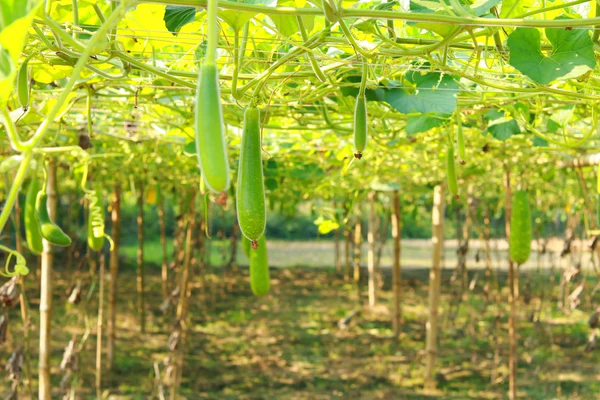
In recent years, American home gardeners and health-conscious eaters have started exploring vegetables that were once popular mainly in Asian and Mediterranean cuisines. One such vegetable making its quiet yet powerful comeback is bottle gourd—also known as calabash, lauki, or opo squash. This versatile, light-green vegetable has a long history of use in traditional diets for its cooling, hydrating, and healing properties.

Whether you’re a backyard gardener in California, a homesteader in Texas, or simply someone looking to add a new low-calorie, nutrient-rich vegetable to your diet, bottle gourd deserves a spot in your kitchen and garden. Let’s explore everything you need to know—from its health benefits and uses to how to grow it right at home.


What Is Bottle Gourd?

Bottle gourd (Lagenaria siceraria) is a member of the cucumber family (Cucurbitaceae). It’s a fast-growing vine that produces long, smooth, light-green fruits shaped like bottles or clubs—hence the name. The gourd’s tender flesh has a mild, refreshing taste, similar to summer squash, making it ideal for soups, stews, curries, and even desserts.

In America, bottle gourd is sometimes found in Asian or farmers’ markets, especially in states like California, Florida, and New York. It’s gaining attention among organic gardeners and those seeking diverse, global crops to grow locally.


Nutritional Profile: A Powerhouse of Hydration and Health

Bottle gourd is often referred to as a “slimming vegetable” or “detox squash” because of its impressive nutritional content. A 100-gram serving of bottle gourd contains:

  • Calories: Only about 14
  • Water content: Over 90%
  • Fiber: 1.2 grams
  • Vitamins: C, B-complex (especially B2 and B3)
  • Minerals: Calcium, iron, magnesium, zinc, and potassium

Because it’s low in fat and cholesterol but high in fiber and water, it’s excellent for hydration, digestion, and weight management.


Health Benefits of Bottle Gourd

1. Supports Weight Loss

If you’re on a weight loss journey, bottle gourd should be on your plate. It’s extremely low in calories but high in fiber, which keeps you full longer and curbs cravings. A bottle gourd smoothie or soup makes a perfect light dinner or post-workout meal.

2. Boosts Digestion

Bottle gourd is gentle on the stomach and aids digestion. Its fiber content helps prevent constipation, while its natural cooling effect can soothe acidity and indigestion.

3. Promotes Heart Health

With its high potassium and low sodium levels, bottle gourd helps maintain healthy blood pressure. Regular consumption may also reduce cholesterol buildup, supporting better cardiovascular function.

4. Hydrates and Detoxifies the Body

Rich in water and electrolytes, bottle gourd keeps your body hydrated during hot summer months. It acts as a mild diuretic, flushing out toxins and supporting kidney health.

5. Improves Skin and Hair

The antioxidants and vitamins in bottle gourd nourish the skin and scalp. Regular consumption can help prevent acne, dullness, and dryness. Many natural beauty enthusiasts even use bottle gourd juice as a base for homemade face masks.

6. Supports Liver Health

Ayurvedic medicine has long recognized bottle gourd as a liver-friendly vegetable. It’s believed to help balance liver enzymes and reduce inflammation caused by fatty liver disease.


Culinary Uses: A Versatile Kitchen Ingredient

Bottle gourd’s mild flavor allows it to blend beautifully into both savory and sweet dishes. Here are some popular ways to use it in American kitchens:

1. Bottle Gourd Soup

Puree cooked bottle gourd with onions, garlic, and herbs for a light, creamy soup. Add a touch of coconut milk for a tropical twist.

2. Stir-Fried Bottle Gourd

Dice bottle gourd and sauté it with olive oil, cumin, and bell peppers. Serve with quinoa or rice for a quick, healthy meal.

3. Stuffed Bottle Gourd

Hollow out the gourd and fill it with spiced ground turkey or lentils, then bake until tender. This makes a hearty main course.

4. Bottle Gourd Smoothie

Blend raw bottle gourd with green apple, cucumber, mint, and lemon juice for a refreshing morning detox drink.

5. Bottle Gourd Dessert (Lauki Halwa)

Grate and cook the gourd with milk, sugar, and ghee until thickened—similar to rice pudding. Add nuts and cardamom for a comforting dessert with a healthy twist.


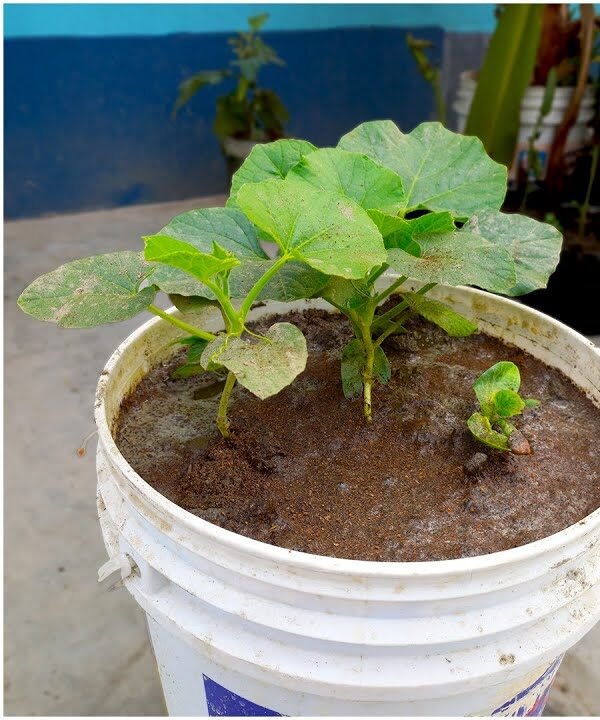
How to Grow Bottle Gourd in Your American Garden

Bottle gourd is a warm-season crop that thrives in sunny locations across the U.S., especially in USDA zones 8–11. Here’s a step-by-step guide for home gardeners:

1. Choose the Right Location

Pick a sunny spot with at least 6–8 hours of direct sunlight daily. Bottle gourd vines need space to spread, so plan for vertical or trellis support.

2. Prepare the Soil

Bottle gourd prefers well-drained, fertile soil with a pH between 6.0 and 7.5. Mix in compost or aged manure before planting to boost nutrients.

3. Start Seeds Indoors

In cooler climates, start seeds indoors 3–4 weeks before the last frost. Transplant them outdoors once nighttime temperatures remain above 55°F.

4. Water Regularly

Keep the soil evenly moist but not waterlogged. Mulching around the base helps retain moisture and prevent weeds.

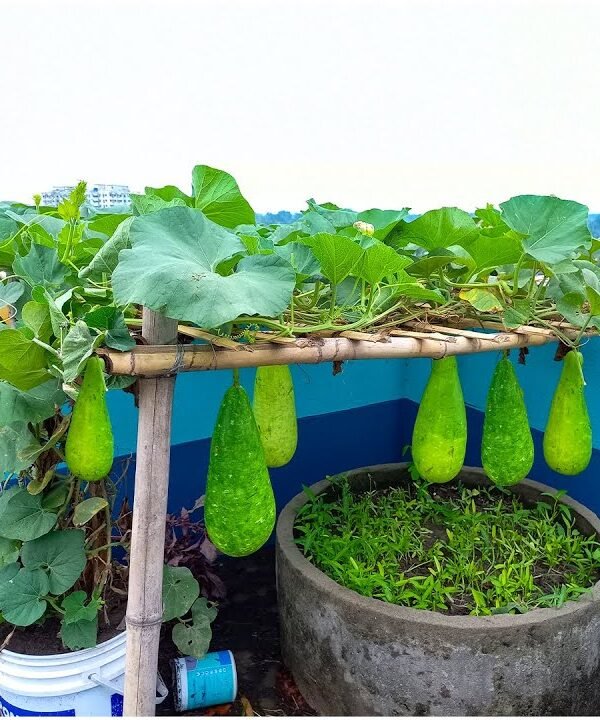
5. Train the Vines

Provide a trellis or fence for the vines to climb. This prevents the fruits from touching the soil and reduces the risk of rot or pests.

6. Fertilize Occasionally

Feed your plants with a balanced organic fertilizer every 3–4 weeks during the growing season.

7. Harvest at the Right Time

Harvest bottle gourds when they’re young and tender—around 10–12 inches long. Older gourds become fibrous and less flavorful.


Common Problems and How to Fix Them

Like other members of the squash family, bottle gourd can be susceptible to a few pests and diseases:

  • Aphids & whiteflies: Use neem oil spray or insecticidal soap.
  • Powdery mildew: Avoid overhead watering and ensure good airflow.
  • Fruit rot: Improve drainage and avoid letting fruits sit on wet soil.

Keeping your garden clean and rotating crops each season helps prevent recurring problems.


Fun Fact: The Dual Life of Bottle Gourd

Beyond its culinary use, bottle gourd has been used for centuries as a craft material. When fully matured and dried, the outer shell hardens and can be carved or painted to make bowls, water bottles, birdhouses, and even musical instruments. This eco-friendly tradition is regaining popularity among sustainable living enthusiasts across America.


Where to Buy Bottle Gourd in the U.S.

If you’re not ready to grow your own, you can find bottle gourd at:

  • Local Asian or Indian grocery stores
  • Farmers’ markets with global produce sections
  • Online retailers like Amazon, Seed Savers Exchange, or Baker Creek Heirloom Seeds (for seeds and starter plants)

When shopping, choose gourds that are firm, light green, and free from blemishes. Store them in the refrigerator for up to a week.


Final Thoughts: Why Bottle Gourd Belongs in Your Life

From its impressive health benefits and culinary versatility to its ease of cultivation, bottle gourd is truly one of nature’s underrated gifts. It’s a vegetable that hydrates, nourishes, and heals—all while being low in calories and high in goodness.

As Americans continue embracing global ingredients and home gardening, bottle gourd is poised to become the next big backyard success story. So, whether you’re planting your first garden or experimenting in the kitchen, this simple, green vegetable might just surprise you with its power to transform your meals—and your health.


Perfectly Pumpkin America’s Fall Favorite for Cooking, Health, and Home Décor Magic

Perfectly Pumpkin America’s Fall Favorite for Cooking, Health, and Home Décor Magic

When autumn rolls around in America, one ingredient dominates kitchen tables, coffee shops, and front porches alike — pumpkin. From pumpkin spice lattes to pumpkin pies and Halloween jack-o’-lanterns, this vibrant orange squash has become the ultimate symbol of the season.

But pumpkins are more than just festive décor. They’re nutritious, versatile, and deeply rooted in American culture — used in everything from hearty soups to skincare products. Whether you’re a home cook, gardener, or fall enthusiast, pumpkin is the ingredient that connects tradition, taste, and health in one colorful package.

Let’s explore why pumpkin continues to charm Americans year after year — from its origins and health benefits to delicious recipes and decorating ideas.


1. What Is Pumpkin and Where Did It Come From?

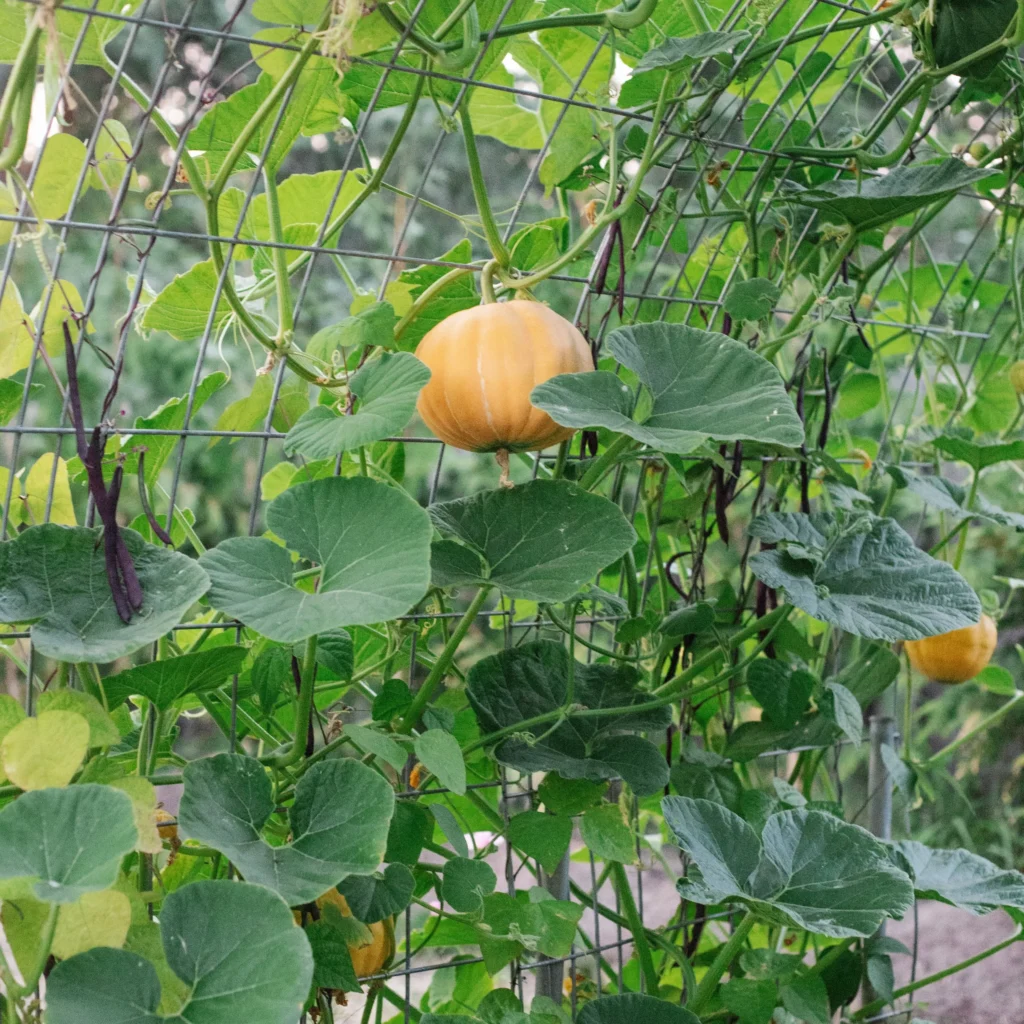
Pumpkin belongs to the gourd family (Cucurbitaceae), which includes squash, cucumbers, and melons. Native to North and Central America, pumpkins have been cultivated for over 7,000 years, first by Indigenous peoples who valued them as a staple food source.

When European settlers arrived, they quickly adopted pumpkins into their diets — giving rise to dishes like pumpkin pie, now a beloved Thanksgiving tradition. Today, pumpkins are grown in nearly every U.S. state, with Illinois, California, Ohio, and Pennsylvania leading production.

Pumpkin’s cultural significance has evolved from sustenance to celebration — it’s now synonymous with fall comfort, harvest festivals, and cozy seasonal flavors.


2. Nutrition: Why Pumpkin Is a True Superfood

Beyond its festive charm, pumpkin is a nutritional powerhouse packed with vitamins, fiber, and antioxidants that promote overall health and wellness.

Nutritional Breakdown (per 1 cup of cooked pumpkin):

  • Calories: 50
  • Carbohydrates: 12g
  • Fiber: 3g
  • Protein: 2g
  • Vitamin A: 245% of daily value
  • Vitamin C: 19%
  • Potassium, manganese, and beta-carotene

Top Health Benefits:

1. Boosts Immunity
Pumpkin’s vitamin A and C content strengthens your immune system, helping you stay healthy during chilly fall months.

2. Great for Eye Health
The beta-carotene in pumpkin converts to vitamin A, protecting your eyes from age-related decline and improving vision.

3. Supports Heart Health
Pumpkin’s fiber, potassium, and antioxidants contribute to lower blood pressure and cholesterol levels, keeping your heart in good shape.

4. Aids Weight Loss
Low in calories but rich in fiber, pumpkin keeps you full longer — perfect for weight management.

5. Promotes Glowing Skin
Pumpkin’s zinc and vitamins A, C, and E nourish skin, reduce inflammation, and fight signs of aging.

6. Enhances Mood
Pumpkin seeds contain tryptophan, an amino acid that boosts serotonin levels — the “happy hormone.”


3. The Many Types of Pumpkins in America

Not all pumpkins are created equal! Some are perfect for carving, while others are ideal for cooking.

Common American Pumpkin Varieties:

1. Sugar Pie Pumpkin:
Small and sweet, perfect for pies and purees.

2. Jack-O’-Lantern Pumpkin:
Classic carving pumpkins with bright orange skin and hollow centers.

3. Cinderella Pumpkin (Rouge Vif d’Etampes):
A French heirloom variety known for its flattened shape and deep color — ideal for soups and baking.

4. Baby Boo & Mini Pumpkins:
Adorable white or orange mini pumpkins used for table décor and crafts.

5. Fairytale Pumpkin:
Dense, sweet flesh and ribbed exterior make it perfect for roasting or baking.

6. Blue Hubbard & Jarrahdale:
Hard-shelled varieties with blue-gray skin — great for long storage and savory dishes.


4. Cooking with Pumpkin: Flavor, Comfort, and Creativity

Pumpkin’s mildly sweet flavor and creamy texture make it an incredibly versatile ingredient for both sweet and savory recipes. Whether roasted, pureed, or baked, it adds warmth and depth to countless dishes.

Popular Ways to Enjoy Pumpkin:

1. Pumpkin Soup
A cozy fall favorite — pureed pumpkin, cream, and spices like nutmeg and cinnamon create a velvety bowl of comfort.

2. Pumpkin Pie
The all-American classic — smooth, spiced filling in a flaky crust, perfect for Thanksgiving tables.

3. Pumpkin Bread & Muffins
Moist, aromatic, and spiced with cinnamon and clove — ideal for breakfast or snacks.

4. Pumpkin Pancakes & Waffles
Fluffy, fall-flavored morning treats topped with maple syrup and whipped cream.

5. Pumpkin Pasta Sauce
Blend roasted pumpkin with garlic, sage, and cream for a rich, savory sauce.

6. Pumpkin Smoothies
A nutritious drink made with pumpkin puree, almond milk, banana, and a sprinkle of pumpkin spice.

7. Roasted Pumpkin Seeds
Crunchy, protein-packed snacks that can be seasoned sweet or savory.


5. Easy Recipe: Creamy Pumpkin Soup with a Touch of Spice

Ingredients:

  • 2 cups pumpkin puree
  • 1 small onion, chopped
  • 2 cloves garlic, minced
  • 1 tbsp olive oil
  • 3 cups vegetable broth
  • ½ cup coconut milk or cream
  • ½ tsp cinnamon
  • Salt and pepper to taste

Instructions:

  1. In a pot, sauté onion and garlic in olive oil until soft.
  2. Add pumpkin puree and broth; simmer for 10 minutes.
  3. Stir in cream, cinnamon, salt, and pepper.
  4. Blend until smooth and creamy.
  5. Garnish with roasted seeds or croutons.

Serve warm with bread — a comforting fall dish bursting with flavor and nutrition.


6. How to Grow Pumpkins at Home

Growing your own pumpkins is a rewarding way to enjoy fall from seed to harvest. It’s a favorite pastime among American gardeners, especially for families preparing for Halloween.

Growing Tips:

  • Soil: Rich, well-draining soil with compost.
  • Sunlight: Full sun (6–8 hours daily).
  • Planting: After frost danger passes, sow seeds directly outdoors in small hills.
  • Watering: Keep soil moist but not soggy; water deeply once or twice a week.
  • Pollination: Encourage bees — they’re vital for pumpkin fruiting.

Harvesting:

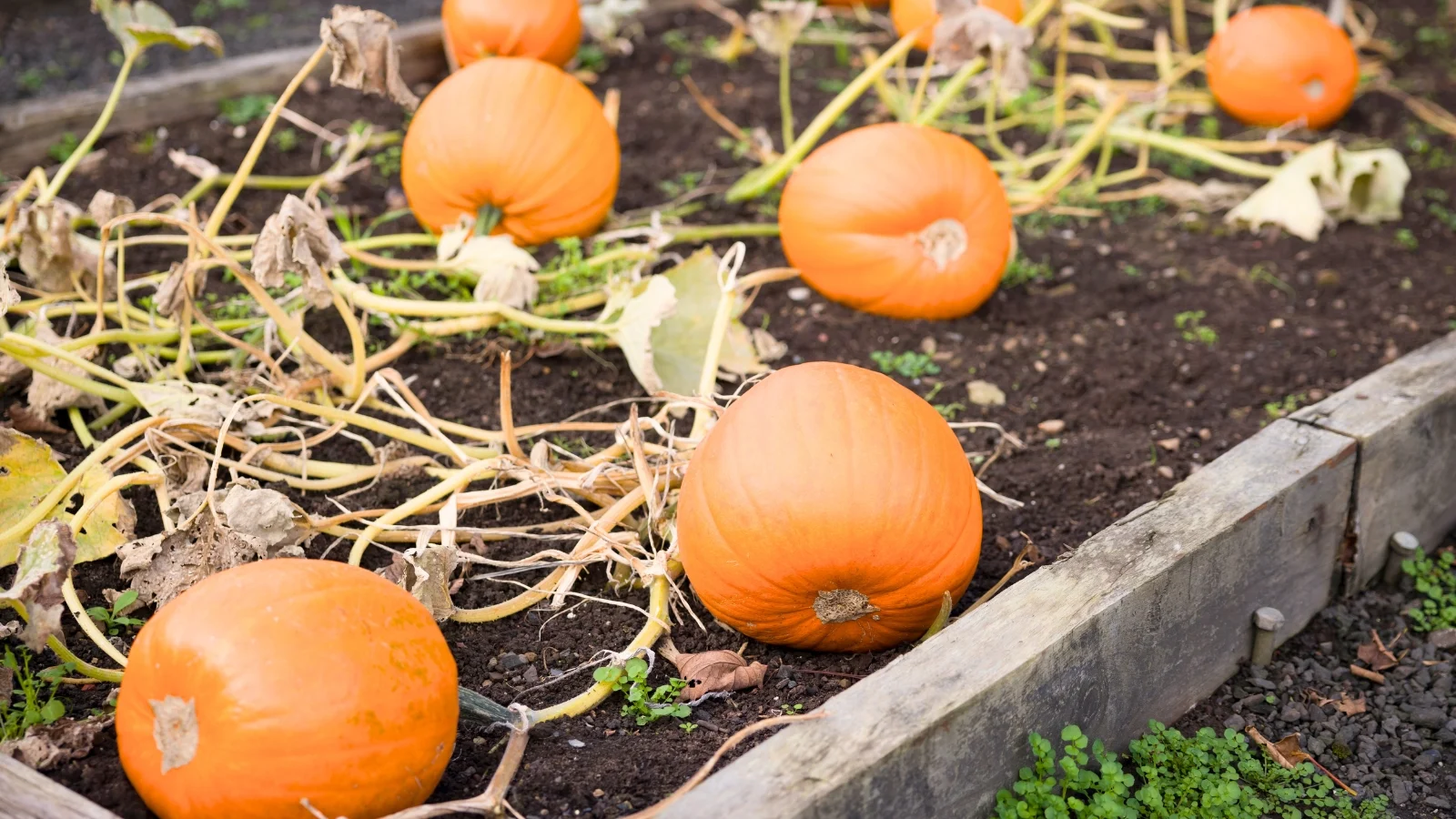
Pumpkins are ready when they have a deep color and the rind feels hard. Cut the stem with a knife, leaving a few inches attached for longer shelf life.


7. Pumpkin in American Traditions: From Halloween to Thanksgiving

Pumpkin isn’t just food — it’s a symbol of celebration and creativity in American life.

Halloween Jack-O’-Lanterns:
Every October, families carve pumpkins into glowing faces. The tradition stems from Irish folklore but has become an iconic American Halloween ritual.

Thanksgiving Pumpkin Pie:
No Thanksgiving feast is complete without a creamy slice of pumpkin pie — a dessert that dates back to colonial America.

Pumpkin Spice Craze:
Pumpkin spice lattes and baked goods have become cultural phenomena every fall, inspiring memes, fashion, and even scented candles.

Fall Home Décor:
From porch displays to dining tables, pumpkins bring a warm, rustic charm to autumn décor. Pair with hay bales, leaves, and candles for that cozy farmhouse look.


8. Preserving and Storing Pumpkin

Pumpkins have great storage potential if handled properly.

For Fresh Pumpkins:

  • Store in a cool, dry place (50–55°F).
  • Keep off concrete surfaces to prevent rot.

For Pumpkin Puree:

  • Scoop out the flesh, steam or bake, then blend and freeze in containers for up to 3 months.

For Seeds:

  • Clean, dry, and store for snacking or planting next season.

9. Fun Pumpkin Facts You Didn’t Know

  • The world’s largest pumpkin weighed over 2,700 pounds, grown in Minnesota!
  • Every year, Americans purchase over 1 billion pounds of pumpkins.
  • Pumpkin flowers are edible and often stuffed or fried in gourmet dishes.
  • Native Americans once dried pumpkin strips to weave into mats and baskets.
  • The “pumpkin spice” blend doesn’t actually contain pumpkin — it’s a mix of cinnamon, nutmeg, ginger, and clove.

10. Why Pumpkin Is Here to Stay

In a world that changes fast, pumpkin remains a comforting constant — a symbol of family, warmth, and tradition. It brings people together, inspires creativity, and celebrates the harvest season in true American fashion.

From pumpkin-spiced coffees to roasted seeds, pies, soups, and autumn decorations, its charm never fades.


Conclusion: Celebrate Fall, Celebrate Pumpkin

The humble pumpkin is more than just a seasonal favorite — it’s a reflection of American heritage, health, and happiness. Whether you’re sipping a latte, carving a jack-o’-lantern, or baking a homemade pie, pumpkin represents the heart of fall — cozy, nourishing, and full of joy.

So, as the leaves turn golden and the air cools, embrace the season’s magic with a touch of orange — and let the power of pumpkin fill your kitchen, your home, and your heart.

Zesty Zucchini Magic America’s Favorite Green Veggie for Fresh Cooking, Health, and Home Gardening

Zesty Zucchini Magic America’s Favorite Green Veggie for Fresh Cooking, Health, and Home Gardening

When it comes to versatile vegetables that fit into almost any American meal, zucchini reigns supreme. From summer salads and grilled sides to muffins, noodles, and stir-fries, this mild, tender squash adds freshness, flavor, and nutrition to every bite.

Loved for its light taste and quick cooking time, zucchini has become a staple in modern American kitchens — especially for health-conscious eaters and home gardeners. It’s naturally low in calories, rich in vitamins, and grows easily in backyard gardens across the U.S.

In this comprehensive guide, we’ll explore everything you need to know about zucchini — its origins, health benefits, cooking ideas, gardening tips, and why it’s one of the most beloved vegetables in America.


1. What Is Zucchini?

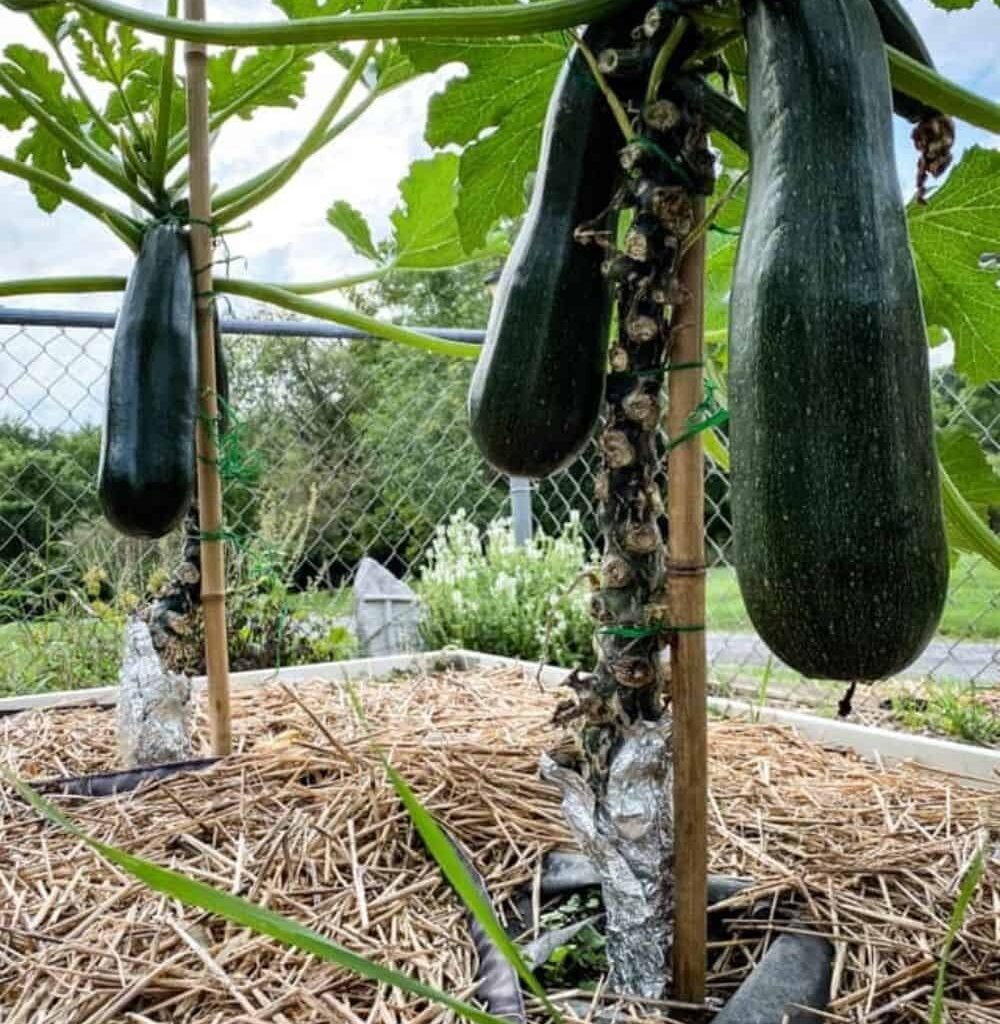
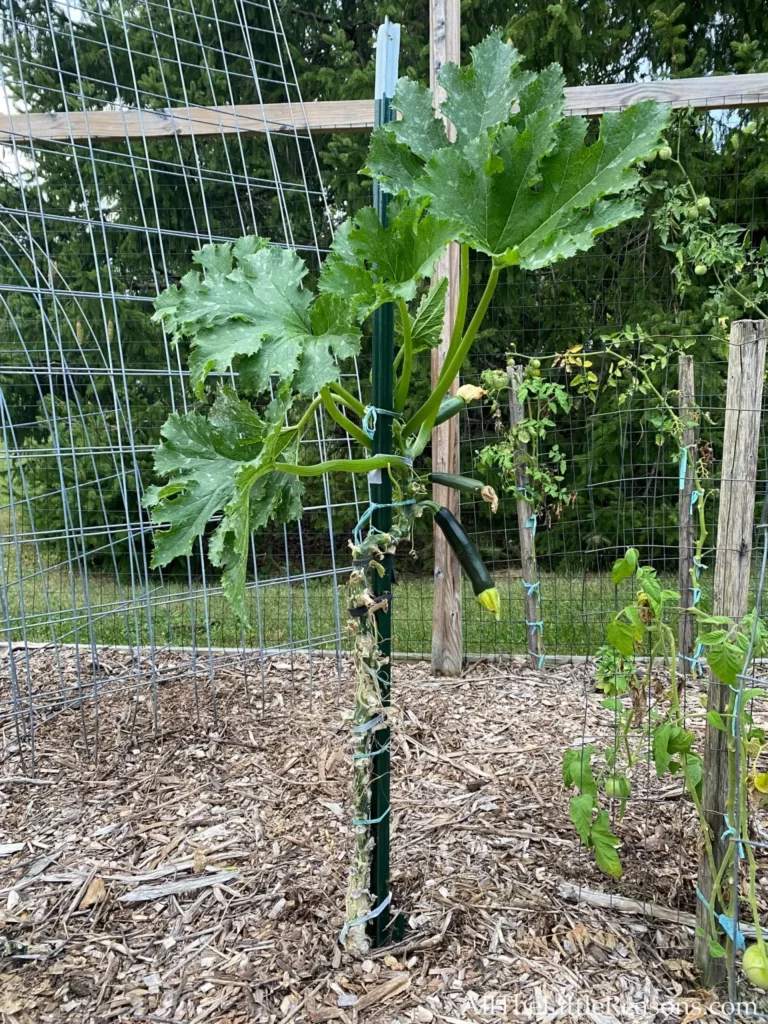
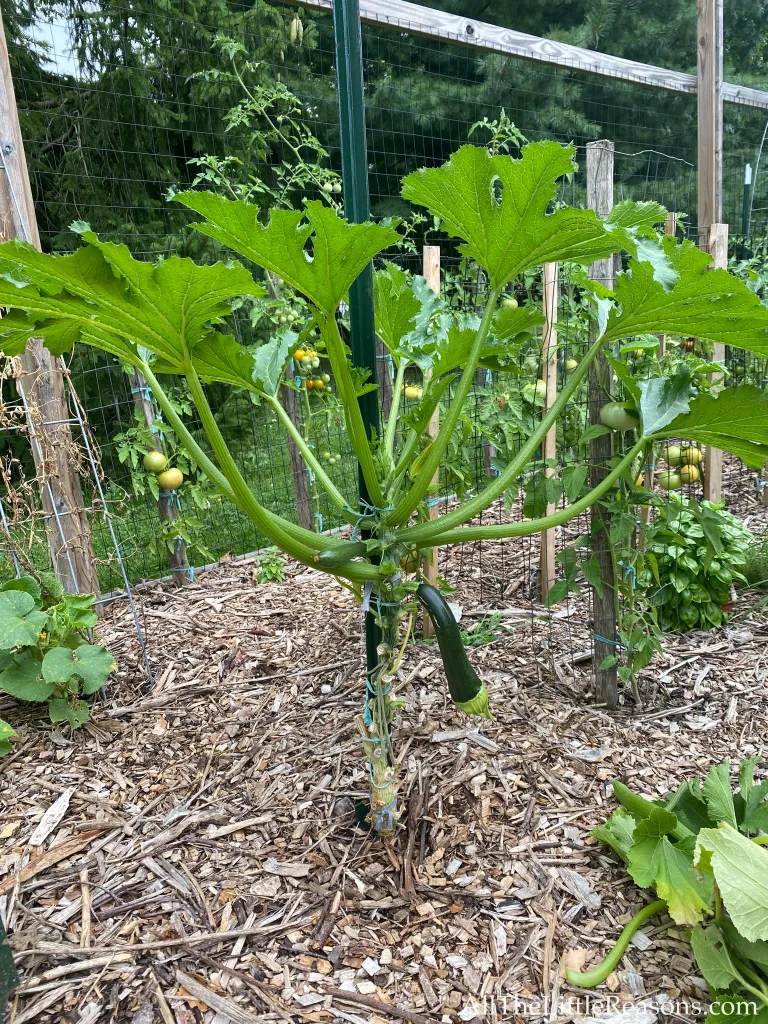
Zucchini (scientific name: Cucurbita pepo) is a type of summer squash, known for its long, cylindrical shape and glossy green skin. Though it looks like a vegetable, zucchini is technically a fruit, because it grows from a flower and contains seeds.

Originating from Central and South America, zucchini became popular in Italy before making its way to the U.S. — where it quickly earned a permanent spot in American gardens and kitchens.

Today, it’s a favorite ingredient in low-carb, gluten-free, and plant-based diets, thanks to its mild flavor and adaptability in both savory and sweet dishes.


2. Nutritional Profile and Health Benefits

Zucchini is often called a “superfood” — and for good reason. It’s packed with nutrients while being low in calories and carbohydrates, making it a powerhouse of wellness.

Nutritional Highlights (per 1 cup cooked zucchini):

  • Calories: ~30
  • Carbohydrates: 7g
  • Fiber: 2g
  • Protein: 2g
  • Vitamin C: 40% of the daily recommended intake
  • Vitamin A, potassium, and antioxidants galore

Top Health Benefits of Zucchini:

1. Supports Weight Loss
Zucchini is high in water and fiber but low in calories — keeping you full without weighing you down. It’s a perfect ingredient for low-calorie meals and keto-friendly dishes.

2. Improves Digestion
Its fiber content helps promote gut health, preventing constipation and aiding digestion.

3. Boosts Heart Health
The potassium in zucchini helps regulate blood pressure, while antioxidants like lutein and zeaxanthin support healthy arteries.

4. Promotes Eye Health
Zucchini contains beta-carotene and vitamin C, both essential for maintaining sharp vision and reducing the risk of macular degeneration.

5. Reduces Inflammation
Rich in antioxidants, zucchini helps fight inflammation and supports your immune system.

6. Keeps Skin Glowing
The high water and vitamin content help hydrate the skin, making it look fresh and youthful.


3. Zucchini Varieties Popular in America

Zucchini comes in many shapes, colors, and flavors. Here are some of the most common varieties grown and enjoyed in the U.S.:

Black Beauty Zucchini

The classic American favorite — dark green, glossy, and tender. Ideal for grilling and baking.

Golden Zucchini

Bright yellow and slightly sweeter, this variety adds a splash of color to stir-fries and salads.

Round Zucchini (Eight Ball)

Perfect for stuffing, these small, round zucchinis have a rich, nutty flavor.

Zephyr Zucchini

Recognized for its two-toned yellow and green color, Zephyr has a firm texture great for sautéing.

Costata Romanesco

An heirloom Italian variety with ridged skin and superior flavor — loved by gourmet chefs and gardeners alike.


4. How to Cook with Zucchini: Delicious Ways to Enjoy It

Zucchini’s versatility makes it one of the easiest veggies to cook. Whether you prefer it grilled, baked, roasted, spiralized, or even sweetened, there’s a zucchini dish for every craving.

Grilled Zucchini

Brush slices with olive oil, sprinkle with salt and pepper, and grill until tender. Perfect as a summer side or burger topping.

Zucchini Noodles (Zoodles)

A low-carb alternative to pasta — spiralize zucchini and sauté lightly with garlic and olive oil. Add marinara or pesto for a quick, healthy meal.

Raw Zucchini

Thinly slice into salads for a fresh crunch. Pairs beautifully with lemon juice, feta cheese, and herbs.

Zucchini Bread

A classic American favorite — moist, sweet, and perfect for breakfast or dessert. You can make it even healthier by adding oats, walnuts, or whole wheat flour.

Stuffed Zucchini Boats

Cut zucchinis in half, scoop out the centers, and fill with ground turkey, cheese, quinoa, or vegetables before baking.

Sautéed or Stir-Fried

Zucchini cooks quickly, making it ideal for quick weeknight meals with onions, bell peppers, and garlic.

Zucchini Muffins or Brownies

Shredded zucchini adds moisture to baked goods — and even picky eaters won’t notice it’s in there!


5. Simple Recipe: Garlic-Parmesan Roasted Zucchini

Ingredients:

  • 2 medium zucchinis, sliced into rounds
  • 2 tbsp olive oil
  • 2 cloves garlic, minced
  • ¼ cup grated Parmesan cheese
  • Salt and pepper to taste
  • ½ tsp Italian seasoning

Instructions:

  1. Preheat oven to 425°F.
  2. Toss zucchini slices with olive oil, garlic, salt, and seasonings.
  3. Arrange on a baking sheet and sprinkle Parmesan on top.
  4. Roast for 15–20 minutes, until golden and crisp on the edges.

Serve as a side dish, snack, or salad topping — fresh, flavorful, and guilt-free!


6. How to Grow Zucchini at Home: The American Gardener’s Favorite

Zucchini is one of the easiest vegetables to grow, even for beginners. With a little sun and care, you can enjoy a continuous harvest all summer long.

Planting Tips

  • Soil: Well-draining, nutrient-rich soil with compost or organic fertilizer.
  • Sunlight: 6–8 hours of full sun daily.
  • Spacing: Leave 2–3 feet between plants to allow vines to spread.
  • Temperature: Zucchini thrives in warm weather (above 70°F).

Watering

  • Water deeply once or twice a week.
  • Keep soil moist but not soggy.
  • Mulch around the base to retain moisture and reduce weeds.

Pollination

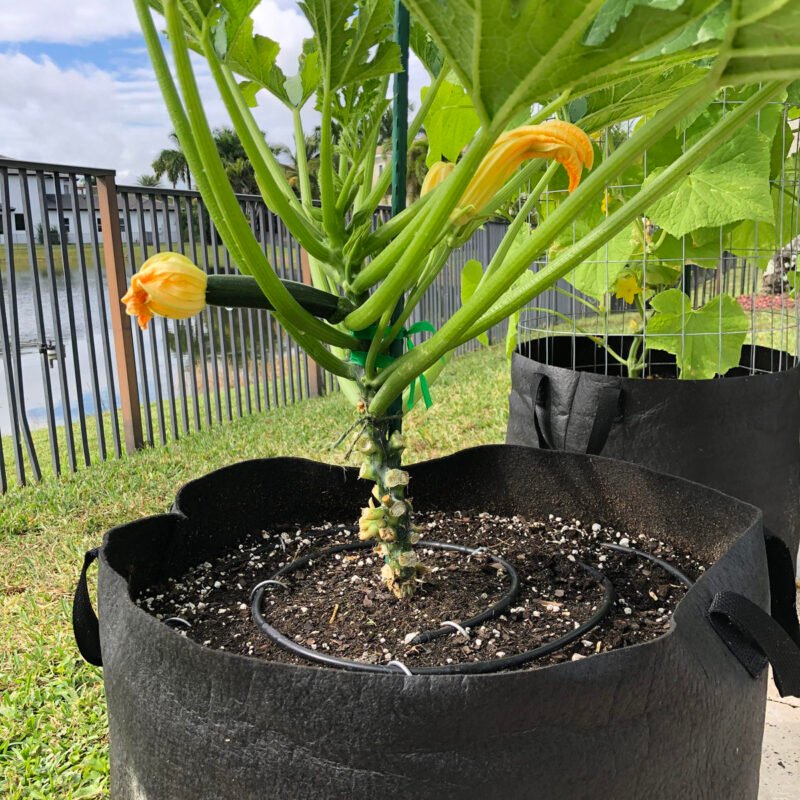
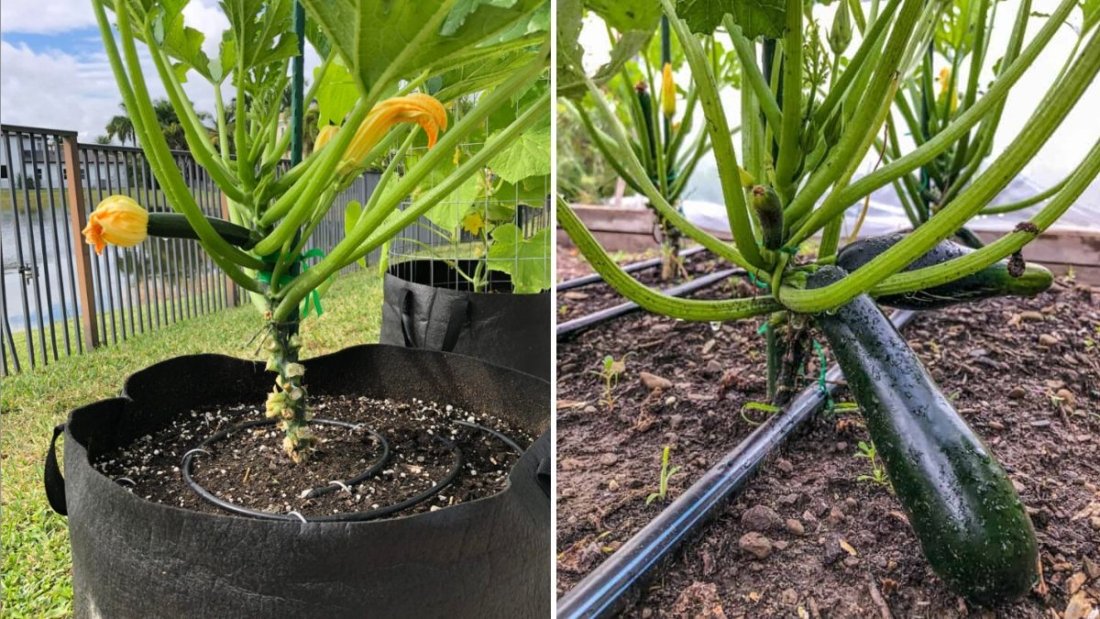
Zucchini produces male and female flowers — bees play a big role in pollination. Encourage pollinators by planting flowers like marigolds or sunflowers nearby.

Harvesting

Zucchini grows fast! Pick when they’re 6–8 inches long for the best flavor and texture. Oversized zucchinis can become seedy and less tender.

Bonus Tip:

Keep harvesting regularly — the more you pick, the more the plant produces!


7. Storing and Preserving Zucchini

Zucchini doesn’t last long once picked, but there are many ways to store and enjoy it later:

In the Refrigerator:

  • Store unwashed zucchinis in a plastic bag or container for up to 1 week.

Freezing:

  • Slice and blanch for 2 minutes, then freeze for soups or stews.

Pickling:

  • Zucchini pickles are a tangy treat — perfect for sandwiches and salads.

Drying:

  • Dehydrate or oven-dry zucchini chips for a healthy, crunchy snack.

8. Fun Facts About Zucchini

  • The word zucchini comes from the Italian word zucchina, meaning “small squash.”
  • Zucchini plants are incredibly productive — one plant can yield 10–20 fruits in a season.
  • The zucchini blossom is edible and often stuffed or fried in Italian cuisine.
  • The largest zucchini ever recorded weighed over 65 pounds!
  • In the U.S., August 8 is celebrated as National Zucchini Day, also known as “Sneak Some Zucchini onto Your Neighbor’s Porch Day.”

9. Zucchini in American Cuisine: A Modern Kitchen Essential

Zucchini has earned its place as one of the most beloved vegetables in American homes. From farmers’ markets to fine dining, it’s a symbol of freshness, health, and creativity.

You’ll find zucchini featured in:

  • Grilled summer barbecues
  • Vegan and keto meal plans
  • Mediterranean and Italian-inspired dishes
  • Breakfast muffins, frittatas, and casseroles
  • Low-carb “zoodles” and gluten-free recipes

Its mild taste allows it to adapt to every culinary trend — proving that sometimes, the simplest ingredients are the most versatile.


Conclusion: The Everyday Superfood You Can Grow and Love

From backyard gardens to gourmet kitchens, zucchini is the green hero of healthy eating in America. It’s easy to cook, fun to grow, and incredibly good for your body. Whether you’re making zoodles, baking zucchini bread, or grilling it fresh off the vine, this humble squash brings color, nutrition, and endless creativity to your plate.

So grab a basket, pick some fresh zucchini, and celebrate the veggie that truly does it all — the zesty, wholesome, all-American zucchini!

Banana Pepper Bliss The Sweet and Tangy Guide to Cooking, Health, and Growing America’s Favorite Mild Chili

Banana Pepper Bliss The Sweet and Tangy Guide to Cooking, Health, and Growing America’s Favorite Mild Chili

When it comes to adding a splash of color, crunch, and mild spice to your plate, banana peppers are the ultimate kitchen favorite across America. Their sunny yellow hue, crisp texture, and tangy-sweet flavor make them a go-to ingredient in salads, sandwiches, pizzas, and pickled jars.

Unlike their fiery cousins, banana peppers deliver flavor without the burn — making them perfect for families, mild-spice lovers, and creative home cooks alike. Beyond taste, they’re packed with vitamins, antioxidants, and heart-healthy benefits, and they’re among the easiest peppers to grow in your backyard garden.

In this detailed guide, we’ll explore everything about banana peppers — from their history and health benefits to culinary uses, recipes, and growing tips — so you can enjoy this mild chili to the fullest.


1. What Are Banana Peppers?

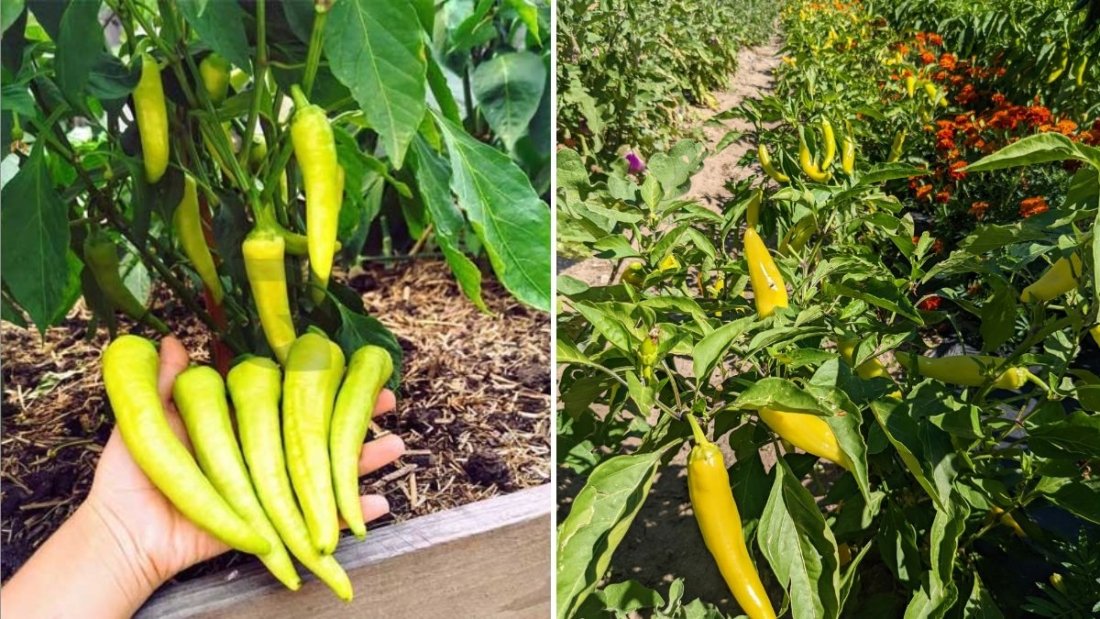
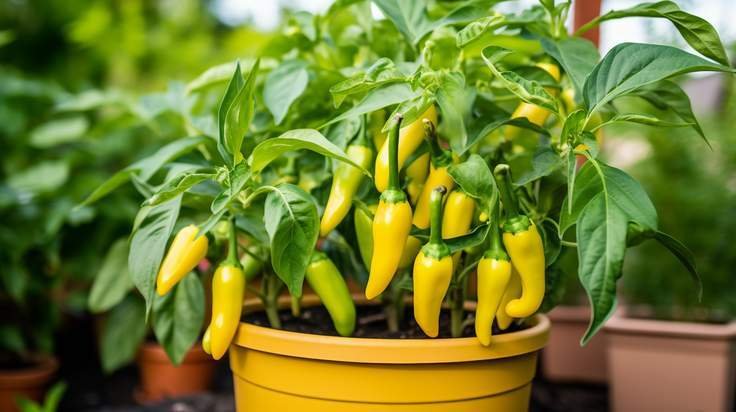
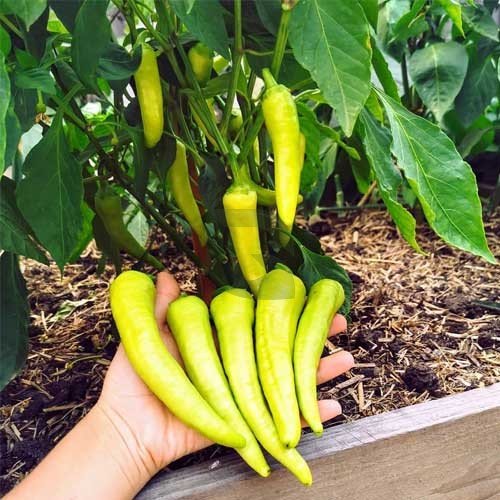
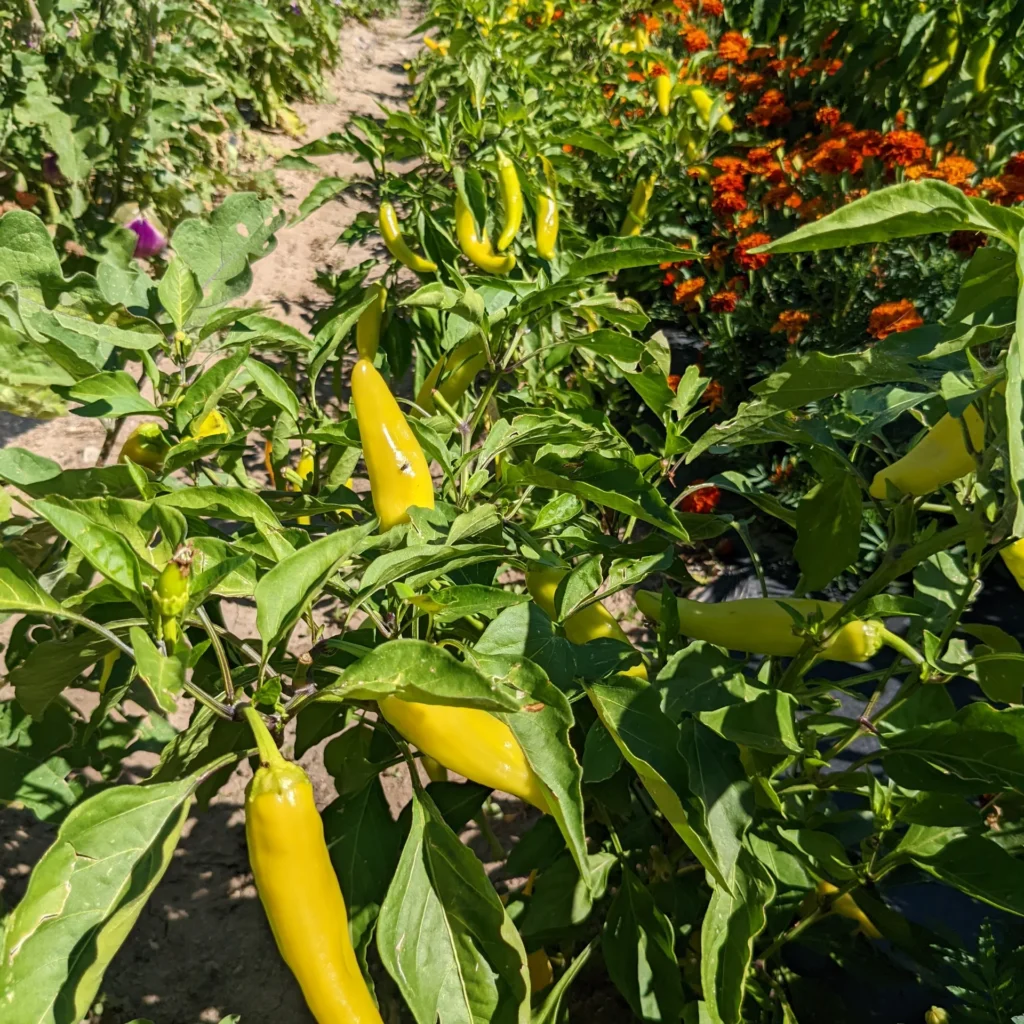
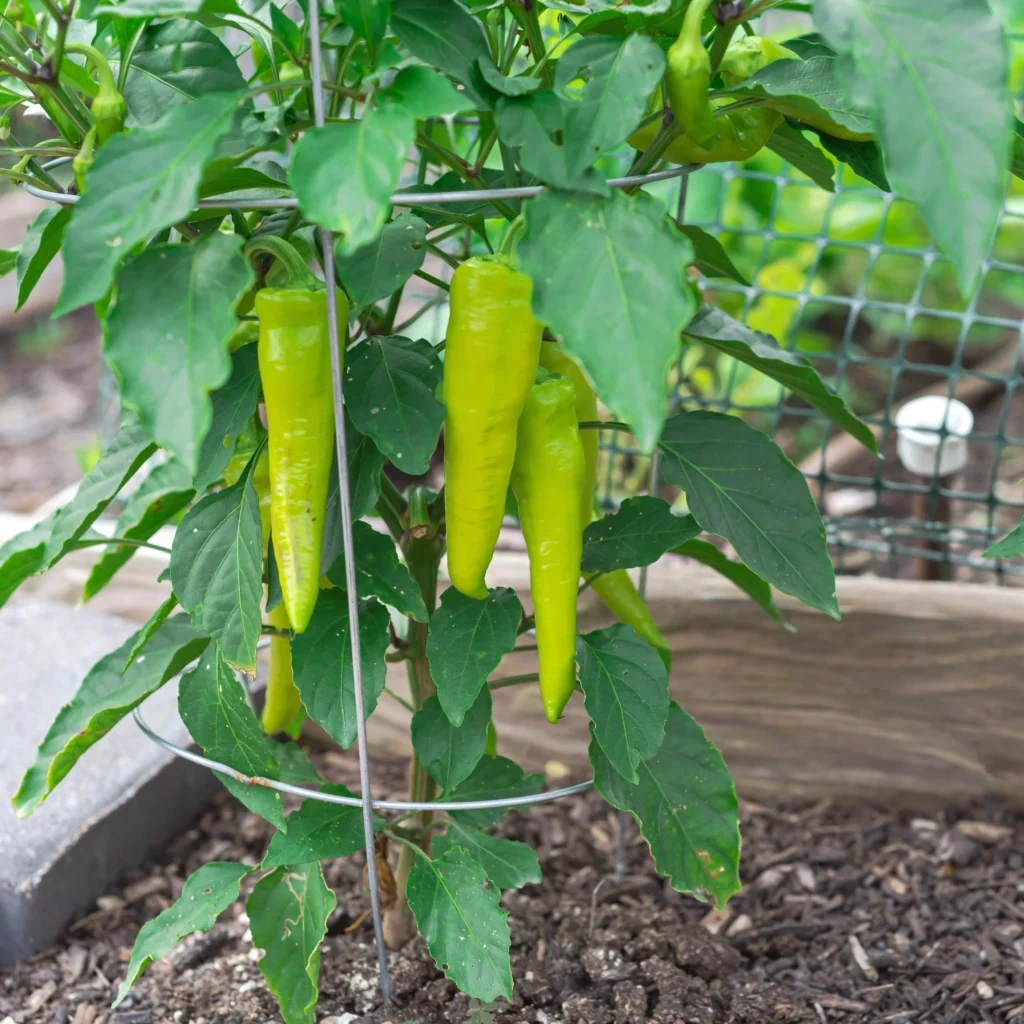
Banana peppers (also called yellow wax peppers) get their name from their banana-like shape and color. They belong to the Capsicum annuum family, the same group as bell peppers, jalapeños, and cayenne.

These peppers are typically 2–4 inches long, with thin skin and a firm, crunchy texture. Their flavor ranges from sweet to mildly tangy, depending on how ripe they are and whether they’re fresh or pickled.

Banana peppers are often confused with pepperoncini, but the two have subtle differences:

  • Banana peppers: Sweeter, less wrinkled, and slightly tangier.
  • Pepperoncini: More bitter and often wrinkly in appearance.

Both are popular in American sandwiches, pizzas, and Italian-style salads, but true banana peppers have that bright, sunny sweetness that stands out.


2. Heat Level: Mild and Perfectly Balanced

If you love the flavor of chili but not the intense heat, banana peppers are your best friend.

On the Scoville Heat Scale, they measure between 0–500 Scoville Heat Units (SHU) — making them one of the mildest peppers you can eat.

For comparison:

  • Bell Pepper: 0 SHU
  • Banana Pepper: 0–500 SHU
  • Jalapeño: 2,500–8,000 SHU
  • Cayenne: 30,000–50,000 SHU

This mildness makes banana peppers ideal for family-friendly meals or dishes that need a touch of tang without overwhelming heat.


3. Health Benefits of Banana Peppers: Sweet, Nutritious, and Powerful

Banana peppers are more than just a tasty topping — they’re loaded with nutrients that can enhance your health in many ways.

Packed with Vitamins

Banana peppers are rich in vitamin C, vitamin A, and vitamin B6, which support immunity, eye health, and metabolism.

Boosts Digestion

The fiber in banana peppers promotes healthy digestion and can help regulate blood sugar levels.

Supports Heart Health

Their natural antioxidants and low calorie count make them a heart-friendly food that can help reduce inflammation and improve circulation.

Natural Metabolism Enhancer

Even with mild heat, banana peppers contain capsaicin, which boosts metabolism and helps the body burn calories more efficiently.

Improves Mood

Like other chili peppers, banana peppers trigger endorphin release, lifting your mood and reducing stress.


4. Culinary Uses: Versatile and Flavorful in Every Form

One of the reasons banana peppers are beloved in American kitchens is their versatility. They can be eaten fresh, roasted, grilled, or pickled, and they complement a wide variety of dishes — from sandwiches to pasta.

Here are some of the best ways to enjoy them:

Fresh Banana Peppers

Slice them into salads, wraps, or tacos for a crunchy, tangy bite. Their mildness pairs perfectly with cheese, meats, and creamy dressings.

Grilled or Roasted

Roasting enhances their sweetness. Toss roasted banana peppers on pizzas, pasta, or grain bowls, or blend them into a smooth pepper sauce.

Pickled Banana Peppers

This is the most popular way to enjoy them! Pickled banana peppers add a zesty tang to burgers, subs, hot dogs, and nachos.

Stuffed Banana Peppers

For a hearty appetizer or side dish, stuff them with cream cheese, sausage, or rice, then bake or grill until tender.

On Pizza or Subs

Banana peppers are a staple topping for American pizzas, hoagies, and deli sandwiches — balancing savory meats and cheeses with mild acidity.


5. Simple Recipe: Homemade Pickled Banana Peppers

Ingredients:

  • 10–12 banana peppers, sliced into rings
  • 1 cup white vinegar
  • 1 cup water
  • 2 tbsp sugar
  • 1 tbsp salt
  • 2 cloves garlic, smashed
  • 1 tsp mustard seeds (optional)

Instructions:

  1. Combine vinegar, water, sugar, salt, and garlic in a saucepan.
  2. Bring to a boil, then remove from heat.
  3. Add sliced banana peppers to a jar.
  4. Pour the hot liquid over the peppers.
  5. Let cool, seal the jar, and refrigerate overnight.

Your homemade pickled banana peppers will be ready to enjoy the next day — perfect for adding a crunchy, tangy kick to any meal!


6. How to Grow Banana Peppers at Home

If you love fresh produce, growing banana peppers is one of the easiest and most rewarding gardening projects. They’re resilient, productive, and thrive in most American climates, especially during summer.

Planting Basics

  • Start indoors: Begin seeds 6–8 weeks before the last frost.
  • Transplant outdoors when temperatures stay above 70°F.
  • Soil: Use nutrient-rich, well-drained soil.
  • Sunlight: 6–8 hours of full sun daily.

Watering & Feeding

  • Water deeply once or twice a week.
  • Avoid soggy soil — banana peppers dislike waterlogging.
  • Fertilize every few weeks with a balanced vegetable fertilizer.

Harvesting

Banana peppers are ready to harvest when they’re 5–7 inches long and bright yellow. You can also let them ripen to orange or red for a sweeter flavor.

Each plant can produce 20–30 peppers per season, giving you plenty to eat fresh or pickle for later.


7. Banana Pepper Varieties: Choose Your Favorite

There are several delicious banana pepper types to explore, each with unique flavors and colors:

Sweet Banana Pepper

The most common type — mild, crisp, and perfect for pickling or fresh eating.

Hot Banana Pepper

A slightly spicier version (up to 500 SHU) that adds a gentle heat without overpowering flavor.

Hungarian Yellow Wax Pepper

Often mistaken for banana peppers but a bit hotter (1,000–15,000 SHU). Great for those who like a medium kick.

Mini Banana Peppers

Smaller and sweeter, perfect for salads, snacks, and decorative gardening.


8. Fun Facts About Banana Peppers

  • Banana peppers are technically fruits, since they grow from a flower and contain seeds.
  • They’re one of the most common peppers used in American pizza chains.
  • When fully ripe, banana peppers turn red or orange and become sweeter.
  • Pickled banana peppers can last up to 3 months in the fridge.
  • They’re a top choice for home gardeners because of their high yield and low maintenance.

9. Storing and Preserving Banana Peppers

To make the most of your harvest or market buys, proper storage keeps banana peppers crisp and flavorful:

In the Refrigerator:

  • Store fresh banana peppers in a plastic or paper bag for up to 10 days.

Freezing:

  • Slice and freeze for up to 6 months. Ideal for cooking and stir-fries.

Pickling:

  • The most popular preservation method — keeps peppers flavorful for weeks or even months.

Drying:

  • Slice thinly and dry in the sun or oven. Use in spice blends or crushed pepper flakes.

10. Banana Peppers in American Cuisine

From diners to delis, banana peppers have become a staple in American cooking thanks to their mild flavor and bright color. You’ll find them in:

  • Sub sandwiches like those from Subway or Jersey Mike’s.
  • Pizza chains such as Domino’s and Papa John’s.
  • Chicago-style hot dogs and Italian beef sandwiches.
  • Homemade casseroles, pasta salads, and pickled vegetable mixes.

They add that perfect balance of sweet, tangy, and crisp — making every bite better.


Conclusion: The Bright Side of Spice

Banana peppers prove that spice doesn’t have to mean heat. Their sunny flavor, gentle kick, and endless versatility make them a beloved ingredient in American kitchens and gardens alike. Whether you’re tossing them on pizza, pickling a fresh batch, or growing them in your backyard, banana peppers bring color, nutrition, and joy to every meal.

So next time you want a pop of flavor — grab a banana pepper and let its sweet tang light up your table!


Jalapeño Joy The Ultimate American Guide to Cooking, Growing, and Loving This Spicy Green Pepper

Jalapeño Joy The Ultimate American Guide to Cooking, Growing, and Loving This Spicy Green Pepper

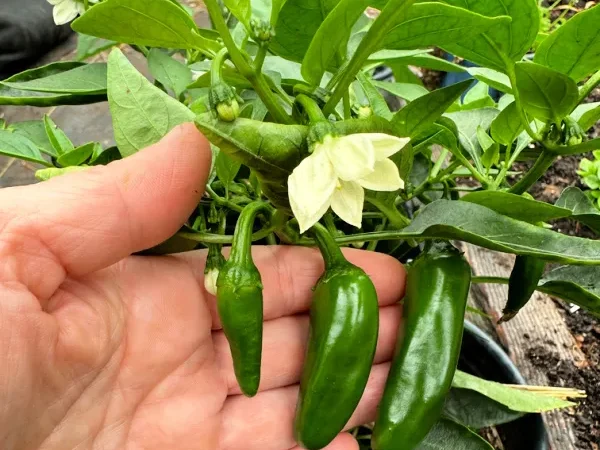
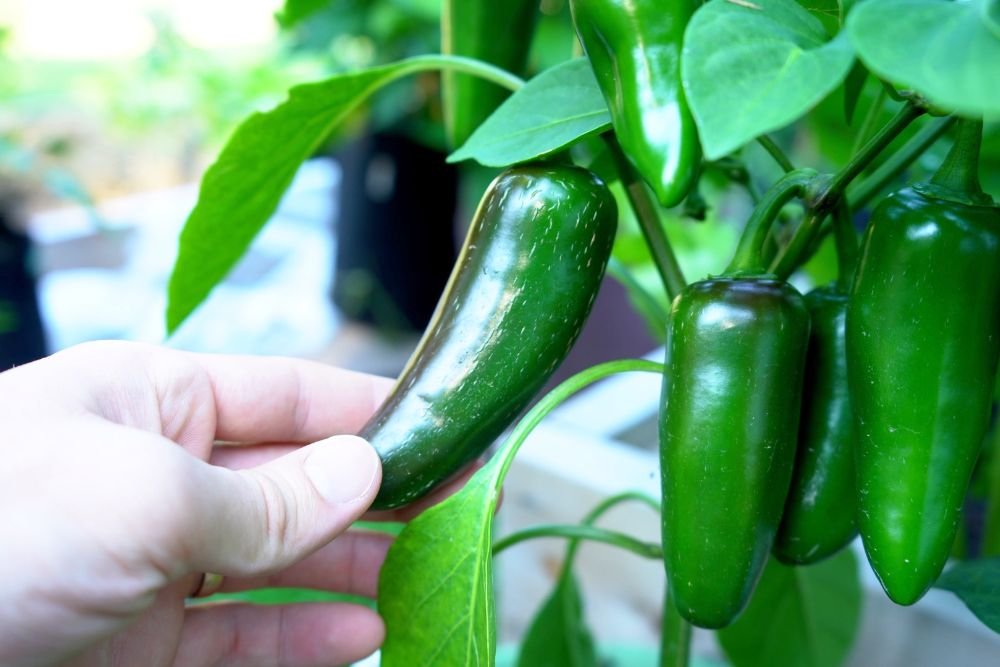
Few ingredients capture the heart of American cuisine quite like the jalapeño. This bright green chili pepper, with its perfect balance of heat and flavor, has become a star in everything from Tex-Mex tacos to gourmet burgers. Whether diced into fresh salsa, stuffed with cheese, or pickled on nachos, jalapeños deliver that irresistible kick that turns any meal from bland to bold.

But jalapeños aren’t just about taste — they’re packed with vitamins, antioxidants, and metabolism-boosting power. Plus, they’re one of the easiest peppers to grow at home, making them a favorite among backyard gardeners and spice enthusiasts across the U.S.

In this all-in-one guide, we’ll explore everything you need to know about jalapeños — their history, health benefits, culinary uses, and growing tips — to help you master this small but mighty pepper.


1. The Story Behind the Jalapeño: From Mexico to Mainstream America

The jalapeño pepper (Capsicum annuum) takes its name from the Mexican city of Xalapa (Jalapa), where it was first cultivated centuries ago. Native to Central and South America, jalapeños were a key part of Aztec and Mayan cuisine, valued not only for their flavor but also for their medicinal properties.

When chili peppers made their way north, the jalapeño quickly became a staple in Southwestern and Tex-Mex cooking. Today, it’s one of the most widely used peppers in the U.S., appearing in everything from barbecue sauces and pizza toppings to artisan hot sauces and spicy cocktails.


2. Jalapeño Heat: Understanding the Spice Level

Jalapeños strike the perfect balance between mild and hot, making them ideal for spice lovers who don’t want to burn their taste buds off.

Their heat is measured on the Scoville Scale, which rates peppers based on capsaicin — the compound responsible for their fiery bite.

  • Jalapeño Heat Range: 2,500 to 8,000 Scoville Heat Units (SHU)
  • For Comparison:
    • Bell Pepper: 0 SHU
    • Serrano: 10,000–23,000 SHU
    • Cayenne: 30,000–50,000 SHU
    • Habanero: 100,000–350,000 SHU

The heat can vary depending on the pepper’s ripeness, growing conditions, and even the season. Typically, green jalapeños are milder and tangier, while red jalapeños (which are fully ripe) develop a sweeter and slightly smokier heat.


3. Health Benefits of Jalapeños: More Than Just Spice

Jalapeños aren’t just delicious — they’re incredibly nutritious. Here’s why adding them to your meals can be a smart, healthy choice:

Boosts Metabolism and Burns Calories

Capsaicin increases your body’s heat production, promoting fat burning and improved metabolism — perfect for anyone watching their waistline.

Rich in Antioxidants

Jalapeños are loaded with vitamin C, vitamin A, and carotenoids, which help fight inflammation and protect against free radical damage.

Supports Heart Health

Regular consumption of chili peppers has been linked to lower cholesterol levels and better blood circulation.

Strengthens Immunity

The vitamin C and antibacterial properties of jalapeños help boost the immune system and keep infections at bay.

Elevates Mood

The mild “burn” of capsaicin triggers endorphin release, giving you a natural mood boost — a real “pepper high”!


4. Culinary Uses: How to Cook with Jalapeños Like a Pro

The beauty of the jalapeño lies in its versatility. It can be eaten fresh, roasted, pickled, or smoked — and each form adds a different layer of flavor.

Fresh Jalapeños

Use them raw in salsa, guacamole, tacos, and sandwiches. Slice thinly for a zesty topping or dice finely to add a touch of heat to salads.

Roasted or Grilled Jalapeños

Roasting mellows their heat and brings out a smoky sweetness. Great for stuffed jalapeños, fajitas, or grilled burgers.

Pickled Jalapeños

These tangy slices are perfect for nachos, hot dogs, burgers, and pizza. You can buy them ready-made or make your own (see below!).

Smoked Jalapeños (Chipotle)

When jalapeños are smoked and dried, they become chipotle peppers — the secret ingredient in BBQ sauces, marinades, and Tex-Mex recipes.


5. Quick Recipe: Classic Stuffed Jalapeño Poppers

Ingredients:

  • 10 jalapeño peppers (halved and seeded)
  • 8 oz cream cheese, softened
  • ½ cup shredded cheddar cheese
  • ½ tsp garlic powder
  • ¼ tsp black pepper
  • 10 slices bacon (optional)

Instructions:

  1. Preheat oven to 400°F.
  2. Mix cream cheese, cheddar, garlic powder, and black pepper in a bowl.
  3. Fill each jalapeño half with the mixture.
  4. Wrap with bacon (optional) and secure with a toothpick.
  5. Bake for 20–25 minutes, until golden and bubbly.

Serve with ranch or chipotle mayo — the perfect game-day or party appetizer!


6. How to Grow Jalapeños at Home: A Gardener’s Guide

Growing your own jalapeños is simple and satisfying. They thrive in warm climates, making them a great choice for American home gardens — especially in Southern, Western, and coastal states.

Planting Tips

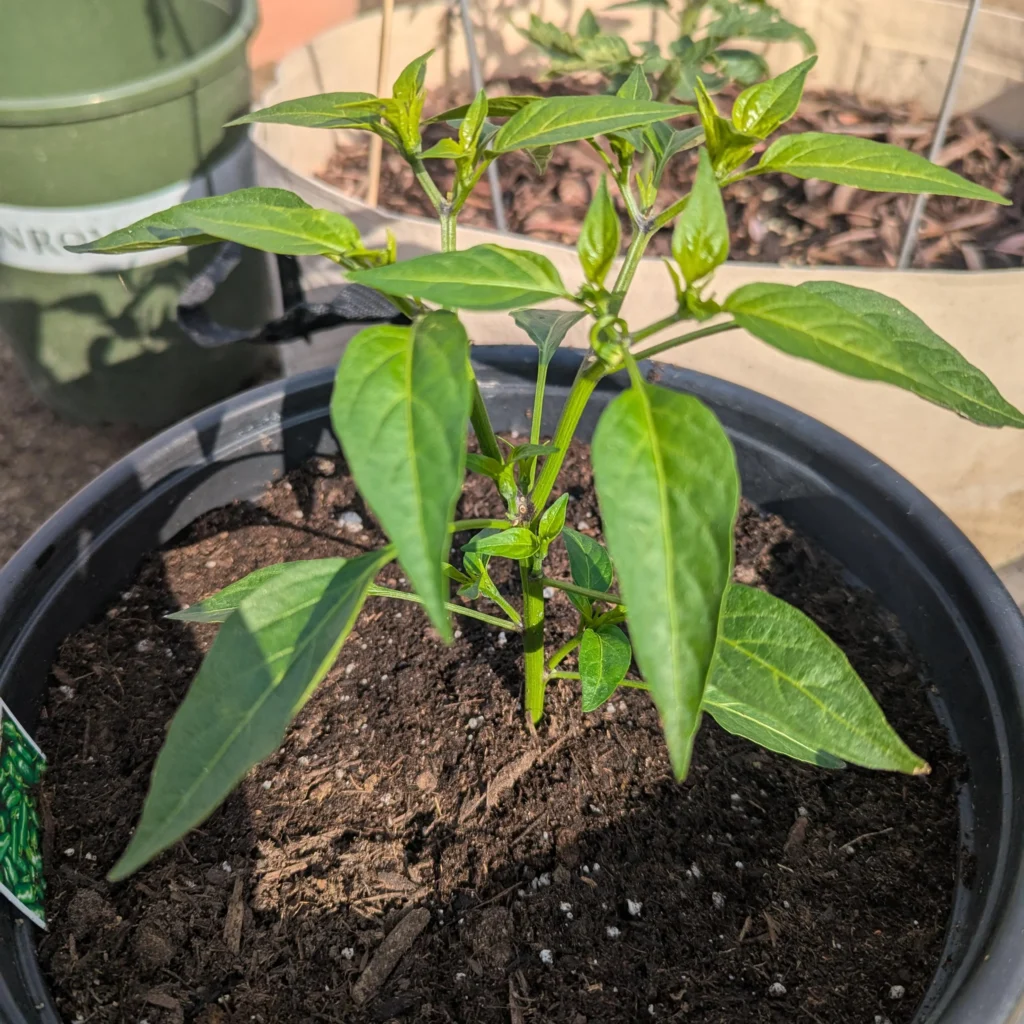
  • Start Indoors: Begin seeds 6–8 weeks before the last frost.
  • Transplant Outdoors: Move to the garden when temperatures stay above 70°F.
  • Soil: Use well-drained, nutrient-rich soil with compost.
  • Sunlight: 6–8 hours of direct sunlight daily.

Watering & Care

  • Keep the soil consistently moist but never soggy.
  • Add organic fertilizer every few weeks.
  • Mulch around the base to retain moisture and prevent weeds.

Harvesting

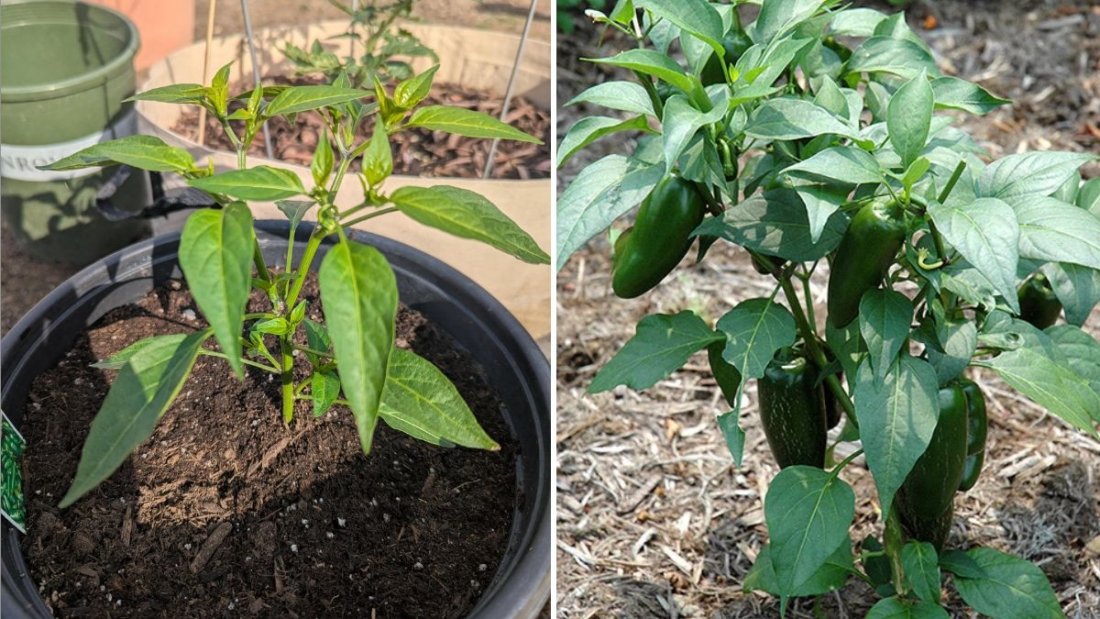
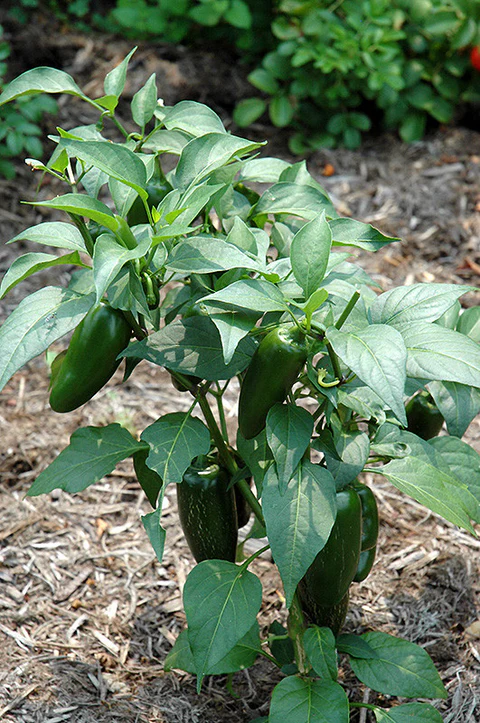
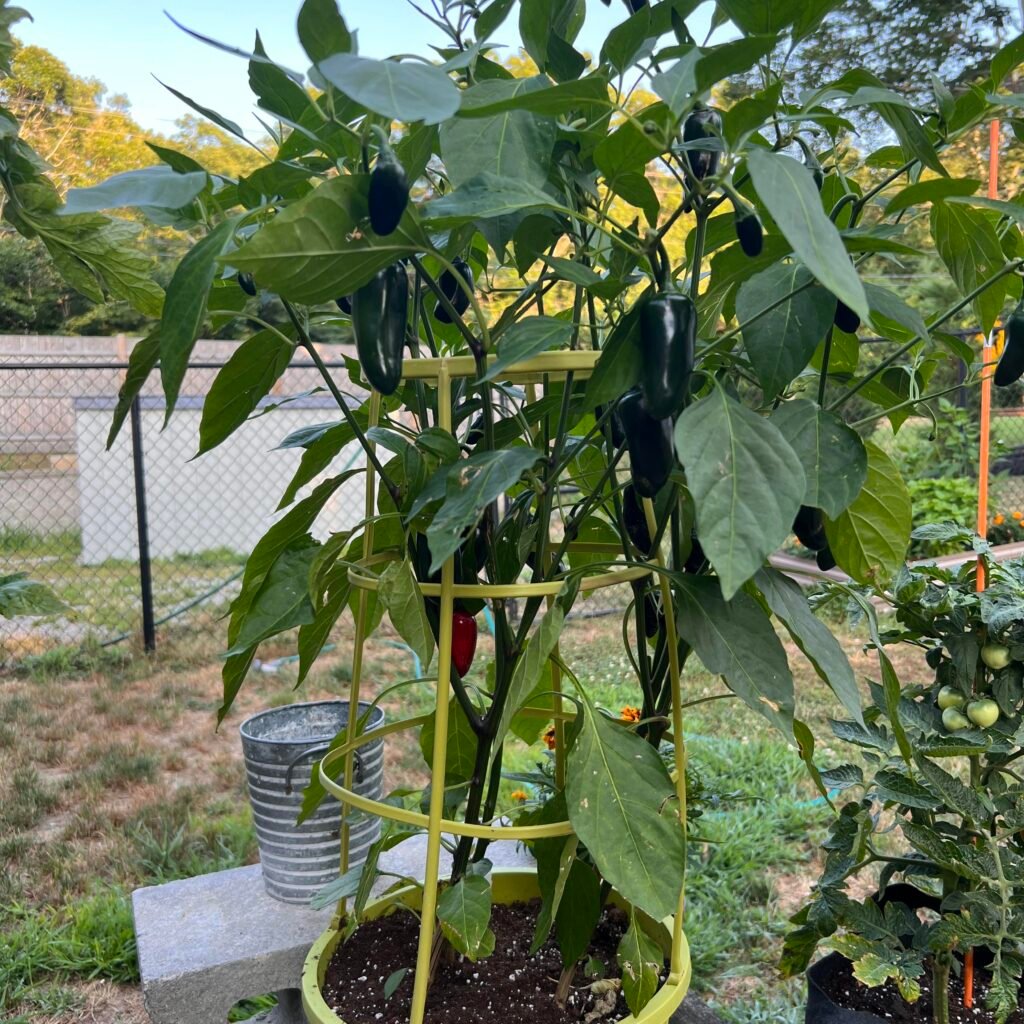
Jalapeños are ready to harvest when they reach 2–4 inches long and develop a deep green color. For a sweeter, hotter flavor, let them ripen to red before picking.

A single jalapeño plant can produce 25–35 peppers per season — enough to keep your kitchen stocked with spice all year long!


7. Pickling Jalapeños at Home: A Simple DIY Recipe

Ingredients:

  • 10–12 fresh jalapeños (sliced)
  • 1 cup white vinegar
  • 1 cup water
  • 1 tbsp sugar
  • 1 tbsp salt
  • 2 garlic cloves

Instructions:

  1. Combine vinegar, water, sugar, salt, and garlic in a saucepan.
  2. Bring to a boil, then add the sliced jalapeños.
  3. Remove from heat and let cool for 10 minutes.
  4. Transfer to a jar and refrigerate for at least 24 hours.

These pickled jalapeños stay fresh for up to 2 months in the fridge — a great addition to tacos, salads, or burgers!


8. Fun Facts About Jalapeños

  • The average American eats 7 pounds of chili peppers per year, and jalapeños top the list!
  • The Scoville scale, which measures spiciness, was invented by pharmacist Wilbur Scoville in 1912.
  • Texas produces more jalapeños than any other U.S. state.
  • Jalapeños are technically fruits, not vegetables.
  • When smoked and dried, jalapeños become chipotle peppers, a flavor beloved in barbecue and Tex-Mex dishes.

9. Storing and Preserving Jalapeños

To keep your jalapeños fresh and flavorful, try these storage tips:

  • Refrigerator: Store unwashed jalapeños in a paper bag or airtight container for up to 2 weeks.
  • Freezing: Slice and freeze for up to 6 months — perfect for soups or chili.
  • Drying: Dehydrate or oven-dry sliced jalapeños for long-term use.
  • Pickling: As shown above, pickling extends their shelf life while enhancing their tangy kick.

10. Jalapeños in American Cuisine: A Flavor Icon

From food trucks to five-star restaurants, jalapeños are a symbol of American culinary creativity. They’ve become an essential ingredient in:

  • Tex-Mex favorites: tacos, burritos, and enchiladas.
  • Southern BBQ: smoked meats, sauces, and marinades.
  • Fast food classics: burgers, pizzas, and loaded fries.
  • Modern fusions: jalapeño margaritas, spicy aiolis, and even desserts like jalapeño cornbread or pepper-infused honey.

Conclusion: Embrace the Heat, Flavor, and Fun of Jalapeños

The humble jalapeño is proof that a little spice can transform any dish. Its crisp flavor, moderate heat, and versatility make it a must-have in every American kitchen and garden. Whether you’re grilling, pickling, or growing your own peppers, the jalapeño delivers a punch of flavor and a dose of wellness in every bite.

So go ahead — slice, stuff, or smoke it. Let the jalapeño bring joy, color, and a little fire to your table!

Chili Pepper Power A Fiery Guide to Flavor, Health, and Growing Your Own Heat in America

Chili Pepper Power A Fiery Guide to Flavor, Health, and Growing Your Own Heat in America

Few ingredients can awaken your taste buds like a chili pepper. From smoky jalapeños in Tex-Mex dishes to the bold kick of cayenne in Southern cooking, chili peppers are the heartbeat of spicy cuisine across America. But these colorful pods aren’t just about heat — they’re loaded with antioxidants, vitamins, and a cultural legacy that stretches from ancient Aztecs to modern backyard gardeners.

In this fiery guide, we’ll explore the origins, varieties, health benefits, culinary uses, and home-growing tips for chili peppers — plus how to choose the right heat level for your favorite dishes. Whether you’re a spice lover, a home cook, or a gardening enthusiast, this is everything you need to know about chili peppers in the American kitchen and garden.


1. The History of Chili Peppers: From Ancient Roots to American Tables

Chili peppers have been spicing up meals for over 6,000 years, originally cultivated in Central and South America. Ancient civilizations like the Aztecs and Mayans valued chili peppers not only for their flavor but also for their medicinal properties and even religious rituals.

After Christopher Columbus’s voyages in the late 15th century, chili peppers spread rapidly to Europe, Africa, and Asia — transforming cuisines worldwide. Fast forward to today, and you’ll find chili peppers at the heart of American regional dishes, from Louisiana hot sauce to New Mexico’s red and green chile stews.


2. Understanding the Heat: What Makes Chili Peppers Spicy?

The heat of chili peppers comes from capsaicin, a natural compound found mostly in the seeds and inner membranes. Capsaicin triggers the same receptors in your mouth that sense pain, creating that signature burning sensation we call “spice.”

The intensity of heat is measured using the Scoville Heat Scale:

  • Bell Pepper: 0 Scoville Heat Units (SHU)
  • Jalapeño: 2,500–8,000 SHU
  • Cayenne Pepper: 30,000–50,000 SHU
  • Habanero: 100,000–350,000 SHU
  • Ghost Pepper (Bhut Jolokia): 1,000,000+ SHU
  • Carolina Reaper: 2,200,000+ SHU (one of the hottest in the world)

Pro tip: The heat level can vary depending on the variety, ripeness, and even growing conditions — so always test a small bite first!


3. Popular Chili Pepper Varieties in the U.S.

America’s diverse food culture means chili peppers come in countless forms and flavors. Here are some of the most popular types found across U.S. kitchens and farmers’ markets:

1. Jalapeño

A staple in American cooking, jalapeños are medium-hot and versatile. Use them fresh in nachos, salsa, or stuffed poppers, or smoke them to create chipotle peppers.

2. Serrano

Slightly hotter than jalapeños, serranos pack bright, crisp heat. Perfect for fresh salsas, guacamole, and ceviche.

3. Cayenne

Often dried and ground into powder, cayenne is a classic for spicing up soups, chili, and barbecue rubs.

4. Habanero

Known for its fruity and floral flavor, habaneros bring intense heat to hot sauces and Caribbean dishes.

5. Anaheim and Hatch Chile

These mild-to-medium peppers are favorites in Southwestern and Mexican-American cuisine, especially in stuffed pepper recipes and green chile sauces.

6. Poblano

Mild and earthy, poblanos are great for chiles rellenos or roasting. When dried, they become ancho chiles, a smoky staple in mole sauces.

7. Ghost Pepper and Carolina Reaper

For the bravest spice enthusiasts, these ultra-hot varieties are used sparingly in extreme sauces, spicy challenges, and novelty snacks.


4. Health Benefits of Chili Peppers: More Than Just Heat

Beyond their fiery flavor, chili peppers are nutritional powerhouses packed with vitamins and antioxidants. Here’s why adding a little spice can actually be good for you:

Boosts Metabolism

Capsaicin increases thermogenesis — your body’s process of burning calories — helping support weight management and fat loss.

Improves Heart Health

Regular consumption of chili peppers has been linked to lower cholesterol levels, reduced blood pressure, and improved circulation.

Strengthens Immunity

Chili peppers are rich in vitamin C, beta-carotene, and antioxidants that help strengthen your immune system.

Reduces Pain and Inflammation

Capsaicin creams are often used to relieve joint pain, arthritis, and muscle soreness, proving that the same compound that burns your mouth can heal your body.

Boosts Mood

Eating spicy food releases endorphins and dopamine, natural chemicals that elevate mood and reduce stress — no wonder spice lovers feel a “pepper high” after a good meal!


5. Cooking with Chili Peppers: Tips, Tricks, and Recipes

Chili peppers are incredibly versatile — they can be fresh, roasted, dried, or pickled. Here’s how to make the most of them in your kitchen:

Handling Tips

  • Wear gloves when cutting hot peppers to avoid skin irritation.
  • Remove seeds and membranes for milder flavor.
  • To reduce heat, soak chopped peppers in vinegar or lemon juice for a few minutes.

Quick Culinary Uses

  • Fresh: Add sliced jalapeños to tacos, salads, or burgers.
  • Dried: Use ground cayenne or chili flakes to season meats and stews.
  • Roasted: Blend roasted poblanos or Hatch chiles into creamy sauces.
  • Pickled: Pickled peppers make tangy toppings for sandwiches and pizzas.
  • Hot Sauce: Blend habaneros with vinegar, garlic, and honey for a homemade kick.

Simple Recipe: Spicy Garlic Chili Oil

Ingredients:

  • 1 cup neutral oil (like canola or avocado oil)
  • 5 cloves garlic (minced)
  • 2 tbsp crushed red pepper flakes
  • 1 tsp soy sauce
  • ½ tsp salt

Instructions:

  1. Heat the oil and garlic on low until golden.
  2. Add red pepper flakes and let steep for 5 minutes.
  3. Stir in soy sauce and salt.
  4. Cool and store in a jar — drizzle over noodles, pizza, or fried rice!

6. Growing Chili Peppers at Home: A Gardener’s Dream

Chili peppers are among the easiest and most rewarding plants to grow, even for beginners. Here’s how to start your own mini pepper garden — whether in a backyard or a sunny balcony.

Planting Basics

  • Soil: Use well-draining, nutrient-rich soil with compost.
  • Sunlight: 6–8 hours of full sun daily.
  • Temperature: Ideal growing range is 70°F–85°F.

Watering & Care

  • Keep soil consistently moist but not soggy.
  • Add organic fertilizer every few weeks.
  • Watch for pests like aphids or whiteflies — neem oil works great as a natural repellent.

Harvesting

Chili peppers are usually ready 60–90 days after planting. Harvest when they turn red, yellow, or orange — depending on the variety. The longer they stay on the plant, the hotter they get!

Bonus Tip:

If you live in cooler regions, grow chili peppers in pots so you can bring them indoors during cold months.


7. Fun Chili Pepper Facts

  • The world’s hottest pepper, the Carolina Reaper, averages over 2.2 million Scoville units.
  • Chili peppers belong to the nightshade family, along with tomatoes and eggplants.
  • Birds are immune to capsaicin — they can eat hot peppers without feeling the burn!
  • The word “chili” comes from the Nahuatl (Aztec) word “chīlli”, meaning “red pepper.”

Conclusion: Turn Up the Heat in Your Kitchen and Garden

Chili peppers are more than just a fiery flavor boost — they’re a symbol of warmth, health, and creativity in the kitchen. From adding a mild jalapeño zing to crafting homemade hot sauces or growing your own colorful varieties, there’s no limit to how you can enjoy them.
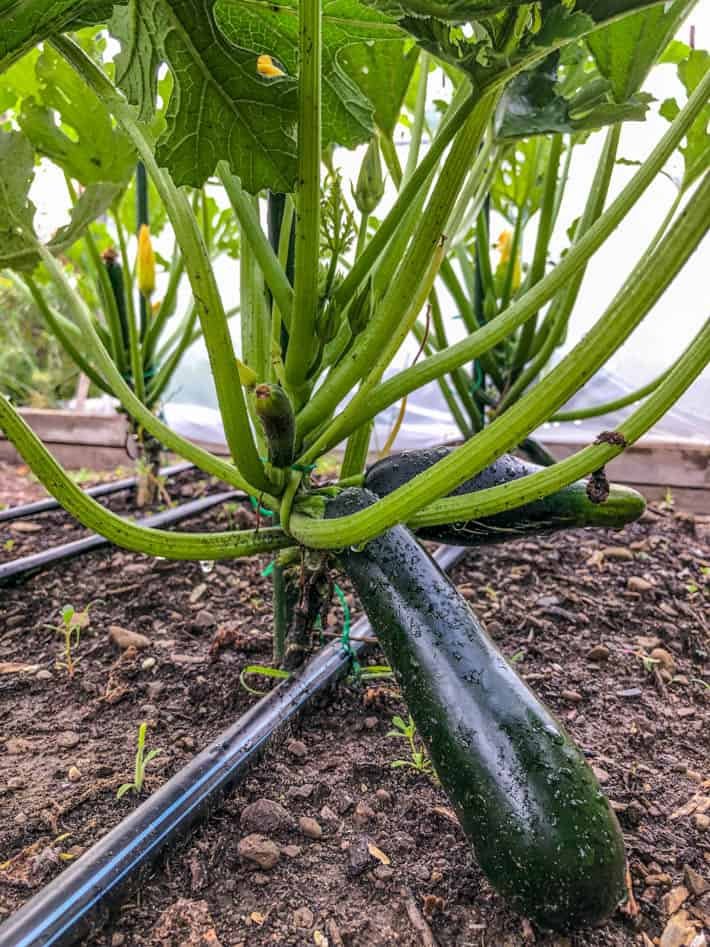
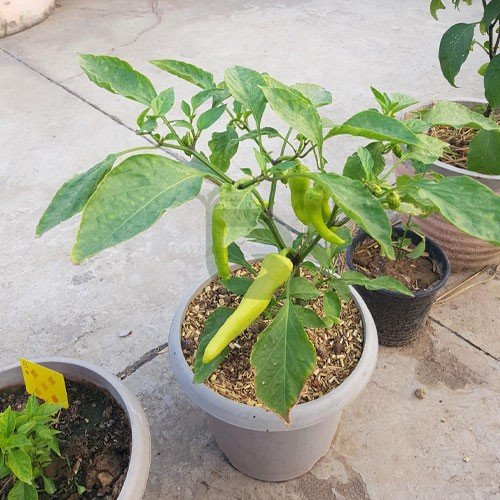
So next time you’re cooking, remember: a little heat goes a long way. Embrace the spice, explore new varieties, and let chili peppers bring bold energy to your meals — and your life.