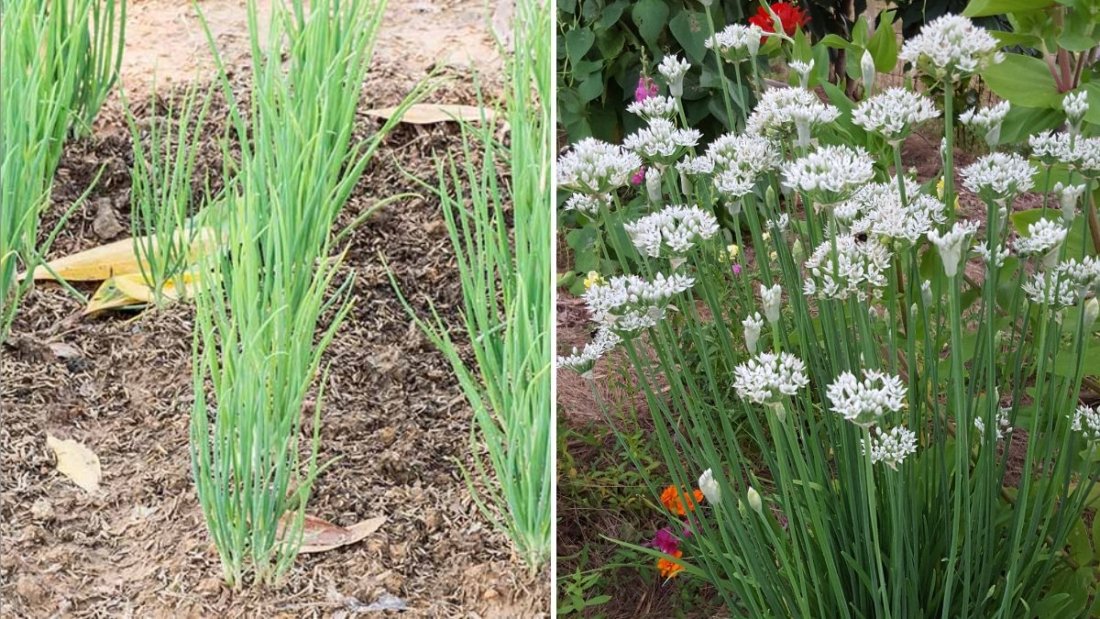
Chives The Fresh, Flavorful Herb Every American Kitchen Needs

Chives The Fresh, Flavorful Herb Every American Kitchen Needs

Among the lush greens of your kitchen herb garden, chives often stand quietly in the background—thin, delicate, and unassuming. But don’t let their mild appearance fool you. These slender, grass-like herbs are one of the most versatile, flavorful, and nutrient-packed additions to modern American cooking.

From topping a baked potato to enhancing creamy dips and salads, chives bring a burst of freshness that elevates even the simplest dishes. Their mild onion-like flavor is subtle enough to blend harmoniously with other ingredients while still adding a unique kick.

Beyond the kitchen, chives also offer impressive health benefits, from boosting immunity to promoting heart health. In this article, we’ll explore everything you need to know about chives—what they are, how to use them, their nutrition profile, health advantages, and creative recipes that showcase their delicate yet powerful charm.


What Are Chives?

Chives (Allium schoenoprasum) belong to the onion family (Allium), making them close relatives of garlic, leeks, scallions, and shallots. They are perennial herbs, meaning they come back year after year when planted in the right conditions.

Chives are recognizable by their thin, hollow green stalks and light purple blossoms. While the green stems are the part most commonly used in cooking, their edible flowers also make a beautiful garnish.

There are two main types of chives:

  • Common Chives (Allium schoenoprasum): The most popular variety, with a delicate onion flavor.
  • Garlic Chives (Allium tuberosum): Also known as Chinese chives, these have flat leaves and a light garlic flavor.

Both types are used widely across cuisines—from American to French, Asian, and Mediterranean—thanks to their versatility and mild taste.


Nutritional Profile of Chives

Though used in small amounts, chives are a nutrient-dense herb that pack surprising health benefits. A one-tablespoon serving (about 3 grams) of raw chives contains:

  • Calories: 1
  • Carbohydrates: 0.1 g
  • Protein: 0.1 g
  • Fiber: 0.1 g
  • Vitamin K: 26% of the daily recommended intake
  • Vitamin C: 3%
  • Folate: 1%
  • Calcium and Potassium: Trace amounts

Chives are also loaded with antioxidants like quercetin and allicin, compounds known for their anti-inflammatory and immune-boosting properties.

Even a small sprinkle of chives on your food adds a nutritional edge, along with a punch of fresh flavor.


Health Benefits of Chives

1. Supports Bone Health

Chives are an excellent source of vitamin K, a nutrient essential for maintaining strong bones and preventing osteoporosis. Just one tablespoon provides over a quarter of your daily requirement.

2. Boosts Immunity

Rich in vitamin C, chives help strengthen the immune system, support wound healing, and promote collagen formation for healthy skin.

3. Promotes Heart Health

Chives contain allicin, a sulfur compound also found in garlic. Allicin helps lower cholesterol levels and reduce blood pressure, supporting overall cardiovascular health.

4. Aids Digestion

The mild fiber content in chives supports gut health and regular digestion. Plus, the natural antibacterial properties of the Allium family help balance intestinal bacteria.

5. Rich in Antioxidants

Chives contain flavonoids and carotenoids, which help combat oxidative stress and protect cells from damage caused by free radicals.

6. May Help Detoxify the Body

The chlorophyll in chives supports natural detoxification by helping flush out toxins and improving liver function.


How to Grow and Harvest Chives at Home

Growing chives is one of the easiest gardening projects, even for beginners. Whether you have a backyard garden or just a sunny kitchen windowsill, chives will thrive with minimal care.

How to plant:

  • Use well-drained soil and plant in full sunlight.
  • Water regularly, keeping the soil slightly moist but not soggy.
  • Harvest by snipping the leaves about 2 inches above the soil level; this encourages new growth.

Tip: Chives are perennials, meaning they’ll regrow each spring. Once established, you’ll have a steady supply of fresh chives for years!


How to Store Fresh Chives

To keep your chives fresh and flavorful:

  • Refrigerate: Wrap them in a damp paper towel and place in a sealed plastic bag. Store in the fridge for up to 5 days.
  • Freeze: Chop chives and store them in ice cube trays filled with olive oil or water. Perfect for quick use in soups and sautés.
  • Drying: Air-dry or dehydrate for long-term storage, though dried chives have a milder flavor than fresh ones.

How to Use Chives in Cooking

Chives are one of those herbs that can enhance almost any dish. Their delicate onion flavor works beautifully with eggs, potatoes, fish, poultry, and creamy sauces.

Here are some delicious ways to use chives:

1. Chives on Baked Potatoes

A classic American favorite—sprinkle chopped chives over a baked potato topped with sour cream and butter for a burst of flavor.

2. Scrambled Eggs or Omelets

Add finely chopped chives to eggs or omelets for a fresh, mild kick that pairs perfectly with cheese or mushrooms.

3. Creamy Chive Dip

Mix sour cream, Greek yogurt, lemon juice, and fresh chives for a simple, zesty dip perfect for chips, veggies, or wings.

4. Chive Butter

Blend softened butter with chopped chives and a pinch of salt. Use it to melt over grilled steak, corn on the cob, or garlic bread.

5. Salads and Dressings

Add chives to potato salad, tuna salad, or homemade vinaigrettes for a refreshing herbal note.

6. Soups and Stews

Sprinkle chopped chives over creamy soups like potato, leek, or tomato bisque just before serving.

7. Garnish for Seafood

Chives pair beautifully with salmon, shrimp, and scallops—adding both color and delicate flavor.


Cooking Tips for Chives

  • Add at the end: Chives lose their flavor when cooked too long, so always add them just before serving.
  • Use scissors, not knives: Kitchen scissors help preserve the texture and shape of chives better than a knife.
  • Pair wisely: Chives complement other herbs like parsley, dill, and tarragon, and go especially well with lemon and butter.
  • Experiment: Use chive flowers as a garnish on salads or cocktails for an elegant touch.

Chives in American Cuisine

While chives are native to Europe and Asia, they’ve become a beloved herb in American kitchens—from New England clam chowder to Southern-style mashed potatoes.

In the U.S., chives are especially popular as a finishing touch, providing color, flavor, and freshness to comfort foods. You’ll find them featured prominently in dishes like:

  • Loaded baked potatoes
  • Creamy ranch dressings
  • Smoked salmon and bagel spreads
  • Buttery mashed potatoes
  • Spring soups and chowders

As Americans embrace farm-to-table and fresh herb cooking trends, chives have found a permanent place on the list of essential kitchen herbs—right beside parsley and basil.


Fun Facts About Chives

  • Ancient History: Chives have been cultivated for over 5,000 years, once believed to ward off evil spirits.
  • Edible Flowers: Chive blossoms are edible and have a light onion flavor—perfect for garnishing salads or deviled eggs.
  • Natural Pest Repellent: In gardens, chives repel aphids and other insects, making them a great companion plant.
  • Low Maintenance: Once planted, chives can thrive for years with minimal care.

Why Chives Belong in Every Kitchen

Chives may be small, but their culinary and health impact is mighty. They add flavor without overpowering, color without calories, and nutrition without effort.

Whether sprinkled on eggs, stirred into soup, or used to brighten a salad, chives bring a burst of freshness to any dish. Their subtle onion-garlic aroma complements both comfort foods and gourmet recipes, making them a must-have herb in every American kitchen.


Conclusion

From their delicate flavor to their impressive nutrient profile, chives are far more than just a garnish—they’re a culinary powerhouse. With their easy growing habits, long shelf life, and endless uses, they deserve a top spot in your spice rack and your garden alike.

So the next time you’re prepping a meal, reach for those green stalks and chop a few over your dish. You’ll not only elevate the flavor but also add a touch of freshness that makes every bite more vibrant.
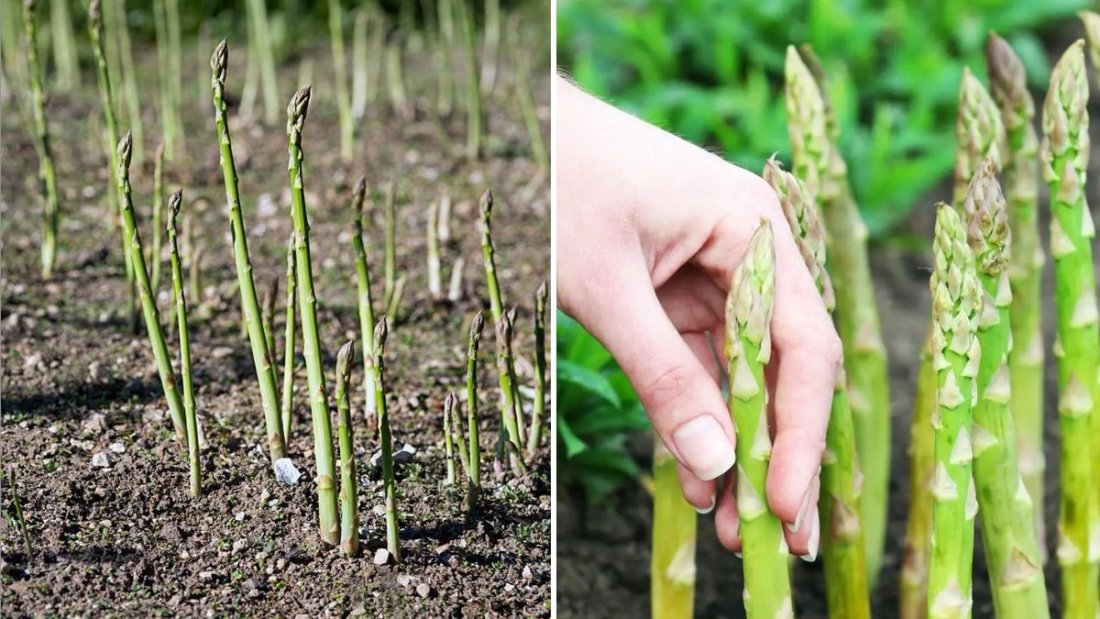
Asparagus The Crisp, Green Superfood That’s Taking Over American Plates

Asparagus The Crisp, Green Superfood That’s Taking Over American Plates

Few vegetables can match the fresh, crisp, and elegant appeal of asparagus. Once considered a luxury ingredient served in fine-dining restaurants, asparagus has now become a staple in American kitchens, celebrated for its nutritional punch, vibrant flavor, and culinary versatility.

Whether it’s grilled alongside a juicy steak, roasted with olive oil and sea salt, or tossed into a colorful spring salad, asparagus brings both sophistication and nutrition to the table. Packed with vitamins, minerals, and antioxidants, it’s one of the most nutrient-dense vegetables you can eat — and it’s surprisingly easy to prepare.

In this article, we’ll dive deep into why asparagus deserves a spot in your weekly meals, exploring its health benefits, cooking methods, and creative recipes that will have you reaching for this green gem again and again.


What Is Asparagus?

Asparagus (Asparagus officinalis) is a perennial vegetable belonging to the lily family, related to onions and garlic. It’s known for its slender spears that emerge each spring, signaling the start of the fresh produce season.

There are several types of asparagus, but the most common in the U.S. is the green variety, followed by white asparagus (grown underground to prevent chlorophyll formation) and purple asparagus (sweeter and more tender).

This springtime favorite is often called the “queen of vegetables” for its delicate flavor and nutritional value. And unlike some vegetables that need elaborate prep, asparagus can go from fridge to plate in minutes.


Nutritional Value of Asparagus

Don’t let those slender stalks fool you — asparagus is a nutritional powerhouse. A one-cup serving (about 134 grams) of cooked asparagus contains:

  • Calories: 40
  • Fiber: 4 grams
  • Protein: 4 grams
  • Vitamin K: 57% of the daily recommended intake
  • Folate: 34% of the daily recommended intake
  • Vitamin C: 13% of the daily recommended intake
  • Vitamin A: 18% of the daily recommended intake
  • Potassium: 6% of the daily recommended intake

Asparagus is also loaded with antioxidants, including glutathione, flavonoids, and polyphenols, which protect against cellular damage and support overall wellness.


Health Benefits of Asparagus

1. Supports Healthy Digestion

Asparagus is rich in dietary fiber, which helps regulate the digestive system and promote healthy gut bacteria. It also contains inulin, a prebiotic fiber that supports the growth of beneficial bacteria in your intestines.

2. Aids in Weight Management

Low in calories and high in fiber, asparagus makes a perfect addition to any weight-loss-friendly diet. It helps you feel full longer, curbing unnecessary snacking and overeating.

3. Boosts Heart Health

Asparagus contains folate and potassium—two nutrients essential for maintaining healthy blood pressure and supporting cardiovascular function. The vegetable’s natural antioxidants may also reduce inflammation linked to heart disease.

4. Supports Detoxification

Asparagus acts as a natural diuretic, helping your body eliminate excess salt and fluids. This can reduce bloating and support healthy kidney function.

5. Promotes Healthy Skin and Immunity

Rich in vitamin A and vitamin C, asparagus strengthens the immune system, promotes skin repair, and protects against free radical damage.

6. Supports a Healthy Pregnancy

Asparagus is an excellent source of folate, which is vital for fetal development during pregnancy. It helps prevent neural tube defects and supports healthy cell growth.


How to Choose and Store Asparagus

When selecting asparagus at the grocery store or farmers’ market, look for these freshness signs:

  • Color: Bright green or purplish tips (avoid yellowing stalks).
  • Texture: Firm and smooth stems that snap easily when bent.
  • Tips: Tight and closed — open or mushy tips are a sign of age.

Storage Tips:

  • Wrap the ends of the stalks in a damp paper towel and store upright in the fridge.
  • Alternatively, stand asparagus upright in a jar with an inch of water (like flowers) and cover loosely with a plastic bag.
  • For best flavor, use within 3–4 days of purchase.

How to Prepare Asparagus

Prepping asparagus is quick and easy. Follow these steps:

  1. Rinse the spears under cold water to remove any dirt.
  2. Trim the woody ends. Hold the spear near the bottom and bend until it snaps naturally — that’s where the tender part begins.
  3. Peel if needed. For thicker stalks, lightly peel the lower part to ensure tenderness.
  4. Cook as desired. Asparagus can be grilled, roasted, sautéed, steamed, or even eaten raw in salads.

Delicious Ways to Enjoy Asparagus

From classic recipes to modern twists, asparagus fits beautifully into a variety of dishes. Here are some popular and flavorful ideas:

1. Roasted Asparagus with Olive Oil and Sea Salt

Toss asparagus spears with olive oil, salt, and pepper. Roast at 400°F for 12–15 minutes until tender-crisp. Sprinkle with grated Parmesan for extra flavor.

2. Grilled Asparagus with Lemon Butter

Perfect for barbecue season—grill asparagus on medium-high heat for 5 minutes, then drizzle with lemon butter or balsamic glaze.

3. Asparagus Soup

Blend cooked asparagus with onion, garlic, and vegetable broth for a creamy spring soup. Add a dollop of Greek yogurt for richness.

4. Asparagus and Eggs Breakfast Bowl

Sauté asparagus with spinach, then top with poached eggs and avocado for a nutrient-packed breakfast.

5. Asparagus Risotto

Mix chopped asparagus into creamy risotto for an elegant dinner that celebrates spring flavors.

6. Asparagus Salad with Feta and Strawberries

Toss blanched asparagus with fresh strawberries, feta cheese, and balsamic vinaigrette for a bright, refreshing salad.

7. Asparagus Stir-Fry

Cook asparagus with tofu, garlic, and soy sauce for a quick, plant-based dinner that’s both light and satisfying.


Cooking Tips for Perfect Asparagus

  • Avoid overcooking. Asparagus cooks fast—keep it tender-crisp to preserve nutrients and flavor.
  • Enhance flavor naturally. Pair with lemon juice, garlic, olive oil, or herbs like thyme and dill.
  • Balance textures. Roast or grill for a crispy finish, or steam lightly for a softer bite.
  • Mix it up. Use asparagus in pasta, omelets, grain bowls, or even on pizza for a gourmet touch.

Asparagus in American Cuisine

In the U.S., asparagus season runs from March through June, peaking in April and May. American cooks celebrate this seasonal favorite in countless ways—from grilled asparagus at summer barbecues to roasted spears at Easter brunch.

California, Michigan, and Washington are the top asparagus-producing states, ensuring fresh availability nationwide. Its popularity has skyrocketed in recent years as more Americans embrace farm-to-table dining, plant-based meals, and seasonal cooking.

Chefs love asparagus for its versatility and presentation value—it adds both color and elegance to restaurant plates. Whether paired with salmon, incorporated into pasta, or simply served with a squeeze of lemon, asparagus brings a touch of freshness that never fails to impress.


Fun Facts About Asparagus

  • Ancient History: Asparagus has been cultivated for over 2,500 years and was prized by ancient Egyptians and Romans for its flavor and medicinal properties.
  • Variety of Colors: Green, white, and purple asparagus all come from the same plant species—the difference comes from how they’re grown.
  • Natural Detox: Asparagus contains a compound called asparagine, which acts as a natural diuretic.
  • A Springtime Symbol: In many cultures, asparagus is considered a symbol of renewal and fertility.

Growing Asparagus at Home

If you love gardening, asparagus is a fantastic long-term investment. Once planted, asparagus can produce for up to 15 years!

Tips for growing asparagus:

  • Plant crowns in early spring in well-drained soil and full sun.
  • Keep the soil consistently moist during the growing season.
  • Avoid harvesting in the first year to allow roots to establish.
  • In following years, harvest spears when they’re about 6–8 inches tall.

Homegrown asparagus offers unbeatable freshness and flavor, making it a rewarding addition to any backyard garden.


Final Thoughts: Why Asparagus Deserves a Spot on Your Table

Crisp, flavorful, and nutrient-rich, asparagus is more than just a seasonal side dish—it’s a health-boosting superstar that fits into every meal. Whether you’re aiming for a light spring lunch, a hearty dinner, or a wholesome snack, asparagus delivers on taste and nutrition.

From heart health and digestion to weight management and glowing skin, this vibrant green vegetable supports overall wellness in the most delicious way. So, next time you spot those bright green stalks at your local farmers’ market, grab a bunch (or two!)—your body and your taste buds will thank you.


Rhubarb The Tart, Colorful Super Veggie Taking Over American Kitchens

Rhubarb The Tart, Colorful Super Veggie Taking Over American Kitchens

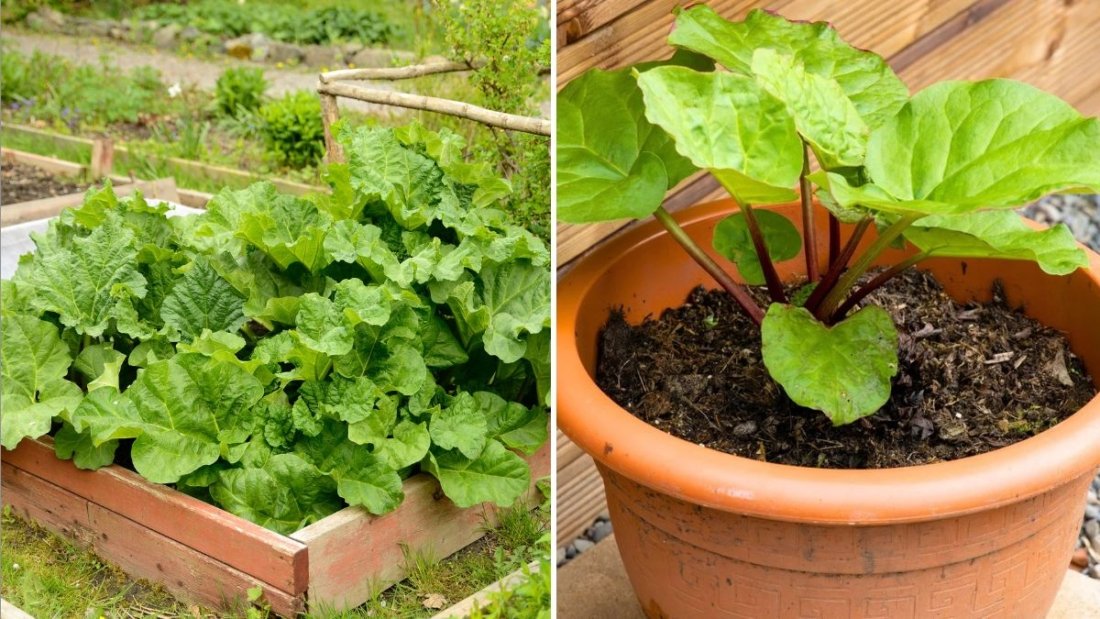
Once a staple in classic American pies and jams, rhubarb is making a major comeback. With its striking red stalks and unmistakably tart flavor, rhubarb brings both beauty and boldness to the kitchen. While it’s often thought of as a fruit—thanks to its starring role in sweet desserts—rhubarb is technically a vegetable, and a very nutritious one at that.

From farmers’ markets in the Midwest to farm-to-table restaurants on the coasts, Americans are rediscovering rhubarb’s versatility. It can be used in everything from pies and chutneys to cocktails and salads, bringing a unique tang that wakes up any dish. Beyond its flavor, rhubarb packs a surprising array of health benefits—from digestion support to antioxidant protection—making it one of the most underrated superfoods of the season.

In this guide, we’ll explore everything you need to know about rhubarb—its history, health benefits, cooking ideas, and how to make the most of this colorful springtime gem.


What Is Rhubarb?

Rhubarb (Rheum rhabarbarum) is a perennial vegetable that thrives in cool climates, especially across northern regions of the United States. It’s known for its crimson to pink stalks and large green leaves—though it’s crucial to note that rhubarb leaves are toxic and should never be eaten.

The stalks, however, are safe, edible, and delicious. They have a tart, lemony flavor that pairs beautifully with sweet ingredients like strawberries, apples, and honey.

Rhubarb grows best in spring and early summer, making it one of the first fresh “fruits” to hit the farmers’ market after winter. Its tangy-sweet balance has earned it a loyal following among bakers and chefs alike.


Rhubarb’s Nutritional Profile

Despite its reputation as a dessert ingredient, rhubarb is surprisingly healthy. It’s low in calories, rich in fiber, and provides a good dose of vitamins and minerals.

One cup (about 120 grams) of chopped raw rhubarb contains:

  • Calories: 26
  • Fiber: 2 grams
  • Vitamin K: 45% of the daily recommended intake
  • Vitamin C: 16% of the daily recommended intake
  • Calcium: 10% of the daily recommended intake
  • Potassium: 6% of the daily recommended intake

It also contains antioxidants like anthocyanins and polyphenols, which contribute to its bright red color and anti-inflammatory properties.


Key Health Benefits of Rhubarb

1. Promotes Healthy Digestion

Rhubarb is an excellent source of dietary fiber, which supports gut health and helps prevent constipation. In fact, rhubarb has long been used in traditional medicine as a natural digestive aid.

2. Supports Bone Health

Thanks to its high vitamin K content, rhubarb helps strengthen bones and support calcium absorption—essential for maintaining bone density, especially in older adults.

3. Rich in Antioxidants

The deep red color of rhubarb is more than just eye-catching—it’s a sign of powerful antioxidants. Compounds like anthocyanins and lycopene help protect your cells from oxidative stress, potentially lowering the risk of chronic diseases.

4. Boosts Heart Health

Rhubarb’s fiber and antioxidant content may help reduce cholesterol levels and improve circulation. Studies suggest that regular consumption of high-fiber vegetables can contribute to healthier blood pressure and cholesterol profiles.

5. Supports Weight Management

Low in calories and high in water and fiber, rhubarb makes a great addition to a weight-loss-friendly diet. It fills you up without adding excess sugar or fat.


How to Choose and Store Rhubarb

When shopping for rhubarb at your local farmers’ market or grocery store, look for:

  • Color: Bright red or pink stalks (deeper red tends to be sweeter).
  • Texture: Firm, crisp, and free of blemishes.
  • Leaves: If still attached, they should look fresh and green—but remember, discard them before cooking.

Storage tips:

  • Refrigerator: Wrap rhubarb stalks in a damp paper towel and place them in a plastic bag in the crisper drawer. They’ll stay fresh for up to a week.
  • Freezer: For longer storage, chop rhubarb into 1-inch pieces, blanch briefly, and freeze in airtight containers. Perfect for pies and sauces later in the year.

How to Prepare Rhubarb

Preparing rhubarb is simple once you know the basics:

  1. Trim off the leaves and discard them safely.
  2. Rinse the stalks under cold water to remove any dirt.
  3. Trim the ends and cut the stalks into your desired size—smaller pieces for sauces or larger chunks for baking.

Raw rhubarb is extremely tart, so it’s typically cooked with sugar or fruit to balance its flavor. However, a few thin slices can add a refreshing tang to salads or salsas.


Delicious Ways to Enjoy Rhubarb

Rhubarb’s tartness opens up a world of creative possibilities in the kitchen. Here are some delicious, American-inspired ways to enjoy it:

1. Classic Strawberry Rhubarb Pie

A timeless favorite that blends tart rhubarb with sweet, juicy strawberries inside a buttery crust. Serve it warm with vanilla ice cream for a nostalgic dessert.

2. Rhubarb Crisp or Crumble

Combine chopped rhubarb with sugar, oats, and cinnamon for an easy dessert that tastes like home. It’s a crowd-pleaser for backyard barbecues or family dinners.

3. Rhubarb Compote

Cook rhubarb down with honey and lemon juice for a tangy compote that pairs perfectly with yogurt, pancakes, or oatmeal.

4. Rhubarb Chutney

Add diced rhubarb to vinegar, ginger, and spices for a savory-sweet chutney that’s amazing with roasted meats, grilled chicken, or cheese boards.

5. Rhubarb Lemonade or Cocktail Syrup

Simmer rhubarb with sugar and water to create a vibrant pink syrup. Mix it into lemonade, sparkling water, or cocktails for a refreshing twist.

6. Rhubarb Muffins or Quick Bread

Add chopped rhubarb to muffin or bread batter for a tangy breakfast treat with a hint of sweetness.


Cooking Tips for Perfect Rhubarb

  • Balance the tartness: Rhubarb is naturally sour. Pair it with sweet ingredients like berries, apples, or oranges for balance.
  • Sweeten smartly: Instead of refined sugar, try honey, maple syrup, or stevia for a healthier approach.
  • Add aromatics: Vanilla, cinnamon, ginger, and nutmeg complement rhubarb beautifully.
  • Don’t overcook: Rhubarb softens quickly—cook until tender but not mushy for the best texture.

Rhubarb in American Cuisine

Rhubarb has deep roots in American food culture. In the 19th and early 20th centuries, it was a staple in home gardens and a sign that spring had arrived. Known affectionately as the “pie plant,” rhubarb was especially popular in the Midwest and New England, where it thrived in cooler climates.

Today, rhubarb is enjoying a revival among modern American chefs who love its versatility. You’ll find it in craft cocktails, savory sauces, and trendy desserts across the country. Its natural tartness pairs beautifully with both sweet and savory flavors, making it a favorite ingredient in the growing farm-to-table movement.


Fun Facts About Rhubarb

  • Rhubarb is technically a vegetable, but in 1947, the U.S. legally classified it as a fruit for trade purposes due to its culinary uses.
  • The word “rhubarb” comes from the Latin rheum barbarum, meaning “foreign root.”
  • Minnesota and Washington are among the top rhubarb-producing states in the U.S.
  • Rhubarb festivals are held annually in several states, including Minnesota and Maine, celebrating everything from rhubarb pies to rhubarb jams.

Sustainability and Growing Rhubarb at Home

Rhubarb is a hardy, low-maintenance plant that can thrive for years once established. It’s ideal for American home gardens, especially in cooler northern regions.

Tips for growing rhubarb:

  • Plant in early spring or late fall in well-drained soil.
  • Choose a sunny spot—rhubarb loves full sunlight.
  • Don’t harvest in the first year; let the plant grow strong.
  • Once established, you can harvest stalks every spring for years.

Growing your own rhubarb not only reduces food miles but also gives you access to fresh, organic stalks for baking and cooking all season long.


Final Thoughts: Why Rhubarb Deserves a Place in Your Kitchen

Vibrant, tangy, and full of health benefits, rhubarb is more than just a pie filling—it’s a symbol of spring, creativity, and flavor. Whether you’re baking a traditional strawberry-rhubarb pie, making a savory chutney, or stirring up a pink rhubarb cocktail, this vegetable brings color and excitement to any table.

As Americans embrace healthier, more local ingredients, rhubarb stands out as a true seasonal star. So next time you see those ruby-red stalks at the market, don’t pass them by—bring them home, get creative, and rediscover one of the most delicious and versatile vegetables nature has to offer.

Celery The Crunchy, Low-Calorie Powerhouse Every American Kitchen Needs

Celery The Crunchy, Low-Calorie Powerhouse Every American Kitchen Needs

Celery might seem like one of those humble vegetables you toss into soups or serve alongside buffalo wings, but don’t underestimate this green, crunchy stalk. In American kitchens, celery has made a comeback as a go-to ingredient for clean eating, weight loss, and natural wellness. From celery juice cleanses to vegan meal prep, this simple veggie is proving it can do far more than just add a crunch to your salad.

Packed with vitamins, minerals, and antioxidants, celery is both nutritionally powerful and incredibly versatile. Whether eaten raw with peanut butter, sautéed in savory stews, or blended into refreshing juices, celery adds freshness and flavor without piling on calories.

Let’s dive into why celery deserves a permanent spot in your refrigerator, how to use it in creative ways, and the health benefits that make it a true American superfood.


What Is Celery?

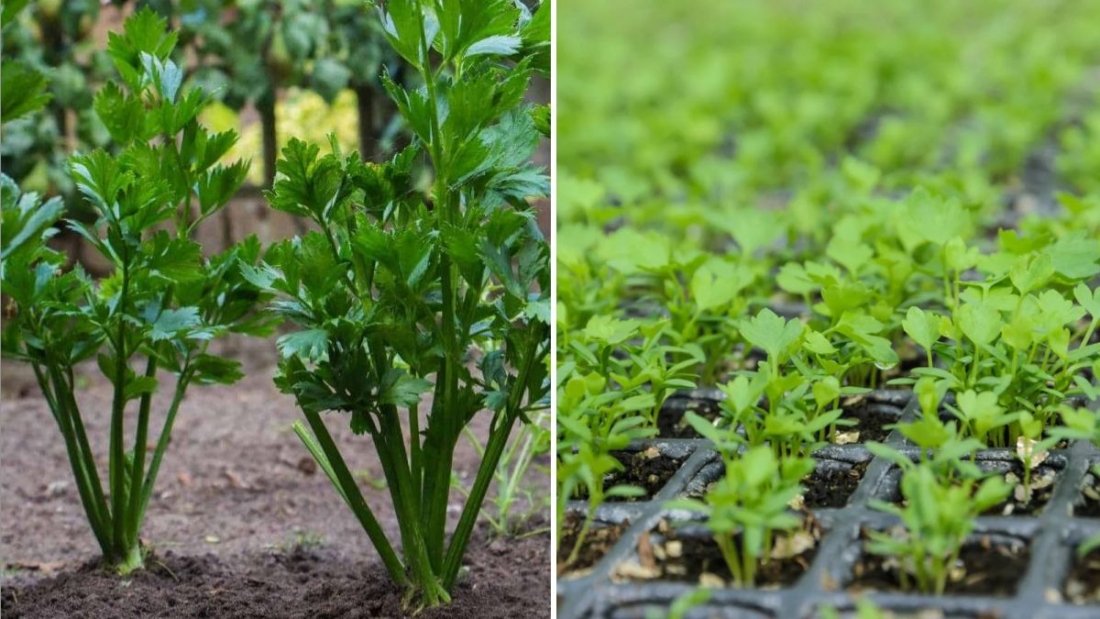
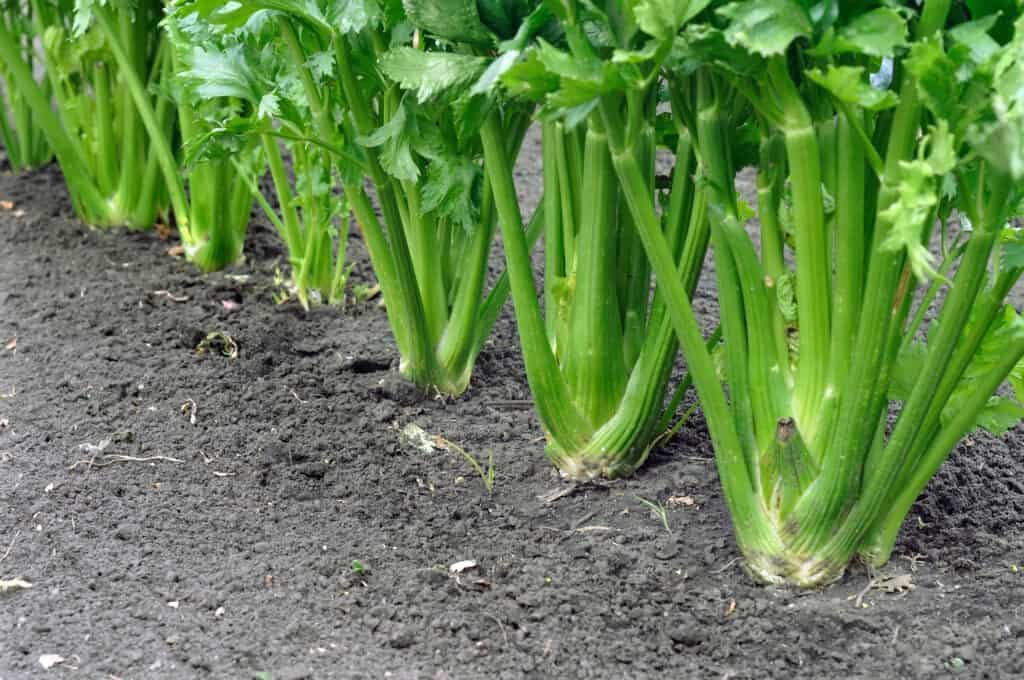
Celery (Apium graveolens) is a member of the Apiaceae family, which also includes carrots, parsley, and fennel. It has been cultivated for thousands of years, originally prized for its medicinal and aromatic properties in ancient Egypt and Greece.

In modern American kitchens, we typically use the stalks, but the leaves, seeds, and roots (celeriac) are also edible and packed with nutrients. Celery’s refreshing flavor and satisfying crunch make it a staple ingredient in everything from chicken salads to green juices.


Nutritional Profile of Celery

Don’t let its light texture fool you—celery is loaded with nutrients while being extremely low in calories.

A one-cup serving of chopped raw celery (about 100 grams) provides:

  • Calories: 16
  • Carbohydrates: 3 grams
  • Fiber: 2 grams
  • Protein: 1 gram
  • Vitamin K: 37% of the daily recommended intake
  • Vitamin A: 9% of the daily recommended intake
  • Folate: 9% of the daily recommended intake
  • Potassium: 8% of the daily recommended intake
  • Vitamin C: 5% of the daily recommended intake

Celery is also rich in phytonutrients, including apigenin and luteolin, known for their antioxidant and anti-inflammatory properties.


Top Health Benefits of Celery

1. Supports Digestion and Hydration

Celery is made up of about 95% water, making it a natural way to stay hydrated. Its high fiber content helps promote healthy digestion, supports gut health, and can prevent constipation.

2. Promotes Heart Health

The potassium and fiber in celery help manage blood pressure and cholesterol levels. Studies suggest that compounds like phthalides in celery may relax artery walls and improve circulation—great news for your cardiovascular system.

3. Aids in Weight Management

Celery is the poster child for low-calorie snacking. It provides volume and crunch without adding extra fat or sugar, helping you stay full longer. That’s why it’s a favorite among Americans following low-carb or calorie-controlled diets.

4. Reduces Inflammation

Chronic inflammation is linked to conditions like arthritis and heart disease. Celery’s antioxidants, particularly luteolin, help reduce oxidative stress and inflammation throughout the body.

5. Supports Detoxification

Celery juice has become a social media wellness trend, but for good reason. Its high water and electrolyte content, combined with antioxidants, may help flush out toxins and support kidney and liver function.


Choosing and Storing Fresh Celery

When buying celery, freshness is key to both flavor and texture. Here’s what to look for:

  • Color: Bright green stalks with crisp, fresh leaves.
  • Texture: Firm and crunchy—not limp or rubbery.
  • Smell: Fresh and clean, without a sour odor.

Storage Tips:

  • Wrap celery tightly in aluminum foil and refrigerate. This helps prevent moisture loss and keeps it crisp for up to two weeks.
  • For chopped celery, store in an airtight container with a bit of water to maintain freshness.
  • You can also freeze celery for soups or stews (it won’t stay crisp but keeps its flavor).

How to Prepare Celery

Prepping celery is simple but can make a big difference in how it tastes and feels in your recipes.

  1. Separate and wash the stalks. Dirt can hide in the base, so rinse thoroughly under cold water.
  2. Trim the ends. Cut off the base and leafy tops. (Don’t throw the leaves away—they’re edible and flavorful!)
  3. Peel if needed. Use a vegetable peeler to remove tough strings for a smoother texture.
  4. Chop or slice. Adjust the cut based on your recipe—thin slices for salads, large chunks for soups, or sticks for snacking.

Delicious Ways to Enjoy Celery

Celery’s mild flavor and refreshing crunch make it incredibly versatile. Here are some delicious, American-favorite ways to enjoy it:

1. Classic Ants on a Log

Spread peanut butter inside celery sticks and top with raisins. It’s a nostalgic, protein-packed snack that kids and adults both love.

2. Celery Juice Cleanse

Blend celery with a splash of lemon and cucumber for a refreshing morning detox drink. Perfect for boosting hydration and jumpstarting your metabolism.

3. Hearty Chicken Soup with Celery

A traditional comfort food in the U.S., chicken soup just isn’t complete without diced celery. It adds depth of flavor and a soothing aroma.

4. Celery and Apple Salad

Combine sliced celery, crisp apples, walnuts, and Greek yogurt dressing for a crunchy, slightly sweet salad that’s ideal for lunch.

5. Stuffed Celery Sticks

Fill celery with cream cheese, pimento spread, or hummus for an easy appetizer or party snack.

6. Stir-Fried Celery with Garlic and Tofu

For a quick vegetarian dinner, stir-fry celery with garlic, tofu, and soy sauce. It’s crisp, flavorful, and nutrient-rich.

7. Celery Smoothie

Blend celery with spinach, pineapple, and ginger for a refreshing green smoothie loaded with antioxidants.


Cooking Tips for Perfect Celery

  • Don’t overcook it. Celery loses its crunch quickly, so add it near the end when making soups or stir-fries.
  • Use the leaves. Celery leaves add a bright, herbaceous flavor to salads or stocks—similar to parsley.
  • Make celery salt. Dehydrate celery leaves, grind them, and mix with sea salt for a flavorful seasoning blend.
  • Add to stocks and stews. Celery is one of the “holy trinity” of vegetables (with onion and carrot) that create the base for flavorful broths.

Celery in American Cuisine

From Thanksgiving stuffing to Bloody Mary garnishes, celery has earned its place in American culinary culture. It’s an essential ingredient in Cajun cuisine, forming part of the famous “holy trinity” (celery, onions, bell peppers) that builds the foundation for dishes like gumbo and jambalaya.

Health-conscious Americans also embrace celery for juicing trends and low-calorie snacks. Grocery stores now stock organic celery bunches and pre-cut sticks, catering to on-the-go lifestyles and nutrition-focused consumers.


Fun Facts About Celery

  • Ancient athletes in Greece were crowned with celery leaves instead of laurel wreaths.
  • The word celery comes from the French word céleri, derived from the Greek selinon.
  • Celery once symbolized victory and mourning—an odd combination that shows its deep cultural roots.
  • In the 1940s and ’50s, American homemakers used celery as a “fancy garnish” for dinner parties, showing how timeless its appeal really is.

Sustainability and Growing Celery at Home

Celery thrives in cool, moist climates, and while it can be challenging to grow, it’s worth the effort for fresh, crisp stalks from your garden.

Tips for home gardeners:

  • Start seeds indoors about 10 weeks before transplanting outdoors.
  • Keep soil consistently moist—celery loves water.
  • Harvest when stalks reach 12–18 inches tall.

Celery is also a zero-waste vegetable: you can regrow it by placing the base of the stalk in a shallow dish of water until new shoots appear, then replant it in soil.


Final Thoughts: Why Celery Deserves a Spot in Your Diet

Celery may be one of the most underrated vegetables in America, but its nutritional punch, crisp texture, and culinary versatility make it a must-have in every kitchen. Whether you’re sipping a glass of celery juice, adding it to soups, or crunching on it with your favorite dip, this green stalk proves that healthy eating doesn’t have to be complicated—or boring.

From heart health to hydration, celery delivers a lot more than meets the eye. So, the next time you’re in the produce aisle, grab a bunch and start experimenting—you’ll be surprised how often you reach for it once it’s in your fridge.

Fennel Bulb The Crunchy, Aromatic Super Veggie Every American Kitchen Needs

Fennel Bulb The Crunchy, Aromatic Super Veggie Every American Kitchen Needs

If you’ve ever strolled through a farmers’ market and caught a whiff of something sweet, herbal, and slightly licorice-like, chances are you’ve met the fennel bulb. With its crisp texture, feathery fronds, and unmistakable aroma, fennel is more than just a pretty vegetable—it’s a nutritional powerhouse and a versatile kitchen ingredient.

In American kitchens, the fennel bulb is gaining attention as chefs and home cooks alike embrace Mediterranean-style cooking and plant-forward meals. Whether roasted with olive oil, shaved into salads, or braised until buttery soft, fennel adds a layer of sophistication and flavor to everyday dishes.

This guide will explore everything you need to know about the fennel bulb—its health benefits, culinary uses, storage tips, and delicious ways to bring it into your home-cooked meals.


What Is a Fennel Bulb?

The fennel bulb (Foeniculum vulgare) is a member of the carrot family, though it looks more like a cross between an onion and celery. Native to the Mediterranean region, it has been cherished for centuries for its aromatic flavor and medicinal properties.

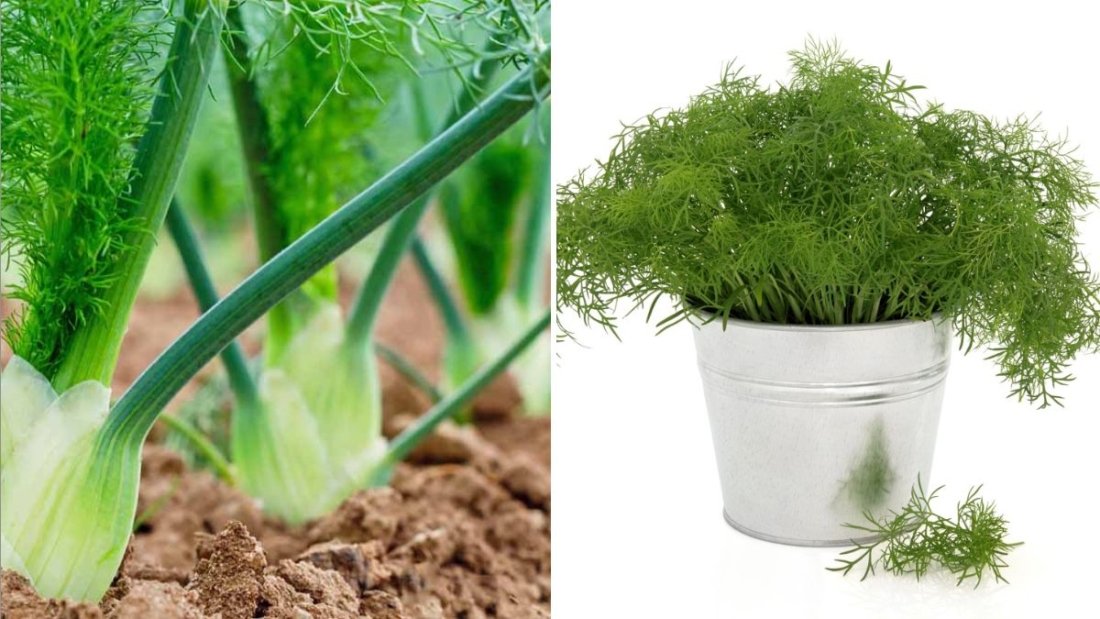
The plant consists of three edible parts:

  • The bulb: The white, crunchy base, often sliced or roasted.
  • The stalks: Similar to celery in texture, perfect for soups or stocks.
  • The fronds: The feathery green leaves that resemble dill, used as a garnish or herb.

Unlike the spice form of fennel (fennel seeds), which comes from the dried fruit of the same plant, the bulb is prized for its fresh, delicate taste. It’s often compared to anise, but fennel’s flavor is lighter, sweeter, and more complex.


Nutritional Benefits of Fennel Bulb

Fennel isn’t just delicious—it’s packed with nutrients that make it a worthy addition to any healthy diet. Here’s what a one-cup serving (about 87 grams) of raw fennel bulb provides:

  • Calories: 27
  • Fiber: 3 grams
  • Vitamin C: 17% of the daily recommended intake
  • Potassium: 10% of the daily recommended intake
  • Folate: 6% of the daily recommended intake

Beyond vitamins and minerals, fennel contains antioxidants like anethole, quercetin, and chlorogenic acid, which may help reduce inflammation and support heart health.

Key Health Benefits:

  1. Supports Digestion:
    Fennel has long been used to soothe bloating and indigestion. Its natural compounds can help relax the gastrointestinal muscles and reduce discomfort after meals.
  2. Boosts Heart Health:
    Rich in potassium and fiber, fennel can help maintain healthy blood pressure and cholesterol levels—two crucial factors for cardiovascular wellness.
  3. Aids Weight Management:
    With its high fiber content and low calorie count, fennel promotes fullness and helps prevent overeating.
  4. Improves Skin and Immunity:
    The vitamin C in fennel plays a key role in collagen production and supports a strong immune system.

How to Choose and Store Fennel Bulbs

When buying fennel bulbs at your local grocery store or farmers’ market, look for these freshness indicators:

  • Bulb: Should be firm, white or pale green, and free of brown spots.
  • Stalks: Crisp and sturdy.
  • Fronds: Bright green, not wilted or yellowing.

Storage tips:

  • Refrigeration: Wrap the bulb loosely in a plastic or reusable produce bag and keep it in the crisper drawer for up to five days.
  • Fronds: Store separately in a damp paper towel inside a sealed container.
  • Freezing: You can freeze chopped fennel (blanched first) for soups and stews, though it may lose its crispness.

How to Prepare Fennel Bulb

Preparing fennel is easy once you know how to handle its unique shape.

  1. Trim the stalks and fronds. Save them for garnishing or flavoring soups.
  2. Slice off the base. Remove the tough outer layer if it feels fibrous.
  3. Cut in half lengthwise. This reveals the core—remove it if you prefer a softer texture.
  4. Slice, chop, or dice. Depending on your recipe, fennel can be shaved thin for salads or chopped thick for roasting.

Pro tip: To reduce the licorice-like flavor, try soaking sliced fennel in ice water for 10 minutes before using it raw.


Cooking with Fennel Bulb: Delicious Ways to Enjoy It

Fennel’s mild sweetness and aromatic flavor pair beautifully with both savory and sweet dishes. Here are some of the best ways to use it in your kitchen:

1. Roasted Fennel with Olive Oil and Parmesan

Roasting transforms fennel’s crisp texture into something soft, caramelized, and slightly nutty. Toss sliced fennel with olive oil, salt, and pepper, then roast at 400°F until golden brown. Sprinkle with grated Parmesan before serving.

2. Fennel and Apple Salad

Combine thinly shaved fennel with crisp green apples, arugula, and lemon vinaigrette for a refreshing, tangy salad that’s perfect for spring or summer.

3. Braised Fennel with Garlic and White Wine

Cook fennel slowly in olive oil, garlic, and white wine until tender and fragrant. This side dish pairs wonderfully with roasted chicken or grilled fish.

4. Fennel Soup

Blend cooked fennel with potatoes, onions, and vegetable broth for a creamy, comforting soup that’s both vegan and full of flavor.

5. Grilled Fennel Steaks

Slice fennel bulbs into thick slabs, brush with olive oil, and grill for 3–5 minutes on each side. The smoky flavor complements seafood, pork chops, or veggie burgers.

6. Pasta with Fennel and Sausage

This classic Italian-American favorite combines spicy Italian sausage, caramelized fennel, garlic, and penne pasta in a light tomato sauce. It’s hearty, aromatic, and perfect for family dinners.


Pairing Fennel with Other Ingredients

Fennel pairs well with a variety of flavors commonly used in American cooking. Try these combinations:

  • Fruits: Orange, apple, pear, or lemon
  • Vegetables: Carrots, onions, potatoes, or tomatoes
  • Proteins: Chicken, pork, shrimp, or salmon
  • Herbs & Spices: Thyme, rosemary, dill, and black pepper

Its versatility makes it easy to incorporate into Mediterranean, American, and even Asian-inspired dishes.


Fennel in American Cuisine

Though fennel has Mediterranean roots, it’s quickly finding a place in modern American kitchens. Health-conscious home cooks love its crisp texture in salads and its ability to elevate simple dishes like sheet-pan dinners or soups.

Top chefs across the U.S. use fennel to add depth to seafood dishes, refreshing slaws, or roasted vegetable platters. In states like California and Oregon, where fresh produce thrives, fennel is a seasonal favorite during late fall and winter.

Even in the growing world of farm-to-table dining, fennel stands out as a chef’s favorite for its ability to complement a range of ingredients while maintaining its signature flavor.


Quick Tips for Using Fennel Bulb in Everyday Cooking

  • Add raw fennel to salads for crunch and brightness.
  • Roast it with root vegetables like carrots or parsnips for a sweet, earthy side dish.
  • Use fennel fronds as a delicate garnish for soups or seafood.
  • Mix it into coleslaw for a unique, aromatic twist.
  • Sauté it with onions to create a flavorful base for pasta sauces or soups.

Fun Fact: Fennel and American History

Did you know that Thomas Jefferson once grew fennel at Monticello? Early American settlers brought the seeds from Europe, using them both for flavoring food and for medicinal teas to aid digestion. Today, fennel continues to be celebrated for those same reasons—its taste, versatility, and wellness benefits.


Final Thoughts: Why Fennel Bulb Belongs in Your Kitchen

The fennel bulb is more than just a trendy ingredient—it’s a timeless vegetable that combines flavor, nutrition, and elegance. Whether you’re preparing a refreshing salad, a roasted side, or a hearty pasta dish, fennel brings a natural sweetness and aromatic lift to any meal.

Next time you’re shopping for groceries, pick up a bulb or two and experiment with its crisp texture and fragrant taste. Once you start cooking with fennel, you’ll wonder how your kitchen ever did without it.


Burdock Root The Ultimate Guide to Health Benefits, Cooking Tips, and Delicious Recipes

Burdock Root The Ultimate Guide to Health Benefits, Cooking Tips, and Delicious Recipes

Burdock root, a nutrient-rich, earthy-tasting root vegetable, has been cherished for centuries in traditional medicine and culinary traditions, especially in Japan, China, and Korea. Known for its slightly sweet, crisp flavor and impressive health benefits, burdock root is a versatile ingredient that can be used in soups, stir-fries, teas, and even snacks.

Although not as common in American kitchens, burdock root is gaining popularity among health-conscious eaters and culinary enthusiasts. This guide will provide a detailed overview of burdock root, including nutritional benefits, preparation methods, storage tips, and delicious recipes.


What is Burdock Root?

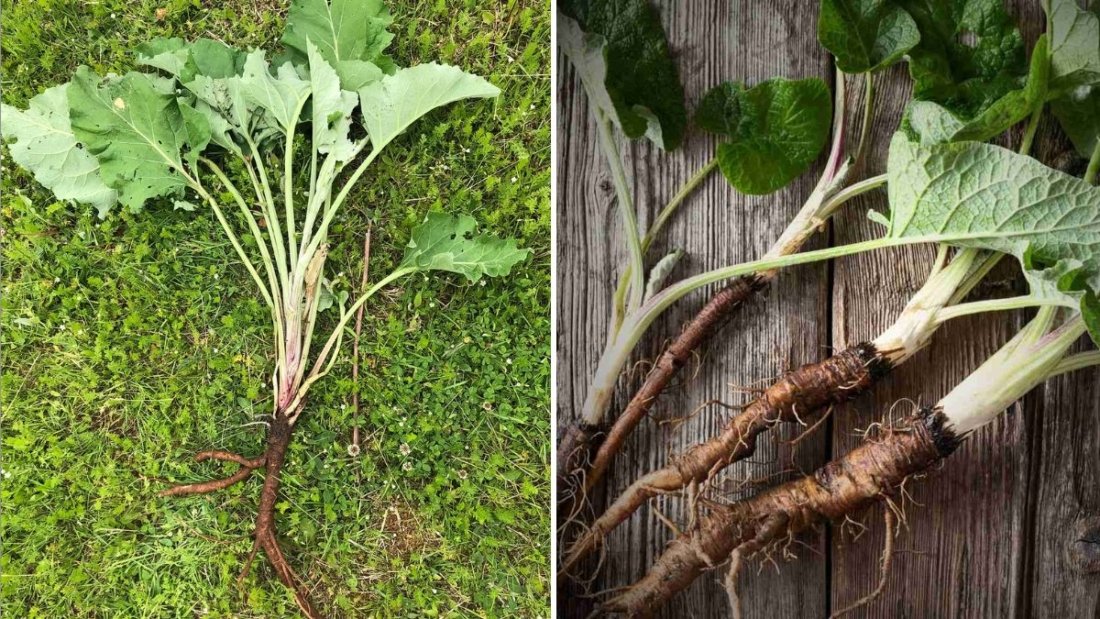
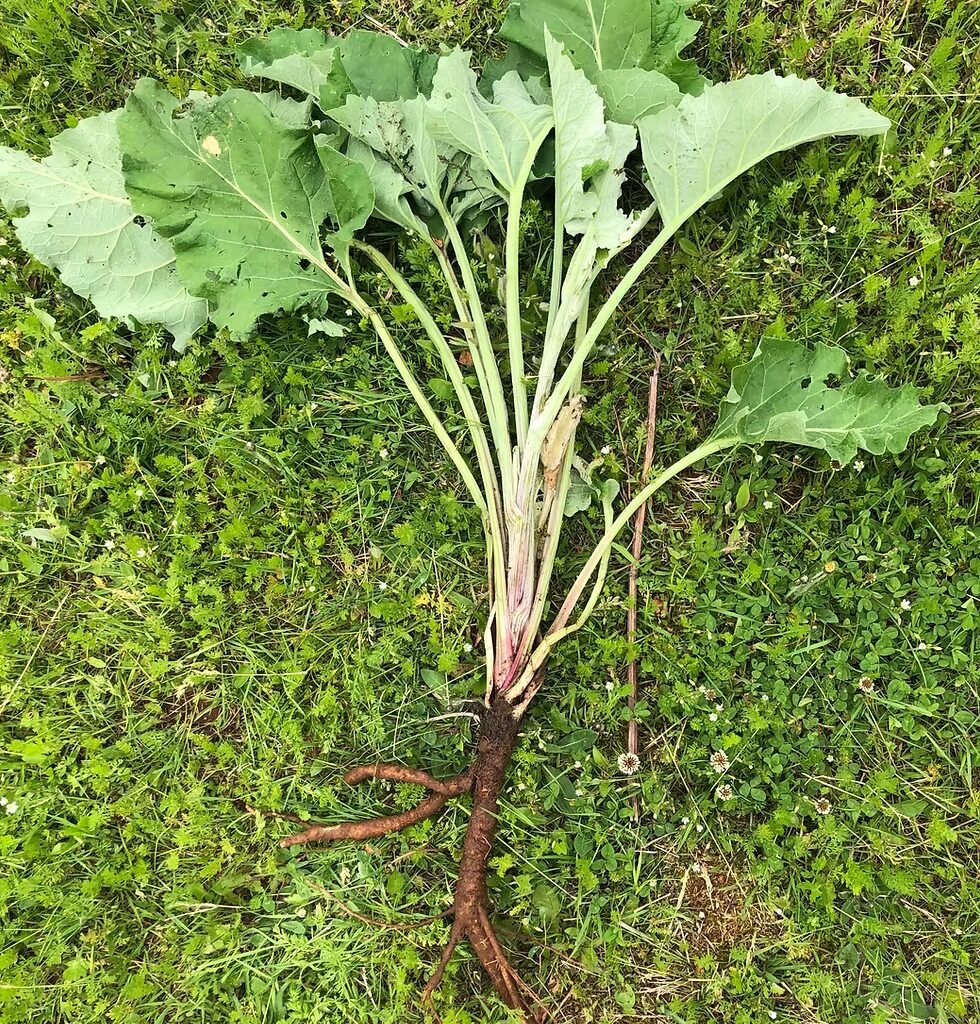
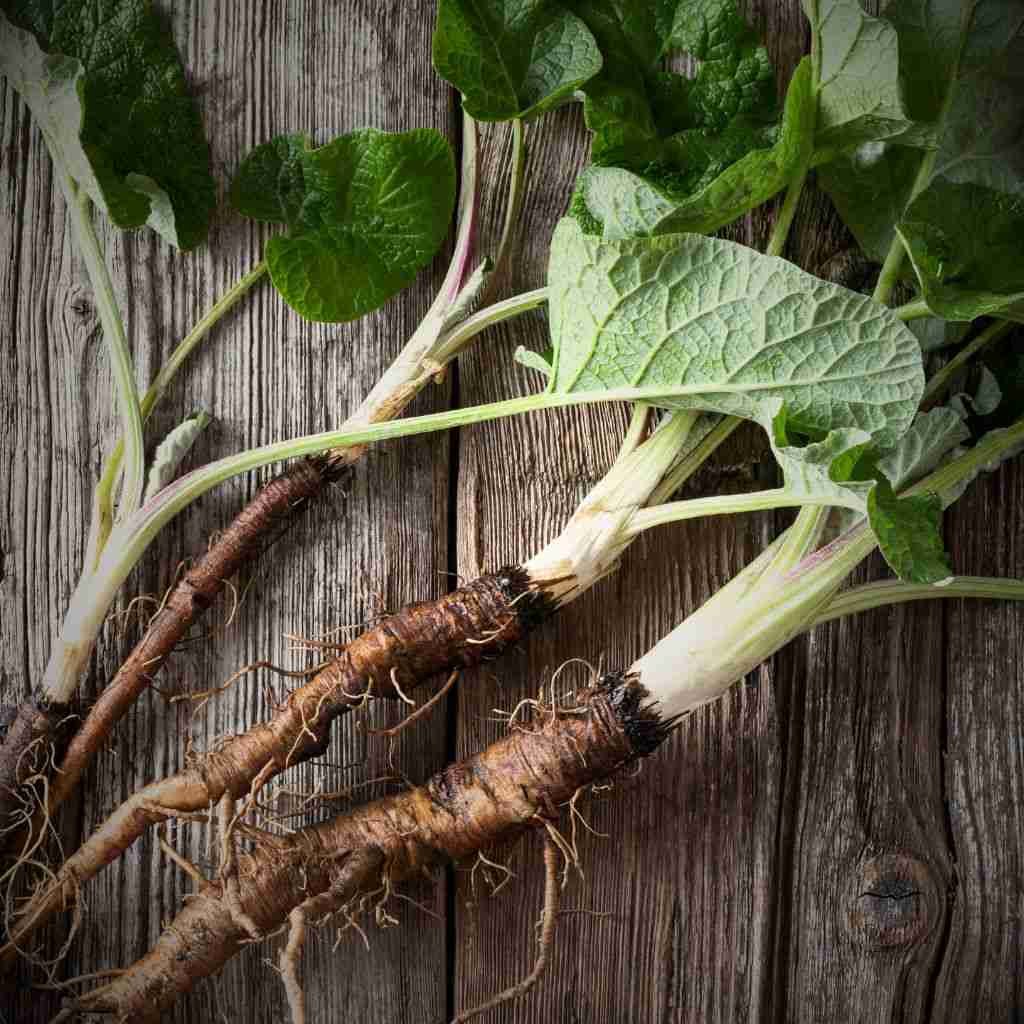
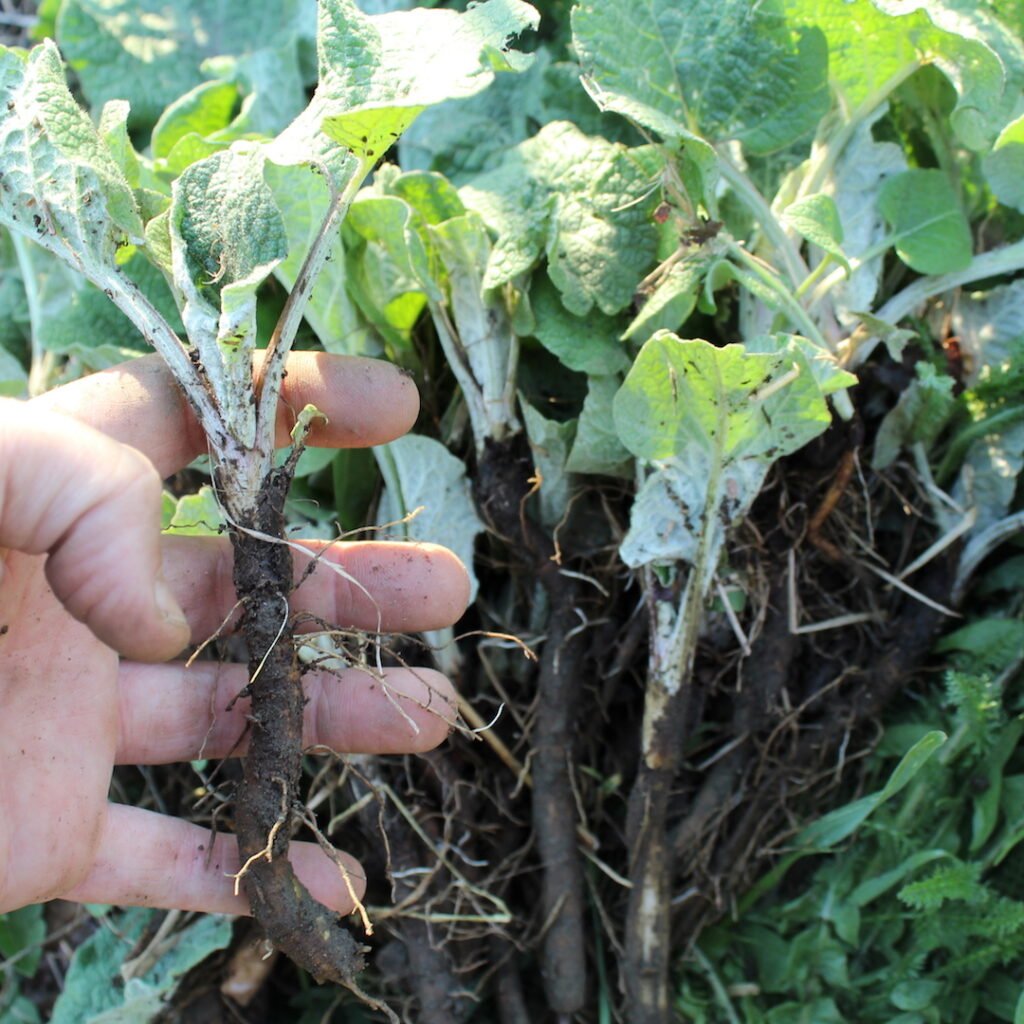
Burdock root comes from the Arctium lappa plant, a biennial herb in the daisy family. The long, slender root grows underground and is typically brown on the outside with white flesh inside. It has a crisp texture similar to carrot or parsnip and a mild, sweet, earthy flavor.

In Asia, burdock root—known as gobo in Japan—is a culinary staple in dishes like kinpira gobo (sautéed and glazed burdock root) and soups. Its unique flavor and health properties make it a versatile ingredient for modern American kitchens, whether used in raw salads, cooked sides, or herbal teas.

Pro Tip: Look for roots that are firm, straight, and free of cracks or blemishes. Younger roots tend to be more tender and less woody.


Nutritional Benefits of Burdock Root

Burdock root is low in calories but packed with vitamins, minerals, and antioxidants:

  • Low in Calories: Approximately 72 calories per 100 grams.
  • High in Fiber: Contains inulin, a prebiotic fiber that supports digestive health.
  • Vitamin C: Strengthens immunity and promotes collagen production.
  • Potassium: Supports heart health and regulates blood pressure.
  • Iron and Magnesium: Aid in energy production and muscle function.
  • Antioxidants: Protect cells from damage and inflammation.

Pro Tip: Eating burdock root raw or lightly cooked preserves its nutrients and beneficial compounds.


Health Benefits of Burdock Root

  1. Supports Digestive Health: The prebiotic fiber in burdock root nourishes healthy gut bacteria, promoting digestion and regularity.
  2. Boosts Immunity: High levels of antioxidants and vitamin C help protect the body from infections.
  3. Detoxifies the Body: Traditionally used to cleanse the liver and blood, burdock root can support overall detoxification.
  4. Supports Heart Health: Potassium and fiber work together to regulate blood pressure and cholesterol levels.
  5. Anti-Inflammatory Properties: Contains polyphenols and other compounds that help reduce inflammation.

Pro Tip: Start with small amounts if eating raw, as the high fiber content can sometimes cause gas or bloating for sensitive digestive systems.


How to Prepare Burdock Root

Burdock root can be prepared in various ways, depending on the desired texture and flavor:

  • Raw: Peel, julienne, and add to salads or slaws for a crisp, earthy crunch.
  • Sautéed: Slice thinly and stir-fry with soy sauce, sesame oil, and garlic for a flavorful side dish.
  • Boiled or Steamed: Softens the root for soups or purees.
  • Pickled: Marinate in vinegar and spices for a tangy, crunchy snack.
  • Tea or Infusion: Slice thinly and steep in hot water to make a mild, herbal tea.

Pro Tip: Peel burdock root carefully with a vegetable peeler or knife. To prevent discoloration, soak peeled slices in water with a splash of vinegar or lemon juice.


Burdock Root Recipes to Try

Here are some delicious ways to incorporate burdock root into your meals:

1. Kinpira Gobo (Japanese Sautéed Burdock Root)

  • Julienne burdock root and carrot.
  • Sauté with sesame oil, garlic, and soy sauce.
  • Add mirin and sugar for a slightly sweet glaze.
  • Garnish with sesame seeds before serving.

2. Roasted Burdock Root

  • Cut into sticks, toss with olive oil, salt, pepper, and rosemary.
  • Roast at 400°F for 20–25 minutes until tender and slightly caramelized.
  • Serve as a side dish or snack.

3. Burdock Root Soup

  • Simmer sliced burdock root with onions, garlic, and chicken or vegetable broth.
  • Add potatoes or other root vegetables for a hearty, comforting soup.
  • Finish with fresh herbs like parsley or dill.

4. Pickled Burdock Root

  • Slice thinly and marinate in vinegar, sugar, and salt for several hours.
  • Use as a crunchy topping for sandwiches, bowls, or salads.

5. Burdock Root Tea

  • Slice thin or grate burdock root.
  • Steep in boiling water for 10–15 minutes.
  • Enjoy as a warm, earthy beverage that supports digestion and detoxification.

Pro Tip: Combine burdock root with other root vegetables like carrot, parsnip, or sweet potato for a flavorful and nutritious roasted vegetable medley.


Storage Tips for Burdock Root

Proper storage ensures maximum freshness and longevity:

  • Store unpeeled burdock root in a cool, dark, and ventilated place or in the refrigerator.
  • Keep in a plastic bag in the crisper for up to 2–3 weeks.
  • Peeled or cut roots can be stored in water in an airtight container for 1–2 days.
  • Avoid storing near ethylene-producing fruits such as apples or bananas.

Pro Tip: For long-term storage, burdock root can also be blanched and frozen for later use in soups or stir-fries.


Why Burdock Root is Gaining Popularity in American Kitchens

Burdock root is becoming more popular in the U.S. because of:

  • Health-Conscious Eating Trends: Rich in fiber, antioxidants, and essential minerals.
  • Versatility in Cooking: Can be eaten raw, sautéed, roasted, or pickled.
  • Unique Flavor: Adds a sweet, earthy taste to dishes that pairs well with both Asian and Western cuisine.
  • Gut Health Benefits: Prebiotic inulin supports digestive wellness.
  • Creative Culinary Uses: Perfect for fusion recipes, healthy snacks, and soups.

Pro Tip: Incorporate burdock root into your meals for nutritious and flavorful dishes that impress both family and guests.


Fun Facts About Burdock Root

  1. Burdock root has been used in traditional Chinese and Japanese medicine for centuries.
  2. The root is also known for its detoxifying properties, particularly for liver health.
  3. Burdock root contains prebiotic fibers that promote healthy gut bacteria.
  4. Both raw and cooked forms are edible and highly nutritious.
  5. Burdock root pairs well with ginger, garlic, soy sauce, miso, sesame oil, and herbs for flavor enhancement.
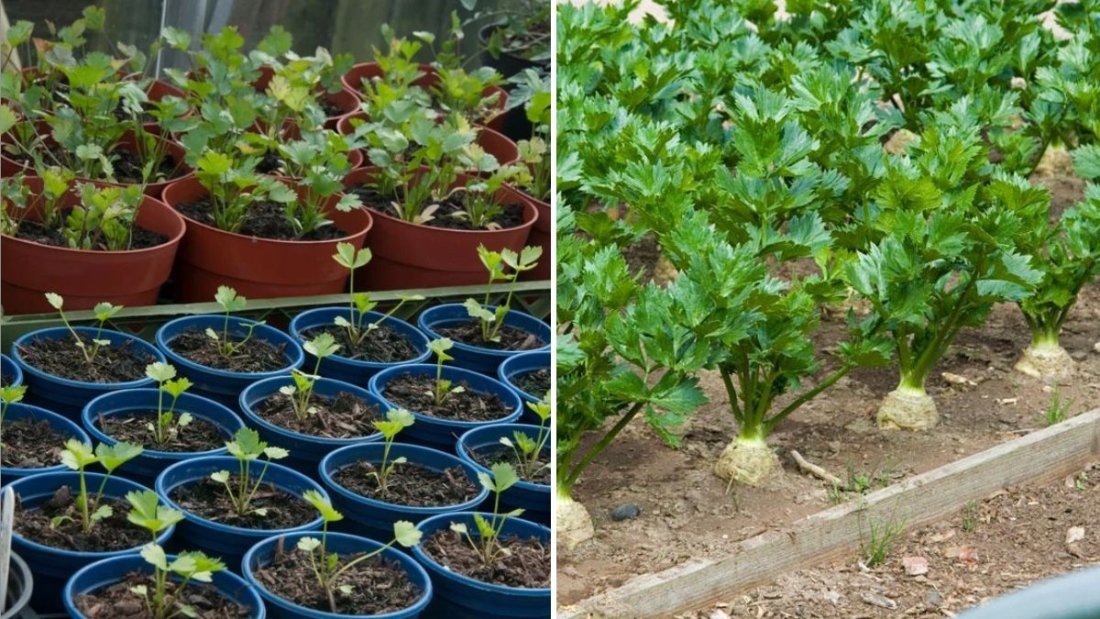
Conclusion: Why You Should Add Burdock Root to Your Diet

Burdock root is a nutritious, versatile, and flavorful root vegetable that deserves a place in your kitchen. Its slightly sweet, earthy taste and crisp texture make it perfect for a variety of dishes, including stir-fries, roasted sides, soups, salads, pickles, and teas.

Including burdock root in your diet offers:

  • Fiber-rich, low-calorie nutrition for digestive health and weight management.
  • Antioxidants and minerals that support immunity and heart health.
  • Culinary versatility for both everyday meals and special occasions.

Whether you’re a health-conscious eater, culinary adventurer, or looking for unique vegetable options, burdock root is a delicious and underappreciated root vegetable worth exploring.


Jerusalem Artichoke: A Complete Guide to Cooking, Health Benefits, and Delicious Recipes

Jerusalem Artichoke: A Complete Guide to Cooking, Health Benefits, and Delicious Recipes

Jerusalem artichoke, often called sunchoke, is a nutrient-packed, versatile root vegetable that is slowly gaining popularity in American kitchens. Despite its misleading name, it is not related to Jerusalem nor an artichoke—it is actually a species of sunflower. Known for its sweet, nutty flavor and crisp texture, Jerusalem artichoke can be roasted, mashed, sautéed, or eaten raw, making it a fantastic addition to soups, salads, and side dishes.

This comprehensive guide will take you through everything you need to know about Jerusalem artichokes, including nutritional benefits, health perks, preparation tips, and creative recipes.


What is a Jerusalem Artichoke?

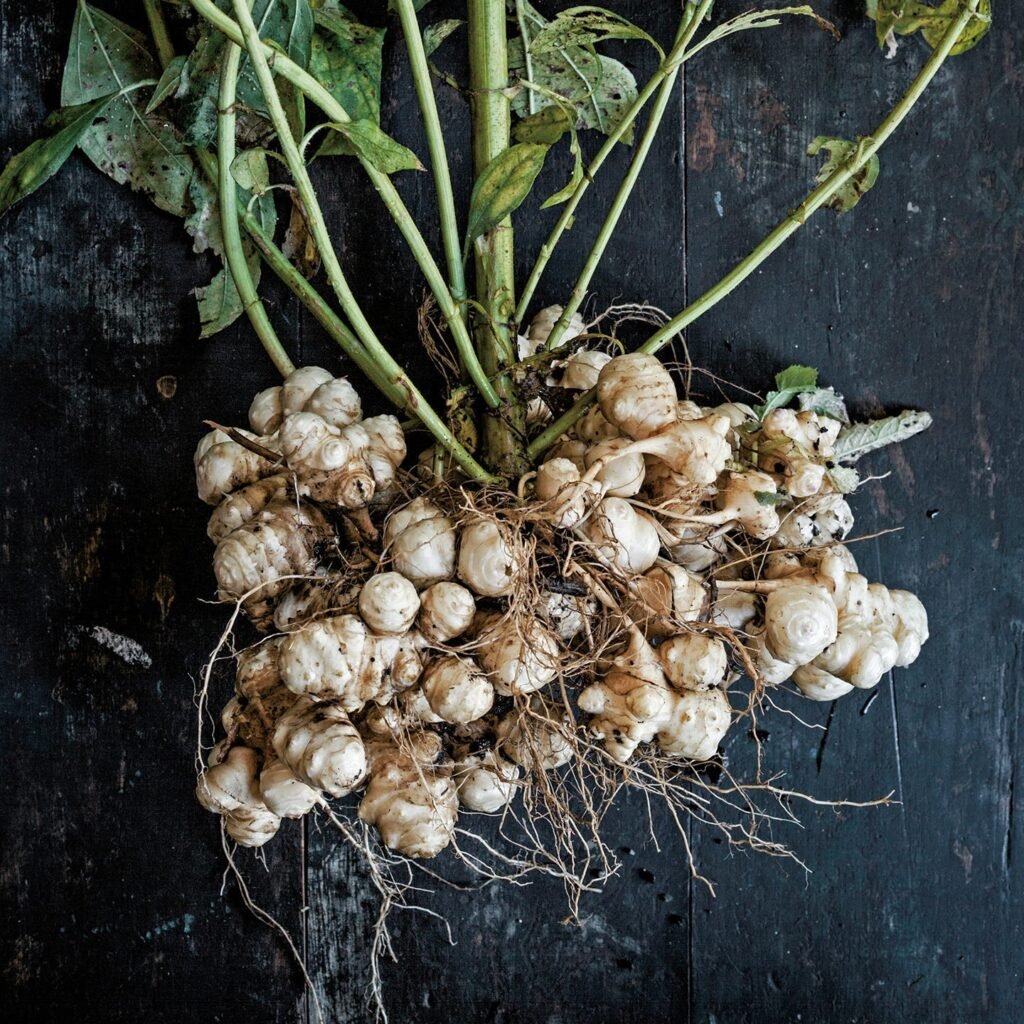
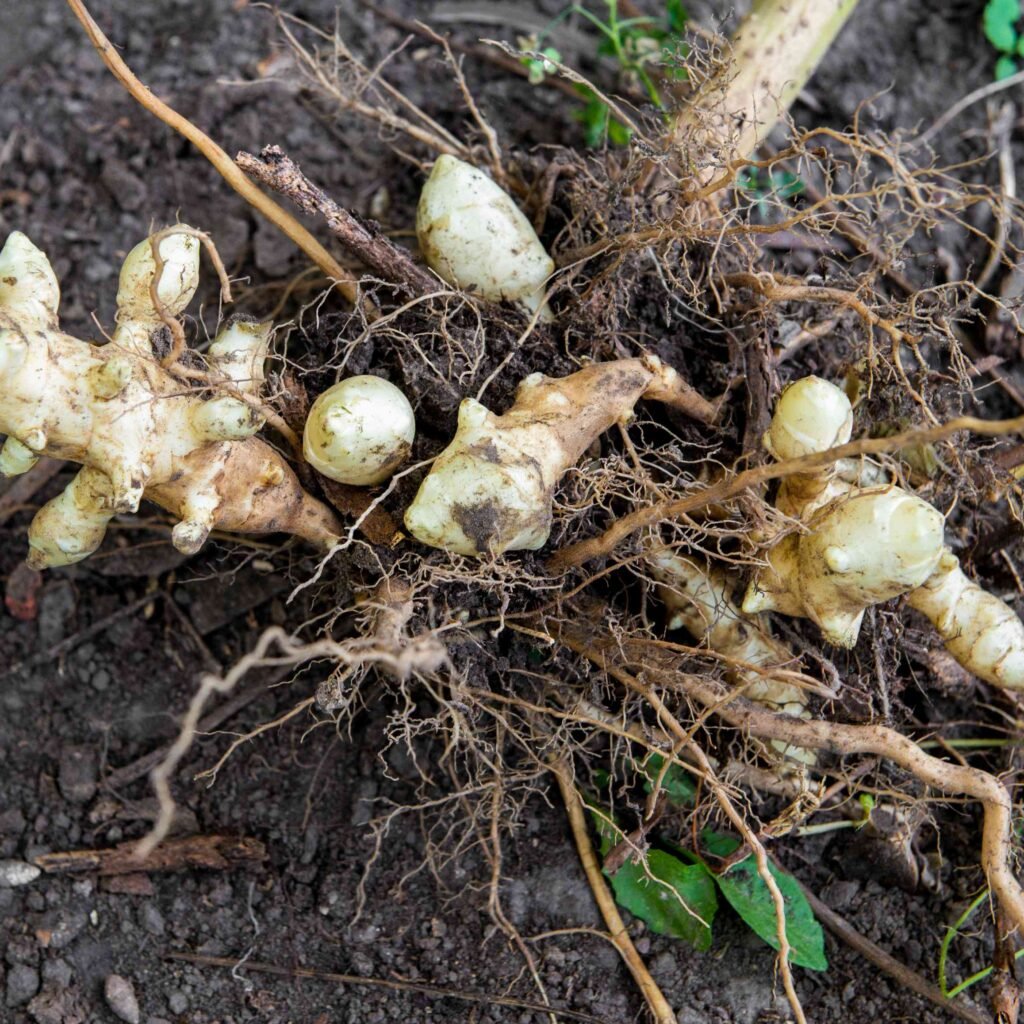
The Jerusalem artichoke is a tuberous root vegetable that grows underground. Its knobby, irregular shape may resemble ginger, but inside, it has a creamy white flesh with a slightly sweet and nutty flavor. Native to North America, it has been used for centuries by Native Americans and early European settlers.

It is a cool-season crop, often harvested in fall and winter. Jerusalem artichokes can be enjoyed raw, roasted, sautéed, pureed, or pickled, offering incredible versatility for home cooks.

Pro Tip: When choosing Jerusalem artichokes, look for firm, unblemished tubers. Avoid soft or shriveled pieces, as they may be past their prime.


Nutritional Benefits of Jerusalem Artichokes

Jerusalem artichokes are more than just tasty—they are nutritional powerhouses:

  • Low in Calories: Approximately 73 calories per 100 grams.
  • High in Fiber: Rich in inulin, a prebiotic fiber that supports gut health.
  • Vitamin C: Boosts immunity and supports collagen production.
  • Iron: Contributes to healthy red blood cells and oxygen transport.
  • Potassium: Helps regulate blood pressure and supports heart health.
  • Antioxidants: Reduce oxidative stress and inflammation.

Pro Tip: Raw Jerusalem artichokes retain the most nutrients, especially the prebiotic fiber inulin, which supports digestive health and beneficial gut bacteria.


Health Benefits of Jerusalem Artichokes

  1. Supports Digestive Health: The inulin fiber feeds good gut bacteria, improving digestion and regularity.
  2. Boosts Immunity: Vitamin C strengthens the immune system.
  3. Supports Heart Health: Potassium helps regulate blood pressure, while fiber may reduce cholesterol levels.
  4. Weight Management: High fiber content helps keep you full longer, making it ideal for low-calorie meals.
  5. Blood Sugar Control: Inulin helps regulate blood sugar levels, making it suitable for diabetics.

Pro Tip: Introduce Jerusalem artichokes gradually if eating raw, as high inulin content may cause gas or bloating for sensitive digestive systems.


How to Prepare Jerusalem Artichokes

Jerusalem artichokes are versatile and can be prepared in numerous ways:

  • Raw: Peel and slice thinly for salads or crudité platters.
  • Roasted: Toss with olive oil, salt, and herbs, then roast for a sweet, caramelized flavor.
  • Mashed: Boil and mash with butter or cream for a delicious alternative to potatoes.
  • Sautéed: Cook with garlic, onions, or other vegetables for a quick side dish.
  • Soups: Blend cooked Jerusalem artichokes into creamy soups for a nutty flavor.
  • Pickled: Slice and pickle for a tangy snack or salad topping.

Pro Tip: Scrub tubers gently to remove dirt. Peeling is optional for small, tender tubers, but larger ones may benefit from peeling for smoother texture.


Jerusalem Artichoke Recipes to Try

Here are some delicious ways to enjoy Jerusalem artichokes:

1. Roasted Jerusalem Artichokes

  • Toss cleaned and cut tubers with olive oil, salt, pepper, and rosemary.
  • Roast at 400°F for 25–30 minutes until golden and tender.
  • Serve as a side dish with roasted meats or other root vegetables.

2. Jerusalem Artichoke Soup

  • Sauté onions, garlic, and chopped Jerusalem artichokes in olive oil.
  • Add vegetable or chicken broth and simmer until tender.
  • Blend until creamy, season with salt, pepper, and thyme.

3. Mashed Jerusalem Artichokes

  • Boil peeled tubers until tender.
  • Mash with butter, cream, and a pinch of nutmeg.
  • Serve as a low-carb alternative to mashed potatoes.

4. Jerusalem Artichoke Salad

  • Thinly slice raw tubers and toss with lemon juice, olive oil, and fresh herbs.
  • Add shaved Parmesan or toasted nuts for extra flavor.

5. Sautéed Jerusalem Artichokes with Garlic

  • Slice tubers thinly and sauté in olive oil with garlic and thyme.
  • Cook until golden and slightly crispy.
  • Season with salt, pepper, and a squeeze of lemon.

Pro Tip: Pair Jerusalem artichokes with other root vegetables like carrots, parsnips, or sweet potatoes for a colorful and flavorful dish.


Storage Tips for Jerusalem Artichokes

Proper storage ensures maximum freshness:

  • Store unwashed tubers in a cool, dark, and ventilated place.
  • Refrigerate in a plastic bag for up to 2–3 weeks.
  • Avoid storing near ethylene-producing fruits such as apples or bananas to prevent premature spoilage.
  • Peeled or cut tubers can be stored in water in an airtight container for 1–2 days.

Pro Tip: For long-term storage, Jerusalem artichokes can be blanched and frozen for later use in soups or roasted dishes.


Why Jerusalem Artichokes are Popular in American Kitchens

Jerusalem artichokes are becoming more popular in the U.S. due to:

  • Health-Conscious Eating Trends: Low in calories, high in fiber, and prebiotic-rich.
  • Versatility in Cooking: Can be eaten raw, roasted, mashed, sautéed, or in soups.
  • Unique Flavor Profile: Sweet, nutty, and earthy taste that complements many dishes.
  • Low-Carb and Diabetic-Friendly: Ideal for those managing blood sugar.
  • Creative Culinary Uses: Perfect for fusion recipes, grain bowls, or holiday sides.

Pro Tip: Use Jerusalem artichokes in creative ways such as chips, purees, or raw slaws for healthy snacks and sides.


Fun Facts About Jerusalem Artichokes

  1. Despite its name, Jerusalem artichoke is not related to Jerusalem nor to artichokes—it is a type of sunflower.
  2. The vegetable has been cultivated in North America for centuries by Native Americans.
  3. Jerusalem artichokes are high in inulin, a natural prebiotic fiber.
  4. Both raw and cooked tubers are edible and nutritious.
  5. They can be stored for several weeks in a cool environment, making them ideal for winter cooking.

Conclusion: Why You Should Add Jerusalem Artichokes to Your Diet

Jerusalem artichokes are a nutritious, versatile, and flavorful root vegetable that deserves a place in your kitchen. Its sweet, nutty taste and crunchy texture make it ideal for a wide range of dishes, from raw salads and slaws to roasted sides, creamy soups, and mashed alternatives to potatoes.

Including Jerusalem artichokes in your diet offers:

  • High fiber, low-calorie nutrition for healthy weight management.
  • Prebiotic benefits to support gut health and immunity.
  • Culinary versatility for both everyday meals and special occasions.

Whether you’re looking to eat healthier, experiment with new vegetables, or impress your guests with unique flavors, Jerusalem artichokes are a delicious, nutritious, and underappreciated root vegetable worth exploring.

Celeriac The Underrated Root Vegetable You Need in Your Kitchen

Celeriac The Underrated Root Vegetable You Need in Your Kitchen

Celeriac, also known as celery root, is a nutrient-dense, versatile, and flavorful root vegetable that’s slowly gaining popularity in American kitchens. Often overlooked due to its rough exterior, celeriac has a delicate, slightly nutty flavor and a creamy texture when cooked, making it perfect for soups, mashes, gratins, and roasted dishes.

This guide will take you through everything you need to know about celeriac—from nutritional benefits and health perks to preparation techniques and delicious recipes that will elevate your meals.


What is Celeriac?

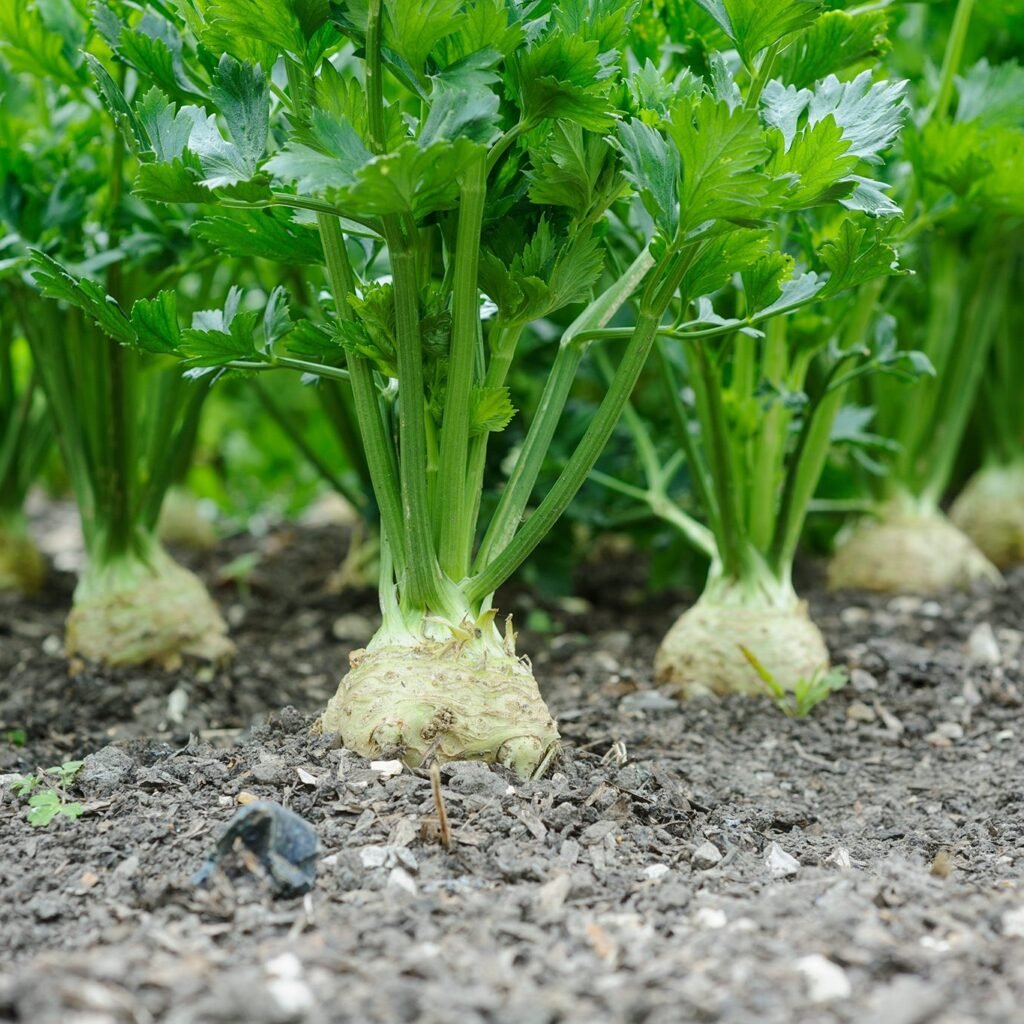
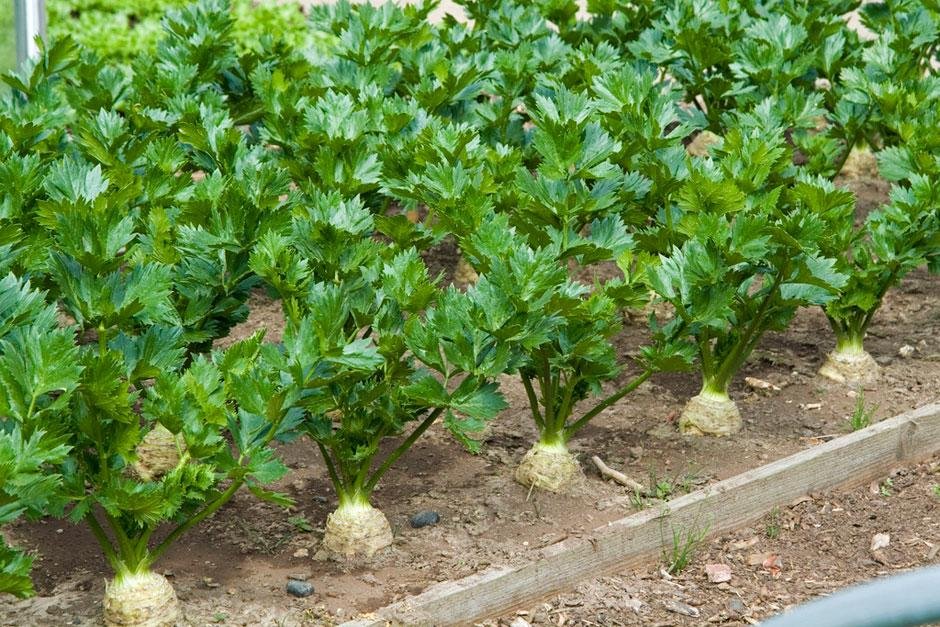
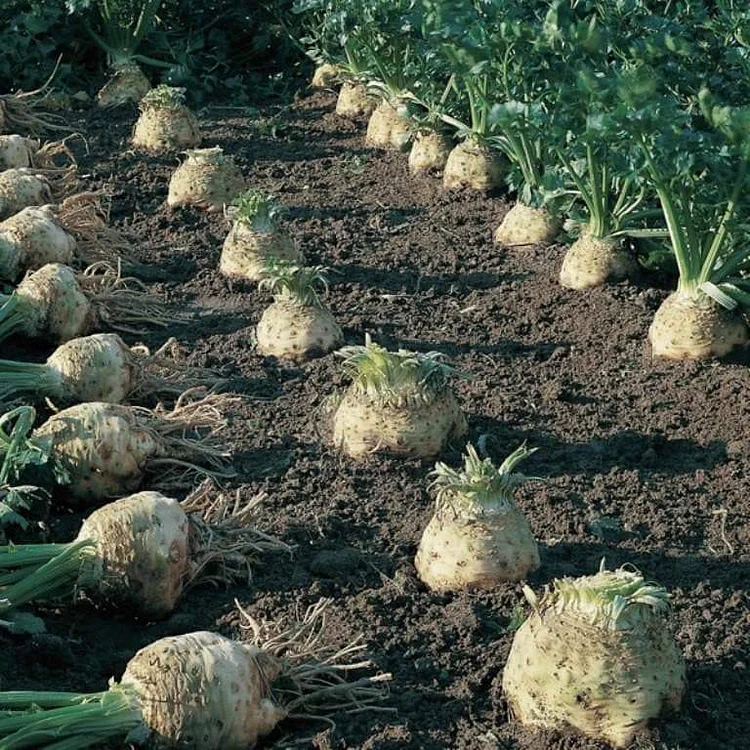
Celeriac (Apium graveolens var. rapaceum) is a root vegetable closely related to celery. Unlike its green-stalked cousin, the edible portion is the large, bulbous root, which has a beige-brown, knobby exterior. Inside, the flesh is white, crisp, and aromatic, with a flavor that is subtly celery-like, nutty, and slightly sweet.

Celeriac is popular in European cuisines, especially French, Italian, and German dishes. Its unique flavor and versatility make it an excellent addition to modern American cooking, from hearty soups to light salads.

Pro Tip: When buying celeriac, look for bulbs that are firm, heavy for their size, and free of sprouts or soft spots. Smaller roots tend to be tender and less woody.


Nutritional Benefits of Celeriac

Celeriac is not just flavorful; it is nutritionally impressive:

  • Low in Calories: Approximately 42 calories per 100 grams, making it ideal for weight management.
  • Rich in Fiber: Promotes healthy digestion and provides satiety.
  • Vitamin K: Supports bone health and proper blood clotting.
  • Vitamin C: Boosts immunity and helps fight inflammation.
  • Potassium: Regulates blood pressure and supports cardiovascular health.
  • Antioxidants: Protect cells from damage and oxidative stress.

Pro Tip: Cooking methods like steaming or roasting retain the nutrients and natural flavor better than boiling in excess water.


Health Benefits of Celeriac

  1. Supports Heart Health: High potassium and fiber content help maintain healthy blood pressure and cholesterol levels.
  2. Aids Digestion: Fiber supports gut health and promotes regular bowel movements.
  3. Boosts Immunity: Vitamin C strengthens the immune system and aids in healing.
  4. Weight Management: Low in calories but filling due to fiber content.
  5. Bone Health: Vitamin K contributes to maintaining strong bones.

Pro Tip: Including celeriac in your diet regularly supports overall wellness and cardiovascular health while adding a flavorful twist to your meals.


How to Prepare Celeriac

Celeriac is versatile and can be used in many culinary preparations:

  • Raw: Peel, slice, and shred for salads or slaws. Its crisp texture is perfect for coleslaw-style dishes or raw veggie platters.
  • Mashed: Boil or steam, then mash with butter and cream for a low-carb alternative to potatoes.
  • Roasted: Cube, toss with olive oil, salt, and herbs, and roast for a sweet, caramelized flavor.
  • Soups and Stews: Adds a nutty depth to broths and pureed soups.
  • Gratin: Layer thin slices with cream and cheese for a creamy, decadent dish.

Pro Tip: Peel celeriac thoroughly before cooking, as the skin is tough and fibrous. Use a sharp knife or vegetable peeler for best results.


Celeriac Recipes to Try

Here are some delicious ways to incorporate celeriac into your meals:

1. Creamy Celeriac Mash

  • Boil peeled celeriac until tender.
  • Mash with butter, cream, salt, and pepper.
  • Optional: Mix with potatoes for a hybrid mash.

2. Roasted Celeriac Cubes

  • Toss celeriac cubes with olive oil, thyme, salt, and pepper.
  • Roast at 400°F for 25–30 minutes until golden and tender.
  • Serve as a side dish with roasted meats or vegetables.

3. Celeriac Soup

  • Sauté onion, garlic, and celeriac in olive oil.
  • Add vegetable broth and simmer until tender.
  • Blend until smooth, add cream or coconut milk, and season with salt, pepper, and nutmeg.

4. Celeriac Slaw

  • Shred raw celeriac and carrots.
  • Toss with a dressing of Greek yogurt, lemon juice, mustard, salt, and pepper.
  • Garnish with fresh parsley for a refreshing side dish.

5. Celeriac Gratin

  • Layer thinly sliced celeriac in a baking dish.
  • Pour cream, sprinkle cheese, and bake until bubbly and golden.
  • Serve as a hearty side or vegetarian main dish.

Pro Tip: Combine celeriac with other root vegetables like carrots, parsnips, or turnips for a colorful and flavorful roasted medley.


Storage Tips for Celeriac

Proper storage ensures freshness and longevity:

  • Store unpeeled celeriac in the refrigerator crisper in a plastic bag.
  • Use within 2–3 weeks for optimal flavor and texture.
  • Peeled or cut celeriac can be stored in water in an airtight container for 2–3 days.
  • Avoid storing near fruits that emit ethylene, such as apples or bananas, as it can accelerate spoilage.

Pro Tip: Celeriac leaves are edible and can be sautéed like celery leaves for added flavor.


Why Celeriac is Gaining Popularity in American Kitchens

Celeriac is becoming increasingly popular due to:

  • Health-Conscious Eating Trends: Low in calories, high in fiber, and packed with vitamins.
  • Culinary Versatility: Can be used raw, roasted, mashed, or in soups.
  • Low-Carb Alternative: Perfect substitute for potatoes or other starchy vegetables.
  • Unique Flavor: Adds a subtle nutty and slightly sweet taste to dishes.
  • Kid-Friendly: Mild flavor makes it easy to introduce to picky eaters.

Pro Tip: Thinly slice celeriac for sandwiches, tacos, or wraps to add crunch, nutrition, and flavor.


Fun Facts About Celeriac

  1. Celeriac is a variety of celery cultivated for its edible root rather than its stalks.
  2. The vegetable dates back to ancient Mediterranean civilizations.
  3. Both the root and the leaves are edible and nutritious.
  4. Celeriac is a cool-season crop, best harvested in fall and winter.
  5. It pairs well with herbs like thyme, parsley, dill, and rosemary, enhancing its natural flavor.

Conclusion: Why You Should Add Celeriac to Your Diet

Celeriac is a nutritious, flavorful, and versatile root vegetable that belongs in every kitchen. Its mild, nutty flavor and creamy texture make it ideal for a wide range of dishes, from hearty soups and mashed side dishes to raw slaws and roasted vegetable medleys.

Incorporating celeriac into your diet offers:

  • Low-calorie, high-fiber nutrition for healthy weight management.
  • Rich vitamins and minerals to support overall health.
  • Culinary versatility for both traditional and creative recipes.

Whether you are exploring new vegetables, eating healthier, or looking for a unique ingredient to elevate your meals, celeriac is a delicious, nutritious, and underrated root vegetable worth trying.


Kohlrabi The Crunchy, Nutritious Vegetable You Need in Your Kitchen

Kohlrabi The Crunchy, Nutritious Vegetable You Need in Your Kitchen

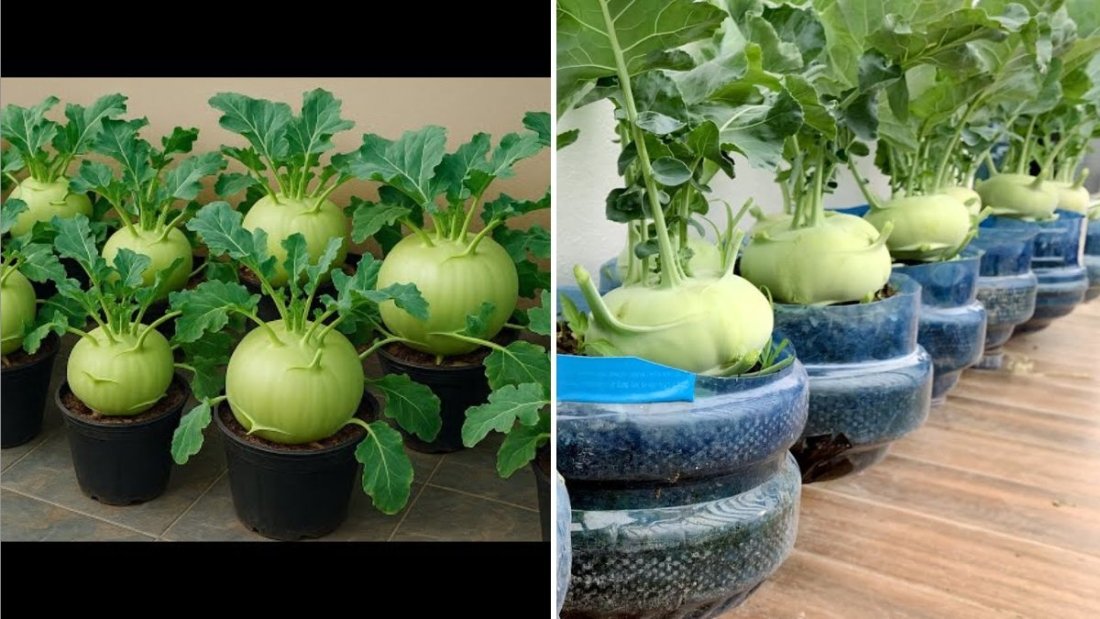
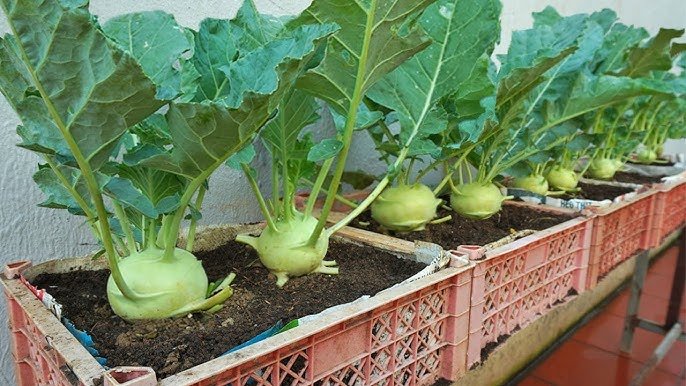
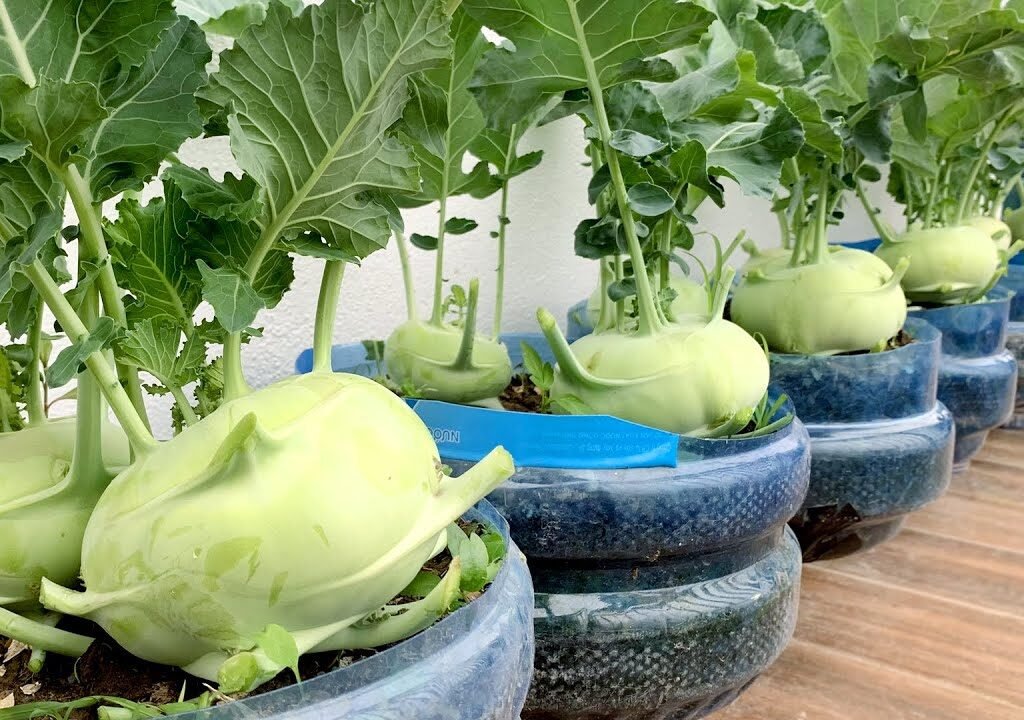
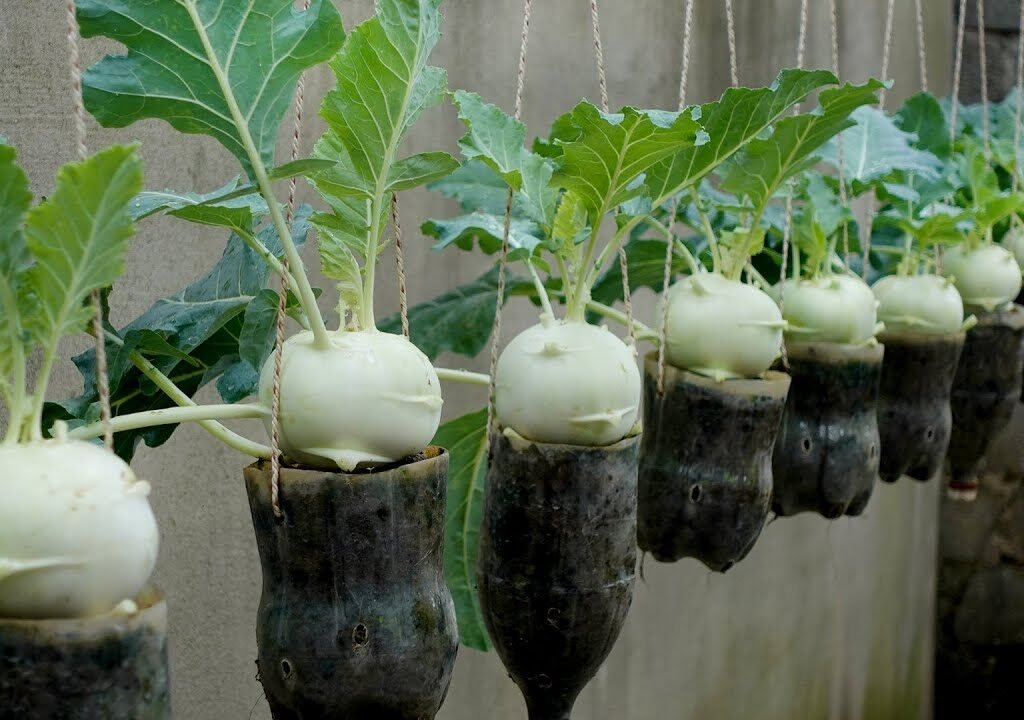
Kohlrabi, often called the “German turnip”, is a versatile and nutrient-packed vegetable gaining popularity in American kitchens. With its crisp texture, mild flavor, and subtle sweetness, kohlrabi is perfect for salads, slaws, stir-fries, and roasted vegetable dishes. Whether you’re a health-conscious eater, a culinary adventurer, or looking to add variety to your meals, kohlrabi is a must-try vegetable.

This guide will explore everything about kohlrabi: from its nutritional benefits and culinary uses to preparation tips and creative recipes for your next meal.


What is Kohlrabi?

Kohlrabi is a member of the Brassicaceae family, which includes broccoli, cabbage, and cauliflower. Its name comes from the German words “kohl” (cabbage) and “rübe” (turnip), reflecting its unique appearance: a round, bulbous stem with leafy greens sprouting from the top.

It comes in green and purple varieties, both edible, with the interior flesh pale and crisp, similar to a broccoli stem or mild radish. The flavor is slightly sweet, peppery, and mild, making it versatile for both raw and cooked dishes.

Pro Tip: Smaller kohlrabi bulbs tend to be tender and sweeter, while larger bulbs may be slightly woody and are better suited for roasting or braising.


Nutritional Benefits of Kohlrabi

Kohlrabi is not only delicious but also highly nutritious:

  • Low in Calories: Only about 36 calories per cup, making it ideal for weight-conscious diets.
  • High in Fiber: Supports digestive health and keeps you full longer.
  • Vitamin C: Boosts immunity and supports healthy skin.
  • Potassium: Helps regulate blood pressure and maintains heart health.
  • Antioxidants: Protect cells from oxidative stress and inflammation.
  • B Vitamins: Supports energy metabolism and overall wellness.

Pro Tip: Eating kohlrabi raw preserves most of its nutrients, while lightly steaming or roasting maintains flavor and texture without significant nutrient loss.


Health Benefits of Kohlrabi

  1. Supports Digestive Health: High fiber content aids in digestion and promotes regular bowel movements.
  2. Boosts Immunity: Vitamin C strengthens the immune system and helps fight infections.
  3. Heart Health: Potassium helps regulate blood pressure and reduces the risk of cardiovascular issues.
  4. Weight Management: Low in calories and high in fiber, making it a filling, nutrient-dense option.
  5. Antioxidant Protection: Phytochemicals in kohlrabi protect against oxidative stress and inflammation.

Pro Tip: Incorporate kohlrabi into your diet regularly for balanced nutrition and disease prevention.


How to Prepare Kohlrabi

Kohlrabi is versatile and can be used in many cooking methods:

  • Raw: Slice thinly or julienne for salads, slaws, or crudité platters.
  • Roasted: Toss cubes with olive oil, salt, pepper, and herbs; roast until tender and caramelized.
  • Sautéed: Lightly cook with garlic and olive oil for a warm side dish.
  • Steamed or Boiled: Softens the kohlrabi, ideal for soups or mashes.
  • Pickled: Adds a tangy crunch to sandwiches, bowls, and appetizers.

Pro Tip: Peel the outer skin if it feels tough, especially for larger bulbs. Leaves are edible too and can be sautéed like kale or spinach.


Kohlrabi Recipes to Try

Here are some delicious ways to enjoy kohlrabi:

1. Kohlrabi Slaw

  • Julienne kohlrabi, carrots, and apple.
  • Toss with a light dressing of olive oil, lemon juice, and honey.
  • Garnish with fresh herbs and sesame seeds for crunch and flavor.

2. Roasted Kohlrabi and Carrots

  • Cube kohlrabi and carrots, toss with olive oil, salt, pepper, and rosemary.
  • Roast at 400°F for 25–30 minutes until caramelized.
  • Serve as a side dish with roasted meats or grains.

3. Sautéed Kohlrabi Greens

  • Chop the greens and sauté with garlic and olive oil.
  • Add a pinch of chili flakes and lemon juice for flavor.
  • Serve as a nutrient-rich side dish.

4. Kohlrabi Soup

  • Boil peeled and chopped kohlrabi with onion, garlic, and vegetable broth.
  • Blend until smooth and creamy.
  • Add cream or coconut milk for richness and garnish with herbs.

5. Pickled Kohlrabi

  • Slice thinly and mix with vinegar, sugar, salt, and mustard seeds.
  • Refrigerate for a few hours for a tangy, crunchy snack.
  • Great for topping sandwiches, tacos, or grain bowls.

Pro Tip: Combine kohlrabi with other root vegetables like carrots, beets, or parsnips for added flavor, color, and nutrition.


Storage Tips for Kohlrabi

Proper storage ensures freshness and longevity:

  • Store unpeeled kohlrabi bulbs in a plastic bag in the refrigerator.
  • Use within 1–2 weeks for the best taste and texture.
  • Store cut or peeled kohlrabi in water in an airtight container for 2–3 days.
  • Kohlrabi leaves can be stored separately in a damp paper towel for 3–4 days.

Pro Tip: Avoid storing near ethylene-producing fruits like apples or bananas to prevent premature spoilage.


Why Kohlrabi is Gaining Popularity in American Kitchens

Kohlrabi is increasingly popular in the U.S. because:

  • Healthy Eating Trends: Low-calorie, high-fiber, and nutrient-dense.
  • Versatility in Cooking: Can be eaten raw, roasted, sautéed, or pickled.
  • Culinary Creativity: Works well in fusion recipes, slaws, stir-fries, and grain bowls.
  • Kid-Friendly: Mild flavor makes it a great way to sneak in extra vegetables.

Pro Tip: Try adding thinly sliced kohlrabi to sandwiches, wraps, or tacos for a crunchy, nutritious boost.


Fun Facts About Kohlrabi

  1. Kohlrabi’s name comes from German, meaning “cabbage turnip.”
  2. Both the bulb and leaves are edible, maximizing nutrition.
  3. It’s a cool-season crop, thriving in spring and fall.
  4. Kohlrabi can grow large bulbs up to 4–5 inches in diameter, but smaller ones are sweeter.
  5. It has been used for centuries in European and Asian cuisine for soups, stews, and salads.

Conclusion: Why You Should Add Kohlrabi to Your Diet

Kohlrabi is a nutritious, versatile, and delicious vegetable that deserves a spot in every kitchen. With its crunchy texture, mild flavor, and impressive nutrient profile, it can be used in a variety of dishes—from fresh salads and slaws to roasted vegetables, soups, and stir-fries.

Incorporating kohlrabi into your meals offers:

  • High fiber and low calories for healthy weight management.
  • Rich vitamins and antioxidants for overall wellness.
  • Culinary versatility to create fresh, colorful, and flavorful dishes.

Whether you are experimenting with new vegetables, eating healthier, or exploring international cuisines, kohlrabi is an easy, delicious, and nutrient-packed choice. Its ability to adapt to raw, cooked, or pickled preparations makes it perfect for any meal or dietary preference.


Daikon Radish The Ultimate Guide to Cooking, Health Benefits, and Delicious Recipes

Daikon Radish The Ultimate Guide to Cooking, Health Benefits, and Delicious Recipes

Daikon radish, often referred to as the “Japanese white radish” or “winter radish,” is a versatile and nutrient-rich vegetable that has been a staple in Asian cuisine for centuries. Known for its crisp texture, mild flavor, and impressive health benefits, daikon radish can be enjoyed raw, pickled, sautéed, or added to soups and stews. Whether you’re looking to boost your immunity, add fiber to your diet, or explore international flavors, daikon radish is a must-have in your kitchen.

This comprehensive guide will explore everything about daikon radish, from nutritional benefits and cooking tips to recipes and creative ways to include it in your meals.


What is Daikon Radish?

Daikon radish is a large, elongated white root vegetable that belongs to the Brassicaceae family, which also includes cabbage, broccoli, and mustard. Unlike traditional red radishes, daikon has a milder, slightly sweet flavor and a crisp, juicy texture, making it perfect for a variety of dishes.

Daikon is commonly used in Japanese, Korean, and Chinese cuisines, but its versatility makes it adaptable to Western dishes, from salads and slaws to roasted vegetable medleys.

Pro Tip: When buying daikon, look for roots that are firm, smooth, and free of blemishes. Smaller daikons tend to be sweeter and more tender than larger, mature roots.


Nutritional Benefits of Daikon Radish

Daikon radish is not just low in calories; it is packed with nutrients that promote overall health:

  • Low in Calories: Only about 20 calories per 100 grams, making it ideal for weight management.
  • Rich in Fiber: Promotes healthy digestion and regular bowel movements.
  • Vitamin C: Boosts immunity and supports collagen production for healthy skin.
  • Potassium: Helps regulate blood pressure and supports heart health.
  • Enzymes: Contains digestive enzymes like amylase and esterase, which help break down starches and fats.
  • Antioxidants: Reduce inflammation and protect against free radicals.

Pro Tip: Eating daikon raw preserves the maximum amount of vitamin C and enzymes, making it a superfood for digestive health and immunity.


Health Benefits of Daikon Radish

  1. Supports Digestion: The natural enzymes in daikon improve starch and fat digestion, making it gentle on the stomach.
  2. Boosts Immunity: High vitamin C content strengthens your immune system.
  3. Promotes Weight Loss: Low in calories but high in fiber, it keeps you full longer.
  4. Detoxifies the Body: Acts as a natural diuretic, flushing toxins and supporting kidney function.
  5. Supports Heart Health: Potassium helps regulate blood pressure, and antioxidants reduce oxidative stress.

Pro Tip: Incorporating daikon into soups, salads, and stir-fries can maximize its health benefits while adding flavor and crunch to your meals.


How to Prepare Daikon Radish

Daikon radish is incredibly versatile and can be prepared in many ways:

  • Raw: Slice thinly for salads, slaws, or garnishes. Its mild flavor pairs well with citrus, soy sauce, or sesame oil.
  • Pickled: Popular in Korean cuisine as Kkakdugi (cubed radish kimchi) or Japanese Takuan (yellow pickled radish).
  • Sautéed: Quickly sauté in olive oil with garlic and ginger for a warm side dish.
  • Steamed or Boiled: Softens the radish, perfect for soups, stews, or daikon hot pot.
  • Roasted: Toss with olive oil, salt, and pepper, and roast for a caramelized, slightly sweet flavor.

Pro Tip: Peel daikon radish only if the skin is tough or dirty. For smaller, tender daikons, the skin is edible and contains nutrients.


Daikon Radish Recipes to Try

Here are a few delicious ways to incorporate daikon radish into your meals:

1. Daikon Salad with Citrus Dressing

  • Slice daikon into thin ribbons or matchsticks.
  • Toss with orange segments, sesame seeds, and a light soy-sesame dressing.
  • Garnish with fresh cilantro for a refreshing, crunchy salad.

2. Spicy Pickled Daikon

  • Cut daikon into cubes or matchsticks.
  • Mix with rice vinegar, sugar, salt, and chili flakes.
  • Refrigerate for a few hours before serving as a tangy side dish.

3. Daikon Miso Soup

  • Add sliced daikon to your miso soup for added crunch and nutrition.
  • Simmer until tender and serve with tofu and green onions.

4. Stir-Fried Daikon with Garlic and Ginger

  • Heat oil in a pan, add garlic and ginger, then sauté thinly sliced daikon.
  • Season with soy sauce and sesame oil for a savory side dish.

5. Roasted Daikon and Carrots

  • Toss daikon and carrot slices with olive oil, salt, and pepper.
  • Roast at 400°F for 25–30 minutes until caramelized and tender.

Pro Tip: Pair daikon with other root vegetables like carrots, turnips, or sweet potatoes to create colorful and flavorful roasted dishes.


Storage Tips for Daikon Radish

Proper storage ensures your daikon stays fresh and crisp:

  • Store in the refrigerator, unpeeled, wrapped in a damp paper towel inside a plastic bag.
  • Use within 1–2 weeks for the best flavor and texture.
  • Peeled or cut daikon can be stored in water in an airtight container for 2–3 days.

Pro Tip: Avoid storing daikon near ethylene-producing fruits like apples or bananas, as it can accelerate spoilage.


Why Daikon Radish is Popular in American Kitchens

Daikon radish is gaining popularity in the United States for several reasons:

  • Health-Conscious Diets: Low-calorie, high-fiber, and nutrient-rich.
  • Versatile Cooking: Can be used in salads, stir-fries, soups, and pickles.
  • Fusion Cuisine: Works well in Asian-American recipes, tacos, and wraps.
  • Weight Management: Ideal for low-calorie, nutrient-dense meals.

Pro Tip: Add thinly sliced daikon to sandwiches, tacos, or grain bowls for a crisp, refreshing texture.


Fun Facts About Daikon Radish

  1. Daikon can grow up to 20 inches long, depending on the variety.
  2. It is called “mooli” in India and is a staple in Indian cuisine.
  3. Daikon has been used for centuries in traditional Asian medicine for digestion and detoxification.
  4. Pickled daikon can last for months and is commonly served with sushi or bento boxes.
  5. Its mild flavor makes it kid-friendly, especially when sliced thin or pickled lightly.

Conclusion: Why You Should Add Daikon Radish to Your Diet

Daikon radish is a nutritious, versatile, and flavorful vegetable that belongs in every kitchen. Its mild taste, crisp texture, and impressive health benefits make it ideal for a wide range of dishes—from fresh salads and pickles to soups, stir-fries, and roasted vegetables.

Incorporating daikon into your diet is easy and rewarding:

  • Boost your immunity and digestive health.
  • Enjoy low-calorie, fiber-rich meals.
  • Explore Asian cuisines or fusion recipes at home.
  • Add color, crunch, and nutrition to your everyday meals.

Whether you’re a health-conscious cook, a food enthusiast, or just someone looking to try something new, daikon radish is the ultimate versatile vegetable that deserves a spot in your kitchen.