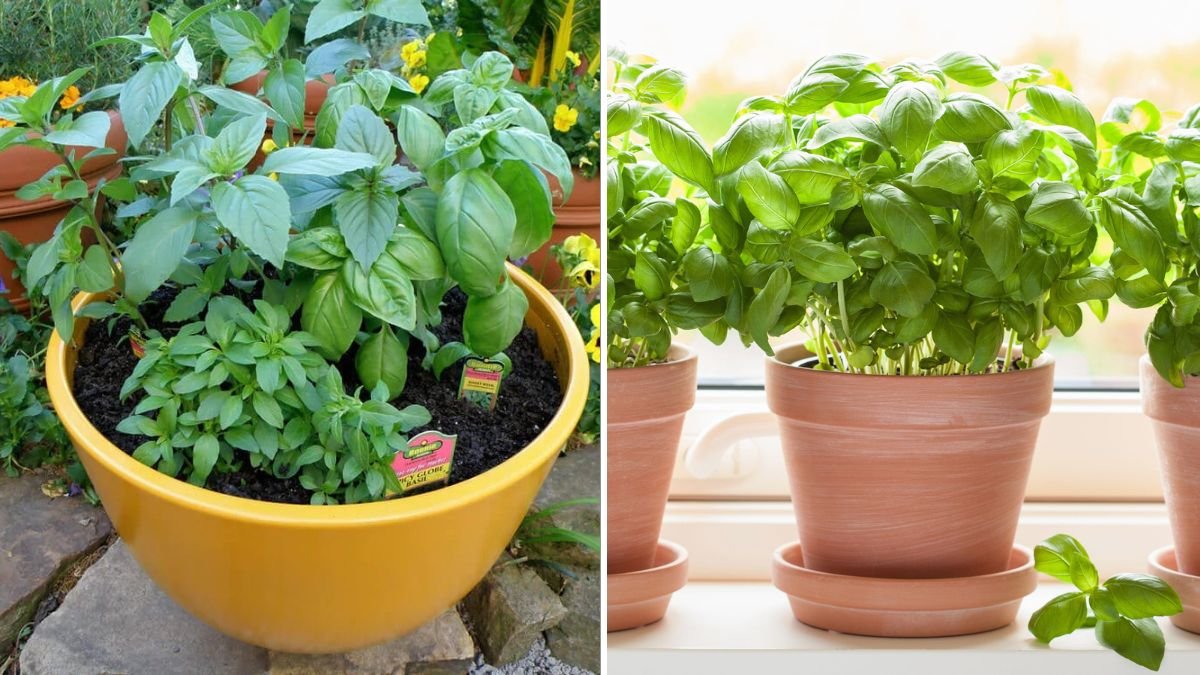
Few herbs capture the essence of fresh, flavorful cooking quite like basil. Known for its bright aroma, sweet-spicy flavor, and culinary versatility, basil has earned its place as a staple in American kitchens and gardens alike. From Italian pasta sauces and Thai curries to refreshing summer salads and homemade pesto, basil adds an unmistakable touch of freshness that instantly elevates any dish.
But basil isn’t just delicious—it’s also packed with nutrients, easy to grow, and rich in health benefits. Whether you’re a passionate home chef, a backyard gardener, or simply someone who loves the scent of fresh herbs in your kitchen, basil offers countless ways to enhance your life.
In this article, we’ll explore the fascinating world of basil—its history, types, growing tips, culinary uses, and even how it supports your health. Let’s discover why this humble herb is one of the most beloved in America.
A Brief History of Basil
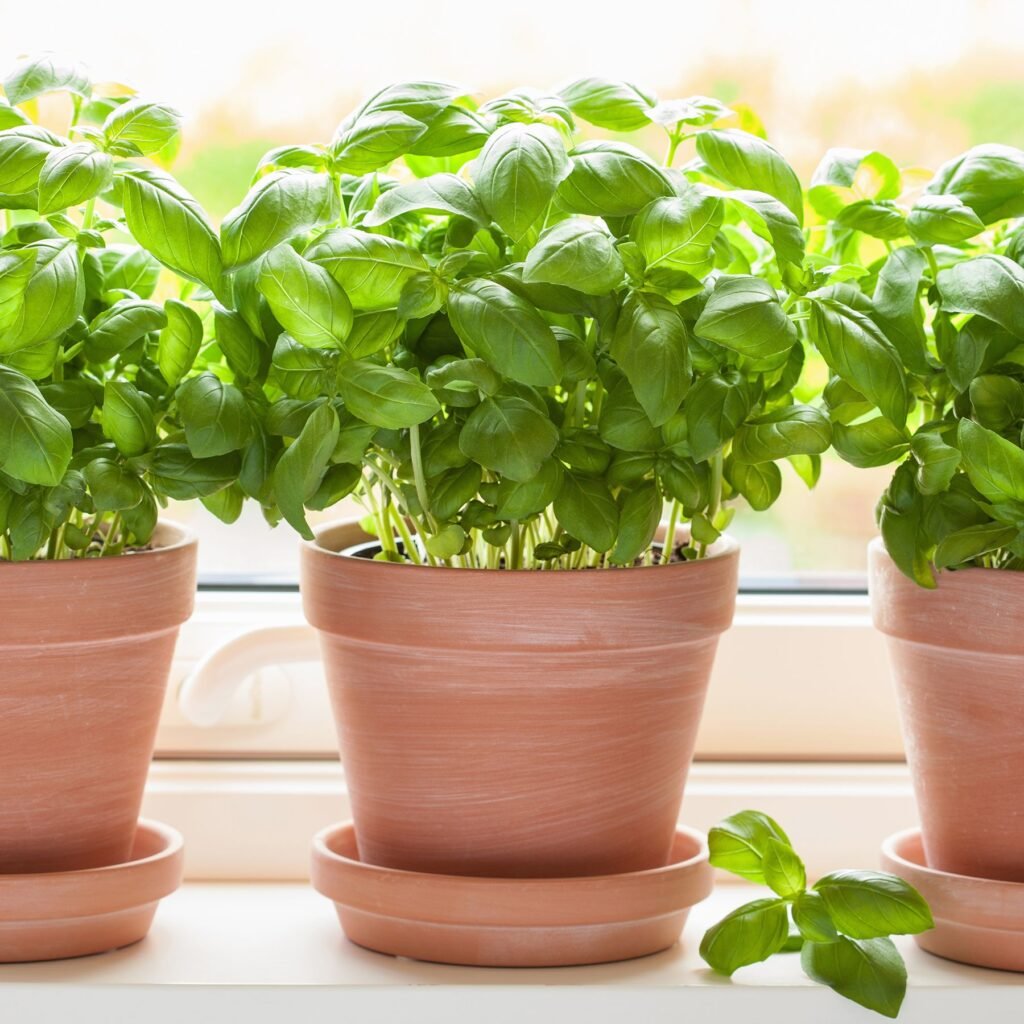
Basil (Ocimum basilicum) traces its roots to India and Southeast Asia, where it was cultivated thousands of years ago for both culinary and medicinal purposes. From there, it spread across Europe and the Mediterranean, where it became a cornerstone of Italian, Greek, and French cuisine.
In the United States, basil gained popularity in the 20th century alongside the rise of Italian-American cooking. Dishes like spaghetti with tomato sauce, margherita pizza, and pesto introduced Americans to basil’s signature taste.
Today, basil is grown in every U.S. state—both in home gardens and commercially—thanks to its adaptability, aroma, and universal appeal.
The Many Varieties of Basil
While sweet basil is the most common variety found in American kitchens, there are over 150 types of basil, each with unique flavors, aromas, and appearances. Here are some popular ones to know:
- Sweet Basil – The classic Italian basil with large green leaves, perfect for pasta, pesto, and caprese salads.
- Genovese Basil – Known for its strong aroma and bold flavor, ideal for authentic Italian pesto.
- Thai Basil – A spicier variety with purple stems and anise-like flavor, used in Thai and Vietnamese dishes.
- Lemon Basil – Offers a zesty citrus flavor, great for seafood, salads, and desserts.
- Purple Basil – Deep purple leaves with a mild clove flavor—excellent for colorful garnishes or infused vinegar.
- Holy Basil (Tulsi) – Sacred in Indian culture, often used for tea and medicinal purposes.
Each type has its own charm, and experimenting with them can open up new dimensions in your cooking.
Nutritional and Health Benefits of Basil
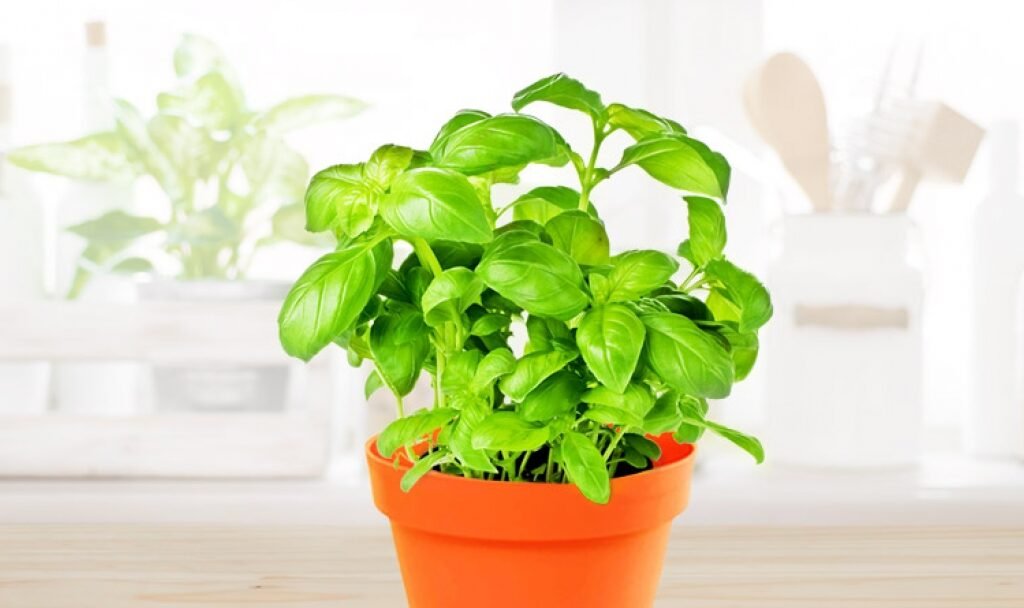
Basil isn’t just a flavor enhancer—it’s also a nutrient-rich herb that supports overall health. A single tablespoon of fresh basil contains vitamins A, K, and C, as well as essential minerals like calcium, magnesium, and iron.
Here are some key health benefits of this amazing herb:
1. Rich in Antioxidants
Basil contains powerful antioxidants like flavonoids and polyphenols, which help combat oxidative stress and support cell health.
2. Anti-Inflammatory Properties
Compounds like eugenol and linalool have anti-inflammatory effects that may help reduce arthritis pain, joint inflammation, and muscle soreness.
3. Supports Heart Health
Basil helps regulate cholesterol levels and improve blood circulation, contributing to better cardiovascular health.
4. Strengthens Immunity
The essential oils in basil possess antimicrobial and antibacterial properties that can boost your immune system and fight infections.
5. Enhances Digestion
Basil aids in digestion by reducing bloating and supporting healthy gut bacteria.
6. Stress Relief and Mental Clarity
Holy basil (Tulsi), in particular, is known for its adaptogenic qualities, helping the body manage stress and promote mental calmness.
With all these benefits, adding fresh basil to your meals is an easy, delicious way to enhance both flavor and wellness.
Growing Basil in Your Home Garden
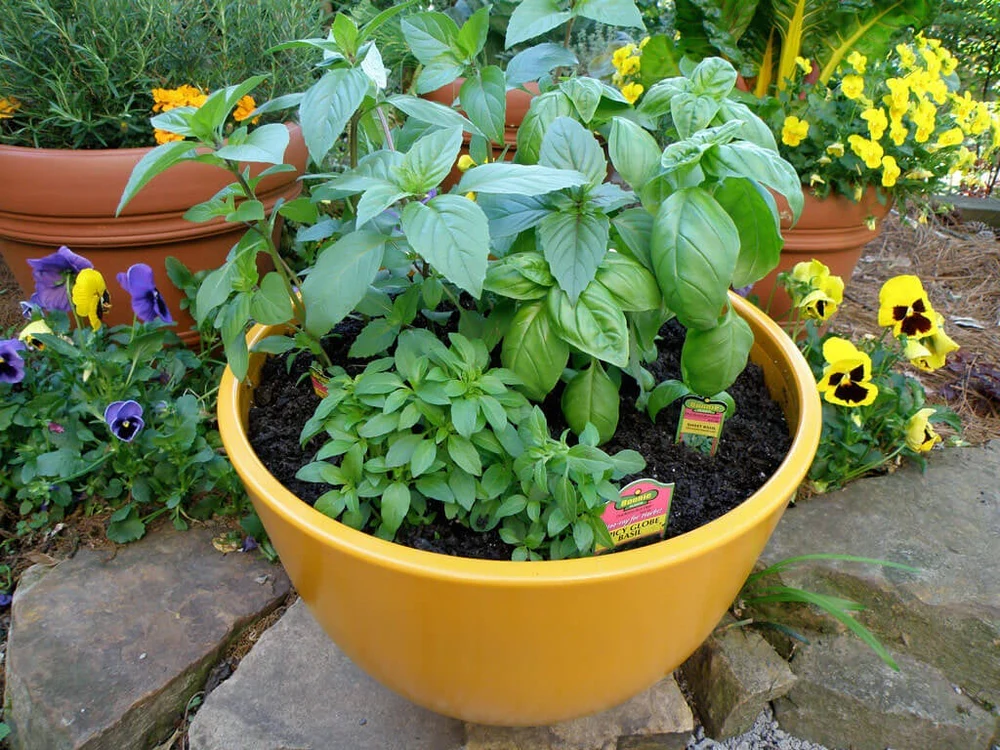
Basil is one of the easiest herbs to grow in America, whether you have a large backyard or just a sunny windowsill. Here’s a simple guide to cultivating this aromatic herb successfully.
1. Choosing the Right Spot
Basil loves sunlight. Choose a location that gets at least 6 to 8 hours of direct sunlight each day. Indoors, place pots near a sunny window or under a grow light.
2. Soil Preparation
Use well-draining, nutrient-rich soil with a slightly acidic to neutral pH (6.0–7.0). Mixing compost or organic matter will help basil thrive.
3. Planting
- From Seeds: Start indoors about 4–6 weeks before the last frost. Transplant seedlings outdoors once temperatures stay above 50°F.
- From Cuttings: Basil can also grow from cuttings—just place a 4-inch stem in water until roots form, then transfer it to soil.
4. Watering and Care
Basil likes moist but not soggy soil. Water regularly, especially in dry weather, and trim the top leaves to encourage bushier growth.
5. Harvesting
Harvest leaves frequently once the plant is about 6–8 inches tall. Always pinch off flower buds to keep the flavor fresh and prevent the plant from turning bitter.
With proper care, basil will continue producing lush, fragrant leaves all season long.
How to Preserve Basil
Fresh basil is best enjoyed right after picking, but you can easily preserve it for later use:
- Drying: Hang bunches upside down in a dark, dry place until crisp, then crumble and store in airtight jars.
- Freezing: Chop basil and mix with olive oil, then freeze in ice cube trays for quick flavor boosts.
- Pesto Preservation: Make fresh pesto and store it in the freezer for up to six months.
These methods keep your basil flavorful long after the growing season ends.
Cooking with Basil: Delicious Ideas for Every American Kitchen
Basil adds brightness and balance to countless dishes. Whether you’re making a weeknight dinner or entertaining guests, here are some classic and creative ways to use basil in your cooking:
1. Classic Pesto Sauce
A timeless Italian favorite that’s quick, easy, and packed with flavor.
Ingredients:
- 2 cups fresh basil leaves
- ½ cup olive oil
- ⅓ cup pine nuts (or walnuts)
- ½ cup grated Parmesan cheese
- 2 garlic cloves
- Salt to taste
Directions:
Blend all ingredients in a food processor until smooth. Use as a sauce for pasta, spread on sandwiches, or drizzle over grilled vegetables.
2. Caprese Salad
This simple, fresh salad celebrates the best of summer.
Ingredients:
- Fresh mozzarella slices
- Ripe tomatoes
- Fresh basil leaves
- Olive oil and balsamic glaze
Directions:
Layer tomato and mozzarella slices, tuck in basil leaves, and drizzle with olive oil and balsamic glaze.
3. Basil Lemonade or Iced Tea
Add a refreshing twist to summer beverages by infusing basil leaves into lemonade or iced tea.
4. Basil-Infused Olive Oil
Combine basil leaves and olive oil in a jar, let it infuse for a few days, and use it to flavor pasta, pizza, or salads.
5. Soups, Pizzas, and Pasta Dishes
Add chopped basil at the end of cooking tomato soups, pizzas, or pasta sauces for a burst of fresh aroma.
Basil in American Cuisine Today
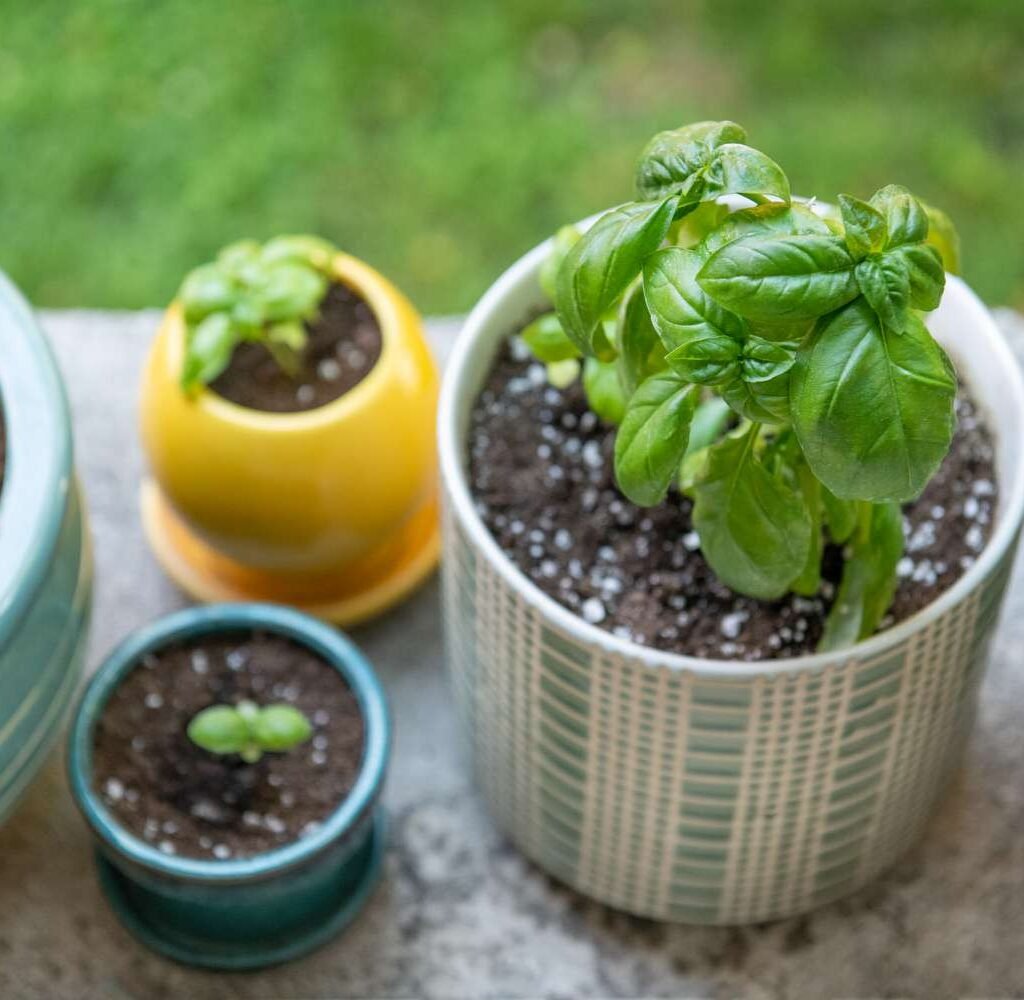
While basil is traditionally associated with Mediterranean dishes, it’s now an essential herb across modern American cuisine. From trendy farm-to-table restaurants to home kitchens, basil finds its way into everything from gourmet sandwiches and cocktails to vegan entrees and healthy smoothies.
Chefs and home cooks alike are experimenting with basil varieties—pairing Thai basil with Asian-inspired noodles or using lemon basil in seafood tacos. The herb’s versatility has made it a symbol of freshness and creativity in American cooking.
Fun Fact: Basil in American Culture
Did you know that basil is sometimes called the “royal herb”? The name comes from the Greek word basileus, meaning “king.” Many cultures believed basil symbolized love, prosperity, and protection—a fitting tribute to an herb that reigns supreme in both the garden and the kitchen.
Tips for Storing and Using Basil
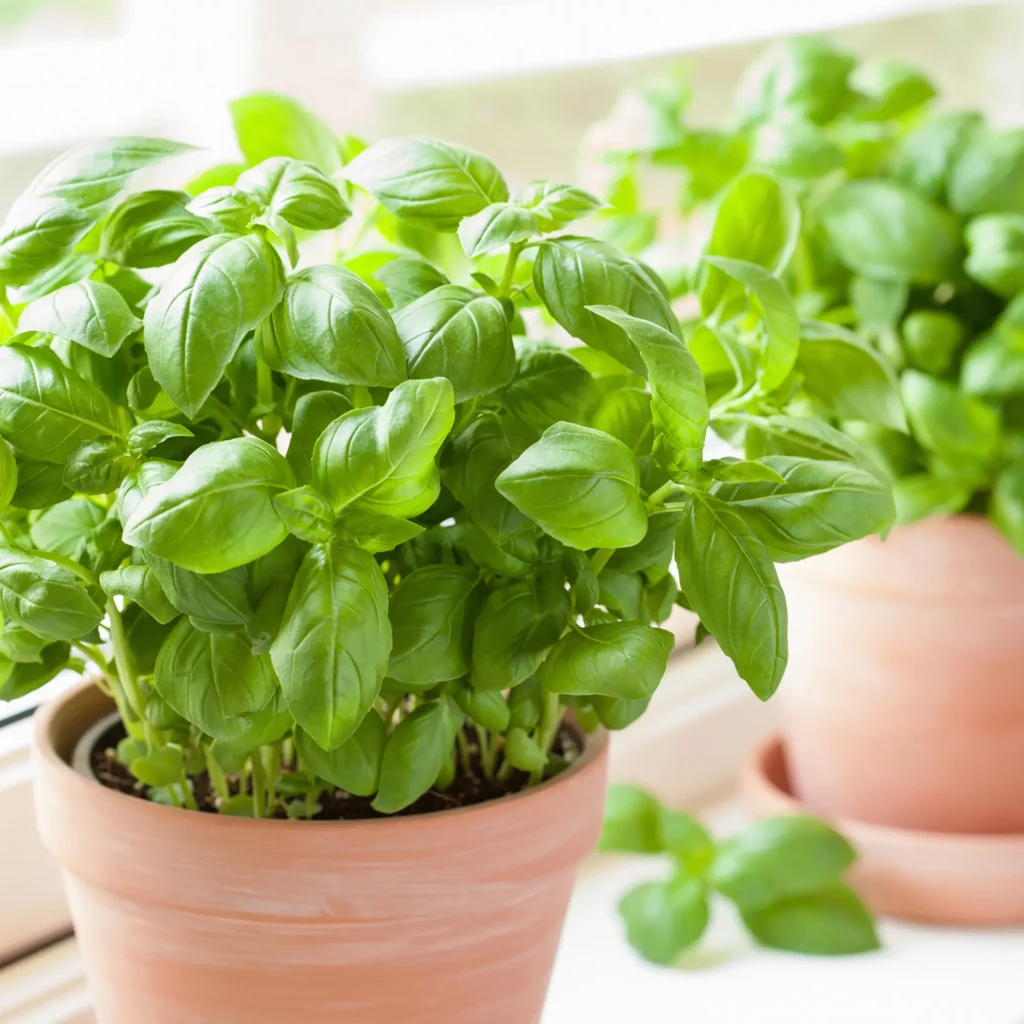
To keep basil fresh longer:
- Store stems in a glass of water at room temperature, like a bouquet.
- Avoid refrigerating unless absolutely necessary (cold can darken the leaves).
- Add basil at the end of cooking, as heat can dull its flavor.
By handling it gently, you’ll preserve its signature fragrance and vibrant green color.
Final Thoughts
Basil is more than just an herb—it’s a celebration of flavor, freshness, and simplicity. From its ancient roots to its modern-day popularity in American gardens and kitchens, basil continues to be a beloved ingredient that connects people to nature and to good food.
Whether you’re making a homemade pesto, topping a pizza, or growing your own herb garden, basil reminds us that the best ingredients are often the simplest ones. It’s aromatic, easy to grow, and endlessly versatile—an essential part of American culinary life.
So the next time you reach for fresh basil, take a moment to appreciate this royal herb that adds color, aroma, and a touch of magic to every meal.