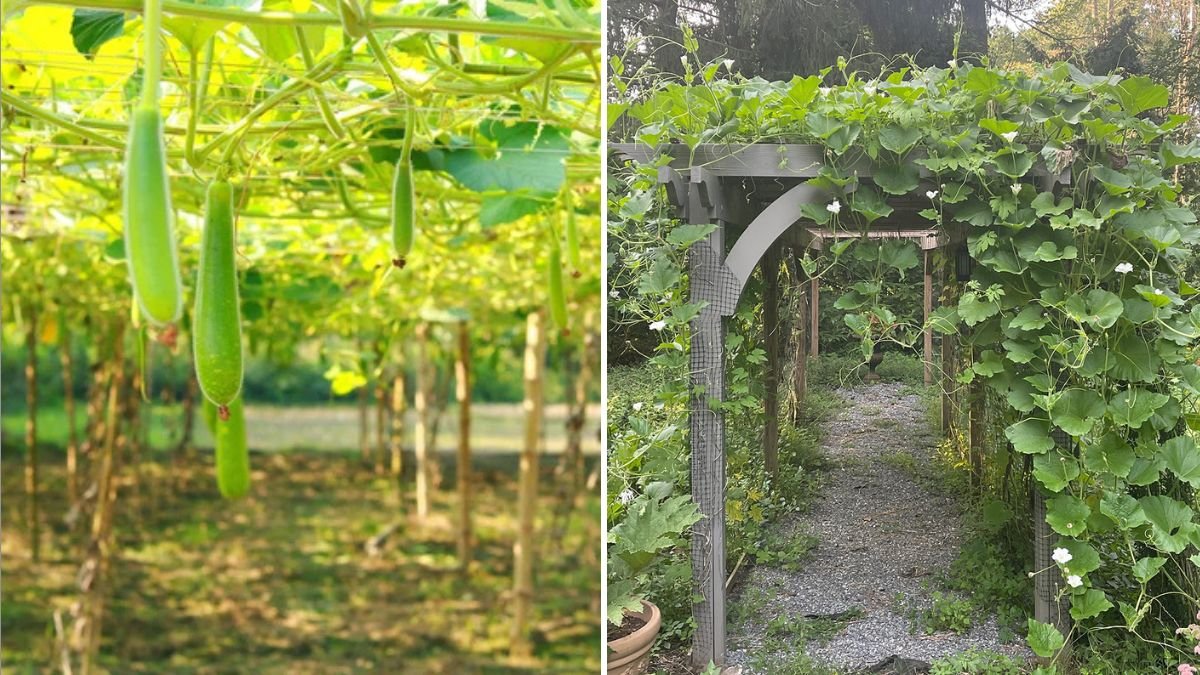
In recent years, American home gardeners and health-conscious eaters have started exploring vegetables that were once popular mainly in Asian and Mediterranean cuisines. One such vegetable making its quiet yet powerful comeback is bottle gourd—also known as calabash, lauki, or opo squash. This versatile, light-green vegetable has a long history of use in traditional diets for its cooling, hydrating, and healing properties.
Whether you’re a backyard gardener in California, a homesteader in Texas, or simply someone looking to add a new low-calorie, nutrient-rich vegetable to your diet, bottle gourd deserves a spot in your kitchen and garden. Let’s explore everything you need to know—from its health benefits and uses to how to grow it right at home.
What Is Bottle Gourd?

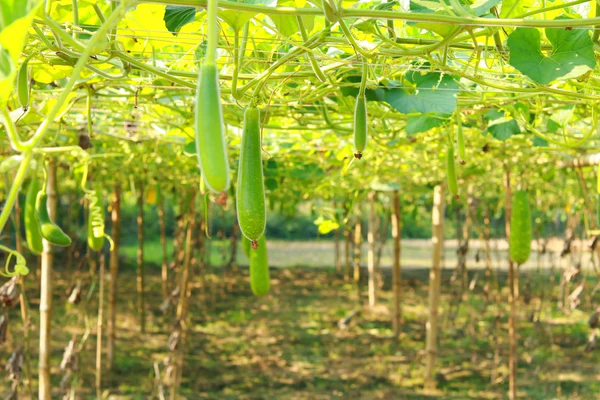
Bottle gourd (Lagenaria siceraria) is a member of the cucumber family (Cucurbitaceae). It’s a fast-growing vine that produces long, smooth, light-green fruits shaped like bottles or clubs—hence the name. The gourd’s tender flesh has a mild, refreshing taste, similar to summer squash, making it ideal for soups, stews, curries, and even desserts.
In America, bottle gourd is sometimes found in Asian or farmers’ markets, especially in states like California, Florida, and New York. It’s gaining attention among organic gardeners and those seeking diverse, global crops to grow locally.
Nutritional Profile: A Powerhouse of Hydration and Health
Bottle gourd is often referred to as a “slimming vegetable” or “detox squash” because of its impressive nutritional content. A 100-gram serving of bottle gourd contains:
- Calories: Only about 14
- Water content: Over 90%
- Fiber: 1.2 grams
- Vitamins: C, B-complex (especially B2 and B3)
- Minerals: Calcium, iron, magnesium, zinc, and potassium
Because it’s low in fat and cholesterol but high in fiber and water, it’s excellent for hydration, digestion, and weight management.

Health Benefits of Bottle Gourd
1. Supports Weight Loss
If you’re on a weight loss journey, bottle gourd should be on your plate. It’s extremely low in calories but high in fiber, which keeps you full longer and curbs cravings. A bottle gourd smoothie or soup makes a perfect light dinner or post-workout meal.
2. Boosts Digestion
Bottle gourd is gentle on the stomach and aids digestion. Its fiber content helps prevent constipation, while its natural cooling effect can soothe acidity and indigestion.
3. Promotes Heart Health
With its high potassium and low sodium levels, bottle gourd helps maintain healthy blood pressure. Regular consumption may also reduce cholesterol buildup, supporting better cardiovascular function.
4. Hydrates and Detoxifies the Body
Rich in water and electrolytes, bottle gourd keeps your body hydrated during hot summer months. It acts as a mild diuretic, flushing out toxins and supporting kidney health.
5. Improves Skin and Hair
The antioxidants and vitamins in bottle gourd nourish the skin and scalp. Regular consumption can help prevent acne, dullness, and dryness. Many natural beauty enthusiasts even use bottle gourd juice as a base for homemade face masks.
6. Supports Liver Health
Ayurvedic medicine has long recognized bottle gourd as a liver-friendly vegetable. It’s believed to help balance liver enzymes and reduce inflammation caused by fatty liver disease.

Culinary Uses: A Versatile Kitchen Ingredient
Bottle gourd’s mild flavor allows it to blend beautifully into both savory and sweet dishes. Here are some popular ways to use it in American kitchens:
1. Bottle Gourd Soup
Puree cooked bottle gourd with onions, garlic, and herbs for a light, creamy soup. Add a touch of coconut milk for a tropical twist.
2. Stir-Fried Bottle Gourd
Dice bottle gourd and sauté it with olive oil, cumin, and bell peppers. Serve with quinoa or rice for a quick, healthy meal.
3. Stuffed Bottle Gourd
Hollow out the gourd and fill it with spiced ground turkey or lentils, then bake until tender. This makes a hearty main course.
4. Bottle Gourd Smoothie
Blend raw bottle gourd with green apple, cucumber, mint, and lemon juice for a refreshing morning detox drink.
5. Bottle Gourd Dessert (Lauki Halwa)
Grate and cook the gourd with milk, sugar, and ghee until thickened—similar to rice pudding. Add nuts and cardamom for a comforting dessert with a healthy twist.

How to Grow Bottle Gourd in Your American Garden
Bottle gourd is a warm-season crop that thrives in sunny locations across the U.S., especially in USDA zones 8–11. Here’s a step-by-step guide for home gardeners:
1. Choose the Right Location
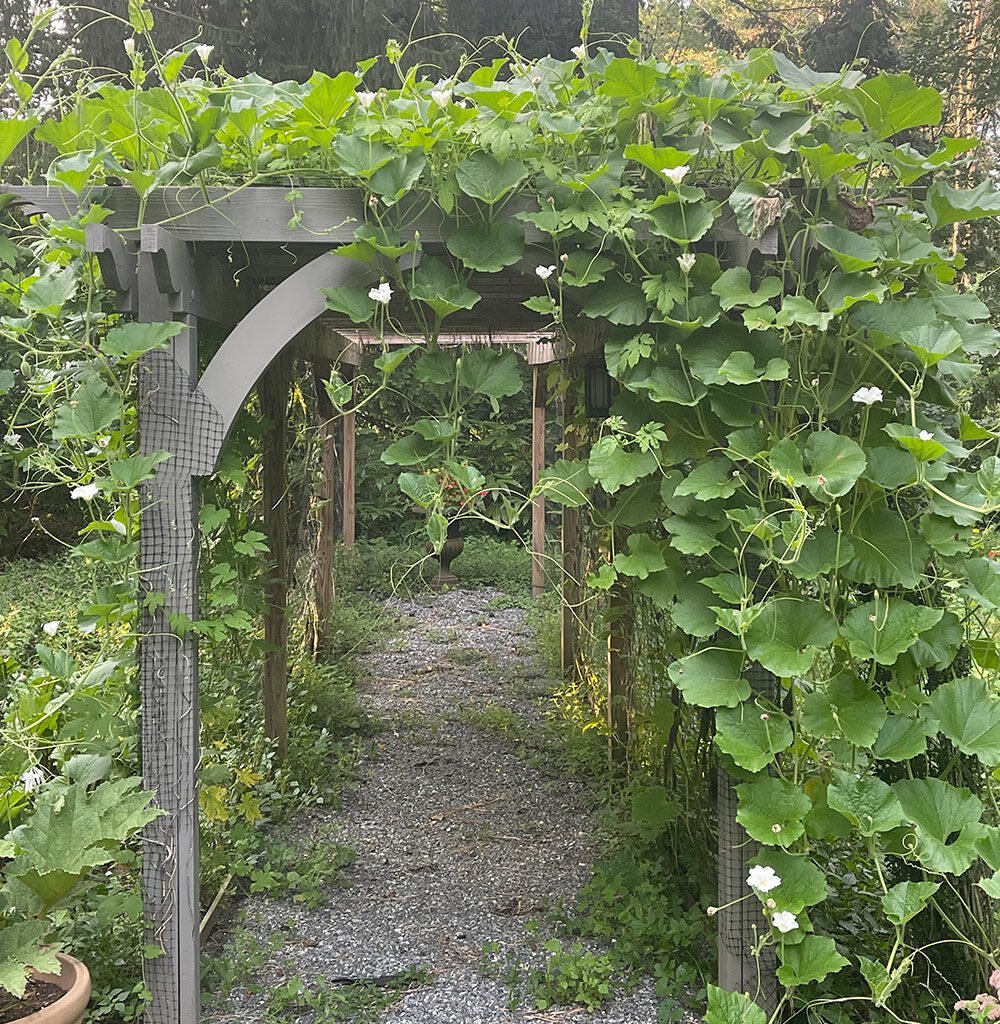
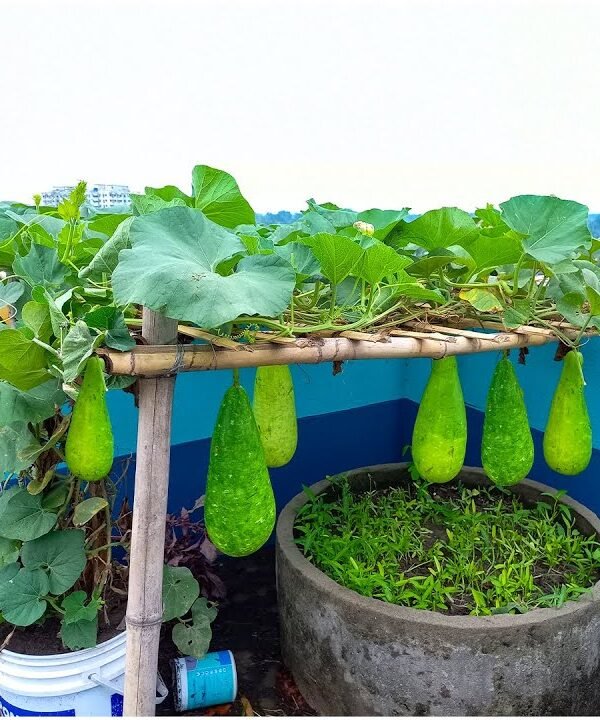
Pick a sunny spot with at least 6–8 hours of direct sunlight daily. Bottle gourd vines need space to spread, so plan for vertical or trellis support.
2. Prepare the Soil
Bottle gourd prefers well-drained, fertile soil with a pH between 6.0 and 7.5. Mix in compost or aged manure before planting to boost nutrients.
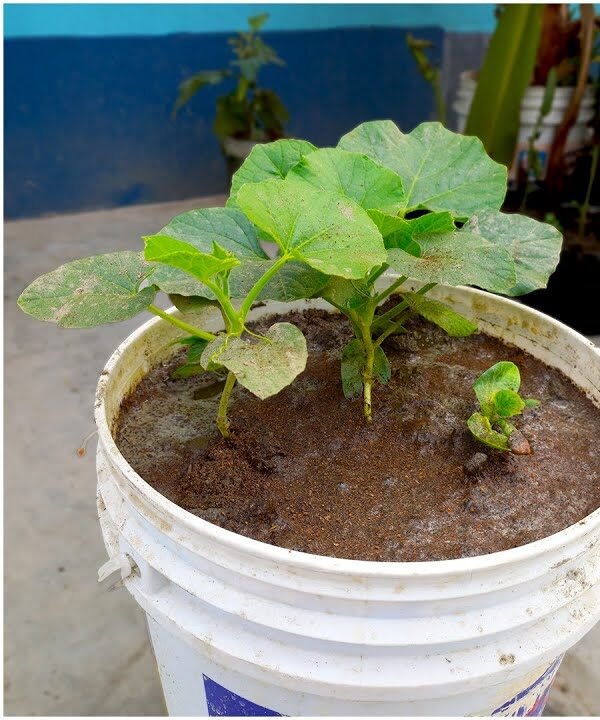
3. Start Seeds Indoors
In cooler climates, start seeds indoors 3–4 weeks before the last frost. Transplant them outdoors once nighttime temperatures remain above 55°F.
4. Water Regularly
Keep the soil evenly moist but not waterlogged. Mulching around the base helps retain moisture and prevent weeds.
5. Train the Vines
Provide a trellis or fence for the vines to climb. This prevents the fruits from touching the soil and reduces the risk of rot or pests.

6. Fertilize Occasionally
Feed your plants with a balanced organic fertilizer every 3–4 weeks during the growing season.
7. Harvest at the Right Time
Harvest bottle gourds when they’re young and tender—around 10–12 inches long. Older gourds become fibrous and less flavorful.
Common Problems and How to Fix Them
Like other members of the squash family, bottle gourd can be susceptible to a few pests and diseases:
- Aphids & whiteflies: Use neem oil spray or insecticidal soap.
- Powdery mildew: Avoid overhead watering and ensure good airflow.
- Fruit rot: Improve drainage and avoid letting fruits sit on wet soil.
Keeping your garden clean and rotating crops each season helps prevent recurring problems.
Fun Fact: The Dual Life of Bottle Gourd
Beyond its culinary use, bottle gourd has been used for centuries as a craft material. When fully matured and dried, the outer shell hardens and can be carved or painted to make bowls, water bottles, birdhouses, and even musical instruments. This eco-friendly tradition is regaining popularity among sustainable living enthusiasts across America.
Where to Buy Bottle Gourd in the U.S.
If you’re not ready to grow your own, you can find bottle gourd at:
- Local Asian or Indian grocery stores
- Farmers’ markets with global produce sections
- Online retailers like Amazon, Seed Savers Exchange, or Baker Creek Heirloom Seeds (for seeds and starter plants)
When shopping, choose gourds that are firm, light green, and free from blemishes. Store them in the refrigerator for up to a week.
Final Thoughts: Why Bottle Gourd Belongs in Your Life
From its impressive health benefits and culinary versatility to its ease of cultivation, bottle gourd is truly one of nature’s underrated gifts. It’s a vegetable that hydrates, nourishes, and heals—all while being low in calories and high in goodness.
As Americans continue embracing global ingredients and home gardening, bottle gourd is poised to become the next big backyard success story. So, whether you’re planting your first garden or experimenting in the kitchen, this simple, green vegetable might just surprise you with its power to transform your meals—and your health.