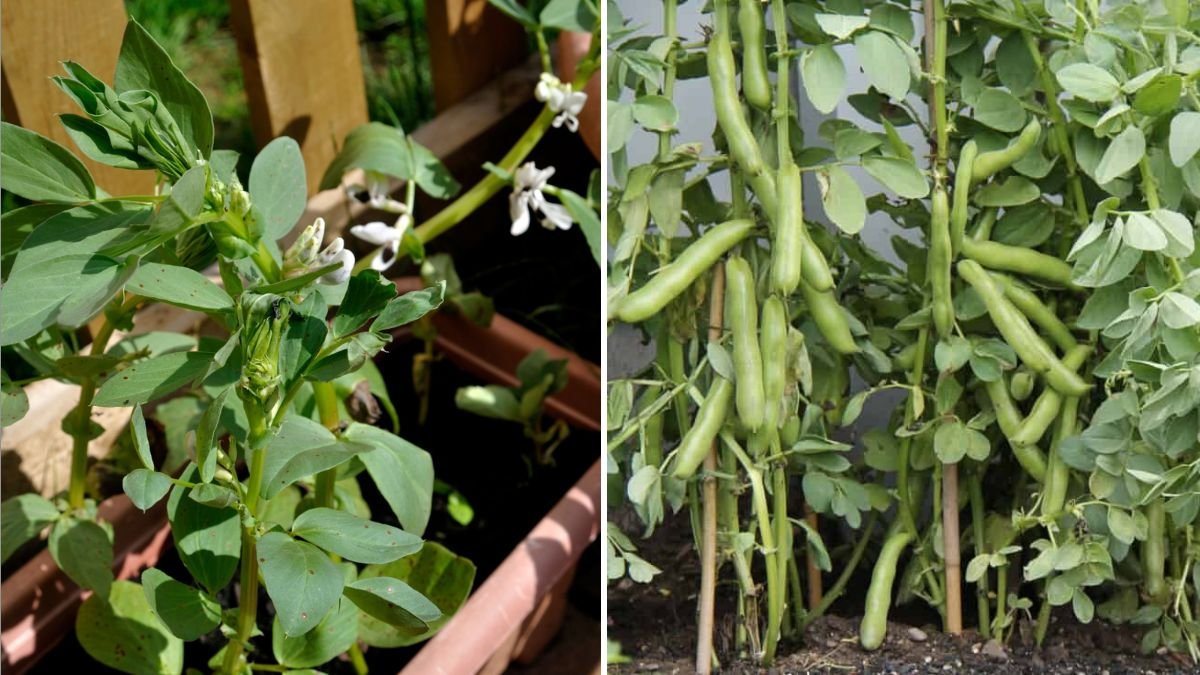
If you’re looking to grow a crop that’s both nutrient-rich and rewarding, it’s time to rediscover the magic of broad beans, also known as fava beans. These ancient legumes have been cherished for centuries across Europe, the Middle East, and Asia—but they’re now making a strong comeback in American home gardens and kitchens.
With their buttery texture, earthy flavor, and impressive nutritional profile, broad beans offer a unique twist to your spring and fall harvests. Whether you’re a backyard gardener in California or tending raised beds in New England, these beans thrive in cooler weather and provide fresh produce long before most summer crops.
Let’s dive into everything you need to know—from planting and growing broad beans to their incredible health benefits and delicious culinary uses.
What Are Broad Beans?
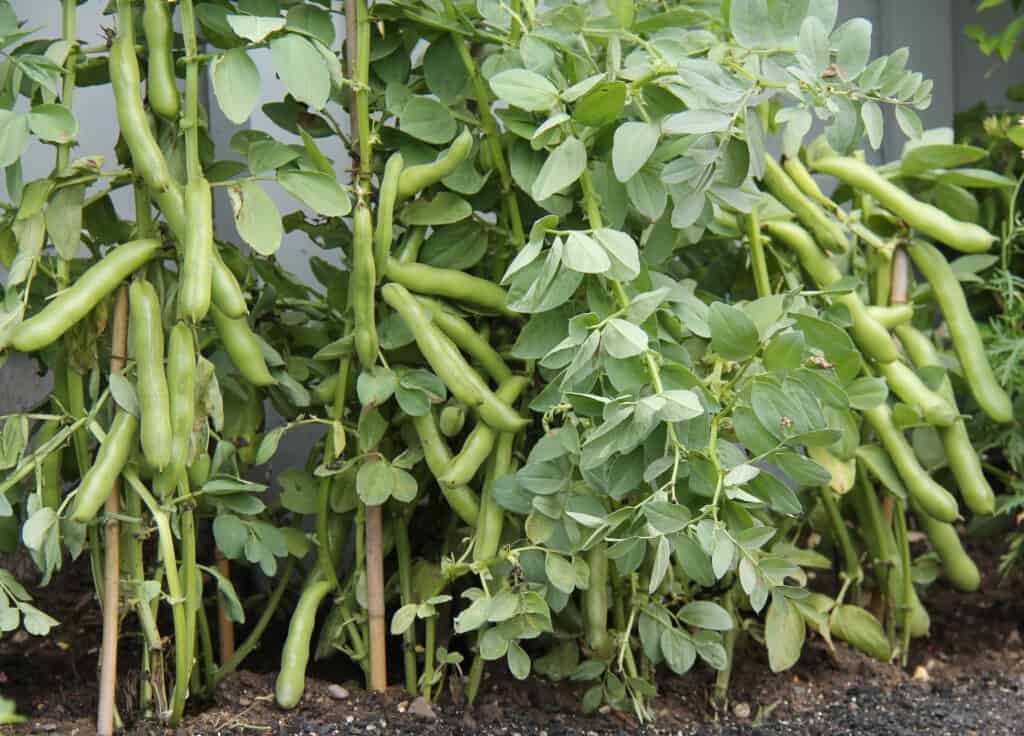
Broad beans (Vicia faba), often called fava beans in the United States, are a type of cool-season legume known for their large, flat pods and protein-packed seeds. Unlike green beans, which are harvested for their tender pods, broad beans are valued for their nutty, creamy seeds inside.
These hardy plants can withstand cooler temperatures better than most beans, making them ideal for early spring or fall planting. Their sturdy stalks grow about 2–4 feet tall, and each pod contains 4–8 beans that can be eaten fresh, dried, or frozen.
Common varieties grown in the U.S. include ‘Aquadulce Claudia,’ ‘Windsor,’ ‘Broad Windsor,’ and ‘Stereo.’
Nutritional Value: A Powerhouse of Protein and Vitamins
Broad beans are a superfood in every sense. They are rich in essential nutrients and provide an excellent plant-based protein source for vegetarians and vegans alike.

Per 100 grams of cooked broad beans:
- Calories: 110
- Protein: 8 grams
- Fiber: 6 grams
- Carbohydrates: 19 grams
- Fat: <1 gram
- Vitamins: Folate, Vitamin B1 (Thiamine), Vitamin K, and Vitamin C
- Minerals: Iron, Magnesium, Potassium, and Manganese
Because they’re low in fat and cholesterol-free, broad beans make an excellent addition to a heart-healthy diet.
Health Benefits of Broad Beans
1. Rich in Plant-Based Protein
Broad beans are one of the best vegetarian protein sources, helping build and repair body tissues. This makes them a great alternative to meat for those following plant-based diets.
2. Supports Heart Health
The combination of fiber, magnesium, and potassium helps lower blood pressure and cholesterol, reducing the risk of heart disease.
3. Promotes Healthy Digestion
High fiber content promotes healthy digestion and helps maintain a balanced gut microbiome, preventing constipation and bloating.
4. Boosts Energy and Immunity
Broad beans are rich in iron and folate, nutrients essential for red blood cell formation and preventing fatigue or anemia. They also provide Vitamin C to strengthen the immune system.
5. Helps in Weight Management
Low in calories but high in fiber and protein, broad beans keep you full longer and curb unnecessary snacking.

6. May Improve Bone Strength
Magnesium, manganese, and vitamin K found in broad beans play an important role in maintaining strong bones.
How to Grow Broad Beans in America
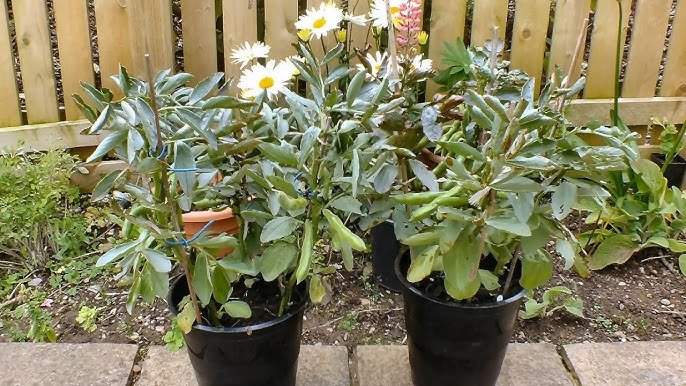
Growing broad beans is easier than you might think. They thrive in cool weather and are among the first crops you can plant in the spring.
1. Best Planting Time
In most U.S. regions, broad beans are planted in early spring (February–April) or in fall (September–November) in milder climates like the Pacific Northwest or California.
2. Soil Preparation
Choose well-drained, fertile soil with a pH between 6.0 and 7.5. Add compost or aged manure before planting to enrich the soil. Broad beans don’t need heavy fertilization because they fix nitrogen naturally, improving soil fertility.
3. Planting the Seeds
- Sow seeds 1–2 inches deep and 6 inches apart.
- Space rows about 18–24 inches apart.
- If you live in a region with strong winds, provide light staking or support to prevent plants from bending.
4. Watering and Care
Keep the soil consistently moist, especially during flowering and pod development. Avoid overwatering, which can cause root rot. Mulching helps retain soil moisture and suppress weeds.
5. Pollination
Broad beans are partially self-pollinating but also benefit from bee activity, so avoid pesticide use during flowering.
6. Harvesting
Harvesting time depends on how you plan to use the beans:

- For young pods: Pick when the pods are 3–4 inches long and still tender.
- For mature beans: Wait until pods are plump but still green.
- For dried beans: Leave pods on the plant until they turn brown and dry.
Common Problems and Solutions
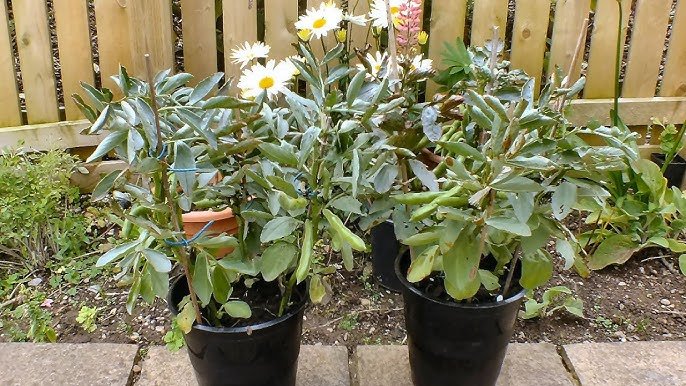
Even though broad beans are hardy, they can face a few issues. Here’s how to handle them effectively:
- Aphids: These small pests often cluster on young shoots. Control them by spraying a mix of water and mild soap or using neem oil.
- Chocolate Spot Disease: A fungal disease that causes brown spots on leaves. Avoid overhead watering and ensure good airflow between plants.
- Rust: Another fungal issue that causes orange pustules on leaves. Remove affected leaves and rotate crops each year.
- Blackfly Infestation: Common in late spring. Pinch out the top of plants when flowers appear to discourage blackflies.
Good garden hygiene and proper watering practices go a long way toward preventing these problems.
Cooking with Broad Beans: Delicious and Versatile
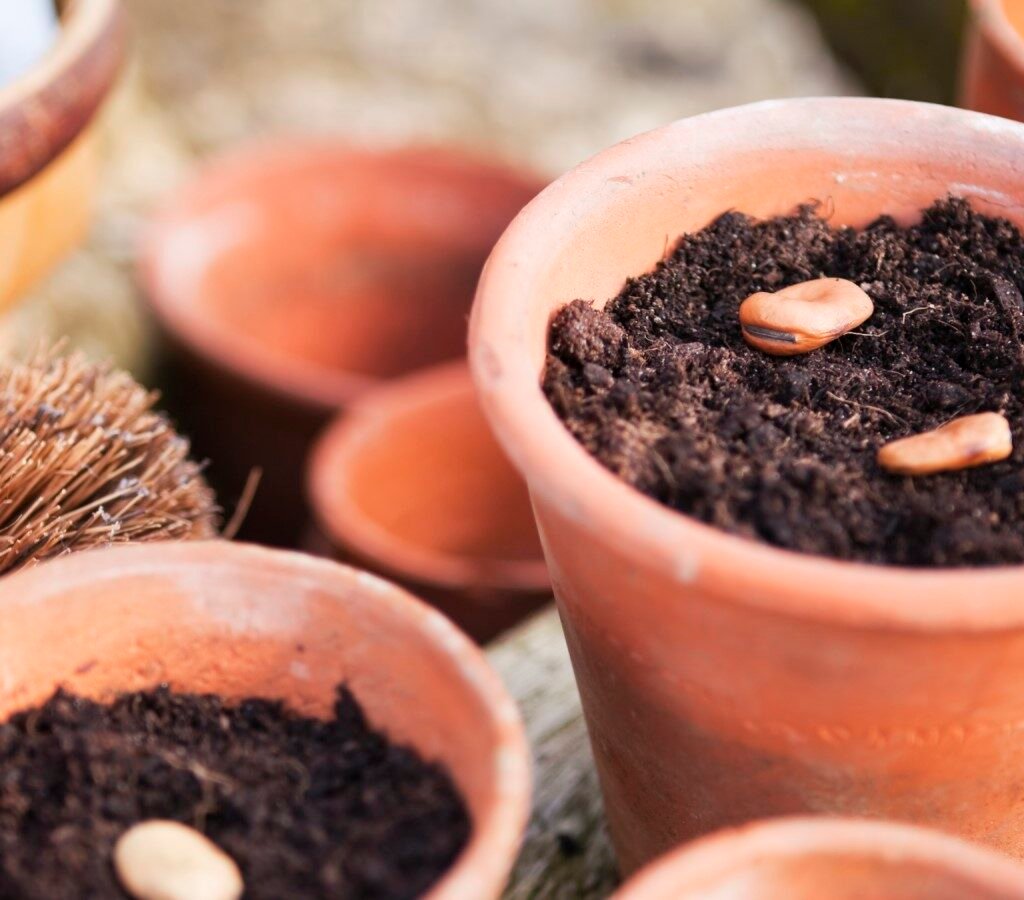
Broad beans have a mildly sweet, nutty flavor and a creamy texture when cooked. They’re incredibly versatile in American kitchens, adding protein and flavor to many dishes.
Here are some tasty ideas to try:
1. Sautéed Broad Beans with Garlic and Olive Oil
After blanching the beans, sauté them in olive oil with minced garlic, lemon juice, and a pinch of salt. A simple yet flavorful side dish.
2. Broad Bean Hummus
Swap chickpeas for broad beans to make a fresh, green hummus. Blend cooked beans with tahini, garlic, lemon juice, and olive oil. Serve with pita or veggies.
3. Broad Bean Salad
Combine broad beans with feta cheese, cherry tomatoes, and fresh mint for a Mediterranean-inspired salad. Perfect for a summer barbecue or picnic.

4. Broad Bean Soup
Puree cooked broad beans with onions, garlic, vegetable broth, and herbs for a creamy, comforting soup that’s perfect for cool evenings.
5. Pasta with Broad Beans and Parmesan
Add sautéed broad beans to a pasta dish with olive oil, grated parmesan, and a sprinkle of chili flakes for a light, healthy meal.
6. Grilled Broad Beans in the Pod
Toss whole pods in olive oil and grill until lightly charred. Squeeze them open and enjoy the beans as a finger food appetizer.
Preserving Broad Beans
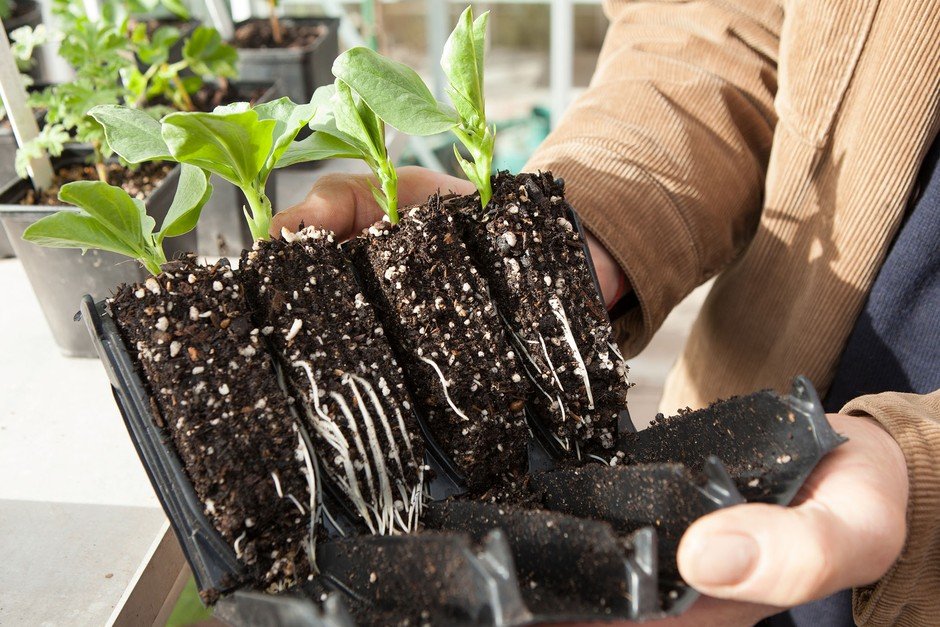
If you have a bountiful harvest, don’t worry—broad beans preserve beautifully.
- Freezing: Blanch shelled beans in boiling water for 2 minutes, cool in ice water, drain, and freeze in airtight bags.
- Drying: Let mature pods dry on the plant, then shell and store the beans in airtight jars. Dried beans can last up to a year.
- Canning: Pressure canning cooked beans is another great option for long-term storage.
Sustainability and Soil Benefits
Broad beans are not only great for you—they’re great for the planet. As nitrogen-fixing plants, they naturally enrich the soil, reducing the need for synthetic fertilizers. Many gardeners plant them as a cover crop to improve soil structure and fertility.
Additionally, broad bean flowers attract pollinators, making them a fantastic companion plant for other vegetables like carrots, spinach, and lettuce.
Fun Facts About Broad Beans
- Broad beans have been cultivated for over 6,000 years and were a staple food in ancient Egypt, Greece, and Rome.
- In the U.S., they are more commonly known as fava beans, especially in Italian and Mediterranean cuisine.
- They are one of the few beans that grow well in cool climates, making them perfect for northern states.
- Each plant can yield up to 15 pods, ensuring a generous harvest even from a small garden bed.
Buying and Storing Fresh Broad Beans
When buying fresh broad beans from the farmers’ market or grocery store:
- Look for firm, bright green pods with no brown spots.
- Avoid pods that feel soft or show signs of yellowing.
Store unshelled beans in the refrigerator for up to 5 days. Once shelled, store the beans in an airtight container for 2–3 days or freeze them for later use.
Conclusion: Why Broad Beans Deserve a Spot in Your Garden
Broad beans are a nutrient-dense, sustainable, and easy-to-grow crop that fits perfectly into the American gardening lifestyle. Whether you’re growing them for their rich flavor, beautiful flowers, or soil-improving abilities, broad beans deliver on all fronts.
They’re an early-season delight, a protein-packed ingredient, and a natural soil enhancer—all in one plant. From farm-to-table enthusiasts to weekend gardeners, broad beans offer a fulfilling and flavorful gardening experience.
So, this season, plant a few rows of broad beans and watch your garden thrive. When harvest time comes, you’ll have fresh, delicious beans ready for soups, salads, and savory dishes that bring a touch of the Mediterranean to your American kitchen.