7 Trees You Should Never Plant Near Driveways, According to Experts

7 Trees You Should Never Plant Near Driveways, According to Experts

Your driveway is more than a path for your car—it’s one of the most visible and functional parts of your home’s landscape. However, the wrong tree nearby can turn this practical space into a costly maintenance headache. From cracked pavement to stained surfaces and falling limbs, certain trees are notorious for causing damage or creating constant mess when planted too close.

To help you make smart landscaping decisions, here are 7 trees that experts strongly recommend avoiding near driveways, along with the reasons they’re problematic—and what you can plant instead.


Why Trees Can Be Problematic Near Driveways
Planting trees close to driveways may seem harmless at first, but over time, their natural growth patterns can lead to significant issues. Common problems include:

  • Shallow or aggressive root systems that lift and crack concrete or asphalt.
  • Heavy or brittle branches that may fall and damage vehicles.
  • Messy fruits, seeds, or leaves that create constant maintenance work or slip hazards.
  • Fast, unpredictable growth that quickly overtakes space you hadn’t planned for.

Avoiding these issues starts with selecting the right species and planting them at safe distances.


1. Silver Maple (Acer saccharinum)
Why It’s a Problem:

Silver maples are fast-growing trees known for their large size and beautiful shade. But their roots grow aggressively and stay near the surface, often breaking through concrete and lifting pavement. Over time, this can ruin your driveway and lead to expensive repairs.

Additionally, silver maples produce large amounts of winged seeds (known as samaras or “helicopters”) that litter driveways in spring. The tree’s wood is also soft and brittle, making it prone to breakage during storms.

Expert Advice:

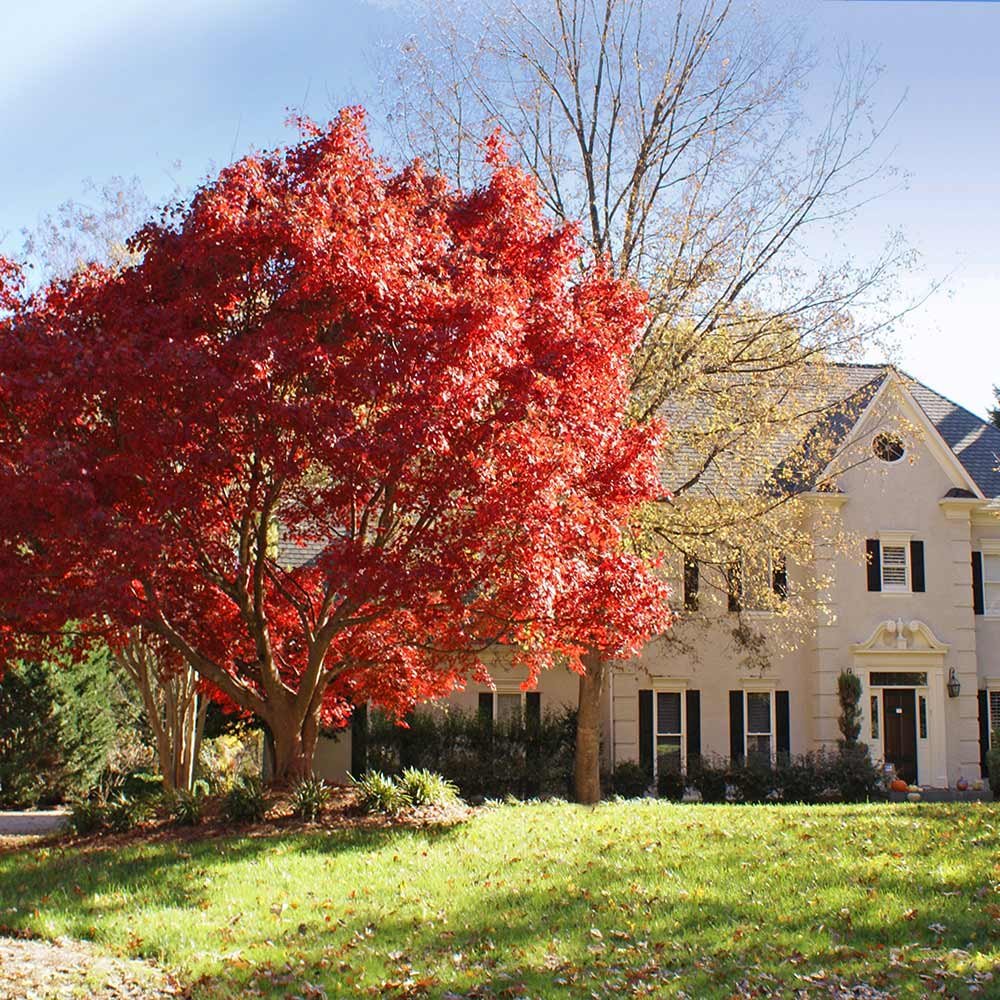
If you love the look of a maple, opt for a red maple or sugar maple planted at a safe distance—at least 30–40 feet from paved surfaces.


2. Sweetgum (Liquidambar styraciflua)
Why It’s a Problem:

Sweetgum trees are known for their beautiful fall foliage, but they drop hard, spiky seed pods (commonly called “gumballs”) that are a nuisance. These gumballs accumulate in large quantities and can damage car tires, cause slipping hazards, and require constant cleanup.

Their root systems can also crack sidewalks and driveways as they mature, especially in compact urban spaces.

Expert Advice:

If you like sweetgum trees, look for seedless cultivars or plant them far away from hardscape areas.


3. Bradford Pear (or Callery Pear)

Why It’s a Problem:

Although once widely planted for their attractive spring flowers and symmetrical shape, Bradford pears have fallen out of favor for many reasons.

They have a notoriously weak branch structure, often forming narrow, V-shaped angles that break easily under wind, ice, or heavy rain. These falling branches can land on cars or block driveways. Over time, the tree becomes more prone to splitting apart entirely. Also, their flowers emit a strong odor and the fallen petals litter driveways.

Expert Advice:

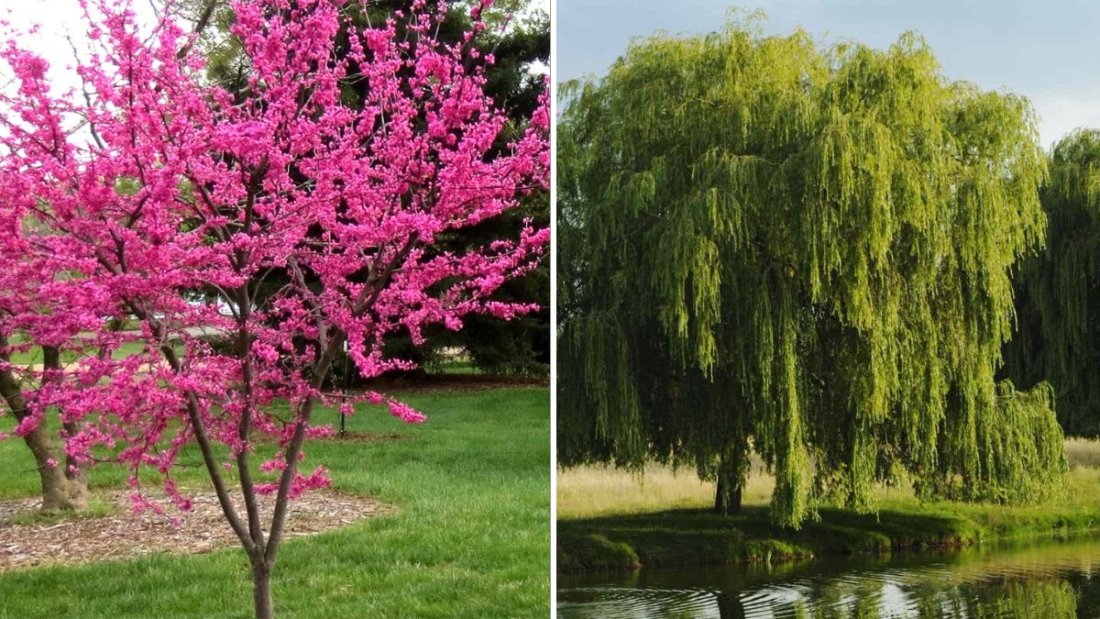
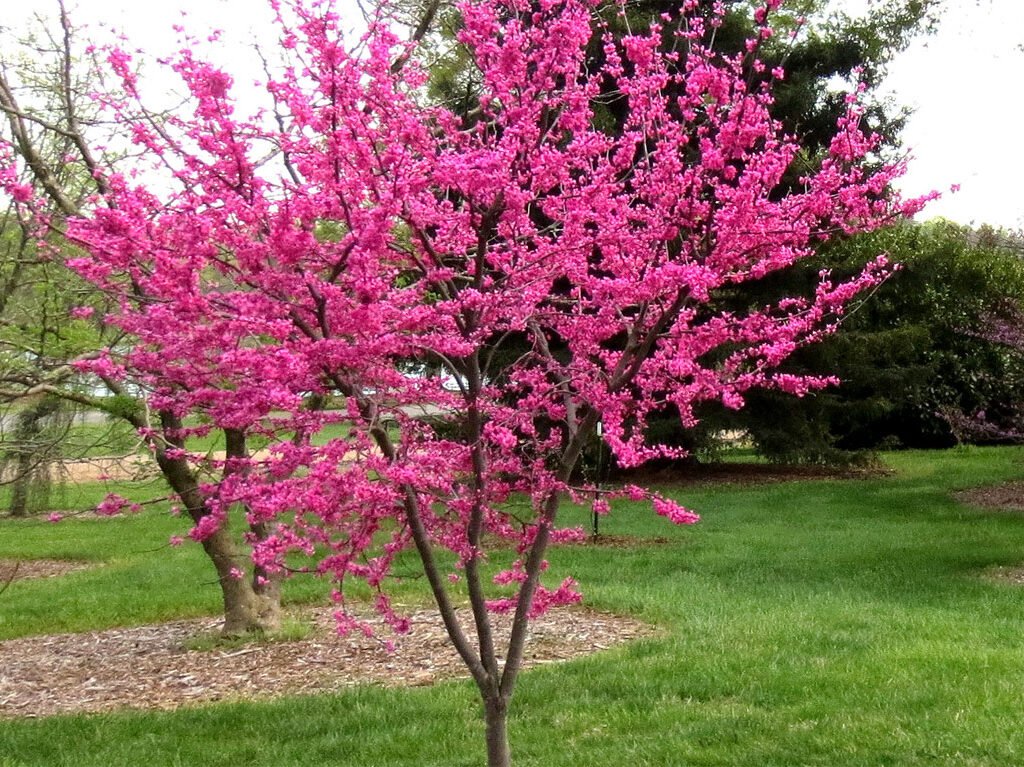
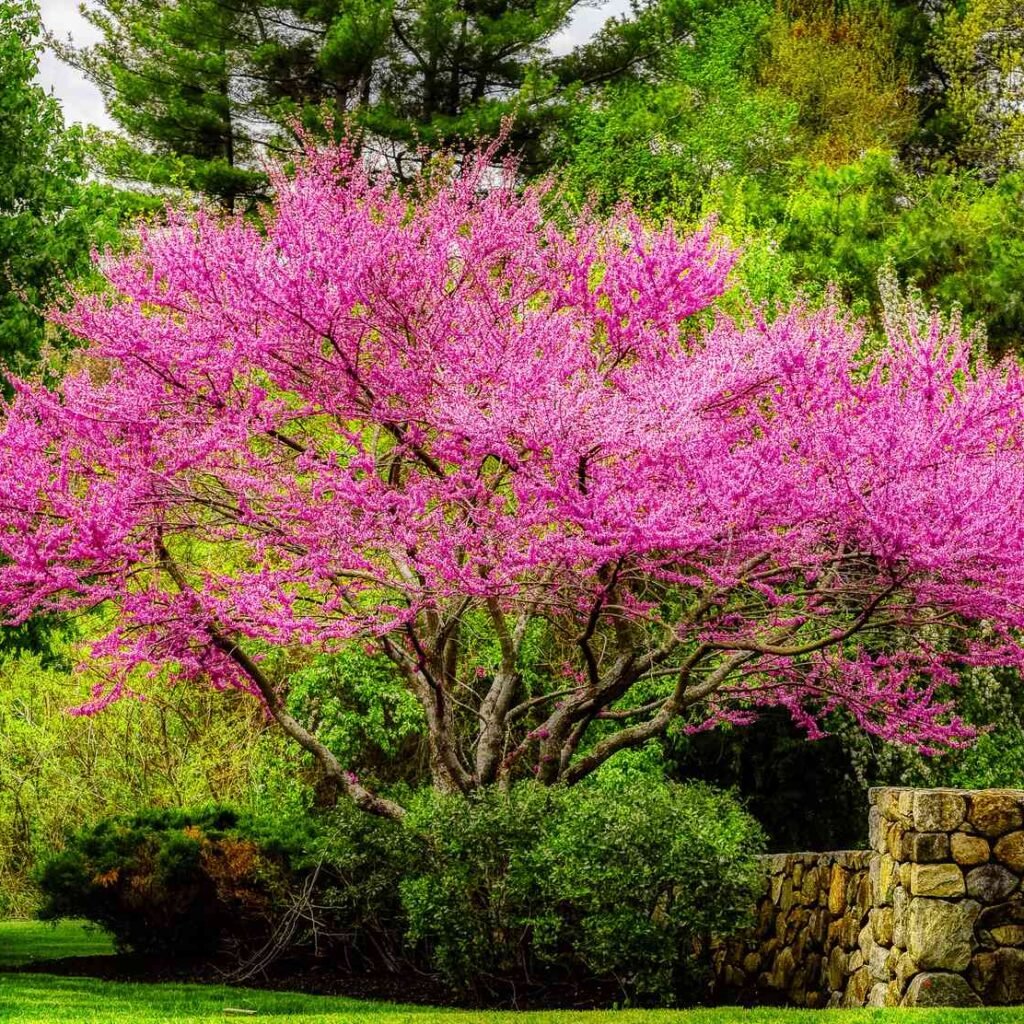
Skip Bradford pear varieties and instead consider serviceberry or redbud trees, which offer beautiful blooms without the structural problems.


4. Elm Trees (Various Species, e.g. Ulmus americana)
Why It’s a Problem:

Many elm species have aggressive root systems that grow horizontally near the soil surface. These roots can damage driveways, sidewalks, and even house foundations. While newer disease-resistant cultivars exist, their root behavior hasn’t changed much.

Also, elms can produce a large volume of seeds, twigs, and leaves that accumulate rapidly in spring and fall, increasing cleanup duties around the driveway.

Expert Advice:

If you like the elegant form of elms, look for smaller ornamental species or plant disease-resistant hybrids at least 25–30 feet from any hardscapes.


5. Mulberry Trees (Morus alba and others)

Why It’s a Problem:

Mulberries are fast-growing, messy, and invasive in many areas. Their root systems are aggressive and can damage underground infrastructure, driveways, and pavement.

But the bigger issue? Their fruit. Mulberry trees drop juicy berries that stain concrete, cars, and anything they touch. These berries also attract birds, which adds to the mess with droppings and scattered fruit remains.

Expert Advice:

Avoid mulberries if your driveway is nearby. If you must plant one, go with a fruitless variety and give it a wide buffer zone—ideally 40 feet from your driveway or home.


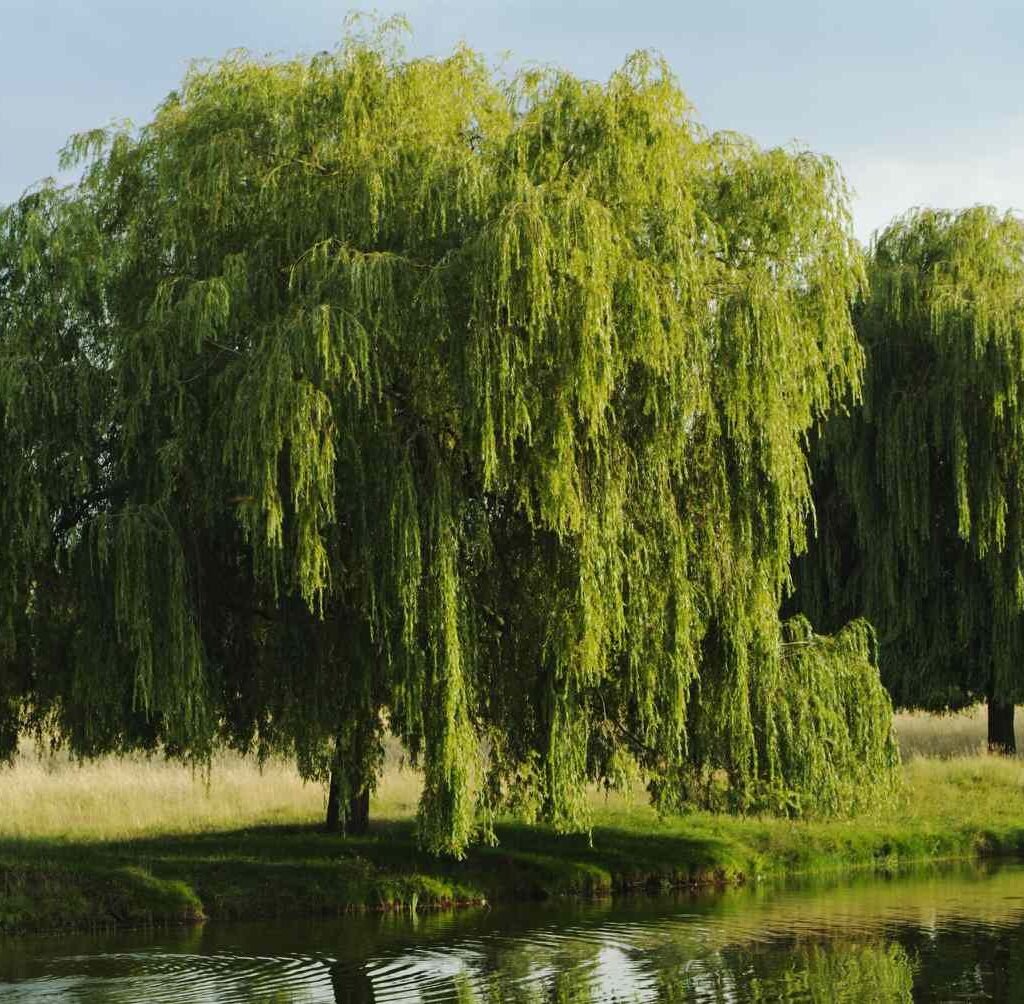
6. Weeping Willow (Salix babylonica)
Why It’s a Problem:

The weeping willow is known for its dramatic appearance and fast growth—but also for its extremely aggressive root system. Willows seek out moisture with determination, and their roots often find water sources under driveways, septic tanks, or irrigation lines, causing serious damage.

Additionally, their long, drooping branches create extra maintenance due to leaf litter and can block sightlines or grow too close to vehicles.

Expert Advice:

Weeping willows need lots of open space. Plant them far from driveways, foundations, and underground pipes—at least 50 feet away, if possible.


7. Poplars and Cottonwoods (e.g. Populus deltoides)

Why They’re a Problem:

Poplars and cottonwoods are some of the fastest-growing trees around. Unfortunately, they also have some of the most destructive root systems. Their large, shallow roots spread aggressively and can break through concrete, lift sidewalks, and damage driveways.

Cottonwoods also release fluffy seeds that look like cotton—while pretty in the air, these seeds clog drains and coat cars and driveways.

Expert Advice:

These trees are better suited to open fields or large properties. Avoid planting them near any structure or paved surface.


Key Takeaways and Better Alternatives

Summary of Trees to Avoid Near Driveways:

Tree NameProblem
Silver MapleSurface roots, brittle limbs
SweetgumMessy seed pods, invasive roots
Bradford PearWeak limbs, invasive tendencies
ElmRoot damage, litter
MulberryStaining fruit, aggressive roots
Weeping WillowMoisture-seeking roots, drooping limbs
Poplars/CottonwoodsRapid root spread, debris

Smart Alternatives to Consider

If you’re looking for trees to plant near a driveway, choose species that have:

  • Deep, non-invasive roots
  • Strong wood and branch structure
  • Minimal fruit or litter
  • Manageable size and growth rate

Good Alternatives Include:

  • Crape Myrtle – A small ornamental tree with beautiful flowers and a tidy form.
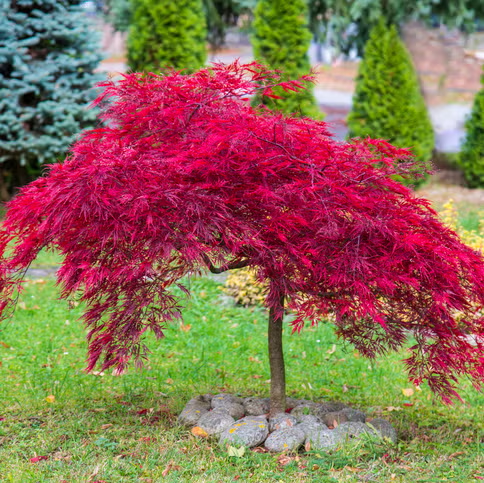
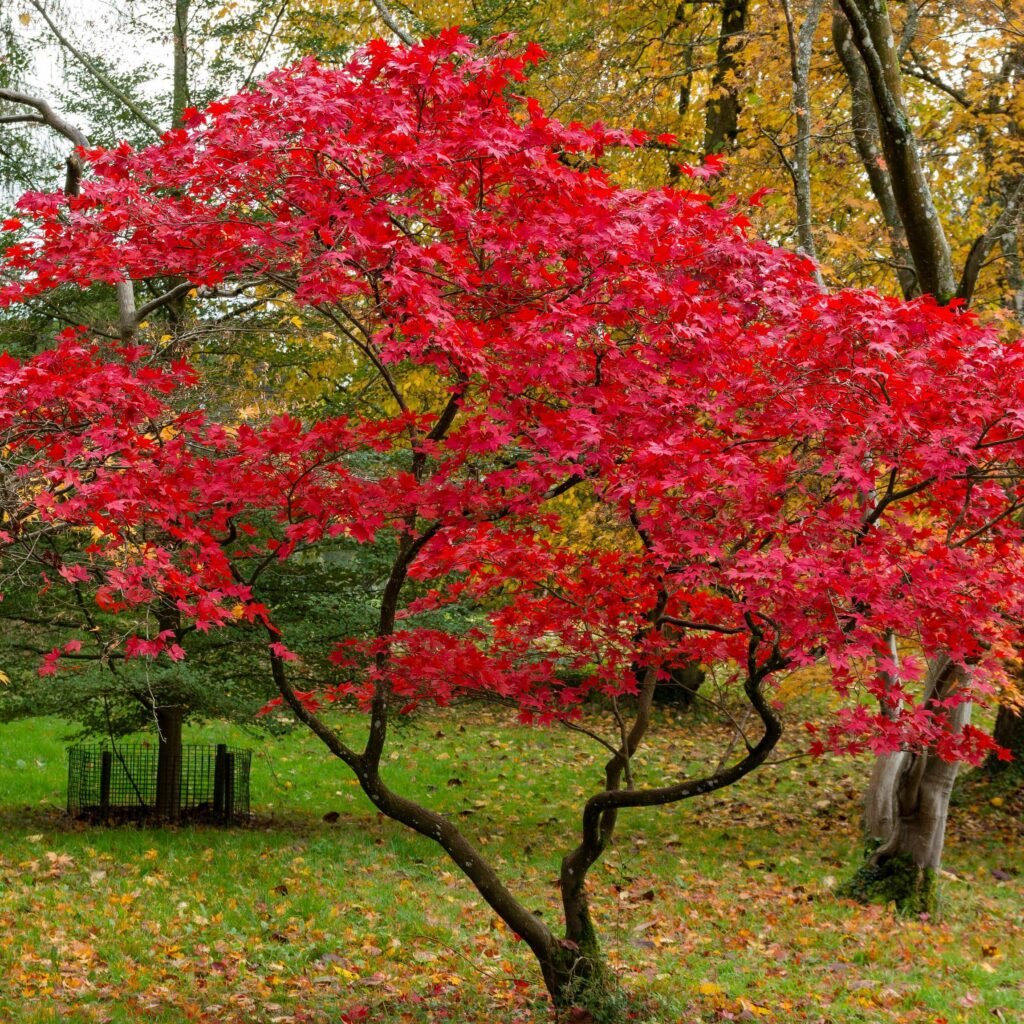
  • Japanese Maple – Compact size, attractive foliage, and non-invasive roots.
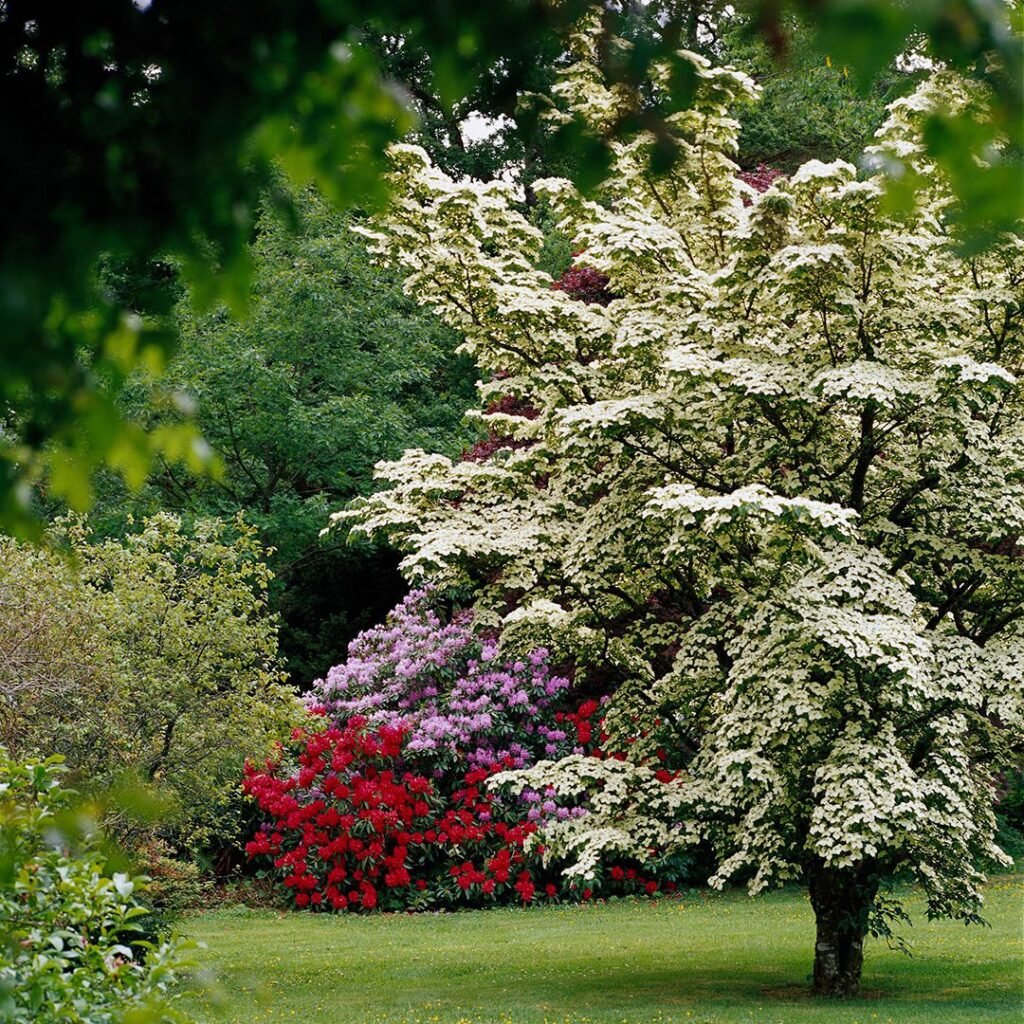
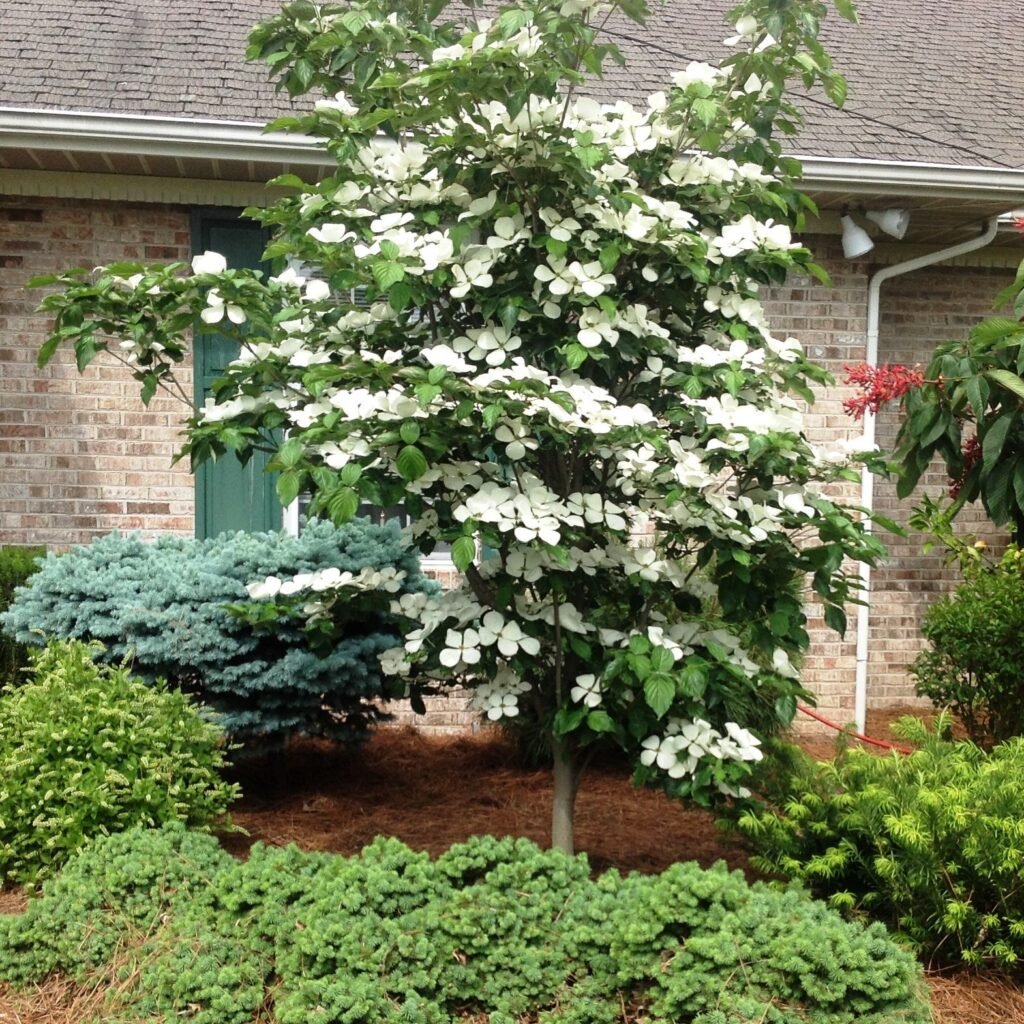
  • Dogwood – Offers seasonal blooms with minimal debris.
  • Amur Maple – Smaller size with vibrant fall color.
  • Eastern Redbud – Excellent choice for color, pollinators, and tidy growth habit.

Tips for Tree Planting Near Driveways

If you still want trees near your driveway, follow these tips to minimize risk:

  1. Know the mature size of the tree. Don’t rely on how big it is when you buy it.
  2. Plant at least as far from the driveway as the tree’s mature canopy spread.
  3. Use root barriers during planting to direct roots away from hardscapes.
  4. Prune regularly to control shape and prevent low-hanging branches.
  5. Water deeply and infrequently to encourage deep root growth.
  6. Consult with a local arborist before planting trees close to any built structures.

Final Thoughts

Planting a tree is a long-term decision—and when it’s too close to your driveway, that decision can lead to costly repairs, ongoing cleanup, or even safety hazards. The seven trees discussed here may be beautiful or fast-growing, but their root systems, branch structure, or fruit litter make them a poor match for driveway areas.

The good news? There are many excellent alternatives that provide shade and beauty without the baggage. With careful planning, smart placement, and the right species, you can enjoy a lush, tree-filled landscape that complements your driveway rather than complicates it.
10 Trees That Add Instant Shade to Your Backyard

10 Trees That Add Instant Shade to Your Backyard

A sun-drenched backyard may look beautiful in photos, but in reality, it can quickly become uncomfortable during the hottest parts of the day. A few well-placed trees can make all the difference—providing natural shade, cooling your outdoor space, and enhancing the aesthetic value of your property.

Whether you’re aiming for a peaceful retreat, a functional gathering space, or a leafy garden escape, here are 10 fantastic trees that grow quickly and offer the kind of canopy that transforms your backyard into a shady haven.


1. Albizia lebbeck (Siris Tree)

Why it’s great for shade:

Albizia lebbeck is a fast-growing tree with a wide, spreading crown that creates an umbrella-like canopy. Its light green, feathery leaves provide filtered shade that’s ideal for sitting areas and garden spaces.

Growing Tips:

  • Prefers full sun and well-drained soil.
  • Tolerates a variety of soil types.
  • Prune regularly to encourage horizontal branching.
  • Best for large backyards or as a boundary tree.

2. Neolamarckia cadamba (Kadamba Tree)

Why it’s great for shade:

Known for its dense, globe-shaped canopy, the Kadamba tree is a favorite for its fast growth and impressive shade coverage. It’s also culturally significant and blooms with fragrant yellow flowers.

Growing Tips:

  • Thrives in warm, humid climates.
  • Requires well-draining, fertile soil.
  • Benefits from regular watering during dry spells.
  • Ideal for spacious gardens and parks.

3. Azadirachta indica (Neem Tree)

Why it’s great for shade:

The neem tree is a tough, drought-tolerant species that offers year-round shade with its dense, evergreen foliage. Besides shade, it also provides medicinal and insect-repelling benefits.

Growing Tips:

  • Suitable for dry, arid regions.
  • Low maintenance once established.
  • Avoid waterlogged soils.
  • Keep away from structures due to extensive root spread.

4. Pongamia pinnata (Karanj Tree)

Why it’s great for shade:

Pongamia is a quick-growing, broad-leaved tree that forms a thick canopy ideal for blocking harsh sunlight. Its glossy foliage and nitrogen-fixing properties make it a sustainable choice.

Growing Tips:

  • Grows well in tropical and coastal areas.
  • Tolerates marginal soils, including saline conditions.
  • Regular pruning helps develop shape and canopy.
  • Works well in medium to large backyards.

5. Delonix regia (Gulmohar or Royal Poinciana)

Why it’s great for shade:

With its flamboyant red-orange flowers and wide, spreading branches, the Gulmohar tree is both ornamental and functional. It provides good summer shade, though it may shed leaves during dry winters.

Growing Tips:

  • Needs full sun and open space to spread.
  • Prefers well-drained sandy loam.
  • Ensure support during early years as it grows rapidly.
  • Not ideal near structures due to lateral branch spread.

6. Mimusops elengi (Bakul Tree)

Why it’s great for shade:

This compact, evergreen tree is perfect for smaller spaces. It forms a dense canopy with small, shiny leaves and emits a lovely fragrance from its star-shaped flowers.

Growing Tips:

  • Tolerates partial shade but grows best in full sun.
  • Needs regular watering in the early stages.
  • Suitable for avenues or as a focal tree in a backyard.
  • Low leaf litter makes it a tidy choice near patios.

7. Erythrina variegata (Indian Coral Tree)

Why it’s great for shade:

Erythrina grows fast and throws a light to medium canopy, especially in summer. The striking red flowers attract birds and bees, adding biodiversity to your garden.

Growing Tips:

  • Best in warm, frost-free areas.
  • Prefers moderate watering and full sun.
  • Deciduous in many areas, so shade may be seasonal.
  • Prune regularly to prevent breakage and promote shape.

8. Leucaena leucocephala (Subabul or Lead Tree)

Why it’s great for shade:

Subabul is a fast-growing, small tree used widely in farms and gardens for its quick canopy development. Though it doesn’t give heavy shade, it’s ideal for temporary relief and interplanting.

Growing Tips:

  • Thrives in poor, dry soils with minimal care.
  • Monitor growth—can be invasive in some regions.
  • Suitable for short-term shade while slower trees mature.
  • Prune to manage shape and prevent seed spread.

9. Ficus amplissima (Indian Bat Tree or Pipli)

Why it’s great for shade:

Ficus amplissima forms a dense, wide canopy that’s ideal for cooling large open areas. It’s commonly used as an avenue tree and loved for its hardy nature and year-round greenery.

Growing Tips:

  • Prefers moist, fertile soil and full sun.
  • Requires ample space for roots and crown.
  • Aggressive roots—avoid planting near walls or pipelines.
  • Attracts birds and small mammals with its figs.

10. Ficus religiosa (Peepal Tree)

Why it’s great for shade:

One of the most revered trees in India, the Peepal tree provides deep, expansive shade and grows to be massive. Its broad canopy creates a natural cooling effect perfect for large open spaces.

Growing Tips:

  • Tolerates a wide range of soil types.
  • Grows well with little care once established.
  • Needs space to spread—ideal for large gardens or boundary planting.
  • Avoid near concrete structures due to its powerful roots.

Fast Shade Tips: How to Get Results Quicker

No tree will provide a full canopy overnight, but the following tips can help speed up your shade journey:

  1. Choose larger saplings: Start with 5–6 ft tall nursery-grown plants rather than tiny seedlings.
  2. Companion planting: Use a mix of fast- and slow-growing trees. Remove the fast growers once the long-lived species mature.
  3. Water wisely: Deep, consistent watering in the first two years accelerates root and canopy development.
  4. Mulch heavily: A thick layer of organic mulch retains soil moisture and boosts root health.
  5. Feed early: Use a balanced fertilizer in the growing season to encourage faster foliage and trunk development.
  6. Prune smartly: Removing lower branches helps trees focus energy on upward growth, which builds canopy faster.

How to Choose the Right Tree for Your Backyard

ConsiderationBest Trees
Small spacesBakul, Kadamba, Subabul
Year-round shadeNeem, Bakul, Ficus amplissima
Fastest canopy growthSubabul, Pongamia, Gulmohar
Decorative valueGulmohar, Erythrina, Bakul
Low maintenanceNeem, Pongamia
Wildlife attractionKadamba, Ficus, Erythrina
Poor soil toleranceNeem, Subabul, Pongamia

Maintenance Matters

To keep your shade trees healthy and effective, regular care is key:

  • Water deeply but not daily—encourages deep root growth.
  • Mulch regularly to retain moisture and suppress weeds.
  • Prune annually to shape the canopy and remove dead branches.
  • Watch for pests like borers, mites, or scale—early intervention is crucial.
  • Don’t over-fertilize—slow, healthy growth leads to a stronger structure.

Final Thoughts

The right trees can transform a scorching backyard into a peaceful, shaded paradise. Whether you prefer fast-growing species like Pongamia and Subabul, or majestic legacy trees like Peepal and Siris, you have plenty of options. Combine ornamental beauty with practical cooling, and your backyard becomes a retreat where you can relax, entertain, or garden—all in the comfort of natural shade.

Start planting today, and within a few seasons, you’ll be sitting under your very own leafy canopy, enjoying cooler days and greener views.

demo-attachment-294-31699-1

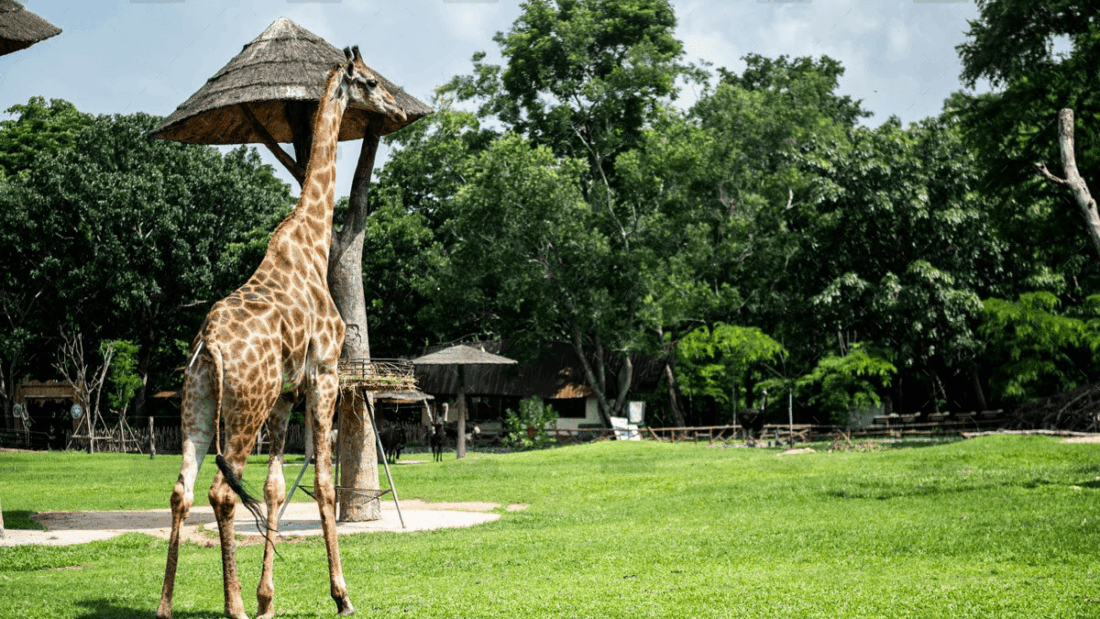
GIRAFFE FEEDING ONLY ON SUNDAYS NOON

The Zoological Society of London was founded in 1826 by Stamford Raffles and established the London Zoo in Regent’s Park two years later in 1828. for scientific study. By the early 1860s, the zoo grounds covered 40 hectares with many fine flowers and ornamental trees, The predecessor of the zoological garden is the menagerie, which has a long history from the ancient world to modern times. The oldest known zoological collection.

Most living animal species are in the Bilateria, a clade whose members have a bilaterally symmetric body plan. The Bilateria include the protostomes—in which many groups of invertebrates are found, such as nematodes, arthropods, and molluscs—and the deuterostomes, containing both the echinoderms as well as the chordates, the latter containing the vertebrates. Life forms interpreted as early animals were present in the Ediacaran biota of the late Precambrian. Many modern animal phyla became clearly established in the fossil record as marine species during the Cambrian explosion, which began around 542 million years ago. 6,331 groups of genes common to all living animals have been identified; these may have arisen from a single common ancestor that lived 650 million years ago.

demo-attachment-291-proboscis-monkey-PK9YC3W-1

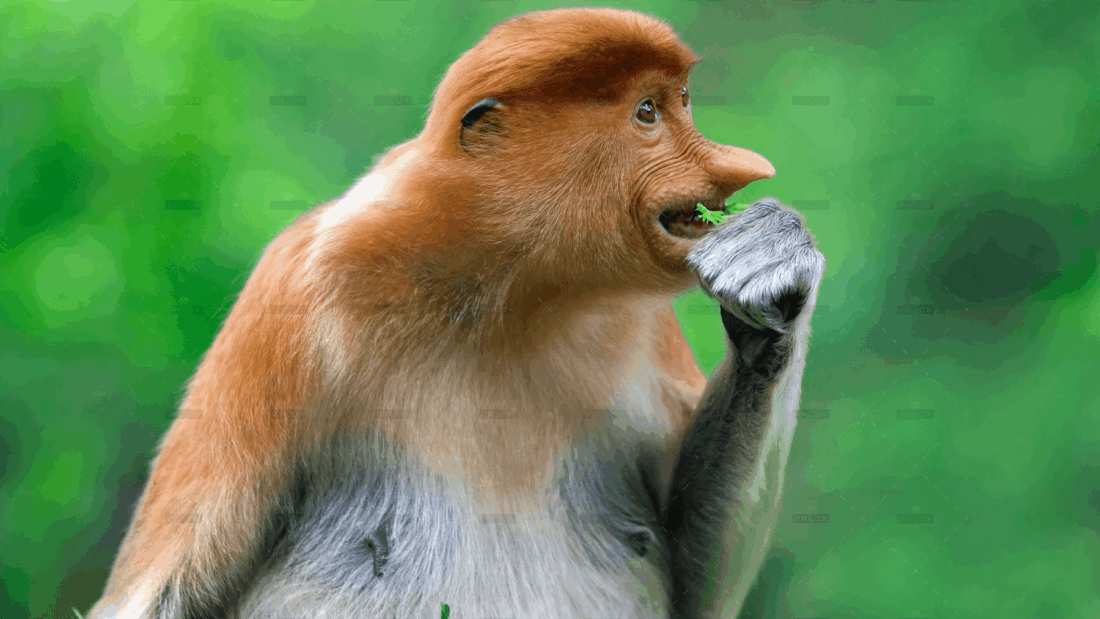
MONKEYS SITE, NEW GENDER OF APES IN ZOOTOPIA

The Zoological Society of London was founded in 1826 by Stamford Raffles and established the London Zoo in Regent’s Park two years later in 1828. for scientific study. By the early 1860s, the zoo grounds covered 40 hectares with many fine flowers and ornamental trees, The predecessor of the zoological garden is the menagerie, which has a long history from the ancient world to modern times. The oldest known zoological collection.

Most living animal species are in the Bilateria, a clade whose members have a bilaterally symmetric body plan. The Bilateria include the protostomes—in which many groups of invertebrates are found, such as nematodes, arthropods, and molluscs—and the deuterostomes, containing both the echinoderms as well as the chordates, the latter containing the vertebrates. Life forms interpreted as early animals were present in the Ediacaran biota of the late Precambrian. Many modern animal phyla became clearly established in the fossil record as marine species during the Cambrian explosion, which began around 542 million years ago. 6,331 groups of genes common to all living animals have been identified; these may have arisen from a single common ancestor that lived 650 million years ago.

demo-attachment-288-showing-her-the-sharks-GHR4ZKN-1

SEA ANIMALS SITE, FREE TICKETS ONLY ON FRIDAYS

The Zoological Society of London was founded in 1826 by Stamford Raffles and established the London Zoo in Regent’s Park two years later in 1828. for scientific study. By the early 1860s, the zoo grounds covered 40 hectares with many fine flowers and ornamental trees, The predecessor of the zoological garden is the menagerie, which has a long history from the ancient world to modern times. The oldest known zoological collection.

Most living animal species are in the Bilateria, a clade whose members have a bilaterally symmetric body plan. The Bilateria include the protostomes—in which many groups of invertebrates are found, such as nematodes, arthropods, and molluscs—and the deuterostomes, containing both the echinoderms as well as the chordates, the latter containing the vertebrates. Life forms interpreted as early animals were present in the Ediacaran biota of the late Precambrian. Many modern animal phyla became clearly established in the fossil record as marine species during the Cambrian explosion, which began around 542 million years ago. 6,331 groups of genes common to all living animals have been identified; these may have arisen from a single common ancestor that lived 650 million years ago.

demo-attachment-285-47002-1

SCHOOL CHILDS IN MAMELS SECTION EXPERIENCE

The Zoological Society of London was founded in 1826 by Stamford Raffles and established the London Zoo in Regent’s Park two years later in 1828. for scientific study. By the early 1860s, the zoo grounds covered 40 hectares with many fine flowers and ornamental trees, The predecessor of the zoological garden is the menagerie, which has a long history from the ancient world to modern times. The oldest known zoological collection.

Most living animal species are in the Bilateria, a clade whose members have a bilaterally symmetric body plan. The Bilateria include the protostomes—in which many groups of invertebrates are found, such as nematodes, arthropods, and molluscs—and the deuterostomes, containing both the echinoderms as well as the chordates, the latter containing the vertebrates. Life forms interpreted as early animals were present in the Ediacaran biota of the late Precambrian. Many modern animal phyla became clearly established in the fossil record as marine species during the Cambrian explosion, which began around 542 million years ago. 6,331 groups of genes common to all living animals have been identified; these may have arisen from a single common ancestor that lived 650 million years ago.