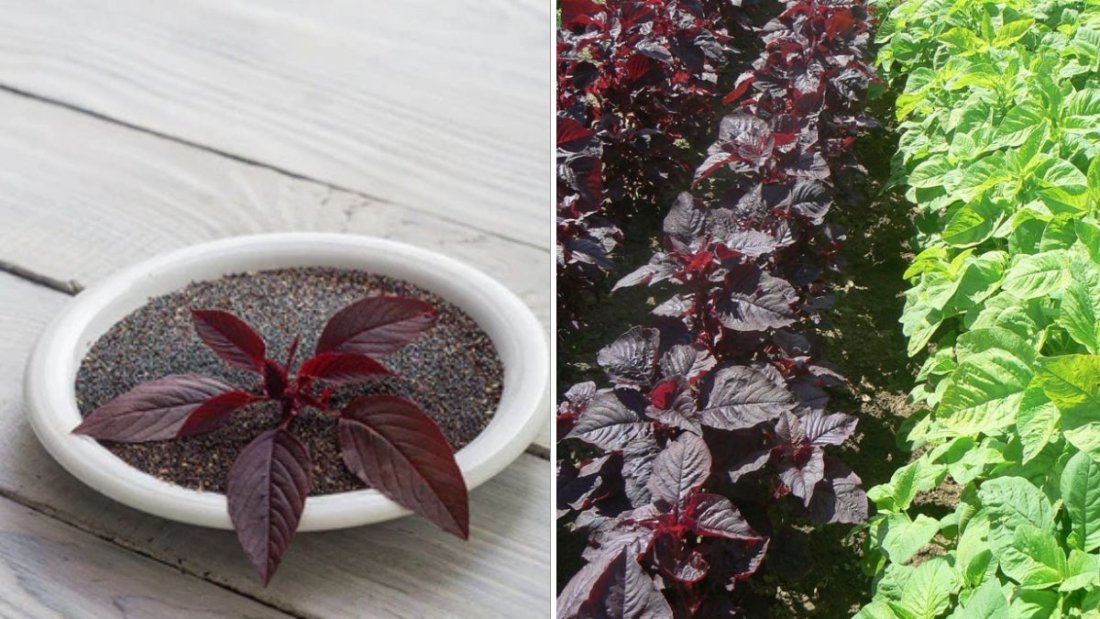
Green Amaranth: The Ancient Supergreen Making a Comeback in American Kitchens

Green Amaranth: The Ancient Supergreen Making a Comeback in American Kitchens

In the world of superfoods, some greens rise to fame only to fade away as trends change. But every once in a while, a time-tested plant makes a well-deserved comeback. One such revival story belongs to Green Amaranth — a humble, leafy vegetable that’s been cultivated for thousands of years yet remains one of the most underrated nutritional powerhouses on the planet.

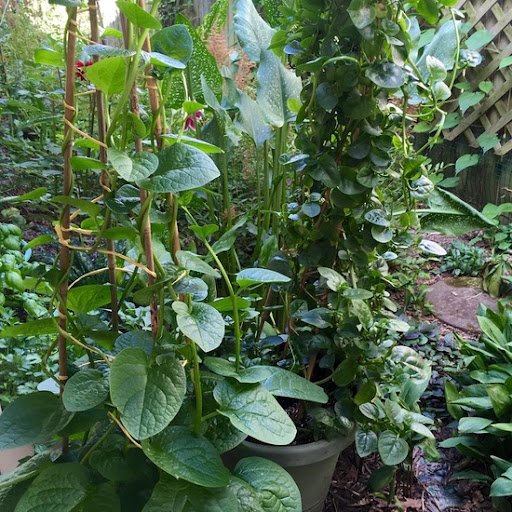
Known for its tender, earthy-tasting leaves and incredible adaptability, Green Amaranth (Amaranthus viridis) is now winning over health enthusiasts, home gardeners, and chefs across the United States. Whether you call it callaloo, Chinese spinach, or simply amaranth greens, this plant is taking root in 2025 as a sustainable, nutrient-rich, and delicious supergreen for modern lifestyles.


What Is Green Amaranth?
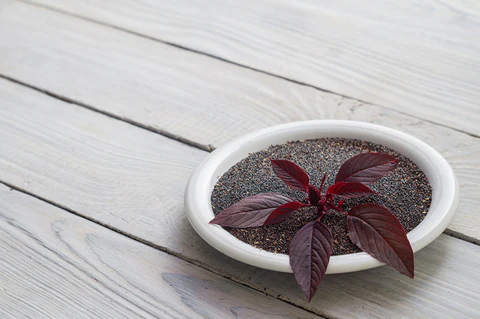
Green Amaranth is part of the Amaranthus genus, which includes over 60 species of leafy plants grown worldwide. While some amaranth varieties are cultivated for their protein-rich seeds (used as gluten-free grains), others — especially Green Amaranth — are valued for their tender, spinach-like leaves.

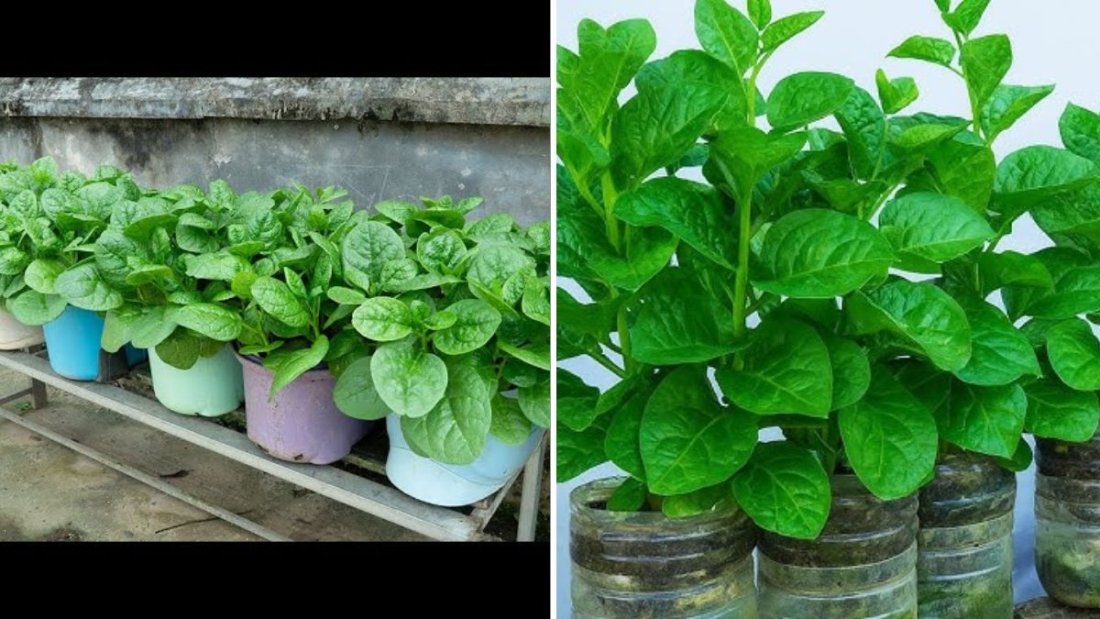
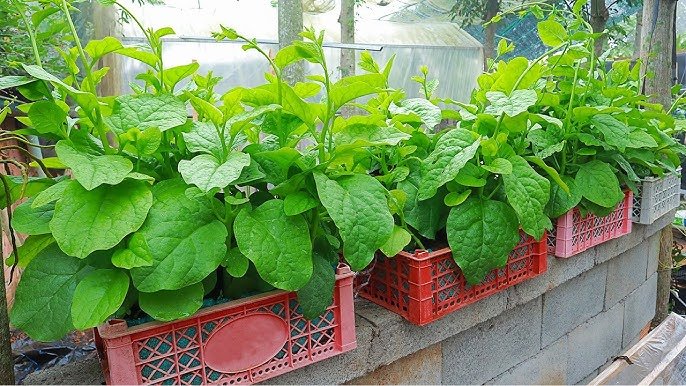
The plant features bright green, slightly crinkled leaves and slender stems. It thrives in hot climates, grows fast, and can be harvested multiple times during the season — making it a favorite among sustainable gardeners.

Though native to Central and South America, amaranth has been a dietary staple in Asian, African, and Caribbean cuisines for centuries. And now, Americans are rediscovering it for its exceptional nutrition, versatility, and climate resilience.


A Nutritional Powerhouse in Every Leaf

Green Amaranth isn’t just another leafy green — it’s a nutrient bomb packed with vitamins, minerals, and antioxidants. Here’s a quick look at what makes it so special:

Nutritional Facts (per 1 cup of cooked green amaranth):

  • Calories: 21
  • Protein: 2.5 g
  • Fiber: 2.8 g
  • Calcium: 10% of Daily Value (DV)
  • Iron: 15% DV
  • Magnesium: 28% DV
  • Potassium: 18% DV
  • Vitamin A: 97% DV
  • Vitamin C: 70% DV
  • Vitamin K: 110% DV
  • Folate: 18% DV

That’s an impressive lineup! Green Amaranth provides more calcium than spinach, twice the vitamin C of kale, and is loaded with antioxidants that support immunity, bone strength, and overall vitality.


Top Health Benefits of Green Amaranth
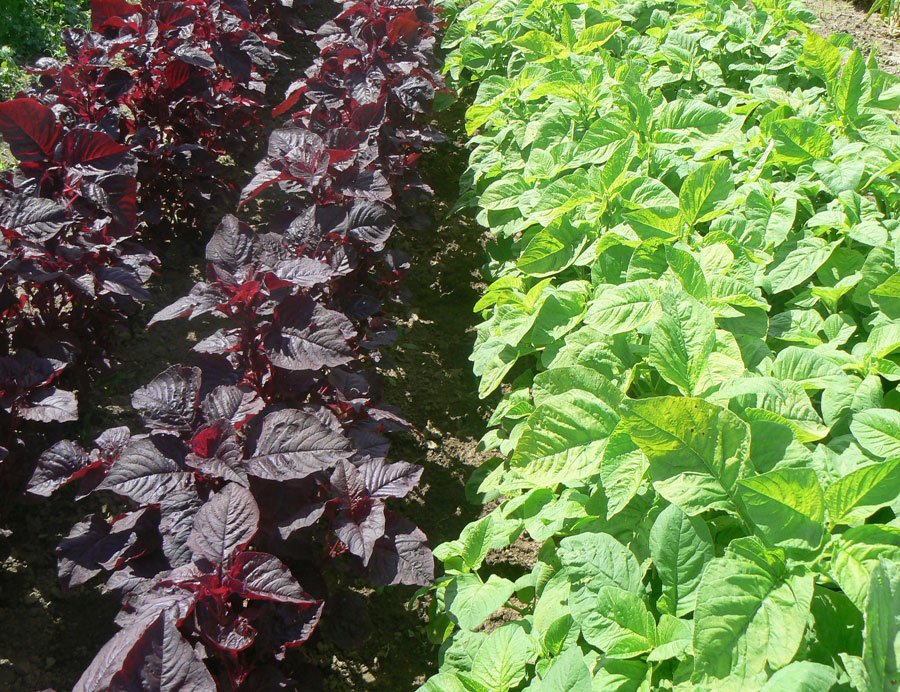
1. Strengthens Bones and Teeth

Rich in calcium, magnesium, and vitamin K, green amaranth helps maintain bone density and supports healthy teeth. For those who avoid dairy, this leafy green is a fantastic plant-based calcium source.

2. Boosts Immunity

Its high levels of vitamin C and beta-carotene boost immune defenses, helping the body fight off infections and oxidative stress — perfect for supporting year-round wellness.

3. Promotes Eye and Skin Health

Thanks to its abundance of vitamin A, green amaranth supports eye health, prevents night blindness, and promotes radiant, healthy skin by aiding cell regeneration.

4. Improves Digestion and Gut Health

Green amaranth is rich in dietary fiber, which promotes smooth digestion, prevents constipation, and supports a healthy gut microbiome.

5. Aids in Detoxification

In traditional medicine, green amaranth has long been used as a natural detoxifier. It helps the body flush out toxins through the liver and kidneys while reducing inflammation.

6. Supports Heart Health

With a powerful blend of magnesium, potassium, and antioxidants, this green helps regulate blood pressure, reduce cholesterol, and support overall cardiovascular health.

7. Excellent for Vegetarians and Vegans

Green amaranth offers a surprising amount of plant-based protein and iron, making it an ideal addition to vegetarian and vegan diets. It’s also rich in folate, which supports healthy cell growth and energy levels.


Culinary Uses: How to Eat Green Amaranth
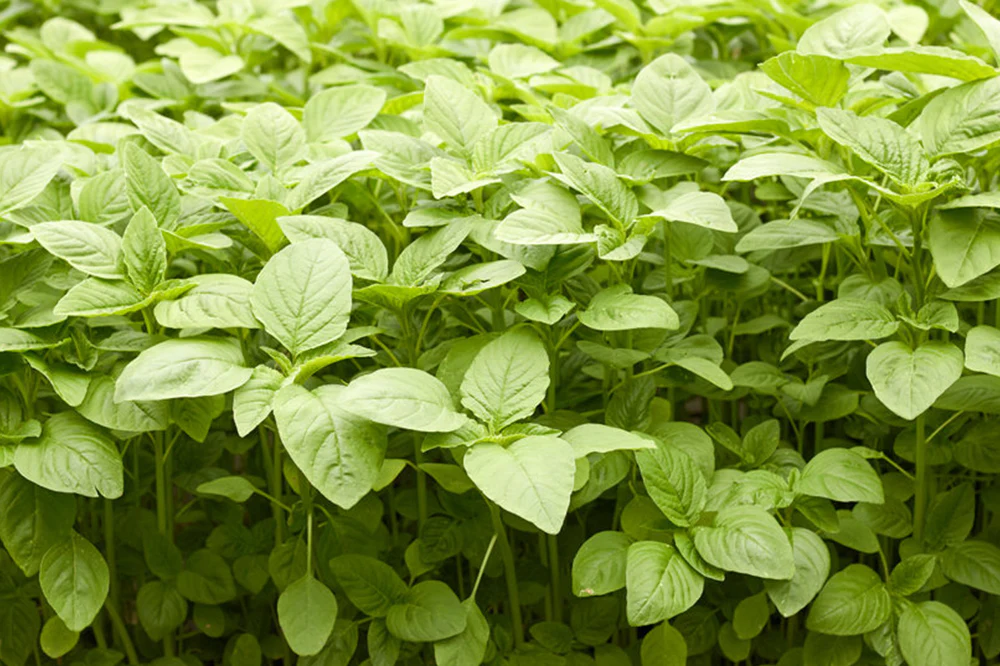
Green Amaranth is a versatile vegetable that can be used anywhere you’d normally use spinach, kale, or collard greens — but with a slightly milder, earthy flavor.

Here are some delicious and easy ways to cook with it:

1. Sautéed Green Amaranth (Quick Side Dish)

Sauté chopped leaves with garlic, onions, and olive oil until tender. Finish with a squeeze of lemon and a pinch of salt — a simple, nutrient-rich side for any meal.

2. Green Amaranth Stir-Fry

Add amaranth leaves to stir-fries with tofu, mushrooms, or shrimp. Its mild flavor pairs beautifully with soy sauce, ginger, and sesame oil.

3. Amaranth Soup or Stew

In Caribbean cuisine, callaloo soup is a beloved dish made with amaranth greens, coconut milk, and spices. You can also add the greens to lentil or chicken soups for an extra vitamin boost.

4. Green Amaranth Smoothie

Add a handful of fresh amaranth leaves to your morning smoothie with pineapple, banana, and ginger for a supercharged green drink.

5. Amaranth and Egg Scramble

Sauté chopped greens and add them to scrambled eggs or omelets. It adds color, texture, and plenty of nutrients.

6. Green Amaranth Salad

Young, tender leaves can be eaten raw in salads. Toss with avocado, cucumber, tomatoes, and a citrus vinaigrette for a refreshing, mineral-rich dish.


How to Grow Green Amaranth at Home
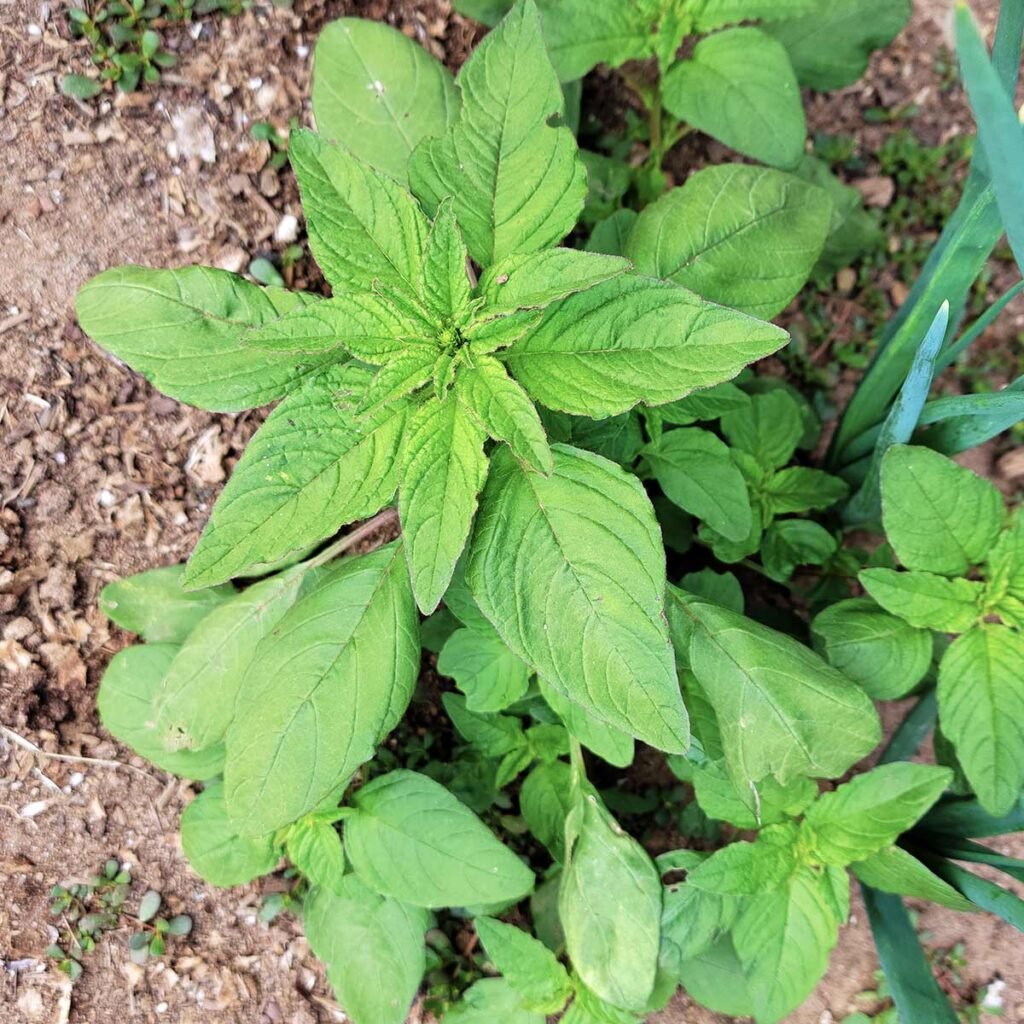
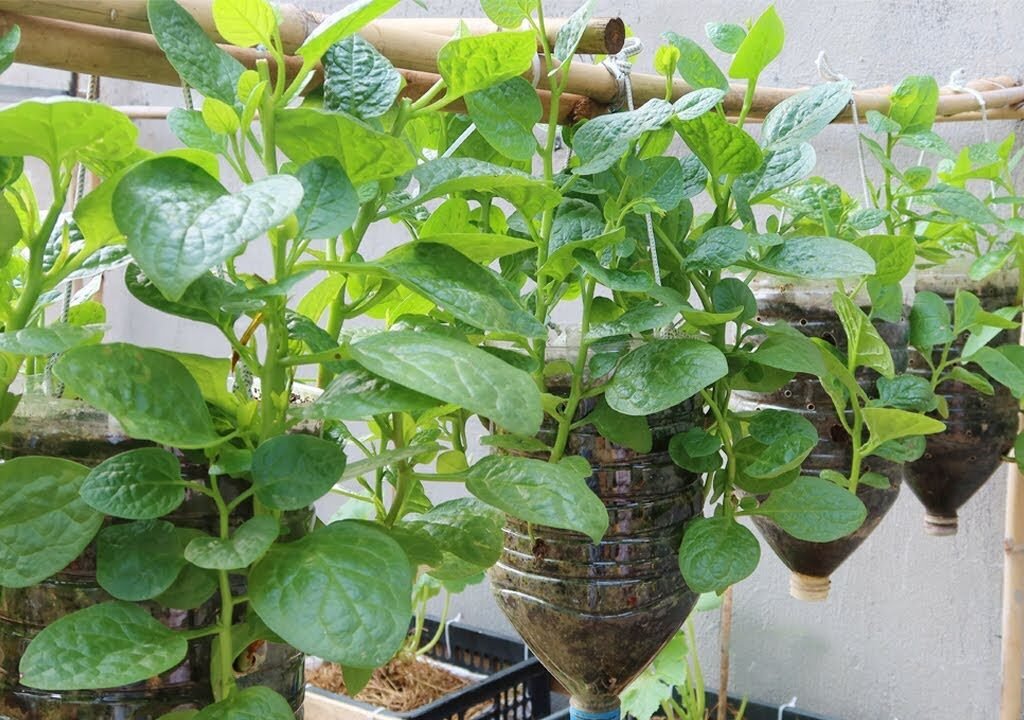
If you love gardening, green amaranth is one of the easiest and most rewarding greens to grow — especially in warmer U.S. regions.

Here’s how to get started:

  • Soil: Amaranth thrives in well-drained, moderately fertile soil.
  • Sunlight: Full sun is best; it can tolerate heat better than most greens.
  • Watering: Keep soil consistently moist but not waterlogged.
  • Planting: Sow seeds directly into the ground after frost has passed. They germinate in 3–5 days and mature in about 30–45 days.
  • Harvesting: Pick young leaves for tender greens or wait for mature plants for more yield. You can also collect the seeds later to use as amaranth grain!

Pro Tip: Green amaranth self-seeds easily, so once planted, it often comes back year after year — making it a sustainable garden favorite.


Sustainability and Climate Resilience

As the U.S. faces increasingly unpredictable weather patterns, green amaranth is being recognized as a climate-resilient crop. It grows in poor soil, requires little water, and tolerates high heat — conditions that challenge many traditional greens like spinach or lettuce.

Farmers and urban gardeners alike are turning to amaranth for its low environmental footprint and high productivity. This makes it a perfect green for sustainable living and regenerative agriculture — two fast-growing trends among American consumers in 2025.


Where to Find Green Amaranth in the U.S.

If you want to add this supergreen to your meals, you can find it at:

  • Asian, Caribbean, and African grocery stores (look for “callaloo” or “Chinese spinach”).
  • Farmers’ markets — especially during summer months.
  • Health food stores like Whole Foods or Sprouts (seasonally available).
  • Online seed retailers such as Baker Creek Heirloom Seeds or Johnny’s Selected Seeds if you plan to grow your own.

When shopping, look for bright green, unblemished leaves and tender stems. Avoid bunches that are yellowing or overly mature, as they can be fibrous.


Taste Profile and Cooking Tips
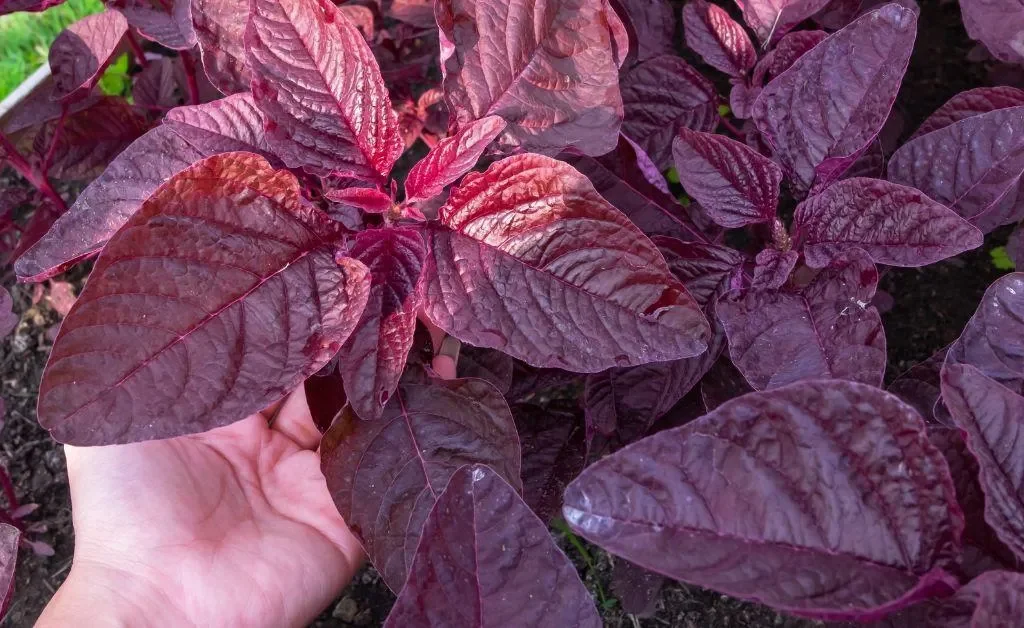
Green amaranth has a mild, slightly earthy flavor similar to spinach but less bitter than kale. Its leaves are soft and delicate when young but can develop a pleasant chewiness as they mature.

Best pairings include:

  • Garlic, onions, and olive oil
  • Coconut milk and curry spices
  • Citrus (lemon or lime)
  • Soy sauce, sesame oil, or chili flakes

Cooking tip: Lightly blanch or sauté amaranth leaves to retain their bright color and nutrients. Overcooking can cause them to become mushy or lose flavor.


Fun Fact: The Ancient Grain and the Modern Green

Amaranth has deep cultural roots — it was a sacred crop of the Aztecs, valued for its ability to sustain warriors and boost strength. The name “amaranth” comes from the Greek word amarantos, meaning “unfading” — a nod to its resilience and enduring nutritional value.

While the ancient world prized amaranth seeds for their protein content, modern wellness enthusiasts are rediscovering its leaves as an all-purpose green for daily meals.


Why Green Amaranth Belongs in Your Diet

In an age where people are seeking whole, plant-based, and sustainable nutrition, Green Amaranth checks every box.

It’s:

  • Rich in vitamins, minerals, and antioxidants
  • Gluten-free and vegan-friendly
  • Low in calories but high in nutrients
  • Easy to cook and grow
  • Eco-friendly and climate-smart

Whether you’re blending it into a smoothie, adding it to your garden, or tossing it in a stir-fry, this ancient green delivers modern-day benefits that are impossible to ignore.


Final Thoughts: Rediscovering a Forgotten Supergreen

Green Amaranth is more than just a leafy vegetable — it’s a bridge between ancient nutrition and modern sustainability. With its unbeatable nutrient profile, earthy taste, and ease of cultivation, it’s no wonder this “forgotten green” is making a comeback in 2025.

So, the next time you’re craving something fresh, healthy, and eco-friendly, skip the kale and reach for Green Amaranth — the supergreen that’s been quietly nourishing generations and is ready to power yours, too.
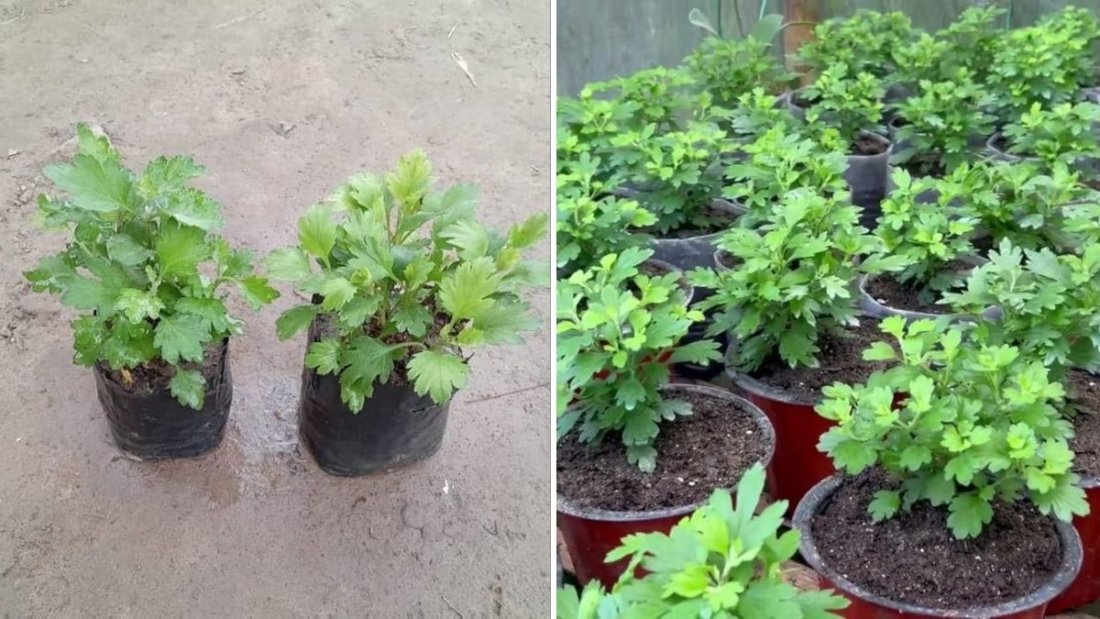

Chrysanthemum Greens The Flavorful Supergreen Americans Are Finally Discovering in 2025

Chrysanthemum Greens The Flavorful Supergreen Americans Are Finally Discovering in 2025

Move over kale — there’s a new leafy star making its way into American kitchens and backyard gardens. With a unique aroma, slightly bitter taste, and an impressive list of health benefits, Chrysanthemum greens are quickly becoming the next big thing in the world of superfoods.

Once a staple in East Asian cuisine, Chrysanthemum greens (also known as shungiku in Japan, tong ho in China, or crown daisy greens) are gaining popularity across the U.S. for their bold flavor, nutritional power, and versatility in cooking. Whether you’re a foodie, a health enthusiast, or a gardener looking for something new, Chrysanthemum greens might just be your next obsession.


What Are Chrysanthemum Greens?

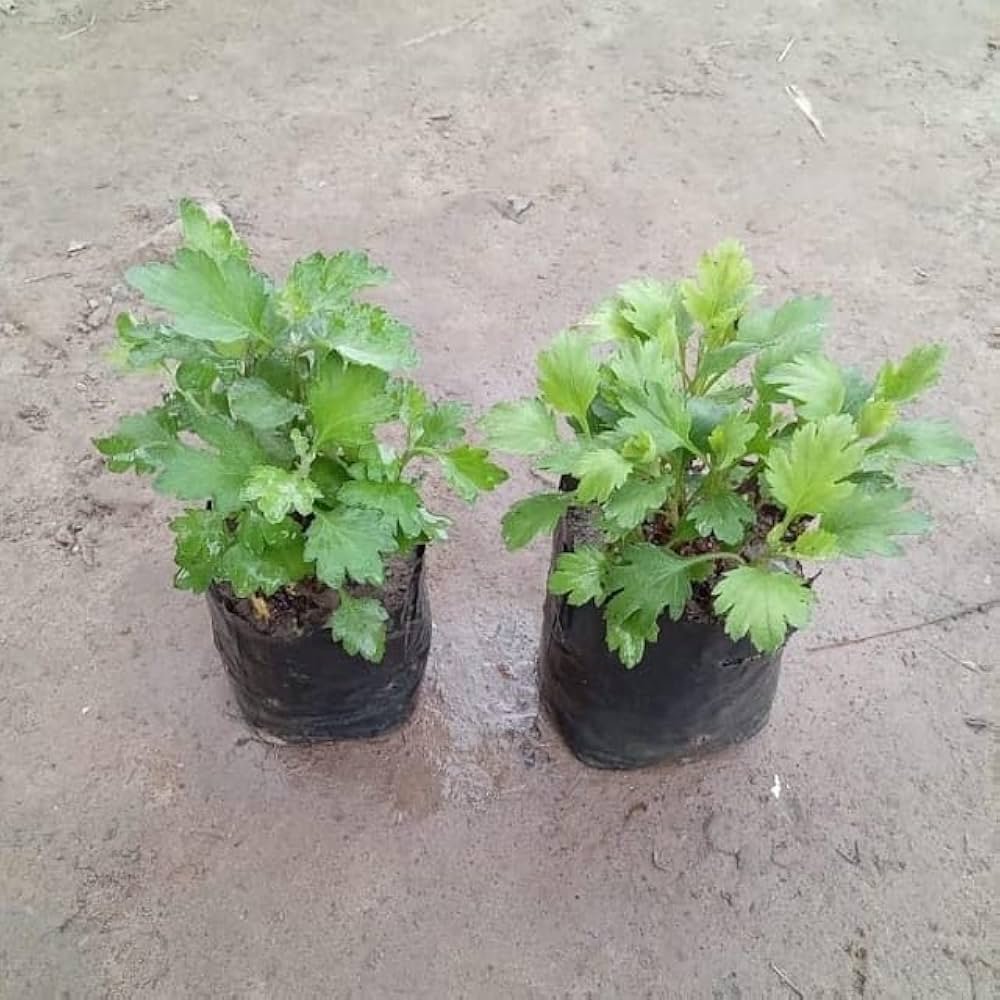
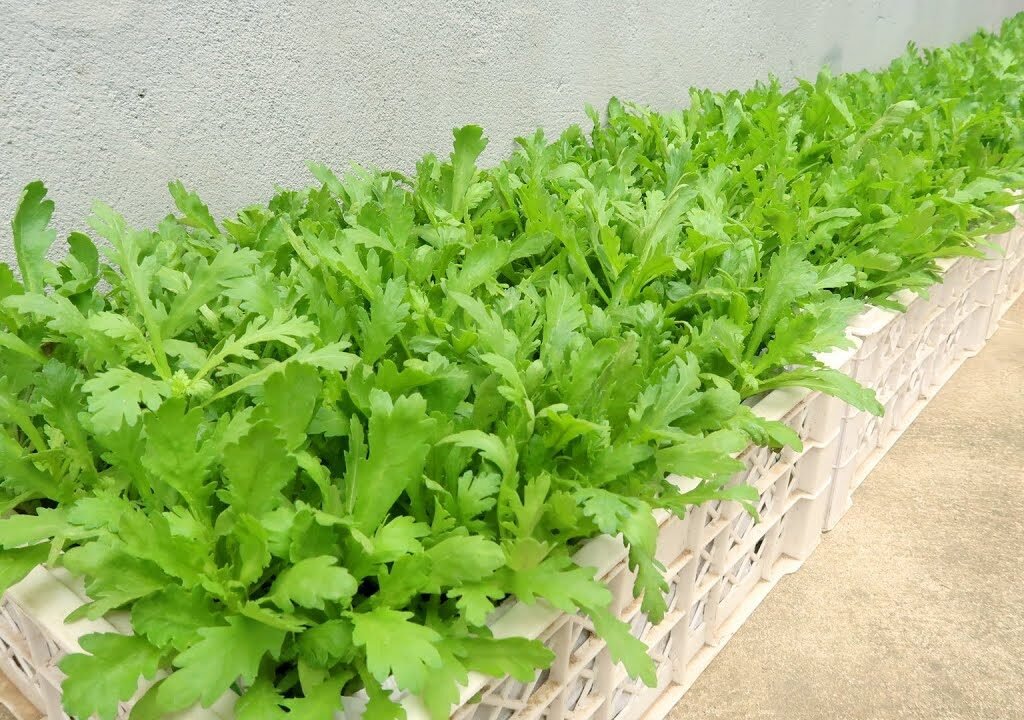
Chrysanthemum greens are the edible leaves of the garland chrysanthemum plant (Glebionis coronaria), part of the daisy family. Unlike ornamental chrysanthemums, these greens are cultivated for their tender, aromatic leaves and stems.

They have a distinct flavor — mildly bitter, peppery, and herbal, often compared to a mix of arugula, celery leaves, and parsley. Their unique taste adds depth and freshness to soups, stir-fries, salads, and even hot pots.

In Asian cultures, chrysanthemum greens have been valued for centuries, not only as food but also for their traditional medicinal properties, believed to help detoxify the body and improve overall vitality.


Nutritional Profile: A Green Packed With Power

Chrysanthemum greens may be delicate in texture, but they’re nutrient-dense and bursting with antioxidants.

Here’s what one cup (about 40 grams) of cooked chrysanthemum greens provides:

  • Calories: 10
  • Protein: 1.3 g
  • Fiber: 1.2 g
  • Vitamin A: 45% of the Daily Value (DV)
  • Vitamin C: 30% DV
  • Vitamin K: 60% DV
  • Folate: 15% DV
  • Calcium: 10% DV
  • Iron: 8% DV
  • Potassium: 12% DV

These greens are low in calories and carbohydrates but rich in vitamins A, C, and K, as well as minerals like calcium, potassium, and iron. Their strong antioxidant content also contributes to anti-inflammatory and immune-boosting benefits.


Top Health Benefits of Chrysanthemum Greens

1. Strengthens Immunity and Fights Inflammation

Chrysanthemum greens are rich in vitamin C, beta-carotene, and phenolic compounds that help protect the body from oxidative stress. Regular consumption can strengthen your immune system, reduce inflammation, and promote faster healing.

2. Supports Eye Health and Skin Radiance

With sky-high levels of vitamin A and carotenoids, these greens help maintain good vision, protect against age-related eye diseases, and keep your skin glowing and healthy.

3. Promotes Heart Health

Chrysanthemum greens are loaded with potassium and antioxidants, which help regulate blood pressure and reduce cholesterol. They also contain chlorogenic acid, known for improving blood vessel function and overall cardiovascular wellness.

4. Aids Digestion and Detoxification

In traditional Chinese medicine, chrysanthemum greens are used to cool the body and aid liver function. Their natural fiber content also supports digestion and helps flush toxins, making them an ideal addition to a detox or cleansing diet.

5. Strengthens Bones and Prevents Osteoporosis

Thanks to high vitamin K, calcium, and magnesium levels, these greens support bone density and prevent mineral loss — especially beneficial for women over 40 or those on plant-based diets.

6. May Help Regulate Blood Sugar

Some studies suggest that chrysanthemum greens contain bioactive compounds that can help lower blood glucose levels and improve insulin sensitivity, making them an excellent choice for people managing diabetes or prediabetes.


How to Eat Chrysanthemum Greens: Cooking & Serving Ideas

One of the best things about chrysanthemum greens is their culinary versatility. You can eat them raw, blanched, stir-fried, or added to soups. The trick is to cook them lightly to preserve their delicate flavor and nutrients.

Here are some delicious ways to enjoy chrysanthemum greens:

1. Simple Chrysanthemum Green Salad

Toss young, tender leaves with soy sauce, sesame oil, and a splash of rice vinegar. Add sliced cucumber and toasted sesame seeds for a refreshing Asian-inspired salad.

2. Stir-Fried Chrysanthemum Greens

Sauté the greens quickly in garlic and olive oil or sesame oil. Add a dash of soy sauce or oyster sauce for flavor. This quick dish makes a perfect side for rice or noodles.

3. Chrysanthemum Green Soup

In Korean and Chinese cooking, chrysanthemum greens are a staple in clear soups and hot pots. Add them to miso or chicken broth just before serving — they wilt fast but add amazing aroma and depth.

4. Chrysanthemum Greens with Tofu

Mix lightly blanched greens with tofu, soy sauce, ginger, and chili flakes for a light, protein-rich vegetarian dish.

5. Add to Hot Pot or Ramen

These greens are a must-have ingredient in Japanese and Chinese hot pots. They add freshness and a subtle bitterness that balances rich, savory broths.

6. Chrysanthemum Green Smoothies (Yes, Really!)

If you’re adventurous, blend a small handful of fresh greens with apple, cucumber, and lemon juice. It adds a slight tang and a ton of antioxidants.


How to Grow Chrysanthemum Greens in Your Backyard

If you enjoy gardening, you’ll love how easy it is to grow chrysanthemum greens. They’re fast-growing, hardy, and thrive in most U.S. climates — perfect for spring or fall planting.

Here’s How to Grow Them:

  • Soil: Loose, well-drained soil with moderate fertility.
  • Sunlight: Full sun to partial shade.
  • Watering: Keep the soil moist but not soggy; water regularly in dry conditions.
  • Planting: Sow seeds directly into the garden after frost. Thin seedlings to about 6 inches apart.
  • Harvesting: Pick young leaves when plants are 6–8 inches tall for the best flavor. Older leaves tend to be more bitter.

You can even grow them indoors in containers — perfect for apartment dwellers or urban gardeners. Because they grow quickly, you’ll be harvesting within 3 to 4 weeks of planting.


Flavor Pairings and Cooking Tips

Chrysanthemum greens have a bold, aromatic flavor, so they pair best with foods that can balance or complement that character.

Best pairings include:

  • Garlic, ginger, and sesame oil
  • Soy sauce, miso, or vinegar
  • Mushrooms and tofu
  • Noodles, rice, or soups
  • Citrus flavors like lemon or yuzu

Pro Tips:

  • Always cook them briefly (under 2 minutes) to avoid bitterness.
  • Use young leaves for raw salads and older leaves for cooked dishes.
  • If the flavor is too strong, blanch the greens in hot water for 10 seconds, then rinse in cold water.

Why Americans Are Embracing Chrysanthemum Greens

In 2025, U.S. consumers are more curious about global ingredients and committed to eating healthier, sustainable foods. Chrysanthemum greens fit right into both trends.

They’re:

  • Nutrient-rich yet low in calories.
  • Eco-friendly, growing easily without pesticides.
  • Unique in flavor, adding excitement to everyday meals.
  • Perfect for plant-based and clean-eating diets.

Chefs at farm-to-table restaurants are featuring chrysanthemum greens in seasonal menus, while home cooks and health enthusiasts are discovering them through local farmers’ markets or Asian grocers.


Where to Buy Chrysanthemum Greens in the U.S.

You can find chrysanthemum greens at:

  • Asian grocery stores (look for shungiku, tong ho, or choy suey chrysanthemum).
  • Local farmers’ markets, especially during spring and fall.
  • Health food stores like Whole Foods or Sprouts (seasonally).
  • Online seed suppliers, if you want to grow your own at home.

When buying, look for bright green, tender leaves without yellowing or wilting. The younger the greens, the milder the taste.


Fun Fact: Chrysanthemum Greens in History

In ancient China, chrysanthemum leaves were prized as “the food of longevity.” The chrysanthemum flower symbolized autumn and resilience — traits that the greens share through their hardy growth and rejuvenating nutrients.

Even today, in Japan and Korea, chrysanthemum greens are served during festivals and holidays as a symbol of purity, renewal, and health.


Final Thoughts: A Delicious Secret Worth Sharing

If you’re ready to expand your greens beyond kale and spinach, Chrysanthemum greens are a flavorful, nutritious, and easy-to-grow alternative that deserves a place in your kitchen.

Their peppery bite, impressive nutrient content, and detoxifying properties make them a true supergreen — one that bridges the gap between traditional Asian cuisine and modern American wellness trends.

So next time you see these greens at your local market, don’t walk past — grab a bunch, toss them in your stir-fry, and taste the freshness that’s captivating food lovers across America.


Purslane The Hidden Supergreen Americans Are Falling in Love With in 2025

Purslane The Hidden Supergreen Americans Are Falling in Love With in 2025

If you’re walking through your garden and spot a low-growing plant with thick, juicy leaves and golden-yellow flowers, your first instinct might be to pull it up as a weed. But stop right there — that humble little plant could be one of the most nutrient-dense superfoods on the planet.

Meet purslane (Portulaca oleracea) — the leafy green that’s quietly becoming a health trend across America in 2025. Once dismissed as an invasive weed, purslane is now earning its rightful place on restaurant menus, in farmer’s markets, and in home gardens for its exceptional nutrition, succulent texture, and tangy, lemony flavor.

From ancient Greek remedies to modern-day smoothies, purslane is the ultimate underdog of the plant world, and it’s finally getting the recognition it deserves.


What Is Purslane?

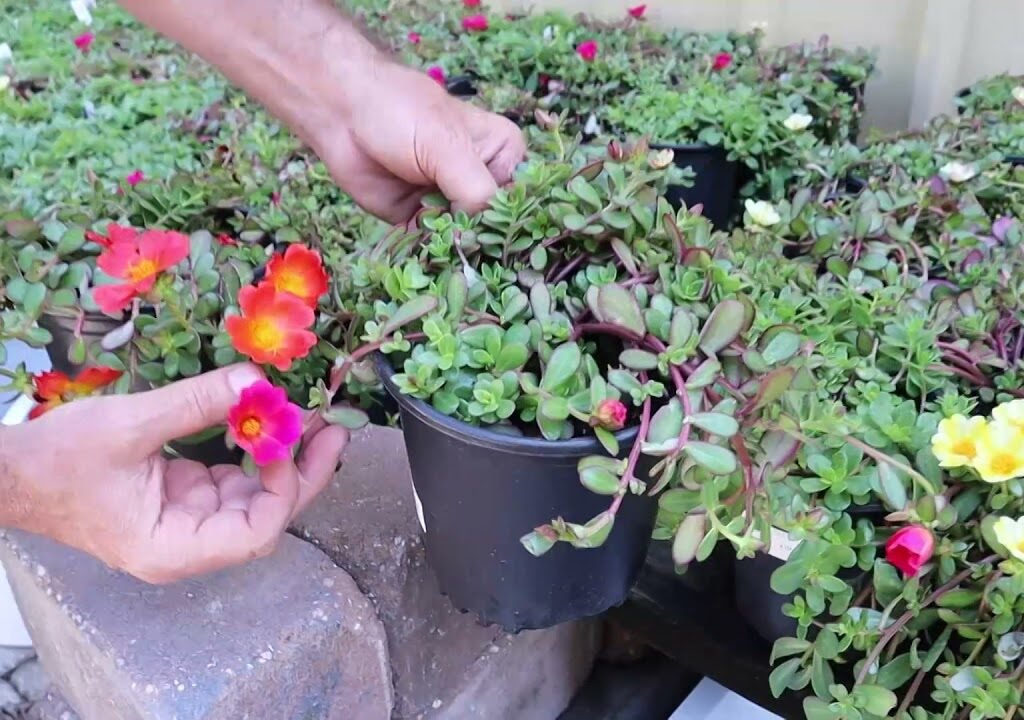
Purslane is a succulent leafy vegetable that thrives in warm climates. It has small, smooth, spoon-shaped leaves and reddish stems that spread across the ground like a mat. You might have even seen it sprouting between sidewalk cracks or along garden edges — it’s that resilient.

Though it grows wild, purslane is completely edible and has been enjoyed for thousands of years in Mediterranean, Middle Eastern, and Mexican cuisines. It’s known by many names — verdolaga, pigweed, or little hogweed — but in the health world, it’s simply called a “supergreen.”


Nutritional Powerhouse: Small Leaves, Massive Health Benefits

Don’t let its humble appearance fool you — purslane is one of the most nutrient-dense greens on earth, rivaling kale and spinach in vitamins and minerals while offering something they don’t: omega-3 fatty acids.

Here’s a quick look at the nutrition profile of one cup (43 grams) of raw purslane:

  • Calories: 9
  • Protein: 1 g
  • Fiber: 1 g
  • Vitamin A: 26% of the Daily Value (DV)
  • Vitamin C: 35% DV
  • Vitamin E: 10% DV
  • Magnesium: 17% DV
  • Potassium: 15% DV
  • Iron: 11% DV
  • Calcium: 7% DV
  • Omega-3 fatty acids (ALA): 300–400 mg

Yes, you read that right — purslane contains more omega-3 fatty acids than any other leafy vegetable, making it a vegetarian’s dream food for heart and brain health.


Top Health Benefits of Purslane

1. Supports Heart Health

Purslane’s high levels of omega-3 fatty acids (especially alpha-linolenic acid, or ALA) help reduce cholesterol, lower blood pressure, and protect against heart disease. For people who don’t eat fish, purslane is one of the best plant-based alternatives for essential fatty acids.

2. Boosts Immunity and Fights Inflammation

Loaded with vitamin C, beta-carotene, and polyphenols, purslane has strong antioxidant and anti-inflammatory properties. These compounds help protect cells from damage, strengthen immunity, and reduce the risk of chronic diseases.

3. Promotes Healthy Skin and Anti-Aging

Purslane contains vitamin E, glutathione, and melatonin, all known for their skin-rejuvenating and anti-aging effects. These antioxidants fight free radicals and may help reduce wrinkles, dryness, and skin irritation.

4. Aids in Weight Loss and Gut Health

Low in calories but high in fiber and water, purslane keeps you feeling full and satisfied. Its natural mucilage — a type of plant fiber — supports digestion and gut health, making it a perfect green for weight management.

5. Supports Strong Bones and Muscles

With notable amounts of magnesium, calcium, potassium, and iron, purslane supports bone density, muscle recovery, and overall energy levels — great for athletes or anyone following a plant-based diet.

6. May Help Regulate Blood Sugar

Some studies suggest that purslane can improve insulin sensitivity and help regulate blood sugar levels, thanks to its antioxidant and fiber content. This makes it a smart addition for people managing diabetes or prediabetes.


Culinary Uses: How to Eat Purslane

One of the best things about purslane is its versatility in the kitchen. Its mildly tangy, lemony flavor and crisp texture make it perfect for everything from salads to stir-fries.

Here are some easy and delicious ways to enjoy purslane:

1. Purslane Salad

Toss fresh purslane leaves with cucumbers, cherry tomatoes, red onion, and feta cheese for a Mediterranean-inspired salad. A drizzle of olive oil and lemon juice brings it all together.

2. Purslane Smoothies

Add a handful of purslane to your green smoothie for an omega-3 boost. It pairs beautifully with pineapple, apple, or mango, adding a refreshing, citrusy twist.

3. Purslane Tacos

In Mexican cuisine, verdolagas are often cooked with pork or beans. Try sautéing purslane with onions, garlic, and chili powder for a hearty vegetarian taco filling.

4. Purslane Stir-Fry

Add purslane to stir-fries at the end of cooking to preserve its texture and nutrients. It pairs wonderfully with tofu, shrimp, or chicken.

5. Purslane Pesto

Swap out basil for purslane in your next pesto recipe. Blend with olive oil, walnuts, Parmesan, and garlic for a nutrient-packed sauce.

6. Purslane Soup

Add chopped purslane to lentil or vegetable soups. It thickens naturally due to its mucilaginous texture, creating a comforting and healthy meal.


How to Grow Purslane at Home

Purslane is one of the easiest and most resilient greens to grow — perfect for home gardeners or anyone new to edible plants.

Here’s how to get started:

  • Soil: Purslane grows in poor, dry soil (even sandy ground). It doesn’t need rich compost or fertilizers.
  • Light: Loves full sun but can tolerate partial shade.
  • Water: Requires minimal watering once established — it’s drought-tolerant.
  • Planting: You can start from seeds or cuttings. Scatter seeds directly on the soil and lightly press them down; they’ll sprout in 5–10 days.
  • Harvesting: Pick tender young leaves once the plant reaches about 4–6 inches. Regular harvesting encourages new growth.

Pro Tip: Purslane self-seeds easily, so once you plant it, you’ll likely have a steady supply year after year — truly a sustainable supergreen.


Wild Foraging: Nature’s Free Superfood

If you prefer foraging, wild purslane is abundant throughout the U.S. during summer. However, make sure to harvest from clean, chemical-free areas, away from roadsides or treated lawns.

Identify purslane by its:

  • Smooth, reddish stems that spread outward (not upright)
  • Thick, juicy, spoon-shaped leaves
  • Small yellow flowers that bloom in bright sunlight

Be cautious not to confuse it with spurge, a toxic plant that often grows nearby. Spurge has thinner stems, milky sap when cut, and matte leaves — purslane’s leaves are glossy and succulent.


Purslane vs. Spinach and Kale

Let’s compare purslane with two of America’s favorite greens:

NutrientPurslaneSpinachKale
CaloriesVery LowLowLow
Omega-3 Fatty AcidsHighLowLow
Vitamin AHighHighHigh
Vitamin CModerateHighHigh
MagnesiumHighModerateHigh
FlavorMild, tangyMildSlightly bitter

Verdict: Purslane stands out for its omega-3s, hydration power, and unique flavor. It’s an excellent choice for anyone looking to diversify their greens or add a plant-based source of healthy fats.


Sustainability Bonus: A Zero-Waste Green

Purslane isn’t just good for your health — it’s great for the planet. It grows rapidly, requires little water, and thrives without fertilizers, making it one of the most sustainable edible plants.

Because it’s considered a “weed” in many areas, eating purslane is also a step toward reducing food waste and embracing foraged, local nutrition — a growing trend among eco-conscious Americans in 2025.


Where to Buy Purslane in the U.S.

You can find fresh or cultivated purslane at:

  • Farmers’ markets (especially in summer)
  • Ethnic grocery stores (look for “verdolagas”)
  • Organic produce sections in Whole Foods, Sprouts, or local co-ops
  • Online seed suppliers for growing your own

If you’re new to cooking with purslane, start small — it’s mild, crunchy, and surprisingly easy to love.


Final Thoughts: From Weed to Wellness Staple

Once dismissed as a garden nuisance, purslane has emerged as one of 2025’s top plant-based superfoods — and for good reason. It’s nutrient-dense, eco-friendly, delicious, and incredibly easy to grow.

Whether you’re tossing it into a salad, blending it into a smoothie, or cultivating it in your backyard, purslane offers a simple, affordable way to eat healthier and live more sustainably.

So the next time you see those glossy leaves creeping through your garden bed, don’t weed them out — harvest them, eat them, and celebrate one of nature’s most underrated gifts.

Beet Greens The Overlooked Superfood Americans Should Be Eating in 2025

Beet Greens The Overlooked Superfood Americans Should Be Eating in 2025

When most people buy a bunch of beets at the grocery store or farmer’s market, they focus on the ruby-red roots — and toss out the leafy tops. But here’s a secret that chefs, nutritionists, and gardeners have known for years: beet greens are just as nutritious and delicious as the beets themselves.

Packed with vitamins, minerals, and antioxidants, these vibrant leaves are a zero-waste, flavor-packed superfood that’s finally getting the attention it deserves. Whether you sauté them like spinach, blend them into a smoothie, or grow them in your backyard, beet greens deserve a place in your kitchen — and your diet.


What Are Beet Greens?

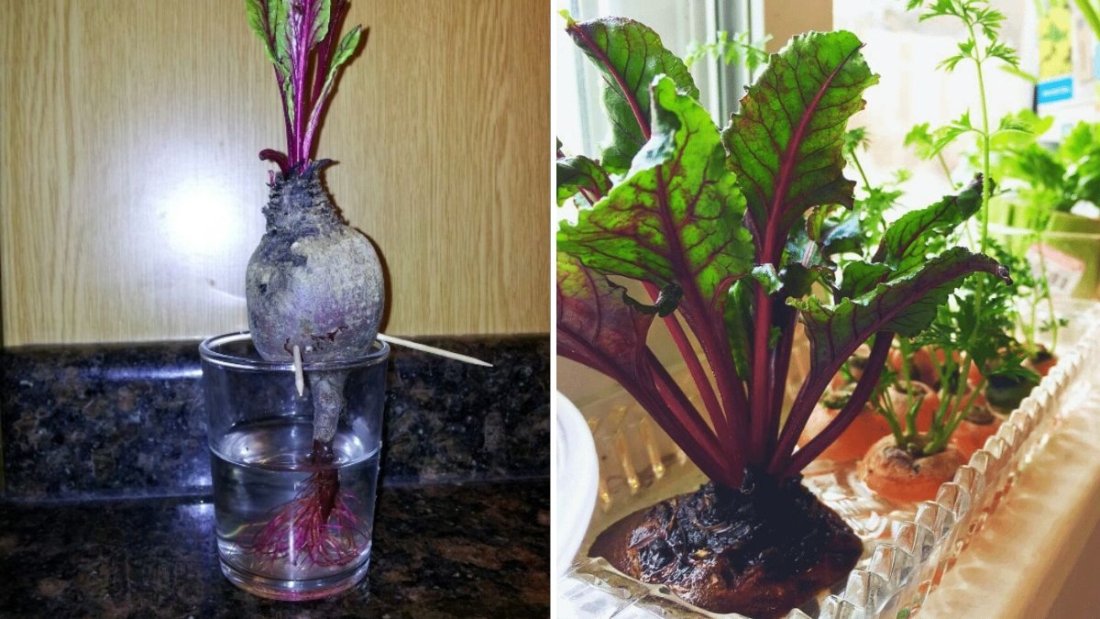
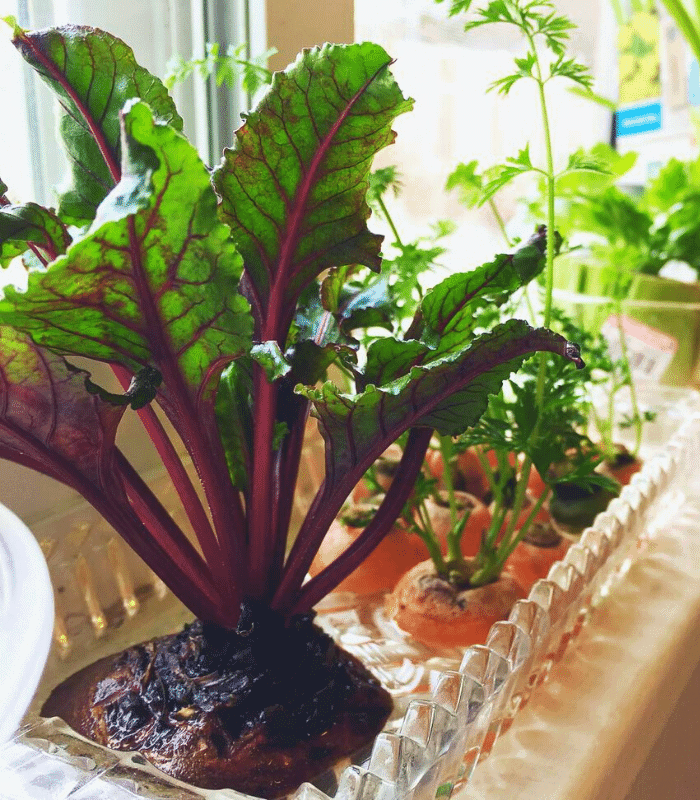
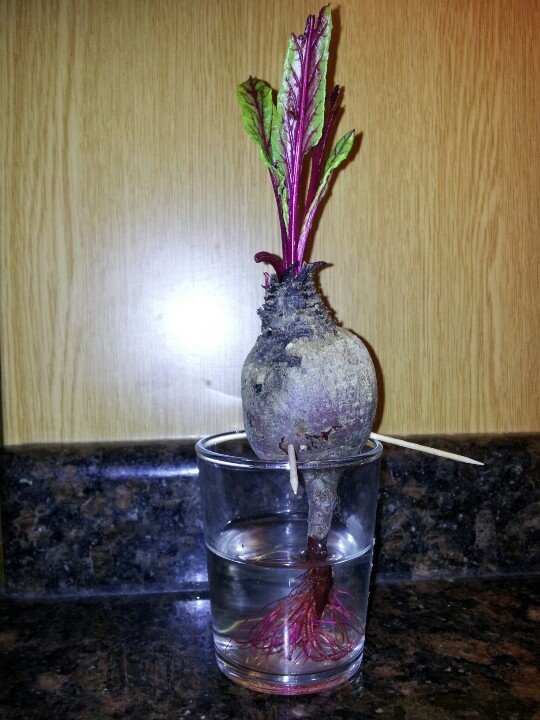
Beet greens are the leafy tops of the beetroot plant (Beta vulgaris). They have bright green leaves with reddish-purple veins and stems — a sign of their nutrient density.

While most people are familiar with using beetroots in salads, soups, and juices, beet greens are often overlooked, even though they’re edible, flavorful, and loaded with health benefits.

Their flavor is mild, earthy, and slightly sweet, similar to Swiss chard (a close botanical cousin), but with a more tender texture and a hint of beet flavor.


Nutrition Profile: Small Leaves, Big Nutrition

Beet greens are incredibly nutrient-dense — meaning they pack a lot of nutrition into very few calories.

Here’s what one cup (about 38 grams) of cooked beet greens provides:

  • Calories: 39
  • Protein: 3.7 g
  • Fiber: 4.2 g
  • Vitamin A: 220% of the Daily Value (DV)
  • Vitamin C: 60% DV
  • Vitamin K: 500% DV
  • Folate: 33% DV
  • Calcium: 15% DV
  • Iron: 14% DV
  • Magnesium: 16% DV
  • Potassium: 25% DV

That’s a serious lineup of nutrients for a handful of greens. Plus, beet greens are rich in antioxidants like beta-carotene, lutein, and zeaxanthin, which help protect the body against oxidative stress and inflammation.


Top Health Benefits of Beet Greens

1. Supports Heart Health

Beet greens are an excellent source of potassium and magnesium, two minerals that help regulate blood pressure and promote cardiovascular health. Their natural nitrates also support better blood flow, similar to beetroot juice, which is known to improve circulation and stamina.

2. Boosts Eye Health

The bright green color of beet greens comes from lutein and zeaxanthin, two antioxidants that help protect your eyes from blue light damage and age-related macular degeneration. Regular consumption can help maintain sharper vision as you age.

3. Strengthens Bones

A single serving of beet greens provides over 500% of your daily vitamin K — an essential nutrient for bone density and calcium absorption. Combined with calcium and magnesium, this trio makes beet greens a powerful ally for bone health.

4. Aids Digestion and Detoxification

Beet greens are rich in fiber, which supports healthy digestion, reduces bloating, and promotes regular bowel movements. Their chlorophyll content also helps cleanse the liver and detoxify the body naturally.

5. Boosts Immunity and Reduces Inflammation

High levels of vitamin C help boost your immune system, while antioxidants fight free radicals that cause cellular damage. Beet greens also have anti-inflammatory compounds that may help reduce chronic inflammation, which is linked to diseases like arthritis and diabetes.

6. Promotes Healthy Skin and Hair

Vitamin A supports cell regeneration and helps keep your skin glowing and your hair strong. The combination of antioxidants and minerals also helps fight oxidative stress — one of the main culprits behind premature aging.


Culinary Uses: How to Eat Beet Greens

Beet greens are versatile and can easily replace spinach, kale, or Swiss chard in most recipes. Their tender leaves and slightly earthy flavor add depth to countless dishes.

Here are a few delicious and easy ways to enjoy beet greens:

1. Sautéed Beet Greens

Sauté beet greens with garlic and olive oil for a simple side dish. Add a splash of lemon juice or apple cider vinegar for brightness.

Tip: Cook the stems a few minutes longer than the leaves to make them tender.

2. Beet Green Smoothie

Add a handful of beet greens to your morning smoothie with banana, pineapple, or berries. The fruit masks the earthy flavor while packing your drink with vitamins and minerals.

3. Beet Green Pesto

Blend beet greens with walnuts, olive oil, Parmesan, and garlic for a vibrant twist on traditional pesto. It’s perfect on pasta, toast, or grilled chicken.

4. Beet Green Frittata

Whisk beet greens into eggs with onions, feta cheese, and herbs for a quick, nutrient-rich breakfast or brunch dish.

5. Beet Green Soup

Add chopped beet greens to vegetable soups or lentil stews during the last few minutes of cooking. They wilt beautifully and add a rich, earthy note.

6. Salads and Wraps

Young beet greens are tender and mild — ideal for salads or as a fresh wrap alternative. Pair them with roasted beets, goat cheese, and citrus vinaigrette for a flavorful combo.


How to Store Beet Greens Properly

Beet greens are delicate and can wilt quickly if not stored correctly.

To keep them fresh:

  1. Remove the greens from the beetroot as soon as you bring them home (leave about an inch of stem on the root).
  2. Rinse and dry the greens thoroughly.
  3. Wrap them in a paper towel and store in a plastic or reusable bag in the refrigerator.

They’ll stay fresh for up to three to five days. If you have too many, you can also freeze blanched beet greens for later use.


Growing Beet Greens at Home

Good news for home gardeners: beets are one of the easiest crops to grow, and the greens grow even faster than the roots.

Here’s how to grow beet greens successfully in the U.S.:

  • Planting Season: Spring or fall (cool weather crops).
  • Soil: Loamy, well-drained soil rich in organic matter.
  • Sunlight: Full sun or partial shade.
  • Watering: Keep soil consistently moist but not waterlogged.

You can start harvesting beet greens just three to four weeks after planting — simply snip off a few outer leaves at a time, leaving the inner ones to continue growing.

This “cut and come again” method provides fresh greens all season long. Even if you never harvest the roots, you’ll have a steady supply of delicious, nutrient-packed leaves.


Beet Greens vs. Other Leafy Greens

So how do beet greens compare to popular greens like kale or spinach? Let’s break it down:

NutrientBeet GreensSpinachKale
Vitamin AVery HighHighVery High
Vitamin CHighModerateHigh
Vitamin KExtremely HighHighExtremely High
IronModerateHighModerate
FlavorEarthy, mildMildSlightly bitter

Verdict: Beet greens stand toe-to-toe with kale and spinach in nutrition — and often surpass them in vitamin K and magnesium. They’re a fantastic addition to your leafy green rotation.


Sustainability Bonus: A No-Waste Food Hero

Eating beet greens isn’t just good for your body — it’s good for the planet. By cooking with the greens instead of tossing them, you reduce food waste and get more value from every beet you buy.

In 2025, as Americans focus more on sustainability and zero-waste living, beet greens are gaining attention as a simple, eco-friendly ingredient that fits perfectly into this movement.


Where to Buy Beet Greens in the U.S.

You can find beet greens at:

  • Farmers’ markets (especially in spring and summer)
  • Organic grocery stores like Whole Foods or Sprouts
  • Local produce co-ops or community-supported agriculture (CSA) boxes
  • Or simply grow your own for fresh, pesticide-free leaves anytime.

When buying, look for firm, dark green leaves with crisp stems. Avoid wilted or yellowing greens, as they’ve likely lost much of their nutritional value.


Final Thoughts: Don’t Toss the Tops!

Next time you pick up a bunch of beets, think twice before discarding the greens. These nutrient-rich leaves are a delicious, versatile, and sustainable addition to your diet — offering everything from bone-building vitamins to heart-protective minerals.

Whether sautéed, blended, or tossed raw into a salad, beet greens are the unsung heroes of the produce aisle — proof that sometimes the best superfoods are hiding right under our noses (or in this case, right above the roots).

So in 2025, make it your mission to embrace the beet — from root to leaf — and experience the full flavor and nutrition nature intended.

Sorrel The Tangy Green Superleaf Taking Over American Kitchens in 2025

Sorrel The Tangy Green Superleaf Taking Over American Kitchens in 2025

Move over kale — there’s a new green in town that’s catching the attention of chefs, gardeners, and wellness enthusiasts alike. Meet sorrel, the zesty, lemon-flavored leafy herb that’s been quietly making its way from European gardens and Caribbean kitchens into American homes and farm-to-table menus.

Whether you’re looking to grow your own nutritious greens, experiment with fresh new flavors, or give your immune system a natural boost, sorrel deserves a spot on your radar. In this guide, we’ll dive into what makes this tangy leaf so special — from its nutritional profile and health benefits to its culinary versatility and gardening secrets.


What Is Sorrel? A Quick Overview

Sorrel (Rumex acetosa or Rumex scutatus) is a perennial herb and leafy vegetable known for its distinctive tart, lemony flavor. The name comes from the French word surelle, meaning “sour,” which perfectly describes its taste.

There are a few main types of sorrel that you’ll find in the U.S.:

  • Common (Garden) Sorrel – The most widely grown variety with long, slender green leaves and a bright citrus flavor.
  • French Sorrel – Milder and more delicate, often used in fine dining or French cuisine.
  • Red Veined Sorrel – Visually stunning with green leaves and crimson veins, commonly used for garnishing and salads.
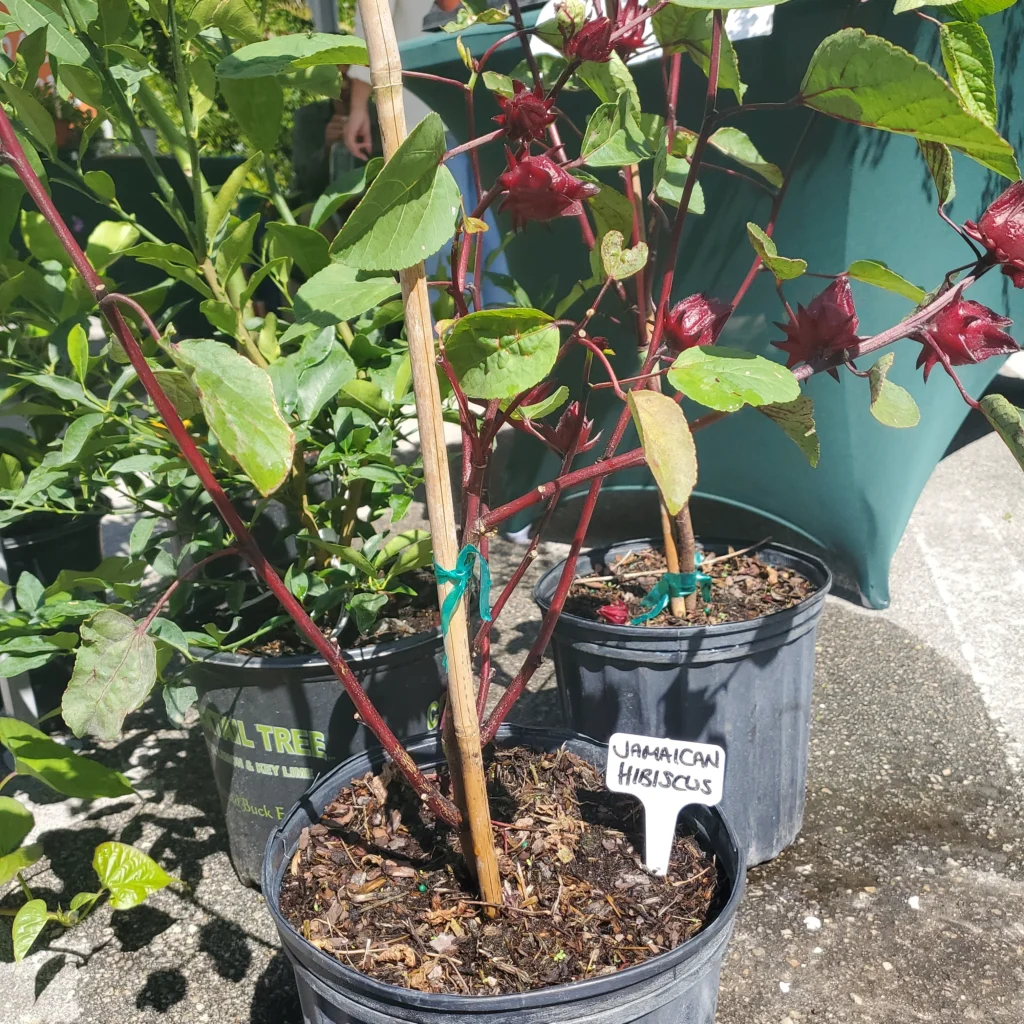
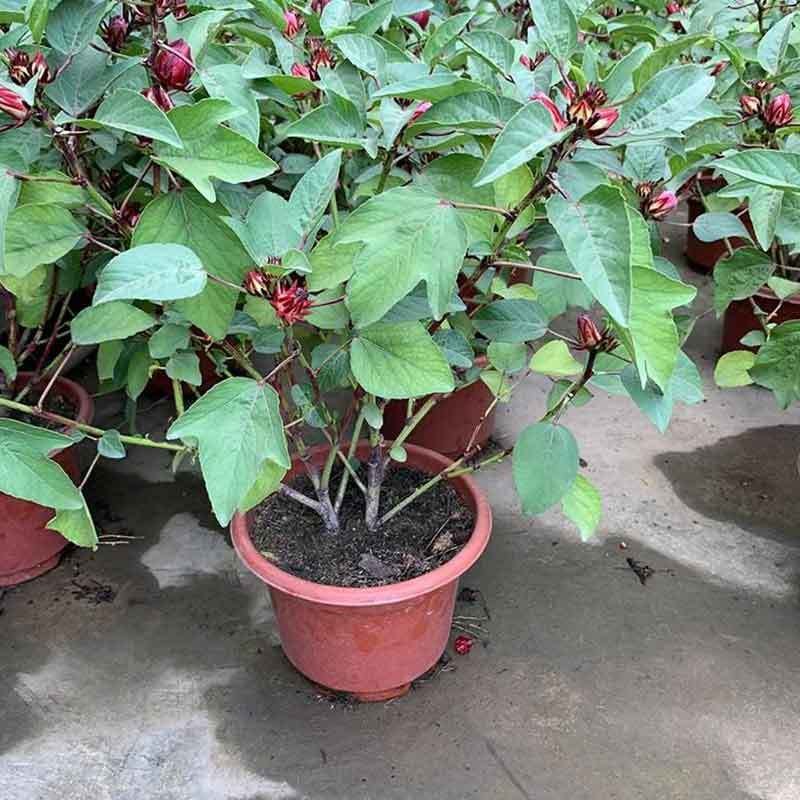
  • Jamaican Sorrel (Roselle or Hibiscus sabdariffa) – Technically not the same plant, but the dried calyces of the hibiscus flower, used in Caribbean sorrel drinks during Christmas.

Despite their differences, all sorrels share one key trait — a tangy acidity that elevates both sweet and savory dishes.


Nutritional Profile: Packed With Vitamins and Minerals

Sorrel might be small, but it packs a serious nutritional punch. This leafy green is low in calories yet rich in antioxidants, vitamins, and minerals, making it an excellent addition to any balanced diet.

A 100-gram serving of fresh sorrel typically contains:

  • Calories: ~22
  • Vitamin C: 80% of the Daily Value (DV)
  • Vitamin A: 50% DV
  • Iron: 15% DV
  • Magnesium: 10% DV
  • Potassium & Calcium: 5–8% DV

Sorrel’s high vitamin C content makes it a natural immune booster, while its iron and magnesium support energy production and muscle function. It also contains polyphenols and flavonoids — compounds known for their antioxidant and anti-inflammatory properties.


Top Health Benefits of Sorrel

  1. Strengthens Immunity
    Thanks to its high vitamin C levels, sorrel helps fight off colds, flu, and infections. It stimulates the production of white blood cells and supports collagen formation for healthy skin and joints.
  2. Promotes Heart Health
    Sorrel is rich in antioxidants and potassium, which help regulate blood pressure and reduce oxidative stress on blood vessels, supporting overall cardiovascular health.
  3. Aids Digestion and Detoxification
    Its slightly sour taste comes from oxalic acid, which naturally stimulates digestion and liver detoxification. Many herbalists use sorrel as a gentle liver cleanser.
  4. Improves Iron Absorption
    Because it’s high in vitamin C, sorrel enhances the body’s ability to absorb iron — making it a smart pairing with iron-rich foods like spinach, lentils, and meat.
  5. Supports Skin Health
    Sorrel’s vitamin A and antioxidants can help protect your skin from oxidative damage, promoting a clearer complexion and slowing the signs of aging.
  6. A Natural Weight-Loss Ally
    Low in calories but high in fiber and nutrients, sorrel adds bulk and flavor to meals without adding excess calories, helping you feel fuller for longer.

Culinary Uses: From Garden to Gourmet Plate

Sorrel’s bright and tangy flavor brings life to a wide range of dishes. Whether you’re cooking French classics or Caribbean-inspired recipes, there’s no shortage of ways to enjoy this vibrant green.

Here are some delicious ways to use sorrel in your kitchen:

  1. Sorrel Soup (French Style)
    A creamy, velvety soup made with sorrel, butter, onion, and a dash of cream. The result is a smooth, lemony comfort dish perfect for spring or early summer.
  2. Sorrel Salad
    Use young sorrel leaves in salads for a zesty bite. They pair beautifully with goat cheese, beets, strawberries, or avocado.
  3. Sorrel Pesto
    Swap basil for sorrel in a tangy twist on classic pesto. Blend with olive oil, pine nuts, garlic, and Parmesan for a bright, citrusy spread.
  4. Sorrel Sauce for Fish or Chicken
    The acidity of sorrel cuts through the richness of fatty fish or grilled chicken, creating a perfectly balanced dish.
  5. Caribbean Sorrel Drink
    Made with dried hibiscus (Jamaican sorrel), cloves, cinnamon, and ginger, this ruby-red drink is a staple during Christmas in the Caribbean — refreshing, tart, and slightly sweetened with sugar or honey.
  6. Sorrel Smoothies
    Add a handful of sorrel to your morning smoothie with pineapple, apple, or mango for a detoxifying, vitamin-rich boost.

How to Grow Sorrel in Your Home Garden

One of the best things about sorrel is how easy it is to grow. It’s a cold-hardy perennial, meaning it can survive in cooler U.S. climates and come back year after year.

Here’s a quick guide to growing your own sorrel:

  • Planting Time: Early spring or fall.
  • Soil: Well-drained, slightly acidic soil.
  • Light: Full sun to partial shade.
  • Watering: Keep the soil moist but not soggy.
  • Harvest: Start picking leaves when they’re 3–4 inches long. Regular harvesting encourages new growth.

You can even grow sorrel in containers on your balcony or windowsill — perfect for urban gardeners or small spaces.

Pro tip: Cut back the plant before it flowers to prevent bitterness and encourage fresh, tender leaves.


Sorrel vs. Spinach: What’s the Difference?

Although sorrel resembles spinach, its flavor and nutritional benefits set it apart.

  • Taste: Sorrel has a tangy, lemon-like taste, while spinach is mild and slightly earthy.
  • Nutrients: Sorrel contains more vitamin C and antioxidants, while spinach offers more protein and folate.
  • Culinary Uses: Spinach is great for neutral dishes, while sorrel shines when you want to add brightness and acidity.

Both are nutritious, but if you’re craving something refreshing and bold, sorrel wins the flavor game.


Safety Note: A Word on Oxalic Acid

While sorrel is healthy in moderation, it contains oxalic acid, the compound that gives it its sour flavor. In large amounts, oxalic acid can contribute to kidney stones, especially for individuals prone to them.

To enjoy sorrel safely:

  • Eat it cooked if you consume it frequently (cooking reduces oxalic acid levels).
  • Balance your diet with calcium-rich foods like milk or yogurt to neutralize oxalic acid.
  • Use moderation — a few servings per week is perfectly safe for most people.

Where to Find Sorrel in the U.S.

Sorrel is becoming easier to find across America.
You can purchase it:

  • At farmers’ markets in spring and early summer.
  • From specialty grocery stores like Whole Foods or local organic markets.
  • Online as dried sorrel (for tea or drinks) or fresh seeds for gardening.

Many health food brands now also sell sorrel tea bags, powders, and even supplements for a quick nutritional boost.


Final Thoughts: Why Sorrel Deserves a Place in Every American Kitchen

In 2025, Americans are embracing more diverse, sustainable, and health-focused ingredients — and sorrel checks all the boxes. It’s nutritious, easy to grow, and adds a bold twist to familiar recipes.

From a tangy salad dressing to a refreshing herbal tea, sorrel proves that small leaves can deliver big flavor and even bigger benefits. Whether you’re a gardener, foodie, or health-conscious eater, sorrel is a must-try green that’s here to stay.

How to Grow Arugula (Rocket): The Fast-Growing, Peppery Green Every American Garden Needs

How to Grow Arugula (Rocket): The Fast-Growing, Peppery Green Every American Garden Needs

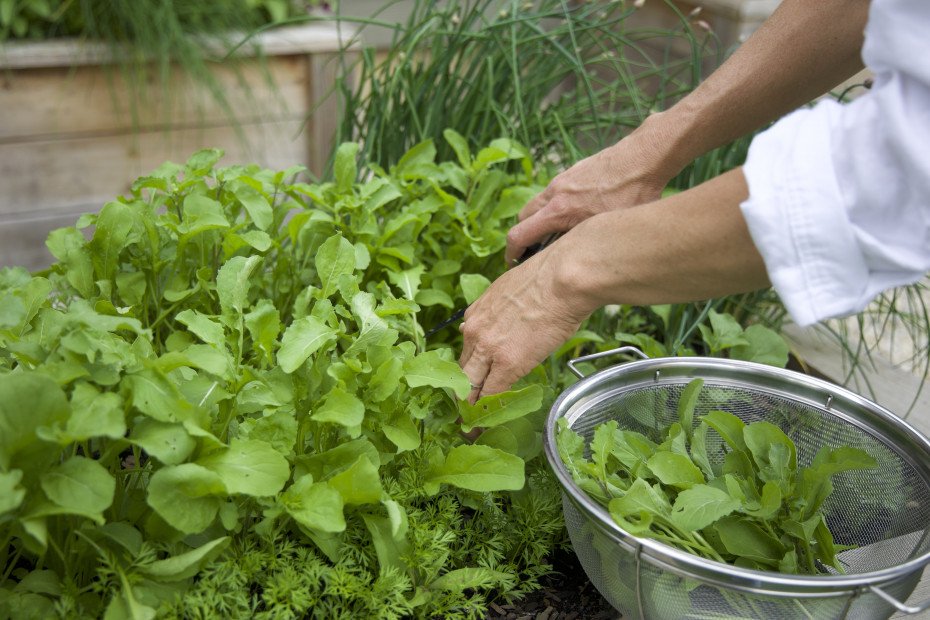
If you love bold, zesty flavors in your salads or sandwiches, arugula (also known as rocket) deserves a spot in your garden. This leafy green, prized for its peppery bite and tender leaves, is a staple in Mediterranean cuisine and a rising favorite among American home gardeners.

Whether you sprinkle it over pizza, toss it in a fresh salad, or blend it into pesto, arugula adds a vibrant, gourmet touch to everyday meals. Best of all? It’s one of the easiest and fastest greens to grow — perfect for beginners or anyone who wants fresh produce in just a few weeks.

In this in-depth guide, we’ll explore everything you need to know about growing, harvesting, and enjoying arugula (rocket) — right from your backyard or balcony.


What Is Arugula (Rocket)?

Arugula (Eruca vesicaria) is a leafy green vegetable native to the Mediterranean region. It’s part of the Brassicaceae family, the same group that includes kale, broccoli, and mustard greens. In the U.S., it’s commonly called arugula, while in Europe and Australia, it’s often known as rocket or roquette.

Its flavor is what makes it stand out — a peppery, slightly nutty taste that adds instant character to salads, sandwiches, and pasta dishes. Because it grows quickly and thrives in cooler weather, it’s an ideal choice for spring and fall gardens across the United States.


Why Arugula Deserves a Spot in Your Garden

Arugula is more than just a trendy salad green. Here’s why American gardeners are falling in love with it:

  • Fast-growing: Ready to harvest in just 3–4 weeks from planting.
  • Low-maintenance: Perfect for beginners or small-space gardeners.
  • Packed with nutrients: Loaded with vitamins A, C, and K, calcium, and antioxidants.
  • Cold-tolerant: Grows well in spring and fall, even in cooler northern states.
  • Endlessly versatile: Great for salads, pizzas, sandwiches, and pestos.

It’s a “grow it today, eat it tomorrow” kind of plant that fits perfectly into modern, fast-paced lifestyles — without compromising freshness or nutrition.


Best Varieties of Arugula to Grow

Not all arugula is the same! Different varieties offer unique leaf shapes, flavors, and growth habits. Here are some popular options for American gardens:

  1. Astro: Mild flavor and smooth leaves; grows quickly — great for early harvests.
  2. Rocket (Roquette): Classic variety with deeply lobed leaves and a sharp, spicy flavor.
  3. Sylvetta (Wild Arugula): Smaller leaves, slower-growing, but much more peppery and heat-tolerant.
  4. Wasabi Arugula: Offers a bold, wasabi-like kick — perfect for spice lovers.
  5. Olive Leaf Arugula: Elegant, elongated leaves with a subtle nutty flavor.

Mixing varieties in one bed gives you a continuous harvest of different textures and tastes.


When and Where to Plant Arugula

Arugula is a cool-season crop that thrives in mild temperatures — ideally between 45°F and 70°F.

  • Spring planting: Start as soon as the soil can be worked, 2–4 weeks before your area’s last frost.
  • Fall planting: Sow seeds 4–6 weeks before the first expected frost.
  • Southern states: You can grow arugula through winter since it prefers cooler weather.

Choose a sunny or partially shaded spot in your garden. Too much heat or full summer sun can cause the plant to bolt (flower early), making the leaves bitter.


How to Plant Arugula (Step-by-Step)

Growing arugula from seed is incredibly easy — no green thumb required!

  1. Prepare the soil: Loosen the top 6 inches and enrich it with compost or organic matter.
  2. Sow the seeds: Scatter seeds thinly or plant them ¼ inch deep and 1 inch apart in rows about 10 inches apart.
  3. Water gently: Keep the soil moist but not soggy.
  4. Thin seedlings: Once plants are 2 inches tall, thin them to about 4–6 inches apart to allow room for growth.

Arugula germinates quickly — usually within 5–7 days — and grows fast, reaching harvest size in 20–30 days.


Care and Maintenance

Arugula is a simple plant that doesn’t ask for much but rewards you generously. Here’s how to keep it thriving:

  • Water regularly: Consistent moisture keeps the leaves tender and prevents bitterness. Aim for 1 inch of water per week.
  • Mulch around the plants: Helps retain moisture and regulate soil temperature.
  • Fertilize lightly: If your soil is rich, it doesn’t need much feeding. A compost top-dressing mid-season is usually enough.
  • Watch the heat: In warm climates, use shade cloth or grow in partial shade to prevent bolting.

With these basic steps, your arugula will stay lush, green, and flavorful.


Pests and Problems

Like most greens, arugula can attract a few garden pests — but they’re easy to manage.

  • Flea beetles: Tiny holes in leaves? These little beetles are likely the cause. Use floating row covers or neem oil.
  • Aphids: Wash them off with water or spray with insecticidal soap.
  • Slugs and snails: Place crushed eggshells or copper tape around plants.

Avoid planting arugula near other Brassica family crops like cabbage or broccoli to reduce pest pressure. Crop rotation helps too.

Harvesting Arugula

One of the best parts of growing arugula is how quickly and continuously you can harvest it.

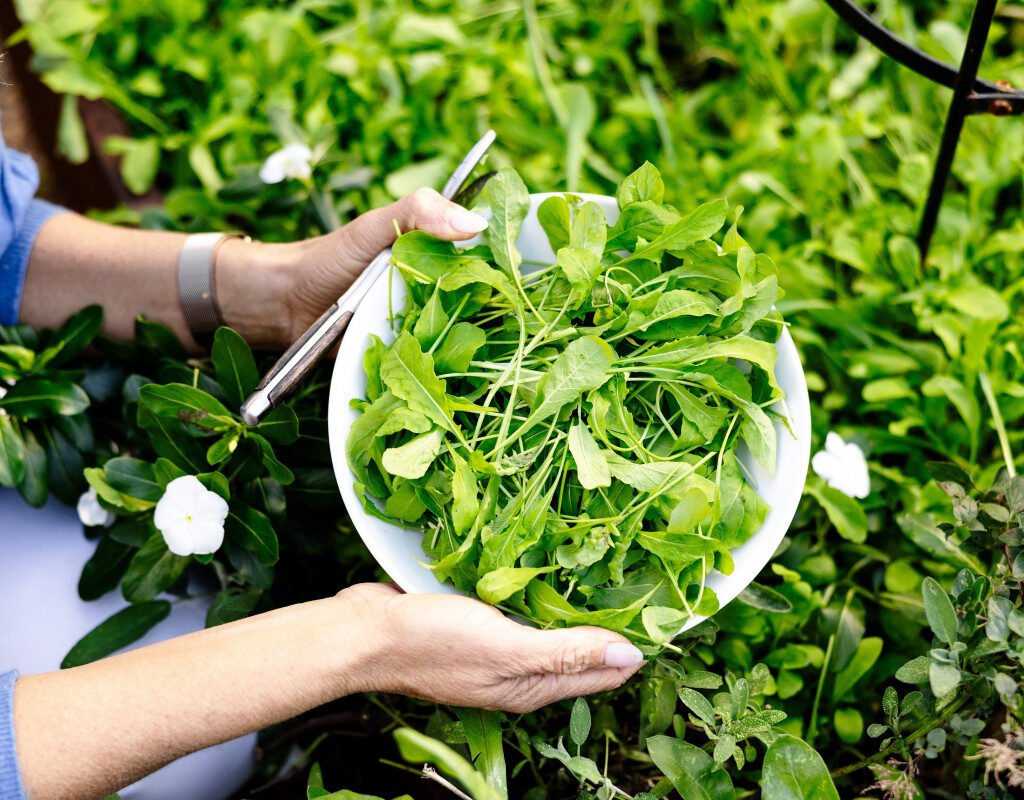
  • Baby arugula: Ready in about 20 days. Cut when leaves are 2–3 inches long for the most tender texture.
  • Mature leaves: Harvest after 35–40 days for larger, spicier greens.
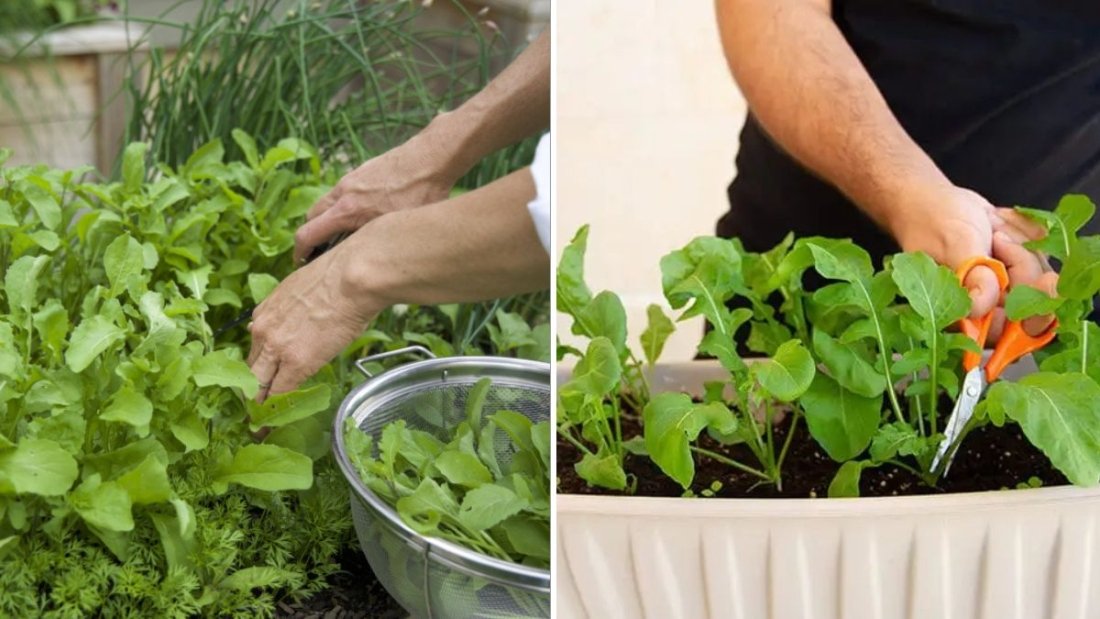
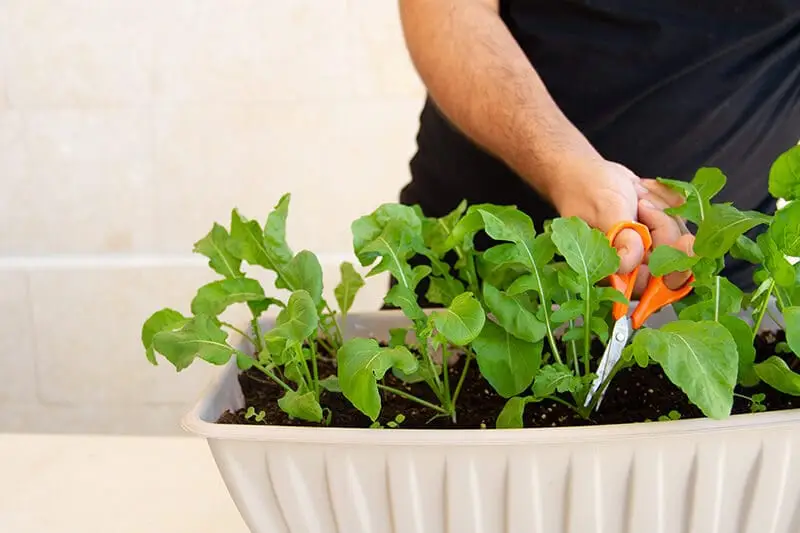
  • Cut-and-come-again: Trim outer leaves with scissors, leaving the center intact so the plant can keep producing.

For extended harvests, sow new seeds every 2–3 weeks for a constant supply of fresh greens.


How to Use Arugula in the Kitchen

Arugula’s peppery flavor adds sophistication to any dish. Here are some delicious ways to enjoy it:

  1. Fresh Salads: Toss with olive oil, lemon, and shaved Parmesan for a simple classic.
  2. Pizza Topping: Add fresh arugula to your pizza after baking for a gourmet touch.
  3. Pasta and Grains: Mix into warm pasta, quinoa, or couscous for extra flavor and color.
  4. Sandwiches and Wraps: Layer arugula instead of lettuce for a zesty bite.
  5. Pesto: Blend with garlic, olive oil, and nuts for a spicy twist on traditional basil pesto.
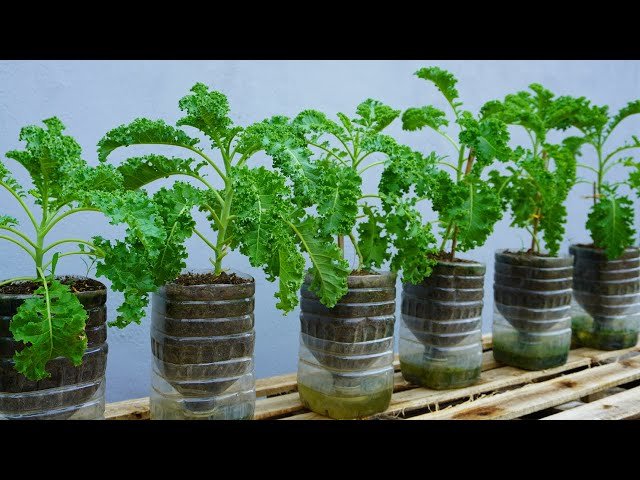
  6. Smoothies: Combine baby arugula with fruits like pear or pineapple for a refreshing, vitamin-packed drink.
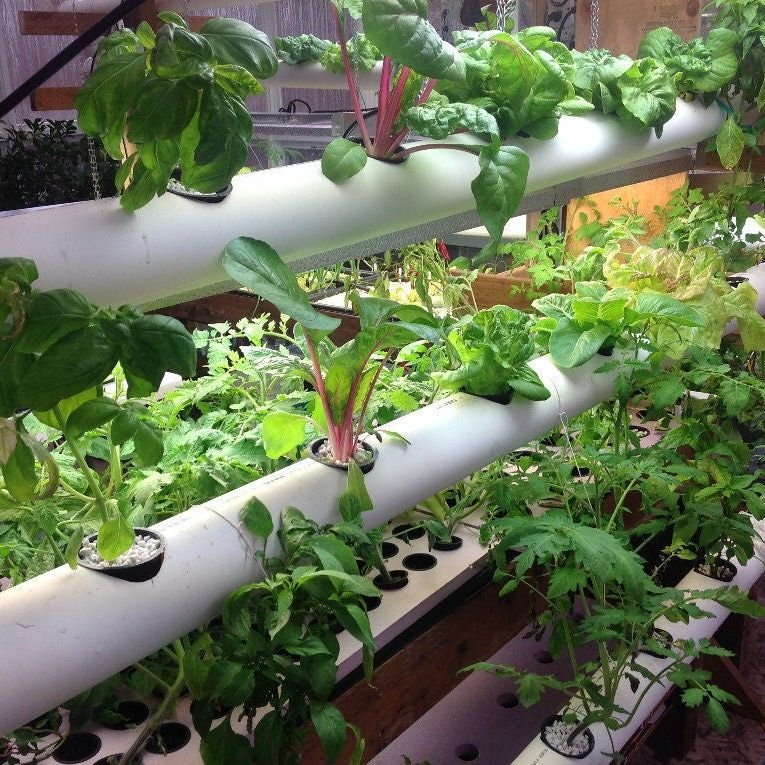
Arugula pairs beautifully with ingredients like citrus, nuts, goat cheese, and balsamic vinegar — making it a chef’s favorite.


Health Benefits of Arugula

Don’t be fooled by its delicate appearance — arugula is a nutrient powerhouse. Just one cup of raw arugula provides:

  • High levels of vitamin K for bone and heart health.
  • Vitamin A and C for immune support and skin vitality.
  • Calcium and magnesium for muscle and nerve function.
  • Antioxidants that help combat inflammation and cellular damage.

It’s also low in calories and high in fiber, making it a great choice for anyone pursuing a healthy, balanced diet.


Companion Planting Tips

Arugula makes an excellent companion in your vegetable garden. It grows well with:

  • Carrots and radishes: These root crops help loosen the soil around arugula.
  • Herbs like dill and mint: Their strong scents help deter pests.
  • Lettuce and spinach: Combine for a mixed salad garden bed.

Avoid planting near broccoli, kale, or mustard greens, which attract similar pests.


Growing Arugula in Containers

Short on garden space? No problem — arugula thrives in pots!

  • Choose a container at least 6 inches deep with drainage holes.
  • Use rich, well-draining potting soil.
  • Water often, as containers dry out faster than ground soil.
  • Place in partial sun, especially in hot climates.

You can easily grow arugula on a balcony, porch, or windowsill, making it perfect for urban gardeners.


Final Thoughts: Why Arugula Is the Ultimate Home Garden Green

From its lightning-fast growth to its bold, peppery flavor, arugula is one of the most rewarding greens you can grow at home. It’s perfect for American gardeners looking to add fresh, flavorful greens to their kitchen without the wait or hassle.

Whether you grow it in garden beds or containers, arugula will reward you with weeks of crisp, tasty leaves that elevate every meal. So grab a packet of seeds, plant them today — and in less than a month, you’ll be enjoying the satisfying crunch of your very own homegrown arugula.

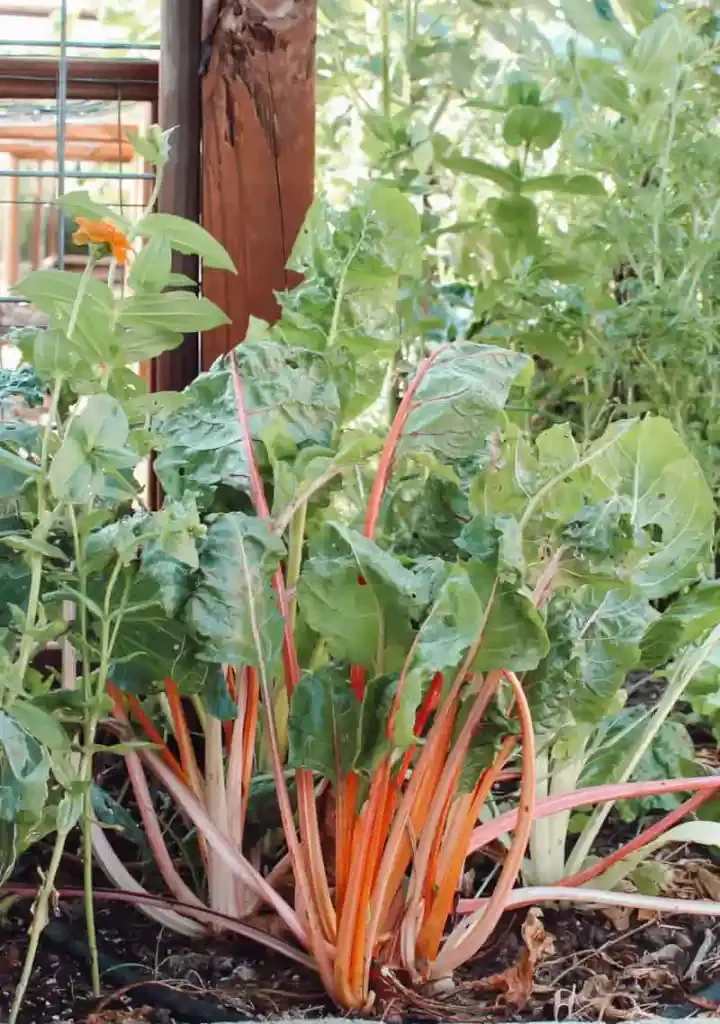
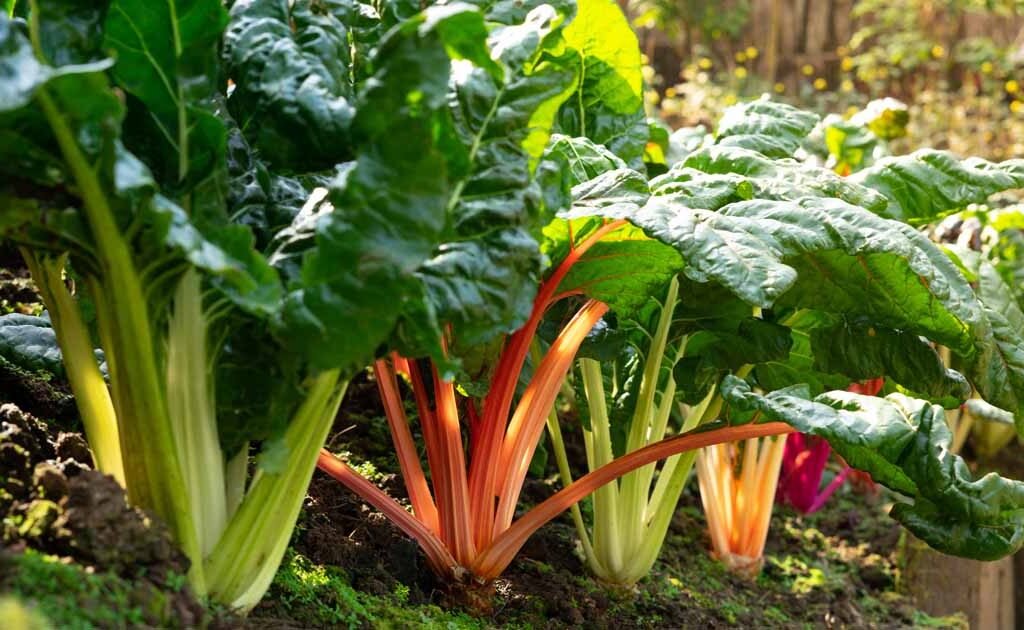
How to Grow Swiss Chard: The Vibrant, Easy-to-Grow Supergreen Your Garden Needs

How to Grow Swiss Chard: The Vibrant, Easy-to-Grow Supergreen Your Garden Needs

If you’re looking for a leafy green that’s both beautiful and incredibly nutritious, Swiss chard is your answer. With its brightly colored stems and glossy leaves, this vegetable adds a pop of color to your garden — and a burst of flavor to your kitchen. Loved by American home gardeners for its low maintenance and high yield, Swiss chard is the perfect crop for anyone who wants healthy greens all season long.

In this detailed guide, we’ll cover everything you need to know about growing Swiss chard — from choosing the right variety and planting it successfully to harvesting, cooking, and enjoying its many health benefits.


What Is Swiss Chard?

Swiss chard (Beta vulgaris var. cicla) is a member of the beet family, but unlike beets, it’s grown for its nutrient-packed leaves and crunchy stems rather than its roots. Sometimes called silverbeet or leaf beet, this vegetable is native to the Mediterranean region and has been a kitchen staple for centuries.

Today, it’s a favorite among American gardeners and chefs for its versatility and resilience. Swiss chard can withstand heat better than spinach and is much easier to grow than many other leafy greens.


Why Swiss Chard Belongs in Your Garden

Here’s why so many U.S. gardeners are falling in love with Swiss chard:

  • Extremely productive: Once established, it keeps producing leaves for months.
  • Heat and cold tolerant: You can grow it in nearly every American climate.
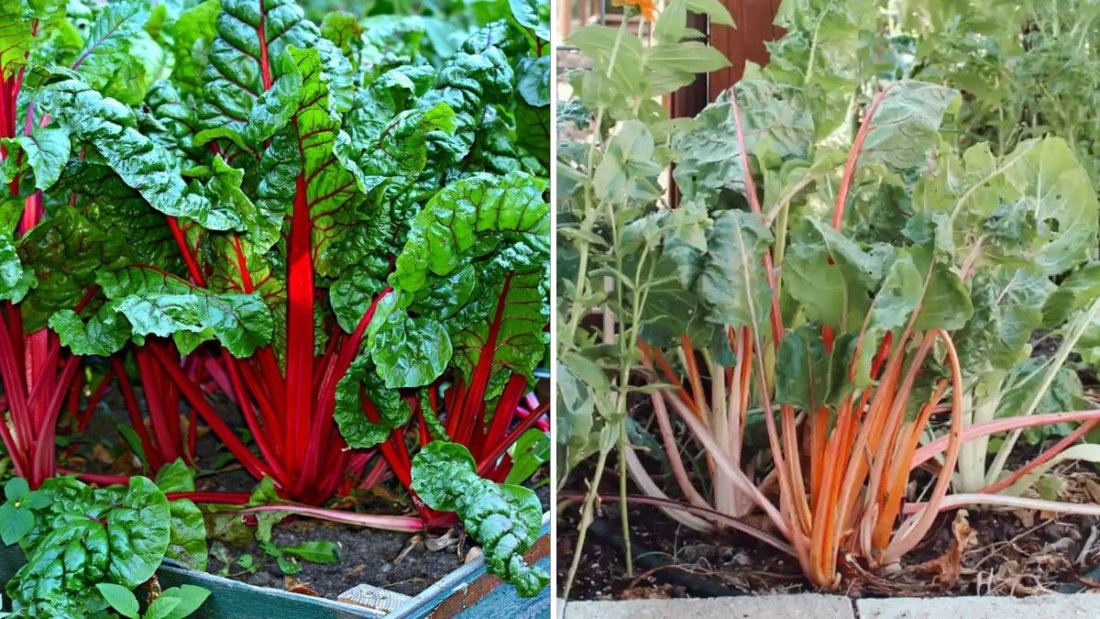
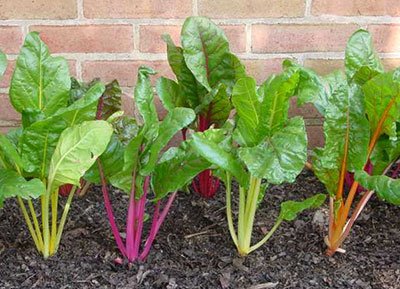
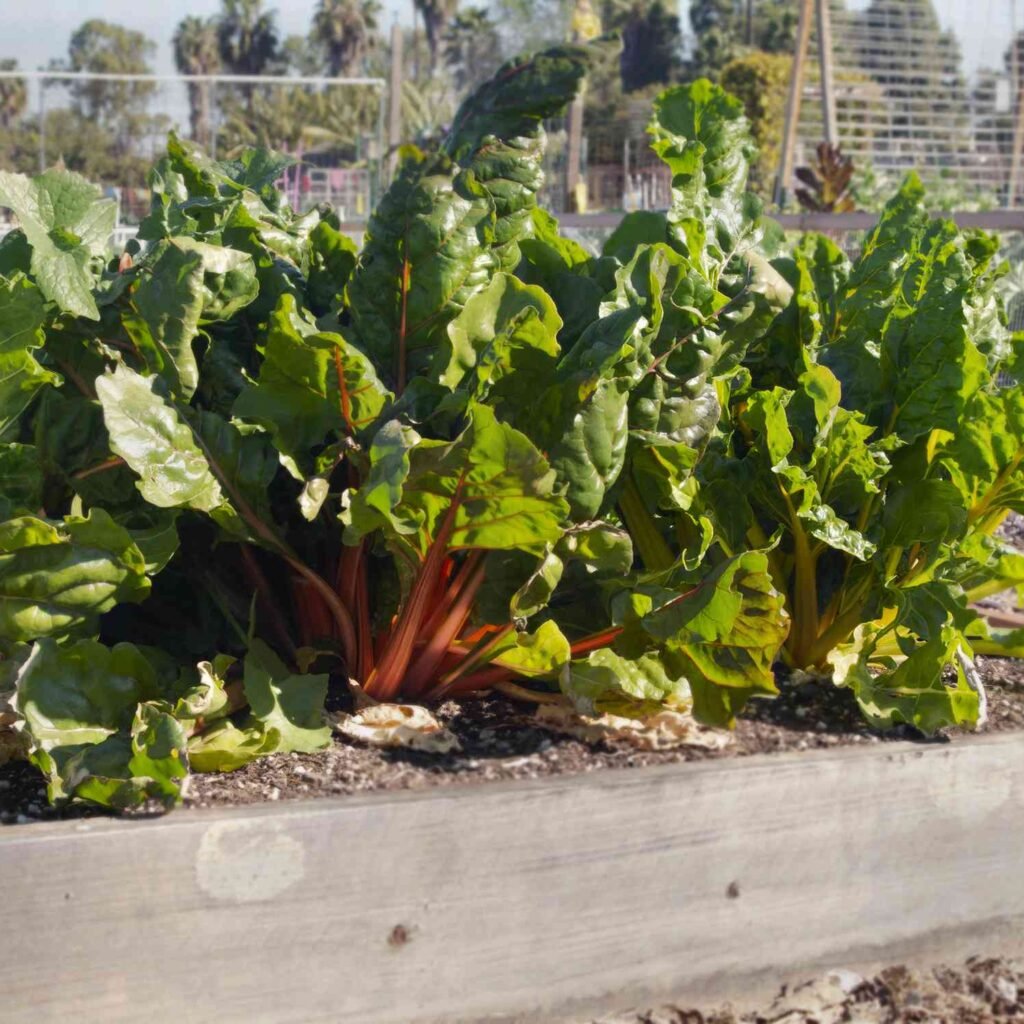
  • Ornamental beauty: The vibrant stems (red, orange, yellow, pink, and white) make it a garden showstopper.
  • Packed with nutrients: It’s loaded with vitamins A, C, and K, plus magnesium, iron, and potassium.
  • Versatile in the kitchen: Great for sautés, soups, salads, and smoothies.

Swiss chard is truly a “plant it once, enjoy it all season” kind of crop — perfect for beginners and experienced gardeners alike.


Popular Varieties of Swiss Chard

There are several stunning types of Swiss chard to choose from, each offering unique colors and flavors.

  1. Bright Lights: Perhaps the most popular variety in the U.S., known for its rainbow-colored stems — red, pink, orange, and yellow.
  2. Fordhook Giant: A traditional green chard with large, crinkly leaves and thick white stems. It’s heat-tolerant and extremely productive.
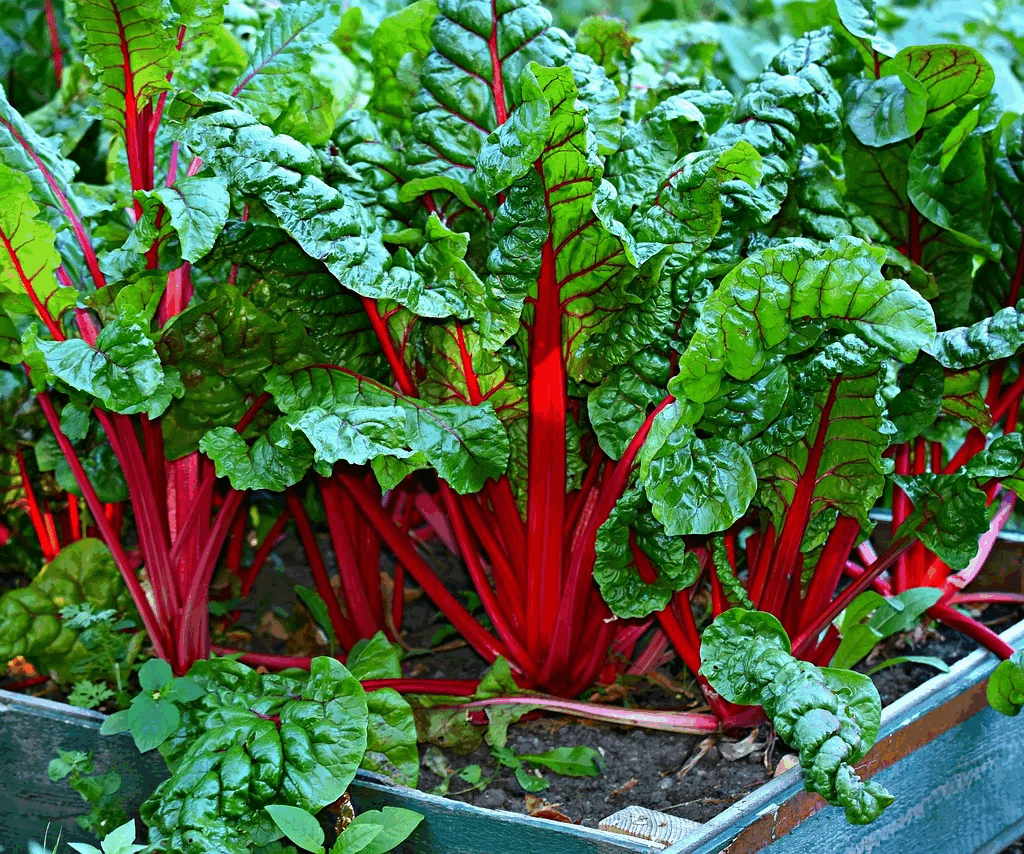
  3. Ruby Red (Rhubarb Chard): Features deep red stems and veins with dark green leaves — a beautiful contrast in the garden.
  4. Lucullus: A classic heirloom type with tender pale green leaves and white stalks.
  5. Barese Chard: A compact, fast-growing variety perfect for containers or small gardens.

Each of these types can bring both flavor and color to your kitchen garden.


How to Grow Swiss Chard at Home

Growing Swiss chard is simple, even if you’re new to gardening. It thrives in most American regions, from California to the Carolinas, and can be grown year-round in warmer climates.

1. When to Plant

Swiss chard is a cool-season vegetable that can also tolerate summer heat.

  • In northern states, plant seeds in early spring (2–3 weeks before the last frost) or late summer for a fall crop.
  • In southern states, chard can be grown through winter.

2. Choosing the Right Spot

Chard loves full sun, but it can handle partial shade — especially in hot areas. Choose a spot with well-draining soil rich in organic matter.

3. Planting the Seeds

  • Sow seeds ½ inch deep and 2 inches apart in rows spaced 12–18 inches apart.
  • Once seedlings are 3–4 inches tall, thin them to about 10–12 inches apart to give each plant room to grow.
  • Water regularly to keep the soil moist but not soggy.

4. Fertilizing

Swiss chard benefits from a balanced fertilizer or compost every 4–6 weeks. Avoid over-fertilizing with nitrogen, as it can produce excessive leaves with less flavor.

5. Watering

Chard needs consistent moisture, especially in hot weather. Aim for about 1 inch of water per week, and mulch around the plants to help retain soil moisture and control weeds.


Common Pests and Problems

Swiss chard is generally hardy, but it can occasionally attract a few pests.

  • Leaf miners: These small insects burrow into leaves, leaving white trails. Prevent them with row covers and remove any affected leaves.
  • Aphids: Rinse them off with water or spray with insecticidal soap.
  • Slugs and snails: Sprinkle crushed eggshells or diatomaceous earth around the plants as a natural deterrent.

Regular inspection and early action can help keep your plants healthy all season.


Harvesting Swiss Chard

One of the best parts about growing Swiss chard is how easy and continuous the harvest can be.

  • You can start harvesting when leaves are about 6–8 inches long (usually 50–60 days after planting).
  • Always pick the outer leaves first, allowing the inner leaves to keep growing.
  • Cut leaves about an inch above the base — the plant will quickly produce new growth.

With proper care, you can enjoy fresh Swiss chard for months — sometimes even into early winter in mild climates.


How to Use Swiss Chard in the Kitchen

Swiss chard isn’t just good for you — it’s incredibly delicious. Its mild, earthy flavor works beautifully in a variety of dishes.

Here are some tasty ways to use it:

  1. Sautéed Chard: Sauté chopped leaves and stems in olive oil with garlic and a splash of lemon juice.
  2. Chard Smoothies: Add baby chard leaves to fruit smoothies for a boost of nutrients.
  3. Soups and Stews: Toss in chopped chard near the end of cooking for extra flavor and color.
  4. Stuffed Chard Wraps: Use large leaves to wrap grains, cheese, or ground meat for a healthy alternative to tortillas.
  5. Omelets and Frittatas: Combine chopped chard with eggs and cheese for a protein-packed breakfast.
  6. Salads: Baby chard leaves make a flavorful base for fresh salads.

You can even substitute Swiss chard for spinach or kale in most recipes.


Health Benefits of Swiss Chard

Swiss chard isn’t just a pretty face — it’s a nutritional powerhouse.

  • Rich in vitamins A, C, and K — essential for vision, immunity, and bone health.
  • High in antioxidants, which protect your cells from free radicals.
  • Supports heart health thanks to its potassium and magnesium content.
  • Promotes digestion with its high fiber content.
  • Anti-inflammatory properties that help reduce chronic inflammation.

Whether you’re eating it raw or cooked, adding Swiss chard to your diet can help you stay energized and healthy.


Companion Planting Tips

Swiss chard grows well with many other garden vegetables. Pair it with:

  • Carrots, onions, and beans (they won’t compete for nutrients).
  • Herbs like dill and mint, which can repel pests.
  • Avoid planting near corn or potatoes, which can crowd or shade it.

Companion planting not only saves space but also helps maintain a balanced, pest-resistant garden ecosystem.


Sustainability and Home Gardening

Swiss chard is a fantastic addition to any eco-friendly garden. It’s low-maintenance, grows fast, and provides continuous harvests, meaning less food waste and fewer grocery trips.

Plus, by growing your own greens, you reduce your carbon footprint and enjoy vegetables free of pesticides and plastic packaging.

Even if you live in an apartment, Swiss chard thrives in containers or raised beds — making it accessible to nearly everyone.


Final Thoughts: A Must-Have Green for Every Garden

Swiss chard checks all the boxes for home gardeners: it’s beautiful, resilient, and nutritious. Whether you’re a beginner growing your first vegetable patch or an experienced gardener expanding your greens, chard delivers stunning results with minimal effort.

So why not plant a few seeds today? With just a little care, you’ll soon have a garden full of rainbow-colored leaves — and a kitchen filled with fresh, healthy meals straight from your backyard.

Kale: The Mighty Green Superfood You Should Be Growing in Your Backyard Garden

Kale: The Mighty Green Superfood You Should Be Growing in Your Backyard Garden

When it comes to powerhouse greens, few vegetables shine quite like kale. Packed with nutrients, easy to grow, and incredibly versatile in the kitchen, kale has earned its title as the “queen of greens.” Whether you’re tossing it into a smoothie, sautéing it with garlic, or baking it into crispy chips, kale is a garden favorite that’s both delicious and rewarding to cultivate.

In this detailed guide, we’ll explore everything you need to know about kale—from its health benefits to how to grow it successfully in your home garden. Whether you’re a first-time gardener or an experienced grower looking to expand your harvest, you’ll find plenty of practical tips here.


What Makes Kale a Superfood?

Kale (Brassica oleracea var. sabellica) belongs to the same family as broccoli, cabbage, and Brussels sprouts. It’s often referred to as a “nutrient-dense” vegetable because of the sheer amount of vitamins and minerals packed into every leaf.

Here’s what a single cup of raw kale provides:

  • Vitamin K: Over 600% of your daily requirement, essential for bone and heart health.
  • Vitamin A: Helps maintain vision and immune function.
  • Vitamin C: Boosts collagen production and strengthens your immune system.
  • Calcium and Iron: Important for bone and muscle health.
  • Antioxidants: Including lutein and beta-carotene, which help protect cells from damage.

With such impressive nutritional stats, it’s no wonder kale has become a favorite among health-conscious Americans, especially those into clean eating and plant-based diets.


Types of Kale You Can Grow

Not all kale is created equal—different varieties bring unique flavors, colors, and textures to your garden and plate. Here are some of the most popular types to try:

  1. Curly Kale: The most common type, known for its ruffled leaves and peppery flavor. Great for salads and chips.
  2. Lacinato Kale (Dinosaur or Tuscan Kale): Features dark, flat leaves and a milder taste. Perfect for soups and sautés.
  3. Red Russian Kale: Has reddish-purple stems and tender leaves with a slightly sweet flavor.
  4. Siberian Kale: Known for its cold tolerance—ideal for gardeners in northern states.
  5. Baby Kale: Harvested early for tender, mild-tasting leaves that are perfect for salads.

Each variety offers something unique, so it’s worth planting more than one to diversify your harvest and meals.


How to Grow Kale in Your Garden

One of the best things about kale is how easy it is to grow—it’s a cool-weather crop that thrives in spring and fall.

1. Choosing the Right Spot

Kale loves full sun but can tolerate partial shade, especially in hotter regions like the southern U.S. The soil should be well-draining, rich in organic matter, and slightly acidic (pH 6.0–6.8).

2. Planting Seeds or Seedlings

You can start kale from seeds indoors about 6 weeks before the last frost, or sow directly into your garden once the soil is workable. Space plants about 12 to 18 inches apart, allowing them room to grow.

3. Watering and Feeding

Kale prefers consistently moist soil—about 1–1.5 inches of water per week. Adding compost or organic fertilizer every few weeks helps maintain nutrient levels.

4. Temperature Tips

Kale thrives in cooler weather (60°F–70°F). If temperatures rise too high, the leaves may turn bitter, so consider shading your plants in summer or moving them to containers you can relocate.

5. Companion Planting

Plant kale alongside herbs and veggies that deter pests, such as garlic, onions, or marigolds. Avoid growing it near other brassicas (like cabbage) to prevent pest overlap.


Protecting Kale from Pests

Kale’s lush green leaves attract a few common garden pests, but with a little vigilance, you can keep them under control:

  • Cabbage Worms: Look for tiny green caterpillars and remove them by hand or spray with neem oil.
  • Aphids: Rinse leaves with a strong jet of water or use insecticidal soap.
  • Flea Beetles: Use row covers early in the season to prevent infestation.

Adding beneficial insects like ladybugs and lacewings to your garden also helps keep pest populations in check naturally.


Harvesting Kale Like a Pro

You can start harvesting kale leaves once they reach about 6–8 inches long, usually within 55–75 days of planting. Always pick the outer leaves first, allowing the center to keep producing.

The great thing about kale is that it’s a “cut-and-come-again” crop—you can harvest leaves multiple times throughout the season.

Pro tip: Kale tastes even sweeter after a light frost! The cold triggers a natural sugar response, making the leaves more tender and flavorful.


Delicious Ways to Eat Kale

Kale’s versatility in the kitchen is one of the reasons it’s so popular across America. Here are some delicious ways to enjoy it:

  1. Kale Chips: Toss leaves in olive oil and bake until crispy. A healthy alternative to potato chips!
  2. Kale Salad: Massage raw kale with olive oil and lemon juice to soften the leaves and reduce bitterness.
  3. Smoothies: Blend baby kale with banana, apple, and pineapple for a nutrient-packed green drink.
  4. Sautéed Kale: Cook with garlic and a splash of lemon juice for a quick, flavorful side dish.
  5. Kale Soup or Stew: Add chopped kale to soups, lentils, or chili for extra greens and nutrients.

Why Kale Belongs in Every Backyard Garden

Kale isn’t just a healthy choice—it’s also a low-maintenance, high-yield vegetable that’s perfect for home gardeners. Here’s why it deserves a spot in your garden:

  • Long Growing Season: You can grow kale nearly year-round in many parts of the U.S., especially with a cold frame or greenhouse.
  • Minimal Maintenance: Kale requires little care once established.
  • Continuous Harvest: The more you pick, the more it grows.
  • Nutrient Powerhouse: It’s one of the most nutritious vegetables you can eat.

Sustainable and Budget-Friendly

Growing kale at home isn’t just great for your health—it’s also environmentally friendly and cost-effective. A single packet of kale seeds costs less than a dollar and can yield pounds of fresh greens all season long.

By growing your own kale, you reduce your carbon footprint, avoid plastic packaging, and enjoy food that’s free of pesticides. Plus, there’s nothing quite as satisfying as harvesting your own produce from your backyard.


Final Thoughts: Start Growing Kale Today!

Kale’s combination of flavor, resilience, and nutrition makes it one of the best vegetables for American gardeners to grow. Whether you’re cultivating a few pots on your balcony or tending a full backyard garden, kale offers a rewarding experience from seed to plate.

So why not start today? Plant a few seeds, nurture them with care, and soon you’ll be harvesting your very own garden-fresh kale—packed with nutrients, bursting with flavor, and perfect for every meal.

Supercharge Your Garden: How to Grow Spinach for a Year-Round Supply of Fresh Greens

Supercharge Your Garden: How to Grow Spinach for a Year-Round Supply of Fresh Greens

If there’s one leafy green that deserves a permanent spot in every home garden, it’s spinach. This nutrient-packed vegetable grows quickly, thrives in cool weather, and rewards gardeners with continuous harvests of tender, flavorful leaves.

Whether you enjoy it in a morning smoothie, a hearty omelet, or a creamy pasta, growing your own spinach means you’ll never have to rely on grocery store greens again. In this comprehensive guide, you’ll learn how to grow spinach at home, from seed to harvest — plus insider tips to keep your plants lush, flavorful, and productive all season long.


Why Spinach Deserves a Spot in Every Garden

Spinach (Spinacia oleracea) is one of the most versatile and nutrient-dense leafy greens you can grow. It’s rich in iron, calcium, vitamin C, vitamin K, magnesium, and folate — all packed into just a few calories per serving.

Beyond its nutritional power, spinach offers plenty of reasons to grow it yourself:

  • Quick harvest: Ready in as little as 30–45 days.
  • Compact size: Grows beautifully in containers, raised beds, or even window boxes.
  • Cool-weather crop: Perfect for spring and fall planting in most parts of the U.S.
  • Multiple harvests: You can pick outer leaves while letting the plant continue to grow.

From the sunny gardens of California to the cooler backyards of Maine, spinach thrives almost anywhere in America with just a little care and the right timing.


Choosing the Right Spinach Variety

Spinach comes in three main types, each with unique traits suited for different growing conditions. Here’s how to choose the best one for your garden:

1. Savoy Spinach

This is the classic type — crinkly, dark-green leaves and a slightly chewy texture. It’s cold-tolerant and perfect for overwintering in mild climates.
Popular varieties: ‘Bloomsdale Long Standing,’ ‘Savoy King.’
Best for: Outdoor gardens in cooler regions.

2. Flat-Leaf (Smooth) Spinach

Smooth leaves are easier to wash and great for salads or cooking. It grows quickly and is often used for baby spinach.
Popular varieties: ‘Space,’ ‘Regal,’ ‘Giant Nobel.’
Best for: Container gardens and quick harvests.

3. Semi-Savoy Spinach

This hybrid type combines the best of both worlds — slightly crinkled leaves but easier cleaning and strong disease resistance.
Popular varieties: ‘Tyee,’ ‘Melody,’ ‘Indian Summer.’
Best for: Gardeners in warmer or humid climates.


When and Where to Plant Spinach

Spinach loves cool temperatures, typically between 40°F and 70°F. It grows best in early spring and fall, but with a little planning, you can enjoy fresh spinach nearly all year round.

Planting Season (By Region):

  • Northern U.S. (zones 3–6): Plant outdoors 4–6 weeks before the last frost; again in late August for a fall crop.
  • Southern U.S. (zones 7–10): Plant in late fall to early winter when temperatures are mild.
  • Pacific Northwest & Northeast: Spring and late summer plantings thrive with steady moisture.

How to Prepare Soil for Spinach

Spinach thrives in rich, well-draining soil that stays evenly moist. It dislikes compacted or waterlogged soil.

  • Ideal pH: 6.5 to 7.0
  • Soil prep: Mix in 2–3 inches of compost or aged manure before planting.
  • Fertilizer tip: Spinach is a heavy feeder. Use a nitrogen-rich organic fertilizer (like blood meal or fish emulsion) to promote lush leaf growth.

If you’re gardening in containers, use a high-quality potting mix with added compost and perlite for drainage.


How to Plant Spinach (Step-by-Step)

Spinach is easy to start from seed — no fancy equipment needed. Here’s how to do it right:

1. Sow the Seeds

  • Depth: ½ inch deep
  • Spacing: 3 inches apart in rows 12–18 inches wide
  • Water: Keep soil consistently moist but not soggy.

For continuous harvests, sow seeds every 2–3 weeks. This staggered planting keeps your kitchen stocked with fresh greens all season long.

2. Thin Seedlings

Once seedlings are about 2 inches tall, thin them to 4–6 inches apart. Don’t throw away the extras — use them as tender baby greens in salads!

3. Mulch & Maintain Moisture

Mulch around your plants to keep soil cool and prevent weeds. Spinach roots are shallow, so avoid letting the soil dry out completely.


Watering and Fertilizing Spinach

Spinach prefers moist, not wet soil. Water regularly, especially in dry or windy weather.

  • Watering frequency: About 1 inch per week
  • Feeding: Every 2–3 weeks with compost tea or a diluted liquid fertilizer.

Pro tip: Avoid overhead watering late in the day — wet leaves overnight can lead to fungal diseases.


Growing Spinach in Warm Weather

Spinach naturally bolts (goes to seed) in hot temperatures. To extend your season:

  • Grow heat-tolerant varieties like ‘Tyee,’ ‘Bloomsdale Long Standing,’ or ‘New Zealand spinach.’
  • Provide partial afternoon shade using a shade cloth.
  • Water deeply and mulch heavily to keep roots cool.

In southern states, many gardeners grow spinach from October to March for best results.


Container Gardening: Grow Spinach Anywhere

Don’t have a big backyard? No problem. Spinach grows beautifully in containers on patios, balconies, or windowsills.

Here’s how to do it:

  • Container depth: At least 6–8 inches.
  • Soil: Loose, fertile potting mix with compost.
  • Water: Daily in warm weather (containers dry out faster).
  • Light: 5–6 hours of sunlight per day or partial shade in summer.

For baby spinach, sow seeds densely and harvest young leaves every two weeks.


Common Spinach Pests and Problems

Even healthy spinach can fall prey to a few garden pests. Here’s what to watch out for — and how to handle them naturally:

ProblemSymptomsSolution
AphidsCurled or sticky leavesSpray with neem oil or insecticidal soap
Leaf minersTunnels in leavesRemove affected leaves; cover with row covers
Slugs/snailsHoles in leavesUse crushed eggshells or organic slug bait
Downy mildewYellow patches underneath leavesImprove airflow, avoid overhead watering
BoltingFlower stalks form earlyGrow in cooler temps or partial shade

Organic gardening methods keep your spinach safe for eating right off the plant.


Harvesting Spinach for Maximum Yiel

Spinach grows quickly, so harvesting properly ensures a continuous supply.

Baby Spinach:

Harvest young leaves when they’re 2–4 inches long. Snip the outer leaves, leaving the center to keep growing.

Mature Spinach:

Cut the entire plant about an inch above the soil line. New leaves often sprout back for a second harvest.

To keep your spinach fresh:

  • Wash in cool water.
  • Dry thoroughly.
  • Store in a zip-lock bag or airtight container in the refrigerator for up to 5 days.

For long-term use, blanch and freeze spinach to enjoy homegrown greens year-round.


Health Benefits of Spinach

There’s a reason spinach has been a “superfood” for decades. Here are just a few ways it boosts your health:

  1. Supports healthy blood and bones — rich in iron, calcium, and vitamin K.
  2. Builds immunity — high in antioxidants like beta-carotene and vitamin C.
  3. Improves heart health — nitrates in spinach help regulate blood pressure.
  4. Boosts brain function — folate and magnesium support cognitive health.
  5. Aids digestion — full of fiber for gut wellness.

Eating fresh spinach daily — whether raw, sautéed, or blended into smoothies — fuels your body with nutrients that support energy, immunity, and longevity.


Delicious Ways to Use Fresh Spinach

When your garden is overflowing with spinach, the culinary possibilities are endless. Try these tasty ideas:

  • Fresh salads with strawberries, walnuts, and feta.
  • Creamy spinach pasta or lasagna.
  • Spinach omelets or frittatas.
  • Green smoothies with banana and almond milk.
  • Spinach-stuffed chicken or pastry rolls.

Cooking tip: Spinach wilts quickly, so add it last to cooked dishes to preserve its vibrant color and nutrients.


Pro Tips for Spinach Success

  1. Sow often: Plant new seeds every few weeks for continuous harvests.
  2. Morning harvest: Leaves picked early are crisper and sweeter.
  3. Shade in summer: Protect from harsh sun to prevent bolting.
  4. Fertilize lightly: Too much nitrogen causes thin, floppy leaves.
  5. Save seeds: Let a few plants bolt and dry for next season’s planting.

Final Thoughts: Your Path to Endless Greens

Few vegetables are as rewarding — or as nutritious — as spinach. With its fast growth, compact size, and year-round versatility, it’s a perfect choice for beginner and experienced gardeners alike.

By following the simple steps in this guide, you’ll enjoy fresh, homegrown spinach whenever you want — straight from your backyard or balcony. Once you taste your own crisp, flavorful greens, you’ll never go back to store-bought again.


Fresh from the Garden: How to Grow Crisp, Flavorful Lettuce at Home

Fresh from the Garden: How to Grow Crisp, Flavorful Lettuce at Home

There’s nothing quite like the crunch of fresh, homegrown lettuce in your salad bowl. Whether you prefer the buttery softness of Bibb lettuce, the crunch of romaine, or the tender frills of leaf varieties, lettuce is one of the easiest and most rewarding vegetables to grow right in your backyard or even on a sunny balcony.

In this complete guide, we’ll explore everything you need to know about how to grow lettuce at home, from choosing the right varieties to keeping your greens crisp and pest-free. Perfect for gardeners across the U.S., this guide will help you enjoy an endless supply of farm-fresh flavor from your own garden beds or containers.


Why Grow Lettuce at Home?

Lettuce is a cool-season crop, meaning it thrives in mild weather and grows quickly. From seed to harvest, most lettuce varieties mature in just 30 to 60 days. It’s perfect for spring and fall gardens, and even summer gardens if you choose heat-tolerant types.

Beyond its ease of growth, lettuce offers:

  • Nutritional benefits: Rich in vitamins A, K, and folate, plus antioxidants that boost your immune system.
  • Continuous harvest: Many types allow you to pick outer leaves while the plant keeps producing.
  • Compact growth: You don’t need much space — a few pots or a small raised bed will do.
  • Fresh taste: Store-bought lettuce can’t compare to the crispness of freshly picked leaves.

If you’ve been dreaming of making your own salads straight from the garden, lettuce is the perfect place to start.


Choosing the Right Lettuce Variety

Before planting, it’s important to pick the right type of lettuce for your taste and climate. Here are the most popular varieties grown in American home gardens:

1. Leaf Lettuce

This is the easiest type for beginners. It doesn’t form a head — instead, it produces loose, tender leaves you can harvest as needed.
Popular varieties: ‘Black Seeded Simpson,’ ‘Red Sails,’ ‘Salad Bowl,’ ‘Oak Leaf.’
Best for: Quick harvests, cut-and-come-again growing.

2. Romaine (Cos) Lettuce

Tall, crisp, and full of flavor. Romaine tolerates more heat than most other lettuces.
Popular varieties: ‘Parris Island Cos,’ ‘Little Gem,’ ‘Valmaine.’
Best for: Caesar salads, sandwich toppings, and wraps.

3. Butterhead Lettuce

Soft, tender leaves that form small, loose heads. The flavor is delicate and buttery.
Popular varieties: ‘Bibb,’ ‘Buttercrunch,’ ‘Boston.’
Best for: Sandwiches and wraps; perfect texture for gourmet salads.

4. Crisphead Lettuce

This is the classic iceberg type you’ll find in supermarkets — cool-loving and crunchy.
Popular varieties: ‘Great Lakes,’ ‘Iceberg,’ ‘Summertime.’
Best for: Cooler climates or early spring/fall growing.

5. Batavia (Summer Crisp)

A cross between leaf and crisphead lettuce, Batavia types are slow to bolt and tolerate summer heat.
Popular varieties: ‘Sierra,’ ‘Nevada.’
Best for: Long growing seasons and warm climates.


Ideal Growing Conditions

Lettuce thrives when you mimic its favorite conditions: cool weather, moist soil, and filtered sunlight.

Temperature

  • Ideal range: 45°F to 75°F.
  • Lettuce bolts (goes to seed) when days become too hot, so spring and fall are best.
  • In hotter states, plant in partial shade or use shade cloth during summer.

Light

  • At least 6 hours of sunlight daily for compact, healthy growth.
  • In warmer regions, light afternoon shade helps prevent leaf scorch.

Soil

  • Loose, rich, and well-draining soil is key.
  • Aim for pH between 6.0 and 7.0.
  • Add compost or aged manure to boost nutrients before planting.

Water

Lettuce has shallow roots and dries out quickly. Keep soil consistently moist, not soggy.
Pro tip: Mulch around your plants to retain moisture and regulate soil temperature.


How to Plant Lettuce (Step-by-Step)

Lettuce is simple to plant whether you’re growing in garden beds, containers, or hydroponic setups.

1. Start with Seeds

You can direct sow lettuce seeds outdoors or start them indoors for an early start.

  • Sow depth: ¼ inch deep
  • Spacing: 6–12 inches apart, depending on variety
  • Germination: Usually 7–10 days

If you’re growing indoors, start seeds in biodegradable pots or seed trays 3–4 weeks before transplanting outside.

2. Transplant or Thin

Once seedlings are 2–3 inches tall, thin them out so they have room to grow. Crowded lettuce leads to small, stunted heads.
Keep the healthiest plants and remove the weaker ones.

3. Feed and Water

Feed with a balanced organic fertilizer (such as 10-10-10) every few weeks, or side-dress with compost tea.
Maintain even moisture — lettuce becomes bitter when stressed by dryness.

4. Mulch and Protect

Apply straw, leaves, or shredded bark around the base of your lettuce to keep soil cool and moist.
Protect from slugs and snails by using crushed eggshells or organic slug traps.


Harvesting Lettuce the Right Way

The best part of growing lettuce? Harvest time comes fast — usually within 30 to 60 days of planting.

There are two main harvesting methods:

Cut-and-Come-Again

Perfect for leaf lettuces. Simply snip the outer leaves about an inch above the base, leaving the center to keep producing. You’ll get multiple harvests from one plant.

Full-Head Harvest

For head-forming varieties (like butterhead or romaine), cut the whole plant at the base once it’s fully grown and before it bolts (flowers).
If temperatures rise, harvest early to avoid bitterness.

To keep your harvest fresh, wash gently in cool water, dry, and store in the refrigerator with a damp paper towel to maintain crispness.


Common Lettuce Pests and How to Manage Them

Even the healthiest lettuce gardens can attract pests. Here’s how to keep your greens safe naturally:

PestSymptomsNatural Solution
AphidsCurling or sticky leavesSpray with neem oil or soapy water
Slugs & snailsHoles in leavesUse beer traps or crushed eggshells
Leaf minersTunnels in leavesRemove affected leaves early
CutwormsSeedling damagePlace collars around young plants
WhitefliesWilting, pale leavesUse yellow sticky traps or garlic spray

Avoid chemical pesticides — lettuce is a crop you eat raw, so organic methods are safest.


Growing Lettuce in Containers

If you don’t have garden space, lettuce grows beautifully in pots, window boxes, or raised beds.

Here’s how:

  • Choose containers at least 6 inches deep.
  • Fill with well-draining potting mix enriched with compost.
  • Sow seeds directly and thin them once they sprout.
  • Keep pots in a cool, bright location with partial shade in hot weather.

Bonus: Container-grown lettuce is easier to protect from pests and can be moved to follow the shade.


Companion Planting Tips

Lettuce loves company — especially plants that repel pests or provide shade. Try these combinations:

Good companions:

  • Carrots
  • Radishes
  • Beets
  • Onions
  • Garlic
  • Marigolds
  • Cucumbers

Avoid planting with:

  • Parsley
  • Celery
  • Cabbage (they compete for space and nutrients)

Health Benefits of Fresh Lettuce

Freshly picked lettuce isn’t just delicious — it’s also packed with nutrients.
Here’s what it brings to your plate:

  • Hydration: 95% water helps keep you refreshed.
  • Low-calorie nutrition: Great for weight loss and healthy eating.
  • Rich in fiber: Aids digestion.
  • Vitamin A & K: Support eye health and blood clotting.
  • Antioxidants: Fight inflammation and boost immunity.

Whether you’re making a simple green salad or adding lettuce to tacos, sandwiches, or wraps, it’s a versatile and healthy choice for every meal.


Pro Tips for Lettuce Success

  1. Succession plant every 2 weeks for a constant supply.
  2. Harvest early in the morning for the crispest leaves.
  3. Use shade cloth in summer to prevent bolting.
  4. Try hydroponic lettuce indoors for year-round greens.
  5. Keep soil moist but never soggy — lettuce hates dry roots.

Final Thoughts: Fresh Flavor Starts in Your Backyard

Lettuce is one of the most rewarding crops for home gardeners — quick to grow, easy to maintain, and endlessly versatile in the kitchen. With just a little care and attention, you can enjoy a constant harvest of fresh, crisp, and nutrient-rich greens straight from your garden.

So grab a packet of seeds, find a sunny spot, and start growing your own lettuce today. Your salads, sandwiches, and wraps will never taste the same again!